
Review · AYUTTHAYA DAY TRIPS
6-Day Northern Thailand Tour: Ayutthaya, Sukhothai, Chiang Mai and Chiang Rai from Bangkok
Ruins, hills, and border views in six days. This trip strings together old Siam capitals, mountain villages, and northern temple stops, then finishes with Chiang Mai culture and a visit to an elephant rescue sanctuary. You’ll also get the option of a Myanmar border walk and a Golden Triangle viewpoint where three countries meet.
What I like most is how you get big historical payoff without feeling stuck in one city. Ayutthaya and Sukhothai are time-travel heavy, and the route keeps you moving through different regions instead of repeating the same sights.
I also really liked the role of the guide—when the group is small, the explanations get more personal. Names like Vanda and Shannon show up in standout accounts for strong English and patient, no-stress guidance, and that matters on a long driving tour. The main drawback to plan for is the pace: long travel days and early starts can be tiring, and a few meals may feel less varied than you’d expect.
In This Review
- Key things I’d bank on
- Road-to-ruins value: what you’re paying for
- Pickup, timing, and the small-group advantage (6:00 am start)
- Day 1: Bang Pa-In and Ayutthaya’s ruined grandeur to Lopburi and Phitsanulok
- What could feel like a lot
- Day 2: Sukhothai’s Buddha statues, Sri Satchanalai, and the drive into Chiang Rai
- Day 3: Hill tribes at Doi Mae Salong, Mae Sai border life, and the Golden Triangle
- Day 4: Mae Ka Chan hot springs, Chiang Mai arrival, and Wat Doi Suthep plus Kantoke
- A small note on expectations
- Day 5: Elephant Nature Park and San Kamphaeng’s craft-making hands
- Day 6: Chiang Mai airport transfer and departure
- Hotels and meals: what to expect on the ground
- Optional add-on: Laos via Mekong boat ride
- Should you book this 6-day northern Thailand trip?
- FAQ
- How long is the tour and what time does it start?
- Does the tour include pickup and mobile tickets?
- Where do I sleep during the trip?
- Can I cross into Myanmar during the tour?
- Is the Mekong River boat ride included?
- Is the elephant visit included, and what kind of place is it?
- What’s the cancellation window for a full refund?
Key things I’d bank on
- Small group feel: up to 3 people, often making it close to a private tour.
- Real countryside time: lots of van travel past rural scenery, not just city stops.
- Siam’s capitals in sequence: Ayutthaya to Sukhothai (plus Sri Satchanalai) gives context fast.
- Border and Golden Triangle options: Mae Sai bridge walk may be possible, plus viewpoints at the Golden Triangle.
- Elephant Nature Park visit: a sanctuary-style outing built around rescue and rehabilitation.
- Handicraft stop that teaches the process: San Kamphaeng covers silk, umbrellas, paper, pottery, and woodcrafts.
Road-to-ruins value: what you’re paying for
At about $1,914.66 per person, this isn’t a budget “see Thailand in a blur” deal. It’s priced like a guided, door-to-door style route with enough stops to justify the long distance from Bangkok into the north. The best way to think about it: you’re paying for time saved (pickup and planned logistics), guide-led context (history and culture explained), and covering multiple regions in only six days.
You also get structure that reduces decision fatigue. Most key temple and site entries are listed as free tickets in the schedule you’ll follow, which helps keep your daily costs predictable. Add in meals at Thai restaurants each day, plus hotel nights in Chiang Rai and Chiang Mai, and you’re mostly buying a ready-made experience rather than just transportation.
Two things can affect the real value for you:
- The border day depends on conditions at the Thailand–Myanmar border. If the bridge crossing isn’t available, you’ll still see Mae Sai and the Golden Triangle, but you lose the bonus walk.
- Some of the hotel and food quality can vary. One account flagged the first night as needing refurbishment, and another noted meals feeling repetitive. That doesn’t mean it’s bad overall—it means you should go in expecting “good local meals,” not restaurant perfection every day.
North to the old capital, more Ayutthaya runs
- From Bangkok: Ayutthaya Temples Guided Tour with Lunch
★ 4.7 · 10,535 reviews - From Bangkok: Ayutthaya Day Tour by Bus with River Cruise
★ 4.3 · 1,892 reviews - Ayutthaya Temples and River Cruise from Bangkok
★ 4.0 · 1,692 reviews
Pickup, timing, and the small-group advantage (6:00 am start)
Service begins with a 6:00 am start. That’s early enough to make most mornings feel like a reset button: the day begins fast, and you’ll likely be grateful later when you’re not stuck planning. Pickup is offered, and the tour uses mobile tickets, which keeps check-in simple.
The group size caps at 3 travelers, and the tour needs a minimum of 2 passengers to run. If it doesn’t meet that minimum, you’ll be offered an alternative or a full refund. When the group is small, the guide can adjust pacing—answer questions, explain route history, and keep transfers smooth. A couple of accounts describe near-private setups, including comfortable vehicle changes with a chauffeur and strong guide attention.
Practical note: even with a small group, you’re still doing a long overland route. Plan for motion on mountain roads and for days where you’re going from early temple time to late arrival time.
Day 1: Bang Pa-In and Ayutthaya’s ruined grandeur to Lopburi and Phitsanulok
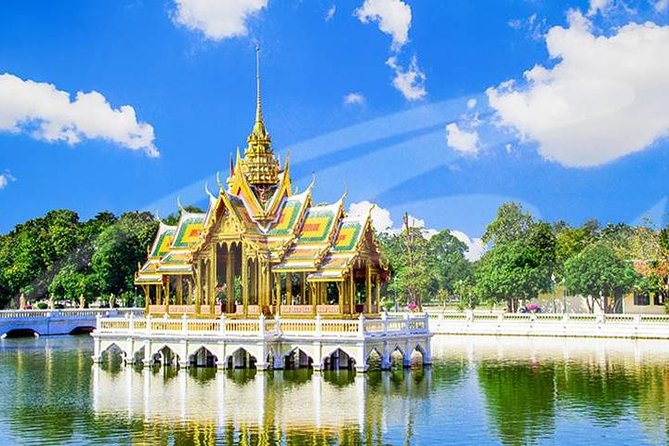
Your first big jump happens north of Bangkok. You start at Bang Pa-In, the Royal Summer Palace, a smart warm-up before you hit the heavier ruin sites. It’s a mix of Thai and European architecture, with landscaped gardens and charming details like the Thai pavilion on a lake and topiary bushes shaped like elephants. This stop matters because it sets a visual theme: Thailand’s royal aesthetics didn’t just disappear when kingdoms fell.
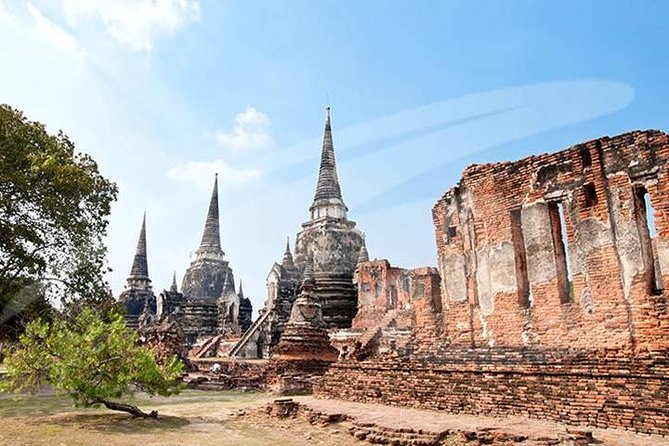
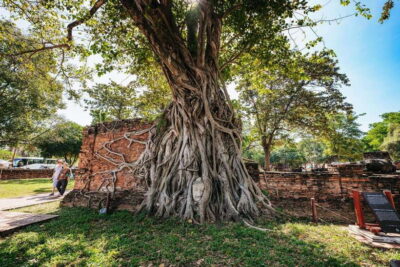
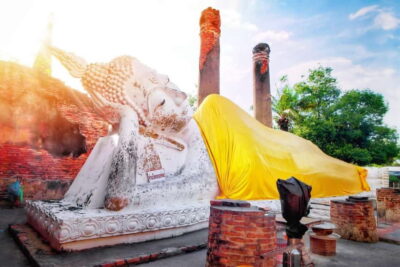
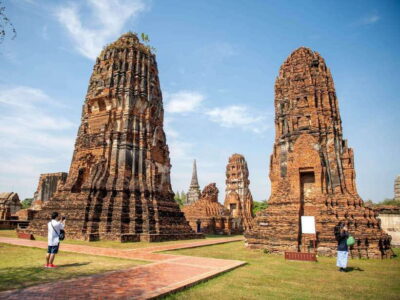
Then comes Ayutthaya, the former Siam capital. The city was once ransacked by the Burmese, but the ruins still carry weight. I like the way Ayutthaya is presented here as more than “pretty old temples.” You’ll walk through historical sites while also thinking about how canals and rivers once sustained the city’s prosperity. It’s a key reminder that ancient cities were built on transport and water systems, not just palaces.
A quick countryside drive follows to Lopburi, a smaller but fascinating stop. Lopburi’s layers reach back to Neolithic and Bronze Age artifacts, and the tour touches on the Dvaravati period era too. Two landmarks are called out:
- Phra Prang Sam Yod, a laterite shrine with three spires (13th century)
- Kala shrine of Sarn Prakarn, a Buddhist sanctuary (also 13th century)
This isn’t a “must-see every time” city for everyone, but it’s a good change of pace from Ayutthaya because it feels less crowded and more like you’re driving through Thailand’s longer timeline.
Finally, you reach Phitsanulok and Wat Mahathat, a revered temple tied to ancient Thai religious architecture styles. It’s a strong finish for Day 1: you end with a temple that helps you connect the dots from earlier ruins to Thailand’s continuing Buddhist tradition.
What could feel like a lot
By the end of Day 1, you’ll have done palace gardens, a major ruin complex, another shrine-heavy province, and a riverside town stop. If you get tired walking in heat, pack for slower pacing and hydrate like it’s part of the itinerary.
Worth putting side by side before you book this Bangkok tour:
Day 2: Sukhothai’s Buddha statues, Sri Satchanalai, and the drive into Chiang Rai
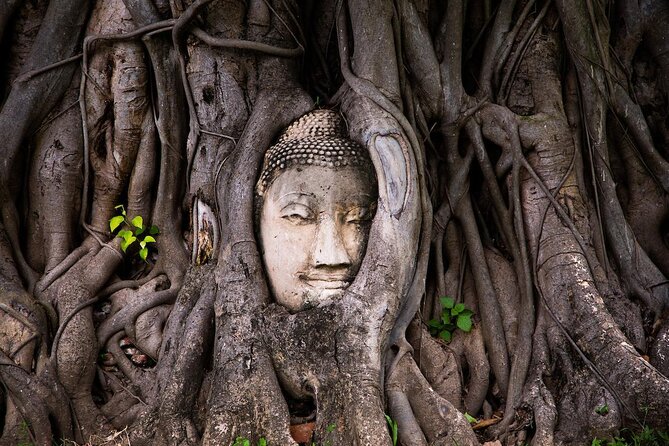
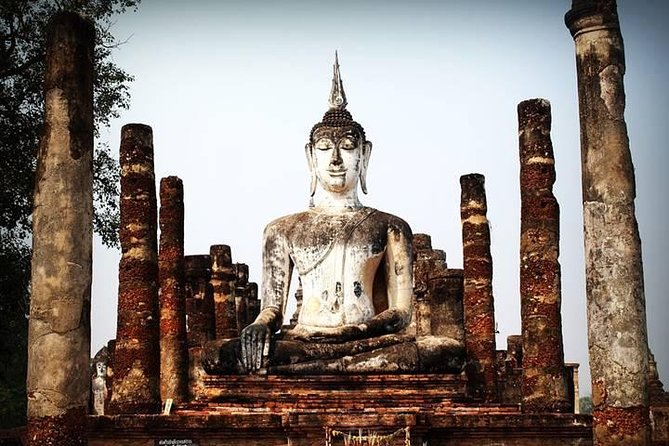
Day 2 switches your brain from Ayutthaya’s kingdom scale to Sukhothai’s calmer, more sculptural world. You head to Sukhothai, the ancient capital from the 13th century, protected by three layers of earthen ramparts and two moats. The standout is how the ruins feel airy and deliberate, with serene standing Buddha statues and temple/monastery remnants that read like a spiritual map.
Then you continue north to Sri Satchanalai, Sukhothai’s twin city. Visiting both places is smart. You see how similar architecture and city planning could evolve across nearby centers. It also breaks the day into two distinct “ruin moods,” instead of one long stretch of temples that blur together.
Lunch is served at a local restaurant, then you move into a scenic drive through rural areas and jungle-covered hills. Your arrival in the north continues with a brief stop in Phayao, described as a charming town dating back to the 11th century, with a lakeside setting where you can take a breath.
That evening, you overnight at Teak Garden Spa Resort in Chiang Rai. It’s a real change from the temple intensity—by the time you settle in, you’ve moved far from Bangkok’s rhythms.
Day 3: Hill tribes at Doi Mae Salong, Mae Sai border life, and the Golden Triangle
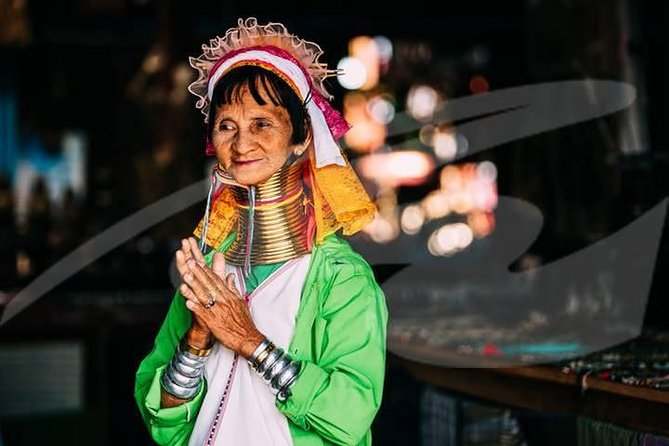
Today is where northern Thailand becomes more than temples. You go into the mountains using pickup vans and winding roads, with multiple village visits that focus on traditional dress and daily life.
First stop: Doi Mae Salong. The tour highlights it as a Chinese settlement established by Kuomintang soldiers who fled China after Mao Zedong’s victory in 1949. You’ll see the kind of cultural blend that shows up through everyday details like traditional Chinese herbal medicines and the panoramic mountain views. If you like places where history is still visible in the people and objects around you, this is a strong stop.
Then you visit Akha and Yao hill tribe villages. The emphasis is on costumes and customs, and you’ll likely spend time watching daily routines rather than only taking photos.
After lunch in the valley, you head to Mae Sai, Thailand’s northernmost town on the Burma/Myanmar border. Here the bridge and border connection are the star. The markets selling Burmese handicrafts can be a great way to understand how border towns function: commerce, identity, and movement all meet in one place.
You also have the possibility of an optional Burma border crossing if conditions allow. The walk is described as about an hour exploratory time with your guide, and you’ll need two passport photocopies plus a border pass fee. That requirement matters—don’t assume last-minute printing will be easy.
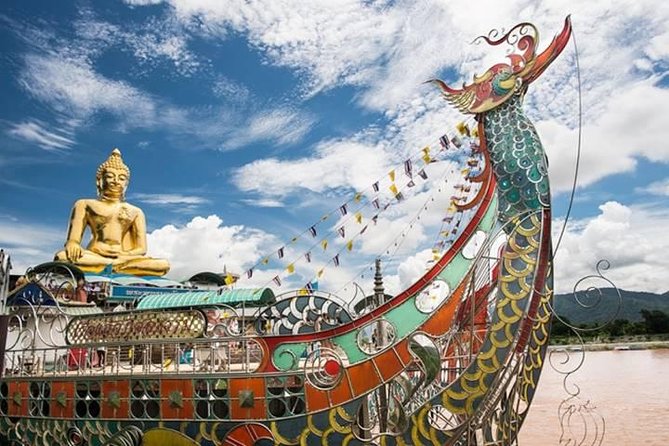
Next up is the Golden Triangle, where the Ruak and Mekong Rivers converge. You’ll get sweeping views from a hilltop viewpoint. Even if you’ve read about it before, seeing it in person helps you understand why this spot became famous in regional imagination—three countries, three currents, and a boundary that feels close enough to touch.
You finish the day in Chiang Saen, a riverside town with 13th-century city roots and temples around intricately carved figures. Then it’s back to Teak Garden Spa Resort for the second night.
Day 4: Mae Ka Chan hot springs, Chiang Mai arrival, and Wat Doi Suthep plus Kantoke
Day 4 is a transition day: from Chiang Rai’s border-and-mountain focus to Chiang Mai’s temple and culture center.
You start with breakfast, then drive from Chiang Rai to Chiang Mai. A key stop is Mae Ka Chan, known for hot springs where locals use therapeutic baths to soothe aches and pains. The tour schedules time for lunch at a local restaurant before you continue through mountain landscapes and tropical jungle areas.
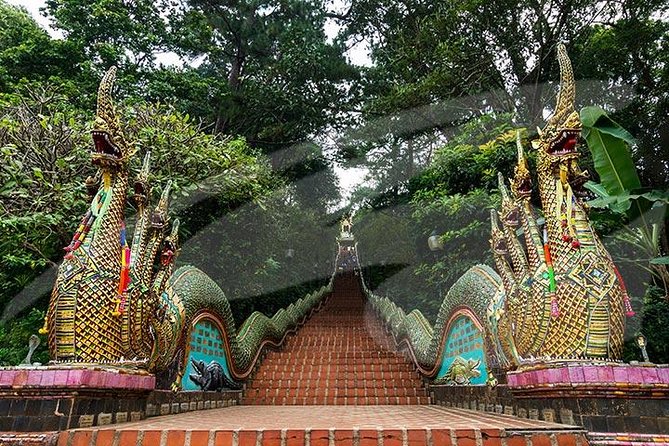
When you reach Chiang Mai, one of the biggest highlights waits: Wat Phrathat Doi Suthep. You climb up to 290 steps to the hilltop temple, and there’s an alternative if stairs aren’t your thing: a cable car option is mentioned. That flexibility matters because Doi Suthep can feel like a deal-breaker if you’re dealing with knee issues or intense heat. Either way, once you’re at the top, you’re rewarded with panoramic views of the Chiang Mai region.
In the evening, you cap the day with a Kantoke dinner. This is one of those experiences worth keeping an open mind about because it can go beyond food. You eat northern Thai dishes while watching graceful dancers perform folk tales, and the night includes vibrant performances by hill tribe groups in traditional attire.
A small note on expectations
Kantoke dinners are designed to be enjoyable as a package. If you’re hunting for quiet, reflective moments, this will feel more like a lively evening show with dinner than a museum-like cultural lecture.
Day 5: Elephant Nature Park and San Kamphaeng’s craft-making hands
This is a gentler day in terms of walking, but it’s still active.
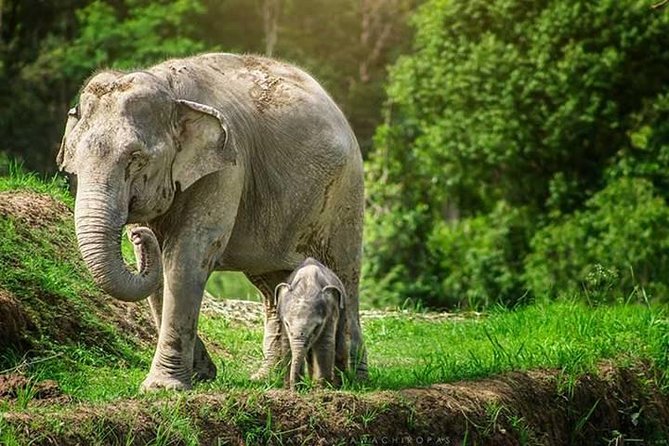
After pickup from central Chiang Mai, you head to Mae Taeng District and arrive at Elephant Nature Park for a half-day visit. The tour frames it as a sanctuary that focuses on rescue and rehabilitation. That’s important, because it steers you away from the cheap thrill version of elephant tourism and toward a caregiving model where you’re there to observe and learn.
You’ll hear stories about rescued elephants, many with difficult pasts. The goal is to help you understand elephant welfare through context, not just through pictures. You’ll also have time for a vegetarian buffet lunch at the park.
Then the day shifts into crafts at San Kamphaeng, a well-known handicraft village. This stop teaches the process, not just the end product. You’ll see:
- Silk production from silkworms to handloom weaving
- How materials become hand-painted umbrellas, plus other painted items and paper crafts
- Potters shaping Thai celadon
- Woodcarvers working teakwood into furniture and ornaments
If you like bringing something home that has meaning (and not just “tourist size” souvenirs), this is one of the most practical parts of the trip.
Day 6: Chiang Mai airport transfer and departure
Day 6 is simple. You’ll have breakfast, then transfer to the airport at the designated time for your onward flight, which is not included. This is the kind of finish I like for a road-heavy tour: you’re not trying to squeeze another long day of temples into your last hours.
Hotels and meals: what to expect on the ground
Overnights are listed as:
- Teak Garden Spa Resort in Chiang Rai for two nights (Day 2 and Day 3)
- The Empress Chiang Mai for the Chiang Mai night (Day 4)
Rooms are described as private double on a basis of twin beds or one queen bed. Triples have two twins plus an extra rollaway bed. If you’re traveling with children, an extra bed is placed in the room.
Meals are served daily at typical Thai restaurants. One meal note in the day-by-day details is the vegetarian buffet lunch at Elephant Nature Park. If you have strict dietary needs beyond that, the data doesn’t spell out options, so I’d plan to communicate your requirements directly when booking.
Optional add-on: Laos via Mekong boat ride
If you want a change of pace from temples and vans, the tour offers an optional boat ride on the Mekong River. It’s listed as costing about US$17. This is a relatively small extra cost compared with the overall tour price, and it can help you end a heavy week with something slower and scenic.
Should you book this 6-day northern Thailand trip?
I’d book it if you want:
- A guided route that covers Ayutthaya, Sukhothai, Chiang Rai, and Chiang Mai in one compact schedule
- The border-adjacent experience at Mae Sai and the option to cross toward Myanmar if conditions allow
- A structured elephant sanctuary visit at Elephant Nature Park
- Handicraft time in San Kamphaeng where you learn how things are made
I might skip it (or switch to a slower plan) if:
- You don’t handle early starts and long van days well, since the driving portions are a core part of the experience
- You’re picky about meal variety every day, because “typical Thai restaurant” can mean some sameness depending on the location
- You need totally predictable border-crossing availability, since it depends on conditions
FAQ
How long is the tour and what time does it start?
It runs about 6 days. The meeting/start time is listed as 6:00 am.
Does the tour include pickup and mobile tickets?
Yes. Pickup is offered, and you’ll receive mobile tickets.
Where do I sleep during the trip?
You overnight at Teak Garden Spa Resort in Chiang Rai and The Empress Chiang Mai in Chiang Mai.
Can I cross into Myanmar during the tour?
There is an optional Burma border crossing if conditions at the Thailand–Myanmar border allow. It involves about a one-hour exploratory walk with your guide, and requires two passport photocopies and a border pass fee.
Is the Mekong River boat ride included?
No. The Mekong River boat ride is optional and costs approximately US$17.
Is the elephant visit included, and what kind of place is it?
Yes, Day 5 includes a half-day visit to Elephant Nature Park, described as a sanctuary dedicated to rescue and rehabilitation, with time to observe elephants in a caring environment.
What’s the cancellation window for a full refund?
You can cancel up to 6 days in advance for a full refund. Cancellation within 6 full days follows a 50% refund window for 2–6 days, and no refund if you cancel less than 2 days before the experience start time.
More Tours in Bangkok


More Tour Reviews in Bangkok




North to Ayutthaya

Just In: Fresh Bangkok Reviews


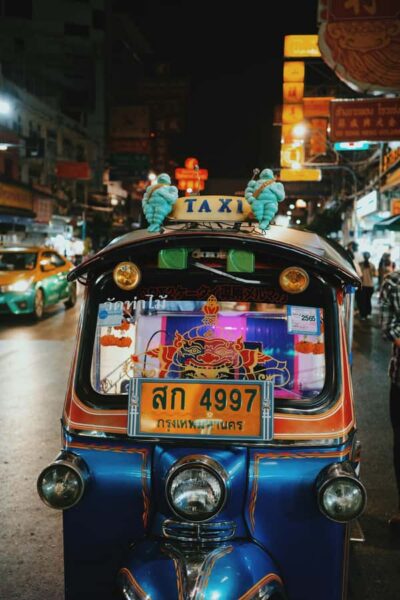
Ayutthaya Day Trips, compared.
 ★ 4.7From Bangkok: Ayutthaya Temples Guided Tour with LunchFrom $2810,535 reviews
 ★ 4.7From Bangkok: Ayutthaya & Ayothaya Floating Market Day TripFrom $486,084 reviews
 ★ 4.6From Bangkok: Ayutthaya Historical Park Guided Day TripFrom $283,020 reviews
 ★ 4.3From Bangkok: Ayutthaya Day Tour by Bus with River CruiseFrom $771,892 reviews
 ★ 4.0Ayutthaya Temples and River Cruise from BangkokFrom $731,692 reviews
 ★ 4.5UNESCO’s Ayutthaya Historical Park: Full-Day Tour from BangkokFrom $281,559 reviews
 ★ 4.6From Bangkok: Floating Market and Ayutthaya Guided Day TourFrom $871,398 reviews
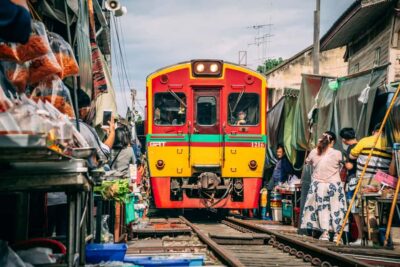 ★ 4.7Ayutthaya, Railway & Floating Markets Full-Day TourFrom $691,200 reviews
Browse the lists this tour appears in