
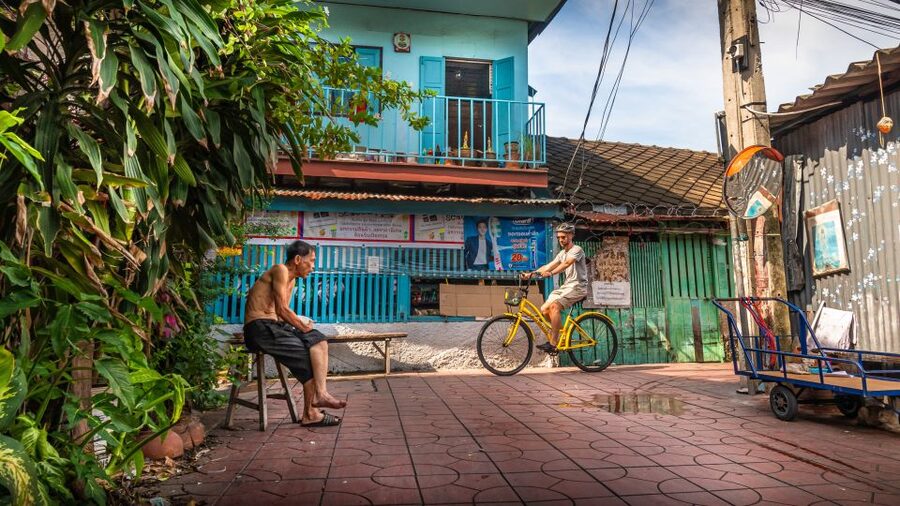
Review · BANGKOK BIKE TOURS
Bangkok Classical Bicycle Tour
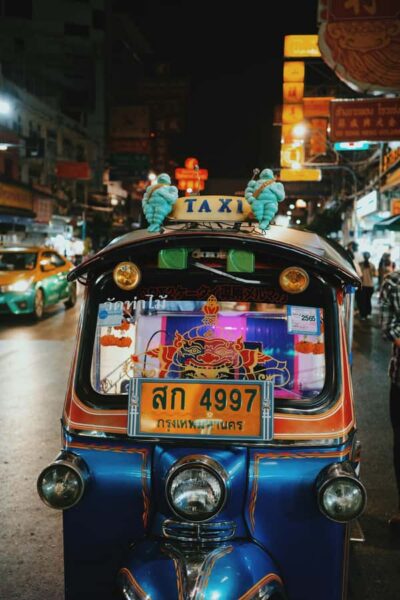
Bangkok by bike feels like a secret route. In just 3 hours, you’ll ride through the largest Chinatown outside China, then cross the Chao Phraya by ferry toward Thonburi, Thailand’s historic third capital. You start where the action is loudest, then you end in places that feel calmer and more residential.
I especially like how the route mixes big sights with everyday details: shop houses stacked with Buddhist amulets, small temples tucked away from the main road, and spirit houses you’ll notice at almost every turn. I also like that the tour includes real breaks—drinks and snacks en route—so it doesn’t turn into a nonstop slog. The main drawback is that the biking can be tight and crowded in Chinatown backstreets, so you should feel confident on a bicycle and comfortable sharing narrow paths with pedestrians and scooters.
In This Review
- Key Things That Make This Tour Worth Your Time
- Why This 3-Hour Bangkok Bike Tour Feels Local Fast
- Meeting at River City: Finding the Yellow Sign and Getting Rolling
- Chinatown Starts Loud: Markets, Shop Houses, and Temple Details
- Pedaling Through Narrow Backstreets Without Losing Your Nerve
- Crossing the Chao Phraya by Ferry: A Skyline Break From the Streets
- Thonburi, the Third Capital: Monastery Calm and Residential Reality
- Break Time, Snacks, and the Market Stop That Makes It Feel Like a Meal
- Biking Skills and Safety: What You Should Expect to Handle
- Value for $40: Why Three Hours Can Outdo a Full Day
- Who Should Book This Bangkok Classical Bicycle Tour (and Who Should Skip)
- Should You Book It? My Practical Take
- FAQ
- FAQ
- How long is the Bangkok Classical Bicycle Tour?
- How much does the tour cost?
- What’s included in the price?
- Where do I meet the tour?
- Is there an English-speaking guide?
- What should I bring with me?
- Are there any dress code rules?
- Can children join?
- Is the tour suitable if I can’t ride a bicycle?
- What if I need to cancel?
Key Things That Make This Tour Worth Your Time
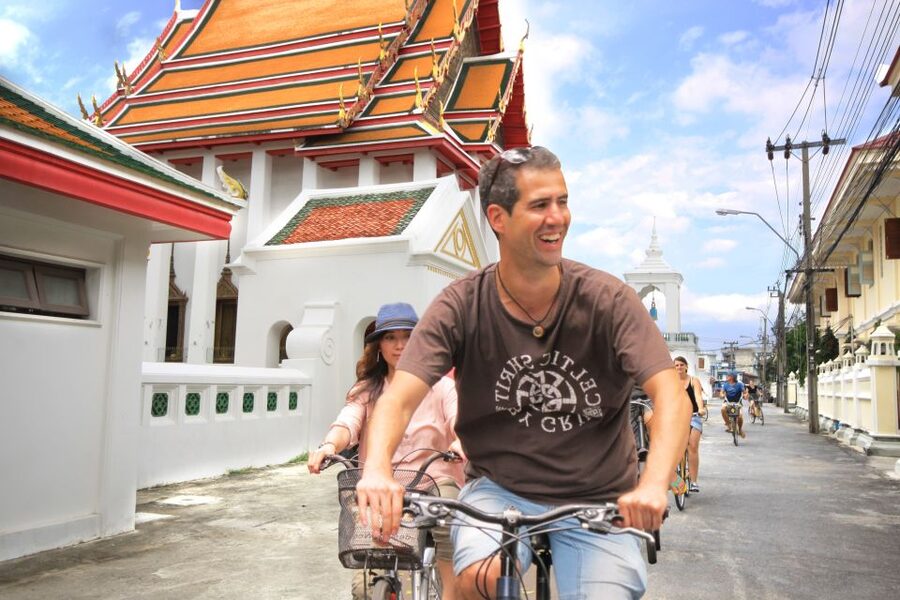
- Chinatown depth in a short window: not just the main strip, but narrow lanes where daily life actually happens
- Ferry time on the Chao Phraya: skyline views, then you’re in Thonburi
- Thonburi beyond postcards: a calmer look at a historic capital area plus a monastery stop
- Food and drink as part of the ride: you’ll get refreshments along the way
- English live guiding: guides such as Mike or Emma have been mentioned by name in past groups
- Small human-scale safety: two-guide support shows up in many experiences, especially when crossing busy sections
Why This 3-Hour Bangkok Bike Tour Feels Local Fast
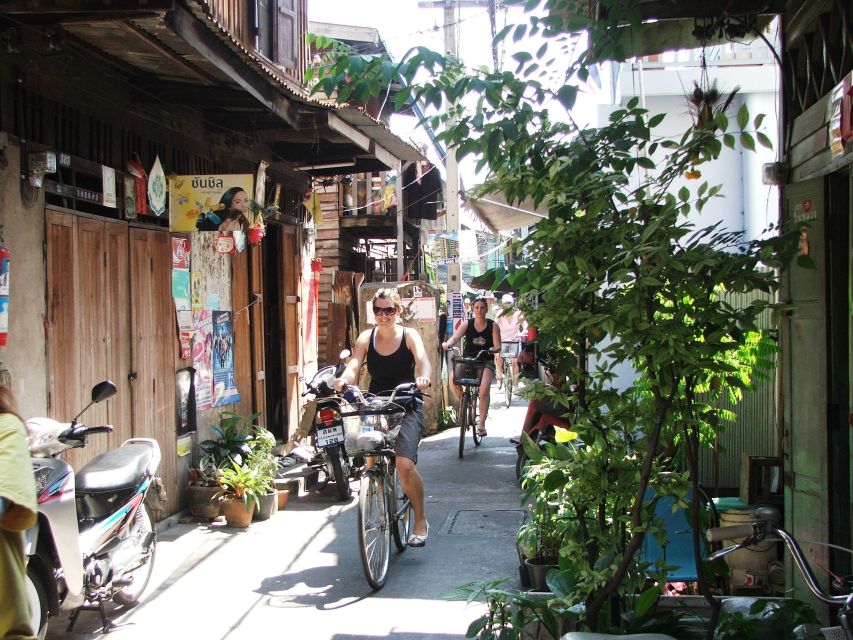
This is the kind of Bangkok outing that helps you get your bearings quickly. You’re not trapped behind glass in a museum. You’re moving through neighborhoods—watching, listening, and smelling—at bike speed, which is slow enough to notice the details but fast enough to cover real ground.
The format also works well for people who don’t want a full-day commitment. Three hours is long enough to cross from Chinatown into Thonburi, and short enough that you still have energy afterward to wander on your own near the river or back through Chinatown.
And here’s the practical truth: Bangkok’s best moments often happen between major attractions. This tour is built to give you those in-between moments—hidden temples, shopfront life, side streets where you can see how people actually live.
Bangkok by pedal, a couple more routes
- Bangkok: Temples, Canals & Local Life Bike Tour
★ 4.9 · 3,511 reviews - Experience Real Bangkok by Bike
★ 5.0 · 2,439 reviews - Bangkok: Bike and Canal Boat Tour with Lunch
★ 4.9 · 1,350 reviews
Meeting at River City: Finding the Yellow Sign and Getting Rolling
You meet at 23 Soi Charoen Krung 24, near River City Shopping Center. The meetup point is about 30 meters to the right of the 7-Eleven at River City, and you should look for a yellow sign.
Once you find the area, look for the team in yellow shirts branded with Co van Kessel. That matters more than you’d think in Bangkok. You want to start the ride without stress, because once you’re on a bike, your focus should be on the street—not on locating your group.
What to expect right at the start: you’ll be fitted with a bicycle and briefed by the guide(s), then you’ll head into Chinatown where the pace and crowd density increase fast. If you’re the type who likes to warm up, show up a few minutes early so you’re settled before you hit the busiest alleys.
Chinatown Starts Loud: Markets, Shop Houses, and Temple Details
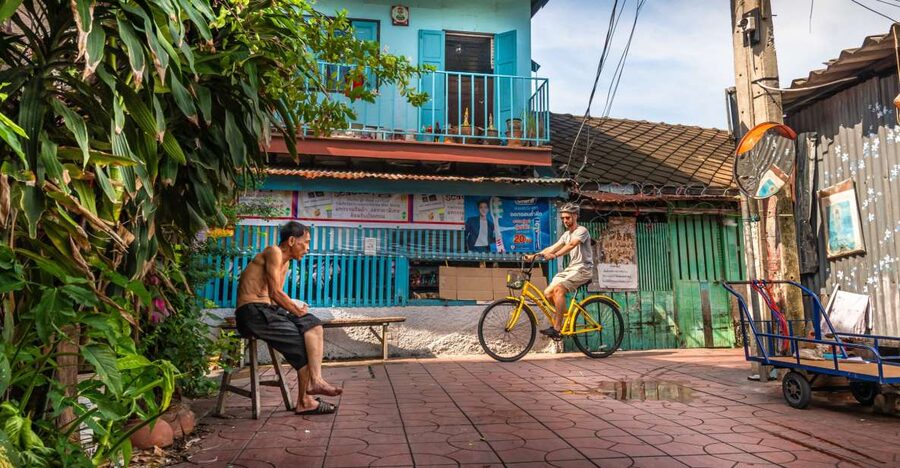
Chinatown is often described as intense, but the tour gives you the kind of intensity you can use. You don’t just pass by storefront after storefront. You ride through narrow streets and alleyways where the environment changes block by block.
In this area, you’ll notice practical life: shop houses that sell everything from Buddhist amulets to oddball items like recycled truck engines. That detail matters because it shows the local economy up close. It’s not abstract culture—it’s commerce, craft, and faith happening side by side.
You’ll also see small religious moments that most tourists miss when they only stick to the main roads. Think hidden temples, ritual paper burnings, and spirit houses—little displays that pop up in everyday settings. The guide’s job here is important: they help you interpret what you’re looking at so the alleyway stops being just a photo backdrop.
One caution for Chinatown: sidewalks can be crowded and bike lanes can be more of a suggestion than a system. If you’re nervous on a bike, you’ll still likely be able to do it—but your comfort level needs to be real, not imagined.
Pedaling Through Narrow Backstreets Without Losing Your Nerve
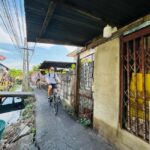
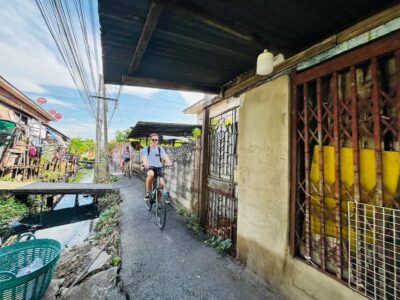
After the first Chinatown stretch, the tour shifts into the kind of riding that makes bike tours special. You’ll move away from the main flow and into hidden backstreets where streets feel more human scale.
The biggest challenge here is not speed—it’s space. Some paths can be narrow, and you’ll be sharing the road with pedestrians and occasional bikes or scooters. The guides help manage this by keeping the group together and controlling the crossing moments.
A useful way to think about it: you’re cycling with a buffer. You’re not navigating like a solo rider threading gaps. The guide(s) are watching everyone, and in busier moments they help the group cross more safely. In past experiences, guides have been described as safety-conscious and quick at handling crowded sections, which is exactly what you want when the streets get tight.
If you want to enjoy this part, go with the right mindset. Don’t stress about traffic. Stay alert, keep your line steady, and treat the ride like moving through a lively neighborhood on a bicycle—not like racing between monuments.

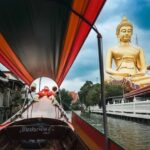
Crossing the Chao Phraya by Ferry: A Skyline Break From the Streets
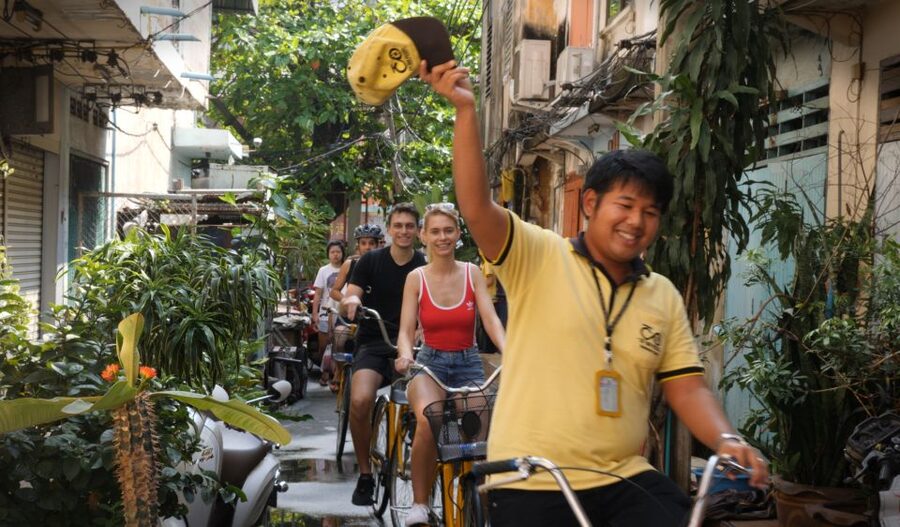
Then comes one of the best mood shifts in the whole tour: the ferry crossing of the Chao Phraya.
It’s short—about 10 minutes—but the payoff is big. You trade alley noise for open river air and get a view of the city skyline behind you. Even if you’ve already seen riverside photos, the angle from the ferry feels different because you’re literally changing sides of the city.
This part also helps reset your energy. Chinatown riding can feel constant. The ferry gives you a pause where your eyes can catch up. You’ll be back on the bike shortly after, but you’ll feel less worn down when you continue.
Thonburi, the Third Capital: Monastery Calm and Residential Reality
Once you reach Thonburi, the atmosphere changes. You’re still in the city, but the ride becomes more about people, routines, and quieter lanes.
Thonburi is described as Thailand’s historic third capital, and that matters because the area isn’t only about temples as scenery. It’s about the daily rhythm around those historic roots.
You’ll visit a monastery and spend about 30 minutes there. This is the part where the guide’s narration helps you slow down. Instead of only snapping pictures, you get a sense of why religious spaces sit where they do and how they fit into local life.
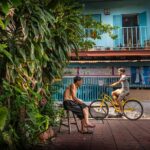
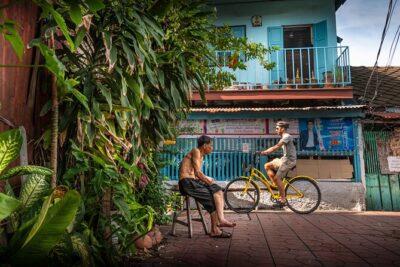
After that, there’s a break time and more cycling through Thonburi neighborhoods. This is where you start noticing different everyday details than what you saw in Chinatown. Less market chaos, more residential texture—homes, small storefronts, and street-level routines that don’t feel staged.
If you’re looking for proof that Bangkok isn’t only one kind of street, this is where you get it.
Break Time, Snacks, and the Market Stop That Makes It Feel Like a Meal
This tour includes drinks and snacks en route, which is a big deal on a hot day. You don’t just bike and hope you find something later. You get built-in fuel.
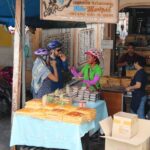
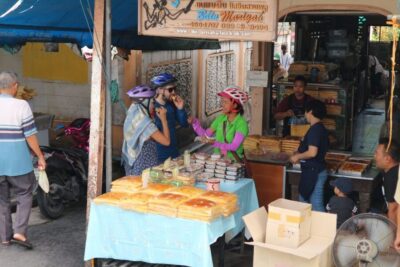
Many groups also talk about a market-style snack stop—often connected with a flower market—where you can taste local fruits and small bites. Even when you don’t focus on the exact foods, the value is the same: you learn what locals actually snack on, not what a tourist menu names for you.
A practical note: bring your camera for this section. Break moments usually come with better light and more comfortable walking distances, and you’ll have time to slow down, stand, and take photos without pedaling.
And please do the simple thing: drink water during the snack break, even if you don’t feel thirsty yet. Bangkok heat can sneak up on you, and a bike tour gives you less chance to duck into stores as you go.
Biking Skills and Safety: What You Should Expect to Handle
This tour is not for people who can’t ride a bike, and it’s also listed as not suitable for mobility impairments. So be honest with yourself about balance and control before you book.
Now for the upside: the ride isn’t described as physically punishing. In multiple experiences, people emphasized that it’s not extremely demanding. But the street conditions mean you still need real bike confidence.
In Chinatown, the narrower lanes can make it feel chaotic even if you’re not going fast. Past groups have noted that the ride can feel intense in crowded alleyways, but the guide teams help keep everyone safe and together. People also mentioned that intersections may get organized for crossings so the group can move efficiently.
What you should bring:
- Comfortable shoes (you may dismount to look at sights)
- Sunglasses
- Camera
And what you should wear:
- No sleeveless shirts (this is specifically mentioned as not allowed)
Helmets aren’t listed in the details you provided, so don’t count on getting one unless the operator tells you. Focus instead on posture and control: keep a steady pace, stay aware of foot traffic, and don’t assume you’ll always have a wide lane.
Value for $40: Why Three Hours Can Outdo a Full Day
At $40 per person, this tour isn’t the cheapest activity in Bangkok—but it also isn’t overpriced for what it combines.
In three hours you get:
- bicycle hire
- local guide(s) in English
- a ferry crossing
- drinks and snacks en route
- a route that links major cultural zones with side streets you likely wouldn’t find alone
That last part is the real value. Bangkok’s backstreets are not the kind of place where you can wander randomly and reliably stumble into the best bits. A guided route compresses the learning curve and saves you time—especially if you only have a short stay.
Also, the pacing matters. Multiple experiences highlight that the tempo is manageable, with time for photos and stops rather than constant sprinting. You’re not just collecting stamps; you’re getting context so the scenes make sense.
If you like neighborhoods, street food culture, and historic layers that show up in everyday life, this tour is strong value.
Who Should Book This Bangkok Classical Bicycle Tour (and Who Should Skip)
You’ll love this tour if:
- you want a different Bangkok than the big-name temple circuit
- you enjoy seeing how people live day to day in market-adjacent neighborhoods
- you’re comfortable riding a bicycle and can handle occasional narrow space
- you want a morning or short window that still feels meaningful
You should skip it if:
- you can’t ride a bike
- you have mobility limitations that make cycling unsafe or impractical
- you’re uncomfortable biking in crowded areas with pedestrians
Family note: infants (age 0-5) must ride on the back of the bikes, and there’s no charge for children (age 6-11) who can’t ride on their own and ride on the back of the bike. So if you’re traveling with kids, make sure you’re prepared for bike-seat seating and that the child can ride safely on the back.
Should You Book It? My Practical Take
Book it if you want one of the fastest ways to understand Bangkok beyond the obvious. This tour strings together Chinatown, a ferry crossing, and Thonburi in a way that feels efficient but not rushed. The guided commentary on temples, shopfront faith, and neighborhood life turns what could be chaotic street-watching into something you can actually process.
Don’t book it if you’re hoping for a leisurely, wide-lane cruise with no crowd stress. The best parts of the route happen in narrow alleys. So go in with bike confidence, good shoes, sunglasses, and the right expectation: you’re there to ride through real neighborhoods.
If that sounds like your kind of Bangkok day, this is a smart use of time.
FAQ
FAQ
How long is the Bangkok Classical Bicycle Tour?
The tour lasts 3 hours.
How much does the tour cost?
It costs $40 per person.
What’s included in the price?
You get a bicycle, local guide(s), a ferry crossing, and drinks and snacks en route.
Where do I meet the tour?
You meet at 23 Soi Charoen Krung 24. The office is about 30 meters to the right of the 7-Eleven at River City Shopping Center, and you should look for a yellow sign.
Is there an English-speaking guide?
Yes, the tour includes a live tour guide in English.
What should I bring with me?
Bring comfortable shoes, sunglasses, and a camera.
Are there any dress code rules?
Yes. Sleeveless shirts are not allowed.
Can children join?
Infants age 0–5 must ride on the back of the bikes. There is no charge for children age 6–11 who cannot ride on their own and ride on the back of the bike.
Is the tour suitable if I can’t ride a bicycle?
No. It’s not suitable for people who can’t ride a bike.
What if I need to cancel?
Free cancellation is available up to 24 hours in advance for a full refund.
More Tours in Bangkok

More Tour Reviews in Bangkok

Two Wheels Through Bangkok

Just In: Fresh Bangkok Reviews


Bangkok Bike Tours, compared.
 ★ 4.9Temples, Canals & Local Life Bike TourFrom $243,511 reviews
 ★ 5.0Experience Real Bangkok by BikeFrom $652,439 reviews
 ★ 4.9Bike and Canal Boat Tour with LunchFrom $471,350 reviews
 ★ 4.8Night Bike Tour with Temples & Flower Market VisitFrom $35751 reviews
 ★ 4.9Must-Try Hidden Bike & Food ExperienceFrom $59613 reviews
 ★ 5.0Bangkok Jungle Bike Tour – Hotel-pickup & LunchFrom $81489 reviews
 ★ 4.8E-Scooter Night Tour with Local Street FoodFrom $39488 reviews
 ★ 5.0Must-Try: Hidden Bangkok Bike and Food TourFrom $60455 reviews
Browse the lists this tour appears in