Review · BANGKOK
Bangkok Cultural Experience
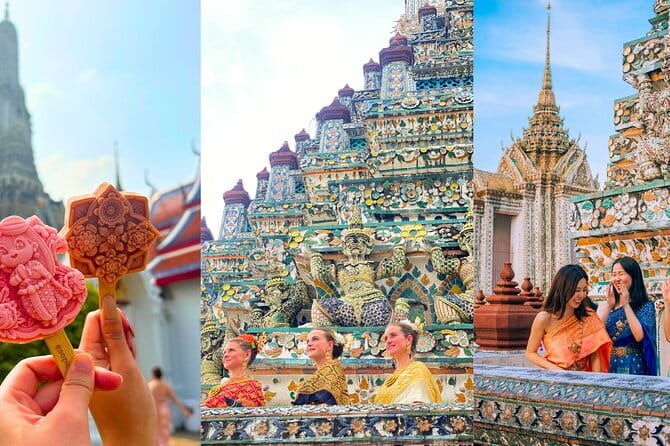
Bangkok Temples. Then noodles. That combo works. This half-day experience strings together the Temple of Dawn (Wat Arun), Thailand’s famous Reclining Buddha at Wat Pho, and a big hit of street food energy in Chinatown (Yaowarat). You’ll use public transport, including a public boat along the Chao Phraya River, and you’ll be with an English-speaking guide for most of the day.
Two things I really like: the guide. I’ve seen names like Wanna and Angie come up for a reason—both are described as attentive, helpful with what you need, and generous with practical on-the-spot recommendations. Second, the value feels real for $74: transport around the city and admission tickets for the temples are included, plus snacks and soft drinks keep the day from turning into a hangry sprint.
One consideration: lunch is not included, so you’ll want to plan for a meal on your own after the tour ends near the Chinatown area.
In This Review
- Key Highlights You’ll Feel Right Away
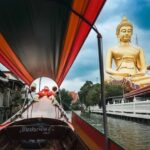
- Starting From Sathorn Pier: The River Ride That Sets the Tone
- Wat Arun: Temple of Dawn Up Close (and Not Just a Photo Stop)
- Wat Pho: The Reclining Buddha and the Royal Temple Feel
- Chinatown (Yaowarat): Street Food Without the Decision Fatigue
- What’s Included in the $74 Price (and Why It’s Not Just Marketing)
- Group Size and Timing: A Half-Day That Actually Works
- The Guide Factor: Extra Help That Makes the Day Easier
- Where This Tour Fits Best (and Who Should Skip)
- What to Wear and Bring for Temples and Chinatown
- Should You Book This Bangkok Cultural Experience?
- FAQ
- What time does the tour start?
- How long is the tour?
- Where do I meet the guide?
- Where does the tour end?
- What’s included in the price?
- What’s not included?
- Do I get a ticket on my phone?
- How big is the group?
- Can I cancel for a full refund?
Key Highlights You’ll Feel Right Away
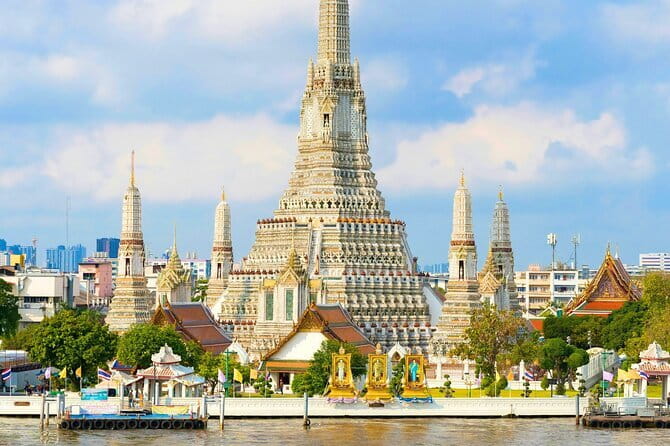
- Public boat ride on the Chao Phraya River using the Orange Line from Sathorn Pier
- Wat Arun admission is included, giving you time to see the temple’s architecture up close
- Wat Pho’s 46-meter Reclining Buddha is a star stop with admission included
- Chinatown (Yaowarat) is built for eating, and you don’t pay entry fees there
- Small group size (max 15) helps the day feel manageable and personal
- Mobile ticket so you can keep everything simple on your phone
Starting From Sathorn Pier: The River Ride That Sets the Tone
The day starts at 11:00 am at the meeting point near Sathorn (Si Lom, Bang Rak area). From there, you head toward Sathorn Pier and board a public boat (Orange Line). This matters more than it sounds. Bangkok can be gridlock city-fast, and the river route gives you a different angle on the skyline and neighborhoods.
The best part of the boat segment is timing. You’re not only traveling—you’re warming up for the temple stops. Even if you’ve been to Bangkok before, a quick river ride helps you reset your sense of direction. And since the tour includes public transport, you’re not stuck figuring out tickets and routes while your brain is already tired.
You’ll spend part of the morning moving with the city instead of against it. That makes the rest of the schedule feel smoother: fewer delays, less stress, and more time for actually seeing what you came for.
Still deciding? Line this one up against a few Bangkok favourites first.
- Bangkok: Damnoen Saduak Market and Maeklong Railway Market
★ 4.5 · 26,723 reviews - The Old Siam: Damnoen Saduak and Maeklong Railway Market
★ 4.5 · 10,992 reviews - From Bangkok: Ayutthaya Temples Guided Tour with Lunch
★ 4.7 · 10,535 reviews
Wat Arun: Temple of Dawn Up Close (and Not Just a Photo Stop)
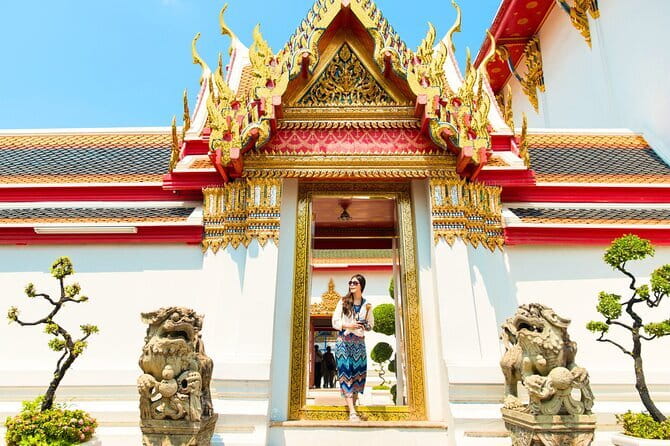
Wat Arun is the first major landmark, and it’s the kind of place that rewards slow looking. You’ll reach the temple by boat, then get time to explore on your own with your guide’s context.
Here’s what makes Wat Arun worth your time: the architecture is distinctive and highly detailed, and it looks different from multiple angles. If you’re the kind of traveler who only photographs and moves on, you might think it’s about the views. It’s not. It’s about the shape, the surfaces, and how the temple’s layout creates a layered look.
You’re given about 2 hours at this stop, with admission included. That duration is helpful. It gives you room to circle, take photos, and still avoid that rushed feeling where you only catch the first 10 minutes of the place.
A practical tip: temples usually mean rules on dress and respectful behavior. Bring something that lets you cover up comfortably (shoulders and knees), and wear shoes that won’t punish you after a few hours of walking. Your feet will be grateful. Bangkok temples are beautiful, but they’re also a real workout.
Wat Pho: The Reclining Buddha and the Royal Temple Feel
Next up is Wat Phra Chetuphon (Wat Pho)—Thailand’s first-class royal temple and home to the 46-meter-long Reclining Buddha, gilded in gold leaf. This is one of those “you’ll understand why people go” stops.
Wat Pho is built for visitors, but it still has a strong sense of meaning. The guide helps connect what you’re seeing to why it matters, including how and why the temple was established by King Rama (the tour explanation covers the founding context). Even if you know nothing about Thai Buddhism going in, the guide’s pacing makes the place easier to understand.
You’ll have about 1 hour here, and admission is included. One hour is enough to see the Reclining Buddha properly, but it’s not enough to treat Wat Pho like a full-day museum. So go with the mindset: see the main monument clearly, absorb the details that catch your eye, and ask questions you actually care about while your guide is right there.
The Reclining Buddha isn’t just large—it’s visually overwhelming in the best way. It stretches your attention across the body and the decorative surfaces. That’s where a guide can help, because they point out what to focus on so you don’t spend the hour wandering with no anchor.
Chinatown (Yaowarat): Street Food Without the Decision Fatigue
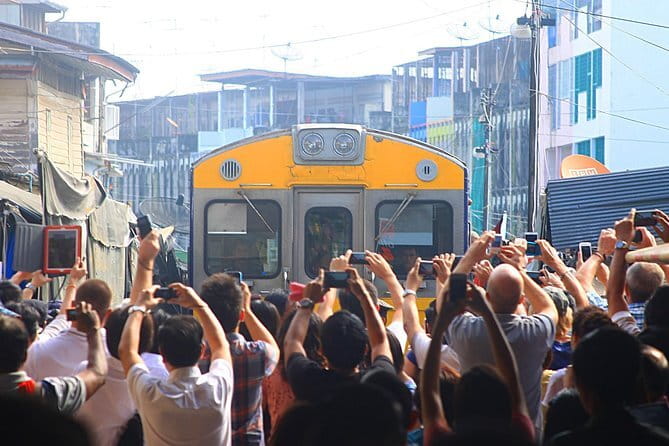
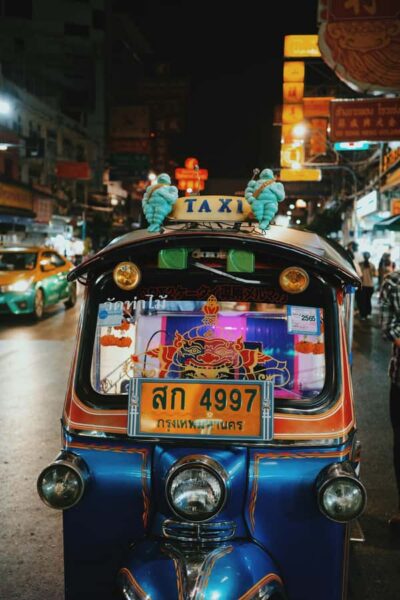
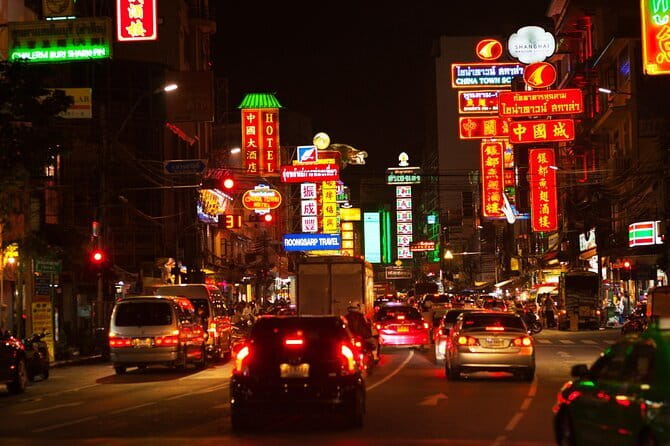
After the temples, the mood shifts. You’ll head to Chinatown / Yaowarat, where the tour focuses on street food and local atmosphere.
This stop is about 2 hours and free in terms of admission. Translation: you’re not paying extra to enter a site—you’re spending time eating, watching, and sampling your way through the neighborhood.
Expect a mix of classic street-food categories: savory noodles, dumplings, fresh seafood, and sweet treats. The tour model here is simple and practical: your guide helps you find what fits the moment, so you don’t have to constantly second-guess yourself while you’re trying to navigate crowds and menus.
A small but useful point: the tour includes snacks and soft drinks during the trip, so you won’t arrive at Chinatown feeling empty. Still, Chinatown is where you should be ready to eat a proper portion. If you’re picky, think ahead about what you avoid (seafood, spice level, specific ingredients), and let your guide know. Good guides can steer you toward options that make the experience enjoyable, not stressful.

What’s Included in the $74 Price (and Why It’s Not Just Marketing)

At $74 per person, the value comes from what’s covered—especially for a city like Bangkok where getting around can become a puzzle.
Included in your price:
- All public transport in Bangkok for this tour
- Admission tickets for Wat Arun and Wat Pho
- English speaking guide
- Snacks and soft drinks during the trip
- Mobile ticket
Not included:
- Lunch
- Personal expenses
- Any additional activities beyond the plan
Why this feels worthwhile: you’re paying for time plus the “friction” reducers. Transportation and temple tickets are already handled, which means you can focus on the stops instead of figuring out the mechanics mid-day.
Is it the cheapest way to see Bangkok’s temples? Probably not. But for a half-day schedule that strings together Wat Arun + Wat Pho + Chinatown, it’s a solid deal. You’re also paying for a guide who can explain what you’re looking at while you still have energy to process it.
If you’re doing temples on your own, you’ll likely spend time coordinating routes and ticket entry. This tour swaps that hassle for a guided flow—small group pace included.
Group Size and Timing: A Half-Day That Actually Works
This experience is capped at 15 travelers max. That small size matters in Bangkok, where big groups can turn into photo-line choreography.
Here’s what you gain with a smaller group:
- less waiting around
- more attention from the guide
- easier movement between sites
- more chances to ask questions without your guide disappearing into a crowd
The total duration is about 7 to 8 hours. That’s long enough to feel like a real day, but it’s not so long that you’re completely cooked by the time Chinatown hits.
A smart way to use the timing: treat the temples as your “mindful” block, then treat Chinatown as your “reward” block. You’ll enjoy both more if you don’t try to force a temple mindset into street-food time.
When you finish, the tour ends at the Wat Mangkon area (Wat Mangkon / near Wat Mangkorn MRT Station). From there, you can go your own way—either continue by MRT or take a taxi onward.
The Guide Factor: Extra Help That Makes the Day Easier
This tour lives or dies on the guide, and the guide ratings point to a few specific strengths.
I keep seeing the same themes:
- attention throughout the day
- help with what you need, when you need it
- strong recommendations that make the day feel personal
- patience, especially when people ask questions or want photos
Names that stand out include guides like Wanna and Angie, both described as friendly and focused on making sure you understand the sites. One guide is also noted for going the extra mile by helping with a detour afterward with advice. Another is mentioned for taking lots of pictures and helping with practical photo moments.
If you’re someone who cares about getting good shots, ask early if your guide can help with timing for pictures. If you’re someone who cares about meaning, ask questions as you walk between sections—temples change based on what you notice.
And yes, at least one guide is described as recommending dressing up for photos. Even without that detail, it’s a good reminder: temples and Chinatown both photograph well—plan your outfit so you feel comfortable and respectful.
Where This Tour Fits Best (and Who Should Skip)
This is a great fit if you:
- want major Bangkok temples in one half-day plan
- like the convenience of included transport and tickets
- enjoy street food and don’t want to spend hours hunting menus
- prefer a smaller group with an English-speaking guide
- want a day that balances learning with eating
It may not be ideal if you:
- need lunch included (you’ll be covering that on your own)
- hate any guided structure at all
- want a very slow, no-rush tour of temple grounds (1 hour at Wat Pho plus 2 hours at Wat Arun means it’s efficient)
If you like tight itineraries with strong explanations and then a clear end point near Chinatown, this one makes sense.
What to Wear and Bring for Temples and Chinatown
Even when a tour handles transport and timing, you still control your comfort.
For temples:
- wear clothing that covers shoulders and knees
- bring a light layer if you’re sensitive to heat and sun
- plan for walking and some standing
For Chinatown:
- bring cash for street food purchases (the tour doesn’t include meals beyond snacks/soft drinks)
- if you’re careful about spice, tell your guide your limits early
- wear shoes you trust—street food neighborhoods mean uneven surfaces and lots of small detours
If you’re camera-heavy, this tour is set up for photos: Wat Arun’s angles and Wat Pho’s monument size are natural picture moments, and the guide support helps you get the shot without blocking other people.
Should You Book This Bangkok Cultural Experience?
Book it if you want a smart, guided route that hits Wat Arun, Wat Pho, and Chinatown (Yaowarat) in one organized half-day schedule—with transport, temple tickets, and snacks handled.
Skip it if lunch included is a must for you, or if you want a long-form temple day without any structure. Otherwise, this is a strong value way to get oriented fast in Bangkok: start on the river, see the big temple icons, then finish with street food where Bangkok does what Bangkok does best.
FAQ
What time does the tour start?
The tour starts at 11:00 am.
How long is the tour?
The experience runs about 7 to 8 hours.
Where do I meet the guide?
You meet at Sathorn Si Lom, Bang Rak, Bangkok 10120, Thailand (near Sathorn).
Where does the tour end?
The tour ends near Wat Mangkon (530 ถ. เจริญกรุง, Khwaeng Samphanthawong, Khet Samphanthawong, Krung Thep Maha Nakhon 10100), near the Wat Mangkon MRT Station.
What’s included in the price?
Included are all public transport, an English speaking guide, snacks and soft drinks, and admission tickets for Wat Arun and Wat Pho. The Chinatown stop has no admission fee.
What’s not included?
Lunch and other meals are not included, and you’ll cover personal expenses and any additional activities on your own.
Do I get a ticket on my phone?
Yes, you’ll use a mobile ticket.
How big is the group?
The tour has a maximum of 15 travelers.
Can I cancel for a full refund?
Yes. You can cancel up to 24 hours in advance for a full refund.