
Review · FLOATING MARKETS
Bangkok: Floating Market & Train Market with Train/Boat ride
A train threads through a real market scene. This small-group day trip strings together Mae Klong Railway Market and Damnoen Saduak Floating Market with an air-conditioned coach, a local train ride, and a longtail boat cruise.
I really like the way the tour is managed by guides such as Tukta, Ploy, Anna, and Wanna—friendly, organized, and focused on keeping you moving at the right pace. I also appreciate the practical extras: a digital audio guide in 28 languages, bottled water, and accident insurance, all wrapped into a price that’s hard to beat.
One thing to plan for: the trip takes a long day with close to 2 hours each way, and the train market can get hot and crowded. The train itself isn’t air-conditioned, so dress for sun and close quarters.
In This Review
- Key things to know before you go
- A train-and-boat day that feels surprisingly local
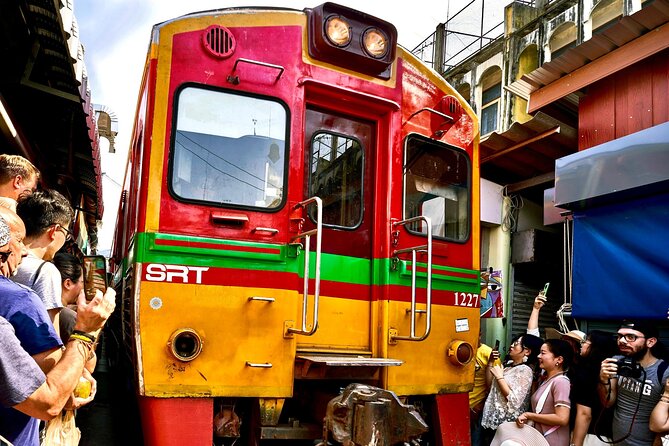
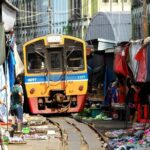
- Mae Klong Railway Market: the famous train threading the stalls
- The train ride: short, unforgettable, and not air-conditioned
- Damnoen Saduak by boat: canal life before the main event
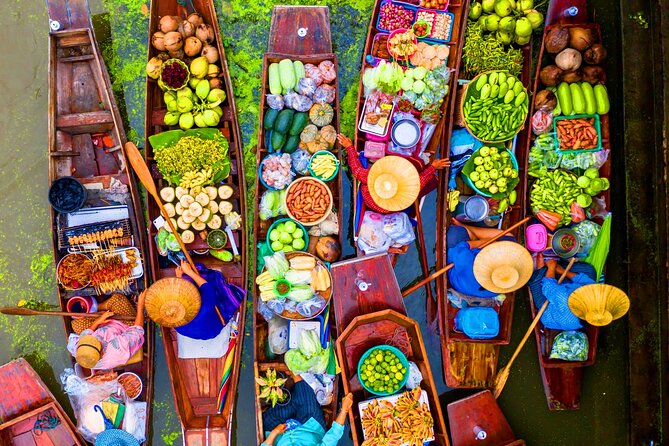
- Damnoen Saduak Floating Market: shopping, snacks, and slow-moving boats
- The “who runs the day” factor: guides and organization
- Bangkok logistics: MBK Center as a smart anchor
- Price and value: what your money actually buys
- What to bring so the day feels easier
- Is this tour worth it for you?
- Should you book this Bangkok floating-and-train combo?
- FAQ
- How long is the tour, approximately?
- What markets are included?
- Is pickup available?
- Is lunch included?
- What transport is included besides the coach?
- Is the train air-conditioned?
- Is the audio guide included, and what do I need to use it?
- Where do I meet, and where does the tour end?
- What’s the group size?
Key things to know before you go
- Two icons in one day: Mae Klong Railway Market plus Damnoen Saduak Floating Market, connected by train and boat.
- Guide-led timing: Live English guidance helps you find the best moments without getting lost in the crowd.
- Train market = heat and close contact: expect cramped conditions and no air-conditioning on the train.
- Bring cash for shopping and food: lunch isn’t included, and cash access can be awkward.
- Audio guide in 28 languages: you’ll need your own phone and headphones to use it.
- Air-conditioned coach: comfortable transport even when the on-the-ground parts are more crowded and warm.
A train-and-boat day that feels surprisingly local
Bangkok can overwhelm you fast. This tour gives you a clear storyline for the day: city pickup, countryside drive, then two market scenes that look like they belong on postcards—except you’re standing in the middle of them, not staring from behind glass.
What makes it work is the mix of transport. First you’re on a local train in the heart of the Mae Klong Railway Market, watching stalls and shoppers compress around the tracks. Then you’re on the water—longtail boat style—moving slowly past canal life before you reach the famous floating market bustle.
The tone is practical. It’s not “sit and watch.” You get time to explore, shop, and grab snacks on your own, with a guide handling the bigger moves so you’re not worrying about timing.
More mornings among the paddle boats
- Bangkok: Damnoen Saduak Market and Maeklong Railway Market
★ 4.5 · 26,723 reviews - The Old Siam: Damnoen Saduak and Maeklong Railway Market
★ 4.5 · 10,992 reviews - Half-Day Railway Market and Floating Market Tour in Thailand
★ 4.5 · 3,924 reviews
Mae Klong Railway Market: the famous train threading the stalls
The day begins with the drive out to Mae Klong Railway Market (also known as Hoop Rom Market). You’ll spend about 1.5 hours here, and admission is listed as free. Expect a scenic countryside ride, but also expect it to take time—about two hours from Bangkok each direction in real-world traffic.
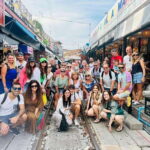
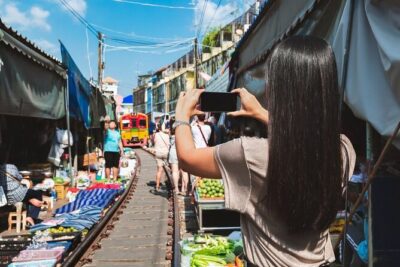
What you came for is the train spectacle: a train pulling through while the market operates right up to the rails. The atmosphere is intense because the market works with the rhythm of the train. Stalls and shoppers compress, and for a moment the whole scene makes sense as one living machine.
A few practical notes that help you enjoy this part more:
- Go early within your time slot: the earlier you are, the more options you have for viewing angles.
- Keep your footing: you’ll be moving around people near the tracks, so slow down and watch where you step.
- Don’t expect perfect photo conditions: it’s cramped, close, and sometimes chaotic. That’s the point.
Also, don’t ignore the human scale. One of the coolest aspects is how close you feel to the train’s arrival—close enough to make you pay attention. It’s not a theme-park set; it’s a real working market.
The train ride: short, unforgettable, and not air-conditioned
After you arrive, you’ll hop on the local train for a ride through the station area. Included is the train ticket, and the tour uses an air-conditioned vehicle for the coach portion—but the train ride itself is not air-conditioned.
That means two things for your comfort:
- Wear light layers and plan for heat.
- Hydrate even if you don’t feel thirsty. Bottled water is included, but you’ll still sweat.
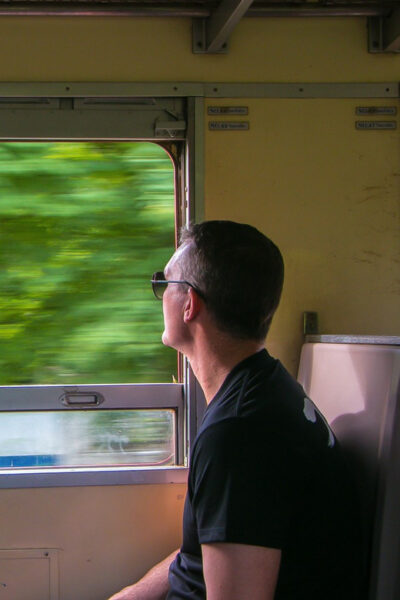
The train ride is also where you see how the market operates moment-by-moment. The train doesn’t fly through; it moves at a pace that gives you time to notice how stallholders and shoppers react. That slow rhythm is also why the experience is so memorable: you’re not just watching the “icon moment,” you’re inside the timing that makes it possible.
Damnoen Saduak by boat: canal life before the main event
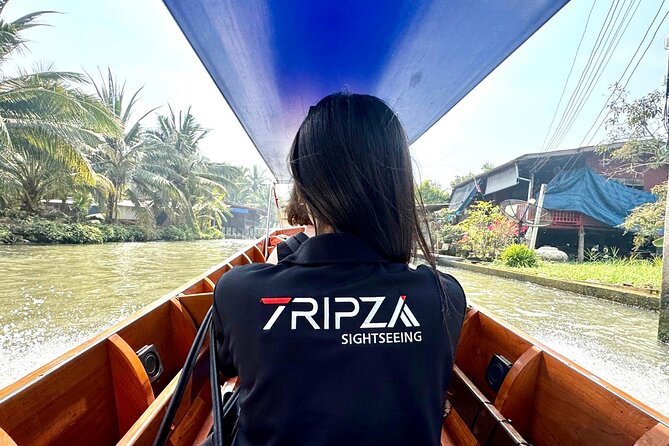
From Mae Klong, you move to the pier area for the longtail boat portion. The tour includes the boat ride, and the floating market stop also runs about 1.5 hours.
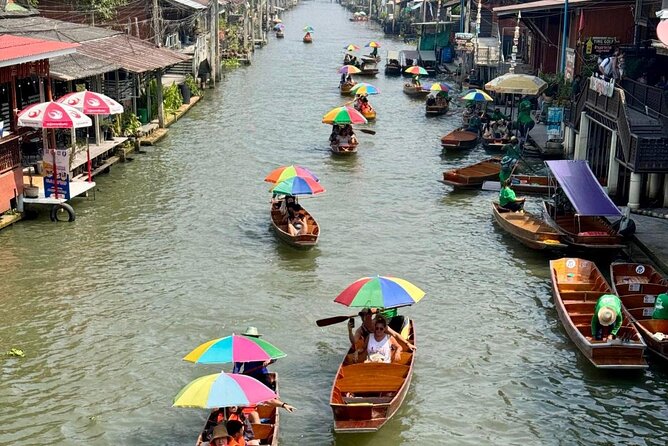
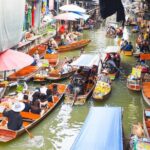
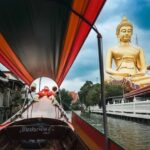
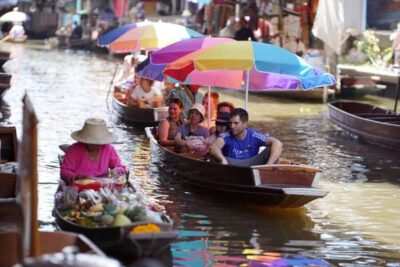
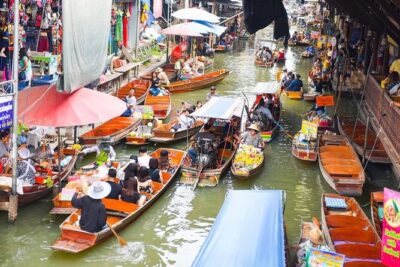
The boat ride is less about sprinting and more about drifting. You cruise along canals lined with water villages, so you get a calmer view of daily life than what you just saw on the tracks. It’s a nice reset, and it’s also the moment where the tour’s pace feels well balanced: one big intensity scene, then a slower travel interlude.
You’ll likely see the canal edges change as you get closer to the floating market. The vibe shifts from everyday waterway movement to the concentrated, tourist-famous activity at the destination.
Mind the train: other market-on-the-tracks trips

Damnoen Saduak Floating Market: shopping, snacks, and slow-moving boats
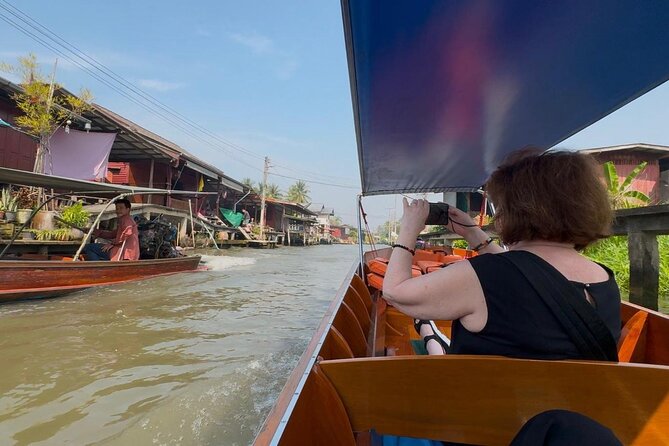
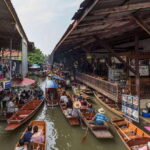
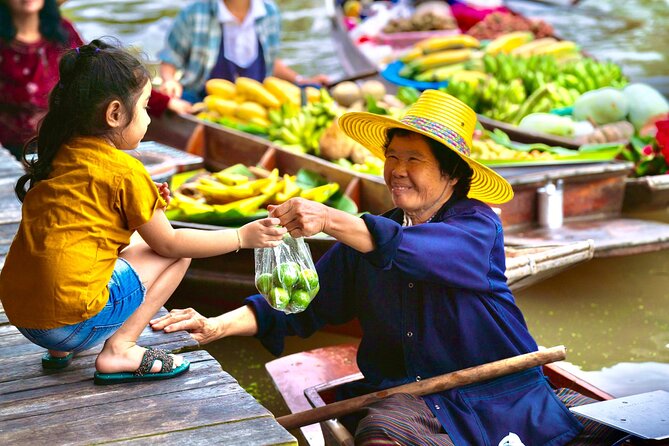
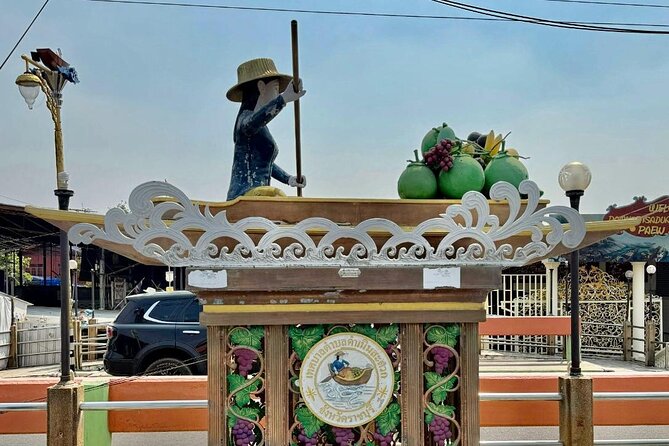
Damnoen Saduak is the name you’ll hear again and again in Bangkok market lists, and yes—it’s become more touristy over time. That matters because the floating market is famous, so you’ll share the space with lots of other boats and many visitors on land.
Here’s how to make that work for you:
- Keep your expectations realistic: it’s crowded and narrow in parts, especially around the most photo-friendly sections.
- Focus on what you can do: stroll, look for food vendors, and shop if you want souvenirs.
- Plan for negotiations: you’ll be offered items and snacks, and prices can vary based on how you ask.
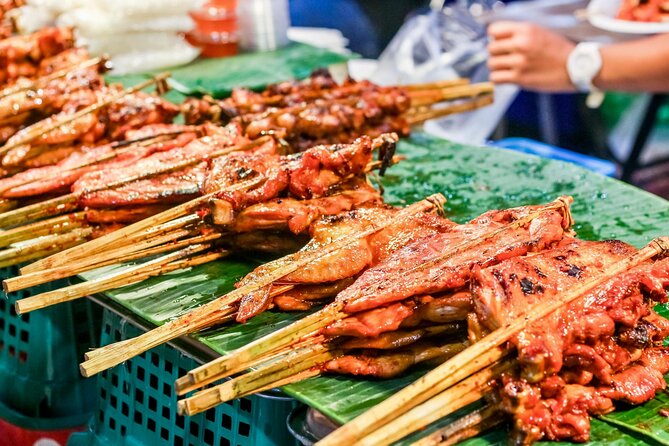
Food is a big part of why this stop is fun. Lunch isn’t included, but you’ll have time to eat at the market. The range is wide—everything from fruit and simple bites to prepared Thai dishes. One example mentioned in experiences shared with me is Thai green curry, which is a reminder that you can find proper meals, not just snacks.
Also, think cash first. If you don’t have a stash ready, shopping gets harder. I’d bring enough for souvenirs and lunch, since getting money on-site can be inconvenient.
The “who runs the day” factor: guides and organization
For a tour like this, the guide isn’t just a voice on a bus. They’re the difference between feeling swept along and feeling in control.
This tour is praised heavily for organization and guide energy, with names showing up again and again: Leo and Gaymo, Anna, Jenny and Maria, Nok, Tutka, Kwan, Farah, Wanna, Katy, Ploy, Toto, Fah, James, and Tukta. Even when people say they’d rather do parts on their own, they still credit the staff for making the timing work—especially around busy stations and the transition between transport modes.
Two things I think you’ll notice fast:
- They help you get positioned for the train moment, instead of wandering and missing the key arrival timing.
- They keep the group together across the handoffs—coach to market, train to pickup, boat to floating market, then back to Bangkok.
The tour caps groups at 30 travelers, which is big enough for logistics but small enough to avoid the “giant herd” feeling that kills photos and patience.
Bangkok logistics: MBK Center as a smart anchor
Meeting and ending at MBK Center is one of the most practical parts of this itinerary. You start at MBK Center on Phaya Thai Road, and the tour also ends there, near BTS National Stadium. That means you can plan your day around a major hub instead of getting dropped somewhere random.
Pickup is offered in some cases, and the tour notes mobile tickets and group discounts. If you’re staying near transit, the MBK base can be a convenient way to connect to other plans afterward—shopping, food, or a quick train ride back.
Time-wise, plan on a full day. The drive to each market area is almost 2 hours, and even with the stops taking about 1.5 hours each, the transitions add up. Bring a game plan: treat the markets as the main attraction and use the travel time to rest and recharge.
Price and value: what your money actually buys
At $25.42 per person, this tour is priced as a budget-friendly “big highlights” day. The real value comes from what’s included, not just the low sticker price:
- Digital audio guide in 28 languages
- Live English-speaking guide
- Bottled water
- Boat ride
- Train ticket
- Air-conditioned vehicle (for the coach parts)
- Accident insurance
- Admission is listed as free for both market stops
What’s not included is also clear: lunch, and the audio guide setup depends on what you bring (mobile device and headphones). Headphones aren’t listed as included, so you’ll want to pack yours or plan to use whatever you already have.
My advice: treat the $25 as paying for the “transport puzzle pieces” (coach + train + boat), then you’re just handling your own food and shopping. For many people, that’s a much better deal than trying to piece it together independently with the same time efficiency.
What to bring so the day feels easier
This tour hits sun, crowds, and walking in short bursts. You’ll be fine if you pack for comfort.
I’d bring:
- A phone and your own headphones for the 28-language audio guide (the tour specifies the mobile and headphones aren’t included).
- Cash for lunch and souvenirs. Prices are often negotiable, but you need money in hand.
- Sunscreen and water mindset. Bottled water is included, but you’ll still want protection.
- Comfortable shoes for cramped market areas and moving around on and near platforms.
Also, if you’re sensitive to crowds, pace yourself. The train market can feel overwhelming in peak moments. The best strategy is simple: move slowly, let others pass, and use the guide’s directions to find a safer viewing spot.
Is this tour worth it for you?
I’d recommend this tour if you want:
- A first-time Bangkok market day with major highlights in one trip
- The iconic train-through-market moment without planning transport across multiple stops
- A guide to handle timing and keep you from getting stuck at the wrong place at the wrong time
- An affordable price that still includes meaningful logistics (train + boat)
I’d be a bit cautious if you:
- Hate crowds or tight spaces
- Get uncomfortable in heat (the train isn’t air-conditioned)
- Want long, relaxed time with no schedule pressure (this is a “see a lot” format)
Should you book this Bangkok floating-and-train combo?
If you’re visiting Bangkok and want two headline markets without spending half your trip figuring out how to get there, book it. The included train ticket, boat ride, guided structure, and audio guide make the price feel fair, and the guide names cropping up across experiences are a strong sign that the day runs with less stress than you might expect.
Just go in with the right mindset: this isn’t a quiet nature day. It’s a people-and-stalls day—hot at times, crowded at times, and unforgettable in the moments that matter.
If that matches your travel style, this is a smart, value-heavy choice.
FAQ
How long is the tour, approximately?
The duration is listed as about 8 hours 30 minutes.
What markets are included?
You’ll visit Mae Klong Railway Market (Hoop Rom Market) and Damnoen Saduak Floating Market.
Is pickup available?
Pickup is offered (and you can also choose the MBK Center meeting point).
Is lunch included?
No. Lunch is not included.
What transport is included besides the coach?
The tour includes a train ticket and a boat ride (longtail boat).
Is the train air-conditioned?
The train is not air-conditioned.
Is the audio guide included, and what do I need to use it?
A digital audio guide in 28 languages is included. The tour notes that you need a mobile device and headphones (headphones are optional via Bluetooth, but not listed as included).
Where do I meet, and where does the tour end?
You meet and end at MBK Center, 444 Phaya Thai Rd, near BTS National Stadium.
What’s the group size?
The tour has a maximum of 30 travelers.
More Tour Reviews in Bangkok




The Market on the Tracks
More Floating Markets
Just In: Fresh Bangkok Reviews


Floating Markets, compared.
 ★ 4.5Damnoen Saduak Market and Maeklong Railway MarketFrom $2526,723 reviews
 ★ 4.5The Old Siam: Damnoen Saduak and Maeklong Railway MarketFrom $3210,992 reviews
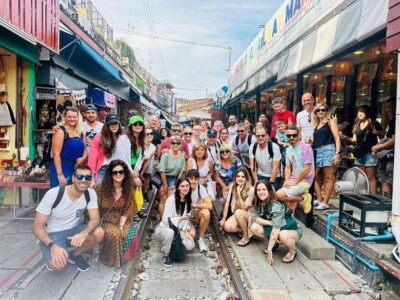 ★ 4.7Train Market & Floating Market with Boat RideFrom $259,547 reviews
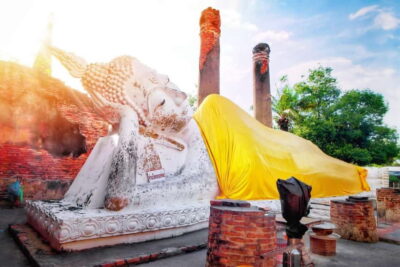 ★ 4.7From Bangkok: Ayutthaya & Ayothaya Floating Market Day TripFrom $486,084 reviews
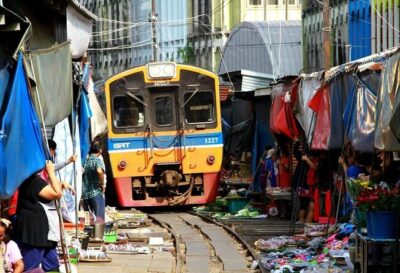 ★ 4.5Half-Day Railway Market and Floating Market Tour in ThailandFrom $323,924 reviews
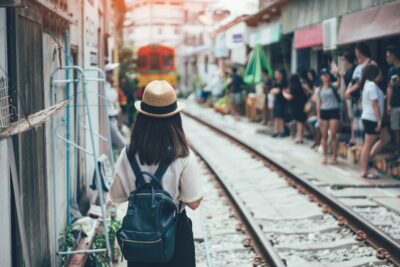 ★ 4.7Damnoen Saduak, Train Market & Mahanakhon Day TripFrom $232,162 reviews
 ★ 4.4From Bangkok: Damnoen Saduak Floating Market Guided TourFrom $1222,020 reviews
 ★ 4.5Damnoen Saduak Floating Market and Maeklong Railway Market TourFrom $441,588 reviews
Browse the lists this tour appears in