
Review · GRAND PALACE & TEMPLE TOURS
Bangkok: Grand Palace, Wat Pho, and Wat Arun Guided Tour
Bangkok’s temple trio hits fast. You get the Grand Palace story (including the Kings of Thailand) plus three of Bangkok’s biggest spiritual sights, all tied together with a guide who explains what you’re actually looking at. I loved how the tour makes the complex layout make sense, and I especially liked the way Wat Pho’s marble education is linked to Thai massage. One thing to plan for: the temple attire rules and shoe removal can slow you down, and entrance fees are extra.
This tour is priced low, but it’s not a skimpy experience. A professional licensed guide, drinking water, and clear pacing help you spend less time guessing and more time watching the details—like the amulet market stop and Wat Arun’s 70-meter tower by the river. The big consideration is that it’s not suitable for wheelchair users and it involves walking on temple grounds.
In This Review
- Key Highlights to Look For
- Grand Palace and Emerald Buddha: Where Bangkok’s Power Meets Belief
- What You’ll Learn at the Temple of the Emerald Buddha (Before You Even Look Around)
- Grand Palace Grounds: The Details That Make It Click
- Wat Pho and the Reclining Buddha: Marble Education and Real Traditions
- The Story of King Rama I at Wat Pho
- Why Wat Pho’s Marble Inscriptions Matter
- Wat Arun, the Temple of Dawn: The River View You’ll Remember
- It’s Not Just Temples: Market Stops Add Texture
- Price and Value: Paying Extra Entrance Fees, but Getting the Right Guide
- Practical Logistics That Make the Day Easier
- Dress code and shoe rules
- Cash and expectations
- Photography reality check
- Restrooms
- Who This Tour Fits Best
- The One-Day Temple Flow You’re Really Signing Up For
- Should You Book This Bangkok Grand Palace, Wat Pho, and Wat Arun Tour?
- FAQ
- What’s included in the tour price?
- Are entrance fees included for the Grand Palace, Wat Pho, and Wat Arun?
- Where do I meet the guide?
- Does the tour always include Wat Pho and Wat Arun?
- What should I wear and bring for the temples?
- Do I need to remove my shoes?
- Is photography allowed?
- Is this tour suitable for wheelchair users or people with mobility impairments?
Key Highlights to Look For
- Grand Palace context: you learn how this was the official residence of Thailand’s kings and still hosts official events
- Temple of the Emerald Buddha: the most sacred Thai Buddhist temple, known officially as Wat Phra Si Rattana Satsadaram
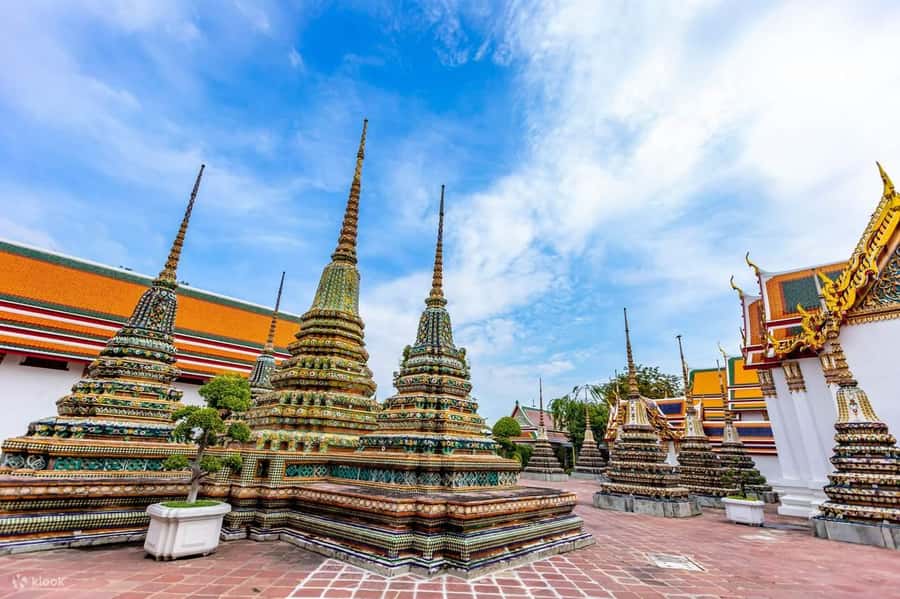
- Wat Pho’s marble instructions: a teaching site tied to public medical education and recognized by UNESCO’s Memory of the World Programme
- Thai massage origins at Wat Pho: the birthplace of traditional Thai massage is still taught and practiced there
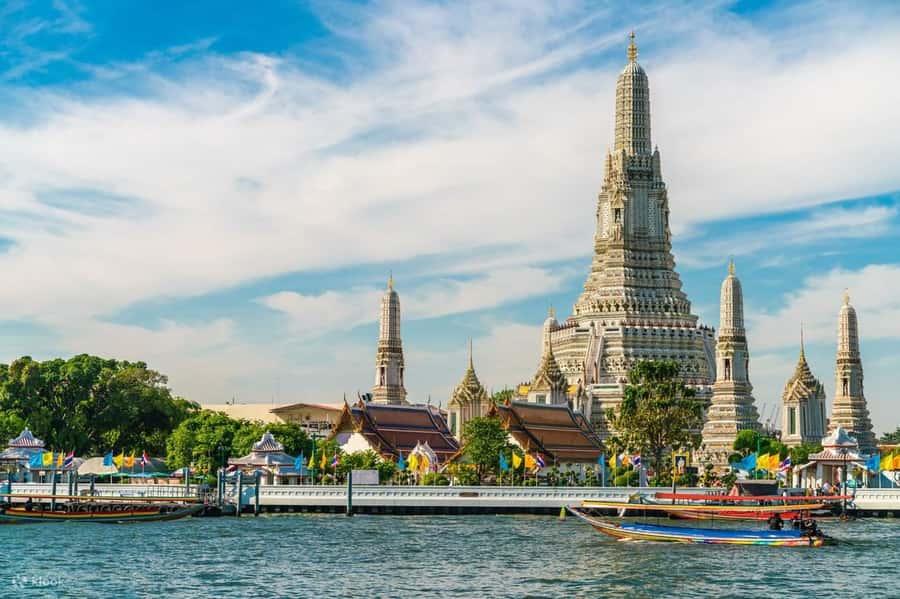
- Wat Arun by the Chao Phraya: the Temple of Dawn’s giant 70-meter tower with colored glass and Chinese porcelain decoration
- Guide with practical help: English-speaking guidance (including Meng) that keeps the visit moving smoothly
Grand Palace and Emerald Buddha: Where Bangkok’s Power Meets Belief
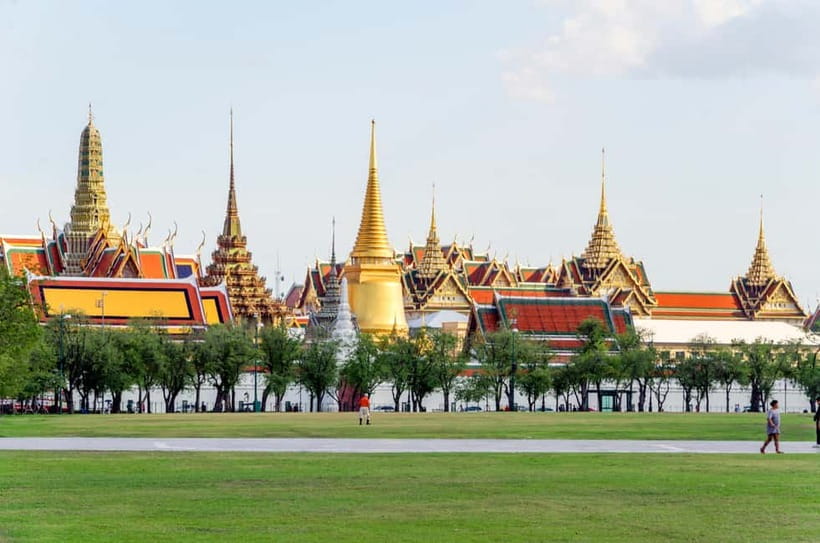
Start with the feel of the area. The tour meets near the Tha Chang ferry pier by the Grand Palace area, and from there you head toward the Emerald Buddha Temple using local transport. You’re in the thick of Bangkok’s old-city heart fast, with street life and market energy close by.
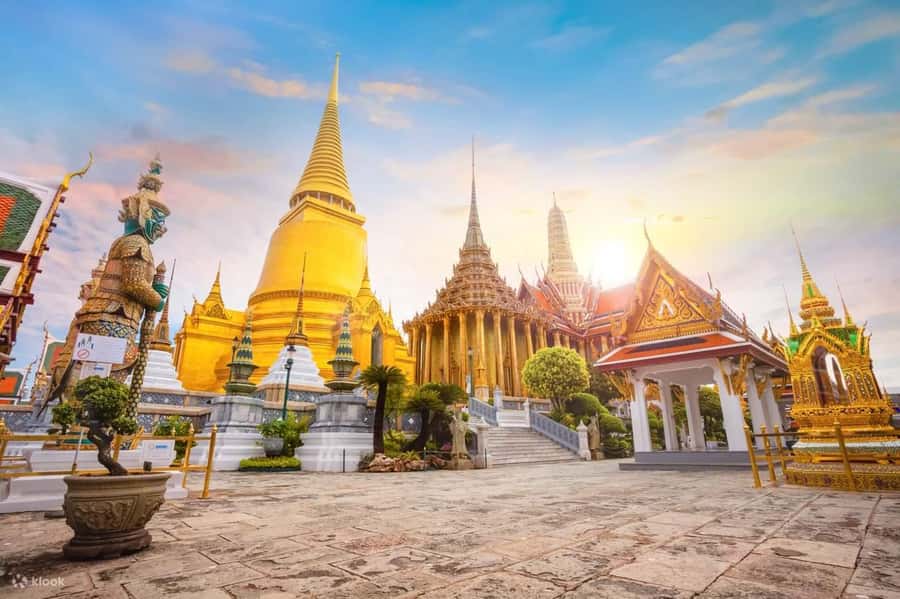
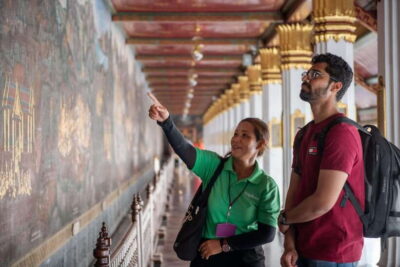
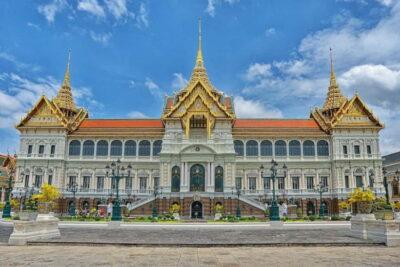
The big win here is understanding what the Grand Palace actually is. This isn’t just a pretty walled compound. It was the official residence of the Kings of Thailand, and even today the palace still gets used for official events. When you walk the grounds with a guide, you’re not just collecting photos—you’re seeing the palace as a living political-and-religious space, not a frozen museum.
Then comes Wat Phra Kaew, the Emerald Buddha Temple. The tour gives you the temple’s full name—Wat Phra Si Rattana Satsadaram—and the reason people treat it with extra care. It’s regarded as the most sacred Buddhist temple in Thailand, which means you’ll feel the seriousness in the rules right away.
More gilded rooftops: other temple runs across the old city
- From Bangkok: Ayutthaya Temples Guided Tour with Lunch
★ 4.7 · 10,535 reviews - Bangkok: City Highlights Temple and Market Walking Tour
★ 4.5 · 3,990 reviews - Bangkok by Night: Temples, Markets and Food Tuk-Tuk Tour
★ 5.0 · 3,752 reviews
What You’ll Learn at the Temple of the Emerald Buddha (Before You Even Look Around)
The guide helps you connect the dots before you get swallowed by gold and detail. The Emerald Buddha Temple is treated as a national-level spiritual site, so expect a strong focus on correct behavior and proper dress.
Plan for these practical moments:
- You’ll need to follow the dress code: no shorts, short skirts, sleeveless shirts, and no bare shoulders or knees.
- You’ll also need to remove shoes before entering temple buildings.
- Photography is allowed in the royal palace grounds and in the compounds of the Emerald Buddha Temple, but not inside the buildings.
This is one of those tours where the rules aren’t there to spoil your fun. They change the tone. Once you respect the flow—quiet, careful entry, no rushing—the whole visit feels more meaningful and easier to follow.
If you’re someone who worries you’ll miss the point, this is where a guide earns their fee.
Grand Palace Grounds: The Details That Make It Click
After the Emerald Buddha Temple, the tour shifts to exploring the Grand Palace. This is where you start noticing why it’s famous: the palace feels designed for movement, with spaces that guide you through different forms of royal ceremony.
The guide’s explanations help you see the timeline of authority. You learn that while the palace isn’t the daily home of kings anymore, royal ceremonies and state functions still happen inside the walls every year. That gives you context when you’re staring at architecture and realizing it was built to support real public roles, not just private grandeur.
Also, the tour pacing matters here. You’re not left to wander for hours trying to interpret signage that can feel more historical than practical. Instead, you’re given the story in small chunks, which helps you keep your attention where it counts.
Wat Pho and the Reclining Buddha: Marble Education and Real Traditions
If the Grand Palace feels like royal power, Wat Pho feels like long-practiced teaching. After the palace stop, you can add Wat Pho (it’s included if you selected that option). On the way, you pass Tha Thien Market, known as a cultural food market with dried, salted seafood and wholesale products.
That market stop is more than a quick photo break. It’s a reminder that Bangkok isn’t only temples. The city’s food culture is right there, and it frames the temple visit in a more everyday way.
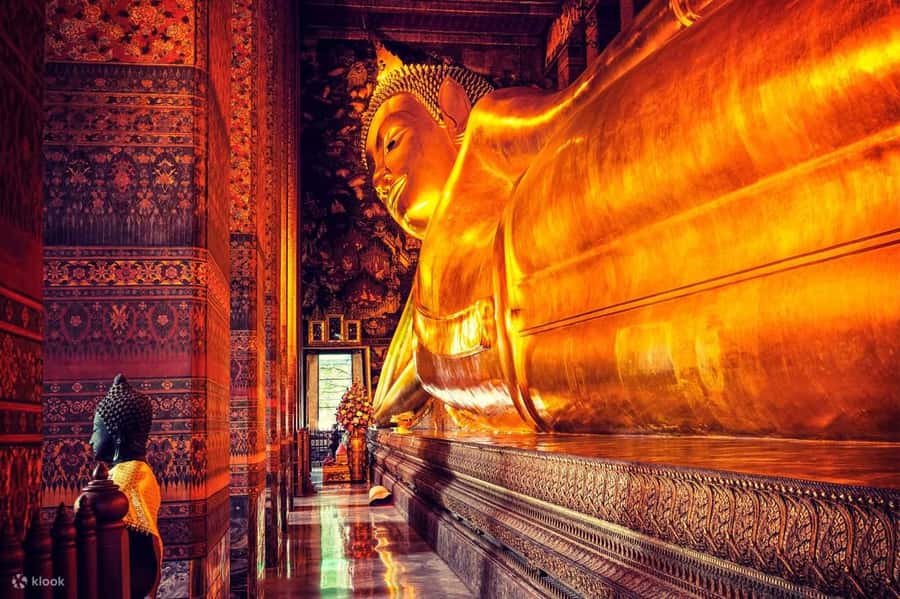
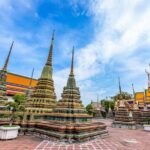
Then you reach the Reclining Buddha Temple complex. Wat Pho is one of the six temples in Thailand classified as the highest grade of first-class royal temples. That royal connection continues the theme from the Grand Palace, but it turns toward learning and healing.
More guided days, sorted

The Story of King Rama I at Wat Pho
Wat Pho’s guide-led storytelling is one of the most useful parts of the tour. You’ll hear how King Rama I rebuilt the temple complex on an earlier temple site, and how it became his main temple. Importantly, the ashes of King Rama I are enshrined there.
That detail matters because it changes how you look at the place. You start noticing how sacred spaces hold personal and historical memory. It’s not just architecture; it’s a set of objects and rooms with ongoing spiritual meaning.
Why Wat Pho’s Marble Inscriptions Matter
This is where I think the tour is at its strongest. The tour explains Wat Pho as an early center for medical public education, and it links that to the marble illustrations and inscriptions used for public instructions.
Even better, Wat Pho has been recognized by UNESCO in its Memory of the World Programme. That’s a big deal because it means these aren’t just pretty carvings. They’re part of documented knowledge meant to be taught to people.
And then you get the most practical, memorable tie-in: Wat Pho is also the birthplace of traditional Thai massage. The tour notes that Thai massage is still taught and practiced at the temple today. That’s the kind of fact that sticks, because it connects your visit to a living tradition, not only to history.
Wat Arun, the Temple of Dawn: The River View You’ll Remember
Finish with Wat Arun, the Temple of Dawn. This is one of Bangkok’s most famous landmarks, and you’ll see why once you’re near the Chao Phraya River.
Wat Arun is known for its giant 70-meter tower. The tour also highlights the decoration style: tiny pieces of colored glass surrounded by Chinese porcelain. If you’ve only seen Wat Arun in pictures, getting this close makes the materials feel real. The tower is built to catch light, and it’s the kind of sight where your eyes keep finding new patterns.
A guided stop here helps with timing and attention. Instead of just walking around the base, you’re more likely to pause, look up, and understand why the design is so distinctive.
It’s Not Just Temples: Market Stops Add Texture
One of the smartest touches in this tour is the way it threads in markets you’d miss if you went temple-only.
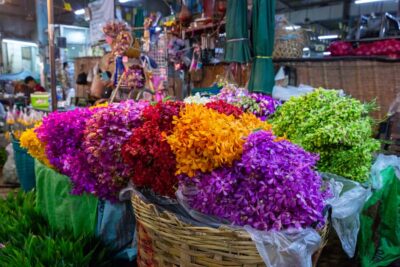
You pass an amulet market, described as one of the most famous historical community markets of Rattanakosin Island. You also pass Tha Thien Market on the way to Wat Pho, known for dried salted seafood and wholesale products. Even if you don’t buy anything, these moments give you a sense of Bangkok as a living city with traditions that run alongside the temples.
That texture is part of what makes the experience feel balanced. It’s not only sacred spaces; it’s the neighborhood energy around them.
Price and Value: Paying Extra Entrance Fees, but Getting the Right Guide
The base price is about $17 per person. That’s a strong value for a guided route across multiple major sites, especially because the tour includes a professional licensed guide and drinking water.
But you should plan for the major entrance fees separately. The tour lists:
- Grand Palace and Wat Phra Kaew: THB 500 per person
- Wat Pho: THB 300 per person
- Wat Arun: THB 200 per person
When you add those up, you’ll understand why the tour price can stay low. You’re paying for the guide and logistics, not to cover the site tickets. For value, the question is simple: does the guide help you understand what you’re seeing? In this route, the answer is yes—because the meaning behind the Emerald Buddha Temple, the royal role of the Grand Palace, and Wat Pho’s UNESCO-recognized educational marble system aren’t obvious if you’re reading on your own.
If you’re the type who loves turning temple visits into stories you can tell later, this becomes a better deal. If you’re only chasing scenery and don’t care about context, you might feel the entrance fees more than the guidance.
Practical Logistics That Make the Day Easier
A few details matter more than you’d think on this kind of tour:
Dress code and shoe rules
You’ll want to wear comfortable shoes with the expectation that you must remove them before entering temple buildings. Bring a hat and sunscreen, since you’ll be outside between stops.
Also, follow the restrictions:
- No shorts, short skirts, or sleeveless shirts.
- Plan for no bare shoulders and knees.
This isn’t about being fussy. It keeps you from getting turned away at the most important moments.
Cash and expectations
Bring cash. Entrance fees are not included, and you don’t want to scramble while everyone else is queueing.
Photography reality check
Photography is allowed in the royal palace grounds and in the compounds of the Emerald Buddha Temple, but not inside the buildings. You’ll get plenty of good shots outside, but don’t plan on taking photos during interior moments.
Restrooms
Restroom facilities are available. Still, treat bathroom breaks like you would at any busy temple area—quick, planned, and not during the most sensitive entry times.
Who This Tour Fits Best
This Bangkok guided tour suits you if you want a clear path through major temples without needing to research every inscription.
It’s a good match for:
- First-time Bangkok visitors who want the Grand Palace + Wat Pho + Wat Arun trifecta
- People who like context and stories, not just wandering
- Anyone who’s interested in Thai massage history and why Wat Pho is famous beyond the Reclining Buddha
It’s probably not for you if:
- You have mobility impairments or use a wheelchair (it’s not suitable for wheelchair users)
- You hate dress codes and shoe removal steps
The One-Day Temple Flow You’re Really Signing Up For
This is a tightly focused route that hits the big emotional beats:
1) Royal authority and sacred ritual at the Emerald Buddha Temple
2) The official power center at the Grand Palace
3) Learning, healing, and Thai massage origins at Wat Pho
4) River views and artistic detail at Wat Arun
Along the way, the market stops keep it human. You’re not only in temple compounds; you’re moving through Bangkok’s old-city rhythm.
Should You Book This Bangkok Grand Palace, Wat Pho, and Wat Arun Tour?
Yes, you should book it if you want the main temples with an English-speaking licensed guide and you care about understanding what you’re seeing. The guide support is especially valuable when rules and sacred spaces are involved, and Wat Pho’s UNESCO-backed teaching story is the kind of detail you’ll miss without help.
Skip it only if you’re strictly budget-traveling with zero interest in paying entrance fees, or if mobility issues make the walking difficult. Otherwise, this is a smart, efficient way to experience Bangkok’s temple power and still leave time to enjoy the city around it.
FAQ
What’s included in the tour price?
The tour includes a professional licensed guide and drinking water. Entrance fees are not included.
Are entrance fees included for the Grand Palace, Wat Pho, and Wat Arun?
No. Entrance fees are listed separately: THB 500 for the Grand Palace and Wat Phra Kaew, THB 300 for Wat Pho, and THB 200 for Wat Arun.
Where do I meet the guide?
The meeting start point is in front of the Tha Chang ferry pier, located next to the Grand Palace. The tour also indicates meeting at River City Bangkok before heading onward by local transport.
Does the tour always include Wat Pho and Wat Arun?
Wat Pho is visited only if you selected that option. Wat Arun is part of the route for completing the list of must-visit temples.
What should I wear and bring for the temples?
Bring comfortable shoes, a hat, sunscreen, and cash. Shorts, short skirts, and sleeveless shirts are not allowed.
Do I need to remove my shoes?
Yes. Shoes must be removed before entering temple buildings as a matter of respect.
Is photography allowed?
Photography is permitted in the Royal Palace Grounds and in the compounds of the Emerald Buddha Temple, but not inside the buildings.
Is this tour suitable for wheelchair users or people with mobility impairments?
No. It is not suitable for people with mobility impairments and not suitable for wheelchair users.
More Tours in Bangkok


More Tour Reviews in Bangkok



More of Bangkok Temples
Just In: Fresh Bangkok Reviews

Grand Palace & Temple Tours, compared.
 ★ 4.7From Bangkok: Ayutthaya Temples Guided Tour with LunchFrom $2810,535 reviews
 ★ 4.5City Highlights Temple and Market Walking TourFrom $423,990 reviews
 ★ 5.0Bangkok by Night: Temples, Markets and Food Tuk-Tuk TourFrom $793,752 reviews
 ★ 4.8Grand Palace, Wat Pho, and Wat Arun Guided TourFrom $243,632 reviews
 ★ 4.9Temples, Canals & Local Life Bike TourFrom $243,511 reviews
 ★ 4.4Grand Palace and Wat Phra Kaew Guided Walking TourFrom $172,417 reviews
 ★ 4.9Markets, Temples and Food Night Tour by Tuk TukFrom $772,371 reviews
 ★ 4.3Grand Palace, Wat Pho, Wat Arun Sacred & Local TourFrom $182,256 reviews
Browse the lists this tour appears in