
Review · HOP-ON HOP-OFF BUS TOURS
Bangkok: Hop-On Hop-Off Bus with 24, 48 or 72-Hour Validity
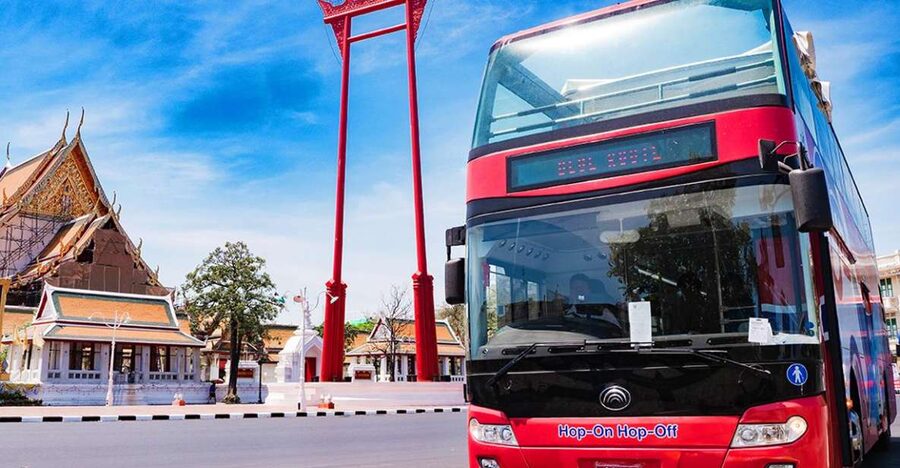
Bangkok is easiest when you ride above it. This hop-on hop-off double-decker lets you build your own itinerary across major temples and markets, with a GPS-triggered audio guide in 7 languages plus free earphones. You’ll spend less time figuring out transport and more time actually choosing what to see.
I also like the comfort options: the upper deck has open-air views when you want breeze and skyline, and there’s indoor shelter when the sun feels rude. Add the mobile app and live bus location tracking, and you get a real sense of control in a city famous for traffic.
One thing to plan around: the buses run only part of the day (roughly 10 AM to 3:25 PM). If you start late—or buy a 24-hour pass—your ticket timing may stretch beyond when buses stop running.
In This Review
- Key things that make this bus plan work
- Bangkok bus logistics: where you start and how not to waste time
- Price and value: what $25 buys you (and when it’s a smart deal)
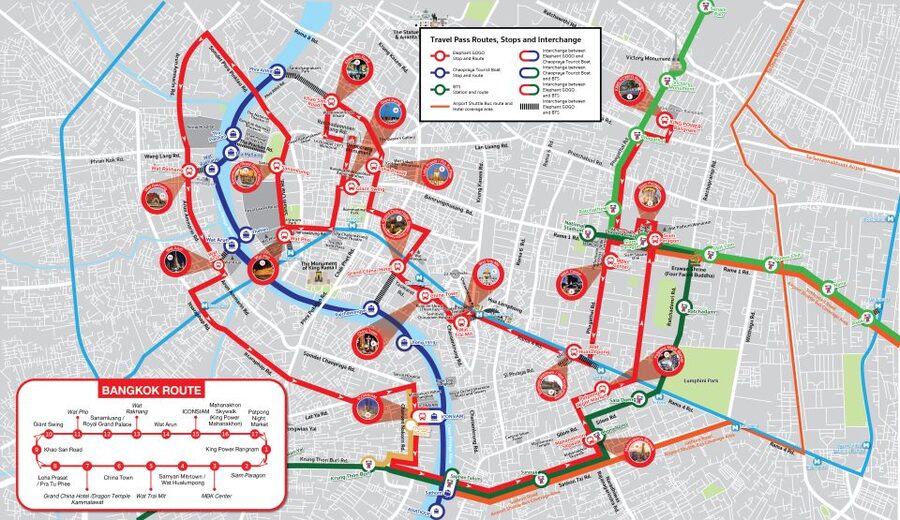
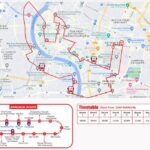
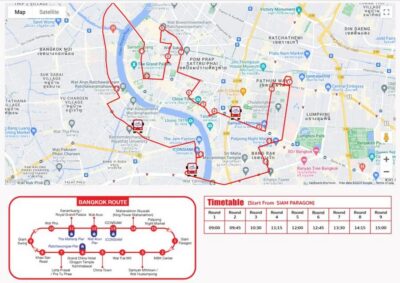
- The route from Siam Paragon to Central World: what each stop feels like
- Start: Siam Paragon
- MBK Center
- Samyan Mitrtown / Wat Hualumpong
- Golden Buddha Temple / Wat Trai Mit
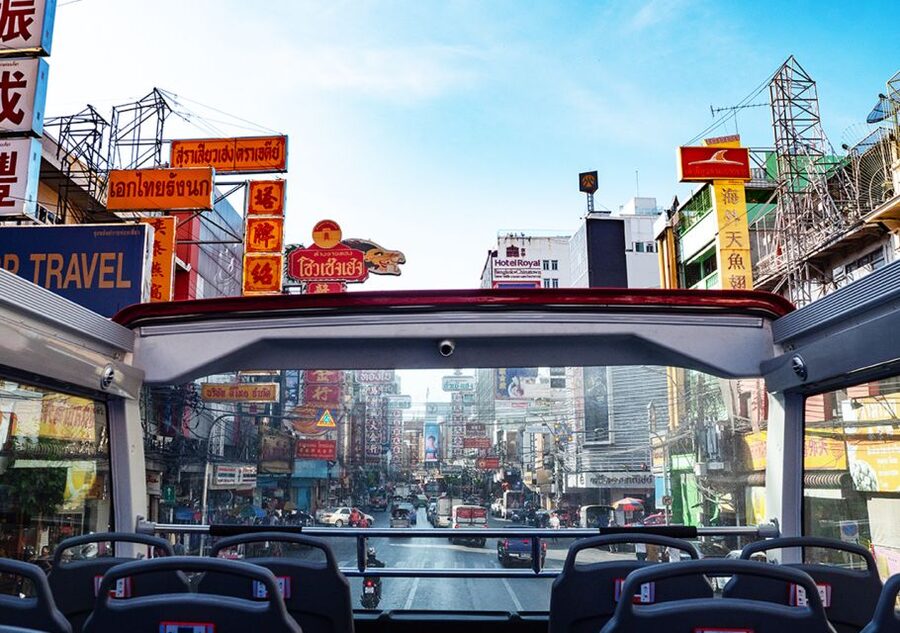
- China Town
- Grand China / Dragon Temple Kammalawat
- Loha Prasat (Wat Ratchanatdaram Worawihan) / Pra Tu Phee
- Khao San Road
- Giant Swing (Wat Suthat and the Giant Swing area)
- Wat Pho
- Sanamluang / Royal Grand Palace area
- Wat Rakhangkhositaram (Wat Rakang Kositaram)
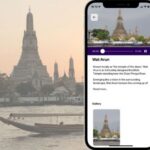
- Wat Arun Rajvararam (Wat Arun)
- ICONSIAM
- King Power MahaNakhon (Mahanakorn Skywalk)
- Patpong Night Market
- Central World
- How to plan your day with 24 vs 48 vs 72 hours
- Audio guide and earphones: helpful, but not flawless
- Comfort in Bangkok heat: open-air views vs air-conditioned sanity
- Temples, markets, and malls: how to choose where to hop off first
- What’s included vs what you’ll still pay for
- Should you book this Bangkok hop-on hop-off bus?
Key things that make this bus plan work
- Hop on, hop off as much as you like within your 24, 48, or 72-hour validity window
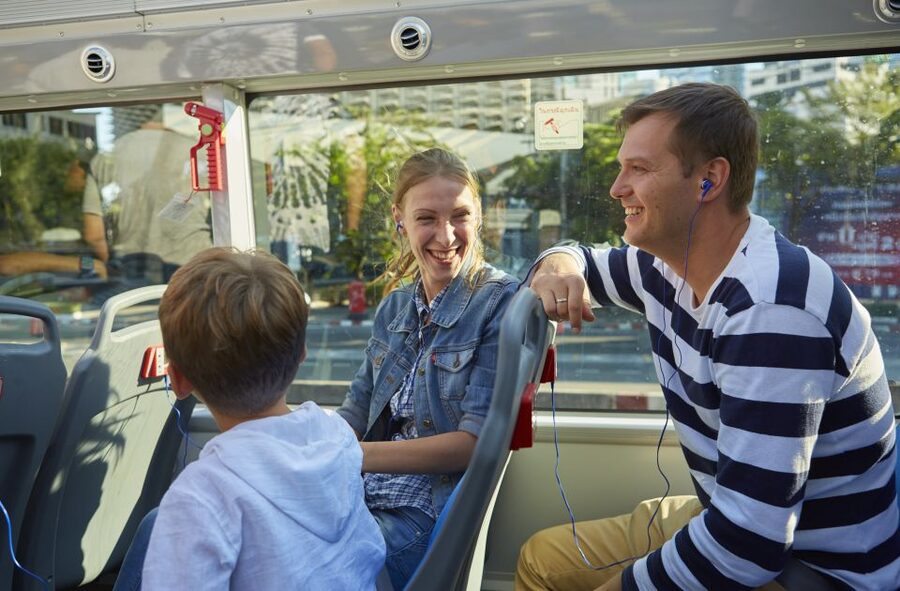
- GPS audio in 7 languages with free headsets, triggered by your bus location
- Upper deck for views plus covered/indoor seating for heat and rain breaks
- Live bus tracking via the free mobile app helps you time arrivals
- Many major stops across old Bangkok temples, China Town, and modern malls
- Stops can be hard to spot, so you’ll rely on the app and the map/guidebook
Bangkok bus logistics: where you start and how not to waste time

Most days in Bangkok feel like a trade-off between heat, distance, and time. This pass is built to reduce that friction. You choose where you get on, then you can jump off at the stops you care about most, catch the next bus, and keep going.
Your main starting-point setup is Siam Paragon. The service counter is at Siam Paragon, Ground Floor South Gate, in front of LOCK BOX Plus+ next to Bangkok Bank. A second meeting point option is Central World (in front of Hug Thai Gate on the 1st floor). The simple rule: you don’t redeem anything at the counter. You bring your confirmation, then show it to the driver or staff at any bus stop, and they’ll issue your ticket so you can board.
Two practical timing tips save a lot of frustration:
- Arrive about 10–15 minutes early.
- Use the live tracking in the app so you’re not waiting blind at a stop.
Also, Bangkok traffic is real. The first-to-last ride on the route takes around 3 to 3.5 hours if you stay on board. If you hop off, you’re building in extra walking and temple time, so your day needs margin.
Top deck up, more loops of the city
- Bangkok: Chao Phraya River Hop-on Hop-off Boat
★ 4.5 · 2,990 reviews - The Best Bangkok Hop-On Hop-Off Bus Tour
★ 3.5 · 228 reviews - Bangkok: City Sightseeing Hop-On Hop-Off Bus Tour
★ 4.1 · 136 reviews
Price and value: what $25 buys you (and when it’s a smart deal)
At about $25 per person, the value comes from flexibility rather than from paying for a single guided day. You’re buying unlimited bus access for your chosen validity—24, 48, or 72 hours—so you can re-shape your plan as you learn what you actually enjoy.
This is the kind of ticket that pays off if:
- You’re short on time and want an easy route between top sights.
- You want independence (no group schedule locking you in).
- You’d rather spend money on temple tickets, boat rides, or meals than on private transport.
A useful reality check: your ticket validity is based on the time you board. Example given in the rules: if you buy a 24-hour ticket and board at 2 PM, your validity runs until 2 PM the next day. But the buses don’t run 24 hours, so a late afternoon start can limit what you’ll realistically do.
If your goal is to see the main highlights across Bangkok quickly, the structure is good. If your goal is slow museum-style depth with a live guide, you’ll probably want additional plans beyond this bus.
The route from Siam Paragon to Central World: what each stop feels like
Think of the route as a line that connects Bangkok’s old-school icons with its shopping-and-nightlife zones. You can ride the full loop for a broad overview, then come back for the stops you want to linger at.
Start: Siam Paragon
Siam Paragon is a clean, modern launchpad. It’s a good first stop because you can get oriented quickly, then roll out toward temples and older neighborhoods. It also makes a nice anchor point if you decide to hop off early and return later.




MBK Center
MBK is all about shopping and energy. Even if shopping isn’t your priority, it’s a useful stop because it places you near where you can reset your day—snack, water, or just regroup in air-conditioned comfort.
Samyan Mitrtown / Wat Hualumpong
This area is where city life and religious landmarks start to mix in your day. The bus stop here is handy if you want to swap from malls to temples without committing to a long taxi ride.
Golden Buddha Temple / Wat Trai Mit
This is one of the stops that makes the bus feel more than sightseeing-by-window. You’re getting a spiritual landmark on the route, which can balance the day so you’re not only doing shopping breaks and busy streets.
China Town
China Town is one of those places where the atmosphere hits fast. This stop works best if you plan a short visit, walk a bit, and then decide whether you want a longer return later.
A small drawback: China Town can eat time. If you hop off, set a timer in your head so you don’t miss the next bus.
Grand China / Dragon Temple Kammalawat
This stop helps you keep the old Bangkok theme going while still moving toward the next set of sights. It’s a good place to feel the neighborhood shift from street markets to temple zones.
Loha Prasat (Wat Ratchanatdaram Worawihan) / Pra Tu Phee
Loha Prasat is a temple stop that’s visually memorable. It’s also a nice change of pace from the market intensity nearby—more standing, looking up, and quiet attention to details.
Khao San Road
Khao San Road can be chaotic, in the way Bangkok can be fun when you’re ready for it. If you like street scenes, it’s a great stop for atmosphere. If you prefer calmer sightseeing, use this stop as a quick taste and then move on.
Giant Swing (Wat Suthat and the Giant Swing area)
This stop is one of the classic photo-and-temple-adjacent moments on the route. It’s also a good midpoint check: you’ve now reached a section where temples and landmark architecture become more central again.
Wat Pho
Wat Pho is a big stop for a reason. It’s the kind of place where you can easily lose an hour or two, so plan your next ride with that in mind. The bus makes it easy to drop in, see what you came for, then catch the next bus rather than solving transport again.
Sanamluang / Royal Grand Palace area
This section is where the route hits a major headline moment. It’s also where time can slip away because the area draws crowds and you’ll want to look around.
Tip: if you’re short on time, prioritize a few key views instead of trying to do everything in one go. You can always return using your hop-on pass.
Wat Rakhangkhositaram (Wat Rakang Kositaram)
This stop keeps the temple circuit feeling connected rather than random. It’s a good option if you want a break from the biggest complexes but still want spiritual Bangkok.
Wat Arun Rajvararam (Wat Arun)
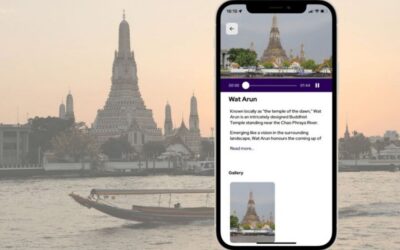
Wat Arun is the kind of landmark you can’t really ignore once you’re near it. If you’re aiming for photos, come ready to wait your turn and adjust for light. If you’re more focused on exploring than photographing, use the bus to get there with less stress, then slow down once you’re on foot.
ICONSIAM
ICONSIAM adds a modern contrast. It’s a practical hop-off because it’s a place to cool down, eat, and reset your energy before you continue the loop into nightlife areas.
King Power MahaNakhon (Mahanakorn Skywalk)
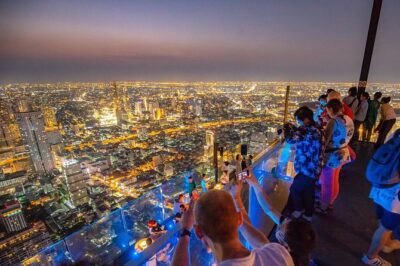
This stop is more city-modern than temple-historic. You can use it as a quick stop for viewpoints or to keep your day varied. If you plan to go up to higher views, build extra time; the bus can’t replace your time on-site.
Patpong Night Market
This stop is about evening energy. If you’re doing a day loop, you might only catch a slice of it. Still, even a short visit can help you understand Bangkok’s nightlife rhythm.
Central World
Central World is the perfect end-point feeling. It’s a big, easy-to-find node in your day, and it gives you an anchor if you want to finish sightseeing and head back toward shopping, meals, or your hotel area.
How to plan your day with 24 vs 48 vs 72 hours
The biggest question isn’t which pass is cheapest. It’s whether the buses run on the schedule you need.
The route runs from about 10 AM to around 3.25 PM at the first stop. Buses depart roughly every 35–40 minutes depending on conditions. That means your day needs to start early enough to actually use the hop-on flexibility.
Here’s the practical way I’d think about it:
- 24 hours works when you start early and you’re selective. Use it for a loop plus one or two key temple stops, then go back to your hotel zone.
- 48 hours is the sweet spot for many people because Bangkok traffic can turn one day into a slower day than you planned. Two days also helps if you decide mid-trip that you want to linger longer at one place.
- 72 hours is best if you like revisiting neighborhoods, doing a temple properly, and using the bus as your main transport back and forth.
One helpful perspective from real-world use: a 48-hour pass often makes sense because Bangkok’s roads can push waiting time later in the day.
Audio guide and earphones: helpful, but not flawless
This bus is fully narrated using a GPS-triggered pre-recorded audio guide. You get headsets for free, and the audio is available in English, Spanish, Thai, Korean, German, French, and Chinese (Mandarin).
I like this setup because you’re not forced to understand signage or hire a live guide for every stop. You can listen while you ride between sights, then decide how much time you want to spend on each landmark.
Do note the limitations:
- The narration triggers based on your location, so if the bus is delayed or the timing shifts, you might miss a segment.
- In some cases, people reported the guide can sound cut off or jump between topics. The fix is simple: use the printed map/guidebook and look for key landmarks yourself once you’re on the ground.
If you want the most out of the audio, treat it like a starting point. Use it to orient, then let the site speak for itself.
Comfort in Bangkok heat: open-air views vs air-conditioned sanity
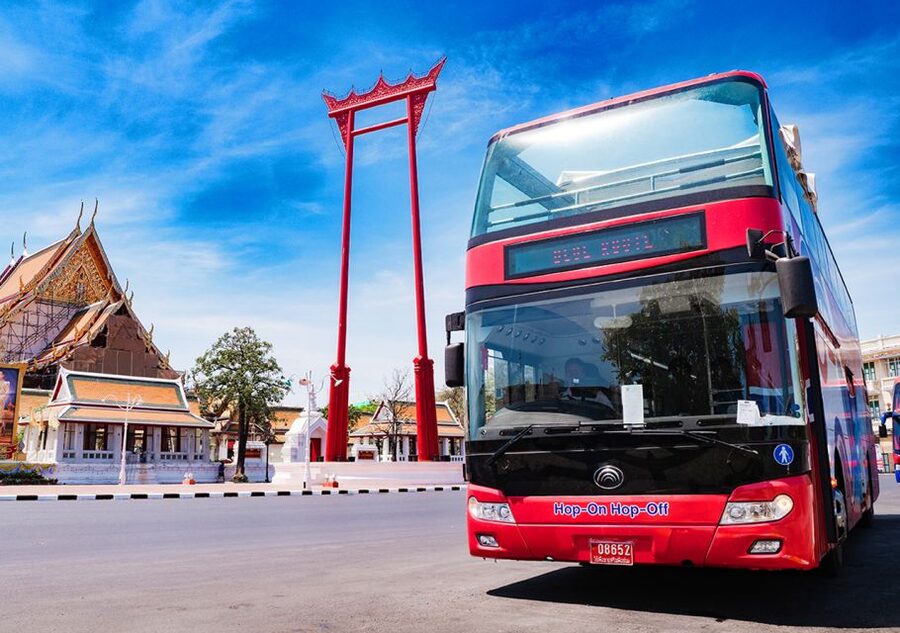
This is a double-decker bus, and you get real choice in how you experience the city. The upper deck can be open-air for city views. You also have shelter options indoors if you want AC.
That matters because Bangkok weather can change how you enjoy sightseeing fast. On hot days, the ability to rotate between sun and shade keeps you moving. On rainy or high-humidity days, staying inside can turn a stressful transport moment into a comfortable break.
Wheelchair accessibility is listed, which is a big plus if you need smooth boarding and stable access.
One small caution from practical experience: the bus stops aren’t always obvious. You might find yourself waiting at a stop where shade is limited, so bring sunscreen and keep an eye on the app.
Temples, markets, and malls: how to choose where to hop off first
If you only hop off once, choose based on what you want to feel most:
- Want spiritual Bangkok first? Prioritize Wat Pho, the Grand Palace area, and Wat Arun.
- Want street energy and photos? Do a chunk of China Town and Khao San Road, then swap back into a more structured temple stop.
- Want a full reset and a meal break? Use ICONSIAM or Central World as your “pause” points.
If you want a simple strategy for your first day, ride enough of the loop to get bearings, then spend your second day going back to the spots that made you stop and stare.
Also, a note on service: staff names come up in feedback. TK is mentioned as friendly and helpful, and Onhathai is credited with suggesting a good place to eat during a temple visit. If you’re unsure what to do next, ask the staff at the stop for a practical meal suggestion near where you’ll be walking.
What’s included vs what you’ll still pay for
Included with your pass:
- Unlimited hop-on bus access for your selected time window
- Onboard GPS audio guide with free headsets in 7 languages
- Free map/guidebook and a mobile app with GPS access
- Multiple stops on the route
Not included:
- Food and drinks
- A live guide
One extra reality check: you might also want to add other transport, like river-based hop-on options. One practical tip from tour use is that the bus route can line up with a river hop-on hop-off option, usually requiring a separate ticket cost (reported as 40–100 baht). If you care about the river, plan it as an add-on, not something folded into this bus price.
Should you book this Bangkok hop-on hop-off bus?
You should book if you want an efficient way to cover the big names—temples, markets, and major modern stops—without locking yourself into a rigid tour schedule. It’s especially good as a first activity in Bangkok because it helps you map where everything sits.
Skip it or add something else if:
- You want deep, live guided commentary at every stop.
- You plan to start late in the day and expect the bus to keep running. It won’t.
- You want “get off and wander forever” at every neighborhood. Bangkok time is elastic, and the route works best when you’re strategic.
If you like control, comfort, and a route that makes city navigation easier, this is a solid way to see a lot of Bangkok without turning every day into a transport puzzle.
More Tour Reviews in Bangkok

Open Top Bangkok


Just In: Fresh Bangkok Reviews


Hop-On Hop-Off Bus Tours, compared.
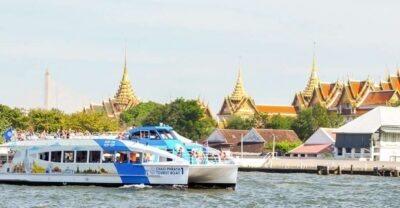 ★ 4.5Chao Phraya River Hop-on Hop-off BoatFrom $42,990 reviews
 ★ 3.5The Best Bangkok Hop-On Hop-Off Bus TourFrom $26228 reviews
 ★ 4.1City Sightseeing Hop-On Hop-Off Bus TourFrom $26136 reviews
 ★ 4.9Full-Day Hop-On Hop-Off Walking Tour Mini GroupFrom $9620 reviews
 ★ 3.0City Sightseeing Bangkok Hop-On Hop-Off Bus TourFrom $2311 reviews
 ★ 5.0Bangkok Canals Hop-On Hop-Off Boat TourFrom $154 reviews
 ★ 3.5Chinatown Night Walking Tour and Hop On Hop Off BusFrom $404 reviews
Browse the lists this tour appears in