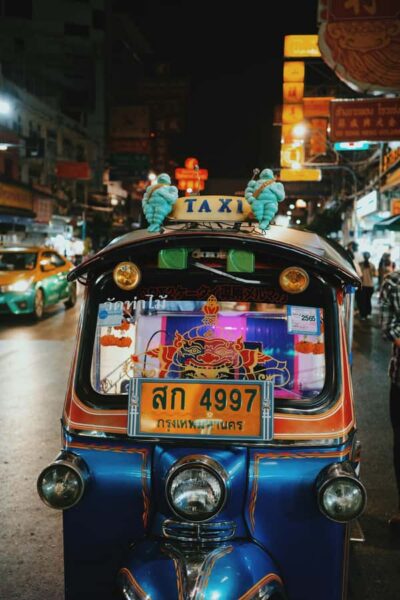
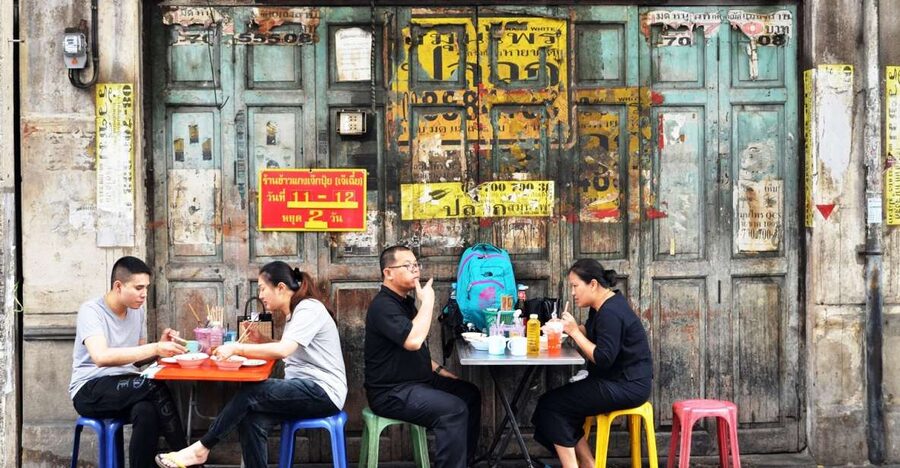
Review · BANGKOK
Bangkok: Must things to see in China town, Small group
Chinatown surprises you fast. This small-group walk through Bangkok’s Chinatown is where you catch the Thai Chinese stories you won’t notice from the main streets. I especially liked the 15+ places you hit on foot and the real food stops, including local lunch. The one catch: you’ll face steep temple stairs, so it’s not a comfy fit if you’re avoiding hills and steps.
You get a focused 3.5 hours, about 4 kilometers total, mostly flat, with one main stair climb. For $41, the value comes from the guide-led route plus the built-in snacks, coffee, and a local lunch, not just a walk-and-photos session. It runs in English and Thai, which makes the history and everyday neighborhood life easier to actually understand.
Logistics are straightforward: meet at MRT Hualampong Exit 1 (look for the guide wearing an Eatwalktalktour shirt) and you end back at the same spot. Bring light, easy-on shoes, and if you’re here May–September, consider an umbrella since the weather can turn.
In This Review
- Key highlights you’ll feel on the walk
- Tang Hua Pug Building to MRT Hualampong Exit 1: finding your group fast
- 4 kilometers, mostly flat—until the temple stairs show up
- Chinatown side streets, street art, and Thai Chinese everyday life
- The secret temple and viewpoint stop: short, memorable, and physical
- Sampeng Market: shopping energy without the usual tourist gloss
- Lunch, snack, and coffee: where the $41 turns into real value
- Temple dress, rainy season, and shoe choices that save the day
- Who should book this Bangkok Chinatown small-group walk?
- Should you book it?
- FAQ
- What time does the 3.5-hour tour start?
- Where do we meet, and where does the tour end?
- What’s included in the price?
- Is hotel pickup or drop-off included?
- How far do we walk, and is it flat?
- What should I wear for temple visits?
- Is the tour suitable in rainy season?
- Who is the tour not suitable for?
Key highlights you’ll feel on the walk
- Tang Hua Pug Building start with an easy MRT meetup at Hualampong
- 15+ Chinatown stops that include street art, small alleys, and local details
- Secret temple + viewpoint moments that add variety beyond shopfronts
- Sampeng Market browsing in one of Bangkok’s older, less-famous open-air market areas
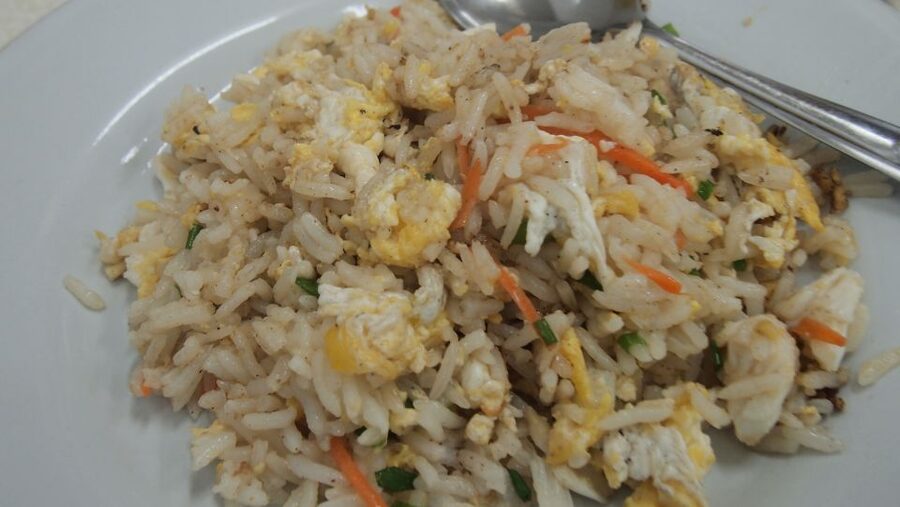
- Food flow done right: snack, coffee, and local lunch built into the route
- Serious but friendly guiding (you may get a guide like Mee, praised for expert energy and on-the-ground storytelling)
Tang Hua Pug Building to MRT Hualampong Exit 1: finding your group fast
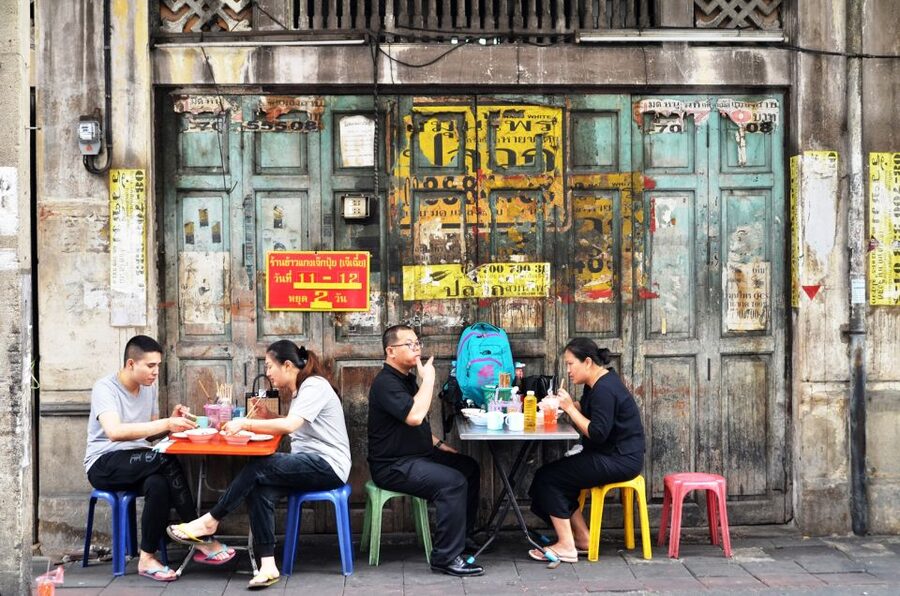
If Bangkok Chinatown is new to you, the first win is starting in a place that’s easy to reach: MRT Hualampong Exit 1. You’re not hunting for a meeting time hours after you arrive. The guide’s shirt—Eatwalktalktour—is your visual anchor, which helps when the sidewalk gets crowded.
Your walk starts at the Tang Hua Pug Building. That matters because it sets the tone: you’re not beginning inside the thickest tourist churn. You start with a landmark-style reference point, then you move toward the tighter lanes and smaller stops where the real neighborhood rhythm shows up.
One practical note: there’s no hotel pickup or drop-off. So if you’re planning to use this tour as your “main Chinatown block,” map your MRT route ahead of time. Chinatown is huge, and saving time on the front end makes you enjoy the walk more.
Still deciding? Line this one up against a few Bangkok favourites first.
- Bangkok: Damnoen Saduak Market and Maeklong Railway Market
★ 4.5 · 26,723 reviews - The Old Siam: Damnoen Saduak and Maeklong Railway Market
★ 4.5 · 10,992 reviews - From Bangkok: Ayutthaya Temples Guided Tour with Lunch
★ 4.7 · 10,535 reviews
4 kilometers, mostly flat—until the temple stairs show up
This tour is about 3.5 hours and roughly 4 kilometers (2 miles) total, and it’s flat almost everywhere. That’s great for most people because you’re not grinding through long distances at slow speed. You do get one “watch your step” moment: the Chinese temple stop has steep stairs.
For that reason, I’d treat shoe choice like part of your itinerary, not an afterthought. Easy on-and-off shoes (or flip-flops if that’s your thing) work well for getting moving quickly. But if you’ll be climbing steps in flip-flops, be honest with yourself about footing.
Dress code is temple-focused. You’ll be visiting temples, so avoid short skirts or short pants. Keep it simple: loose long pants or lightweight long skirt/upper layer. And if it’s rainy season (May–September), bring an umbrella. Wet steps turn “a few flights” into something you’ll think about carefully.
Chinatown side streets, street art, and Thai Chinese everyday life
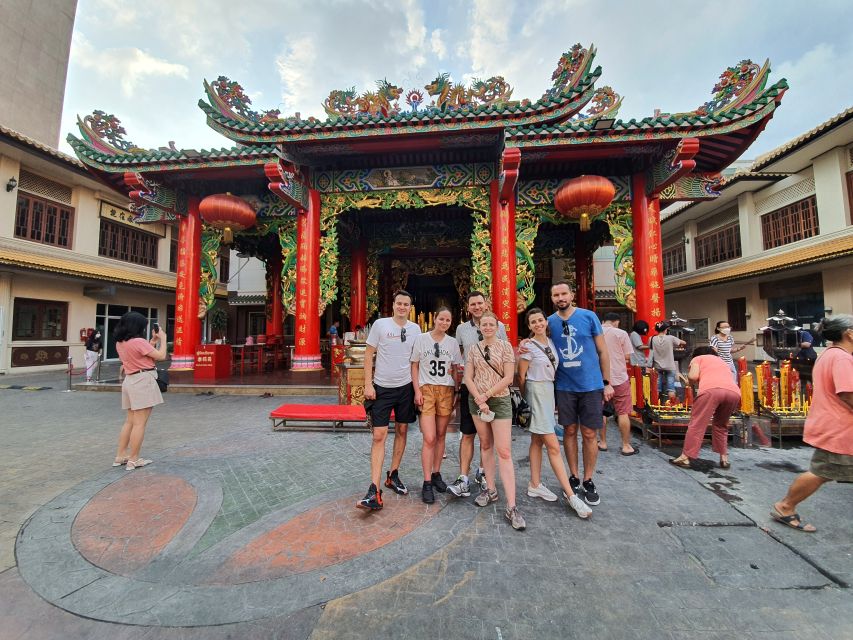
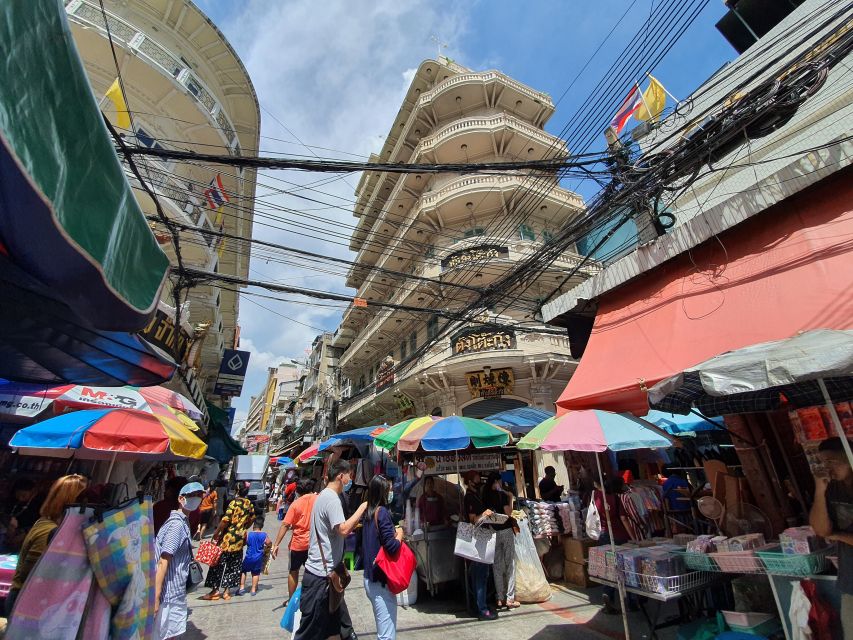
The best part of a good Chinatown walk is what happens between the big intersections. This one steers you into narrow alleys and colorful streets where you can see artwork on walls and details on storefronts that look like background until someone points them out.
What I like is how the guide keeps the experience grounded in Thai Chinese heritage rather than just decorative sightseeing. You get stories tied to the community’s presence here—how people lived, worked, and built a distinct identity in the neighborhood. You also get the chance to chat with local Chinese community members as part of the experience, which changes the feel from “tour” to “conversation.”
And yes, there’s time for photos, but it’s not only that. The route is designed to help you notice patterns: where commerce clusters, how houses and temple areas sit side by side, and how street signs and local rhythms tell you who belongs where.
If you’re the type who likes “why is this here?” questions, you’ll appreciate the way the guide links the visuals to meaning. If you just want Instagram angles, you’ll still get them—but the real payoff is understanding what you’re looking at.
The secret temple and viewpoint stop: short, memorable, and physical
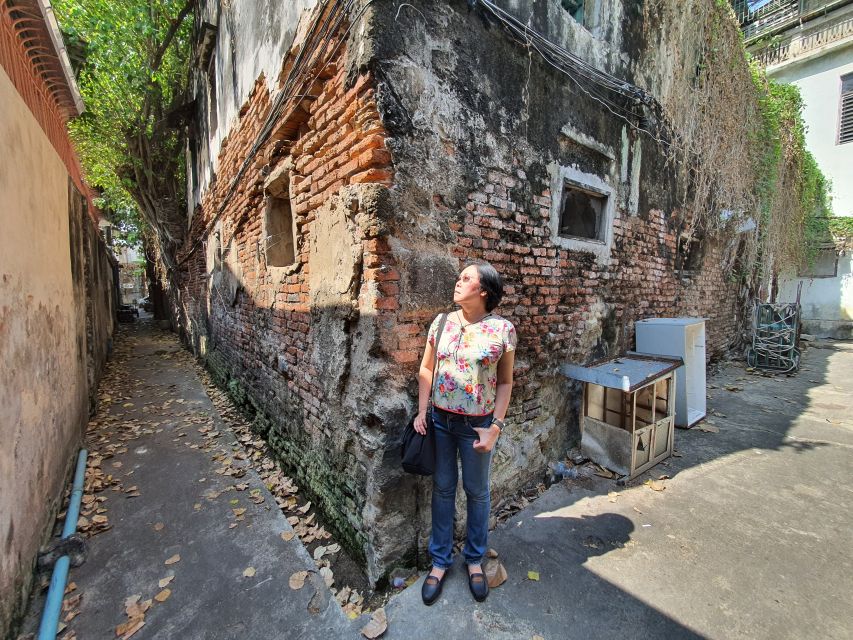
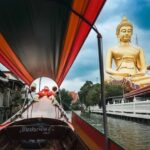
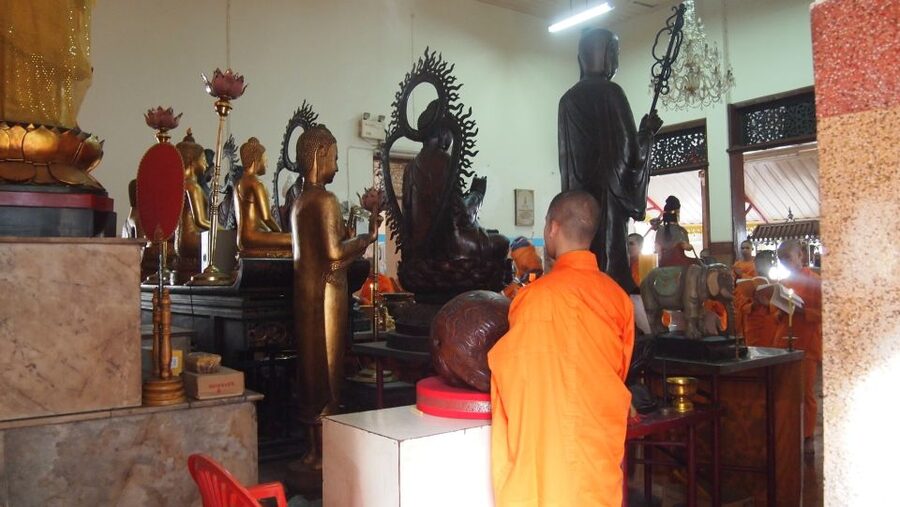
At some point, you’ll be guided toward the tour’s standout “stepping off the main drag” moments: a secret temple and a viewpoint stop.
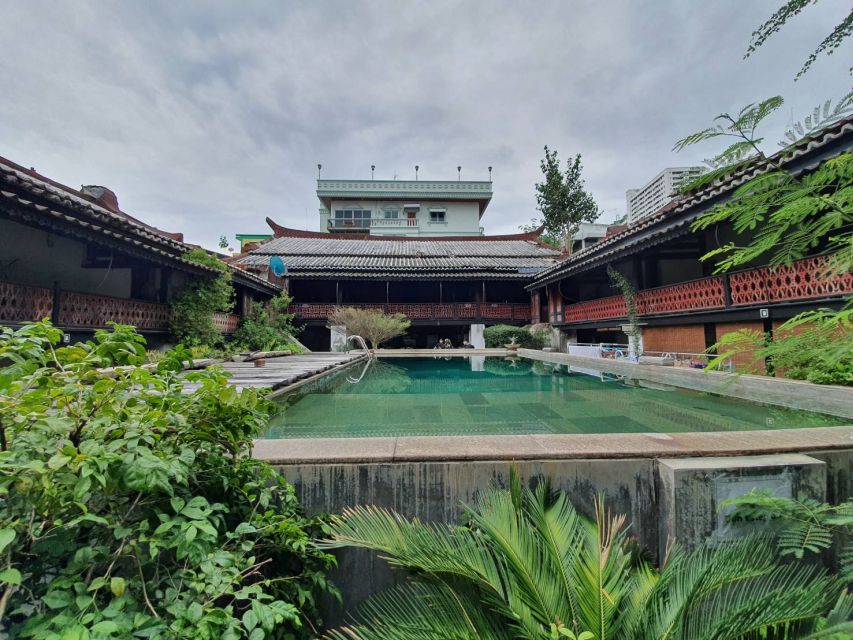
The temple stop is the one that reminds you this is an active walking tour. Those steep stairs are real, and you’ll need to slow down, take your time, and hold the safety habits you already use when climbing anywhere new. The reward is the sense of arrival—temple spaces tend to feel quieter and more intentional than street-level chaos.
The viewpoint is what breaks up the street-level focus. Even without knowing exactly how the view will frame the streets for your route, a viewpoint stop is valuable because it forces you to re-orient. Chinatown can feel like a maze at first. That elevated moment helps you mentally map where you’ve been.
Here’s the small practical advice: pace yourself. If you go hard at the start, the temple stairs can feel like a rude surprise at the midpoint. If you start steady, it feels like a natural step in the plan.

Sampeng Market: shopping energy without the usual tourist gloss
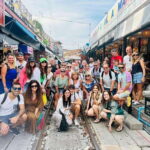
One of the most useful parts of this tour is Sampeng Market. You’re led into one of Bangkok’s older open markets and guided through lanes where goods are arranged in a way that feels less staged than the big-name shopping zones.
Sampeng Market is ideal for people who enjoy browsing with context. Instead of being thrown into a giant shopping block with no explanation, you get a guided sense of the market’s layout and why it functions the way it does. You’ll also have time for shopping if that’s your style—markets like this make small purchases easy because you can compare items quickly lane to lane.
What to expect from the vibe: it’s not a “slow walk with antiques.” It’s a working market. If you’re sensitive to crowds or you get stressed in dense sidewalks, go with a calm pace. The guide’s job is to keep you moving without losing what you came for.
Lunch, snack, and coffee: where the $41 turns into real value
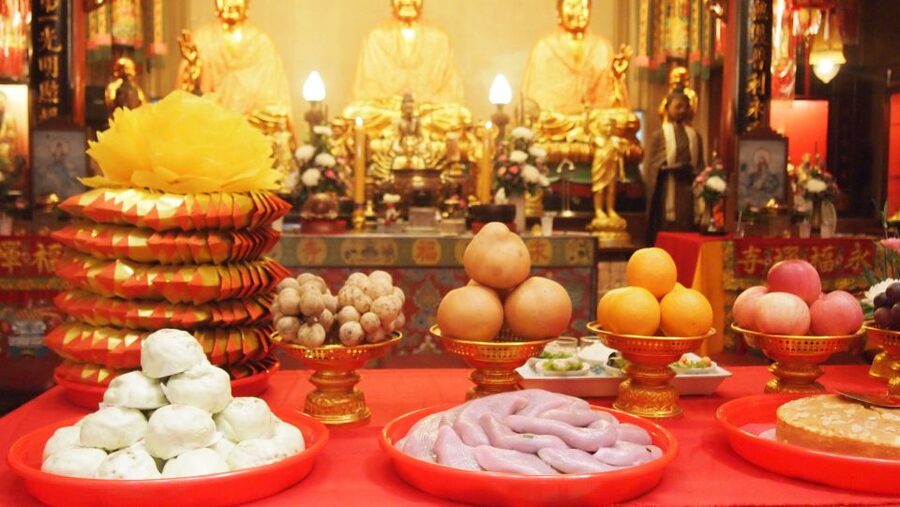
For $41, you’re not just paying for a map and a guide. You get snacks, coffee, and local lunch included, plus you’re guided across 15+ places. That’s why the pricing feels reasonable.
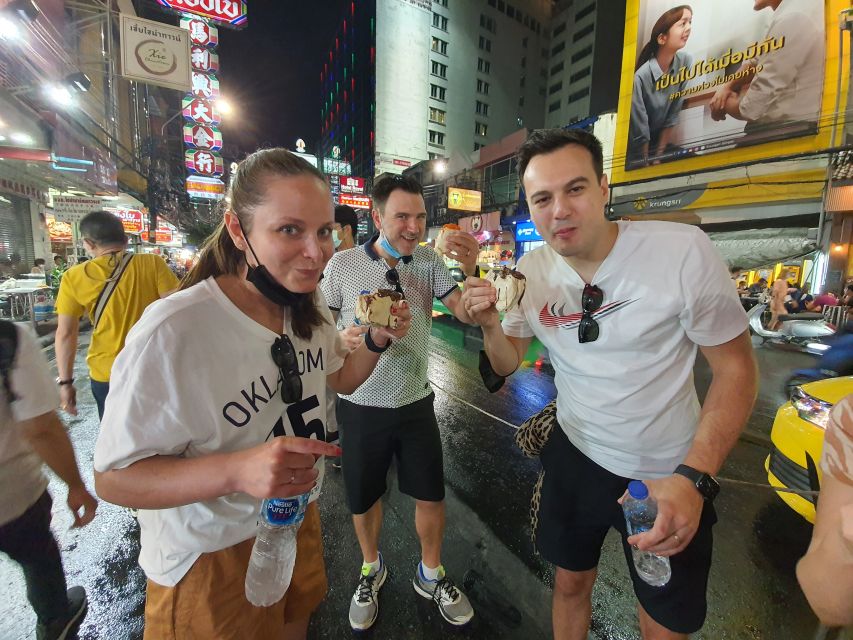
Bangkok street food can be great, but it’s a guessing game when you don’t know what’s reliable or what to order. This tour removes that uncertainty. You’ll be served tastings along the way and then brought to a local restaurant for lunch.
You also get a break at a cozy café, where you can cool down, regroup, and watch the neighborhood around you. That café stop matters because it gives your feet a rest without turning the day into a long detour.
A small, practical tip: eat what they offer, even if you’re not sure. The whole point is sampling what people actually eat here, not just the most famous items. If you have dietary restrictions, you’ll want to check ahead with the operator since the exact menu details aren’t listed here.
Temple dress, rainy season, and shoe choices that save the day
This is the part people forget—then regret. Since you’re visiting temples, you’ll want clothing that passes the basic standard: no short shorts or short skirts. Lightweight long layers work well in Bangkok’s heat.
Shoes: the walking is mostly flat, but you still do uneven sidewalks and a temple stair climb. Choose something that you can move quickly in and that won’t become a safety problem. Easy on-and-off shoes are handy because Bangkok has plenty of moments where you might need to adjust quickly.
Rain: if you’re traveling between May and September, bring an umbrella. Even if it’s not downpour all day, sudden showers can make streets slick, and the timing of your walk becomes more important.
Who should book this Bangkok Chinatown small-group walk?
This tour fits best if you want:
- A guided way to see Chinatown beyond the main streets
- Thai Chinese heritage stories and community conversations
- A food-focused route with snack, coffee, and local lunch
- A mostly flat walk you can manage with one stair-heavy temple stop
It may not be your best match if:
- You need wheelchair access, since it’s not suitable for wheelchair users
- You’re pregnant, because it’s not suitable for pregnant women
- You have mobility limitations that make steep temple stairs a problem
- You’re traveling with very young kids (it’s not suitable for babies under 1 year) or you’re at an age where the stairs could be risky (it’s not suitable for people over 95 years)
The good news: the route keeps walking distance reasonable at about 4 kilometers. The tough news: you still need to handle that one temple climb carefully.
Should you book it?
If you want Chinatown as more than “shops and photos,” this is a strong choice. The guide-led storytelling, the extra stops like the secret temple and viewpoint, and the built-in food (snack, coffee, and lunch) make it feel like a proper experience rather than a random wander.
If you hate stair climbs or temple dress rules, you’ll struggle with the temple portion. And if you’re looking for a purely relaxed hangout, the schedule is active enough that you’ll be moving through streets the whole time.
My take: if you’re comfortable with a short stair segment and you enjoy local food, booking this Chinatown small-group tour is a smart way to get oriented fast and leave with a real sense of how this neighborhood works.
FAQ
What time does the 3.5-hour tour start?
The tour runs multiple start times, but you’ll need to check availability for the specific departures offered.
Where do we meet, and where does the tour end?
Meet at MRT Hualampong Exit 1. The tour ends back at the same meeting point.
What’s included in the price?
The tour includes a tour guide, snack, coffee, and local lunch, plus visiting 15+ places in Chinatown.
Is hotel pickup or drop-off included?
No. Hotel pickup and drop-off are not included.
How far do we walk, and is it flat?
Total walking distance is about 4 kilometers (2 miles). It’s flat almost everywhere, except at the Chinese temple with steep stairs.
What should I wear for temple visits?
Please avoid short skirts and short pants, since you’ll visit temples.
Is the tour suitable in rainy season?
From May to September, it’s rainy season. You may want to bring an umbrella.
Who is the tour not suitable for?
It’s not suitable for pregnant women or wheelchair users, and it’s also not suitable for babies under 1 year or people over 95 years.