
Review · GRAND PALACE & TEMPLE TOURS
Bangkok: Private Old Quarter, Night Street Market, Temples
Bangkok’s Chinatown can feel overwhelming at night, so this guided walk makes it manageable and fun. I especially like the focus on street-level culture (Talat Noi art lanes and Yaowarat night food) and the quick hit of major spiritual sights like Kuan Yim Shrine and the Golden Buddha. The main thing to consider is that this is a walking-first tour, and on Mondays parts of the Chinatown market are closed, so the energy can drop a bit.
You’ll get an English-speaking private guide for up to 3 people, with a pace that works well for first-timers who still want real local texture, not just photos from the sidewalk. Plan on comfy shoes and light packing since large bags and luggage aren’t allowed, and the route isn’t suitable for mobility impairments.
Key Points to Know Before You Go
- Talat Noi street art: narrow alleys with visible Chinese roots and modern graffiti side by side
- Temples that slow your pace: Rong Kueak, Kuan Yim, and Wat Liap (Ratchaburana Ratchaworawihan)
- Yaowarat at night: a guided stroll through the Chinatown core for food and atmosphere
- Wat Traimit Golden Buddha: a quick but memorable photo stop at the world-famous gilded statue
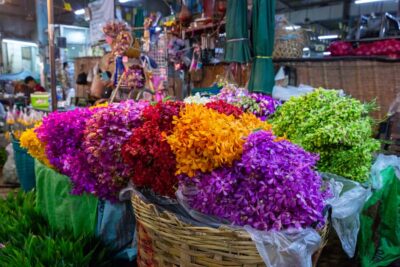
- Pak Khlong Talat flowers: fragrant, photo-worthy chaos near the markets
- Ong Canal break: a calmer reset from the street crowds, with canal life still in view
In This Review
- A 3-Hour Private Walk Through Bangkok’s Old Quarter
- What I Like About the Format
- The One Trade-Off
- Talat Noi Street Art and Chinatown’s “Side Streets” Perspective
- Practical tip
- Holy Rosary Church, Rong Kueak, and Kuan Yim Shrine: Places Where Faith Shows Up Daily
- Rong Kueak Shrine (and nearby shrines)
- Kuan Yim Shrine: a calmer pocket right inside the noise
- Why these shrine stops matter
- Wat Traimit Golden Buddha: One Landmark Stop, No Time Wasted
- Yaowarat Night Street Market: How to Enjoy Chinatown Food Without Getting Lost
- What you can expect in practice
- A realistic consideration
- Ong Canal Reset and Pak Khlong Talat Flowers: Texture Changes, Mood Changes
- What to look for at Pak Khlong Talat
- Wat Liap (Ratchaburana Ratchaworawihan): The Temple Stop That Keeps the Whole Tour Human
- Why this stop is worth the walking time
- Ending at Memorial Bridge: River Views and a Clean Finish
- Price and Value: Is $76 Per Group Worth It?
- The math that matters
- What you’re really buying
- When it may feel less worth it
- Who This Tour Fits Best (and Who Should Skip It)
- Should You Book This Private Old Quarter Tour?
- FAQ
- Where is the meeting point?
- How long is the tour?
- What does the tour include?
- What language is the guide?
- What day planning should I consider?
- Is this tour suitable for mobility impairments?
- What should I bring?
- Are bags allowed?
- How will I be contacted before the tour?
A 3-Hour Private Walk Through Bangkok’s Old Quarter
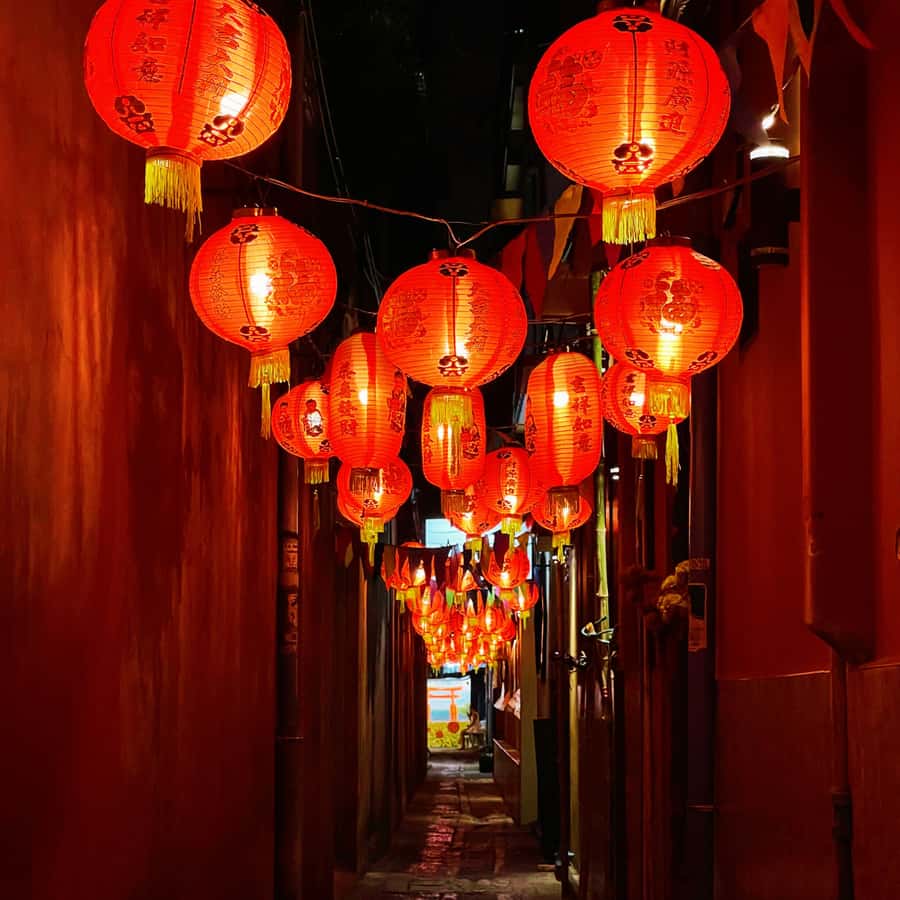
This tour is built for people who like walking, looking, and asking questions. In three hours, you’re guided through Bangkok’s oldest neighborhood in a way that feels like a smart route, not a random wander—especially at night when the streets around Yaowarat can blur together.
You’ll move between contrasting corners of the Old Quarter: street art and side streets, shrines tucked into everyday life, a major landmark stop for the Golden Buddha, then food and market scenes, and finally flowers and a temple near Pak Khlong Talat. Because it’s private, your guide can slow down for the details you care about and skip what you don’t.
What I Like About the Format
- You don’t need to study map apps or guess which lanes are worth your time.
- The guide’s commentary helps you connect the dots between Chinese heritage and Thai daily life.
More gilded rooftops: other temple runs across the old city
- From Bangkok: Ayutthaya Temples Guided Tour with Lunch
★ 4.7 · 10,535 reviews - Bangkok: City Highlights Temple and Market Walking Tour
★ 4.5 · 3,990 reviews - Bangkok by Night: Temples, Markets and Food Tuk-Tuk Tour
★ 5.0 · 3,752 reviews
The One Trade-Off
You’re on foot most of the time, and the tour isn’t designed for mobility issues. Also, Chinatown market closures on Mondays can mean fewer stalls and less night-market buzz.
Talat Noi Street Art and Chinatown’s “Side Streets” Perspective
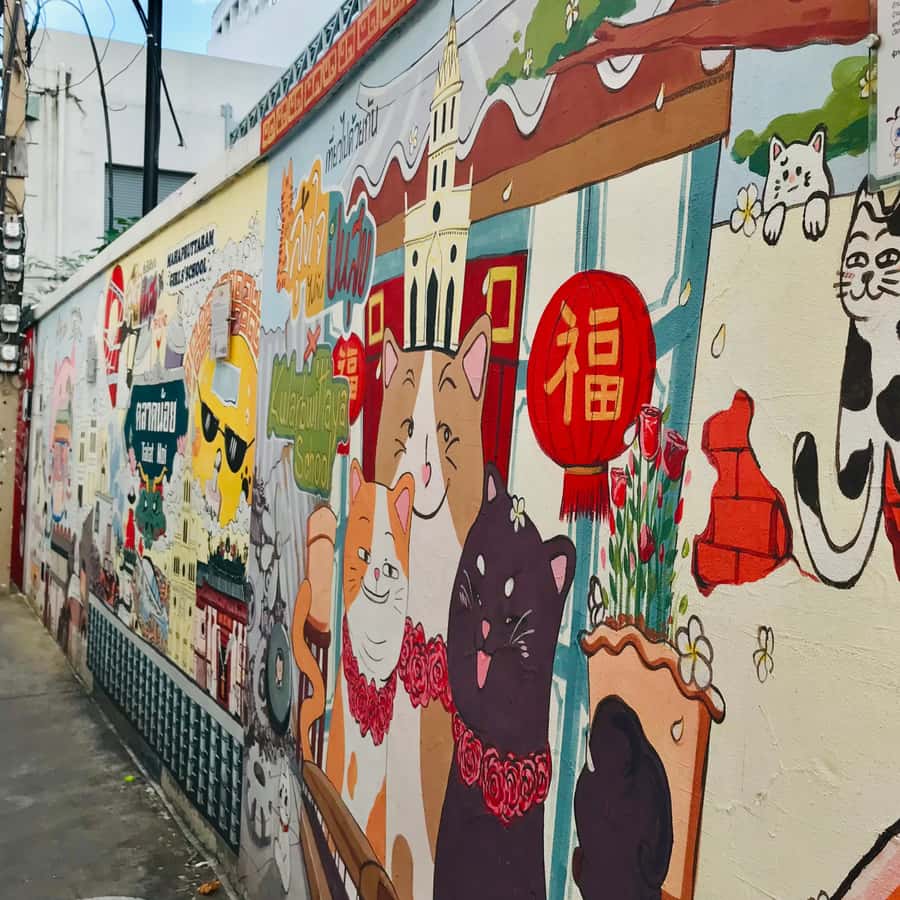
Your day starts near The House by Hongkong House, and from the first minutes you’re doing the kind of street wandering that Bangkok does best: narrow lanes, small shop fronts, and signs that tell you what kind of neighborhood you’re in.
Then comes Talat Noi, where street art isn’t just decoration—it’s layered on top of older Chinese community space. The alleyways here are tight, and that makes the art feel personal. Instead of viewing murals from a wide road, you pass them like you’re reading a wall.
I like that the route doesn’t treat Chinatown as one single place. Talat Noi shows a different Chinatown texture than Yaowarat. It’s also where you start learning how Thai and Chinese elements show up in everyday details—shopfront styles, shrine presence, and how people use the street.
Practical tip
Wear shoes you can walk in for a while. If you’re planning to photograph a lot, bring a strap or secure bag—large luggage isn’t allowed on the route.
More private runs, just your group



Holy Rosary Church, Rong Kueak, and Kuan Yim Shrine: Places Where Faith Shows Up Daily
One of the smartest parts of the route is the contrast. You pass Holy Rosary Church—a Catholic landmark—then move into distinctly Chinese-influenced shrine spaces. Bangkok’s history isn’t only written in museums; it’s visible on the street.
Rong Kueak Shrine (and nearby shrines)
You’ll visit Rong Kueak Shrine, with time for a guided look rather than a quick stop. Shrines like this work as living community spaces: people come, pay respect, and move on with their day. That’s different from the idea of temples as distant monuments.
The tour also focuses on mercy and devotion themes through stops connected with Chao Mae Shrine and Kuan Yim Shrine. If you like religious architecture, you’ll notice the careful ornamentation and the way the buildings blend Chinese and Thai styles.
Kuan Yim Shrine: a calmer pocket right inside the noise
Kuan Yim Shrine is where the tour gives you a breather. Even when the streets feel crowded, shrine space tends to slow people down. You get time for guided explanation, and the guide’s points help you read what you’re seeing rather than just taking photos.
Why these shrine stops matter
They anchor the tour. Without them, Chinatown nights can turn into only food and crowds. With them, you understand why the area is more than a market strip—you’re seeing the spiritual geography of the neighborhood.
Wat Traimit Golden Buddha: One Landmark Stop, No Time Wasted
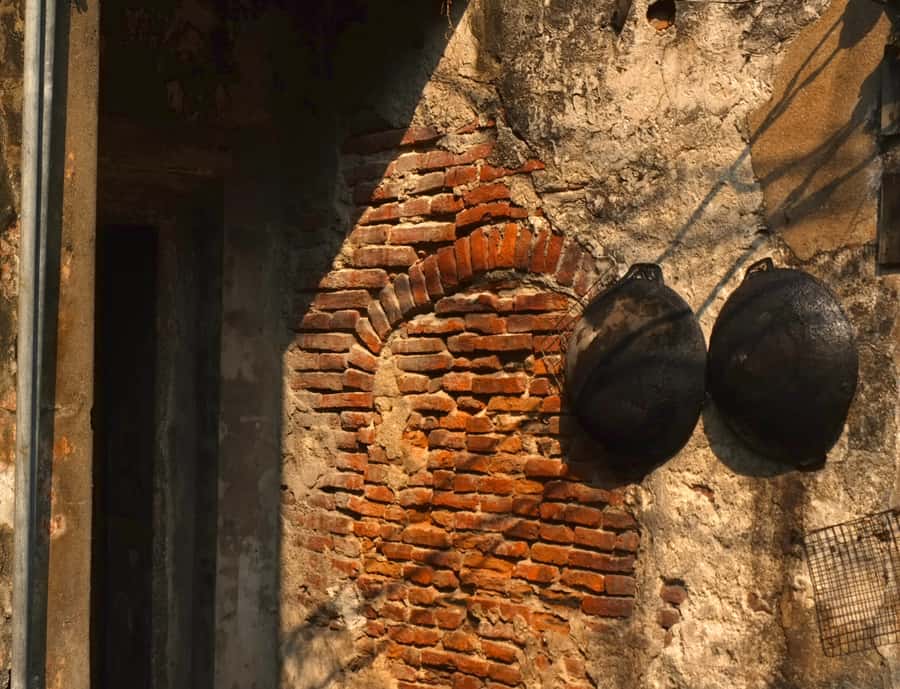
After the shrine side of the route, you pass through the Chinatown gateway area and then head toward Wat Traimit, home to the world’s largest golden Buddha statue.
This isn’t a long museum-style visit. It’s more like a focused moment: photo stop time, quick orientation, and then you get back to the street. That works because the tour already packs a lot into three hours.
If you’re the type who likes big sights but hates getting stuck in long lines, this is a good balance. You get the headline landmark without sacrificing the rest of the night.
Yaowarat Night Street Market: How to Enjoy Chinatown Food Without Getting Lost
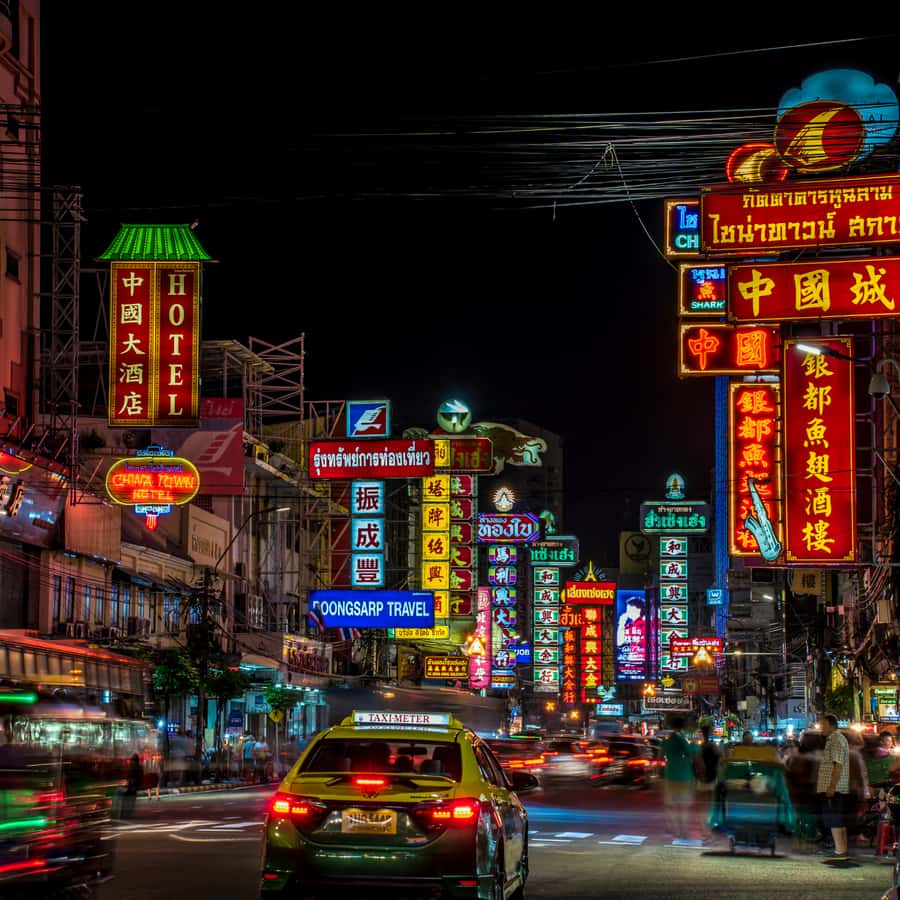
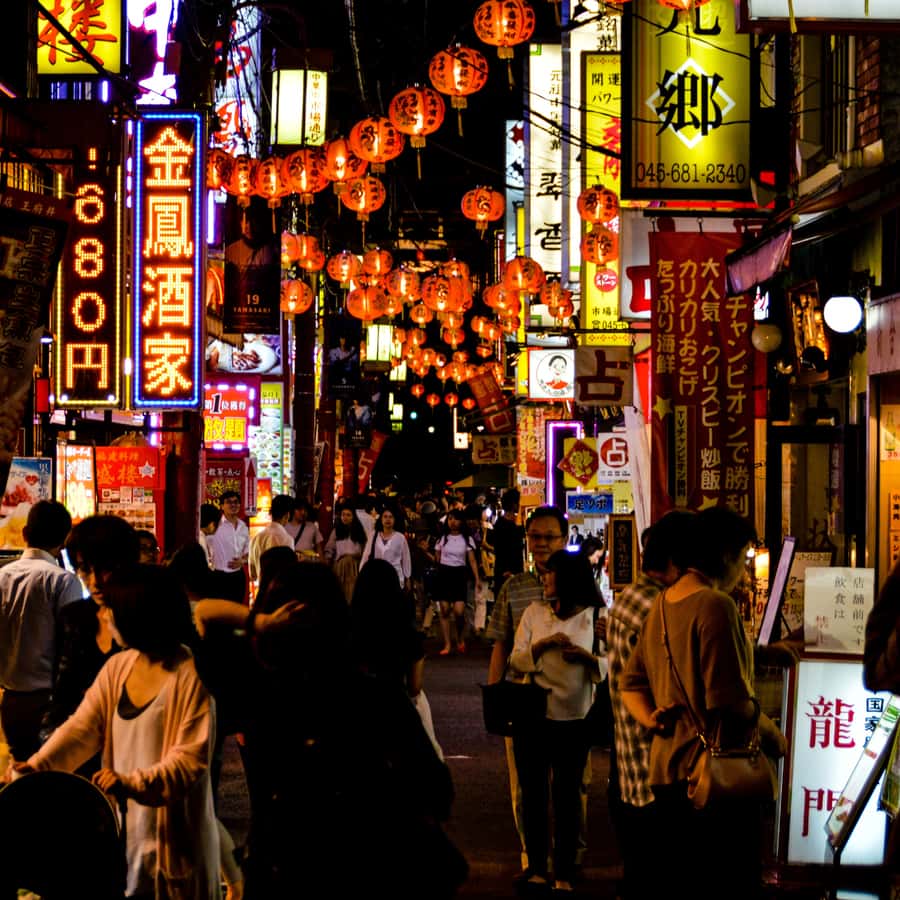
Then the tour shifts into Yaowarat Street, the core of Bangkok Chinatown. This is where you feel the neighborhood’s rhythm—lots of people, lots of smells, and plenty of choices.
The guide brings structure here. Instead of you wandering randomly and missing the best parts, you get a guided stroll through the night market atmosphere. You’ll also have time to take in the food scene and street commerce, from savory snack ideas to sweet pastries.
What you can expect in practice
- You’ll walk the main strip long enough to notice the variety.
- The guide points out cultural details and helps you understand what you’re looking at, not just what to order.
- It’s active in a way that can be fun, but you’ll feel better knowing you’re not doing it alone.
A realistic consideration
Chinatown can get very crowded at night. With a private guide, you can keep your walking flow while you stop to look. If you’re sensitive to noise or pushing crowds, tell your guide early so your pace can be adjusted.
Ong Canal Reset and Pak Khlong Talat Flowers: Texture Changes, Mood Changes
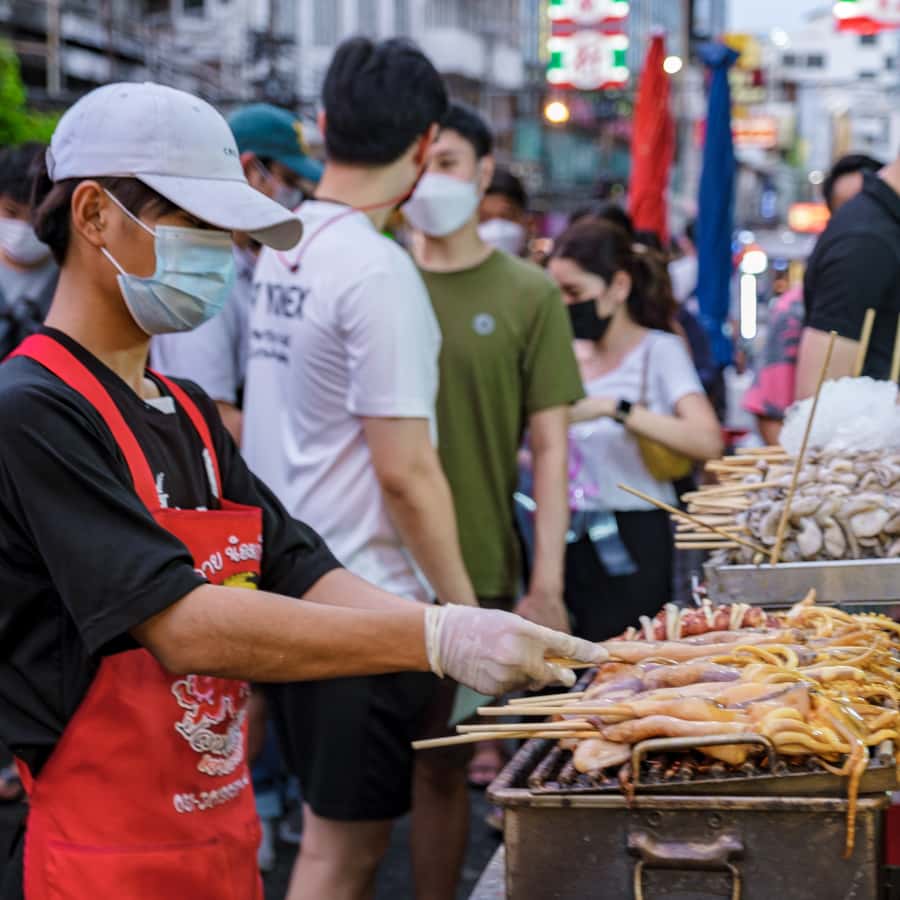
Between the street intensity and the next market section, you get a quieter interlude: the Ong Canal. This is the kind of pause I always appreciate on night tours. The canal edge offers a slower view and a chance to notice everyday life away from the main thoroughfares.
From there, you head toward Pak Khlong Talat, the flower market. It’s one of those places where photos don’t even capture the smell and color in real life. The market energy is real, and the guide’s timing helps you experience it before it becomes too chaotic.
What to look for at Pak Khlong Talat
- The scale of blooms and how the market flows around the flower sellers
- The way the area mixes commercial hustle with the calm presence of nearby religious sites
If you’ve seen flower markets only in big malls, this will feel more grounded and more Thai in spirit.
Wat Liap (Ratchaburana Ratchaworawihan): The Temple Stop That Keeps the Whole Tour Human
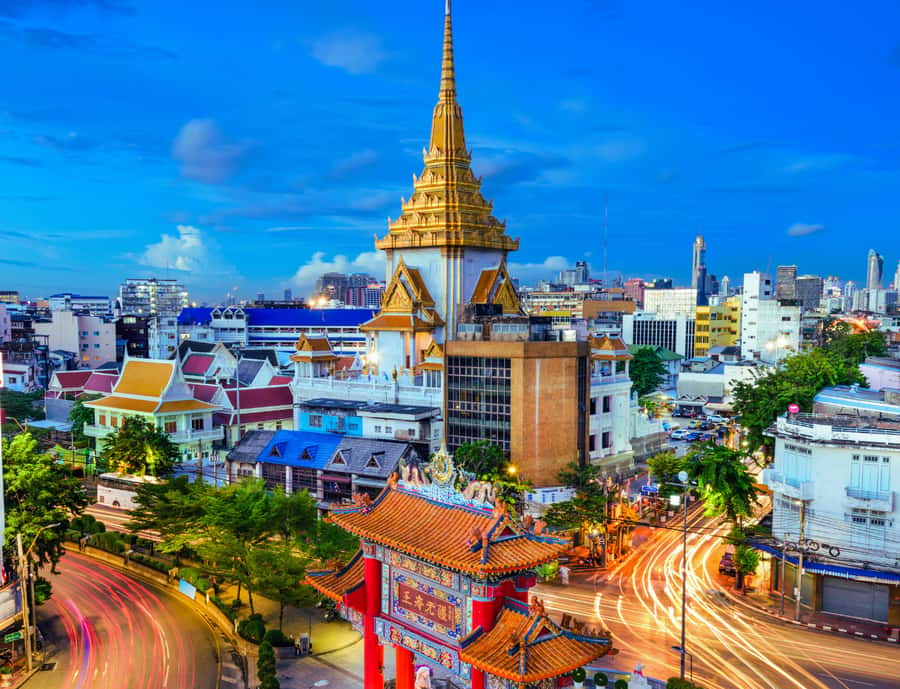
Right near Pak Khlong Talat is Wat Ratchaburana Ratchaworawihan (Wat Liap). This is where the tour becomes noticeably calmer again.
Unlike the major icon stops, Wat Liap feels like a temple you could pass without noticing—unless you have a guide who knows where to stand and what details to point out. The experience here is all about ambiance: the serenity, the architecture, and the feeling that you’ve stepped out of the market world for a moment.
Why this stop is worth the walking time
It prevents the tour from feeling like only markets. If you want Chinatown as both culture and daily life, this temple stop does a lot of work for you.
Ending at Memorial Bridge: River Views and a Clean Finish
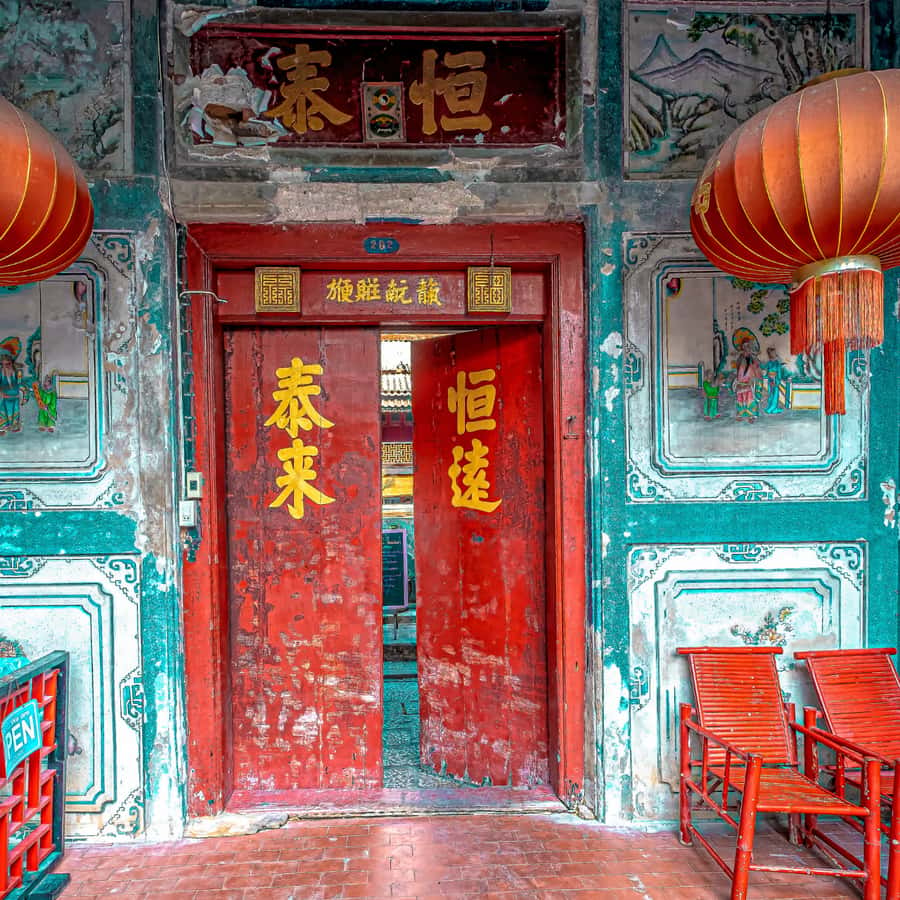
Your tour closes at Memorial Bridge, with a backdrop along the Chao Phraya River. This matters more than it sounds. After hours of lanes, shrines, and crowded food streets, you need a view that resets your eyes.
It also helps you plan your next step. Your guide can help you reach your desired destination or your hotel, which is useful if you want to continue exploring on your own afterward.
Price and Value: Is $76 Per Group Worth It?
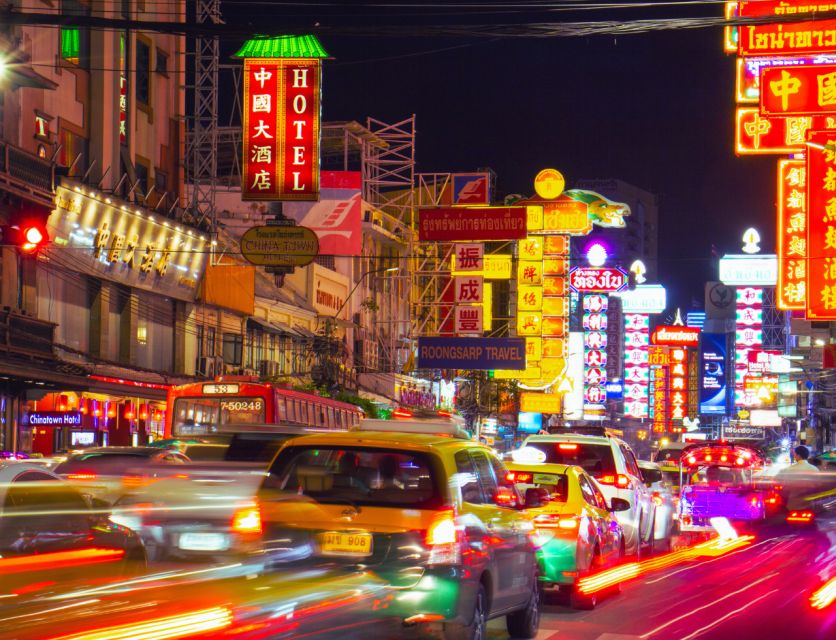
At $76 per group (up to 3 people) for about 3 hours, you’re paying for something you can’t easily DIY if you want a structured route: an English-speaking private guide who knows how to connect the dots across Chinatown, temples, markets, and a flower market.
The math that matters
- Private tours often cost a lot per person.
- Here, the price covers a small group, which can be good value if you’re traveling with one friend or two.
What you’re really buying
You’re buying less time wasted and more time understanding. The best moments of the tour aren’t just the photo stops—they’re the shrine explanations, the way Talat Noi art gets interpreted, and the guided walk through Yaowarat at night so you don’t feel like you’re guessing.
When it may feel less worth it
If you’re traveling on a Monday, keep in mind that the Chinatown market is closed. That can reduce the street-market feel, so the tour may feel more like temples and streets than a full night market experience. If you can choose your day, you’ll likely enjoy it more on non-closure days.
Who This Tour Fits Best (and Who Should Skip It)
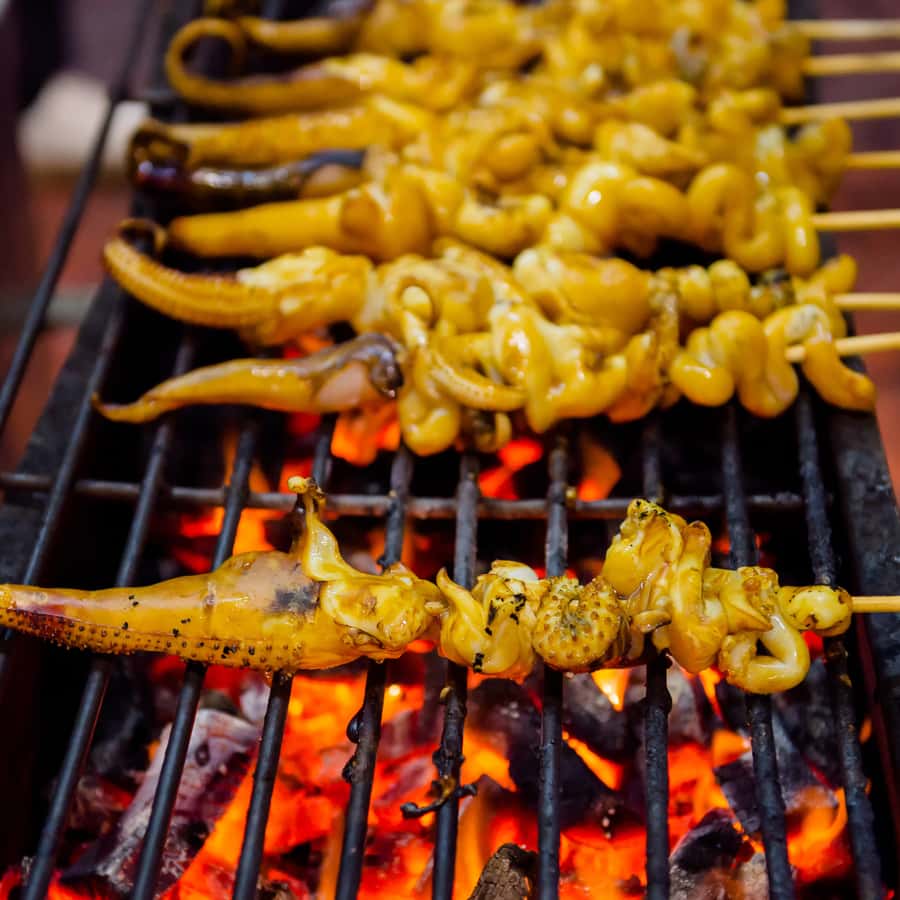
This tour is best for:
- First-time visitors who want Chinatown sights with context
- People who like street-level culture: street art, food lanes, canal life, flower markets
- Small groups who want a private guide instead of a big crowd tour
I’d think twice if:
- You have mobility limitations (it’s not suitable for mobility impairments)
- You dislike walking and want mostly vehicle-based sightseeing
- You’ll travel on Monday and expect full market energy the whole time
Should You Book This Private Old Quarter Tour?
If your goal is to see Bangkok’s Old Quarter the way locals experience it—markets, shrines, canal quiet, and river views—then this is a strong pick. I’d especially recommend it if you want the combination of street art in Talat Noi, temple stops like Kuan Yim and Wat Liap, and an organized look at Yaowarat at night.
One caution: plan around Monday closures if you can. And pack light with comfortable shoes so you can enjoy the walk without stress.
FAQ
Where is the meeting point?
You’ll meet your guide in front of the cafe. The tour starts at/near The House by Hongkong House area.
How long is the tour?
The tour lasts about 3 hours.
What does the tour include?
It includes a private guide (English) for the duration of the experience.
What language is the guide?
The live guide speaks English.
What day planning should I consider?
Chinatown market is closed on Mondays, which can affect how much market activity you’ll see.
Is this tour suitable for mobility impairments?
No, it is not suitable for people with mobility impairments.
What should I bring?
Bring comfortable shoes. You’ll also want to plan for walking.
Are bags allowed?
No luggage or large bags are allowed on the tour.
How will I be contacted before the tour?
You’ll receive a text message or WhatsApp message about 3 hours before the tour starts.
Just Your Party, Booked Private
More Tour Reviews in Bangkok


More of Bangkok Temples
Just In: Fresh Bangkok Reviews


Grand Palace & Temple Tours, compared.
 ★ 4.7From Bangkok: Ayutthaya Temples Guided Tour with LunchFrom $2810,535 reviews
 ★ 4.5City Highlights Temple and Market Walking TourFrom $423,990 reviews
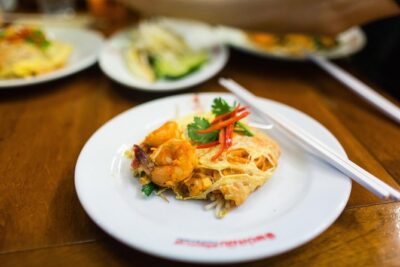 ★ 5.0Bangkok by Night: Temples, Markets and Food Tuk-Tuk TourFrom $793,752 reviews
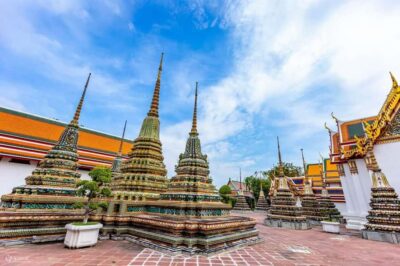 ★ 4.8Grand Palace, Wat Pho, and Wat Arun Guided TourFrom $243,632 reviews
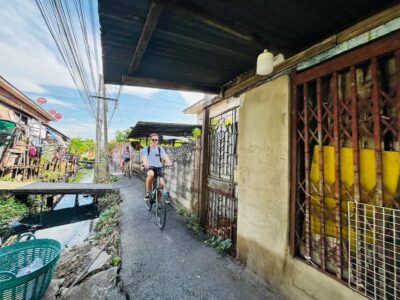 ★ 4.9Temples, Canals & Local Life Bike TourFrom $243,511 reviews
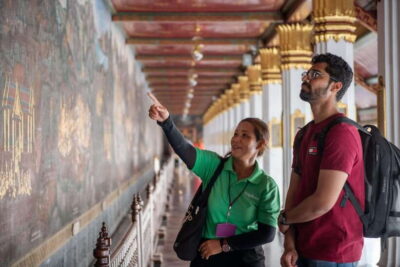 ★ 4.4Grand Palace and Wat Phra Kaew Guided Walking TourFrom $172,417 reviews
 ★ 4.9Markets, Temples and Food Night Tour by Tuk TukFrom $772,371 reviews
 ★ 4.3Grand Palace, Wat Pho, Wat Arun Sacred & Local TourFrom $182,256 reviews
Browse the lists this tour appears in