
Review · GRAND PALACE & TEMPLE TOURS
Bangkok Shadows: Ghosts, Haunted Temples & Dark Secrets
Bangkok has a second heartbeat after dark. This 3-hour dark-history walk strings together plague lore, execution sites, and temple rituals you’ll feel in your legs. I especially like how the tour mixes specific landmarks like Wat Saket and Samranrat Ghost Gate with stories that explain why these places matter, not just scary vibes. One drawback: if you want true horror-movie chills, the city’s sound level and bright streets can blunt the spookiness.
I also like that the guide doesn’t treat Bangkok like a theme park. When I look at guides like Jeed, I see a strong focus on history, culture, and practical street-level storytelling that keeps you moving and paying attention. The trade-off is that the tour leans narrative and atmosphere, so the “ghost” part may feel more like legend and local belief than guaranteed terror.
In This Review
- Key Highlights You’ll Actually Notice
- Bangkok After Dark: Golden Mount to Wat Saket’s Plague Shadows
- How the Tour Threads Crime, Legend, and Local Belief
- Dinner on This Route: Why a Meal Feels Stranger Here
- Phi Rong Temple Offerings: A Living Tradition for Ancestors
- Samranrat Ghost Gate: Where the Stories Put the Dead in Your Path
- Suan Rommaneenart Prison: Punishment Grounds and Lingering Echoes
- Wat Thepsirin, Dev Mandir Temple, and Giant Swing Ritual Gravity
- Price and Logistics for a 3-Hour Private Night Walk
- Who This Tour Is Best For (and Who Should Skip It)
- Should You Book Bangkok Shadows?
- FAQ
- Where does the Bangkok Shadows tour meet?
- How long is the tour?
- Is dinner included?
- What language is the guide?
- Is this a private group tour?
- What should I wear and bring?
- What is not allowed during the tour?
- Is the tour suitable for people using wheelchairs?
- Can the tour be refunded if I’m delayed or I don’t show up?
Key Highlights You’ll Actually Notice
- Wat Saket at Golden Mount: plague-era stories tied to the city’s darker side
- Phi Rong Temple offerings: locals bring food, flowers, and incense for ancestors
- Samranrat Ghost Gate: a route linked to the idea of where the dead could pass
- Suan Rommaneenart Prison: former punishment and execution grounds brought to life in story form
- Wat Thepsirin + Giant Swing area: ritual sites connected to outcasts, criminals, and accidents
Bangkok After Dark: Golden Mount to Wat Saket’s Plague Shadows
This tour starts around Romsai Coffee, then moves you toward the Golden Mount and Wat Saket area. The setting is important here: Bangkok at night still has crowds and traffic noise, so you’re not stepping into a quiet cemetery. Instead, you’re walking through real neighborhoods where the past sits under the streetlights.
At Wat Saket, the stories you get focus on plague victims and how that history left a mark on the city. I like this approach because it turns a famous temple into a place with context. You stop seeing it as just a photo spot and start noticing why people built, feared, and remembered.
If you’re sensitive to dark topics, keep expectations grounded. This isn’t a jump-scare experience. It’s more like learning how Bangkok built its identity around suffering, punishment, and survival, and then walking those connections street by street.
More gilded rooftops: other temple runs across the old city
- From Bangkok: Ayutthaya Temples Guided Tour with Lunch
★ 4.7 · 10,535 reviews - Bangkok: City Highlights Temple and Market Walking Tour
★ 4.5 · 3,990 reviews - Bangkok by Night: Temples, Markets and Food Tuk-Tuk Tour
★ 5.0 · 3,752 reviews
How the Tour Threads Crime, Legend, and Local Belief
What makes this experience feel different is the way it connects legends to named places. You’re not just hearing generic ghost talk. You’re moving from gates to prisons to cremation-related sites, with the guide linking each stop to a reason people still remember it.
Jeed (the guide name you may hear on this tour) is a big part of that. The tone described is enthusiastic, and the strongest feedback is about how well the guide turns history and culture into something you can follow while you walk. That matters in Bangkok, where it’s easy to get distracted by motorbikes, shop lights, and the general rush.
One caution from past guests: if the streets are loud or busy, some of the “ghost” effect can fall flat. Even when the stories are good, sound can make it harder to catch every detail. If you want to absorb the narrative, you’ll get more out of it if you stay attentive and keep your phone away unless the guide gives you a moment to pause.
Dinner on This Route: Why a Meal Feels Stranger Here
Food is included, and the tour includes a stop at a local restaurant for a traditional Thai meal. I like that this isn’t just a ticket to a tourist restaurant with average food. It’s placed right in the middle of the route so you can recover your energy and keep your focus for the darker sites afterward.
Now for the strange part: the tour frames what you’re eating with a reminder that it was once offered in very different contexts. That detail is not meant as scary theater. It’s meant to make you respect the relationship between daily life, religion, and the unseen.
Practical tip: bring a camera or phone like the tour suggests, but don’t forget you’ll be walking and pausing. You’ll want your hands free for incense offerings or quick photo moments when the group stops.
Phi Rong Temple Offerings: A Living Tradition for Ancestors
One stop that doesn’t feel like “ghost tourism” is Phi Rong Temple. Here, locals gather to offer food, flowers, and incense. This is the part where the tour’s mood shifts from grim history into something steady and human.
I appreciate this balance. The offerings connect the living to ancestors through gestures that look familiar even if the setting is unfamiliar. You’re not just hearing about death—you’re seeing how Thai spirituality treats family ties and gratitude as ongoing.
If you’re camera-shy, you still don’t need to take pictures. Watch quietly. You’ll learn more by noticing the pace of the gathering and how people approach the temple offerings than by trying to capture everything.

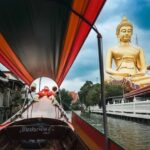
Samranrat Ghost Gate: Where the Stories Put the Dead in Your Path
Next comes Samranrat Ghost Gate. The tour frames it as historically linked to what was considered an exit for the dead in Bangkok. Whether you interpret that literally or as belief, the point is that the city’s layout carried meaning, even for the end of life.
This is also the segment where you’ll feel the tour title most strongly. You’re walking with the guide’s narration centered on corpses and fear, and the street setting helps the legend take shape. It can be genuinely chilling if you’re already primed for it, especially in side streets and alleys where you can imagine fewer modern distractions.
Still, keep your expectations realistic. Bangkok is bright and noisy, and you may not get that spooky “silence of the dead” feeling. What you will get is a clearer understanding of how people used gates, boundaries, and urban design as part of their beliefs.
Suan Rommaneenart Prison: Punishment Grounds and Lingering Echoes
The tour then heads to Suan Rommaneenart Prison (Romaneenart Park). This is a heavy stop. The story focus is punishment, imprisonment, and executions, with the emotional weight carried through the way the guide explains how the site operated.
I like that this doesn’t try to make the suffering look glamorous. Instead, it turns the space into a timeline you can understand—how places of control shaped lives, and how memory can cling to buildings long after the functions end.
This is also where comfort and group pacing matter. You’ll be on your feet, and the route is designed for walking. Wear shoes that won’t complain by the last hour, because there’s not much point coming for chilling stories if you spend the time adjusting blisters.
Wat Thepsirin, Dev Mandir Temple, and Giant Swing Ritual Gravity
After the prison story, the route brings you to Wat Thepsirin, described as once the main crematorium for criminals, outcasts, and the disgraced. That’s not a “light” theme, but it’s the kind of specific detail that makes the tour feel grounded rather than vague.
Then you’ll also visit Dev Mandir Temple (Hindu Samaj Bangkok). Including this matters. Bangkok isn’t one religion and one story. It’s a stack of cultures, each with its own way of dealing with death, luck, fate, and ritual.
Finally, the tour finishes at the Giant Swing and Wat Suthat area. This is a good ending choice because it shifts from grim places of punishment to a broader view of ritual and public life. Even if the “ghost” part feels less intense by then, you still end up at a major landmark tied to local legends and ritual accidents.
If you’re hoping for pure spook factor, this section might feel less like horror and more like “this city has seen a lot.” That’s not a weakness. It’s the actual Bangkok vibe.
Price and Logistics for a 3-Hour Private Night Walk
At $79 per person for about 3 hours, the value comes from two things: an expert guide and a tight route that hits multiple major sites. In Bangkok, that kind of planning saves you from stitching together your own evening route across districts and hoping you picked the right stops for the right stories.
This is also a private group experience, which usually helps. You can get more personalized pacing, and it’s easier to hear explanations when the group size isn’t packed shoulder-to-shoulder. One review noted English comprehension was easier when people focused on the guide, so if you speak English, stay close and listen between the street sounds.
Logistically, you’ll want to travel light. The tour asks you not to bring luggage or large bags, and it’s clear about avoiding alcohol and drugs. They also recommend bringing a bit of cash, plus comfortable clothes and shoes. Keep in mind that Bangkok traffic can delay you at the meeting point, so it’s smart to arrive early around Romsai Coffee.
Also, this tour isn’t suitable for wheelchair users or people with mobility impairments. The route is built for walking and stairs.
Who This Tour Is Best For (and Who Should Skip It)
This is a strong fit if you want Bangkok’s darker side with specifics. If you enjoy places like execution grounds, cremation-related sites, and temple rituals explained in plain language, you’ll get more out of every stop.
It also works well if you’re the type who likes your nightlife educational. This is not a bar crawl with a ghost story. It’s a walking narrative tour where dinner is part of the arc.
If you want a pure “haunted walkthrough” with dramatic scares, you may be disappointed. Some guests felt the ghost factor wasn’t strong enough, especially when noise levels were high and the environment felt too lively. That doesn’t mean the guide isn’t good. It just means this experience leans story-and-context over fright tactics.
Should You Book Bangkok Shadows?
Book it if you want an evening that connects landmarks like Wat Saket, Samranrat Ghost Gate, Suan Rommaneenart Prison, and the Giant Swing/Wat Suthat area into one coherent dark-history narrative. Book it if you’re curious about how Thai culture treats death, family offerings, and ritual memory in the real world.
Skip it if you need quiet darkness to feel scared, or if you’re looking for a jumpy, theatrically spooky show. Skip it too if walking at night won’t suit you physically.
If you do book, go in with the right mindset: you’re paying for stories tied to real places, plus an included meal and a guide who can keep you on track. That combination is exactly how this tour earns its cost.
FAQ
Where does the Bangkok Shadows tour meet?
It meets at Romsai Coffee. Your guide will be waiting there.
How long is the tour?
The tour runs for about 3 hours.
Is dinner included?
Yes. A local restaurant meal is included during the tour.
What language is the guide?
The guide offers English and Thai.
Is this a private group tour?
Yes, it’s described as a private group experience.
What should I wear and bring?
Wear comfortable clothes and shoes, and bring a camera or phone. It’s also useful to carry some cash for personal needs.
What is not allowed during the tour?
Alcohol and drugs are not allowed, and you should not bring luggage or large bags.
Is the tour suitable for people using wheelchairs?
No. It’s not suitable for people with mobility impairments or wheelchair users.
Can the tour be refunded if I’m delayed or I don’t show up?
The provided info says there are no refunds or reschedules if there’s a delay or no-show.
More Tour Reviews in Bangkok

More of Bangkok Temples

Just In: Fresh Bangkok Reviews
Grand Palace & Temple Tours, compared.
 ★ 4.7From Bangkok: Ayutthaya Temples Guided Tour with LunchFrom $2810,535 reviews
 ★ 4.5City Highlights Temple and Market Walking TourFrom $423,990 reviews
 ★ 5.0Bangkok by Night: Temples, Markets and Food Tuk-Tuk TourFrom $793,752 reviews
 ★ 4.8Grand Palace, Wat Pho, and Wat Arun Guided TourFrom $243,632 reviews
 ★ 4.9Temples, Canals & Local Life Bike TourFrom $243,511 reviews
 ★ 4.4Grand Palace and Wat Phra Kaew Guided Walking TourFrom $172,417 reviews
 ★ 4.9Markets, Temples and Food Night Tour by Tuk TukFrom $772,371 reviews
 ★ 4.3Grand Palace, Wat Pho, Wat Arun Sacred & Local TourFrom $182,256 reviews
Browse the lists this tour appears in