
Review · FLOATING MARKETS
From Bangkok : Thaka Floating Market
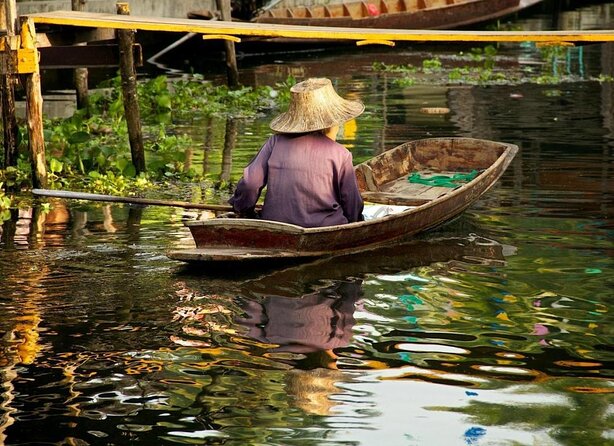
Float markets can be fake. Thaka feels real. I love the hotel pickup convenience and the private day-trip pace, which keeps the experience feeling personal, not rushed. You get to watch vendors paddle wooden boats stacked with lotus blossoms, coconuts, and crafts. The main thing to weigh: the dress code is listed as formal, and you only get about 1.5 hours at the market itself.
This is a smooth, longish morning outing, about 6 hours from Bangkok, starting at 7:30am. You’ll also stop at a coconut sugar farm where locals make coconut sugar by hand, then head into the canal-world where bargaining is part of the fun and snacks are often available (meals aren’t included). If you’re expecting a completely quiet, cart-free photo parade, you may find the market has a few visitors.
One more practical note I’d plan for: you’ll spend time on the water and around stalls, so bring comfy shoes even if the outfit is a bit more formal than usual. If you’re into everyday Thai life—how food and farm products move from boat to plate—this day trip fits nicely.
In This Review
- Key Things to Know Before You Go
- Why Thaka Floating Market Feels More Local Than a Cookie-Cutter Day Trip
- Price and Timing From Bangkok: Is It Worth $112.94?
- River City Bangkok: The Calm Start Point at 7:30am
- Coconut Sugar Farm: A Quick Look at How the Sweet Stuff Happens
- Tha Kha Floating Market: Boats, Lotus Blossoms, and Shopping With Purpose
- Bargaining for Cloth and Carvings
- Sampling Local Food (Without Getting Stuck)
- How It Feels Crowd-Wise
- Samut Songkhram and Canal Country: A Scenic Food-Chain Detour
- The Guide Quality Makes a Big Difference (Ho, Nathy, and Tom)
- What to Bring and How to Prepare for a Day on the Water
- Who This Private Thaka Floating Market Day Trip Suits Best
- Should You Book This Thaka Floating Market Tour?
- FAQ
- How long is the Thaka Floating Market day trip from Bangkok?
- What time does the tour start?
- Is hotel pickup included?
- What is included in the price?
- Are any admissions included?
- Does the tour include meals?
- Is this a private tour?
- What is the cancellation policy?
Key Things to Know Before You Go
- Hotel pickup and one-way private transfers help you start and end with almost zero stress in Bangkok
- Coconut sugar farm stop shows the process behind one of Thailand’s classic sweeteners
- Thaka Floating Market visit (~1.5 hours) gives you time to browse without turning into a half-day project
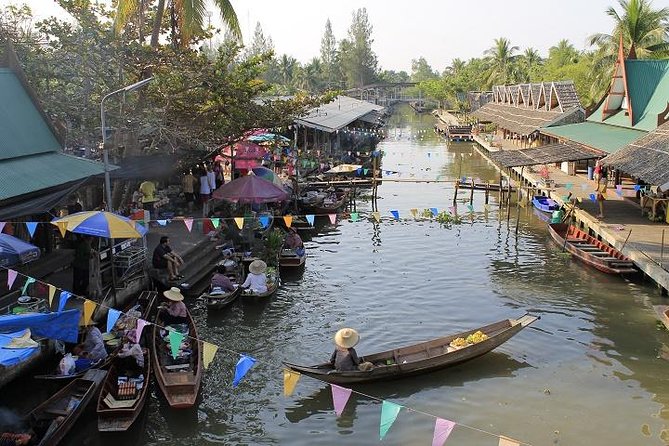
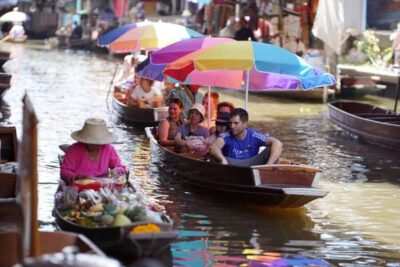
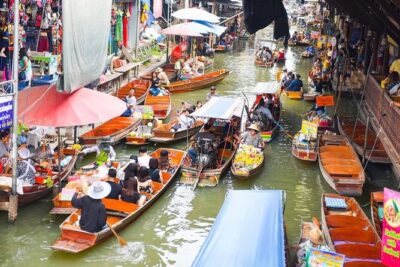
- Wooden-boat canal trading is the real show: fruit, flowers, coconuts, crafts
- Bargaining for cloth and carvings is encouraged, so come ready to negotiate politely
- Guides named Ho, Nathy, and Tom have been praised for English and attentive care
Why Thaka Floating Market Feels More Local Than a Cookie-Cutter Day Trip
Thaka Floating Market (Tha Kha) sits in Tambon Thaka, and the selling point is simple: the local lifestyle is still very much part of the day’s rhythm. This is not just a theme setup where everything is staged. You’re looking at a working canal community where people do farming and bring their fruits and vegetables for sale.
I also like that the market experience is structured, not chaotic. You get a guided flow—morning start, farm stop, then the floating market—so you aren’t stuck figuring out where to go or what to ask. That matters because at a floating market, the best moments are often in the little exchanges: a vendor’s route along the canal, how boats are loaded, and what’s actually in season.
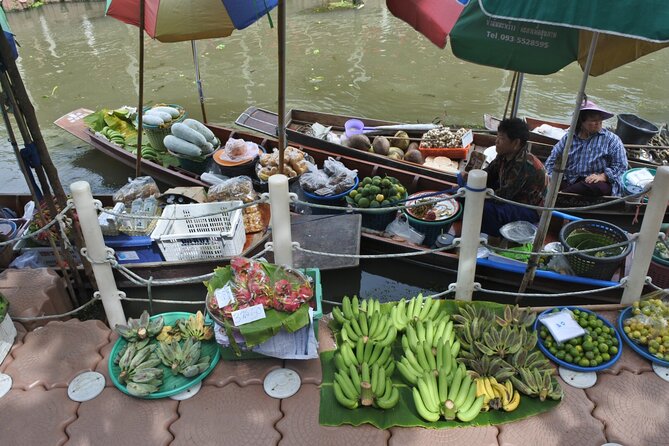
And yes, the wooden boats can look like a postcard. But the interesting bit is what’s behind the postcard: you’ll see practical goods—coconuts, produce, lotus blossoms—and you’ll understand how the canal fits into daily life. If you’re hoping for authentic texture, this one checks the box.
Possible drawback: if your ideal floating market is a long wander with unlimited time on the water, your time here is more guided and time-boxed (about 1 hour 30 minutes). That’s not bad—just plan your expectations.
More mornings among the paddle boats
- Bangkok: Damnoen Saduak Market and Maeklong Railway Market
★ 4.5 · 26,723 reviews - The Old Siam: Damnoen Saduak and Maeklong Railway Market
★ 4.5 · 10,992 reviews - Half-Day Railway Market and Floating Market Tour in Thailand
★ 4.5 · 3,924 reviews
Price and Timing From Bangkok: Is It Worth $112.94?
At $112.94 per person, you’re paying for more than entry tickets. You’re getting a driver/guide, one-way hotel pickup, bottled water, and the structure of a private day trip. For Bangkok, those add up fast if you’re trying to book transport and a guide separately.
This is also scheduled as a half-day style outing (around 6 hours), which is a smart use of time if you’re already trying to cover Bangkok and nearby day trips. The early start (7:30am) helps you avoid a big chunk of the day’s heat and helps the market feel more like a working morning than a midday shopping sprint.
If you’re watching value, here’s the honest breakdown:
- Your cost covers pickup + guidance, which is where day trips usually get expensive.
- Admission at River City Bangkok and the coconut sugar farm is listed as free.
- Thaka Floating Market admission is included, so you won’t get hit with a last-minute ticket fee for the main event.
Meals are not included, so budget a snack or plan a meal outside the tour. Bottled water is included, which is a small but genuinely helpful touch in Thailand’s heat.
If you want to stretch the value, the tour description notes group discounts. Even if this is private (only your group participates), it can still mean the supplier considers your group size when pricing.
River City Bangkok: The Calm Start Point at 7:30am
The meet-up point is River City Bangkok, a cultured lifestyle center for arts and antiques. The tour calendar says you’ll meet there for about 30 minutes, and the admission ticket for this stop is listed as free.
Why this matters: River City Bangkok gives you a straightforward, easy-to-find gathering spot before you head out. It’s the kind of location that reduces the stress of “Where exactly do we meet?”—especially when you’re starting early.
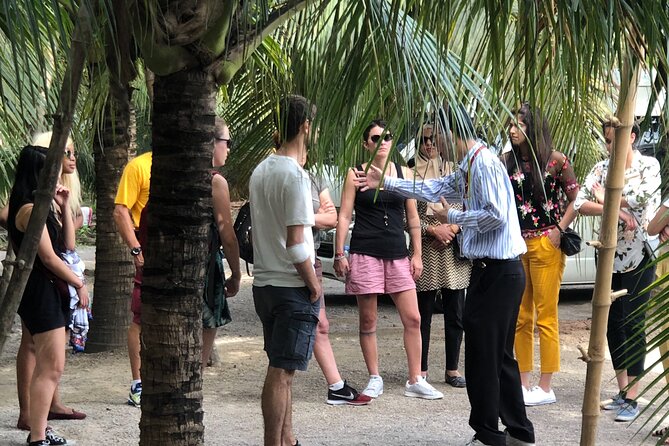
Also, the atmosphere is different from typical Bangkok street starts. Instead of bouncing straight onto roads and into traffic, you get a quick buffer where your guide can set expectations. That’s useful for a day that includes both a farm stop and a floating market, because the questions you’ll have (what to bargain for, what to wear, what the timing is for) are easier to handle when you’re not already on the move.
You won’t spend hours here. It’s more of a smooth launchpad than a sightseeing detour.
Coconut Sugar Farm: A Quick Look at How the Sweet Stuff Happens
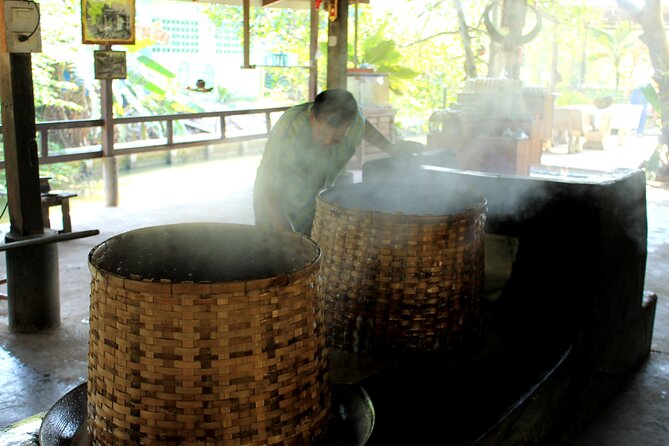
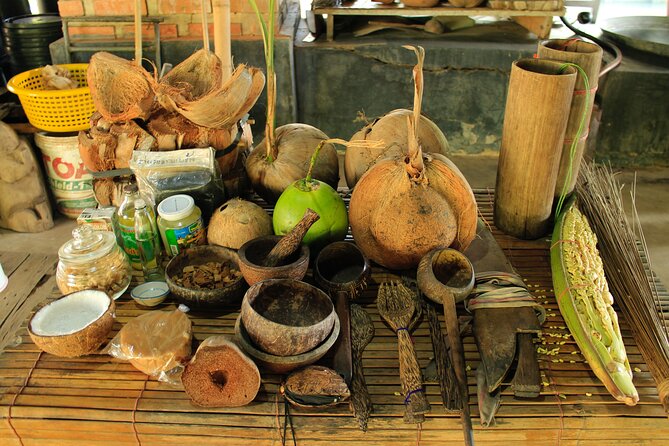
The next stop is the coconut sugar farm, where you watch local people making coconut sugar. This is a shorter visit—about 20 minutes—and the admission is listed as free.
Even with limited time, this stop gives you something most floating market day trips skip: the “how it’s made” moment. Coconut sugar is common in Thailand, and once you see the basic process, you get why it shows up in desserts, drinks, and snack culture. You also get a clearer sense of what the floating market vendors may be selling and how those ingredients come from local work.
What to watch for during this stop:
- Look for how the process is tied to daily farm life.
- Ask your guide how the sweetener is used locally, not just how it tastes.
- Take note of any tasting options, if they’re offered in your moment-to-moment schedule (the tour notes local delicacies in general, but doesn’t guarantee a meal).
Because the farm stop is short, it’s best if you arrive ready to learn in real time. If you prefer long, slow museum-style learning, you might wish this part lasted a bit more. But for many people, 20 minutes is the sweet spot.
More markets and shophouse lanes




Tha Kha Floating Market: Boats, Lotus Blossoms, and Shopping With Purpose
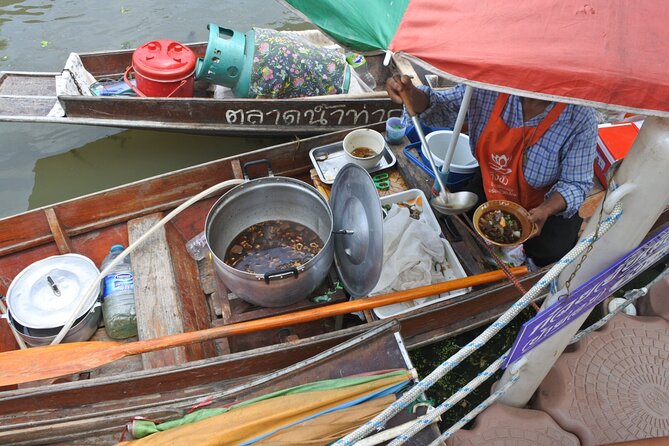
This is the main event: Thaka (Tha Kha) Floating Market in Tambon Thaka. The visit is about 1 hour 30 minutes, and market admission is included.
Here’s what makes it satisfying:
- You’re seeing canal life up close, not just standing at the edge.
- The goods are visibly local—produce, coconuts, lotus blossoms, and crafts.
- You get time to browse and ask questions without the feeling that the tour is dragging.
Wooden boats piled with lotus blossoms and coconuts are the kind of detail that makes photos work. But the practical value is that you learn how vendors operate on the water: where boats stop, how goods are stacked, and how transactions happen in motion.
Bargaining for Cloth and Carvings
Bargaining is part of the experience here. The tour description specifically points you toward traditional cloth and carvings, and that’s exactly what you’ll likely see most often. I’d go in with two expectations:
- You don’t need to buy anything to enjoy the market.
- If you do buy, treat bargaining as a friendly conversation, not a fight. Your guide will help you understand what’s reasonable.
If you’re not into shopping, you can still enjoy the market by focusing on watching how things move and what’s in season. Many of the best moments are visual and social, not purchase-based.
Sampling Local Food (Without Getting Stuck)
The tour notes that you can sample local delicacies. That’s a big plus because food is often the easiest way to understand local flavor. Just remember: meals are not included, so you may want to treat food tasting as part of your own budget.
If you’re sensitive to spice or street-food textures, tell your guide early. In places like this, your best outcomes come from asking questions before you buy something.
How It Feels Crowd-Wise
One review highlighted that the market had only a few other tourists, and that made the experience feel more real and less rushed. That’s not something you can guarantee on every date, but it’s a good sign that your tour style may avoid the biggest tour swarms.
Samut Songkhram and Canal Country: A Scenic Food-Chain Detour
Your schedule also includes a stop noted as Samut Songkhram, described as being near the mouth of the Mae Klong River to the Gulf of Thailand. The description explains that canals (khlong) spread the river water through the province for irrigation.
Even though the time for this part isn’t clearly stated, the purpose is clear: you’re getting broader context for why floating markets exist where they do. Canals are not just scenic backdrops; they’re part of how agriculture and daily life connect to trade.
The stop description also mentions evaporation ponds near the coast. That tells you the area isn’t only about produce—it also has salt-and-water related industry, which helps you see the region as an active working coastline, not just a set for photos.
If you like practical geography—how water routes shape jobs and food—you’ll likely appreciate this detour. If your priority is strictly shopping and boat watching, you may wish this part had more time. Still, it can make your market visit feel less random.
The Guide Quality Makes a Big Difference (Ho, Nathy, and Tom)
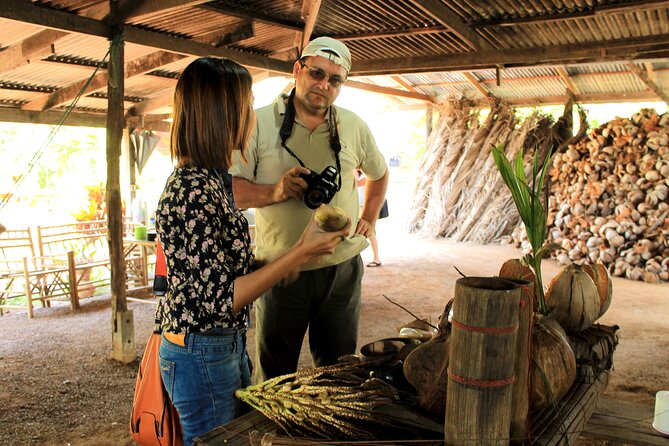
This is one of those tours where the guide can make or break your day. The most praised aspect across guide references is English ability and how well they handle people’s questions.
I saw names like Ho, Nathy, and Tom tied to strong feedback: friendly, attentive service, and a guide who could explain what you’re seeing in a way that actually helps you shop smarter and understand daily routines. One guide was specifically described as speaking English very, very well, which matters on a canal market where nuance helps.
So, when you book, don’t worry that you’ll be left to figure things out. You’ll have a driver/guide with you, and bottled water is included for comfort.
What you can do to get the most out of the guide:
- Ask what to look for in cloth and carvings.
- Ask how locals use the coconut sugar in everyday life.
- Ask what’s in season right now, so your purchases (or food tastings) match the moment.
What to Bring and How to Prepare for a Day on the Water
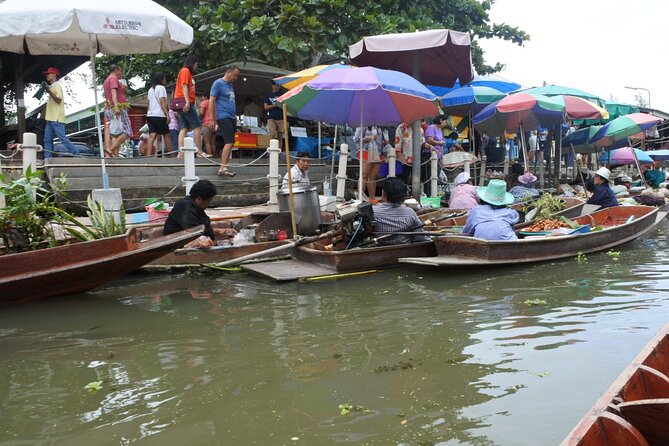
You’ll be on a boat canal environment and around stalls. That means your preparation affects your comfort more than people expect.
Practical prep list:
- Comfy shoes you can walk in easily, even if the dress code is formal.
- Light layers, since Bangkok mornings can start cool and warm up fast.
- A small cash plan for shopping and food tasting, since meals and personal spending aren’t included.
- A phone camera for the boats with lotus blossoms and the canal scenery.
- If you plan to buy items, bring a way to carry them comfortably (and don’t wait until the last stop).
The dress code is listed as formal. In practice, aim for smart, neat clothing rather than something painfully restrictive. The goal is to blend in and feel comfortable moving around.
Also note: it’s a private tour/activity with only your group participating. That often makes it easier to ask questions and keep your pace comfortable, since you’re not constantly weaving between many separate groups.
Who This Private Thaka Floating Market Day Trip Suits Best
This tour is a strong fit if you want a day trip from Bangkok that:
- focuses on local life, not just scenic sightseeing
- includes a practical stop like the coconut sugar farm
- gives you guided browsing instead of leaving you to guess
- works for a small group that wants fewer distractions
It’s also a good pick if you’re traveling with people who appreciate structure: meet point, clear stops, and a guide who can translate the experience into something you understand.
If you hate bargaining or prefer strictly museum-style attractions, you might find the shopping side more prominent than you’d like. But even then, you can shift your attention to watching the canal transactions and food culture.
Should You Book This Thaka Floating Market Tour?
I’d book it if you want a private, guided Thaka Floating Market day that mixes boat-canal life with a real farm production stop. The value is strongest when you factor in hotel pickup, bottled water, and the fact that the market admission is included.
Skip it only if you’re expecting a long, self-paced market drift for hours, or if the formal dress code doesn’t work with your plans. Otherwise, this is a practical, well-paced day trip for people who like their sightseeing connected to how locals actually live and trade.
If you want the short version: you’re paying for fewer headaches and better guidance, and that usually makes floating markets more enjoyable.
FAQ
How long is the Thaka Floating Market day trip from Bangkok?
It runs for about 6 hours (approx.).
What time does the tour start?
Start time is 7:30am.
Is hotel pickup included?
Yes. The tour includes one-way hotel pickup.
What is included in the price?
Included items are the driver/guide, one-way hotel pick up, and bottled water.
Are any admissions included?
River City Bangkok and the coconut sugar farm both list admission as free, and Thaka Floating Market admission is included.
Does the tour include meals?
Meals are not included.
Is this a private tour?
Yes. Only your group will participate, making it a private tour/activity.
What is the cancellation policy?
Free cancellation is offered. You can cancel up to 24 hours in advance for a full refund. If you cancel less than 24 hours before the start time, the amount you paid is not refunded.
Pack a Spare Bag

More Tour Reviews in Bangkok


More Floating Markets

Just In: Fresh Bangkok Reviews



Floating Markets, compared.
 ★ 4.5Damnoen Saduak Market and Maeklong Railway MarketFrom $2526,723 reviews
 ★ 4.5The Old Siam: Damnoen Saduak and Maeklong Railway MarketFrom $3210,992 reviews
 ★ 4.7Train Market & Floating Market with Boat RideFrom $259,547 reviews
 ★ 4.7From Bangkok: Ayutthaya & Ayothaya Floating Market Day TripFrom $486,084 reviews
 ★ 4.5Half-Day Railway Market and Floating Market Tour in ThailandFrom $323,924 reviews
 ★ 4.7Damnoen Saduak, Train Market & Mahanakhon Day TripFrom $232,162 reviews
 ★ 4.4From Bangkok: Damnoen Saduak Floating Market Guided TourFrom $1222,020 reviews
 ★ 4.5Damnoen Saduak Floating Market and Maeklong Railway Market TourFrom $441,588 reviews
Browse the lists this tour appears in