
Thailand is a big, friendly checklist. This 10-day private family tour strings together Bangkok temples, classic river views, and Northern Thailand highlights like the White Temple, then finishes with two free days on Phuket. It’s built for families who want structure, English-speaking help, and less time figuring out logistics.
I really like the day-by-day pacing. You get guided temple stops where it matters (Grand Palace, Wat Arun, Wat Rong Khun, Doi Suthep), then you also get breathing room—especially on Phuket with two full open days. I also like that meals and entry fees for the listed sights are handled, plus you travel between regions by included flights rather than long overland days.
One consideration: it’s not a slow, relaxed cruise. A few days are packed and there are stair-heavy temple visits (like 306 steps at Wat Phra That Doi Suthep), and the tour isn’t suitable for people over 80. If you’re sensitive to thick accents, note that some guides may use English with a strong accent, which can make memorized explanations harder to follow.
In This Review
- Key things that make this tour work
- Meeting Your Guide in Bangkok and Getting Oriented Fast
- Wat Traimit, Grand Palace, Wat Phra Kaew, and the River-of-Kings Break
- Ayutthaya by Car and River: Bang Pa In to Wat Mahathat
- Chiang Rai Highlights: Mae Salong Tea, Mae Sai Border Markets, Golden Triangle
- Chiang Mai by Rickshaw and Temple Steps: Markets, Wat Chedi Luang, Doi Suthep
- Thai Farm Cooking School and the Move to Phuket
- Phuket at Your Pace: Two Full Days for Beach Plans
- Day Ten: Returning to Bangkok Without Getting Lost
- Price and Value: What $3,199 Buys You Here
- Who This Tour Fits Best (and Who Should Think Twice)
- Should You Book This Thailand Family Tour?
- FAQ
- FAQ
- Are internal flights included in the tour price?
- What’s included with the hotels?
- Do I need to buy entrance tickets for temples and attractions?
- Is Phuket time built in for free exploring?
- What’s the dress code for temples?
- Is pickup provided when you arrive in Thailand?
- Can I cancel and get a refund if plans change?
Key things that make this tour work
- Private family format: only your group participates, with an English-speaking guide and an air-conditioned car/driver.
- Fly north, fly south: included economy flights reduce travel fatigue between Bangkok–Chiang Rai and Chiang Mai–Phuket, then Phuket–Bangkok.
- Temple-heavy days, done efficiently: iconic sites in Bangkok, Ayutthaya, Chiang Rai, and Chiang Mai are grouped into logical routes.
- One hands-on day: a Thai cooking class plus a market walk helps you move beyond photos.
- Phuket freedom built in: two full days to relax or explore on your own time.
- Doi Suthep is a workout: you’ll face the 306 steps option, so plan for comfort and pace.
Meeting Your Guide in Bangkok and Getting Oriented Fast
Your trip starts in Bangkok at 9:00 am, with pickup arranged at the arrival hall of Bangkok’s landing airport. From there, you’re taken to a downtown hotel by a comfortable, air-conditioned car. That early handoff matters for families because it prevents the usual first-day scramble.
This tour is designed around guided movement, not roaming. You’ll have private/shared driver support and an English-speaking guide per the itinerary, plus entrance fees for the sights you visit. In practical terms, it means you can spend your energy on the sights instead of negotiating transport, tickets, or directions.
I’d also treat this first day as your setup day. Bangkok is big and busy, and even with a structured route, you’ll arrive with jet lag or just travel-adrenaline. If you have kids, plan a low-commitment evening after your arrival and use day two for the full-on temple circuit.
More private runs, just your group
- Bangkok by Private Guide: Full Day Tour In and Around
★ 5.0 · 4,323 reviews - Bangkok: Grand Palace, Wat Pho, and Wat Arun Private Tour
★ 4.8 · 855 reviews - Private Excursion to Maeklong Railway and Floating Markets
★ 5.0 · 850 reviews
Wat Traimit, Grand Palace, Wat Phra Kaew, and the River-of-Kings Break
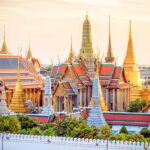
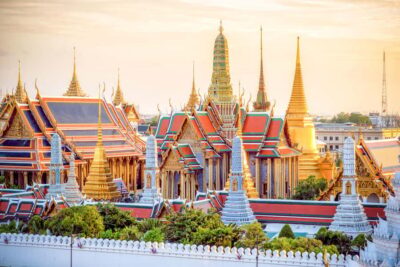
Day two is a classic Bangkok temple and palace day, starting at Wat Traimit (the Golden Buddha) and then moving through the big hitters. You’ll also see Wat Phra Chetuphon (Wat Pho), the Grand Palace complex, and the Temple of the Emerald Buddha (Wat Phra Kaew). This is the kind of itinerary where order helps: you’re building context as you go, rather than hopping randomly.
What I like here is that the Grand Palace and Emerald Buddha stop is paired with the rest of the palace-temple cluster. It’s not just spectacle; it’s also a good way to understand how these complexes function as living religious spaces while also being major tourist destinations. Just make sure your family is ready for the dress code: shoulders and knees must be covered, and sleeveless tops or shorts can mean refused entry at temples.
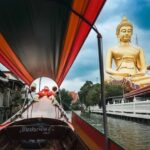
Then the day smartly switches gears with a Chao Phraya River cruise. You’ll get time off your feet and a chance to see Bangkok from the water, including views through the canal system. That break is huge with children or anyone who tires easily after a full morning of walking and standing.
The day finishes at Wat Arun, known as the Temple of Dawn, with its tall riverside pagoda. It’s a fitting end because it feels different from the interior-palace vibe earlier in the day. If you want a simple plan: treat day two as your Bangkok “greatest hits,” then let day one and later Phuket give you recovery time.
Ayutthaya by Car and River: Bang Pa In to Wat Mahathat
Day three is a change of pace: you leave the Bangkok rhythm and head to Ayutthaya, the ancient Siam capital for more than 400 years. The focus is on important sites without turning the day into a nonstop sprint. First up is Bang Pa In Palace, a royal retreat setting that helps you understand why Ayutthaya mattered.
From there, you visit Wat Niwet Thammaprawat, a gothic inspired temple, which gives the day an unexpected visual twist. Then lunch is at a local specialty restaurant, followed by Wat Mahathat, where the setting and scale of the ruins make a strong impression for families. It’s one of those locations that feels real, not staged.
One practical drawback: after a long day in Ayutthaya, you’re not done yet. In the late afternoon, you head back toward Bangkok for a flight to Chiang Rai. That means day three blends sightseeing with air travel, so it’s worth managing expectations with kids: you’re traveling, not just touring.
Still, I think this route is efficient. If you tried to do Ayutthaya and Northern Thailand separately without flights, you’d lose a whole day to overland routes. Here, the itinerary uses the included flight to keep the total trip length workable.
Chiang Rai Highlights: Mae Salong Tea, Mae Sai Border Markets, Golden Triangle
Chiang Rai starts with scenery and border-area culture. Day four begins at Mae Salong, where you’ll see tea plantation areas and get a feel for Northern Thailand’s climate and rhythm. Then it’s on to Mae Sai, the Thai-Burmese border market zone, where shopping and cross-border energy make for a memorable stop.
After that, you head to the Golden Triangle, the area where Myanmar, Laos, and Thailand meet. It’s a big-name destination, yes, but the point of bringing families here is simple: you get a dramatic sense of geography and regional connection in a relatively short time.
Later, the day includes Chiang Saen ruins and remains on the Mekong River banks. It’s an ending that ties back to the theme of historical movement across borders. You may not remember every stone, but you’ll feel the place as part of a larger story.
The day closes with the guide and driver escorting you back to your hotel in Chiang Rai. With a family tour, I like having that buffer: you don’t end on a long drive with everyone exhausted and hungry. You can reset before the next temple-and-market days in Chiang Mai.


Chiang Mai by Rickshaw and Temple Steps: Markets, Wat Chedi Luang, Doi Suthep
Day five and day six are both about Chiang Mai’s temple craft and city life. You start day five at Wat Rong Khun, also called the White Temple. It’s the kind of stop kids often love because it’s visual and unusual—clean, bright, and very photo-friendly, while still being a real temple experience with rules.
Then there’s a practical break at Mae Khachan Hot Spring, described as a short rest spot. Even if you don’t fully soak, it’s a useful pause in the schedule, especially on a day that also includes multiple temple stops.
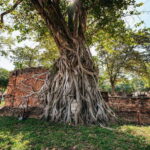
After that, you move into Chiang Mai and visit Wat Jed Yod and Wat Suan Dok. Wat Jed Yod includes a main stupa with seven spires, and Wat Suan Dok features more than 100 white pagodas that served as mausoleums of Chiang Mai royal family members. This cluster gives you both symbolism and physical variety without requiring museum-style attention.
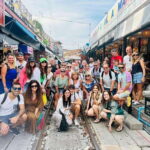
Day six starts at Warorot Market (Kad Luang), an indoor market with Chinese elements tied to over a century of trade by the Chinese community. It’s a nice contrast to temples because it’s about everyday life. Then you get an exclusive rickshaw ride through older streets to see alleys and markets from a slower pace.
Next are Three Kings Monument, Wat Chedi Luang (Angkor-style main stupa), and Wat Phra Singh. Wat Chedi Luang is also mentioned with a monk chat session from 9:00–17:00 every day. If your family is curious and respectful, this is the moment where questions can turn sightseeing into a better understanding of daily Buddhist life.
The day ends with Wat Phra That Doi Suthep. The itinerary calls out the 306 steps leading to the main hall, with an option to climb or use an alternative transport method. This is the stop where you should plan for energy. Wear shoes that grip, bring water, and consider the pace you’ll use on the stairs.
Thai Farm Cooking School and the Move to Phuket
Day seven is a great mid-trip reset because it swaps temples for something you can practice later. You’ll join a Thai food cooking class at a Thai farm cooking school, with a guide bringing you through a local market first. Then you cook together, using what you find. For families, this is often the easiest activity to make “memory,” because you bring something home in taste and technique, not just pictures.
After the class, you fly to Phuket in the afternoon. Phuket is where the tour switches from guided culture to beach-and-leisure travel. You’ll arrive and get transferred to your hotel by local driver in an air-conditioned car.
One reason I like this transition: it prevents Northern Thailand fatigue from following you all the way to the coast. You get a hands-on day, then a travel day, then a full break in the south.
Phuket at Your Pace: Two Full Days for Beach Plans
Days eight and nine are intentionally free: you can explore Phuket at your own pace. Day eight is eight hours open time, and day nine is another eight hours. That’s not just downtime. It’s smart family planning, because kids (and adults) often need control over the day to stay happy.
In Phuket, you can use this time for swimming, beach strolling, or day trips, depending on your energy and how the weather feels. The key point is that the tour stops telling you what to do. You’re in “choose your own adventure” mode.
If you want a simple strategy for families: pick one bigger outing for day eight, then keep day nine flexible. That way, if anyone is tired, you can still make the trip feel like it’s yours.
Day Ten: Returning to Bangkok Without Getting Lost
The final day keeps the logistics light. After breakfast, a driver escorts you on a one-hour drive to Phuket Airport for your return flight to Bangkok. Then you fly about 1.5 hours and arrive back in Bangkok for your next steps.
This is the kind of ending that works well for families because it avoids the “what time do we need to be where” stress at the very end. You’ve already done the hardest planning sections earlier in the trip with the included flights and transfers.
Price and Value: What $3,199 Buys You Here
This tour is priced at $3,199 per person, and the value comes from what’s bundled—not just sightseeing. You’re paying for a ten-day route that includes:
- economy flights between key regions (Bangkok–Chiang Rai, Chiang Mai–Phuket, Phuket–Bangkok)
- selected hotel accommodations with daily breakfast
- an English-speaking guide plus private/shared driver and air-conditioned vehicle support
- entrance fees for all listed sights
- meals: breakfast and several lunches
If you were to build this route yourself, the cost typically rises fast once you add internal flights, guided temple entry logistics, and constant transport planning. Here, the pricing is doing the heavy lift for you.
Is it worth it for every family? If you love full independence and you don’t mind research and ticketing on the fly, you might find cheaper options. But if your goal is to cut mental load while still seeing the big names across Thailand, this route is built for that tradeoff.
There’s also a small but meaningful detail: the tour includes a mobile ticket, which helps keep everything organized. And pickup is offered at the start, which reduces the most stressful part of any multi-stop trip.
Who This Tour Fits Best (and Who Should Think Twice)
This tour makes the most sense if you want a structured family vacation that covers major Thailand regions in a single trip. It’s especially good if your family likes temples and cultural sights but also needs breaks, like the river cruise in Bangkok and the free days in Phuket.
It might be less ideal if anyone in your group struggles with stairs or long days. Wat Phra That Doi Suthep includes 306 steps, and the tour isn’t suitable for people over 80. Also, day three blends temple time with flying, and day four keeps active travel through multiple stops.
If you’re traveling with teens who enjoy hands-on activities, the cooking class can be a highlight. If you’re traveling with younger kids, the rickshaw ride and the White Temple’s visuals are often easier sell-these are stops that feel less like lectures and more like experiences.
One more point: the itinerary depends on an English-speaking guide, but some guides may have a strong accent. If you know your family needs crystal-clear narration, it’s good to prepare for that reality and ask questions directly when needed.
Should You Book This Thailand Family Tour?
I’d recommend booking if you want a smart route that connects Bangkok, Ayutthaya, Northern Thailand, and Phuket without wasting days on transport puzzles. The mix of guided temple stops plus genuine free time in Phuket is a rare balance in multi-city packages.
I’d pause before booking if your family wants a slow pace, avoids stairs, or prefers total independence. This itinerary is designed to move. When it moves well, it’s excellent. When you’re tired, you’ll feel the schedule.
My final take: if you want Thailand’s highlights with less friction, this tour delivers. It’s not just a checklist of famous places. It’s a practical flow from temples to markets to cooking to coastal downtime, wrapped in private family logistics.
FAQ
FAQ
Are internal flights included in the tour price?
Yes. The tour includes economy class airfare for Bangkok to Chiang Rai, Chiang Mai to Phuket, and Phuket back to Bangkok.
What’s included with the hotels?
You get accommodation at selected hotels with daily breakfast.
Do I need to buy entrance tickets for temples and attractions?
Entrance fees for the sights mentioned in the itinerary are included.
Is Phuket time built in for free exploring?
Yes. Days eight and nine are both free time blocks (about eight hours each) for you to explore Phuket at your own pace.
What’s the dress code for temples?
You need shoulders and knees covered. No shorts or sleeveless tops are allowed, and you may be refused entry if you don’t meet the dress requirements.
Is pickup provided when you arrive in Thailand?
Yes. The tour offers pickup and a guide greets you in the arrival hall, then you’re escorted to your downtown hotel by air-conditioned car.
Can I cancel and get a refund if plans change?
No. This experience is non-refundable and can’t be changed for any reason.
Just Your Party, Booked Private



More Tours in Bangkok

More Tour Reviews in Bangkok

Just In: Fresh Bangkok Reviews

Private, compared.
 ★ 5.0Bangkok by Private Guide: Full Day Tour In and AroundFrom $724,323 reviews
 ★ 4.8Grand Palace, Wat Pho, and Wat Arun Private TourFrom $143855 reviews
 ★ 5.0Private Excursion to Maeklong Railway and Floating MarketsFrom $130850 reviews
 ★ 5.0Floating and Railway Market (Optional Waterfall): Private TourFrom $127827 reviews
 ★ 4.5Customize Your Own Private Bangkok City TourFrom $72588 reviews
 ★ 5.0Private Excursion to Floating Market and Ayutthaya World HeritageFrom $184515 reviews
 ★ 5.0Private Tour: Best of Bangkok in A DayFrom $227515 reviews
 ★ 4.7Grand Palace & Wat Pho Half-Day Private TourFrom $112510 reviews