
Review · FLOATING MARKETS
Train & Floating Market Food Adventure + Scenic train ride
Trains and floating boats, all in one day. This Bangkok outing strings together Mae Klong Railway Market and Damnoen Saduak Floating Market with a licensed English-speaking guide, plus snacks that keep you fueled for lots of small tastes. I especially like the chance to try bartering (not just watching from the sidewalk), and I like that you travel between stops in a comfortable, air-conditioned vehicle instead of relying on public transport.
One thing to consider: it starts early and the two big-name markets can feel busy in spots, so if you’re chasing quiet, low-tourist streets, this may not scratch that itch.
In This Review
- Key points worth knowing before you go
- Mae Klong Railway Market: the morning train-and-stall spectacle
- The train-market transfer: comfort in a private van, not public chaos
- Damnoen Saduak Floating Market: boat time, Thai snacks, and photo spots
- Bartering for produce: how to do it without stressing
- Coconut-crop stop: a quick look at what’s behind the fruit
- Guides make the difference: Johnny, Aom, Om, and Wes
- Price and what you’re really paying for ($86.38)
- Who this tour is best for (and who should pass)
- Final verdict: should you book this market-and-train day?
- FAQ
- How long is the tour?
- Where does the tour start, and where do we end?
- Which markets are included?
- Is admission included for the stops?
- How do we travel between the markets?
- What’s included in the price?
- Is hotel pickup and drop-off included?
Key points worth knowing before you go
- Two top markets in one 7-hour day, with realistic time at each stop
- Small-group feel, so you’re not lost in a crowd or rushed through photos
- A/C private van between attractions, plus private boat time on the water
- Try bartering and new produce, with guidance that makes it less awkward
- Strong guide impact, including memorable storytelling from Johnny, Aom, Om, and Wes
- Optional coconut-farm stop if time allows, adding a food-and-crop angle
Mae Klong Railway Market: the morning train-and-stall spectacle
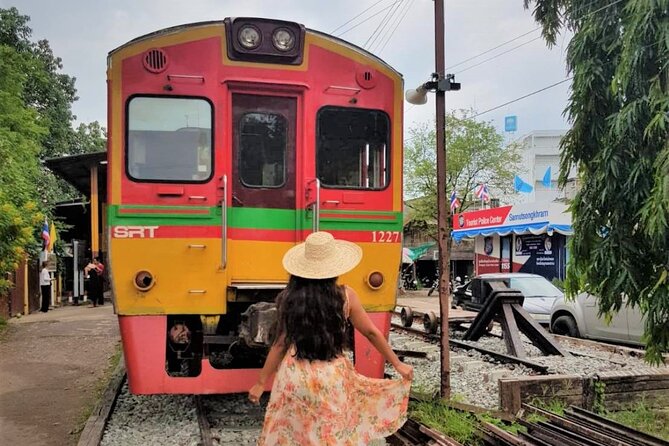
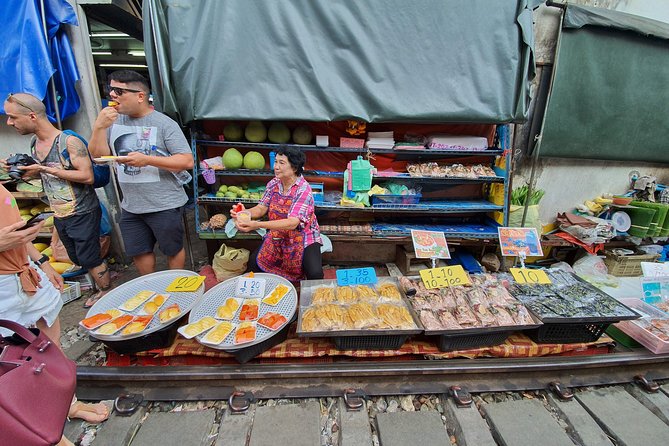
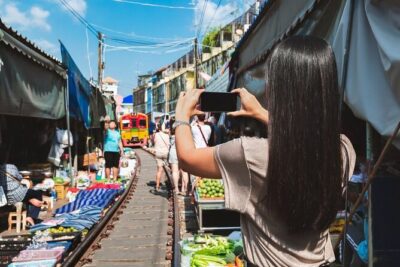
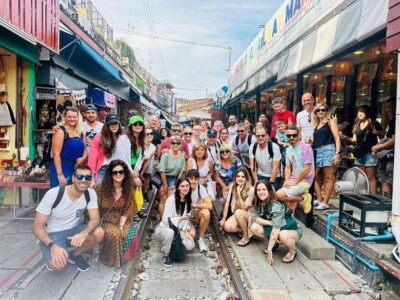
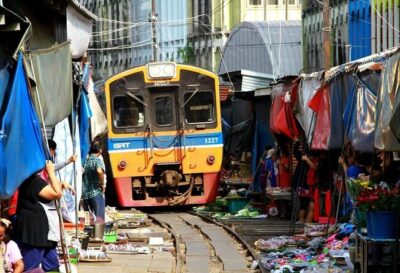
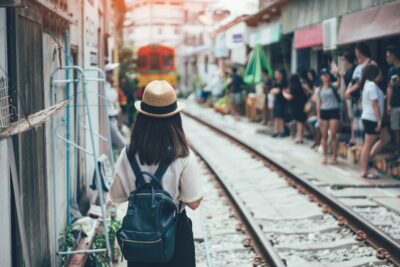
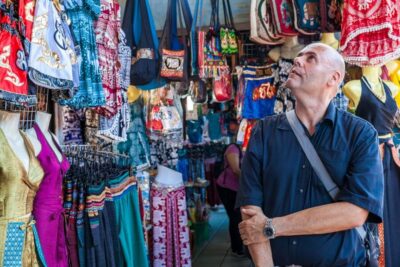
Mae Klong is the kind of place that makes you look twice. You’re at a market where the rail line cuts right through the stalls, and trains passing close by is part of the daily rhythm. The stop runs about 2 hours, which is long enough to walk the lanes, watch how vendors react, and still catch a few good angles for photos.
Go in with the right mindset: this is not a museum scene. It’s an active market where people are buying, selling, and moving around fast. I like that the schedule gives you time to actually figure out the flow rather than just snap a quick picture and leave.
Your guide is key here. In the experience, guides such as Johnny are specifically noted for explaining what you’re seeing at both the train market and the floating market, so you’re not left guessing why certain foods or setups are popular. That context also helps when you start bartering, because you understand what’s in season and what’s worth a small taste.
A practical note: the tour is set up as an early-riser plan. If you’re the type who hates waking up before you’ve had a say in the matter, plan ahead so the morning feels fun instead of painful.
More mornings among the paddle boats
- Bangkok: Damnoen Saduak Market and Maeklong Railway Market
★ 4.5 · 26,723 reviews - The Old Siam: Damnoen Saduak and Maeklong Railway Market
★ 4.5 · 10,992 reviews - Half-Day Railway Market and Floating Market Tour in Thailand
★ 4.5 · 3,924 reviews
The train-market transfer: comfort in a private van, not public chaos
This day is built around transit that feels designed for a tour schedule. Instead of squeezing onto public transport, you ride in a comfortable air-conditioned van reserved for your small party. You also get the kind of door-to-scene timing that’s hard to pull off on your own when you’re trying to hit both markets.
You’ll start at หัวลำโพง (Hua Lamphong) station, Rong Muang area, and you’ll return to the meeting point at the end of the day. That matters because it keeps the day simple: less negotiating with rides, more time focused on market time.
One detail worth flagging from the way the day can run: you may drive out of town to reach the old-train/railway-market experience, then return by van afterward. That’s not a flaw—it’s how you make both stops work in a single day without turning it into an all-day scramble.
Also, you’ll have a mobile ticket for the booking, and this is organized so it’s not constantly switching between vendors and rules you don’t understand. For many people, that alone makes the day feel smoother and more worth the price.
Damnoen Saduak Floating Market: boat time, Thai snacks, and photo spots
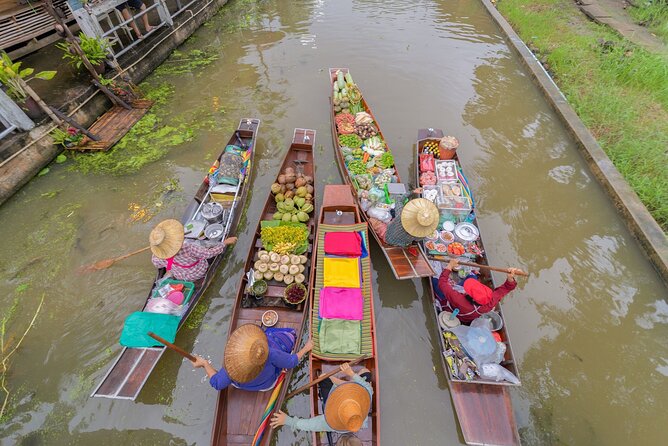
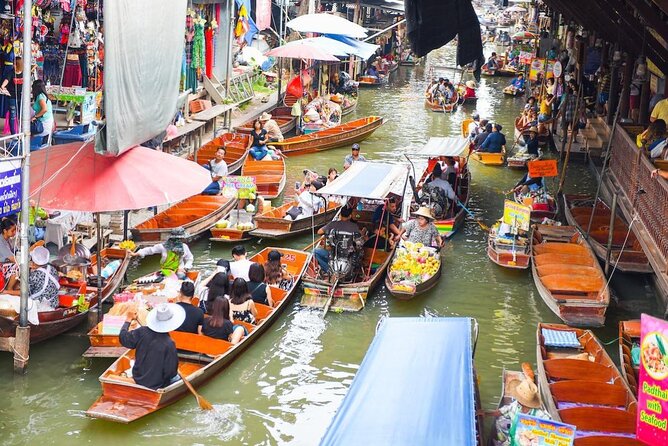
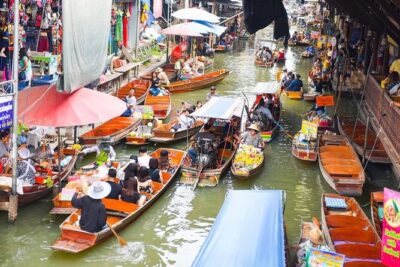
After Mae Klong, the focus shifts from rail-side action to water-side life. Damnoen Saduak Floating Market is scheduled for about 1 hour 30 minutes, which is enough time to see the stalls, eat a little, and still enjoy the boat portion without feeling trapped in a queue.
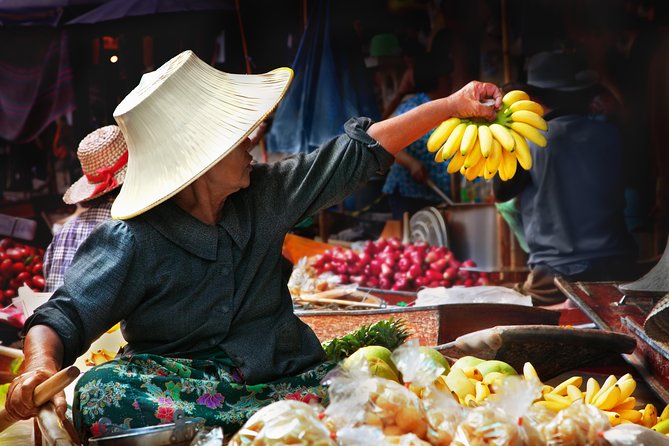
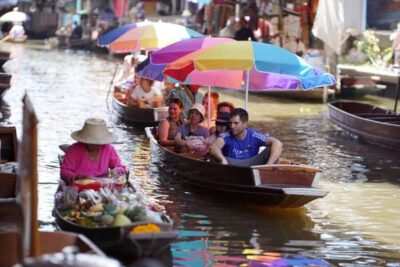
The tour includes a private motor boat or paddle boat, so you’re not just standing around. You’ll use the water like it’s meant to be used—slow enough to notice what’s going on, but paced so you don’t miss the best parts.
This is also where the food sampling happens in a more direct way. The included stops feature Thai dessert and fruit, plus market snacks, so you can build a “tasting walk” rather than guessing what to buy. I like that the food is part of the structure instead of being an afterthought.
The day is planned so you can get good views and pictures. After the train segment, the day flows into positioning for strong photo moments before you continue into the floating market. That little bit of guidance reduces wasted time and helps you avoid the classic problem of standing in the wrong spot while everyone else gets the shot.
Still, keep expectations realistic. Damnoen Saduak is one of Thailand’s best-known floating markets, so it can feel tourist-forward in areas. The win is that the guide helps you spot what’s truly local about the food and daily rhythm, especially when you’re trying new produce and asking questions.
Bartering for produce: how to do it without stressing
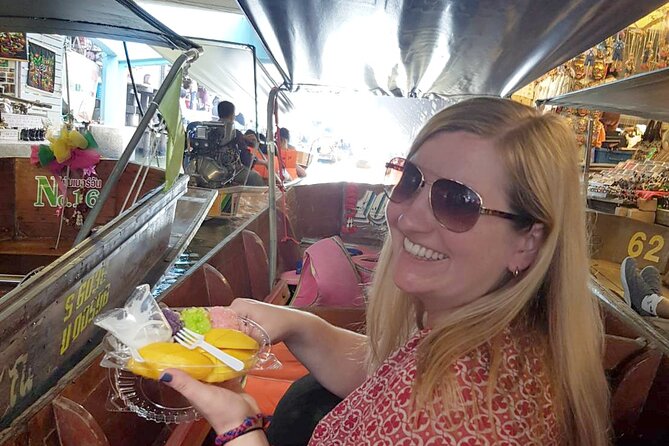
This tour explicitly gives you a chance to try bartering, and that’s one of the most fun parts if you go in with the right tone. Bartering in markets isn’t about winning. It’s about conversation, testing values, and learning what you’re looking at.
Your guide can act like a translator and a buffer. Guides such as Wes are praised for making the day feel fun while still teaching you how to interact and sample food confidently. That’s the difference between a market day that feels confusing and one that feels like you’re participating.
Here’s how to keep it comfortable for yourself:
- Start with easy items (fruits and simple snacks) rather than complicated dishes
- Ask for small tastes if that’s an option, so you don’t commit to something you won’t like
- Use your guide to clarify what’s seasonal or worth buying, then decide
You’re also encouraged to try new produce, which is where the day can surprise you—in a good way. Even if you usually stick to familiar foods, the guide-led approach nudges you toward options you might never pick on your own.
One more reason this works: the day structure helps you pace your spending. With organized time at each market, you can focus on tasting and small purchases without feeling like you have to buy everything immediately.
More plates and glasses worth the trip



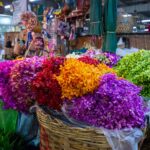

Coconut-crop stop: a quick look at what’s behind the fruit
If the day has time, there’s an extra 30-minute stop described as a local farm angle. It focuses on how coconuts are cultivated and turned into different products. That’s a nice change of pace from pure market browsing because it connects what you eat to where it comes from.
This part isn’t guaranteed in every schedule, since it’s framed as time-permitting. So treat it as a bonus, not a cornerstone. When it does happen, it can make your floating-market snack choices feel more meaningful because you understand the crop chain, even at a basic level.
It also helps you understand why coconut products show up so often in Thai desserts and snacks. You’re not just buying for novelty—you’re buying with a bit more context.
Guides make the difference: Johnny, Aom, Om, and Wes
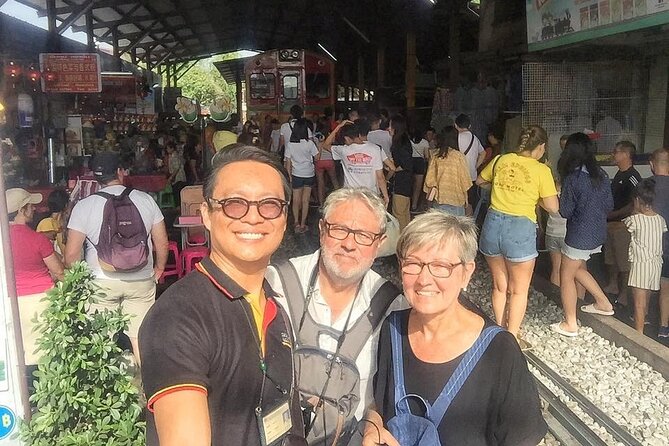
This tour is built around having a professional licensed English-speaking guide, and the names from past experiences matter because they hint at the tone you’ll get. Johnny is highlighted for giving insight at both the train station market and the floating market, which helps you connect what you’re seeing to how Thai market life works.
Aom is described as more than a translator. The standout detail is cultural context added into the day, including an explanation around a Buddhist temple and the chance to participate in a ritual using gold leaf. Even if you’re not trying to “do religion,” this kind of moment is powerful because it explains what the market world shares with everyday Thai life—belief, respect, and routine.
Om is praised for going above and beyond to make the experience memorable. That often shows up as better pacing, better explanations, and fewer awkward moments where you’re standing around unsure what to do next.
And Wes is singled out for making the day feel like the best way to see both markets and try local food. When a guide earns that kind of recommendation, it usually means they help you feel oriented, not just informed.
If you like your tours with a guide who talks like a teacher instead of a tour script, this is a strong match.
Price and what you’re really paying for ($86.38)
At $86.38 per person for roughly 7 hours, the price looks fair when you break down what’s included. You’re not just paying for access to the two markets. You’re paying for the guide, the vehicle, and the water transport.
Included items that add real value:
- Snacks: Thai dessert, fruit, and snack stops at the market
- Insurance
- Air-conditioned private vehicle (listed as private car)
- Private transportation by motor boat or paddle boat
- All fees and taxes, plus expressway and parking fee
- Professional licensed English-speaking guide
- Hotel pick up/drop off city center for private tour (important caveat below)
The “admission ticket free” note for the listed stops also helps. It’s not like you’re paying separately just to enter. You’re paying mainly for the organized experience and transport.
Now, the logistics caveat. The meeting point is Hua Lamphong (Rong Muang) and the activity ends back there. Also, hotel pickup and drop-off is not included for a share trip, while it is listed as included for a private city-center pickup. If your booking is share-based, plan to meet at the station instead of expecting pickup.
The tour also notes group discounts and a mobile ticket, which suggests the operator keeps things organized and simple. For many people, that reduces stress costs—you’re paying to avoid the hassle of coordinating two far-reaching market stops with your own transport.
Who this tour is best for (and who should pass)
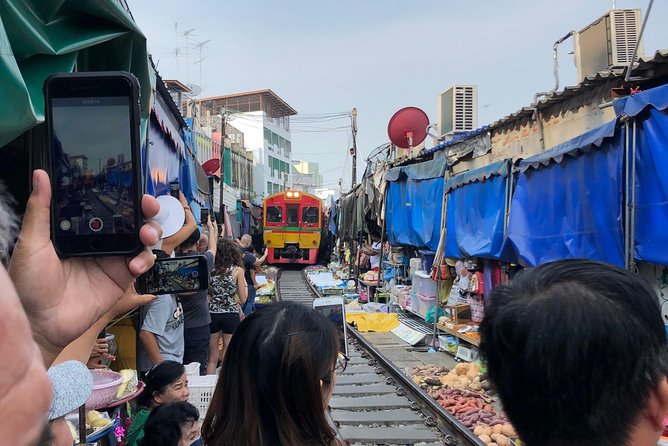
This works especially well if you want a structured day focused on food, markets, and culture without spending hours planning transit. If you’re comfortable waking up early and you like hands-on experiences like bartering, you’ll likely enjoy the day more than the “just sightseeing” style.
It’s also a good fit if you want the rail market experience plus the floating market in one shot. Doing both independently can mean complicated timing, and it’s easy to lose time between long drives and local navigation.
I’d pass or reconsider if you’re allergic to crowds and tourist-style energy. Mae Klong and Damnoen Saduak are famous for a reason, and that comes with busy moments. If your personal style is quiet backstreets only, this might feel a little too well-known.
Still, even with that caveat, the day can be redeemed by the right guide. If the guide is strong at explaining what you’re seeing and helping you taste and interact, you’ll get more than just photos—you’ll understand the “why” behind the market behavior.
Final verdict: should you book this market-and-train day?
If your goal is a day that mixes two of Thailand’s most famous market experiences—railway market action, floating market boat time, and food you can actually eat—this tour offers good value for the effort and transport involved. The best part is that it’s not only about watching; it’s about doing small things like tasting, asking, and trying bartering with guidance.
Book it if you:
- Want an organized day with A/C private transport
- Like market energy and food tasting
- Appreciate strong guiding, like the styles credited to Johnny, Aom, Om, and Wes
Skip it if:
- You hate early mornings
- You strongly prefer quiet, low-tourist travel
- You’re planning to visit both markets anyway and want total control over pacing
If you’re flexible on schedule and you’re excited to eat and interact, this is a solid use of a Bangkok day.
FAQ
How long is the tour?
The tour runs about 7 hours (approx.).
Where does the tour start, and where do we end?
It starts at สถานีรถไฟหัวลำโพง (Hua Lamphong) in the Rong Muang area in Bangkok, and it ends back at the same meeting point.
Which markets are included?
The tour includes Mae Klong Railway Market and Damnoen Saduak Floating Market.
Is admission included for the stops?
Admission ticket is listed as free for the market stops.
How do we travel between the markets?
You travel by an air-conditioned vehicle, and you also use a private motor boat or paddle boat for the floating market portion.
What’s included in the price?
Included items are Thai dessert, fruit, and snacks at the market, insurance, air-conditioned private transportation, private boat transportation, all fees and taxes, expressway and parking fees, and a professional licensed English-speaking guide.
Is hotel pickup and drop-off included?
Hotel pickup and drop-off for city-center locations is listed as included for a private tour. It is listed as not included for a share trip, and the tour meets at the Hua Lamphong station meeting point.
Eat Your Way Round Bangkok

More Tour Reviews in Bangkok




More Floating Markets

Just In: Fresh Bangkok Reviews



Floating Markets, compared.
 ★ 4.5Damnoen Saduak Market and Maeklong Railway MarketFrom $2526,723 reviews
 ★ 4.5The Old Siam: Damnoen Saduak and Maeklong Railway MarketFrom $3210,992 reviews
 ★ 4.7Train Market & Floating Market with Boat RideFrom $259,547 reviews
 ★ 4.7From Bangkok: Ayutthaya & Ayothaya Floating Market Day TripFrom $486,084 reviews
 ★ 4.5Half-Day Railway Market and Floating Market Tour in ThailandFrom $323,924 reviews
 ★ 4.7Damnoen Saduak, Train Market & Mahanakhon Day TripFrom $232,162 reviews
 ★ 4.4From Bangkok: Damnoen Saduak Floating Market Guided TourFrom $1222,020 reviews
 ★ 4.5Damnoen Saduak Floating Market and Maeklong Railway Market TourFrom $441,588 reviews
Browse the lists this tour appears in