
Review · GRAND PALACE & TEMPLE TOURS
Bangkok: Backstreets and Historic Temples Bike Tour
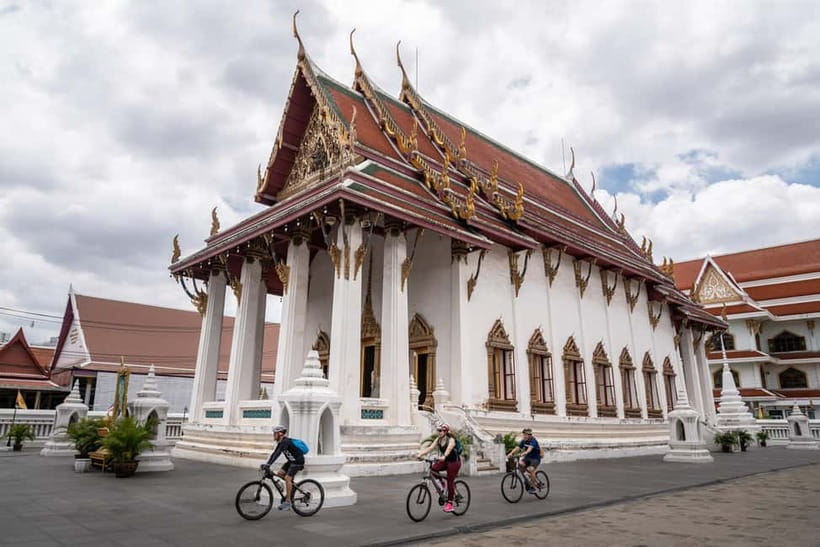
A bike can cut through Bangkok faster than traffic. This 4-hour ride threads canals and temple neighborhoods through lanes you normally skip, including Bangkok Noi and the area around Giant Swing.
I especially like how it mixes quiet sacred stops with real street life, and how the route focuses on getting you off the big roads. One thing to consider: the narrow backstreets and city traffic mean you should feel comfortable riding in close quarters.
In This Review
- Key things to know before you pedal
- Starting at Discova near MRT Sam Yot and rolling by 9:00
- Riding Rama 8 and the river edge: views without the crowds
- Off Khaosan: why the real route starts after the busy zone
- Bangkok Noi canal riding: tiny alleys and community life
- Thonburi area and older train-depot textures
- Baan Bu bronzework community: hands-on craft stop
- Ferry crossing and the Grand Palace public park view
- Food market time: snack your way through the route
- Wat Suthat and Giant Swing: landmark, ceremony, and images
- Guides make the difference: Max, Seen, and the safety-first style
- Value check: how $39 stacks up for a 4-hour city ride
- What could feel challenging (and how to be ready)
- Who this tour suits best
- Should you book Bangkok: Backstreets and Historic Temples?
- FAQ
- Where is the meeting point for the bike tour?
- What time does the tour depart?
- What’s included in the price?
- Are there clothing restrictions?
- Is this tour suitable for pregnant women?
- Can children join the tour?
Key things to know before you pedal
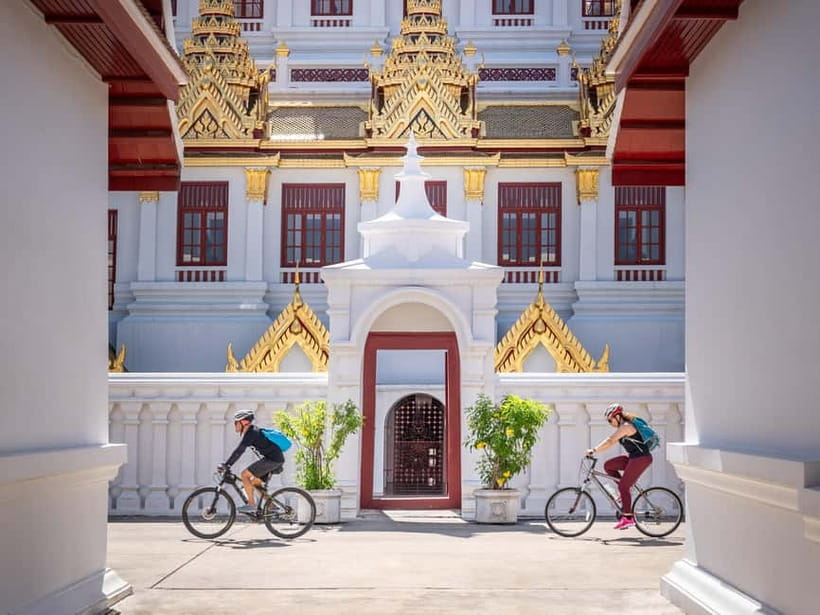
- Off-the-main-road Bangkok through small laneways after Khaosan Road
- Chao Phraya crossings including Rama 8 Bridge for big views and quick perspective shifts
- Bangkok Noi canal riding past a Muslim community in tight alleyways
- Temples plus working-city sights, with chances to see old train depot pieces if open
- Giant Swing and Wat Suthat area for the landmark stop tied to Hindu ceremony history
- Snacks, drinks, and water included so you’re not hunting during the ride
Starting at Discova near MRT Sam Yot and rolling by 9:00
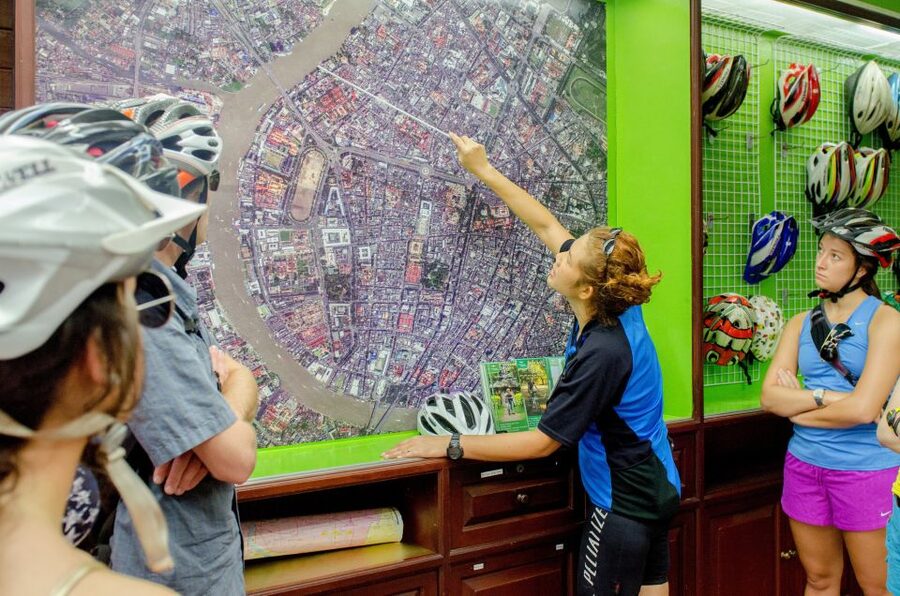
The day starts at the Discova Day Tour Shop Bangkok, 719 Mahachai Road, a short ride from MRT Sam Yot. The guide is there ahead of time, and you’re asked to arrive 30 minutes before departure so you can get fitted and briefed. Then it’s off by 9:00 am sharp, which matters in Bangkok because your best riding time disappears fast.
You’ll ride imported quality mountain bikes with a helmet and an English-speaking guide. That’s a practical combo: the bike keeps you stable over uneven pavement, and the guide keeps you pointed the right way when lanes shrink and turns come fast. If you’re a first-time rider, the briefing is where you’ll want your attention.
Groups move at a pace built for seeing details. The tour finishes around 1:00 pm after about 15 kilometers, which is short enough to feel doable but long enough to change how you understand the city.
More gilded rooftops: other temple runs across the old city
- From Bangkok: Ayutthaya Temples Guided Tour with Lunch
★ 4.7 · 10,535 reviews - Bangkok: City Highlights Temple and Market Walking Tour
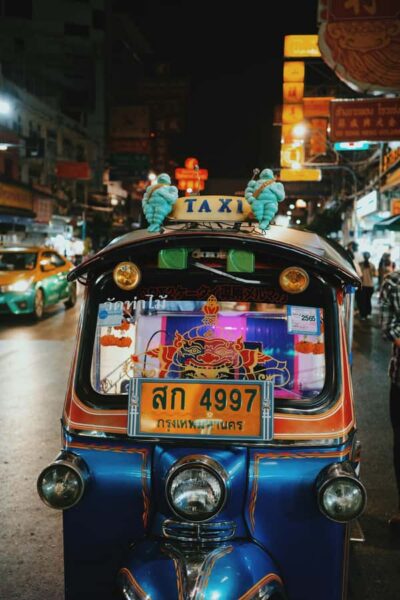
★ 4.5 · 3,990 reviews - Bangkok by Night: Temples, Markets and Food Tuk-Tuk Tour
★ 5.0 · 3,752 reviews
Riding Rama 8 and the river edge: views without the crowds
A big part of why this tour works is the way it uses the river as a reset button. You cycle along the Chao Phraya River, then cross on Rama 8 Bridge. Even if you’ve seen the river from a boat before, crossing by bike gives you a different sense of scale: neighborhoods, canal lines, and the city’s movement all show up at once.
From the bridge area, the route starts turning toward older parts of town. This is where “historic temples” stops being a checklist. You’re not just passing sites; you’re riding through the surrounding neighborhoods that keep them alive.
Off Khaosan: why the real route starts after the busy zone
Many Bangkok tours begin and end in tourist pockets. This one starts by moving through the heart of the backpacker area around Khaosan Road, then quickly shifts off it. That early start helps you learn what direction the city wants you to think in, then you’re gone—into quieter laneways, canals, and side streets.
You’ll be guided through stretches where cars are less dominant and where life happens close to the sidewalk. The payoff is that you see Bangkok the way people experience it day to day: short trips to markets, temple routines, and the everyday rhythm of neighborhoods that don’t perform for visitors.
Bangkok Noi canal riding: tiny alleys and community life
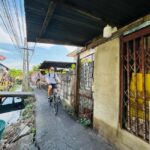
Bangkok Noi is a large canal branching off the Chao Phraya system, and biking along it is one of the most memorable parts of the tour. You pedal through tiny alleyways and see a Muslim community living along the canal edge. It’s not about grand monuments. It’s about how communities shape space—how homes, work, and daily routes connect to the water.
The route then crosses a bridge and cycles the canal again the other direction. That simple change is surprisingly important. You’re not stuck seeing the same canal frontage from one angle. You get a more complete understanding of how the canal connects different parts of the neighborhood.
Bangkok by pedal, a couple more routes

Thonburi area and older train-depot textures
After Bangkok Noi, the tour keeps walking that line between the sacred and the industrial. You’ll pass Buddhist temples and an area tied to Bangkok’s early train depot. If it’s open, you may also get a bonus stop connected to bronze bowl work and an area with old steam engines at the Thonburi train depot.
This is where your expectations should adjust. You’re not guaranteed to see every “museum-style” exhibit, because the tour notes that access depends on what’s open. But even when you don’t get the full workshop/engine view, you still see the textures of an older Bangkok economy—something you rarely get from a bus or a river cruise.
Baan Bu bronzework community: hands-on craft stop
The Baan Bu Bronzework Community is a short arts-and-crafts market visit (about 30 minutes). It’s a good stop for two reasons.
First, you get a break from riding. Second, craft areas like this let you connect names and landmarks to real labor. Bronze work fits naturally here because the route is already setting you up for that theme of old city industry and temple-linked life.
If you like to buy small souvenirs that feel tied to a place, this kind of stop is often better value than high-markup “temple gift shops.”
Ferry crossing and the Grand Palace public park view
At some point you’ll take a local ferry to cross back over the river. That short hop matters. It’s not a dramatic boat ride; it’s a local-style crossing that keeps you moving while showing how waterways function like roads.
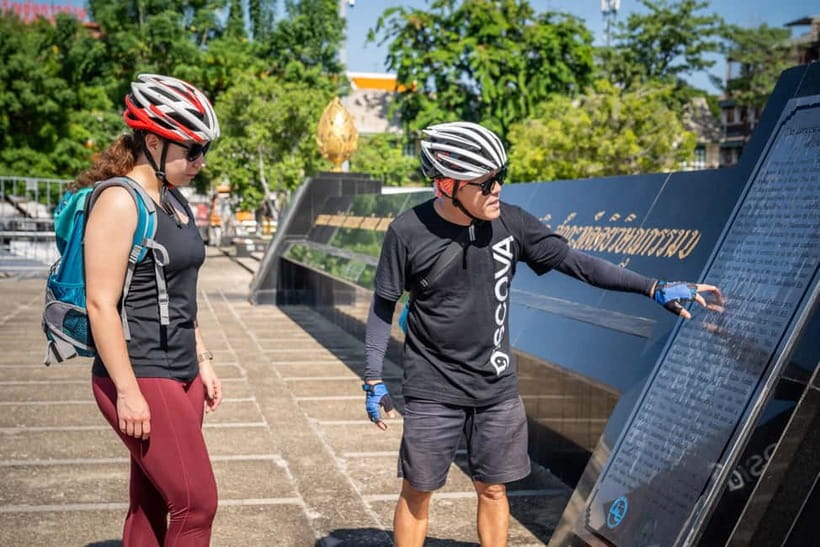
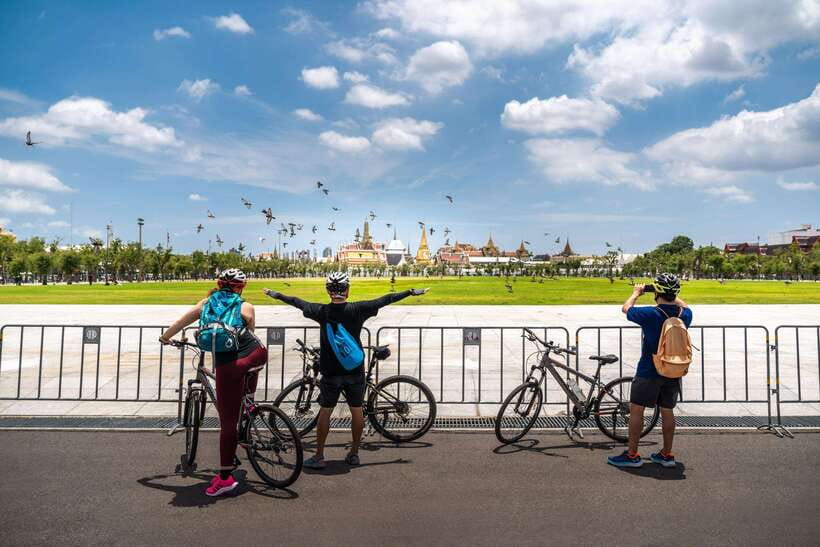
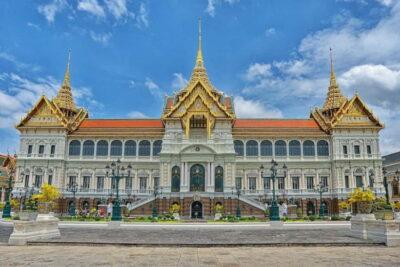
Then you ride past the Grand Palace and stop to walk through a public park that used to be reserved for the royal family. It’s one of those places where you can feel the layers: royal past, public present, and the way Bangkok makes space for daily use.
Food market time: snack your way through the route
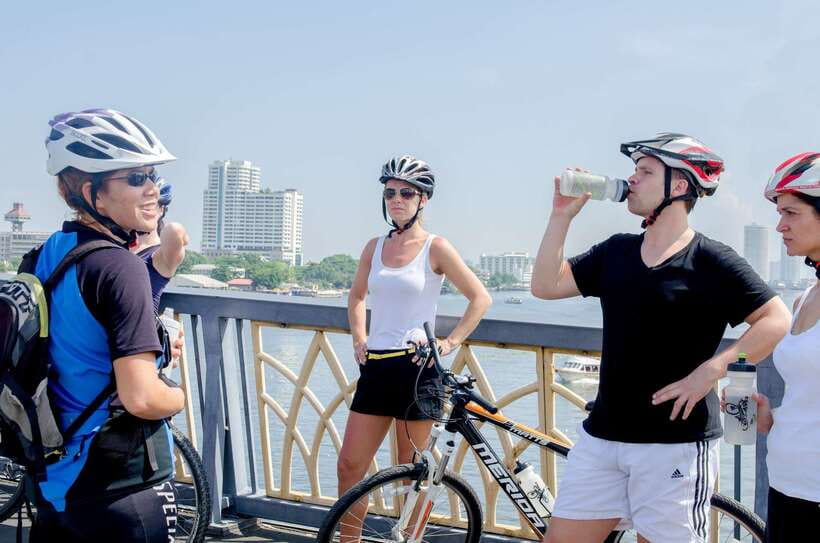
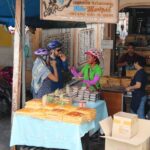
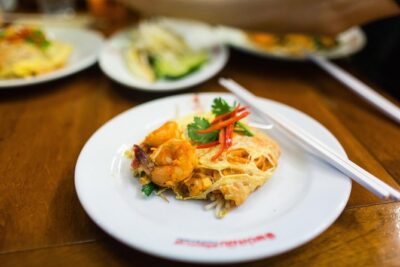
The tour includes complimentary snacks, drinks, and water, so you’re not left hungry. Still, there’s also time for a food market moment. This is the part where Bangkok’s street food culture shows up in practical ways—quick bites, small plates, and vendors that keep people fed while they move through the day.
One smart detail: if you start out needing breakfast, the guide may plan for that kind of stop. In past groups, guides like Bett have been flexible enough to work a breakfast-market moment into the ride when someone hadn’t eaten before starting.
Wat Suthat and Giant Swing: landmark, ceremony, and images
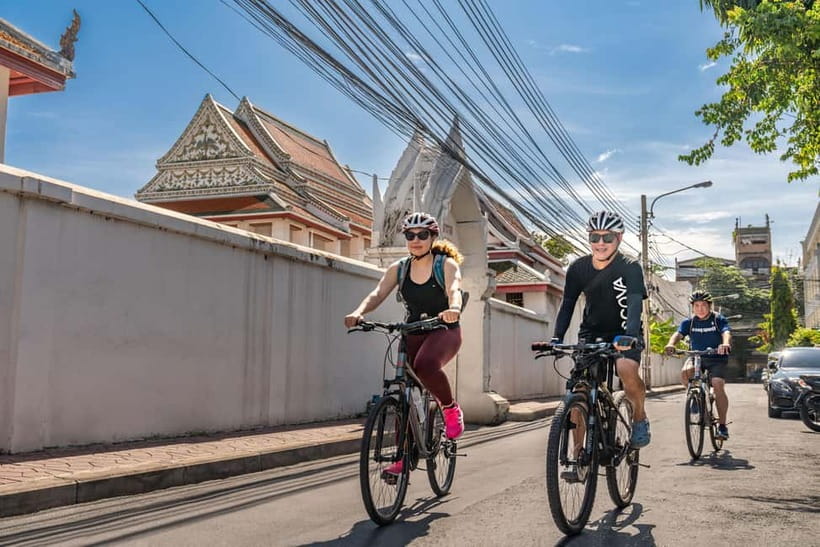
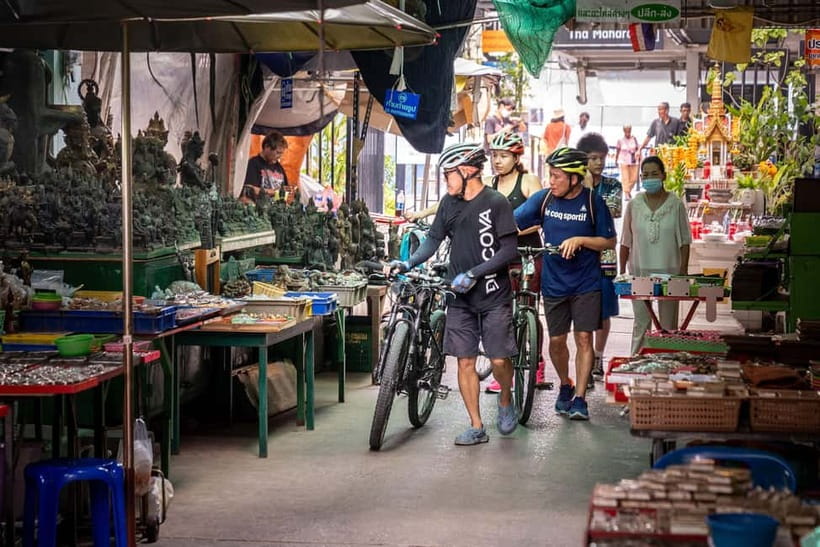
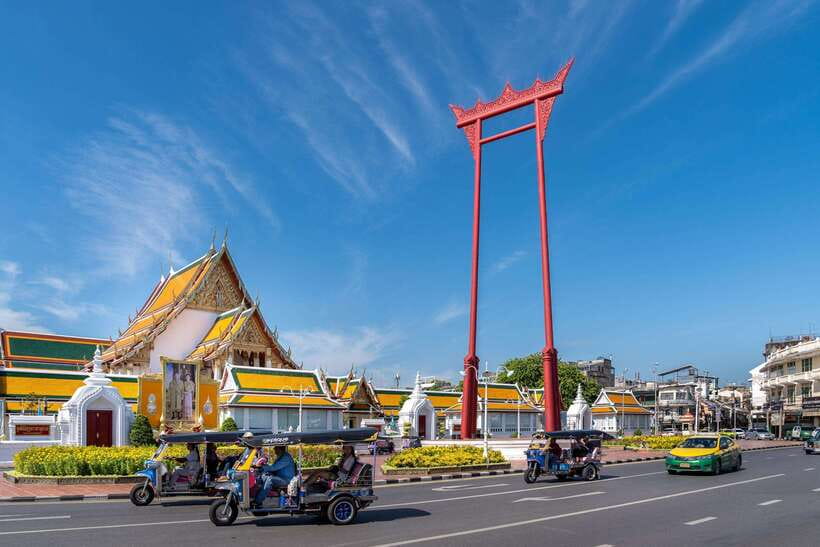
The tour’s signature temple-area stop is Wat Suthat and the Giant Swing (about 30 minutes). Giant Swing is a major landmark and it was once used for an important Hindu ceremony. That religious mix matters because Bangkok’s sacred spaces often reflect overlapping traditions and shifting city history.
Around the Swing, you’ll also notice rows of Buddha images made and sold. It’s not just a view stop. It’s a glimpse into a working neighborhood where sacred objects are produced and moved into people’s daily lives.
You’ll also find a lot of sacred imagery elsewhere on the route, including stops where the area shifts from temple stillness back to street motion. That rhythm is a big reason people rate this tour so highly.
Guides make the difference: Max, Seen, and the safety-first style
This tour rises or falls on how well you feel in traffic, especially on narrow lanes. The guide is central to that, and the names that have shown up in successful groups make the pattern clear: Max, Seen, Tammy, Kan, Anna, Tik, Andy, Woody, and Tom have all led tours in past sessions.
Two guide traits show up repeatedly:
- They keep you moving as a group so you don’t get lost in the maze.
- They adjust for rider comfort. For example, routes include narrow turns and tight lanes, and guides have been noted for making sure people stay safe and comfortable while riding behind the lead.
If sound is your priority for learning, keep in mind that Bangkok noise can swallow explanations at times. One traveler noted that even when the guide was sharing interesting context, it was sometimes hard to hear due to traffic or position. If you want the history, ask questions during stops so you don’t miss the best parts.
Value check: how $39 stacks up for a 4-hour city ride
At $39 per person for about 4 hours, this is a solid value in Bangkok terms because it includes:
- Bike + helmet
- English-speaking guide
- Snacks, drinks, and water
- Key sightseeing stops
- Time built for crossings and short local breaks
You’re paying for a guided route that would be hard to plan well on your own if you want to avoid big-road traffic but still see multiple historic areas. If your goal is “see Bangkok beyond the postcards,” this price makes sense.
If your goal is only the most famous monuments, it may feel less direct. But for most first-timers, the payoff is perspective: you come away understanding how neighborhoods actually connect.
What could feel challenging (and how to be ready)
This tour is not a casual stroll. You’ll be cycling through narrow alleyways and shared traffic areas, so you need basic bike control and awareness. One past traveler explicitly mentioned that the ride requires fairly good handling and traffic attention, even though the guide directed the group and helped keep everyone safe.
Also, you’ll want to plan your clothing. The tour specifies no shorts and no sleeveless shirts. Bangkok’s heat is real, but you’ll still want breathable long pants and a light shirt that meets the dress code.
Bring comfortable shoes and sunscreen. Even with water and drinks included, long sun exposure can still wear you out.
Who this tour suits best
This is a great fit if you want:
- A backstreets-focused Bangkok experience
- A mix of temples and everyday neighborhoods
- A guided route that handles crossings and navigation for you
- A morning ride that avoids the worst of midday chaos
It’s less ideal if:
- You’re pregnant (listed as not suitable)
- You strongly dislike riding near traffic or on tight lanes
- You want only top-ticket, postcard-famous sights with long photo pauses
Should you book Bangkok: Backstreets and Historic Temples?
I’d book it if you want your first Bangkok day to change your mental map. The combination of river riding, Bangkok Noi canal life, craft/working-city stops, and a landmark like Giant Swing gives you variety without feeling rushed.
Skip it if you have zero interest in “real city streets” and only want major sights with big open viewing areas. Also skip if narrow-lane biking sounds stressful.
If you’re the type who likes small streets, temple quiet, and the in-between spaces where people actually live, this tour is a strong bet.
FAQ
Where is the meeting point for the bike tour?
You meet at the Discova Day Tour Shop Bangkok at 719 Mahachai Road, Wang Burapha Phirom, Phra Nakhon, Bangkok 10200. The shop is next block from Miramar Hotel, and it’s the last building next to the canal.
What time does the tour depart?
You meet at 8:30 am, and the tour departs at 9:00 am sharp.
What’s included in the price?
The tour includes imported quality mountain bikes, an English-speaking tour guide, a helmet, drinks and water, and snacks.
Are there clothing restrictions?
Yes. Shorts and sleeveless shirts are not allowed.
Is this tour suitable for pregnant women?
No. It’s listed as not suitable for pregnant women.
Can children join the tour?
Child seats are available upon request, but they can only accommodate a child up to 14 kg.
More Tour Reviews in Bangkok


Two Wheels Through Bangkok
More of Bangkok Temples

Just In: Fresh Bangkok Reviews
Grand Palace & Temple Tours, compared.
 ★ 4.7From Bangkok: Ayutthaya Temples Guided Tour with LunchFrom $2810,535 reviews
 ★ 4.5City Highlights Temple and Market Walking TourFrom $423,990 reviews
 ★ 5.0Bangkok by Night: Temples, Markets and Food Tuk-Tuk TourFrom $793,752 reviews
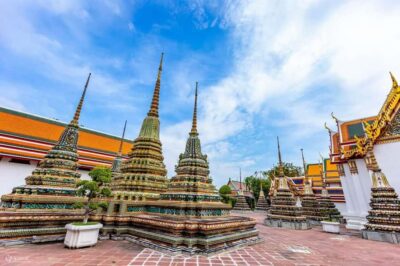 ★ 4.8Grand Palace, Wat Pho, and Wat Arun Guided TourFrom $243,632 reviews
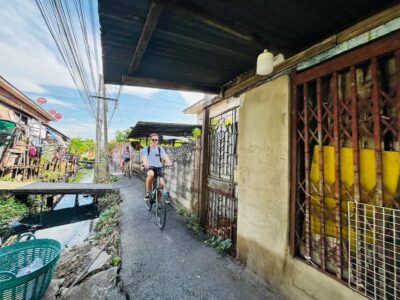 ★ 4.9Temples, Canals & Local Life Bike TourFrom $243,511 reviews
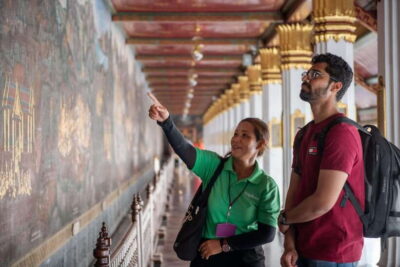 ★ 4.4Grand Palace and Wat Phra Kaew Guided Walking TourFrom $172,417 reviews
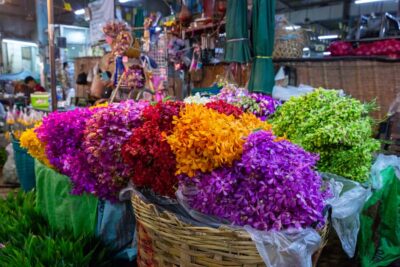 ★ 4.9Markets, Temples and Food Night Tour by Tuk TukFrom $772,371 reviews
 ★ 4.3Grand Palace, Wat Pho, Wat Arun Sacred & Local TourFrom $182,256 reviews
Browse the lists this tour appears in