
Review · HISTORICAL TOURS
Bangkok China Town ,a Bangkok historic neighbourhood
Talat Noi has the kind of story that hides in plain sight. This 3-hour Bangkok Chinatown walk connects Portuguese roots, Chinese devotion at a Kuan Yim shrine, and Talat Noi wall art that locals actually live with. I like the small-group feel (max 8) and the way the route keeps history practical, not just dates on a sign. I also love the mix of sacred and street scenes, so you see worship, old port life, and modern graffiti without it feeling like separate worlds.
One thing to consider: with only about 3 hours, the stops are focused and you’ll move along fairly quickly. If you want lots of deep museum-style time, this route is more about getting your bearings fast through key landmarks.
In This Review
- Key things to know before you go
- Talat Noi: where Bangkok’s Chinatown story gets specific
- Route at a glance: what you actually do in 3 hours
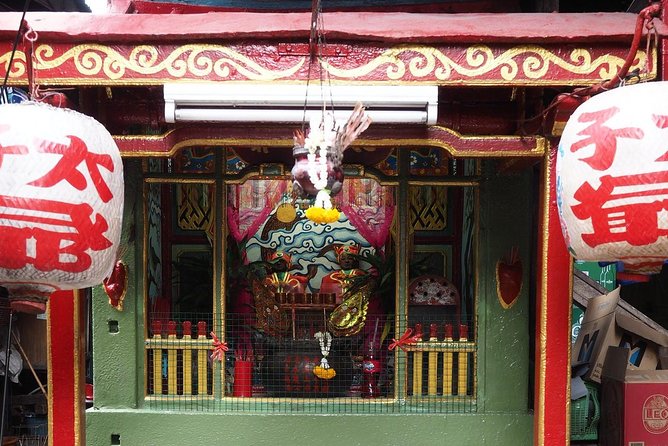
- Stop 1: Kuan Yim Shrine (Thian Fa Foundation) and the 900-year-old Mercy Goddess
- Stop 2: Talad Noi wall art meets Earsae Coffee (a 94-year-old stop)
- Stop 3: Talat Noi wall art as a cultural signal for younger locals
- Stop 4: Holy Rosary Church (Wat Kalawa) and the Portuguese link from 1786
- Price and value: is $78.73 a good deal?
- Guide quality: why Kaew’s name keeps coming up
- Where this tour fits your trip best
- Should you book this Talat Noi Chinatown tour?
- FAQ
- How long is the Bangkok Chinatown: Talat Noi tour?
- What does the tour cost?
- What are the main stops on the tour?
- Are admission tickets included?
- Is this tour a small group?
- Is free cancellation available?
Key things to know before you go
- Thian Fa Kuan Yim Shrine features a 900-year-old statue of the Goddess of Mercy, and locals still pray there in large numbers.
- Earsae Coffee is part of the walk, and it’s described as a 94-year-old coffee shop in the neighborhood.
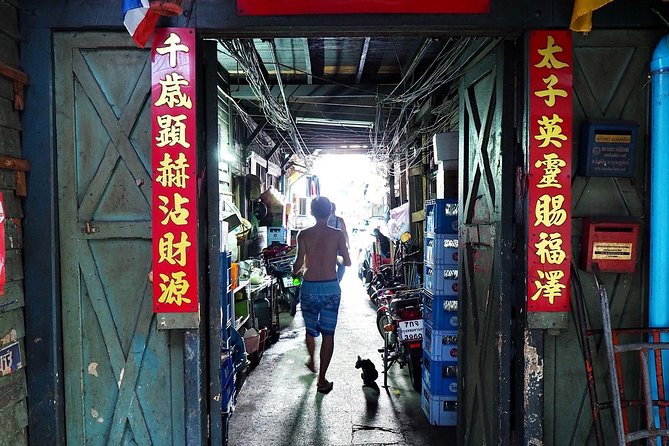
- Talat Noi wall art isn’t just decoration; it’s part of how the area has become a cultural spot for younger locals.
- Holy Rosary Church (Kalawar Church / Wat Kalawa) traces back to Portuguese settlers and a church built in 1786.
- Talat Noi’s long before Bangkok story includes multiple communities landing through the area’s old port function.
- Guide Q&A energy is a standout, with one commonly named guide (Kaew) praised for answering many questions.
Talat Noi: where Bangkok’s Chinatown story gets specific
Bangkok’s Chinatown is often described in broad strokes. Talat Noi is different. It’s a historic neighborhood with a longer timeline than you might expect, and it helps explain why the area feels layered instead of one-note.
This tour focuses on Talat Noi’s early chapter first. Before Bangkok was founded, people were already settling here, and the neighborhood functioned as Bangkok’s first port—where immigrants landed. That landing point matters, because it explains why you’ll see a mix of influences in places of worship, community identity, and even the way people talk and eat today.
One detail I really appreciate is the Portuguese thread. The first ethnic group to settle here were Portuguese from Ayutthaya. They built a Portuguese church in 1786 that today is known as the Holy Rosary Church—also called Wat Kalawa. That’s the kind of connection that makes Chinatown feel like a living map of movement.
Deeper into old Bangkok
- From Bangkok: Ayutthaya Historical Park Guided Day Trip
★ 4.6 · 3,020 reviews - UNESCO’s Ayutthaya Historical Park: Full-Day Tour from Bangkok
★ 4.5 · 1,559 reviews - From Bangkok: Historical Day Tour to River Kwai
★ 4.6 · 868 reviews
Route at a glance: what you actually do in 3 hours
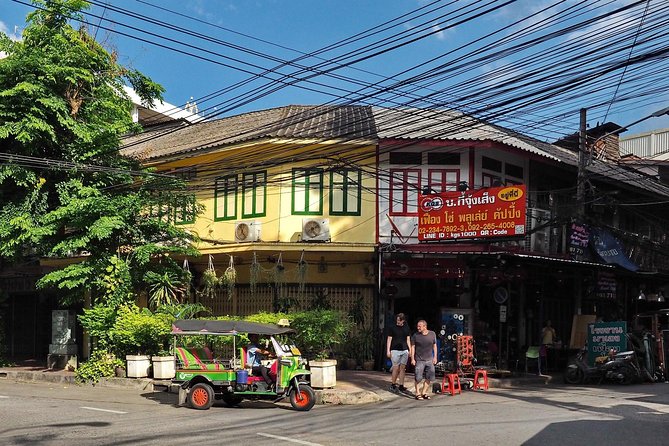
You’ll start at 552 ถ. เจริญกรุง in Pom Prap Sattru Phai (and finish at River City Bangkok, near Soi Charoen Krung 24, Talat Noi). The start time given is 3:00 pm, and the tour runs about 3 hours total.
The pacing is built around four stops, with time allocated for each:
- A shrine stop for a solid look at the Kuan Yim devotion
- A coffee-and-street-art style stretch near Talad Noi wall art
- A longer wall-art and neighborhood-culture segment
- A church visit tied to the Portuguese legacy
Entrance tickets are included for the stops, which is helpful because you’re not stuck negotiating entry fees while you’re trying to take in the details.
Stop 1: Kuan Yim Shrine (Thian Fa Foundation) and the 900-year-old Mercy Goddess
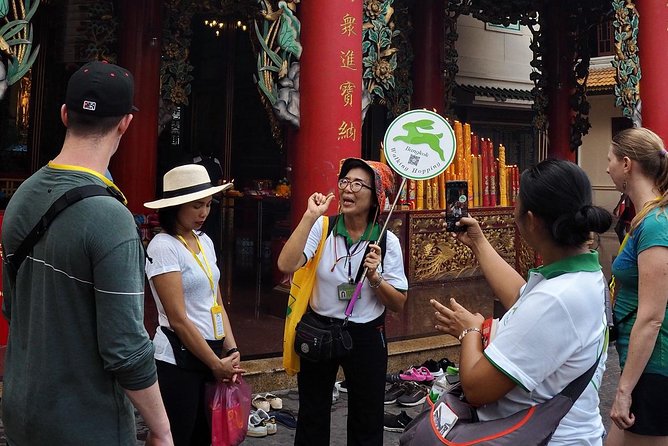
The tour begins with the Kuan Yim Shrine, connected to the Thian Fa Foundation. Kuan Yim is the Chinese Goddess of Mercy—something you’ll see reflected in both the visuals and the devotion here.
The headline detail is the 900-year-old statue of Guan Yin inside the shrine. That age changes how you look at everything else. It isn’t just a nice photo stop; it’s a place where the community returns. The shrine is described as one where thousands of locals come to pray, so it helps you understand why this part of Chinatown feels emotionally grounded even when the streets outside are loud and crowded.
What to expect during this stop:
- Time to look carefully at the altar area and the statue’s role in worship
- A chance to understand why the shrine matters to locals, not just tourists
- A guided context that ties the shrine to Talat Noi’s long-settlement story
A practical tip: treat this as your orientation stop. After you’ve seen what locals value here, the rest of the walk makes more sense—especially the later church connection, which is another kind of faith landmark in the same neighborhood.
Stop 2: Talad Noi wall art meets Earsae Coffee (a 94-year-old stop)
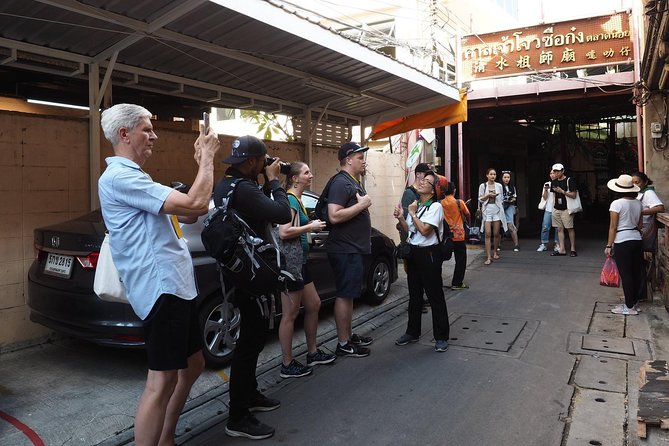
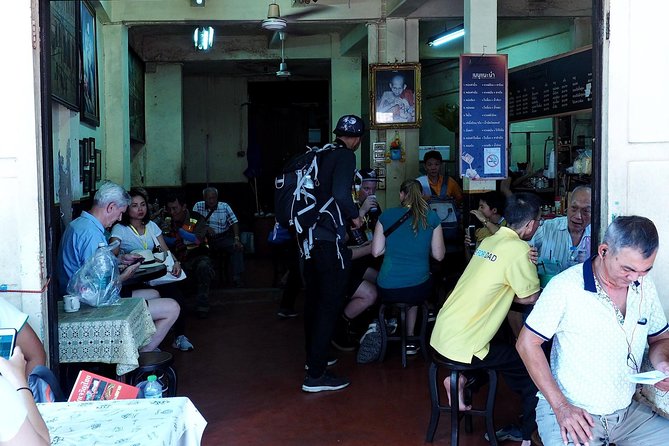
After the shrine, you head toward Talat Noi’s street life. This part is anchored by Talad Noi wall art and a coffee break at Earsae Coffee, described as a 94-year-old coffee shop.
The value of this stop is that it gives you a real sense of how the neighborhood is used day to day. Wall art can be just scenery elsewhere. Here, it’s positioned as part of Talat Noi’s cultural identity now—something locals keep living with, and not a theme park backdrop.
Why the coffee shop name matters: a 94-year-old place suggests continuity. Even as the neighborhood changes, there’s still something that has kept going—so the street art doesn’t feel like a random trend. It feels like part of a longer human rhythm: people landing, people settling, and then people building ordinary routines around the streets.
What to watch for:
- This is one of the shorter segments, so don’t expect long lingering
- You’ll likely get the best experience if you use this stop to slow down, look, and take notes on what you’re seeing rather than only photographing it




Stop 3: Talat Noi wall art as a cultural signal for younger locals
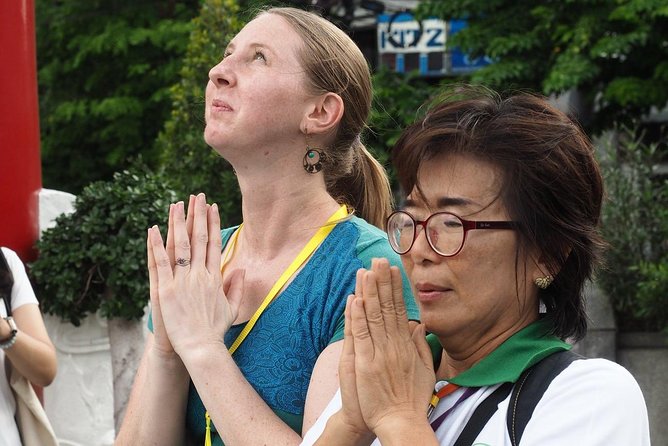
The tour then returns to Talad Noi wall art again, but in a different way: think more about the neighborhood’s feel than a single “wall.” This segment is about how Talat Noi functions as a cultural attraction today, while locals keep their forms of speech, food, and folk beliefs.
You’ll also hear how multiple immigrant communities shaped the area over time. Besides Chinese, the neighborhood includes Vietnamese and Khmer communities, and you can feel that layered identity in everyday life rather than in a single monument.
This part of the walk is described as including lanes and houses covered with graffiti that has become part of what makes Talat Noi popular with teenagers and hipsters. Even if you’re not chasing that scene, it’s still a useful clue: modern street art is acting like a neighborhood bulletin board—telling you what’s current while you’re standing on ground with much older roots.
Potential drawback to keep in mind: wall-art time can be photo-heavy. If you prefer quieter heritage stops, pace yourself here. Use the guidance to connect what you see to the neighborhood’s immigration timeline, Portuguese church legacy, and the continuing cultural mix. That way, the graffiti becomes context, not just decoration.
Stop 4: Holy Rosary Church (Wat Kalawa) and the Portuguese link from 1786
The final stop is Holy Rosary Church, also known as Kalawar Church and in Thai as Wat Kalawa. It’s a Roman Catholic church in the Samphanthawong District, located on the eastern bank of the Chao Phraya River.
This church is where the tour’s biggest historical thread lands: Portuguese influence. The Portuguese built a church in 1786, and that’s the origin point the tour highlights. Hearing that connects Talat Noi to a wider story of movement from Ayutthaya, when Portuguese settlers came in, stayed, and built something that lasted.
Why this church stop is more than a pretty landmark:
- It shows how faith from different communities coexisted in the same broader area
- It gives you a concrete timeline anchor (1786) in a neighborhood that otherwise can feel like it’s just “Chinatown”
- It ties back to the area’s role as a first port, where people arrived and communities formed
If you like your history hands-on, this is the kind of stop that gives your brain something solid to hold onto: a named site, a year, and a clear reason it’s here.
Price and value: is $78.73 a good deal?
At $78.73 per person for about 3 hours, you’re paying for three things that actually matter on a walking tour.
First, you get a guided structure around places that can otherwise blur together. Chinatown streets have a lot going on. A good guide helps you connect Kuan Yim devotion, Portuguese church history, and Talad Noi’s modern street-art identity without turning it into random sightseeing.
Second, entrance tickets are included for the stops. When you’re walking between cultural sites, that small detail adds up in convenience and reduces decision fatigue.
Third, the max group size of 8 keeps the tour from becoming a shuffle. You’re more likely to get answers and slower moments at each site—especially since one named guide, Kaew, gets praise for answering many questions and going above and beyond.
Here’s the bottom line: if you want a guided storyline that links the neighborhood’s immigration legacy to what you see in front of you, the price feels fair. If you only want to wander streets on your own, you could do parts independently. But the guided context is what makes this route more than a checklist.
Guide quality: why Kaew’s name keeps coming up
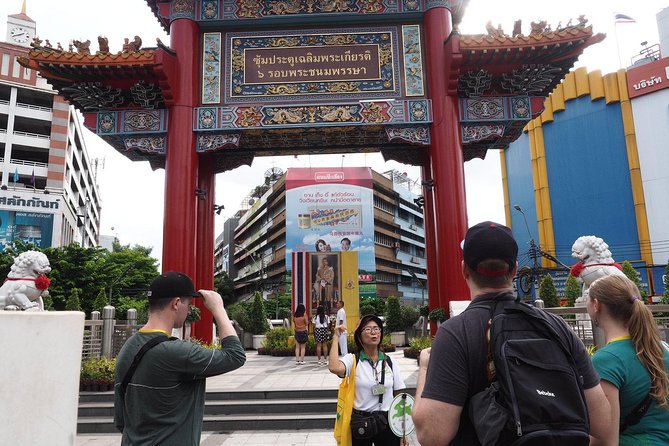
One of the most practical reasons to choose this tour is the Q&A style. In the feedback, a guide named Kaew is repeatedly singled out for being great and for answering lots of questions.
That matters more than people think. In a neighborhood with layered identities—Chinese worship sites, Portuguese-linked Catholic history, and modern graffiti culture—your curiosity will naturally spike. Having a guide who answers without brushing you off turns the walk into something you’ll remember, not just something you pass through.
Also, a small group makes this easier. With fewer people, questions are less likely to get lost, and you’re less likely to feel like you’re being rushed to the next corner.
Where this tour fits your trip best
This is a good fit if:
- You want Chinatown, but you want it with story and context, not just shopping streets
- You like short walking tours with clear landmark stops
- You’re interested in how multiple communities formed a neighborhood over time
- You enjoy a mix of faith sites and street culture
It may be less ideal if:
- You dislike walking and prefer long museum-style pacing
- You want a deeper, slower heritage format with extensive time inside exhibits (this is still a focused street-and-site route)
For timing, 3:00 pm is a solid choice because you’re not starting at dawn. It also lets you experience the neighborhood when everyday energy is present—though of course the exact street feel depends on the day.
Should you book this Talat Noi Chinatown tour?
Yes, I’d book it if you want a smart, story-led way to understand Talat Noi in a single afternoon window. The standout strengths are the Kuan Yim shrine with its 900-year-old statue, the way the walk connects Portuguese legacy to the Holy Rosary Church (Wat Kalawa), and the inclusion of Earsae Coffee plus Talad Noi wall art so you see both heritage and present-day neighborhood culture.
Skip it only if you already plan to spend most of your time on your own in Chinatown and you don’t care about guided explanations. Otherwise, for a small group route that keeps the history grounded in the places you’re standing in, it’s a strong value use of time.
FAQ
How long is the Bangkok Chinatown: Talat Noi tour?
It’s approximately 3 hours.
What does the tour cost?
The price is $78.73 per person.
What are the main stops on the tour?
You visit Kuan Yim Shrine (Thian Fa Foundation), Talad Noi wall art (including a stop near Earsae Coffee), and Holy Rosary Church (Kalawar Church / Wat Kalawa).
Are admission tickets included?
Yes. Admission tickets are included for the tour stops listed.
Is this tour a small group?
Yes. The maximum group size is 8 travelers.
Is free cancellation available?
Yes. You can cancel for a full refund up to 24 hours before the experience’s start time.
The Old Bangkok, Toured Properly






More Tour Reviews in Bangkok

Just In: Fresh Bangkok Reviews




Historical Tours, compared.
 ★ 4.6From Bangkok: Ayutthaya Historical Park Guided Day TripFrom $283,020 reviews
 ★ 4.5UNESCO’s Ayutthaya Historical Park: Full-Day Tour from BangkokFrom $281,559 reviews
 ★ 4.6From Bangkok: Historical Day Tour to River KwaiFrom $51868 reviews
 ★ 5.0Historical City of Ayutthaya – Unesco Full Day Tour From BangkokFrom $41847 reviews
 ★ 5.0Private Excursion to Floating Market and Ayutthaya World HeritageFrom $184515 reviews
 ★ 4.5From Bangkok: Ayutthaya Heritage Tour with Sunset Boat RideFrom $32490 reviews
 ★ 5.0Private Excursion to Ayutthaya, UNESCO World Heritage site with Boat TourFrom $159460 reviews
 ★ 4.5River Kwai Day Tour from Bangkok – History, Scenery & CultureFrom $97206 reviews
Browse the lists this tour appears in