
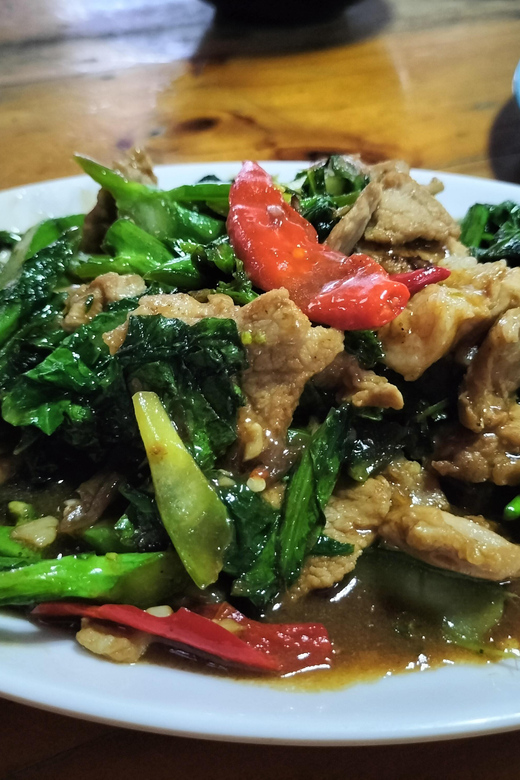
Review · FOOD & DRINK
Bangkok: Cook authentic Thai food with Smart Cook
Thai food class in Bangkok, minus the tourist trap.
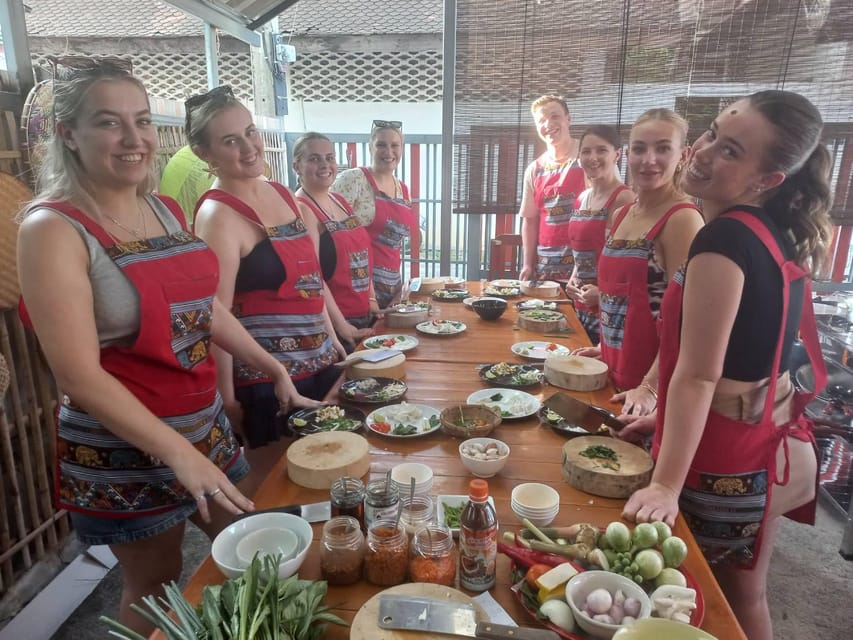
Bangkok Smart Cook is a hands-on cooking session set in a 100+ year old teak-wood home inside the old-city neighborhood near the Giant Swings. I like how you get to choose from several dish options instead of being stuck with one menu, and I also like that you learn the purpose behind ingredients, not just the steps. One thing to keep in mind: this is an active cooking class, and the kitchen setup includes both indoor and outdoor space, so comfortable clothes matter.
In This Review
- Key things that make this class worth your time
- A 100-year teak-wood home in Bangkok’s old-city area
- Where to meet and how to get there near the Giant Swings
- Getting started: herbs, spices, and choosing your dishes
- Spring rolls: your first hands-on win
- Stir-fry choice: fried rice, Pad Thai, or holy basil chicken
- Soup break: hot & sour or coconut comfort
- Curry paste class: green curry, Pha Naeng, or Kao Soi paste
- Cooking the curry: green curry, Pha Naeng, or Kao Soi with chicken
- Mango sticky rice: the sweet ending you’ll actually use
- The instructor makes the difference (and you’ll feel it while cooking)
- What you get after the class: PDF recipes you can follow at home
- Price and value: $41 for 210 minutes with real instruction
- Who this class fits best
- Quick practical tips before you go
- Should you book Bangkok Smart Cook?
Key things that make this class worth your time
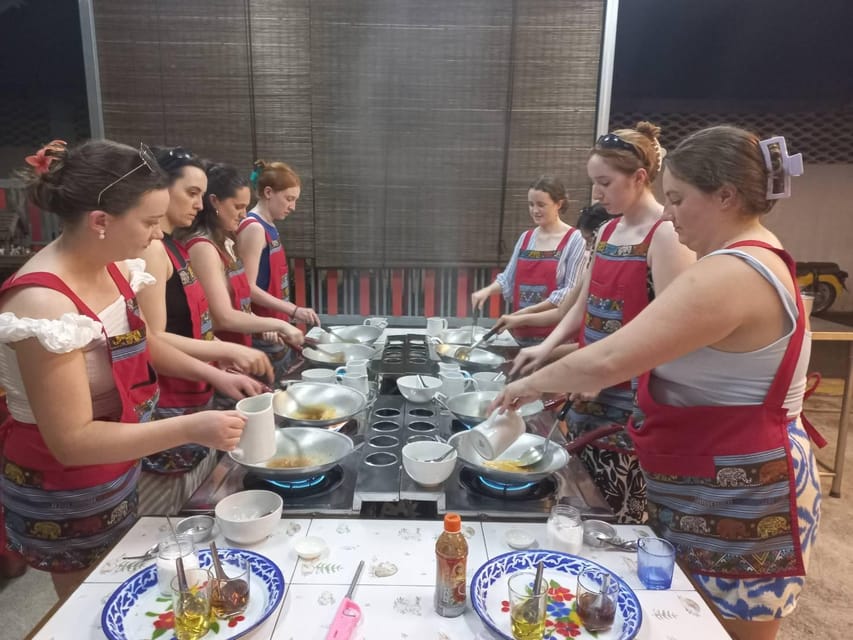
- Teak-wood, old-city setting: You’ll cook in a traditional home right in Bangkok’s historic area.
- Small group (up to 7): More hands-on coaching, not a classroom vibe.
- Pick your menu: Everyone does core dishes, then you choose from stir-fries, soups, and curries.
- Curry paste work: You’ll learn how Thai curry flavor starts, including green curry paste and options like Pha Naeng or Kao Soi paste.
- Sweet finish: You’ll make sticky rice with mango at the end.
A 100-year teak-wood home in Bangkok’s old-city area
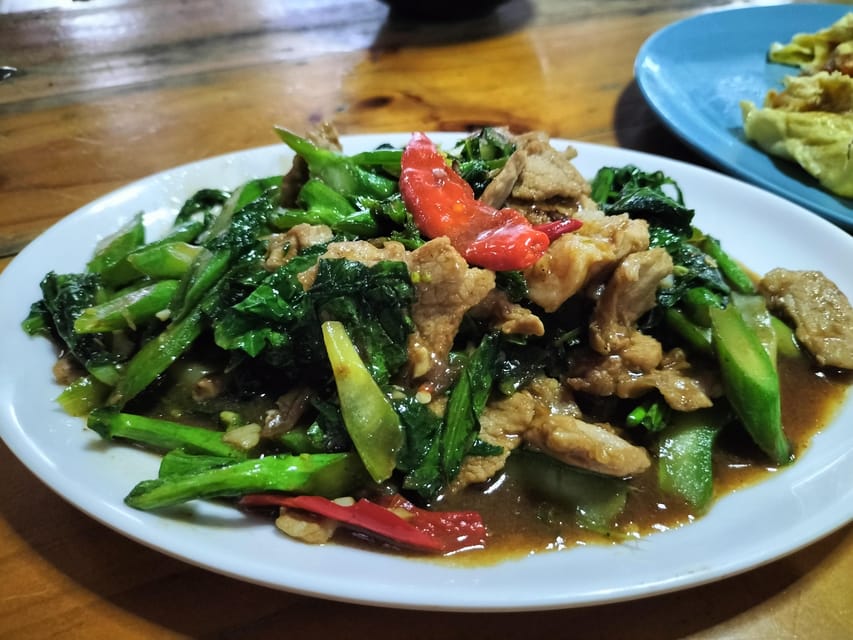
The setting is half the fun. This class happens in a real Thai family-style home made of old teak wood, over a hundred years old, tucked into a friendly community in Bangkok’s old city. If you’re the type of traveler who likes to slow down and watch daily life instead of sprinting between landmarks, this location fits that mood well.
You also get something practical out of the setting: you’re not cooking in a big anonymous studio. The home environment makes it easier to understand why Thai meals feel communal and casual, even when the cooking techniques are precise. Expect a kitchen setup that mixes indoor and outdoor space, which can be great for ventilation—but plan for the conditions.
More plates and glasses worth the trip
- Bangkok: White Orchid Chao Phraya Dinner Cruise free Beer
★ 4.4 · 4,573 reviews - Bangkok by Night: Temples, Markets and Food Tuk-Tuk Tour
★ 5.0 · 3,752 reviews - Bangkok: Backstreets Food Tour with 15+ Tastings
★ 4.9 · 2,880 reviews
Where to meet and how to get there near the Giant Swings
You’ll meet from the Giant Swings, then walk about 100 meters to Trok Turk Din alley. That’s close enough to be doable on foot, and it’s also handy because it keeps you oriented in the old-city area.
Why this matters: when cooking classes are stuck far from the places you’re already seeing, the timing can get annoying. Here, your meeting point anchors you in a known spot, and that reduces the stress of trying to match a van pickup at the last second.
After the class, you’ll be taken back to your hotel with a safe trip. That’s a real quality-of-life perk when you’ve been working near heat, oil, and spice for a few hours.
Getting started: herbs, spices, and choosing your dishes
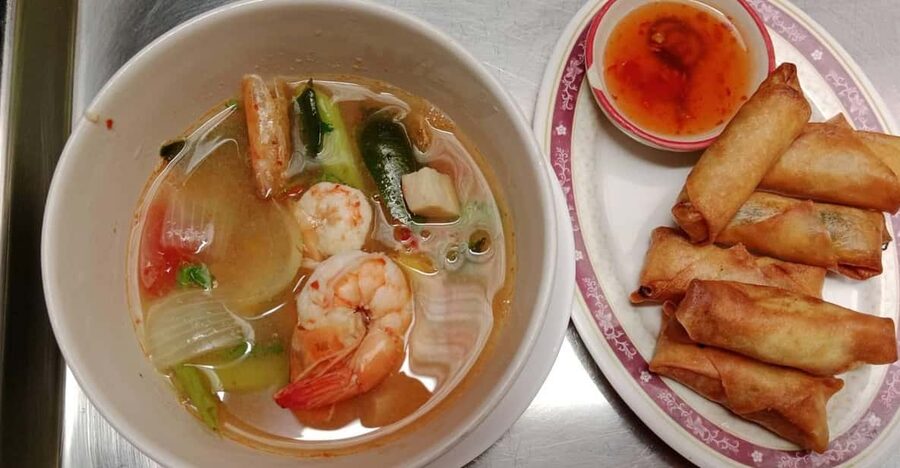
The teaching starts with ingredients—Thai herbs, spices, and the key components that make Thai food taste like Thai food. You don’t just get a list. You’ll be guided on how to use fresh vegetables and ingredients for a healthier Thai meal that still tastes bold and satisfying.
Then you choose what you want to cook. This is one of the best parts for me, because it means you can tailor the class to your cravings instead of paying for a fixed menu that might include flavors you don’t love. You’ll be working through a menu selection that covers:
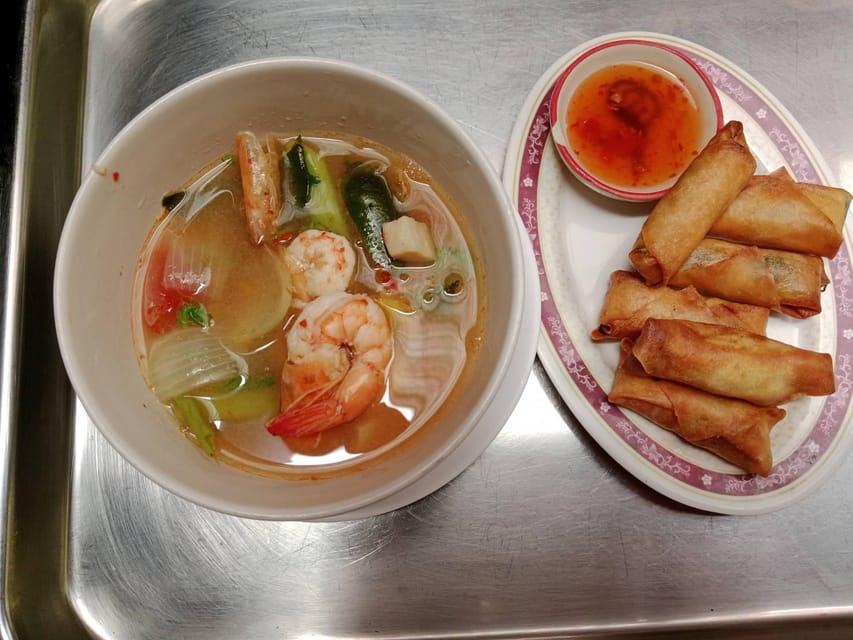
- Deep fried spring rolls (everyone does these)
- Stir-fried dishes (options include fried rice with chicken, Pad Thai, or fried chicken with holy basil)
- Soups (hot & sour prawn soup, chicken in coconut milk soup, or local hot & sour chicken soup)
- Curry paste (green curry paste, Pha Naeng, or Kao-soi curry paste)
- Curry with chicken (green curry, Pha Naeng, or Kao-soi)
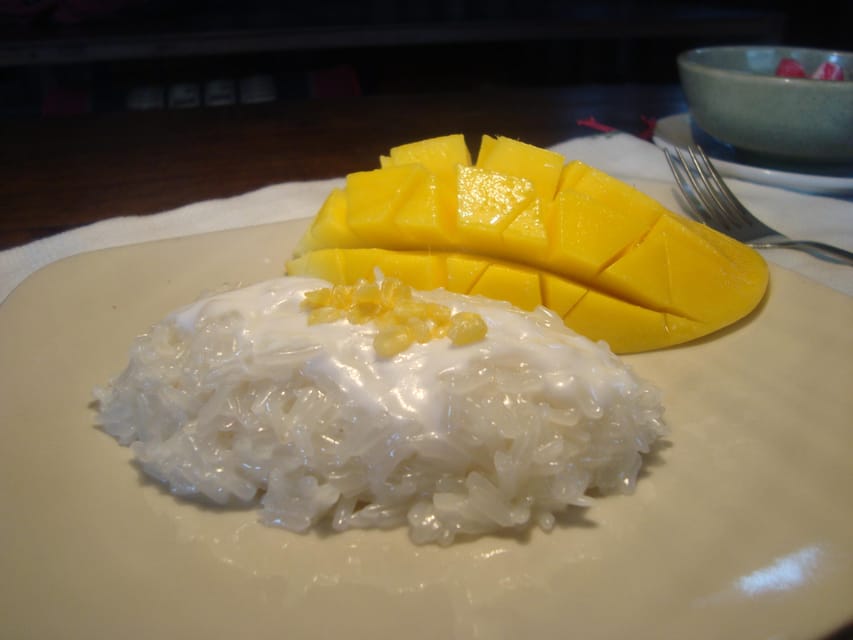
- Sticky rice with mango (everyone does this)
That choice structure is smart. You get the core Thai “wow” dishes baked into the experience, and then you steer the rest toward what you actually want to cook again at home.
Spring rolls: your first hands-on win
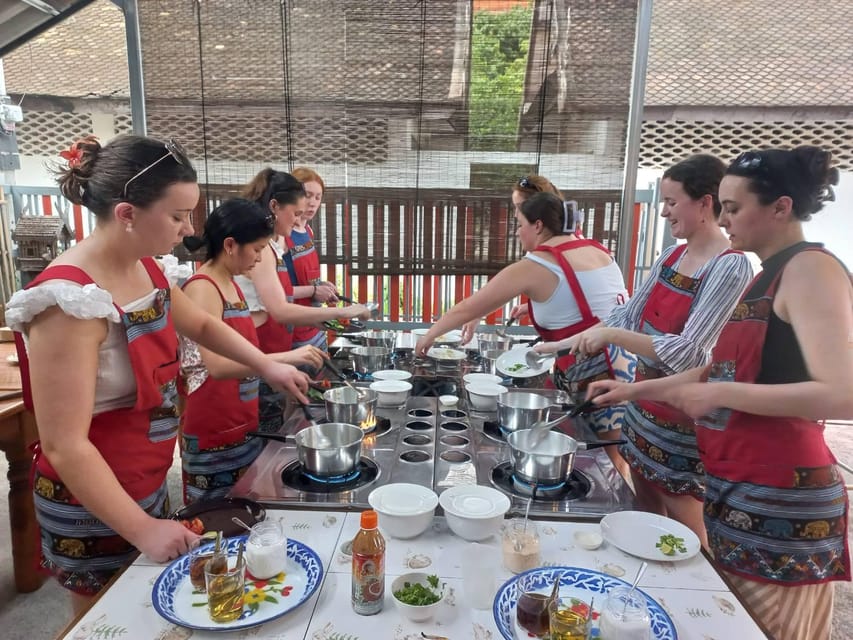
Everyone starts with deep fried spring rolls. Even if you’ve cooked before, spring rolls are one of those dishes where the details matter—rolling tension, filling balance, and frying timing all affect the final crunch.
What I like about starting here is momentum. You get an early tangible result, and you learn kitchen basics fast—how the station works, how to work safely around heat, and how to follow steps without feeling rushed. And if you care about texture as much as flavor, you’ll appreciate how much the frying technique drives that crispy outcome.
Worth putting side by side before you book this Bangkok tour:
Stir-fry choice: fried rice, Pad Thai, or holy basil chicken
After the spring rolls, you move into stir-fry options. You’ll choose between classics such as fried rice with chicken, Pad Thai, or fried chicken with holy basil.
Here’s the practical value: Thai stir-fries are where you learn the fast-food speed of Thai cooking—high heat, quick steps, and flavor building in stages. You’ll likely notice how the method affects the taste. For example, holy basil dishes rely on that sharp, aromatic punch, while Pad Thai balances sweet, salty, and tang in a way that makes it harder to fake at home.
This portion also gives you a real-world lesson: if you can nail your chosen stir-fry, you’ve basically unlocked a repeatable weekday meal for when you’re done traveling and need comfort food that isn’t boring.
Soup break: hot & sour or coconut comfort
Then you’ll cook soup options. The menu gives you a few directions:
- Hot & sour prawn soup
- Chicken in coconut milk soup
- Local hot & sour chicken soup
Soup is where Thai meals feel balanced. You’ll get a lesson in how Thai flavors manage contrast—heat against tang, richness against freshness. Even without naming every ingredient in advance, the class approach makes it clear that Thai soup isn’t one-note. It’s built to taste bright and complete.
This is also a good choice for anyone who wants variety without overloading on spice. Hot & sour dishes can be lively, while the coconut milk soup option offers a gentler, creamier route.
Curry paste class: green curry, Pha Naeng, or Kao Soi paste
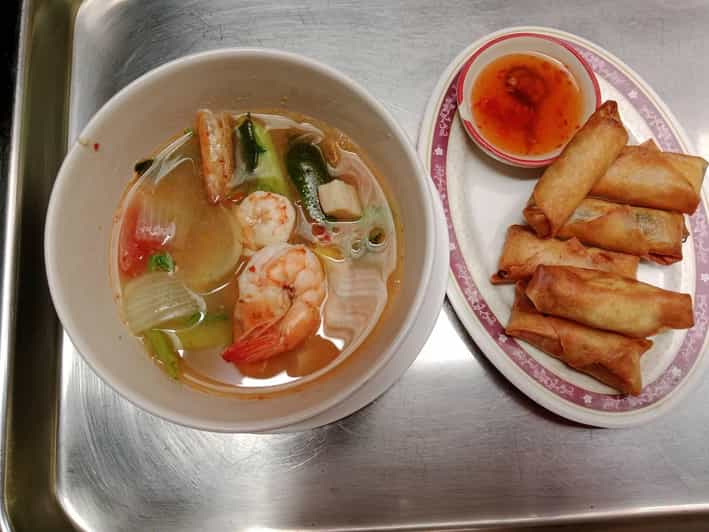
If Thai cooking has a “secret engine,” curry paste is it. In this class, you’ll make green curry paste and you can also choose options like Pha Naeng or Kao-soi curry paste, depending on your preference.
This is the point where you stop thinking of curry as just sauce, and start seeing it as a flavor system. The paste is the concentrated mix that carries fragrance, heat, and depth into the finished curry. Making paste yourself helps you understand why curry tastes different in different places and why fresh ingredients matter.
You’ll also get ingredient-focused teaching. The instructor will explain what you’re working with and how to use each herb or spice as you cook, then you’ll put that info directly into your food instead of leaving with vague memories.
Cooking the curry: green curry, Pha Naeng, or Kao Soi with chicken
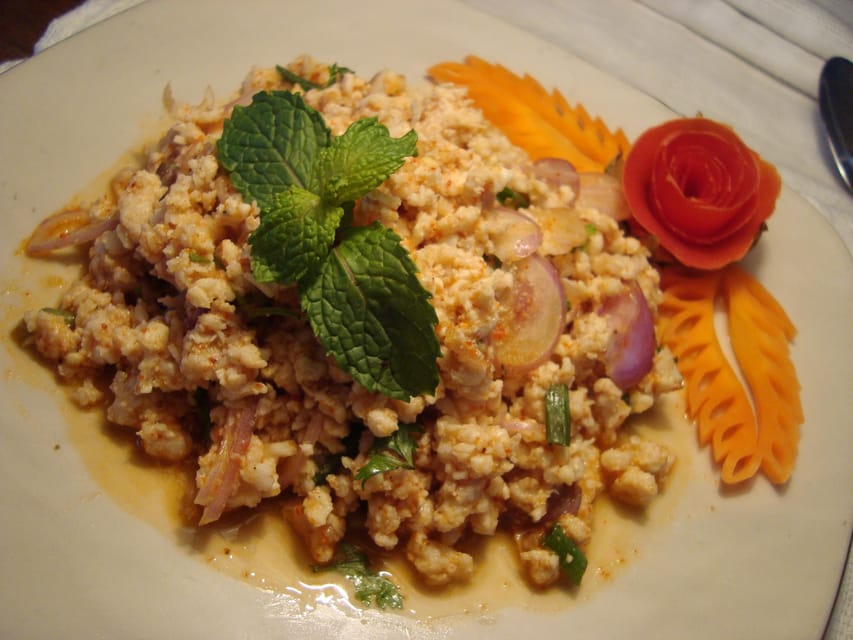
Once the paste is ready, you’ll cook the curry version you chose—green curry, Pha Naeng, or Kao-soi—using chicken as your protein. This step connects the dots between paste and final dish, so you can taste the difference between raw paste flavor and cooked curry flavor.
Why this step is so valuable: lots of cooking classes stop at one phase. Here, you see the transformation. You learn how the cooking process changes aroma and how the curry comes together into something cohesive.
You’ll then serve and eat your meal family-style, which helps the food feel like it belongs to a real Thai table, not just a cooking lab.
Mango sticky rice: the sweet ending you’ll actually use
Everyone finishes by making sweet sticky rice with mango. It’s one of those desserts that sounds simple, but it’s all about technique—how the sticky rice is handled and how the sweet elements balance.
This is also a smart final lesson for your home cooking. If you only take savory skills home, your Thai repertoire can feel lopsided. Mango sticky rice rounds things out and gives you a dessert option that feels special without needing fancy equipment.
And because you’re making it at the end, you’re not learning under pressure while your brain is already overloaded from spring rolls and curry work.
The instructor makes the difference (and you’ll feel it while cooking)
The course is taught in English. In recent class experiences, the instructor has been named Snow White, and the teaching style is patient and hands-on, with guidance you can follow step by step.
What I take from that setup is simple: this kind of class works when you can ask quick questions and get direction right away. With a small group limited to 7 participants, you’re more likely to get that kind of attention when something is unclear—like what texture you’re aiming for or how to adjust your approach mid-cook.
What you get after the class: PDF recipes you can follow at home
You’ll leave with a PDF version recipe book online. That matters because Thai cooking is often about feel and timing, and a written reference helps you reproduce results without guessing later.
You also get wrap-up time with Q&A before being returned to your hotel. That’s useful for two reasons: you can clarify what you didn’t fully get during the busy parts, and you can ask what substitutions work when you don’t have the exact same ingredients at home.
Price and value: $41 for 210 minutes with real instruction
At $41 per person for 210 minutes, this class is priced like a solid, hands-on workshop rather than a quick demo. Rough math puts it around a little over three hours, which is enough time to learn, cook, taste, and get feedback—especially with small group size.
The value also comes from what’s included: your cooking time in an old teak-wood home, the ingredient/technique teaching, and the dishes you choose (plus the shared core dishes). And since beer and alcohol aren’t included—and alcohol isn’t allowed during the class—you’re likely getting more focused instruction and a calmer kitchen atmosphere.
Who this class fits best
This tour is a great match if you want Thai food you can recreate, not just a plate you eat once. You’ll enjoy it most if you like cooking and you’re open to getting your hands involved with curry paste, stir-fries, and frying.
It also suits couples and solo travelers who want a guided way to explore Bangkok’s old-city neighborhood without navigating everything alone. With only up to 7 participants, it’s not “big group loud,” and that keeps the experience fun and manageable.
Not a fit if you’re bringing kids under 7. It’s also best for adults who can handle a working kitchen environment with heat and oil.
Quick practical tips before you go
Bring comfortable clothes. You’re cooking, standing, and moving around—especially in an indoor/outdoor setup. Wear something you don’t mind getting a little spice on.
Skip alcohol. Not only is it not included, but alcohol and drugs aren’t allowed, so plan to enjoy the flavors and water-based hydration during the class instead.
Also, expect to eat what you cook. If you’re picky about seafood, you can steer your soup choice away from prawn options by selecting the chicken hot & sour or chicken coconut soup.
Should you book Bangkok Smart Cook?
I think you should book if you want an authentic-feeling Thai cooking class in a real old-city home, with an English-speaking instructor and a menu that lets you choose your favorites. The biggest reason to do it is the combination of hands-on learning and recipe support afterward, including a PDF guide you can use at home.
Consider skipping or weighing alternatives if you dislike cooking tasks like deep frying or curry paste prep, or if you’re looking for a low-activity experience.
If you’re flexible, the class offers free cancellation up to 24 hours in advance and a reserve now & pay later option, which makes it easier to fit into your Bangkok schedule.
More Good Eating in Bangkok
Eat Your Way Round Bangkok
More Tour Reviews in Bangkok





Just In: Fresh Bangkok Reviews



Food & Drink, compared.
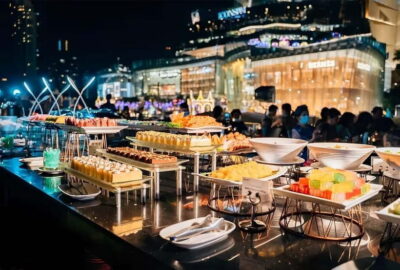 ★ 4.4White Orchid Chao Phraya Dinner Cruise free BeerFrom $354,573 reviews
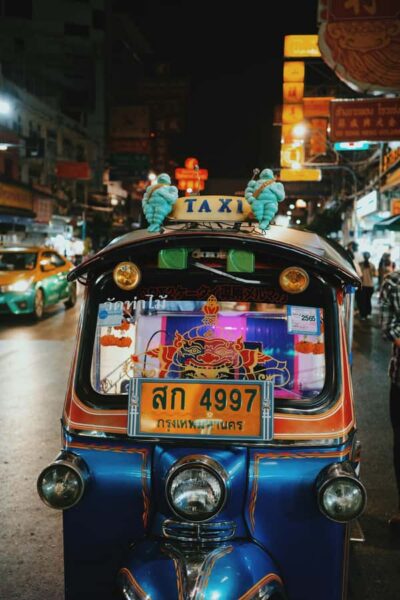
 ★ 5.0Bangkok by Night: Temples, Markets and Food Tuk-Tuk TourFrom $793,752 reviews
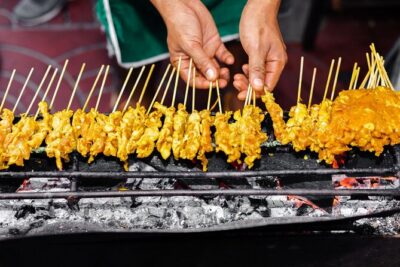 ★ 4.9Backstreets Food Tour with 15+ TastingsFrom $622,880 reviews
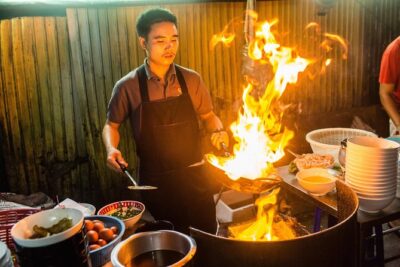 ★ 5.0Bangkok Midnight Food Tuk Tuk TourFrom $812,542 reviews
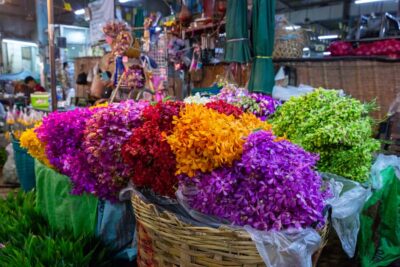 ★ 4.9Markets, Temples and Food Night Tour by Tuk TukFrom $772,371 reviews
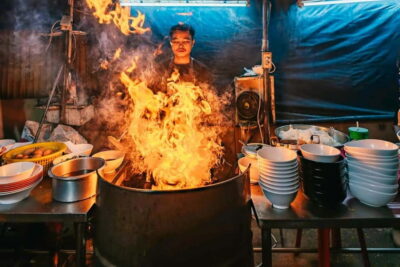 ★ 4.9Midnight Food Tour by Tuk-TukFrom $742,054 reviews
★ 5.0Bangkok Backstreets Food Tour with 15+ TastingsFrom $591,926 reviews
★ 4.9Midnight Food Tour by Tuk-TukFrom $742,054 reviews
★ 5.0Bangkok Backstreets Food Tour with 15+ TastingsFrom $591,926 reviews
 ★ 4.4Michelin Guide Street Food Tour by Tuk TukFrom $201,274 reviews
Browse the lists this tour appears in