
Review · BANGKOK FOOD & STREET EATS
Bangkok Backstreets Food Tour with 15+ Tastings
Bangkok street food hits different once you walk the back alleys. This tour is built for that moment: 15+ tastings, led by a guide team (one main guide plus an assistant), and focused on Chinatown/Yaowarat and the food history behind it. I like how the pace stays human, with short waits and meals timed so you’re not standing around hungry. The main drawback is simple: it’s not suitable for vegetarians, pescatarians, or people who avoid pork, and it’s risky for severe allergies because it’s street food.
Another big plus is the small size—8 travelers max, so you actually hear the explanations and ask questions. You’ll also get bottled water and a handheld-style setup with a mobile ticket. Come prepared to walk a lot on uneven sidewalks, and plan to bring your appetite, because this is not a light snack tour.
In This Review
- Key takeaways before you go
- Why Yaowarat street food beats a normal dinner
- Meeting at Shanghai Mansion and why the route is built for walking
- Stop 1: Chinatown/Yaowarat’s first wave of flavors
- Stop 2: the Chinese influence you can taste in every bite
- How the tour ends back at the Shanghai Mansion neon line
- 15+ tastings in 4 hours: how to pace yourself
- The guide-and-assistant team and the kind of explanations you’ll remember
- Food you should expect: curry, satay, noodles, and sweets that surprise you
- Who this is for: new to Bangkok, food-curious, and short on time
- Dietary limits and allergy risks: the part to take seriously
- Price and value: what $59 really buys you in Chinatown
- Practical tips: shoes, rain, water, and how to come hungry
- Should you book this Bangkok backstreets food tour?
- FAQ
- How long is the Bangkok Backstreets Food Tour with 15+ Tastings?
- Where does the tour start and end?
- How many food tastings are included?
- Is bottled water included?
- Is pick-up and drop-off from my hotel included?
- Are alcohol drinks included?
- Is the tour suitable for vegetarians, pescatarians, or people who avoid pork?
- What if I need to cancel?
Key takeaways before you go
- 15+ tastings across 8–9 stops so you’re not stuck eating the same thing twice
- Two staff members on the tour (a guide plus an assistant), which keeps food and seating moving
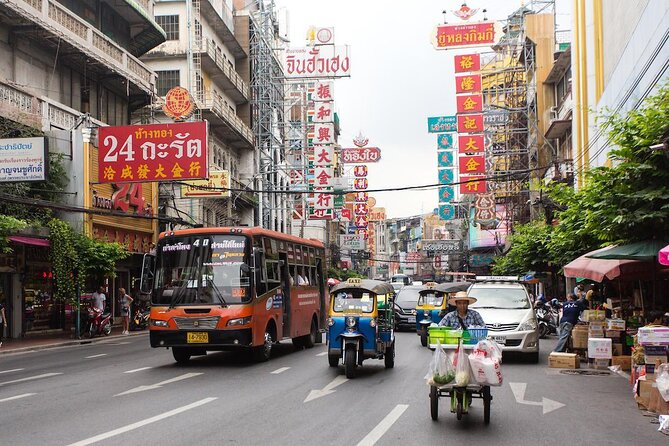
- Chinatown/Yaowarat on backstreets where tuk-tuks can’t reach
- At least two Michelin-listed street food venues included as part of the route
- Small group of 8 or fewer for a more personal pace and better Q&A
Why Yaowarat street food beats a normal dinner
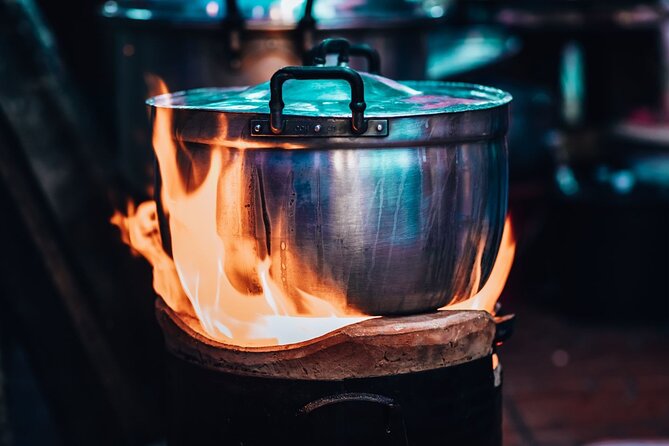
If you’ve only eaten Bangkok street food from a restaurant-like setup, this is the upgrade. Chinatown around Yaowarat is where Thai-Chinese flavors show up in daily life, not just on menus. The tour format matters: instead of chasing food solo, you get a route that strings together different tastes—soups, mains, grilled items, and sweets—so your palate keeps getting new surprises.
I also like that the tour doesn’t treat street food like a stunt. You learn why the dishes exist, and how Chinese influence shaped the Thai versions you recognize today (noodles to stir-fries, sauces, and stir-fry styles). That context makes the bites more memorable than just ordering the next plate.
Still hungry? More woks, stalls and night-market plates
- Bangkok: Backstreets Food Tour with 15+ Tastings
★ 4.9 · 2,880 reviews - Bangkok: Midnight Food Tour by Tuk-Tuk
★ 4.9 · 2,054 reviews - Bangkok Backstreets Food Tour with 15+ Tastings
★ 5.0 · 1,926 reviews
Meeting at Shanghai Mansion and why the route is built for walking
The tour starts at Shanghai Mansion Bangkok, on Yaowarat Road (479–481 Yaowarat Rd). It ends back at the same meeting point, so you’re not trying to figure out how to get across Chinatown at the end of a food marathon.
There’s no hotel pickup or drop-off, so you’ll want to plan your arrival to this area. The good news: it’s near public transportation, and the route focuses on backstreets where vehicles don’t help anyway. In practice, that means you should show up with comfortable shoes and a ready-to-walk mindset.
Stop 1: Chinatown/Yaowarat’s first wave of flavors
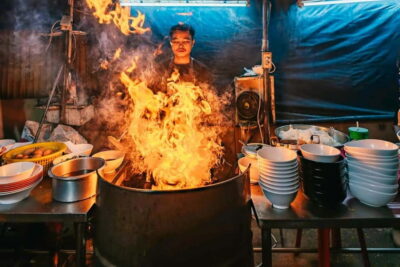
The first stretch is all about getting your taste buds calibrated for Chinatown. You start in the Yaowarat orbit, where the energy is obvious even before you eat: stalls, signs, steam, and the steady rhythm of people grabbing quick meals.
This early section usually sets the tone with street classics that Thailand does well—things like noodles and stir-fry-style comfort foods—plus richer bites that help you understand how Thai seasoning layers work. It’s a smart way to begin because it prevents the common mistake of eating something bland first and then feeling underwhelmed for the rest of the tour.
Practical tip: if you’re the type who eats slowly, tell yourself you’ll take a few seconds longer per stop. The tour is timed so the next place is ready, and when you linger, you still won’t fall behind—especially with the assistant helping the flow.
Stop 2: the Chinese influence you can taste in every bite
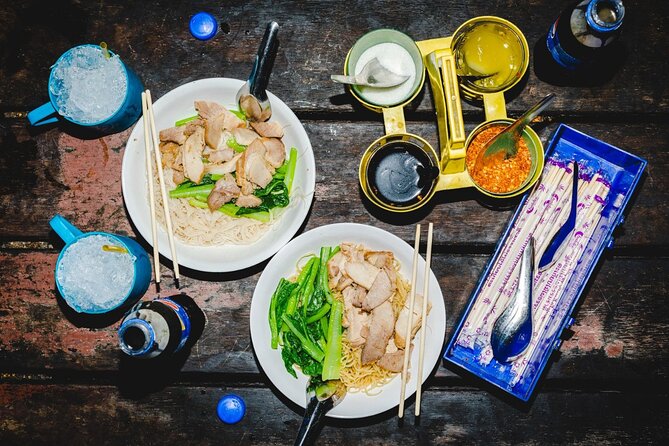
The middle of the tour is where the story clicks. Chinatown’s culinary influence is a big theme here, and you’ll feel it in how many dishes lean Chinese in technique or ingredients, then become unmistakably Thai in how they’re seasoned and served.
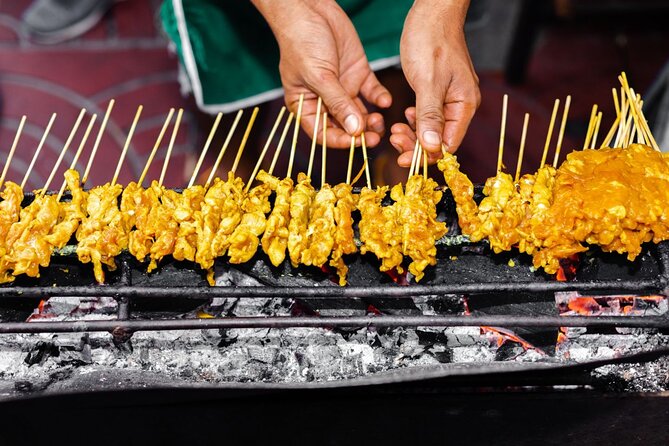
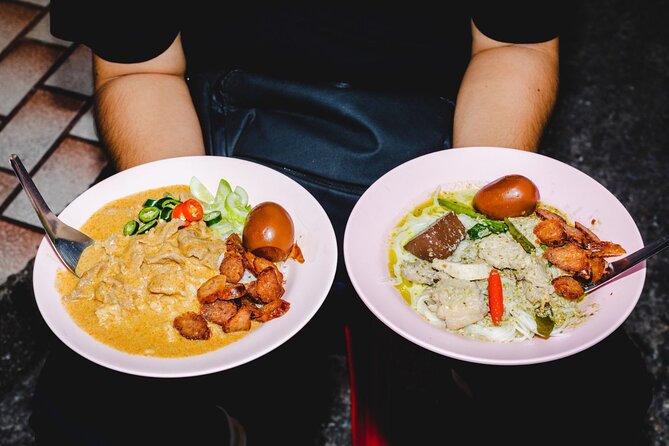
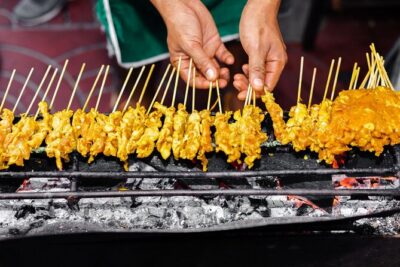
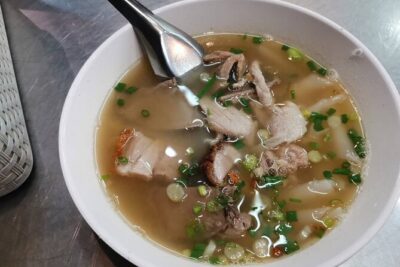
You’ll sample a mix that fits the tour’s promise: Thai curry, chicken satay, noodles, and more. That matters because Thai curry and satay aren’t just “more food.” They’re different flavor systems: curry brings depth and spice balance through paste and coconut-style richness, while satay leans smoky-sweet from grilling and peanut-adjacent flavors (even when peanut isn’t the star ingredient). Noodles, meanwhile, teach you how broth, texture, and sauce density shape satisfaction.
From what I’d expect on this route, you may also run into dishes that go beyond the usual tourist favorites—things like dumpling-style bites, morning glory-type vegetables, or odd-but-smart sweets. One highlight people talk about is soy sauce ice cream, which sounds strange until you realize it’s a salty-sweet dessert logic that street kitchens do well.
More plates and glasses worth the trip
How the tour ends back at the Shanghai Mansion neon line
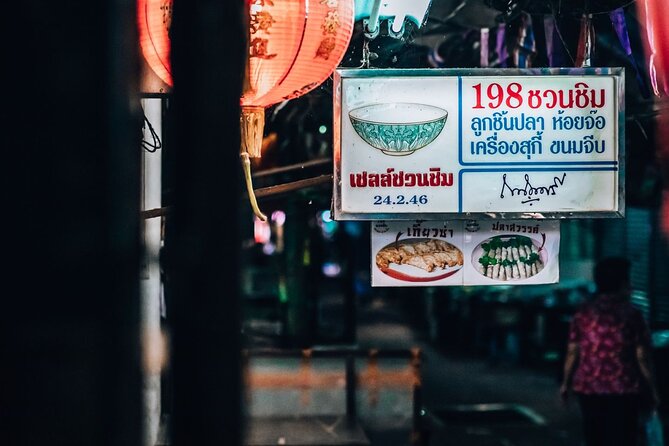
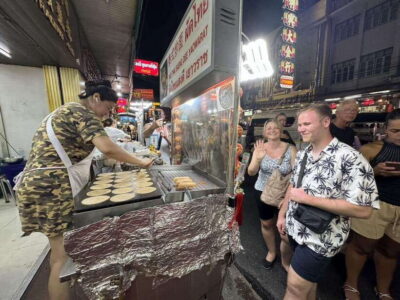
The tour wraps back near the Shanghai Mansion hotel along Yaowarat Road, which is a practical win. After four hours of walking and tasting, it’s nice not to be dropped somewhere confusing. You also get a final look at the area’s neon glow and the steady Chinatown pulse as you head out full and well-oriented.
This final section is less about one single “last dish” and more about landing the experience. If you’re taking photos, this is a better moment than the middle—less rushed, easier to frame signs and street life without your brain still stuck in decision mode.
15+ tastings in 4 hours: how to pace yourself
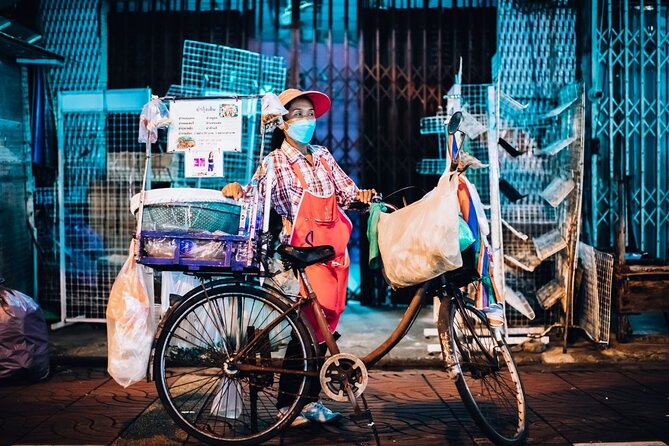
Let’s talk numbers, because they matter. At $59, this tour is built around quantity and variety: 15+ tastings across 8–9 stops. That’s not just marketing math. The real value is that each stop tends to represent a different category—something hot, something savory, sometimes something grilled, and often a sweet finish.
The pacing is also designed to keep things moving. Many food tours feel like a slow line of “next, wait, next.” Here, the setup includes one main guide and one assistant, and that pairing helps with timing. People repeatedly note that food is ready when you arrive, and that you don’t waste time hunting down seating.
My advice: show up hungry and skip breakfast if your schedule allows. With 15+ tastings, you’ll still be able to enjoy each one, but only if you don’t start the day already half-fed.
The guide-and-assistant team and the kind of explanations you’ll remember
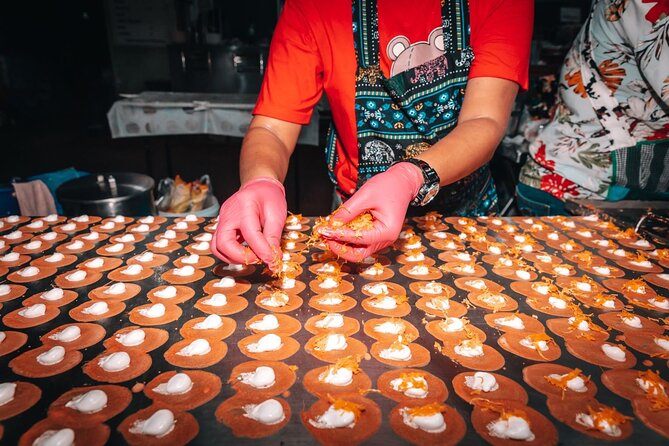
One thing I love about this setup is the human factor: the group stays small, and the tour team can actually pay attention to you. Guides on this route are known for connecting the food to culture and history, not just naming dishes. You’ll hear how ingredients and techniques travel—especially the Thai-Chinese mix that shapes Chinatown.
In the reviews data you provided, guide names show up again and again: Annie, Rach, Ant, Wan, Bew, Ploy, Noa, and Windy are just a few. A recurring theme is that the guides explain what you’re eating and why it works—sometimes even tying dishes to how they’re prepared and served.
That matters because street food can be intimidating. When you understand the role of a sauce, the difference between soup and stir-fry style noodles, or why a dish is built for sharing, you taste more layers. You also get better at judging what to order on your own later.
Food you should expect: curry, satay, noodles, and sweets that surprise you
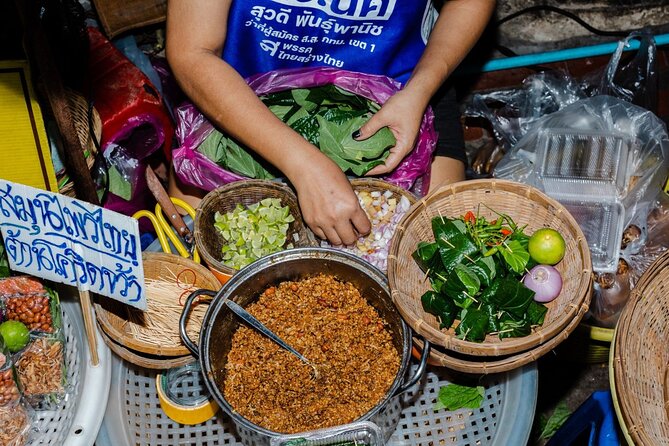
The tour’s core promise is clear: sample Thai curry, chicken satay, and noodles, plus additional street food stops. The exact menu can shift by day and vendor hours, but the overall structure stays consistent: variety across savory dishes, then a sweet closer.
Based on the dishes mentioned in the information you shared, you might see things like:
- curry-style bowls (green curry is specifically mentioned)
- grilled skewers like chicken satay
- dumpling-style bites (shrimp dumplings are mentioned)
- vegetable dishes such as morning glory
- dessert moments like mango sticky rice and soy sauce ice cream
Two quick reality checks:
1) You’re eating street food, so spice levels can vary by vendor and by day. If you’re sensitive, tell your guide early.
2) Alcohol is excluded, so don’t expect beer or cocktails to show up between tastings.
Who this is for: new to Bangkok, food-curious, and short on time
This is a strong choice if:
- you’re new to Bangkok and want a fast route into Chinatown food culture
- you like learning while you eat, not just stuffing your face
- you prefer small groups and personal explanations
- you want to find places you might not discover on your own backstreet walks
It’s also good if you like structure. Some food tours are chaotic. Here, the route includes multiple stops and a back-to-start ending, with timing that reduces long gaps.
Dietary limits and allergy risks: the part to take seriously
This tour comes with clear limits:
- It’s not suitable for vegetarians and pescatarians due to limited alternatives.
- It’s also not suitable for no-pork diets because of how street menus work.
- It’s not suitable for severe allergies (including shellfish and peanut) or for certain dietary medical needs like celiac disease. Street food means cross-contamination risk from shared utensils and crowded kitchens.
So if you fall into any of those categories, you’ll likely miss dishes—and that can reduce the value of a tasting-heavy tour. If your restrictions are mild, you might still be able to participate with some dishes skipped, but you should treat this as a talk-to-the-guide situation, not a guaranteed match.
Price and value: what $59 really buys you in Chinatown
At $59 per person for about 4 hours, the price is mostly about access and execution. You’re paying for:
- 15+ tastings (more than most food tours, according to your data)
- 2 staff members to keep the pacing tight
- a small group (8 max) so the guide can actually manage what you’re eating and explain it
- backstreet access where tuk-tuks can’t go
- and bottled water included
If you tried to copy this solo, you’d spend time figuring out which vendor is reliable, where to sit, and what to order together without overbuying. A guide does the sorting for you. The Michelin-listed street-food stops also raise the value because you’re not just eating famous-sounding dishes; you’re hitting specific vendor categories that have earned formal recognition.
In short: the money doesn’t just buy food. It buys a route, timing, and context.
Practical tips: shoes, rain, water, and how to come hungry
Here’s what I’d do to make the tour feel easy:
- Wear comfortable shoes. Sidewalks and crossings around Yaowarat aren’t always smooth.
- Bring rain gear/umbrella if rain looks likely. Street food doesn’t stop just because the sky gets dramatic.
- Come hungry. Multiple guides and assistants can keep the pace, but your stomach still needs to be ready.
- Plan for walking and standing. It’s a food tour, not a sit-down meal.
Also, since alcohol isn’t included, you can keep your night more flexible afterward.
Should you book this Bangkok backstreets food tour?
Yes, if you want an efficient, high-satisfaction way to eat your way through Chinatown/Yaowarat with a small group and clear explanations. It’s especially worth it when you’re short on time and you don’t want to gamble on which stalls to trust.
Skip it (or look for a different option) if you’re vegetarian/pescatarian/no-pork, or if you have severe allergies. With street food, risk and cross-contact are real, and the tour’s design doesn’t pretend those issues aren’t there.
If you do fit the dietary profile, this is the kind of tour that helps you “get” Bangkok faster—one curry bite, one satay stick, and one surprising dessert at a time.
FAQ
How long is the Bangkok Backstreets Food Tour with 15+ Tastings?
It runs for about 4 hours.
Where does the tour start and end?
It starts at Shanghai Mansion Bangkok (479, 481 Yaowarat Rd) and ends back at the same meeting point.
How many food tastings are included?
You’ll get 15+ tastings, with 8–9 stops on a moveable route.
Is bottled water included?
Yes, bottled water is included.
Is pick-up and drop-off from my hotel included?
No. Pick-up and drop-off are not included.
Are alcohol drinks included?
No. Alcoholic drinks are excluded.
Is the tour suitable for vegetarians, pescatarians, or people who avoid pork?
No. The tour isn’t suitable for vegetarians, pescatarians, or no pork diets due to limited options from street vendors.
What if I need to cancel?
You can cancel for a full refund up to 24 hours before the experience starts. If you cancel within 24 hours, you won’t get a refund. Free cancellation is available up to that cutoff.
More Tours in Bangkok

More Tour Reviews in Bangkok



Eat Bangkok: More Street Food
Just In: Fresh Bangkok Reviews


Bangkok Food & Street Eats, compared.
 ★ 4.9Backstreets Food Tour with 15+ TastingsFrom $622,880 reviews
 ★ 4.9Midnight Food Tour by Tuk-TukFrom $742,054 reviews
 ★ 4.4Michelin Guide Street Food Tour by Tuk TukFrom $201,274 reviews
 ★ 5.0Old Siam Bangkok Food Tour with 15+ TastingsFrom $59867 reviews
 ★ 4.9Bangkok Authentic Tasting Thai-Chinatown Walking Food TourFrom $43852 reviews
 ★ 4.3Tuk Tuk Adventure Chinatown Michelin Food & TemplesFrom $18725 reviews
 ★ 5.0Bangkok Tuk-Tuk Tour by Night with Chinatown Street Food MealFrom $40635 reviews
 ★ 4.9Must-Try Hidden Bike & Food ExperienceFrom $59613 reviews
Browse the lists this tour appears in