
Review · BANGKOK FOOD & STREET EATS
Bangkok Authentic Tasting Thai-Chinatown Walking Food Tour
Street food in Bangkok, with guardrails. I love that you get 10–12 tastings in just 3 hours, not random wandering, and you also get a focused walk through Chinatown streets. One big consideration: the tour is not set up for vegans/vegetarians, gluten intolerance, or halal diets, and many stops include pork with no replacement.
What really makes it work is the guide. In the feedback I’m basing this on, guides such as TK, Peak, Kwan, Aey, and Tina are repeatedly praised for keeping the group moving through tight lanes and busy stalls, while still explaining what you’re eating. That means you’re not just eating, you’re learning how Thai-Chinese street food fits together.
In This Review
- Key points before you go
- Why Chinatown Street Food Works Better With a Guide
- Meeting at I’m Chinatown Mall and Getting Oriented Fast
- The 3-Hour Food Walk: How the Flow Feels
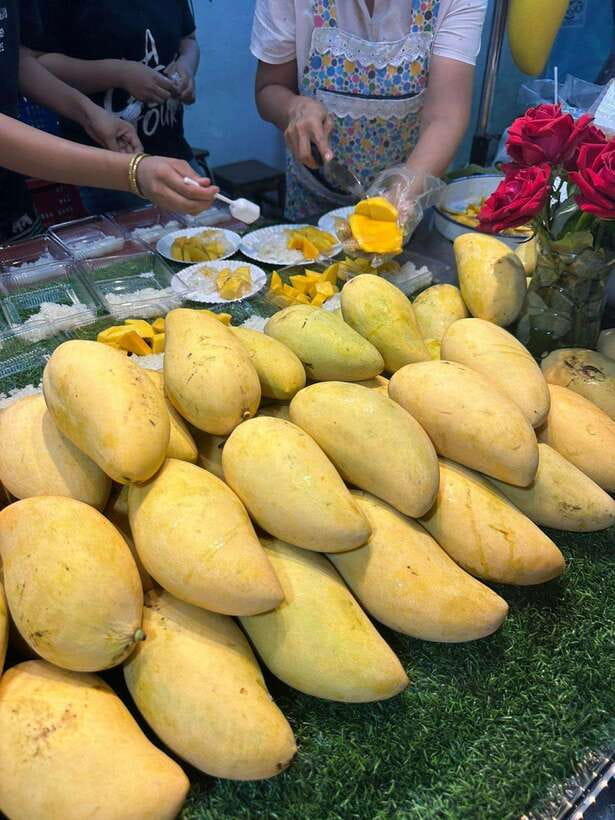
- What You’ll Likely Eat: Classics Plus Thai-Chinese Picks
- The Chinatown-Cuisine Connection You’ll Actually Notice
- Pork-Heavy Menu: The Dietary Reality Check (Read This First)
- Guides, Crowd Control, and Why You Sit Where You Should
- Price and Value: What $43 Really Buys You
- Pace, Comfort, and What to Bring So You Don’t Suffer
- Who Should Book This Tour (and Who Should Skip)
- Should You Book This Bangkok Chinatown Food Tour?
- FAQ
- How long is the Bangkok Authentic Tasting Thai-Chinatown Walking Food Tour?
- How much does it cost?
- How many foods will I try?
- Is the tour vegetarian, vegan, gluten-free, or halal-friendly?
- What about pescetarian diets or seafood?
- Where do I meet the guide?
- What languages are the guides?
- Is pickup and drop-off included?
Key points before you go
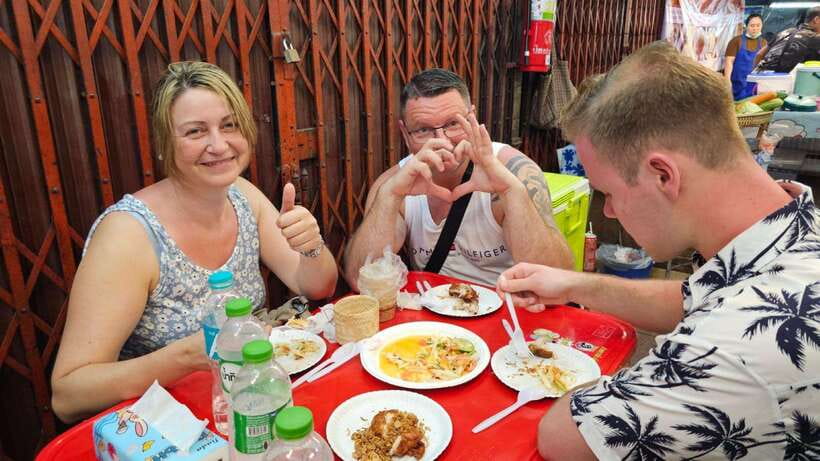
- 10–12 dishes in 3 hours means you’ll leave full, not hungry and confused
- Michelin Guide food tasting is included, so it’s not only bargain-stall hunting
- Chinatown at walking pace: you learn the neighborhood while you eat your way through it
- English, Thai, German, Spanish options with an expert guide in charge
- Bring cash and rain gear; you’ll be moving outdoors and ordering small bites
- Diet reality check: pork-heavy menu, no vegan/vegetarian/gluten-free/halal support
Why Chinatown Street Food Works Better With a Guide
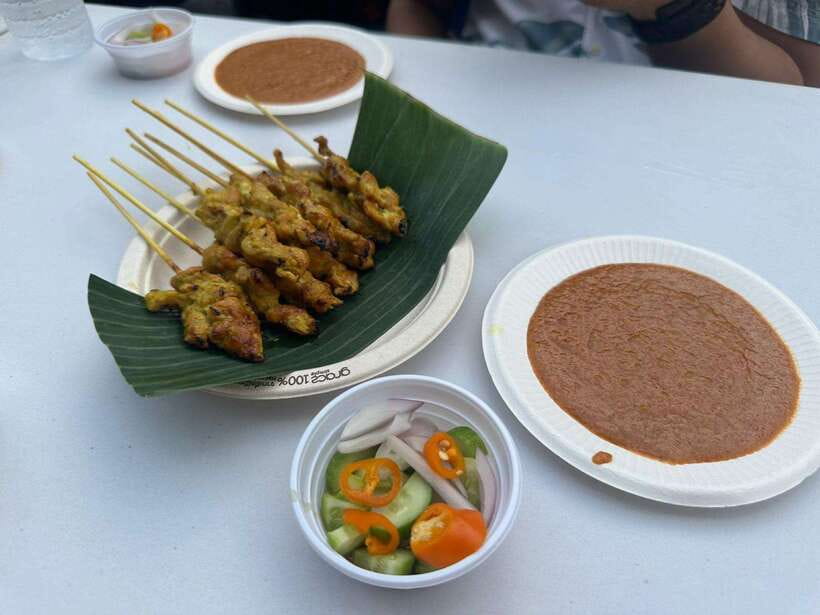
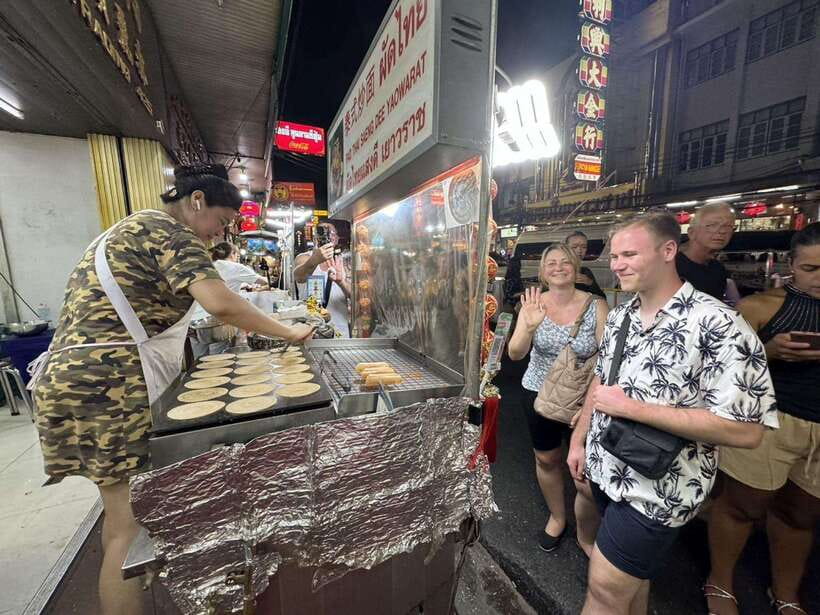
Chinatown is fun, but it can also be chaos. Streets are narrow, food smells hit you from every direction, and menus are often more like chaos in print form. A guide turns that noise into a plan.
The best part is the stop selection. This tour is built around Thai street favorites, plus stops that count as serious eats—there’s a Michelin Guide food tasting component included. You’re paying for speed, trust, and context: you don’t just get food, you get a reason to order it and what to pay attention to.
And you get something you can’t easily replicate on your own: someone who knows where to walk, where to stand, and how to get a spot at crowded places. Several guides named in the provided info are described as arranging seating or handling tables in busy spots, which is huge when you’re trying to eat street food without turning it into a frustrating queue-fest.
Still hungry? More woks, stalls and night-market plates
- Bangkok: Backstreets Food Tour with 15+ Tastings
★ 4.9 · 2,880 reviews - Bangkok: Midnight Food Tour by Tuk-Tuk
★ 4.9 · 2,054 reviews - Bangkok Backstreets Food Tour with 15+ Tastings
★ 5.0 · 1,926 reviews
Meeting at I’m Chinatown Mall and Getting Oriented Fast
You’ll meet in front of I’m Chinatown Mall, underneath the Golden Dragon. After you book, you’ll get a guide photo so you can spot them easily.
This matters more than it sounds. Chinatown’s lanes can look similar from the outside. A clear meeting point means you start the tour with momentum instead of spending your “food time” finding your group.
Also, go in with the right prep mindset. The tour strongly implies you should come ready to eat a lot, and the included snacks and water back that up. Comfortable shoes are not optional here—3 hours of walking in tight spots adds up fast.
The 3-Hour Food Walk: How the Flow Feels
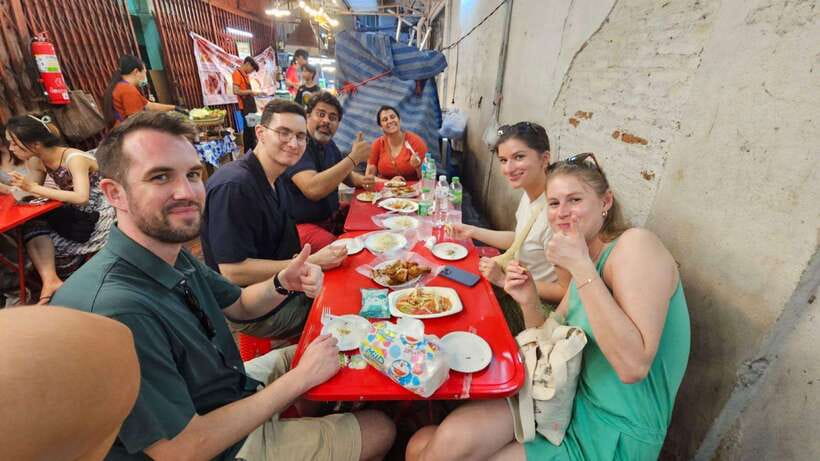
The format is simple: you start near the mall, walk through Chinatown, stop at multiple food vendors, then circle back to the same meeting area.
Most of the time on a walking tour like this is spent on two things:
1) keeping the pace steady in a crowded area, and
2) making sure you’re fed on a predictable schedule.
The provided info also suggests some flexibility. For example, one guide style mentioned is stopping for additional food when you show interest. That’s a nice touch if you love exploring but still want structure.
The typical tour experience is also “small bite, then walk.” You’ll eat enough that you’re satisfied, but the pacing is designed so you don’t feel stuck at one stall for the entire 3 hours. If you’re the type who likes food at a comfortable rhythm (not rushed, not dragged), this setup tends to fit well.
What You’ll Likely Eat: Classics Plus Thai-Chinese Picks
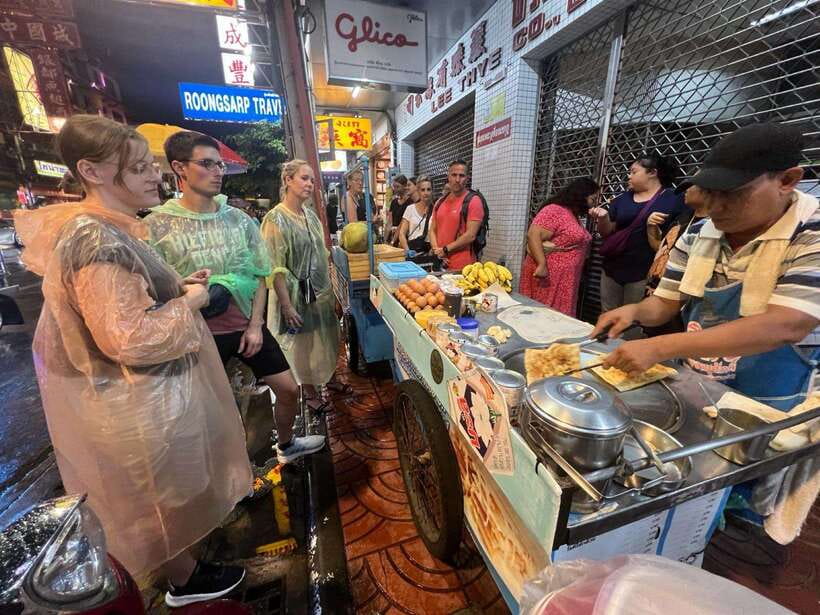
You’re looking at 10–12 foods over the walk, with a mix of famous Thai dishes and Chinatown-style staples. The info you provided names examples like Pad Thai and Som Tam—and those are great anchors because they help you recognize the flavor logic of Thai street cooking fast.
From the additional dish examples given, you should expect some stops to feature:
- Green papaya salad (one stop even includes a hands-on moment for at least some groups)
- Thai chicken green curry
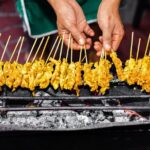
- Thai sausages
- A dessert at the end in at least some runs
That range is smart. Street food can easily turn into one-note eating—sweet sauce here, fried crunch there. This tour’s dish mix is meant to cover different textures and flavor directions: sour, spicy, savory, herbal, and sweet.
One practical tip: ask your guide about spice levels. The provided reviews mention spice levels available, and that’s exactly the kind of help that makes street food more fun instead of risky. You can still try the dish while keeping it enjoyable.
Deeper into Yaowarat after dark
The Chinatown-Cuisine Connection You’ll Actually Notice
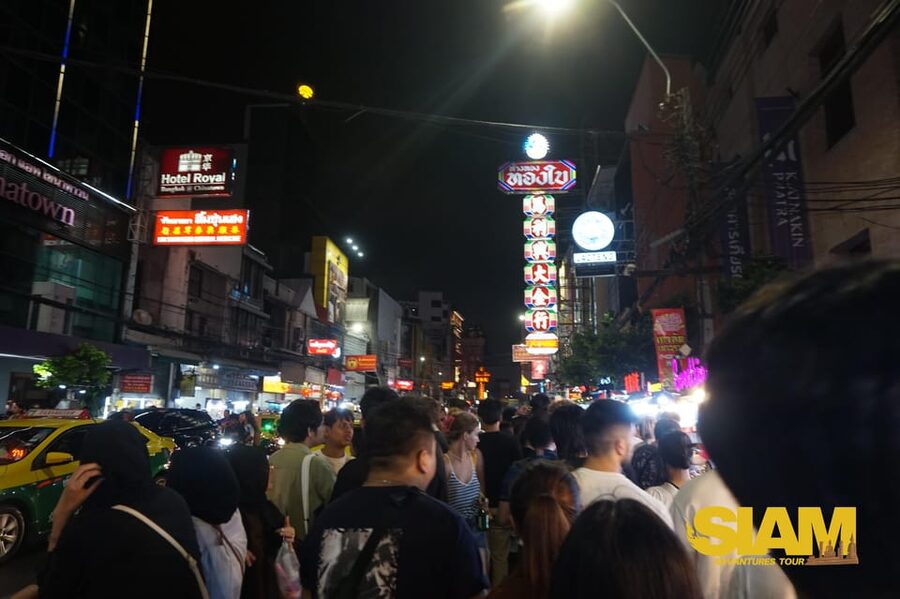
This isn’t just about eating Thai food in Chinatown. It’s about noticing the Thai-Chinese overlap that shows up in ingredients, cooking styles, and market culture.
That shows up in the kinds of foods included and the way guides explain what you’re tasting. In the provided info, guides like Peak are described as sharing the Thai/Chinese crossover, and others are described as mixing food with neighborhood context. You’ll get a better sense of why certain dishes feel familiar even when you’re eating in Thailand.
If you’re the kind of person who usually eats first and asks questions later, this tour nudges you toward asking questions at the right time. You’ll start to recognize patterns—like how sour and salty balance in salads, or how curries build flavor with aromatic bases before you ever taste “heat.”
Pork-Heavy Menu: The Dietary Reality Check (Read This First)
Here’s the big one. The tour information is very clear: most vendors include pork and there’s no replacement. It also states:
- No vegetarian options
- No gluten-free options
- No vegan options
- No pescetarian support (fish/seafood isn’t guaranteed at all vendors)
- No halal food options
If any of those apply to you, you’ll want a different plan—this tour doesn’t sound like a flexible menu day.
If your restriction is more about taste preference than strict dietary needs, you might still make it work by choosing milder items with your guide’s help. But with pork and gluten clearly called out, don’t count on swap-friendly stops.
If you have dietary needs and still want a Chinatown food experience, the info you provided recommends a private tour for customization. That’s the only route here that has a realistic chance of matching your requirements, because the standard group flow is built around a set dish lineup.
Guides, Crowd Control, and Why You Sit Where You Should
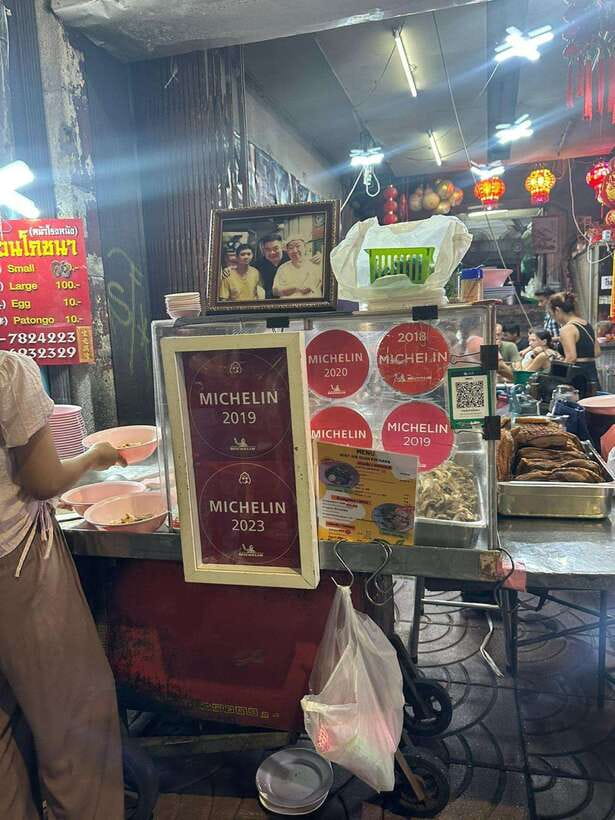
One reason this tour is rated so high is how smoothly the eating parts happen. Chinatown is crowded, and street food can mean:
- hard-to-find stalls,
- awkward ordering,
- and standing around while everyone else eats.
In the supplied information, guides are praised for navigating busy areas well, answering lots of dish questions, and keeping plates full. Some specific guide behaviors mentioned include:
- being organized so you don’t feel lost in the crowd
- keeping you moving without making it feel like a sprint
- helping pick flavor preferences (including spice level)
- sometimes finding extra items when you show interest
- arranging seats at otherwise busy places
That combination is what turns a “food crawl” into a real experience. It also makes it easier to enjoy the neighborhood rather than spending the whole time scanning menus.
One small caution from the provided feedback: at least one guide was described as quiet spoken, which can make it harder if you’re in a noisy crowd. If you’re sensitive to that, pick a time when you can stay closer to the guide and don’t hesitate to ask them to repeat.
Price and Value: What $43 Really Buys You
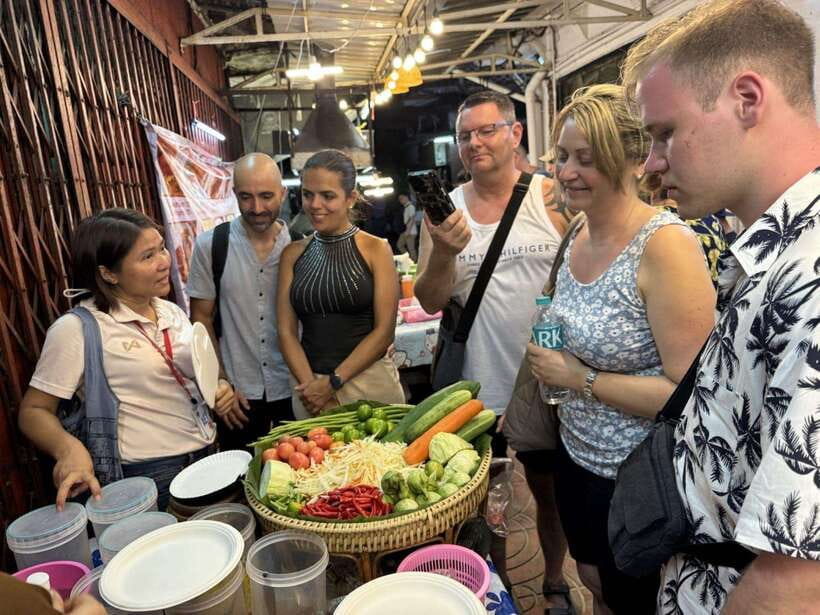
At $43 per person for 3 hours, the price is doing a lot of work. In Thailand, you can buy street food for less than that on your own. So why does this cost more?
Because you’re buying three things:
1) Coordination: getting from stall to stall efficiently in Chinatown
2) Selection: a planned lineup of 10–12 foods, including a Michelin Guide food tasting element
3) Confidence: a local guide who knows which places are worth your time and how to order
And the included extras help the math: bottled water and refreshments are part of the package, and the tour is structured so you’re not spending the whole time figuring out what to eat next.
If your goal is maximum eating for your limited time in Bangkok—and you want it to feel safe, organized, and well explained—this price often feels fair.
Pace, Comfort, and What to Bring So You Don’t Suffer
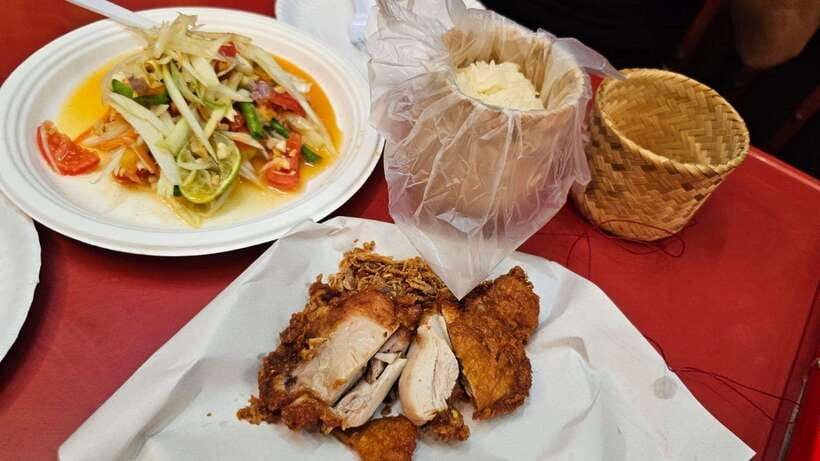
This tour is built for comfortable walking. That means you should pack like you’re heading out on a city food mission:
- Comfortable shoes
- Umbrella and rain gear (Bangkok weather happens)
- Camera
- Cash for situations where vendors ask for it
- A relaxed attitude: you’ll be in a crowd
You’re also not allowed to bring pets or oversize luggage, and baby strollers and large bags are not the move. If you’re traveling light, this fits easily into a normal day.
Also plan for: no alcohol is included. You’re there for tastings, not cocktails. The tour supplies water and refreshments, which is exactly what you want on a walking food route.
Who Should Book This Tour (and Who Should Skip)
This tour is a great fit if you:
- want a simple, guided way to eat across Chinatown without planning stalls yourself
- love Thai street food and want to try 10–12 dishes in one evening
- like learning what you’re eating as you go
- are okay with pork being part of many stops
You should skip it if you need:
- vegetarian or vegan food
- gluten-free food
- halal options
- pescetarian support with consistent seafood availability
- no pork
It also isn’t suitable for wheelchair users based on the provided info.
If you fall outside the standard menu needs but still want the same concept, consider a private tour. The info explicitly recommends privacy for customization when food restrictions are involved.
Should You Book This Bangkok Chinatown Food Tour?
I’d book this if you want a strong Bangkok Chinatown evening with real street food energy, guided direction, and a plan that ends with you feeling full and informed. The guide-led structure, the 10–12 tastings, and the inclusion of a Michelin Guide food tasting make it feel like more than just eating random bites.
I would not book it if dietary needs are non-negotiable. The pork-heavy setup with no replacement, plus the clear lack of vegan/vegetarian/gluten-free/halal support, is the deal-breaker.
If you’re in the right food lane, though, this is an excellent “one-night” way to understand Chinatown through taste—especially if you like your Bangkok experience active, flavorful, and not overly complicated.
FAQ
How long is the Bangkok Authentic Tasting Thai-Chinatown Walking Food Tour?
It lasts 3 hours.
How much does it cost?
The price is $43 per person.
How many foods will I try?
You’ll try 10–12 foods on the tour.
Is the tour vegetarian, vegan, gluten-free, or halal-friendly?
No. The tour information says it won’t suit vegans, vegetarians, people with gluten intolerance, and it also states no halal food options. It also notes most vendors contain pork with no replacement.
What about pescetarian diets or seafood?
Pescetarian support isn’t guaranteed. The info states there are no pescetarian options and that not all vendors can provide fish/seafood.
Where do I meet the guide?
You meet in front of I’m Chinatown Mall, underneath Golden Dragon.
What languages are the guides?
Guides are listed as speaking English, Thai, German, and Spanish.
Is pickup and drop-off included?
No. Hotel pickup and drop-off isn’t included.
(If you want, tell me your dietary needs and travel dates/time of day, and I’ll help you decide whether this exact tour fits or whether a private version is the safer bet.)
More Tour Reviews in Bangkok



Deeper Into Yaowarat
Eat Bangkok: More Street Food
Just In: Fresh Bangkok Reviews


Bangkok Food & Street Eats, compared.
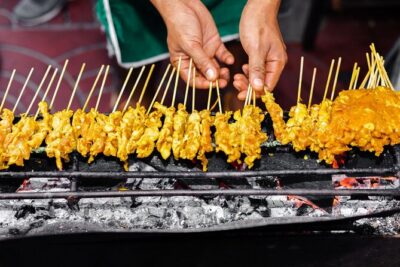 ★ 4.9Backstreets Food Tour with 15+ TastingsFrom $622,880 reviews
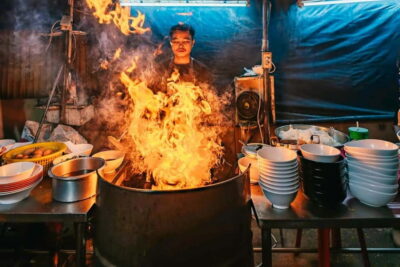 ★ 4.9Midnight Food Tour by Tuk-TukFrom $742,054 reviews
★ 5.0Bangkok Backstreets Food Tour with 15+ TastingsFrom $591,926 reviews
★ 4.9Midnight Food Tour by Tuk-TukFrom $742,054 reviews
★ 5.0Bangkok Backstreets Food Tour with 15+ TastingsFrom $591,926 reviews
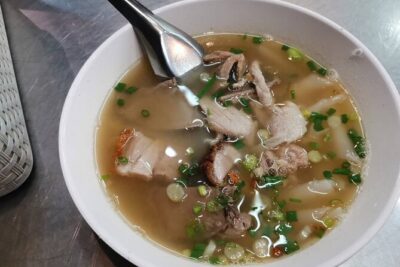 ★ 4.4Michelin Guide Street Food Tour by Tuk TukFrom $201,274 reviews
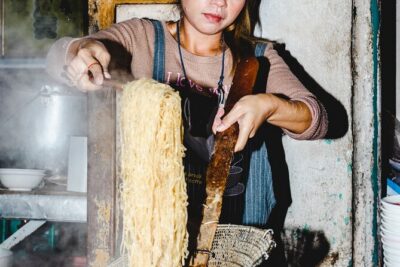 ★ 5.0Old Siam Bangkok Food Tour with 15+ TastingsFrom $59867 reviews
 ★ 4.3Tuk Tuk Adventure Chinatown Michelin Food & TemplesFrom $18725 reviews
 ★ 5.0Bangkok Tuk-Tuk Tour by Night with Chinatown Street Food MealFrom $40635 reviews
 ★ 4.9Must-Try Hidden Bike & Food ExperienceFrom $59613 reviews
Browse the lists this tour appears in