
Review · KANCHANABURI & RIVER KWAI
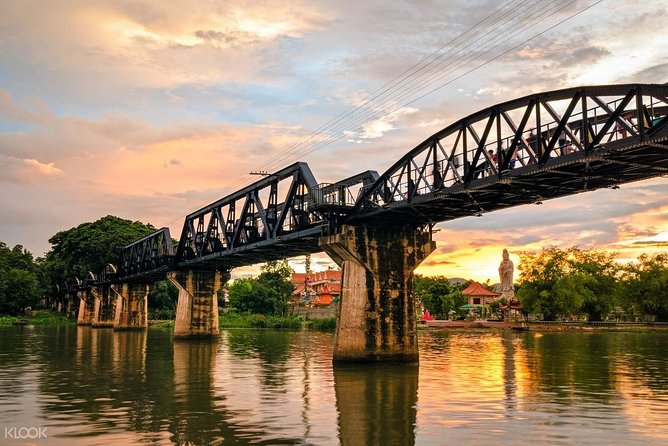
Bangkok: Bridge on the River Kwai and Thailand-Burma Railway Tour
A train ride, and the past won’t let go. This day trip pairs a long-tailed speedboat with a real train crossing over the Thailand–Burma Railway, then closes with the Kanchanaburi War Cemetery and JEATH War Museum. I love how the logistics are handled (pickup, lunch, and timing all lined up) and how the story is explained by a Thai guide. The main drawback: it’s a long 11-hour day, and the drive back to Bangkok can feel extra heavy.
You’re not just checking off a famous bridge. You’re seeing how the river, jungle, and railway connect to the WWII POW story—up close, not from a brochure. The group stays small (up to 15), which makes it easier to ask questions and hear the guide’s explanations clearly.
One detail to plan for: at the train station, there’s an extra payment of about THB 300 per person for a guaranteed seat, plus tea/coffee, water, a cold towel, and a certificate. If you’re picturing everything as fully included with no surprises, this is the one thing you’ll want to mentally budget for.
In This Review
- Key things I’d highlight before you go
- How this Bangkok-to-Kanchanaburi trip stays meaningful
- The day’s rhythm: leaving Bangkok early and coming back late
- River Kwai Bridge: what to notice on the crossing
- Long-tailed speedboat time on the Kwai: views with a purpose
- Lunch in Kanchanaburi: plan for a buffet, not a gourmet meal
- Riding the train across the Death Railway: seats, timing, and views
- JEATH War Museum and Kanchanaburi War Cemetery: remembrance with context
- Kanchanaburi War Cemetery
- JEATH War Museum
- Guides and group size: why small matters on heavy topics
- Value check: is the $99.40 price fair?
- What to pack and how to make the day easier
- Who this tour is best for (and who might rethink it)
- Should you book the Bangkok: Bridge on the River Kwai and Thailand–Burma Railway Tour?
- FAQ
- What time does the tour start, and how long does it take?
- What’s included in the tour price?
- Do I need to pay extra for train seating?
- Is lunch included, and what kind is it?
- Is the long-tailed boat ride accessible for everyone?
- How big is the group?
Key things I’d highlight before you go
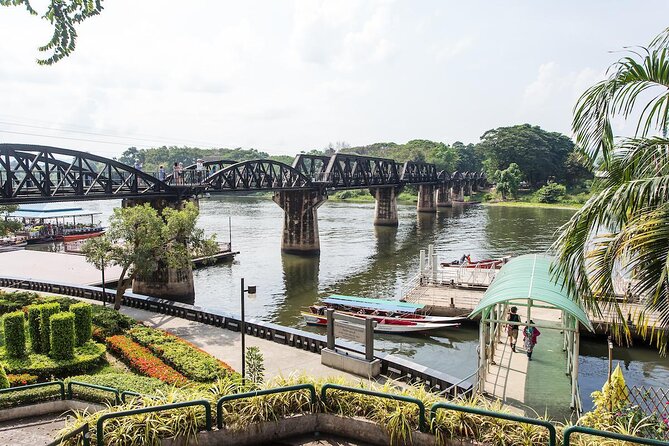
- Boat to the river views: long-tailed speedboat time gets you out on the Kwai waterway before the train crossing
- Train crossing on the Death Railway: the ride is a big part of the impact, not just transportation
- War Cemetery + JEATH museum combo: one place for remembrance, one for the POW experience through photos and artifacts
- Small group (max 15): easier pace, better explanations, fewer crowd headaches
- Lunch included in Kanchanaburi: a buffet break with time to recharge before the next leg
- Extra THB 300 for train seating: pay on-site to avoid standing and to get refreshments and a certificate
How this Bangkok-to-Kanchanaburi trip stays meaningful
This is the kind of tour where the pace matters. The time isn’t spent wandering aimlessly; it’s built around moments that land emotionally—starting at the bridge itself, then shifting to the cemetery and JEATH War Museum. The bridge is iconic, but the real value is the way you connect it to the human cost.
I like that the tour uses multiple angles of the same story: history on the ground (bridge), geography (the river), and remembrance (cemetery), then back to explanation (JEATH). It’s not just “see the sights.” It’s “understand what you’re seeing” with a professional Thai guide.
The practical tradeoff is time. Starting around 7:00 am and returning late means you’ll feel the day in your feet and shoulders. If you’re sensitive to long drives or you hate being on a schedule from morning to night, plan accordingly.
Out to the River Kwai, more Kanchanaburi trips
- From Bangkok: Erawan Park & Kanchanaburi Small-Group Tour
★ 4.5 · 1,582 reviews - From Bangkok: Death Railway & Hellfire Pass Tour with Lunch
★ 4.6 · 931 reviews - From Bangkok: Historical Day Tour to River Kwai
★ 4.6 · 868 reviews
The day’s rhythm: leaving Bangkok early and coming back late
Most tours like this feel like a lot because they are a lot. This one is built on a full-day loop: hotel pickup in central Bangkok, air-conditioned transport to Kanchanaburi area, then boat and train time, then the war sites, and finally the return to Bangkok.
Your pickup can be 30–60 minutes before the start time depending on where you’re staying. That matters in Bangkok, where traffic and distance are real. I’d set your alarm early and keep your breakfast simple—eat enough to last through a morning journey, but don’t overdo it if you’re prone to motion discomfort.
Also remember: the tour is shared. If you’re traveling solo, the shared format depends on minimum participation (at least 2 people). If that minimum isn’t met on the day, you may see cancellation or an alternate arrangement.
River Kwai Bridge: what to notice on the crossing
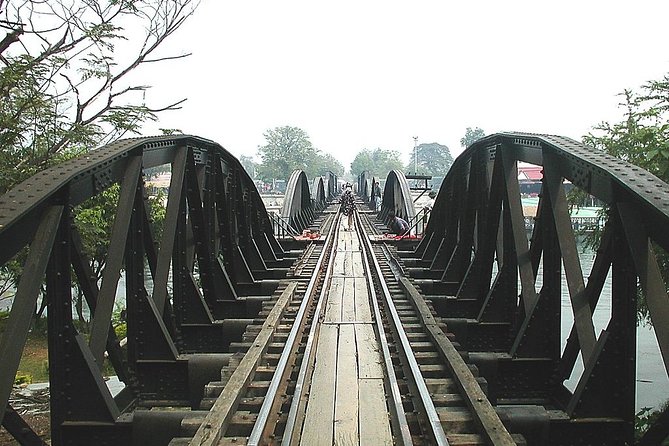
The Bridge on the River Kwai is one of those places people recognize instantly—even if all they’ve seen is a movie. But the value of this stop comes from how the guide frames the Death Railway connection and the POW forced labor behind it.
What I’d focus on as you walk:
- The bridge as infrastructure: it’s not a set piece; it’s a work site with history tied to hardship
- Your footing and comfort: some parts involve walking over uneven surfaces, so shoes with grip matter
- How you hold the story in your head: the guide’s explanation helps you not treat the bridge as just a photo stop
Admission is listed as free for this bridge segment, but the real “ticket” is understanding what you’re looking at while you’re there.
If you’re short on attention span, lean into the guide’s pacing. This stop can be quick, so it helps to listen first, then photograph.
Long-tailed speedboat time on the Kwai: views with a purpose
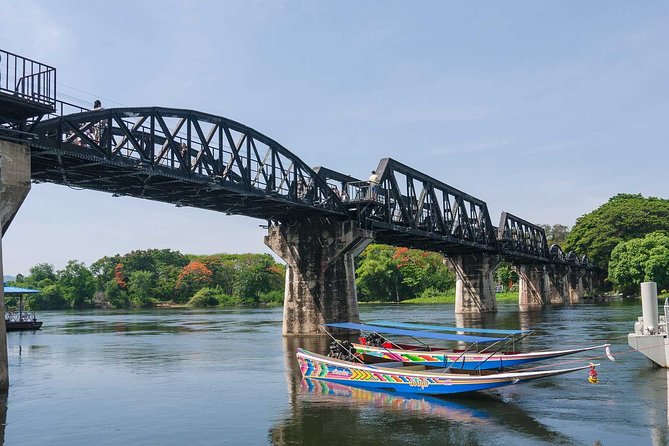
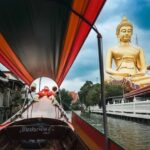
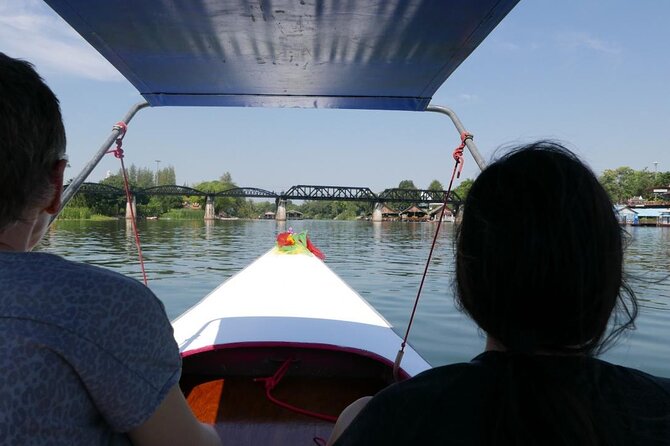
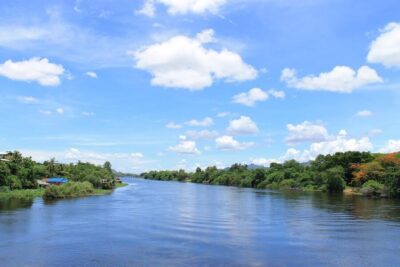
After the bridge, you’ll spend time along the river area, including a long-tailed speedboat ride. This is a fun break from sitting in a van, but it’s not random leisure. The river is part of why this railway corridor existed at all.
What you’ll get from the boat segment:
- A change of pace before the train
- Real river perspective (you can actually see the waterway and surrounding terrain rather than imagining it)
- A natural reset for the group before the emotional sites
Practical note: if you have mobility issues, the long-tailed boat can be awkward to board and move around. The tour information says you should advise the guide at the start, and they can arrange road travel to reach the bridge by a different route.
Bring sun protection. You’ll likely be outdoors, and this is Thailand—shade is not guaranteed.


Lunch in Kanchanaburi: plan for a buffet, not a gourmet meal
Lunch is included as a buffet in the Kanchanaburi area. I like that it’s built into the schedule because it prevents the “hangry gap” that can ruin the second half of a day trip.
That said, buffet quality can vary. One common theme from real-world feedback is that food may come out cooler than expected, so don’t treat it like a hot restaurant lunch where everything arrives steaming. It’s still a solid meal break—especially because you’ll be coming back for museum and cemetery time.
If you’re picky, choose what looks freshest and easiest to eat. And if you’re the kind of person who needs a hot drink to survive a long day, consider how you’ll manage beverages—drinks aren’t included in the basic tour price.
Riding the train across the Death Railway: seats, timing, and views
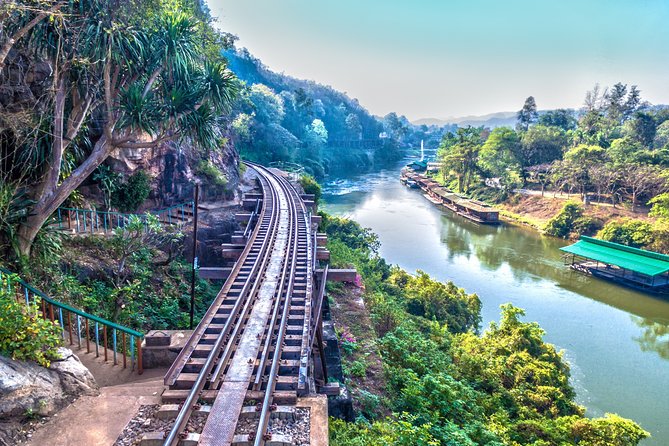
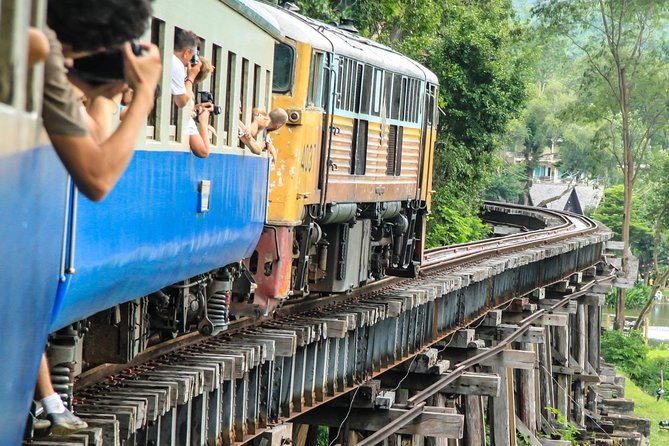
This is the signature moment for many people: the train ride along the Death Railway, crossing over the same historical corridor conceptually tied to the bridge story.
Here’s the key practical detail: at the train station, there’s an extra on-the-spot payment of about THB 300 per person to guarantee a seat. That payment also includes tea/coffee, drinking water, a cold towel, and a certificate.
Why I think this extra fee matters:
- On a day trip like this, standing for part of the ride can be uncomfortable
- The guaranteed seat turns the train segment from tiring to enjoyable
- The included refreshments help you last through a long afternoon
Some people decide it’s not worth it until they see the situation at the station. If you’d rather avoid uncertainty, plan the THB 300 in advance.
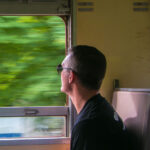
The ride itself is often talked about as exciting—partly because you’re traveling across the line, and partly because you can look out at the river corridor while your guide continues explaining the context.
JEATH War Museum and Kanchanaburi War Cemetery: remembrance with context
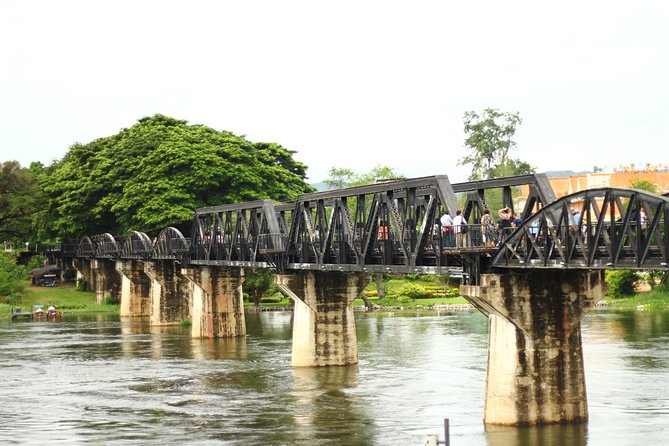
This is the heart of the tour. The museum and cemetery each do a different job, and pairing them is what makes the day land.
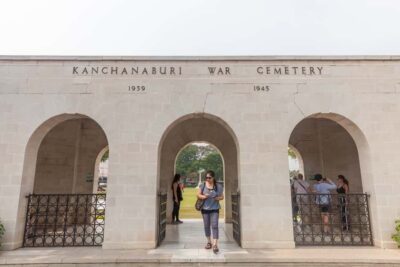
Kanchanaburi War Cemetery
This cemetery is the main prisoner of war cemetery tied to Japanese imprisonment victims who were involved in building the Burma Railway. It’s on the main road through town, and it’s kept carefully.
The cemetery visit is about 30 minutes, which is short, but it’s set aside specifically for reflection. If you tend to rush through serious memorials, slow down here. Read the epitaphs if you can; that’s where the emotional weight hits.
JEATH War Museum
JEATH is a small museum opened in 1977, focusing on POW ordeals tied to the Death Railway. Expect photos, letters, and drawings—plus a small set of exhibits that aim to explain harsh living conditions.
The museum time is about 20 minutes. That’s enough to absorb the main story, but it won’t replace hours of independent reading. If you’re someone who likes to linger, take photos and let the guide point you toward the key items first.
A practical heads-up: because the museum is relatively small, some areas may feel like they need upkeep. Still, the content is the point, and it does a good job of turning the bridge and railway from “sight” into “story.”
Guides and group size: why small matters on heavy topics
The tour caps at 15 travelers, and that changes how the day feels. In a smaller group, it’s easier to hear your Thai guide’s explanation, ask questions, and keep the pace steady.
Names you may hear: guides like Oom and Rach have been highlighted in feedback, and both are described as making the history clear and engaging. Even when the topic is dark, good guiding keeps it respectful and understandable—no random rambling, no lost time.
Group size also affects logistics. Less crowd pressure means fewer bottlenecks at the cemetery or near the bridge walk.
Value check: is the $99.40 price fair?
At $99.40 per person, this tour isn’t trying to be the cheapest option. It’s also not a luxury private driver situation. So the value depends on what you want from the day.
Here’s what you do get in the base price:
- Hotel pick-up and drop-off in central Bangkok areas
- Transport by air-conditioned vehicle
- Long-tailed speedboat ride
- Train ride along the Death Railway
- Lunch buffet in Kanchanaburi
- JEATH museum and cemetery entrance fees
- A professional Thai local guide
Then there are the two key add-ons you should expect:
- Beverages are not included
- The THB 300 station fee for guaranteed train seating (with refreshments and certificate)
When I judge value for a tour like this, I look at the mix of effort and time. You’re not just visiting one site. You’re getting a coordinated full-day plan that stacks bridge, river, train ride, museum, and cemetery without you figuring out transportation on your own.
If you’d otherwise spend hours piecing together transport, tickets, and timing, this price starts to make more sense fast.
What to pack and how to make the day easier
This is a long day outdoors plus walking. You’ll enjoy it more if you travel like it’s a full hiking-and-memorial day.
Bring:
- Comfortable shoes with grip for uneven surfaces
- Sun protection (hat, sunscreen)
- A light layer for the transport if you’re sensitive to AC
- A small bottle refill plan if you prefer not to rely entirely on what’s available
And mentally plan for the return. Several factors can make the trip back to Bangkok slow, and there’s no magic workaround. If you can, keep your evening plans flexible.
Who this tour is best for (and who might rethink it)
This is a strong pick for:
- WWII history buffs who want the real-world context, not just movie references
- People who like guided explanations at meaningful sites
- Anyone who wants the bridge story paired with the cemetery and JEATH museum
Consider a different plan if:
- You dislike long full-day travel and late returns
- You hate paying extra fees once you arrive at the train station
- You have difficulty with boarding long-tailed boats and don’t want to coordinate alternatives (though the tour says they can arrange road travel if mobility is an issue)
Should you book the Bangkok: Bridge on the River Kwai and Thailand–Burma Railway Tour?
If you want one day that connects the Bridge on the River Kwai, the river setting, the Death Railway train ride, and the war sites into a single guided story, this is worth booking.
I’d book it if you:
- Like clear guiding and a structured schedule
- Are comfortable with a long day and some walking
- Want remembrance done respectfully, with context at the cemetery and museum
I’d think twice if you’re looking for a short, relaxed outing. This is moving, and it takes time. But for the price, you get real transportation, included entrances, a guided framework, and two signature experiences (boat + train) that you won’t recreate easily on your own.
FAQ
What time does the tour start, and how long does it take?
It starts at 7:00 am and runs for about 11 hours.
What’s included in the tour price?
You get hotel pick-up and drop-off in central Bangkok areas, an air-conditioned vehicle, long-tailed speedboat ride, train ride along the Death Railway, a buffet lunch, all entrance fees, and a professional Thai local guide.
Do I need to pay extra for train seating?
Yes. There is an on-the-spot fee of about THB 300 per person to guarantee a seat, paid at the train station to the guide. This fee also includes tea/coffee, drinking water, cold towel, and a certificate.
Is lunch included, and what kind is it?
Lunch is included as a buffet lunch in Kanchanaburi.
Is the long-tailed boat ride accessible for everyone?
If you have mobility problems, you might find it difficult to get into or out of the long-tailed speedboat. You should advise your guide at the start, and the driver may take you to the bridge by road instead.
How big is the group?
The tour has a maximum group size of 15 travelers.
More Tours in Bangkok


More Tour Reviews in Bangkok

Out to the River Kwai


Just In: Fresh Bangkok Reviews

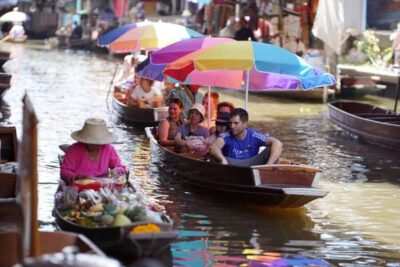
Kanchanaburi & River Kwai, compared.
 ★ 4.5From Bangkok: Erawan Park & Kanchanaburi Small-Group TourFrom $591,582 reviews
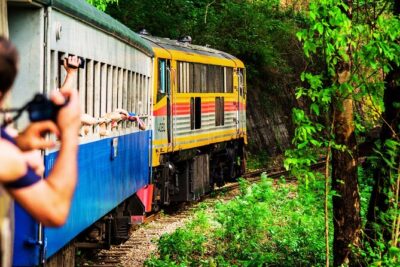 ★ 4.6From Bangkok: Death Railway & Hellfire Pass Tour with LunchFrom $82931 reviews
 ★ 4.6From Bangkok: Historical Day Tour to River KwaiFrom $51868 reviews
 ★ 4.8From Bangkok: Elephant Sanctuary and Kanchanaburi TourFrom $79826 reviews
 ★ 4.9Elephant Sanctuary & Erawan Waterfall TourFrom $181820 reviews
 ★ 4.5Bridge on the River Kwai and Thailand-Burma Railway TourFrom $108658 reviews
 ★ 4.5Erawan Waterfalls and Bridge Over River Kwai Tour from BangkokFrom $56372 reviews
 ★ 4.5Bridge on the River Kwai and Thailand-Burma Railway Guided TourFrom $94353 reviews
Browse the lists this tour appears in