
Review · BANGKOK FOOD & STREET EATS
Bangkok Evening Food Tour by Tuktuk
Bangkok at night tastes like a history lesson. This tuk-tuk food tour strings together old neighborhoods and specific regional dishes you’re unlikely to find on a random Pad Thai run, and I especially like how the stops feel paced for sampling rather than stuffing. One watch-out: the experience isn’t designed for vegetarians, vegans, or gluten-free diets, and at least one guest felt the later portion leaned less authentic and didn’t deliver enough food for the money.
I also like that you start at 5:00 pm, which lines up with that sweet Bangkok time when markets are active and the sky is still friendly for a river sunset. And because the group is capped at 12 travelers, you’ll usually get time to ask questions and actually hear the story behind what’s on your plate. Still, if you’re the type who wants one big standout meal, you may end up wanting even more at the end.
In This Review
- Key highlights you’ll feel fast
- Bangkok by tuk-tuk at 5 pm: the simple reason it works
- Hua Lamphong: old-Bangkok street food without the same-old menu
- Talat Noi + Tom Yum Wontons: the Thai-Chinese crossover you can taste
- Mahanak Market: fried plantains and lemongrass sausage-style bites
- Phra Nakhon + Isan flavors: laab and som tum in the spotlight
- The dessert finale: fruit in coconut milk—and when it disappoints
- Transport + sunset riverside drinks: it’s not only food
- Food quantity, pacing, and diet limits (read this part carefully)
- Price ($75) and value: what you’re really paying for
- Who should book a Bangkok Evening Food Tour by tuk-tuk?
- Should you book it?
- FAQ
- How long is the Bangkok Evening Food Tour by Tuktuk?
- What time does the tour start?
- Is pickup included?
- What kinds of food and drinks are included?
- How many people are on the tour?
- Is it suitable for vegetarians, vegans, or gluten-free guests?
- What happens if weather is bad?
Key highlights you’ll feel fast
- Tuk-tuk touring through older Bangkok neighborhoods instead of just hitting the same tourist strips
- Regional Thai focus (Chinese-Thai crossover, central/southern market bites, and Isan flavors)
- Stops built around specific dishes like Tom Yum Wontons, laab, and som tum
- A sunset riverside bar stop, including a craft beer
- Small group size (max 12) for a more personal pace
- Pickup and mobile ticket help you start without stress
Bangkok by tuk-tuk at 5 pm: the simple reason it works
This tour is built for the evening rhythm of Bangkok. With a 5:00 pm start and about 4 hours on the clock, you’re catching markets when people are still eating, not just when the stalls are packing up. That matters, because street food tastes better when the place has energy—Thai food is meant to be eaten while it’s hot, crisp, and fresh.
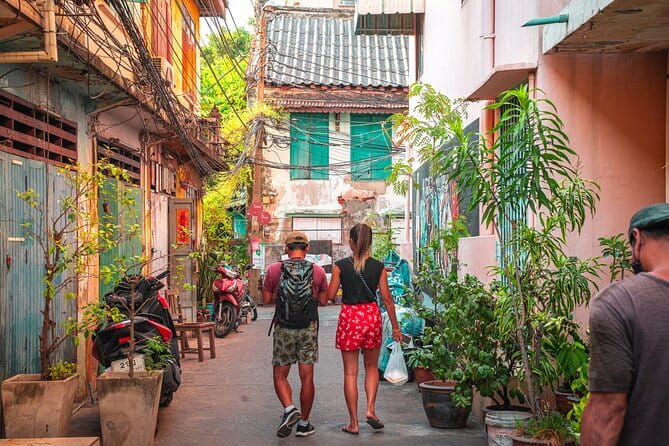
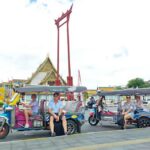
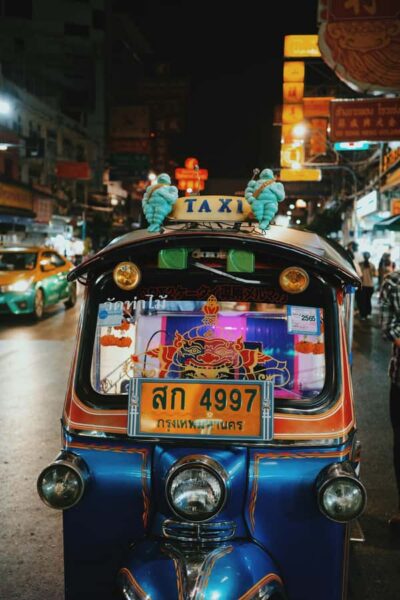
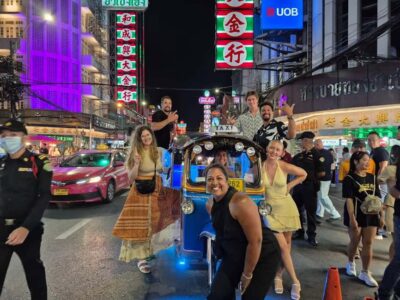
Another reason it works: you’re not only walking. You’re riding between neighborhoods in tuk-tuks, plus there’s use of a Trikke included. That’s practical in a city where a “short distance” can still turn into a long ride on foot. It also keeps the tour from turning into a leg workout before your first bite.
The tradeoff is obvious: you’ll be hopping around. If you hate switching streets every few stops, this may feel like a snack sprint. But if you want a guided route that feels like moving through real Bangkok, the transport setup supports that.
Still hungry? More woks, stalls and night-market plates
- Bangkok: Backstreets Food Tour with 15+ Tastings
★ 4.9 · 2,880 reviews - Bangkok: Midnight Food Tour by Tuk-Tuk
★ 4.9 · 2,054 reviews - Bangkok Backstreets Food Tour with 15+ Tastings
★ 5.0 · 1,926 reviews
Hua Lamphong: old-Bangkok street food without the same-old menu
Your first move is to Hua Lamphong, with the idea of going beyond the household-name Thai dishes. The goal here is confidence-building: you see where locals eat in old-Bangkok, not just where tourists land.
What I like about starting this way is that it sets expectations. Bangkok street food isn’t one style—it’s regional, influenced by migration, and shaped by what’s available. So when the tour later gives you Tom Yum Wontons and Isan plates, you’re already warmed up to the idea that the night will be about variation, not repetition.
One consideration: early stops can still feel more “introduction” than “big dinner.” If you’re starving when you start, plan to arrive hungry and mentally ready for a sequence. You’re not ordering one dish and calling it a night—you’re sampling your way through different parts of Thai cuisine.
Talat Noi + Tom Yum Wontons: the Thai-Chinese crossover you can taste
Next is Talat Noi, a neighborhood choice that signals what this tour is trying to do: show the influences that shaped Thai food. Here you begin with Tom Yum Wontons—a fusion of Thai tom yum flavors (think lemongrass, galangal, kaffir lime) wrapped into crispy wontons.
This stop is one of the clearest “why guided tours matter” moments. If you wander Talat Noi on your own, you’ll find plenty to eat, sure—but you might not land on this specific kind of crossover dish or understand why it tastes the way it does. On the tour, the flavor logic is part of the experience.
What to expect: fried wontons with that tom yum sour-spicy-citrus punch. It’s not subtle, and that’s the point. You get a strong flavor anchor early, so the rest of the night won’t feel random.
Drawback to keep in mind: fried items and soup-leaning flavors can be a lot back-to-back. If you’re sensitive to spicy-sour profiles, let your guide know early so portions can be handled with you in mind (within the tour’s practical limits).
Mahanak Market: fried plantains and lemongrass sausage-style bites
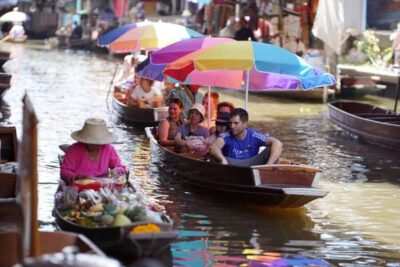
Then you head to Mahanak Market, described as one of Bangkok’s oldest markets. The promise here is simple: an authentic street-food culture where you can see what locals actually snack on.
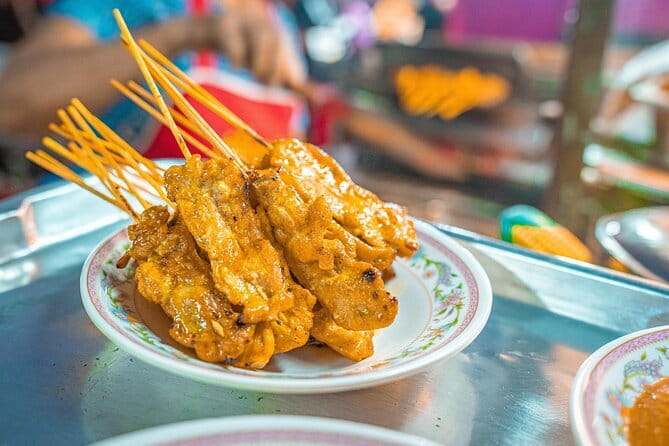
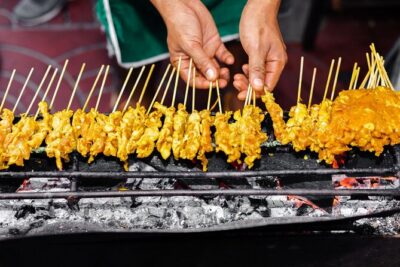
This stop leans into central and southern Thai flavors, with examples like fried plantains and handmade lemongrass sausage. That’s a great mix for a food tour, because it gives you both sweet-savory snack energy (plantains) and deeper herb-driven seasoning (lemongrass sausage).
Why this matters for value: markets are where you learn your “food radar.” You start recognizing ingredients and textures—crispness, herb aromas, and how Thai seasoning balances sour, sweet, and salt. Later, when you try Isan dishes, you’ll understand the difference more quickly instead of just tasting another spicy plate.
One thing to plan for: market stops can vary in what you’ll see and how quickly the group moves. The timing is listed as about 45 minutes, so don’t expect long browsing time. If you want to buy extras to take back or keep exploring after the tour, keep cash handy and ask the guide what’s easiest to grab quickly.
Buzz the backstreets, more tuk tuk runs
Phra Nakhon + Isan flavors: laab and som tum in the spotlight
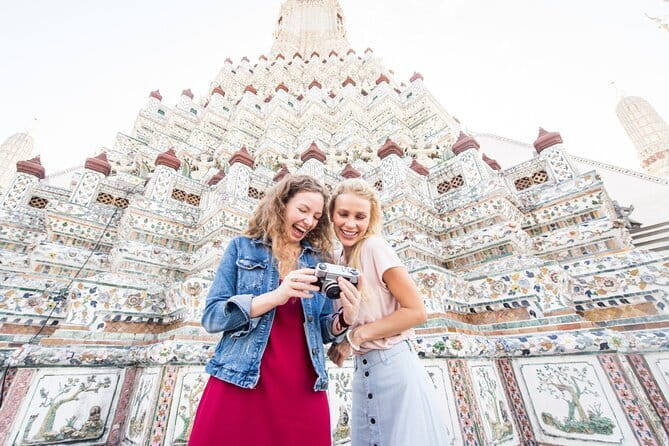
At Phra Nakhon, the tour shifts toward Isan cuisine, known for bold flavors combining spicy, sour, and umami. The plates mentioned include minced pork with aromatic herbs (laab) and papaya salad (som tum), plus other Isan-forward dishes.
I like this stop because it’s a “real Thai-region” moment. A lot of Bangkok food tours stay stuck in the same flavor zone. Isan food is different in a way you can taste immediately: herbs in laab, sour punch and crunch in som tum, and a seasoning style that feels less like sweet-salty Thai and more like heat-and-tang intensity.
Practical note: this is also where you’ll want water ready. The tour includes bottled water, which helps. If you’re not used to Thai spice levels, the guide can likely guide you toward the least aggressive options, but the structure is built around these regional dishes.
The dessert finale: fruit in coconut milk—and when it disappoints
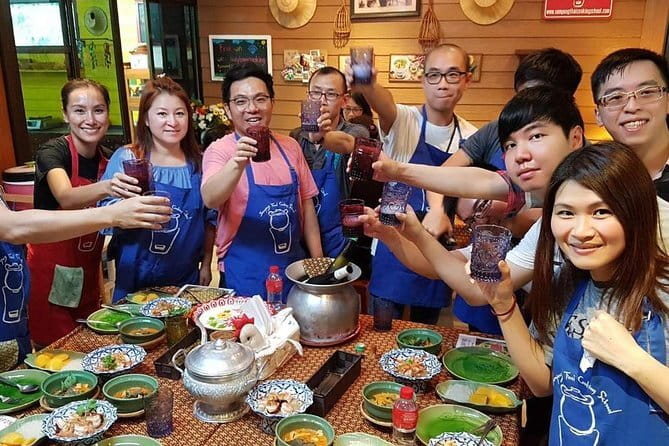
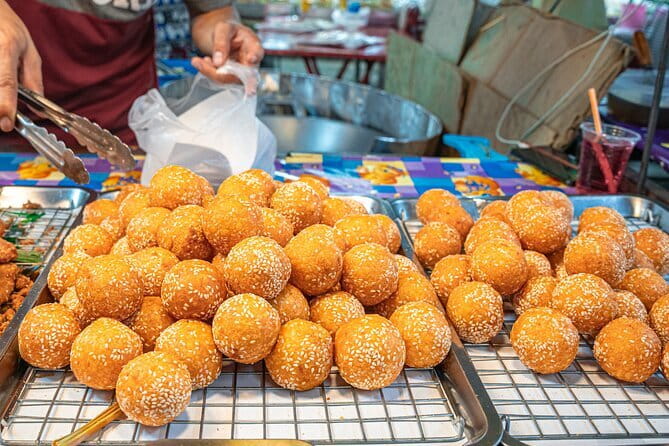
The last stop is described as a classic Thai sweet: seasonal fruit with fresh coconut milk. It’s “Bangkok’s favorite sweet treat,” and the guide chooses the best combination plus add-ons.
This can be an excellent ending because coconut milk smooths out the spicy-sour notes from earlier. It feels like a reset button. And if you like fruit-forward desserts, this is usually a satisfying closer.
But here’s the honest consideration based on how the tour can land for some people: one guest felt the dessert choice and the later portion of the tour didn’t finish strong and felt less relaxed than earlier moments. That doesn’t mean the dessert is bad—it means the final leg may depend on the day’s flow, portioning, and what your group gets served.
So my advice: treat the last stop as a lighter closer, not as a second dinner. If you’re expecting the dessert to carry the tour, you might come away wanting more savory food earlier. In contrast, if you’re happy with a sequence of regional bites, that coconut-milk finish is a good way to end.
Transport + sunset riverside drinks: it’s not only food
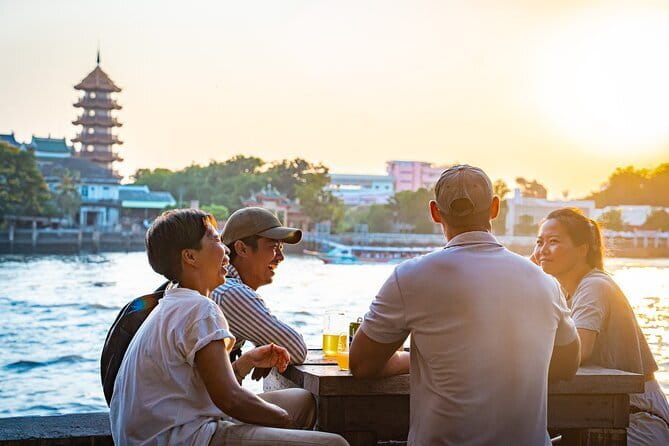
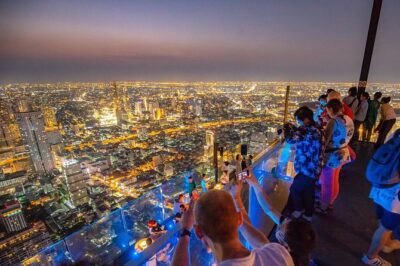
The tour isn’t just a checklist of dishes. It includes all food and drinks across sit-down restaurants, street food vendors, a local market, and a hidden riverside bar at sunset. That riverside stop also includes a craft beer.
This matters because it changes the tone of the evening. You’re not only standing by grills and scooping sauces. You get a breather: a place to sit, taste something chilled, and let the spice settle. In Bangkok, that little “pause with a view” is often what makes the night feel like a real memory instead of a rushed eating assignment.
Logistics also help. You’re offered pickup, you get a mobile ticket, and your guide helps you get a taxi back to your hotel after the tour ends. The tour ends at Seng Sim Yee (on Phaya Thai Rd, Pathum Wan), so you’re dropped in an area where getting home is usually straightforward.
One small planning tip: bring a camera-ready mindset, but keep valuables secure. You’ll be on the move, including in traffic flow, so don’t let your phone become the most important thing in your hand.
Food quantity, pacing, and diet limits (read this part carefully)
Price-wise, this tour is positioned as a full evening of tasting, not just a snack run. Still, food tours can feel different depending on your appetite and what you’re comparing to. The most common disappointment in food tours is when someone expects “more plates” than the schedule allows.
At least one guest felt the latter part ran short on food and became less genuine. That tells you how important pacing is for your enjoyment. If you want a steady stream of generous portions the whole time, you may want to manage expectations and treat the itinerary as a guided sampling of regional hits.
Diet reality check: this tour is not recommended for vegetarians, vegans, or gluten-free individuals. The tour says accommodations may be possible, but substitutions are limited and same-day requests can’t be guaranteed. If dietary needs are strict, you should plan ahead and confirm before you go. Otherwise, it’s best to skip this one and choose a tour that’s designed around your diet from the start.
Price ($75) and value: what you’re really paying for
At $75 per person for about 4 hours, you’re paying for four main things:
- Access to multiple locations—old neighborhoods, a classic market, and a riverside bar—without you having to stitch it together.
- A curated food mix focused on regional identity (Chinese-Thai influence, central/southern bites, and Isan flavors).
- Included drinks, including water and a craft beer at the sunset bar.
- Transportation support (tuk-tuks and Trikke), plus a guide who helps you find the right spots.
If you tried to replicate it on your own, you’d spend time figuring out what to eat, where to go, and how to connect neighborhoods efficiently. The real “value” here is time saved and tastings arranged for variety. It’s not cheap, but it’s also not just paying for the guide to point at menus.
Where value might feel weaker: if you’re the kind of eater who wants big portions at each stop, a tasting format may not satisfy your calorie goals. In that case, you might consider eating a small meal before you meet and then treat the tour as your flavorful guided snack-and-dinner hybrid.
Who should book a Bangkok Evening Food Tour by tuk-tuk?
This is a strong fit if you:
- Want regional Thai food beyond Pad Thai and green curry
- Like night markets and neighborhood hopping with a guide
- Enjoy spice and sour-sweet flavor combinations (especially Isan)
- Prefer a small group atmosphere (max 12)
It’s probably not the right fit if you:
- Need a vegetarian/vegan/gluten-free diet with reliable substitutions
- Want one “main event” meal with lots of extra food at the end
- Dislike being on the move for roughly four hours
Also, if you only have a short window in Bangkok, the evening timing helps you make use of limited time without getting stuck in daytime crowds.
One extra helpful note from real guide experience: some groups have had guides such as Mona and Cha-Cha, and the tour style tends to include friendliness and strong answers to questions. That kind of back-and-forth makes the night more fun and helps you eat with confidence instead of just following along.
Should you book it?
Book this Bangkok Evening Food Tour by tuk-tuk if your goal is variety: regional dishes, different neighborhoods, and a proper night ending with coconut milk dessert and a sunset riverside drink. The structure makes it easy to eat more intelligently than you would alone, and the Isan stop with laab and som tum is worth the price by itself if you like bold flavors.
Skip it if you’re counting on lots of late-night food volume, or if you need strict dietary accommodations that go beyond limited substitutions. This tour is built for travelers who want to taste and learn as they go—and who can handle Thai spice.
FAQ
How long is the Bangkok Evening Food Tour by Tuktuk?
The tour runs for about 4 hours.
What time does the tour start?
It starts at 5:00 pm.
Is pickup included?
Yes, pickup is offered.
What kinds of food and drinks are included?
The tour includes all food and drinks across sit-down restaurants, street food vendors, a local market, and a hidden riverside bar at sunset, with a craft beer included.
How many people are on the tour?
The tour has a maximum group size of 12 travelers.
Is it suitable for vegetarians, vegans, or gluten-free guests?
It’s not recommended for vegetarians, vegans, or gluten-free individuals. Substitutions are very limited, and same-day requests can’t be guaranteed.
What happens if weather is bad?
The experience requires good weather. If it’s canceled due to poor weather, you’ll be offered a different date or a full refund.
More Tour Reviews in Bangkok




Around the City by Tuk Tuk
Eat Bangkok: More Street Food
Just In: Fresh Bangkok Reviews


Bangkok Food & Street Eats, compared.
 ★ 4.9Backstreets Food Tour with 15+ TastingsFrom $622,880 reviews
 ★ 4.9Midnight Food Tour by Tuk-TukFrom $742,054 reviews
★ 5.0Bangkok Backstreets Food Tour with 15+ TastingsFrom $591,926 reviews
★ 4.9Midnight Food Tour by Tuk-TukFrom $742,054 reviews
★ 5.0Bangkok Backstreets Food Tour with 15+ TastingsFrom $591,926 reviews
 ★ 4.4Michelin Guide Street Food Tour by Tuk TukFrom $201,274 reviews
 ★ 5.0Old Siam Bangkok Food Tour with 15+ TastingsFrom $59867 reviews
 ★ 4.9Bangkok Authentic Tasting Thai-Chinatown Walking Food TourFrom $43852 reviews
 ★ 4.3Tuk Tuk Adventure Chinatown Michelin Food & TemplesFrom $18725 reviews
 ★ 5.0Bangkok Tuk-Tuk Tour by Night with Chinatown Street Food MealFrom $40635 reviews
Browse the lists this tour appears in