
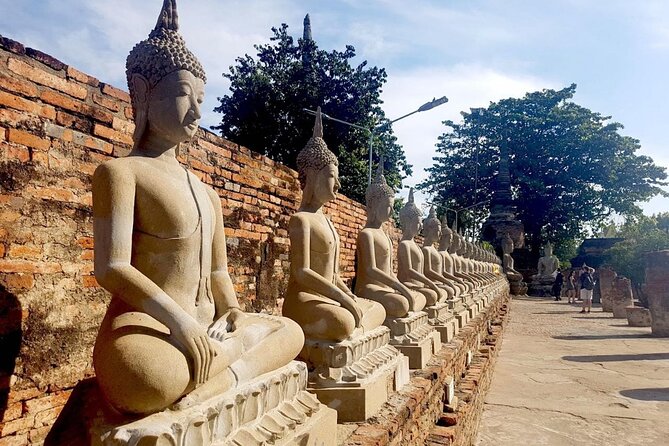
Review · GRAND PALACE & TEMPLE TOURS
Bangkok Famous Temples sightseeing with Chinatown
Eight hours of temples, then street food. This private day strings together Bangkok’s biggest names—Wat Pho and the Golden Buddha Temple—plus the Grand Palace and a Chinatown hour, with an English-speaking guide to connect what you’re seeing to Thai culture. I like that the plan is built around major sites, not random stops, and that you get transport and temple entry handled for you. One thing to consider: you’ll start early and the day has strict dress and camera rules, and there’s at least one report of a pickup failure, so confirm your exact meeting details before you leave.
You’ll ride in an air-conditioned private vehicle, use a mobile ticket, and get picked up in Bangkok city. Then it’s temple time, lunch as planned (but double-check what’s actually included), and finally Chinatown for shopping and Chinese food before returning to your hotel area.
In This Review
- Key things to know before you go
- Why this temple-and-Chinatown route works
- Pickup, mobile tickets, and how the day keeps moving
- Wat Phra Chetuphon / Wat Pho: start at a sacred, iconic Buddha site
- Grand Palace and Wat Phra Kaew (Emerald Buddha) dress code must be taken seriously
- Lunch then Wat Pho Reclining Buddha (Wat Lokayasutharam)
- Wat Traimit Golden Buddha Temple: the 5-ton solid gold moment
- Chinatown for shopping and Chinese food in one focused hour
- Price and value: is $44 a good deal?
- Who this tour suits best (and who should think twice)
- Should you book this temple and Chinatown private tour?
- FAQ
- How long is the Bangkok Famous Temples sightseeing with Chinatown tour?
- What time does the tour start?
- Does the price include temple entrance fees?
- Is hotel pickup included?
- Is lunch included?
- What should I wear, and can I use a camera inside temples?
Key things to know before you go
- Private guide + air-conditioned transport: you’re not navigating alone.
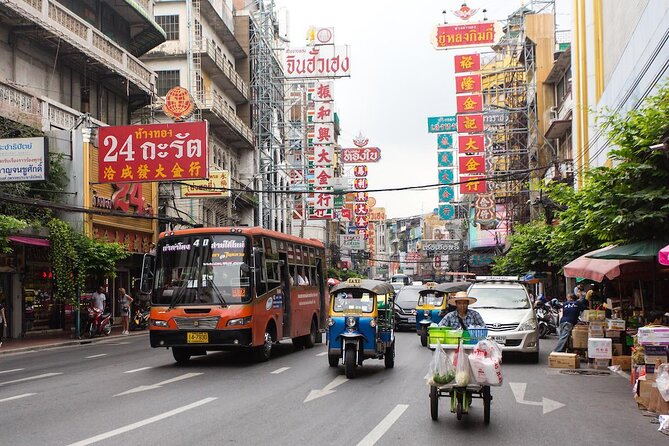
- Major sights in one long day: Grand Palace, Wat Pho area, Wat Traimit, and Chinatown.
- Entrance tickets are included: you can spend your energy on the sights instead of lines.
- Dress code and camera limits: plan covered shoulders/legs, and expect some no-photo zones.
- Real-world value for $44: multiple landmark stops with logistics handled.
Why this temple-and-Chinatown route works
Bangkok’s temples can swallow a whole vacation day on their own. This tour is useful because it stacks the “must-see” complexes in one route, so you’re not zigzagging across the city between separate tickets and guides.
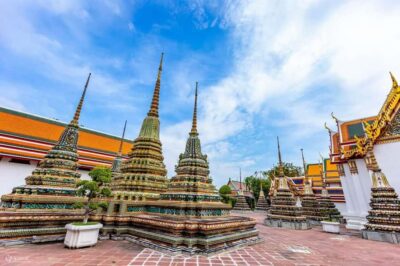
The mix also makes sense. You get the palace-temple world at the Grand Palace and Wat Phra Kaew (Emerald Buddha), then the giant-statue scale of Wat Pho, then the shock-factor of the Golden Buddha at Wat Traimit. Ending with Chinatown gives you a change of pace: shops, food, and a neighborhood vibe that feels different from the temple compounds.
The one trade-off is time. Eight to 10 hours is long, and temple visits mean standing around, walking in heat, and following rules. If you’re sensitive to long days, consider bringing a good mindset—and water, if it’s allowed where you’re going.
More gilded rooftops: other temple runs across the old city
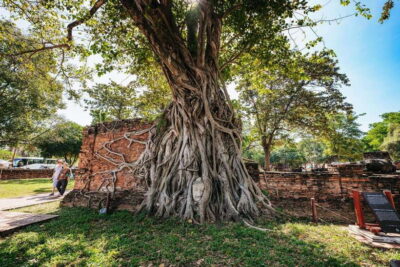
- From Bangkok: Ayutthaya Temples Guided Tour with Lunch
★ 4.7 · 10,535 reviews - Bangkok: City Highlights Temple and Market Walking Tour
★ 4.5 · 3,990 reviews - Bangkok by Night: Temples, Markets and Food Tuk-Tuk Tour
★ 5.0 · 3,752 reviews
Pickup, mobile tickets, and how the day keeps moving
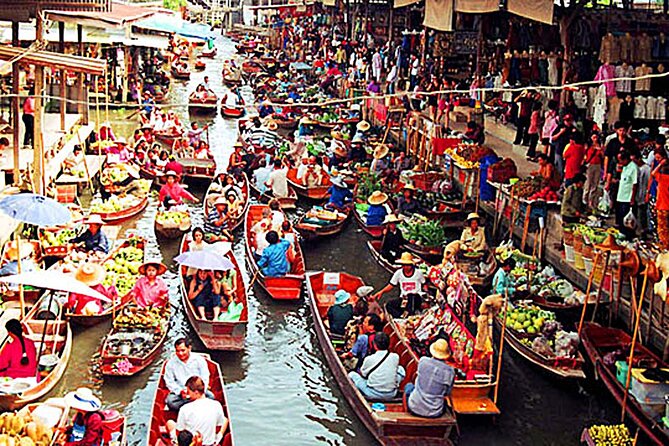
You’re promised hotel pickup in Bangkok city, and that alone can save you a lot of stress. You’ll travel by air-conditioned private vehicle, which matters because temple days usually come with warm weather and a lot of walking.
You’ll also have a mobile ticket. That means less rummaging for paper and more time keeping the day on schedule. Your pickup and dropoff spots can be different, but only within the limit of one station for both pickup and dropoff, so it’s worth matching the details to your hotel location before morning.
Two practical tips:
- Confirm the meeting point and pickup time the night before. One unhappy review mentioned the driver never arrived.
- Wear something that fits the rules from the start. Thai temple complexes can be strict about clothing, and you don’t want to scramble for a cover-up mid-morning.
Wat Phra Chetuphon / Wat Pho: start at a sacred, iconic Buddha site
The day kicks off at Wat Phra Chetuphon, which is tied to Wat Pho. This is one of Bangkok’s most sacred temple areas, and you’ll be able to spot how central it is to local religious life.
Based on the tour description, you’ll spend about an hour here. You’ll also hear about a Buddha statue in a meditating position that’s said to be about 14th century old. That’s the kind of detail that helps you look longer than just snapping a few photos and moving on.
What I like about starting here is pacing. It’s a powerful opening without jumping straight into the palace crowds. You’re still in temple-land, but you’re more likely to get your bearings before the Grand Palace and Emerald Buddha complex.
The main consideration: rules and walking. Temple zones often involve uneven surfaces and heat. Plan comfortable shoes (sandals aren’t allowed), and expect to stay respectful about where you step.
Grand Palace and Wat Phra Kaew (Emerald Buddha) dress code must be taken seriously
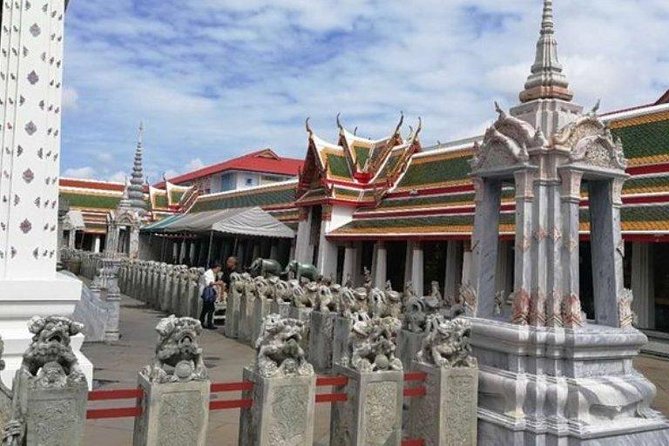
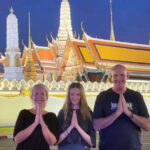
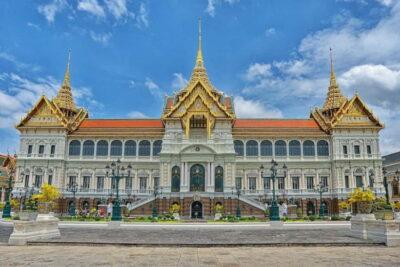
Next comes Wat Phra Kaew, also called the Temple of the Emerald Buddha, inside the Grand Palace complex area. This is the big-ticket stop in Bangkok for a reason: the architecture and spiritual significance are hard to replicate anywhere else.
You’ll get about two hours here, including admission tickets. The tour description also notes an interesting contrast in style: the Grand Palace designs can feel more European in character compared with Wat Phra Kaew. You’ll likely notice how the palace is a compilation of many buildings, pavilions, and open halls, which makes it feel like a whole world—not a single stop.
Here’s what you need to plan for:
- No short clothing, no sandals, and no sleeveless T-shirts.
- Camera use may not be allowed inside some buildings.
That sounds like a hassle, but it’s also how you avoid wasting time. Dress right at the door and you keep your schedule intact.
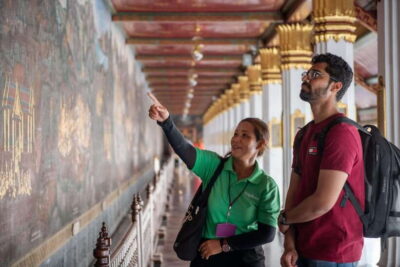
If your schedule is tight, this is the stop where your guide matters most. You’ll get context for what you’re seeing—what’s sacred, what’s ceremonial, and why it looks the way it does.
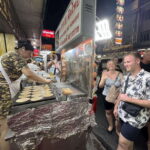
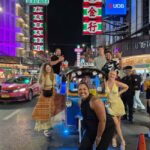
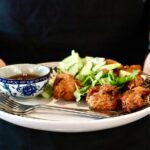
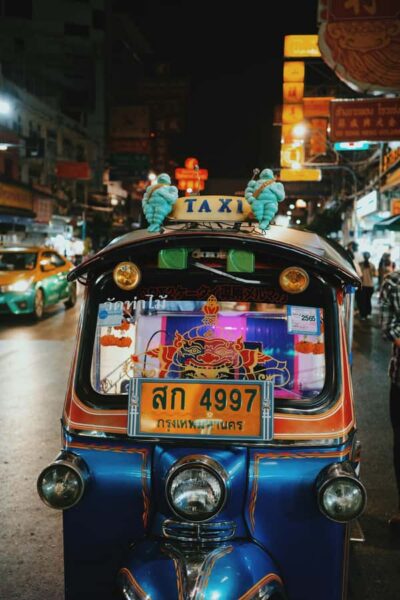
Deeper into Yaowarat after dark
Lunch then Wat Pho Reclining Buddha (Wat Lokayasutharam)
After the palace complex, the route moves you through lunch and then into the Temple of the Reclining Buddha area, listed as Wat Lokayasutharam / Wat Pho Reclining Buddha. This part of the day is about scale.
The description calls Wat Pho the largest temple in Bangkok’s tourist attractions, and it’s famous for a huge reclining Buddha statue. Even if you’ve seen photos before, you usually end up standing there longer than you planned—because the size changes how you perceive the space.
The tricky part is expectations around food. The overview says you’ll sit down for a delicious Thai lunch, but the cost details state that food and drinks aren’t included unless specified. That means you should confirm what lunch includes when you book, so you’re not surprised.
If lunch is on your own, plan for a simple meal that doesn’t slow you down. If lunch is included, great—just use that break to rest your feet before the next walking block.
Wat Traimit Golden Buddha Temple: the 5-ton solid gold moment
Then you’ll head to Wat Traimit, also called the Temple of the Golden Buddha. This is one of those Bangkok sights that lands instantly because of one fact: you’re told you’ll be greeted by a 5-ton monument of solid gold.
You’ll spend about an hour here. That’s usually enough time to take in the main attraction and get the story behind it—how something that visually reads as “just a statue” can still become a major symbol because of its history and meaning.
I think this stop is also a good counterbalance. After the Grand Palace’s ornate palace-temple atmosphere and Wat Pho’s big Buddha presence, Wat Traimit adds a sense of wow-with-a-story.
Practical note: like other temple sites, expect rules on photography and conduct. If cameras aren’t allowed indoors, don’t fight it—your guide can help you understand where you can and can’t shoot.
Chinatown for shopping and Chinese food in one focused hour
After all the temple walking, the tour ends at Chinatown for about an hour. That time is short, but it’s enough to get a sense of the neighborhood without turning your day into a full shopping mission.
The tour notes shopping and the chance to taste Chinese food. This is where you can slow down and do something different: snack, browse, and look at the street energy from ground level rather than from a palace viewpoint.
One reason this ending works well: it gives your eyes a rest from temple details. You can pick up small gifts, try one or two foods, and then head back without feeling like you missed everything.
The consideration here is simple: one hour is fast. If shopping is your priority, decide in advance what you’re looking for, or you’ll end up wandering without a plan.
Price and value: is $44 a good deal?
At $44 for a private full-day tour (8 to 10 hours), the value comes from what’s included. You get hotel pickup in Bangkok city, air-conditioned private transport, an English guide, and temple entrance fees for multiple landmark sites.
That matters because Bangkok’s top sights aren’t cheap once you start stacking admissions and transport between areas. Even if you’d normally enjoy self-guided travel, the benefit here is that someone is doing the timing and routing for you.
Where you should be cautious is food. The day plan mentions lunch, but the listed inclusions say food and drinks aren’t included unless specified. So in real life, your “all-in” total can vary depending on whether lunch is covered.
Also, private doesn’t always mean tiny. The tour says maximum 15 travelers, so this isn’t a two-person private bubble. That can be a plus for getting personalized attention while still keeping the logistics smooth.
Who this tour suits best (and who should think twice)
This experience is a strong fit if:
- You want to see Grand Palace, Wat Pho, Wat Traimit, and Chinatown in one day without building a route yourself.
- You prefer an English guide to explain significance, not just point at buildings.
- You’d rather pay a single package price than juggle tickets, transport, and multiple guided entries.
You might want to think twice if:
- You’re very sensitive to early starts and long walking days.
- You hate strict dress rules and limited camera rules.
- Pickup timing is critical for you. One negative report mentioned the driver never arrived and calls weren’t answered, which is the kind of issue you don’t want on vacation.
If you’re traveling with kids or anyone with mobility concerns, the good news is the itinerary can be made small changes based on physical condition. Still, it’s a lot of temple terrain in one day.
Should you book this temple and Chinatown private tour?
I’d book it if you’re aiming for a high-coverage Bangkok day and you like having a plan. The combination is practical: the Grand Palace and Emerald Buddha complex, the big-statue draw of Wat Pho, the wow-factor of Wat Traimit’s Golden Buddha, and then a Chinatown break for food and shopping.
I wouldn’t book it blindly if you’re the type who needs perfect pickup reliability with zero uncertainty. Do your homework on the pickup meeting point and time, and arrive ready for the dress code on arrival day. Bring closed-toe shoes, cover your shoulders and legs, and treat camera restrictions as part of the experience, not an obstacle.
If those points work for you, this is a solid way to get your bearings and see the classic Bangkok landmarks without turning your day into a logistics project.
FAQ
How long is the Bangkok Famous Temples sightseeing with Chinatown tour?
It runs about 8 to 10 hours.
What time does the tour start?
The start time is 8:00 am.
Does the price include temple entrance fees?
Yes, all sightseeing and temple entrance are included.
Is hotel pickup included?
Yes, pickup is included from hotels in Bangkok city.
Is lunch included?
Lunch is mentioned in the tour overview, but food and drinks are listed as not included unless specified, so you should confirm what’s covered when booking.
What should I wear, and can I use a camera inside temples?
You shouldn’t wear short clothing, sandals, or sleeveless T-shirts. Camera use may not be allowed inside buildings.
More Tour Reviews in Bangkok


Deeper Into Yaowarat
More of Bangkok Temples
Just In: Fresh Bangkok Reviews
Grand Palace & Temple Tours, compared.
 ★ 4.7From Bangkok: Ayutthaya Temples Guided Tour with LunchFrom $2810,535 reviews
 ★ 4.5City Highlights Temple and Market Walking TourFrom $423,990 reviews
 ★ 5.0Bangkok by Night: Temples, Markets and Food Tuk-Tuk TourFrom $793,752 reviews
 ★ 4.8Grand Palace, Wat Pho, and Wat Arun Guided TourFrom $243,632 reviews
 ★ 4.9Temples, Canals & Local Life Bike TourFrom $243,511 reviews
 ★ 4.4Grand Palace and Wat Phra Kaew Guided Walking TourFrom $172,417 reviews
 ★ 4.9Markets, Temples and Food Night Tour by Tuk TukFrom $772,371 reviews
 ★ 4.3Grand Palace, Wat Pho, Wat Arun Sacred & Local TourFrom $182,256 reviews
Browse the lists this tour appears in