
Review · BANGKOK FOOD & STREET EATS
Bangkok Food Tour By Night
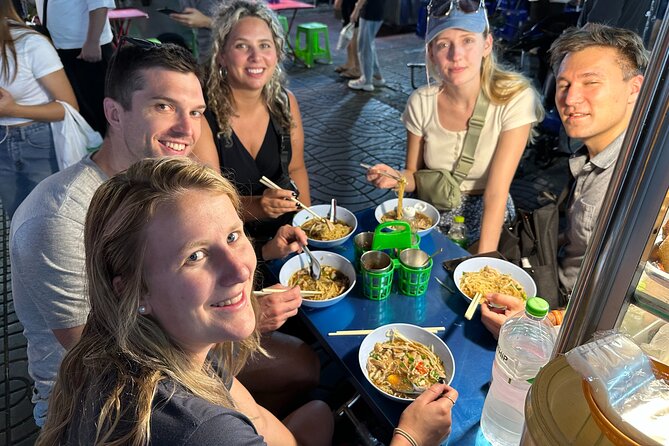
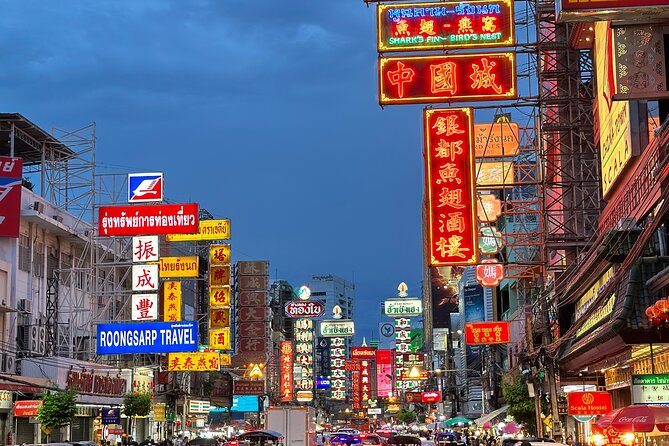
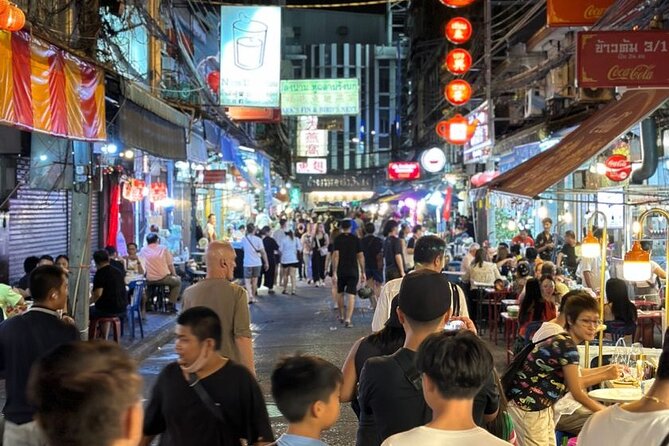
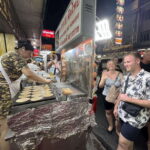
Chinatown at night tastes like a secret. A Bangkok food tour for street-food people, it’s built around a private, licensed guide who leads you through Yaowarat area alleyways instead of leaving you to guess where to eat. You’ll hit 6 structured tastings while learning what you’re actually eating and how Chinatown food differs from what you find elsewhere in Bangkok.
I love the practical setup. You meet right outside MRT Wat Mangkon Exit 3, and the tour explicitly recommends MRT over taxi because traffic can be brutal. I also like the pacing for eating: bottled water is included, the tour runs about 2 hours 30 minutes, and the group is capped at 12 so you’re not lost in a parade.
One catch to plan for: this tour is labeled as not suitable for vegetarian, vegan, or gluten-free diets (and it notes allergy concerns like shrimp, peanuts, pork, and dairy). Even with that warning, some guides have managed gluten-free for certain guests, so if your diet is strict, you’ll want to confirm before you pay.
In This Review
- Key things that make this Bangkok Chinatown night tour work
- MRT Exit 3 is the smart way in (and it keeps your appetite on track)
- What 2 hours 30 minutes and 6 tastings actually mean for your night
- Stop-by-stop: the flavors you’re likely to taste in Yaowarat at night
- Stop 1: savory Chinese-style snacks and dumplings
- Stop 2: another Chinatown street bite (fast, flavorful, and meant for sampling)
- Stop 3: Thai soups and hot comfort (including Tom Yum when it’s available)
- Stop 4: Indonesian influence—chicken satay is a common highlight
- Stop 5: sweet pastries and donuts
- Stop 6: a final bite that leaves you satisfied
- The guide factor: how you get context (and why names like Jan, Sophie, Peach, and Kay keep appearing)
- Price and value: why $55 can be a smart deal or a letdown
- Diet, allergy, and language: the planning part that decides everything
- Practical tips that make your night smoother
- Who should book this Bangkok Chinatown food tour by night
- Should you book this tour?
- FAQ
- What time does the Bangkok Food Tour by Night start?
- How long is the tour?
- Where do I meet the guide?
- How many food stops are included?
- Is alcohol included?
- What should I know about dietary restrictions and allergies?
- What is the maximum group size?
Key things that make this Bangkok Chinatown night tour work
- MRT Exit 3 meetup: easy to find, less traffic stress, start time is clear
- 6 food stops in 2.5 hours: enough sampling to feel like a real night of eating, not a snack run
- Private guide, small group (max 12): you stay together and don’t spend the whole time hunting for the next stall
- Street-food tastings plus bottled water: you’re not expected to manage hydration on your own
- Cultural stops mixed in: you may see temples/landmarks along the walk, not just food stations
- No alcohol included: easier to keep energy up for night walking and close by-the-group timing
MRT Exit 3 is the smart way in (and it keeps your appetite on track)
This tour starts at 7:00 pm, with the guide waiting on the ground level right outside Exit No. 3 of the MRT Wat Mangkon Station. The closest practical arrival plan is to take the MRT metro train to “Wat Mangkon,” then use that exit. The tour even points out that taxis can be a headache due to heavy traffic in the area.
That matters more than it sounds. If you arrive late or frazzled, you miss the whole point of a night street-food tour: you want to start eating while the market energy is still fresh and the guide can get you into the right spots without splitting the group.
If you’re using public transit, you’re in the right zone. The tour notes that the first, second, and third MRT stops are nearby, which usually means fewer weird detours with lots of stairs at night.
Still hungry? More woks, stalls and night-market plates
- Bangkok: Backstreets Food Tour with 15+ Tastings
★ 4.9 · 2,880 reviews - Bangkok: Midnight Food Tour by Tuk-Tuk
★ 4.9 · 2,054 reviews - Bangkok Backstreets Food Tour with 15+ Tastings
★ 5.0 · 1,926 reviews
What 2 hours 30 minutes and 6 tastings actually mean for your night
The tour is designed as a guided eating sequence: you’ll move through Chinatown/Yaowarat area and stop for tastings at 6 different food stops. Food tastings are included, along with bottled water, and there’s insurance coverage and all fees and taxes baked into the price.
The best part of this timing is that it’s long enough to feel full, but not so long that you melt into decision fatigue. Many people book this as a first-night Chinatown plan because walking and snacking is easier with someone who knows the route and can keep you from doubling back.
A couple practical notes that show up in the experience:
- The guide helps with keeping the group together (important in crowded alleys).
- You should expect some water and bathroom breaks during the walk.
Also, the tour has a maximum of 12 travelers, which is a big deal here. Chinatown streets can get tight fast. Smaller groups usually mean more breathing room and less waiting.
Stop-by-stop: the flavors you’re likely to taste in Yaowarat at night
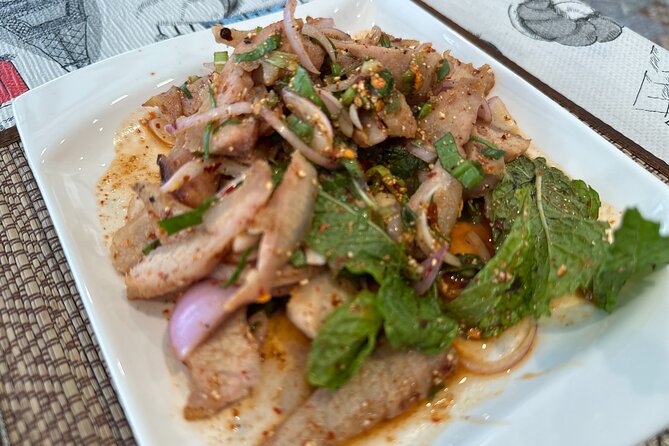
The menu changes with public holidays and seasonal cutoffs, so you won’t be guaranteed the exact same line-up every night. Still, the tour clearly signals the kinds of food you’ll sample: savory dumplings, sweet pastries, and a variety of other street-food flavors that show how Chinatown food works.
Here’s how the night typically feels across the 6 tasting stops, based on the dish types the tour highlights and the examples that come up around this route:
Stop 1: savory Chinese-style snacks and dumplings
Expect the tour to kick things off with something savory that makes sense for street-food sightseeing—often dumplings or other small bites you can eat quickly while walking. This is the point where you’ll start noticing Chinatown’s Chinese influence more than Thai-only flavors.
Why it’s a good first stop: it trains your taste buds for the sauces, textures, and spice balance you’ll keep seeing.
More plates and glasses worth the trip
Stop 2: another Chinatown street bite (fast, flavorful, and meant for sampling)
This is usually where you’ll get a second savory option—something you might not pick confidently on your own because you’re stuck reading Thai and Chinese menus while dodging foot traffic. With a guide, you’re choosing with confidence instead of guesswork.
Possible drawback: if you’re expecting only one narrow cuisine, this tour can feel more mix-and-match than you planned, since Chinatown food reflects multiple influences.
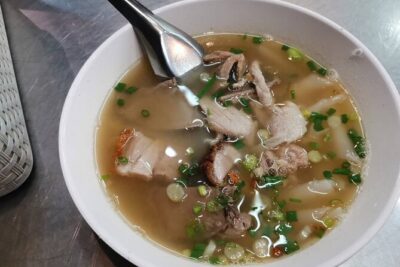
Stop 3: Thai soups and hot comfort (including Tom Yum when it’s available)
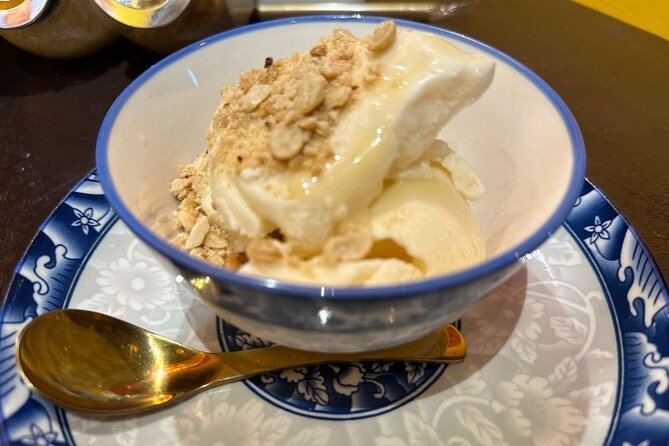
One dish that shows up in the tastings here is Tom Yum soup. When you hit something hot like that in the middle of a walking tour, it does two things: it steadies the spice level and gives you a moment that feels like an actual meal, not just snacks.
If you’re sensitive to heat, ask your guide how spicy the stall tends to be, and pace bites with the bottled water.
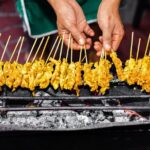
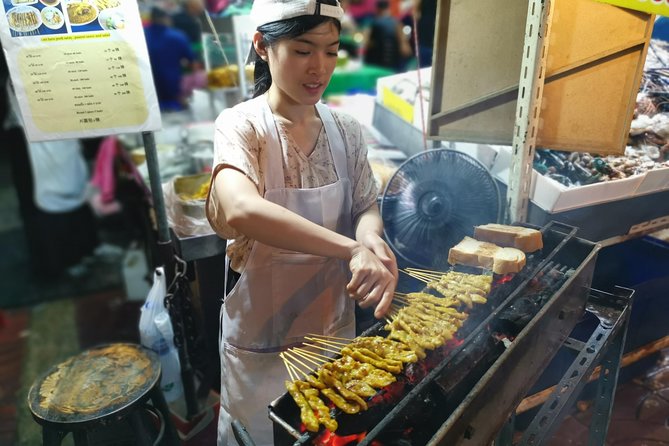
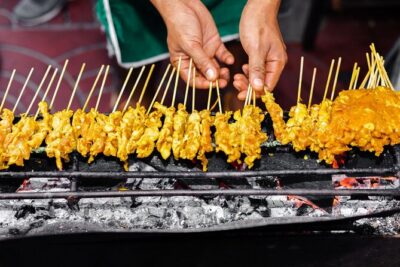
Stop 4: Indonesian influence—chicken satay is a common highlight
A standout example that comes up is Indonesian-style chicken satay. This is where Chinatown’s immigrant food history becomes practical: you taste a familiar Thai-adjacent street-food style, but it’s coming from a different culinary tradition.
I like this stop because it widens your Chinatown understanding beyond one flavor lane.
Stop 5: sweet pastries and donuts
The tour’s tasting promise includes sweet pastries, and you may also find donuts on the course. These are good mid- or late-tour carbs that balance the savory heat.
Tip from how people describe the experience: if you get sweets earlier than you expected, you can still enjoy the rest, but you might feel full sooner. If you prefer sweets last, it’s worth mentioning that preference to your guide at the start.
Stop 6: a final bite that leaves you satisfied
The last stop is meant to close out the night so you don’t leave hungry. People often describe finishing very full. Since the exact dish depends on what’s available that night, keep your goal simple: eat, enjoy, and let the guide handle the selection.
If you’re the type who wants a big dinner later, you’ll probably be able to manage it, but you’ll likely need a lighter second plan.
The guide factor: how you get context (and why names like Jan, Sophie, Peach, and Kay keep appearing)
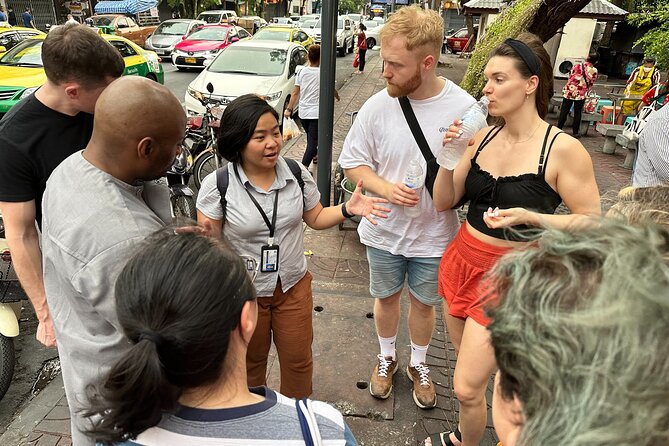
A food tour lives or dies on the guide. This one is led by a professional guide equipped with a license, and that usually means more than just translations. In practice, you’ll want someone who can:
- explain each dish and what to look for
- keep the group moving at a pace that doesn’t turn into stress
- steer you toward vendors that actually fit a food-tour goal
Several guide names show up with strong praise, including Jan, Sophie, Peach, and Kay (and also Alex and Sophia). The best feedback isn’t only about friendliness—it’s about competence with the street-food setting. For example, one guide, Jan, has been specifically praised for accommodating celiac/gluten-free needs at every stop. That’s meaningful because it suggests the guide isn’t guessing in the moment.
At the same time, not every tour runs the same way. There are also accounts of language barriers and moments where food descriptions felt thin. So if you care a lot about learning what you’re eating, treat clear communication as part of your decision.
Price and value: why $55 can be a smart deal or a letdown
At $55 per person, you’re paying for more than food. Six stops sounds simple, but the value is in:
- someone else selecting good places
- faster access to the right stalls
- fewer dead ends in alleyways
- a guided rhythm so you can sample without guessing
This tour can be a great value if you’re short on time and want Chinatown food without the hours of wandering. People also describe it as filtering out the lower-quality choices and taking them to the better vendors.
But there’s a fair caution. Some people felt their tour ended up with basics and didn’t match the promised wow factor, and a few said they visited spots that felt similar to other food tours. That doesn’t mean the whole idea is wrong—it means your experience will depend heavily on the specific guide-night pairing.
So here’s the honest yardstick I use:
- If you want guidance and structured sampling, $55 is often worth it.
- If you prefer to roam independently and you already know exactly where you’re going, you might feel like you overpaid.
Diet, allergy, and language: the planning part that decides everything
This is the one section where you should be very direct with yourself.
The tour data warns it may not be suitable if you follow a vegetarian, vegan, or gluten-free diet, and it also flags allergies to shrimp, peanuts, pork, or dairy. That’s a strong warning label, and you should take it seriously.
Still, the real world shows variation. One guest had celiac/gluten-free accommodated at every stop by a guide named Jan. Another guest reported difficulty with halal chicken substitutions, and another said vegetarian requests didn’t get followed as expected.
What that means for you:
- If your diet is strict, message ahead and ask exactly how substitutions are handled for your specific needs.
- If you can’t get clear confirmation, plan a backup. Don’t assume street-food kitchens can always swap ingredients on demand.
Language also matters. Some accounts mention guides with accent or English clarity issues, which affected the ability to explain dishes and add context. If you need detailed explanations, it’s worth choosing with that in mind.
Finally, personal safety in a crowded area is on you. Chinatown gets busy, and there are claims of physical handling that made it harder to protect personal belongings. Even on a great tour, keep your phone/wallet secured and stay aware—especially when the street narrows.
Practical tips that make your night smoother
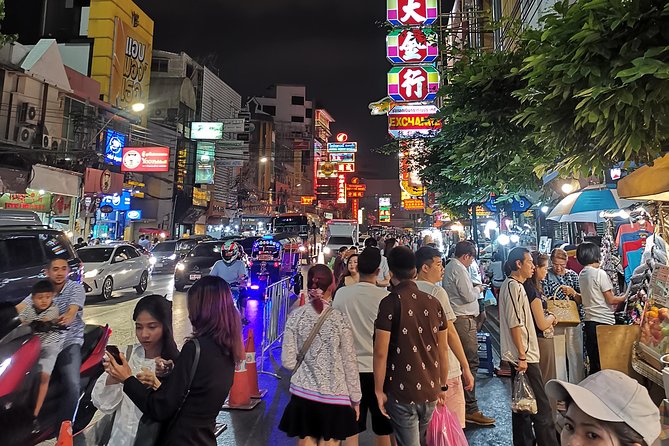
Here are the small things that help you get more joy out of the 7:00 pm start:
- Bring a camera. People specifically call out enjoying photos in this part of Bangkok.
- Bring an umbrella. Rain can happen, and one note says to pack one just in case.
- Go hungry enough to enjoy all 6 stops. Even with pacing, most people leave full, so skip a heavy late lunch.
- If you have limited time, treat this as a first-night Chinatown orientation. People describe it as both food and neighborhood experience, including temple/landmark sights and a sense of how the area works at night.
- Wear shoes you can walk in comfortably. (Chinatown sidewalks and alley crossings are not built for long lingering.)
Who should book this Bangkok Chinatown food tour by night
This tour tends to fit best if you:
- want a guided introduction to Yaowarat without getting lost
- like eating as you walk and don’t want to choose between 30 stalls
- enjoy variety, including Chinese-influenced street food plus Thai and even Indonesian items like chicken satay
- want a tour format that includes bottled water and keeps timing under control
It may be a mismatch if you:
- need vegetarian/vegan or gluten-free food without risk
- have allergies that are hard to substitute (shrimp, peanuts, pork, dairy are specifically flagged)
- prefer very detailed, slow explanations and strong English clarity every minute
Should you book this tour?
I’d book it if you want the simplest path to a full Chinatown night: 7:00 pm start, MRT-friendly meetup, a licensed guide, 6 tastings, and a small group that keeps you moving without chaos.
I wouldn’t book it blindly if your diet is strict or you rely on zero-cross-contact food. The tour’s own suitability warning is strong, and real experiences show that substitutions aren’t always handled the same way. If that’s you, confirm first, and keep a backup plan.
If your expectations are clear—guided tasting, not a solo street-food scavenger hunt—this can be a satisfying way to understand Bangkok Chinatown after dark.
FAQ
What time does the Bangkok Food Tour by Night start?
The tour starts at 7:00 pm.
How long is the tour?
It runs about 2 hours 30 minutes.
Where do I meet the guide?
Meet right outside Exit No. 3 of the MRT Wat Mangkon Station. The guide is waiting at ground level at Exit 3 (Wat Mangkon Kamalawat).
How many food stops are included?
You get 6 different food stops. Food tastings and bottled water are included.
Is alcohol included?
No. Alcoholic beverages are not included.
What should I know about dietary restrictions and allergies?
The tour data warns it may not be suitable for vegetarian, vegan, or gluten-free diets, and it flags allergies to shrimp, peanuts, pork, and dairy. Some guides have accommodated gluten-free for certain guests, but you should confirm your exact needs in advance.
What is the maximum group size?
The tour has a maximum of 12 travelers.
More Tours in Bangkok

More Tour Reviews in Bangkok



Eat Bangkok: More Street Food
Just In: Fresh Bangkok Reviews


Bangkok Food & Street Eats, compared.
 ★ 4.9Backstreets Food Tour with 15+ TastingsFrom $622,880 reviews
 ★ 4.9Midnight Food Tour by Tuk-TukFrom $742,054 reviews
★ 5.0Bangkok Backstreets Food Tour with 15+ TastingsFrom $591,926 reviews
★ 4.9Midnight Food Tour by Tuk-TukFrom $742,054 reviews
★ 5.0Bangkok Backstreets Food Tour with 15+ TastingsFrom $591,926 reviews
 ★ 4.4Michelin Guide Street Food Tour by Tuk TukFrom $201,274 reviews
 ★ 5.0Old Siam Bangkok Food Tour with 15+ TastingsFrom $59867 reviews
 ★ 4.9Bangkok Authentic Tasting Thai-Chinatown Walking Food TourFrom $43852 reviews
 ★ 4.3Tuk Tuk Adventure Chinatown Michelin Food & TemplesFrom $18725 reviews
 ★ 5.0Bangkok Tuk-Tuk Tour by Night with Chinatown Street Food MealFrom $40635 reviews
Browse the lists this tour appears in