
Review · KANCHANABURI & RIVER KWAI
Bangkok: Kanchanaburi, River Kwai & Death Railway Tour
That first rail-view memory hits different. This Bangkok to Kanchanaburi day packs heavy WWII stops—then balances them with the climb at Wat Tham Suea. I especially love how the day starts with the calm, perfectly kept Kanchanaburi War Cemetery, and how the later rail moment at Tham Krasae gives you the story in motion. One thing to plan for: it’s a long day on the road, with a lot of driving from Bangkok.
I also like that you get structured context—not just photos. The JEATH museum is focused on what prisoners faced, with tools, uniforms, weapons, medals, and replicas of daily conditions. The only downside I’d flag is timing: some stops are short, so if you want super-deep reading time, you may wish you had more hours.
In This Review
- Key things to know before you go
- A long day from Bangkok, with the right pacing
- Kanchanaburi War Cemetery: where the emotion is real
- JEATH Museum: exhibits that connect the details
- Bridge Over the River Kwai: the movie lesson, now in real air
- Tham Krasae Station: trains, cliffs, and that quick lunch recharge
- Wat Tham Suea (Tiger Cave Temple): the hike to the 18-meter Buddha
- Responsible travel touches: GSTC, glass water, and carbon offsets
- Price and value: where the $102 really goes
- Who should book this tour (and who might not love it)
- Booking verdict: should you go?
- FAQ
- How long is the Bangkok to Kanchanaburi River Kwai and Death Railway tour?
- What’s included in the tour price?
- Is lunch included?
- How big is the group?
- Is this tour wheelchair accessible?
- Where does pickup happen?
- What should I wear or bring for the sites?
- Is there free cancellation?
Key things to know before you go
- A small group (max 9) means you can ask questions without shouting in a van.
- Kanchanaburi War Cemetery is the emotional anchor of the day, and it’s very well maintained.
- JEATH museum is built around the nationalities tied to the railway effort, so the exhibits stay specific.
- Bridge Over the River Kwai is brief but memorable, and it fits right into the WWII timeline.
- Tham Krasae Station gives you rail views and passing trains along the cliffside curve.
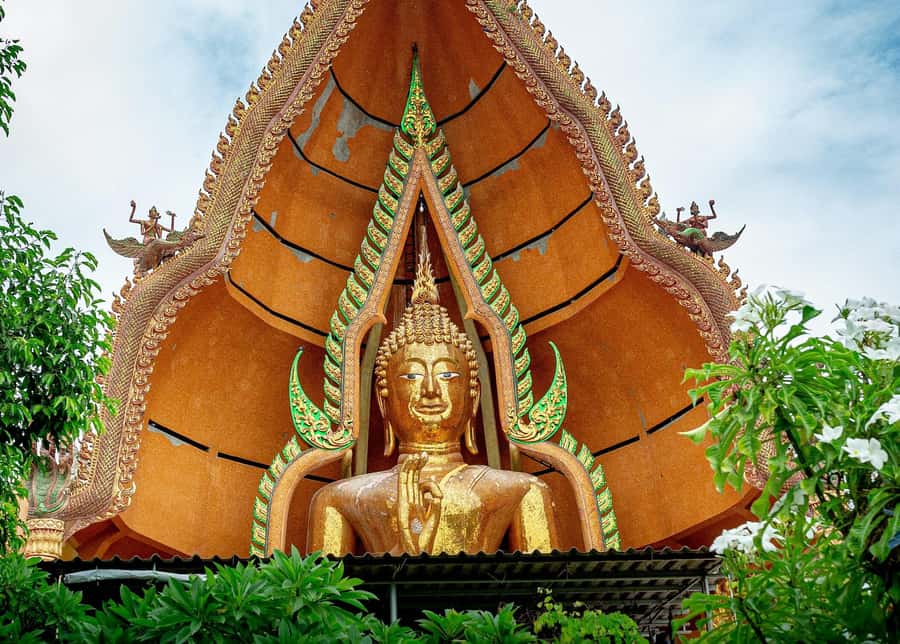
- Tiger Cave Temple combines tiger paw details, a steep hike, and an 18-meter Buddha statue at the top.
A long day from Bangkok, with the right pacing
This tour runs about 10 hours, and it follows a clear rhythm: early pickup, a ride into Kanchanaburi, then history sites, then a hike, and finally the long return. The van ride is air-conditioned, and you’ll get a planned lunch and a coffee break so you don’t arrive at the temple feeling wrecked.
The best part for me is that the day doesn’t treat the Death Railway as distant textbook stuff. You start with the cemetery, then step into the museum, then see the bridge and rail views. It’s one story, told in stops you can actually walk through.
The main practical consideration is travel time. Even with a smooth van ride, the drive can feel like a big chunk of the day. If you’re someone who hates sitting in traffic, bring patience—and water.
Out to the River Kwai, more Kanchanaburi trips
- From Bangkok: Erawan Park & Kanchanaburi Small-Group Tour
★ 4.5 · 1,582 reviews - From Bangkok: Death Railway & Hellfire Pass Tour with Lunch
★ 4.6 · 931 reviews - From Bangkok: Historical Day Tour to River Kwai
★ 4.6 · 868 reviews
Kanchanaburi War Cemetery: where the emotion is real
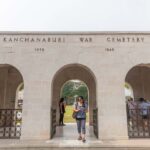
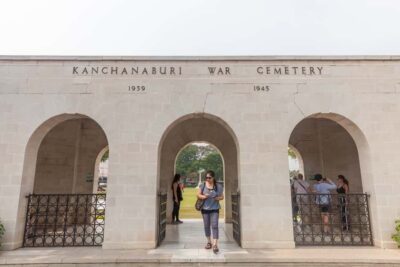
Your day begins at the Kanchanaburi War Cemetery, with a 30-minute visit. This is where the tone shifts from sightseeing to remembrance. The grounds are kept in a very orderly, respectful way, and walking the paths gives you time to absorb what the cemetery is for: honoring soldiers, prisoners of war, and civilians who died while working on the Siam-Burma Railway under the Japanese Empire.
I like that the visit isn’t rushed into a “quick look” photo stop. Even though it’s a short window, the space encourages silence and stillness. If you’re prone to browsing screens while walking, try turning that habit off here. Let the place do its job.
Practical tip: This is also the easiest moment to slow down for photos. Later, you’ll be hiking and dealing with heat and crowds at temple areas, so use the cemetery time to capture a few meaningful shots without rushing.
JEATH Museum: exhibits that connect the details
Next you head to the JEATH museum for another 30-minute stop. JEATH stands for the nationalities connected to the railway: Japanese, English, Australian, American, Thai, and Hollander. That naming choice matters, because the exhibits focus on the human mix of those who were involved and affected.
Inside, you’ll see items like weapons, tools, uniforms, medals, plus replicas showing the living conditions of prisoners of war. This is the kind of museum where the objects help you understand scale—what people wore, what they used, and what their daily environment looked like.
A word of balance: the museum is intense. It’s not a light “war history” pop quiz. But if you want to understand why the railway is remembered the way it is, this stop gives you the context that makes the later bridge and station sections land harder.
Bridge Over the River Kwai: the movie lesson, now in real air
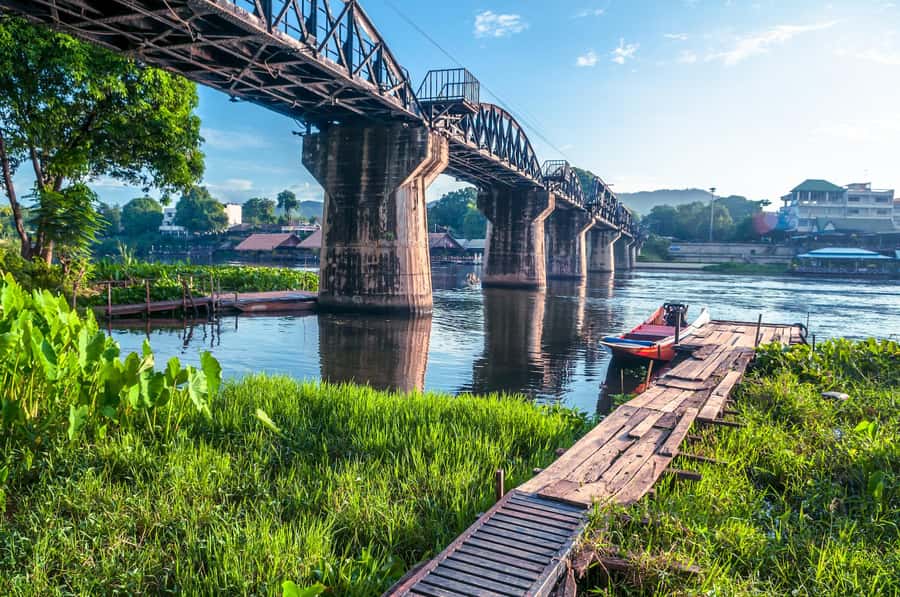
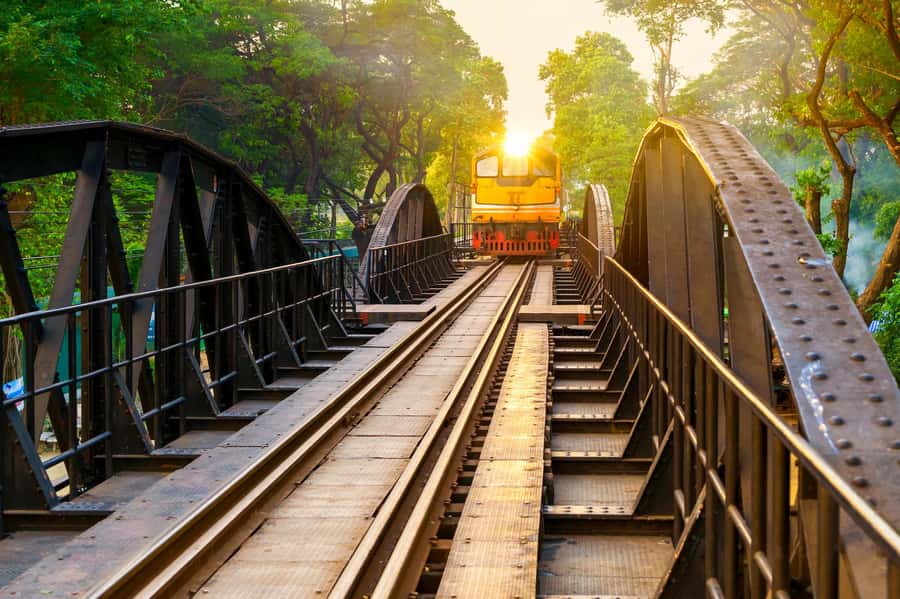
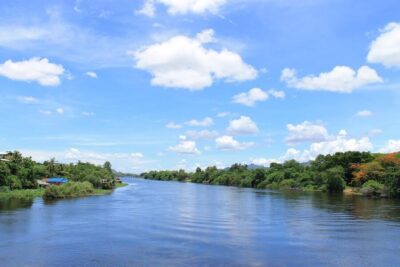
Then you’re off to the Bridge Over the River Kwai, with about 1.5 hours for sightseeing. Even if you don’t care about the famous story, the bridge works as a visual anchor. You can stand in the area, look across the river, and connect the physical structure with what it represented during WWII.
This is a classic history-photo moment, but it doesn’t stay just at “cool bridge.” With the cemetery and museum fresh in your mind, the bridge feels less like a landmark and more like a key part of a system—one built with human cost.
If you want the best photos, look for angles that include both the bridge and the surrounding river setting. It’s not about dramatic posing. It’s about showing where people moved through and how the terrain shaped the rail line.


Tham Krasae Station: trains, cliffs, and that quick lunch recharge
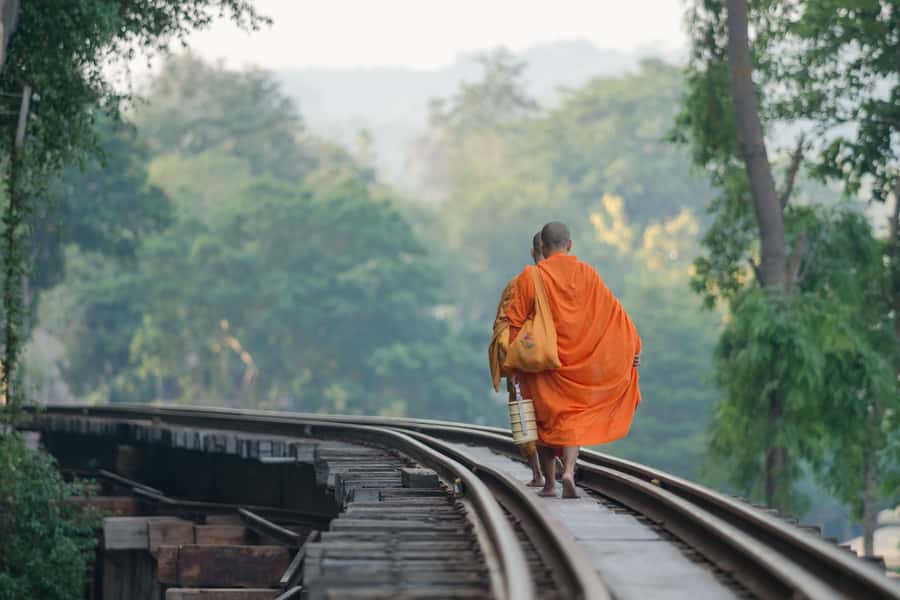
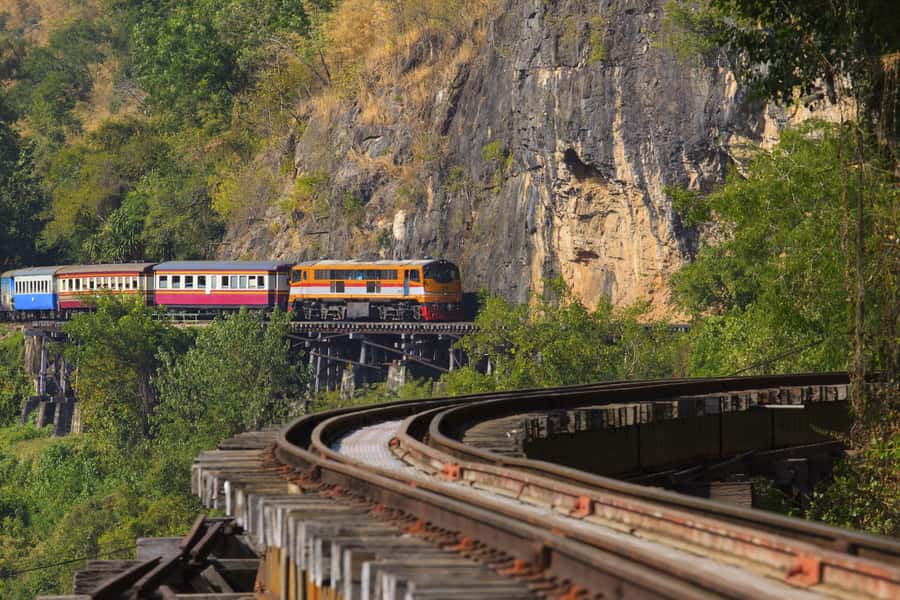
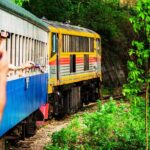
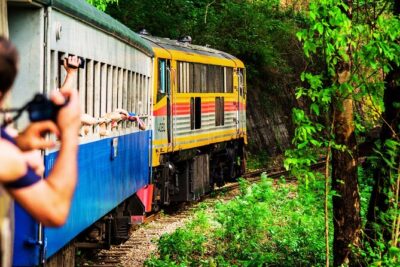
You’ll also stop at Tham Krasae Station, with about 30 minutes to take in the railway section that snakes around a cliff. This is a different vibe than the bridge. It’s more “infrastructure you can feel,” and the best part is watching trains pass through the area.
There’s also a local restaurant lunch (about 1 hour) and a coffee break afterward. Lunch is not included in the tour cost, so plan to budget for it. Still, the schedule makes sense: you get fed before the temple hike, and you get caffeine before the climb.
One review noted how hot the day can get—temperatures can reach 42°C+—so this is where your body will tell you if you didn’t pack sunscreen and water habits. The tour provides a glass bottle of drinking water, but I still treat it like a bonus, not a full solution for the heat.
Wat Tham Suea (Tiger Cave Temple): the hike to the 18-meter Buddha
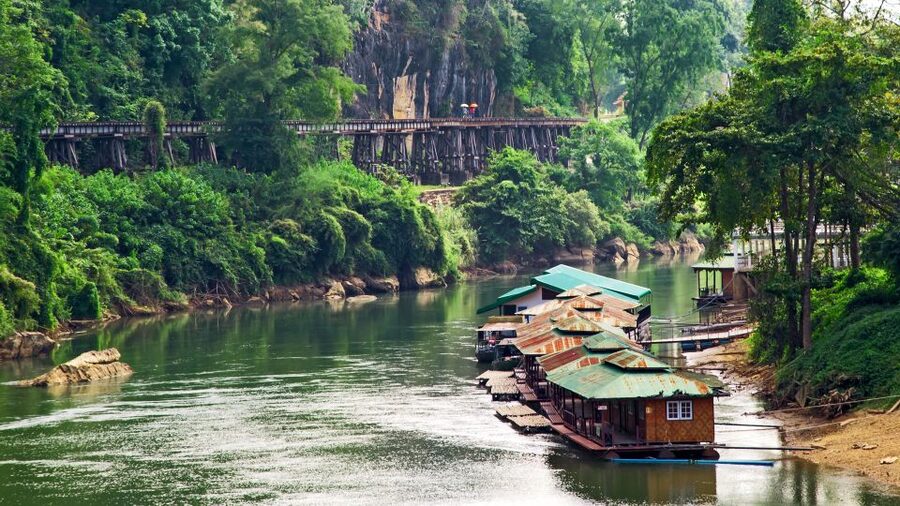
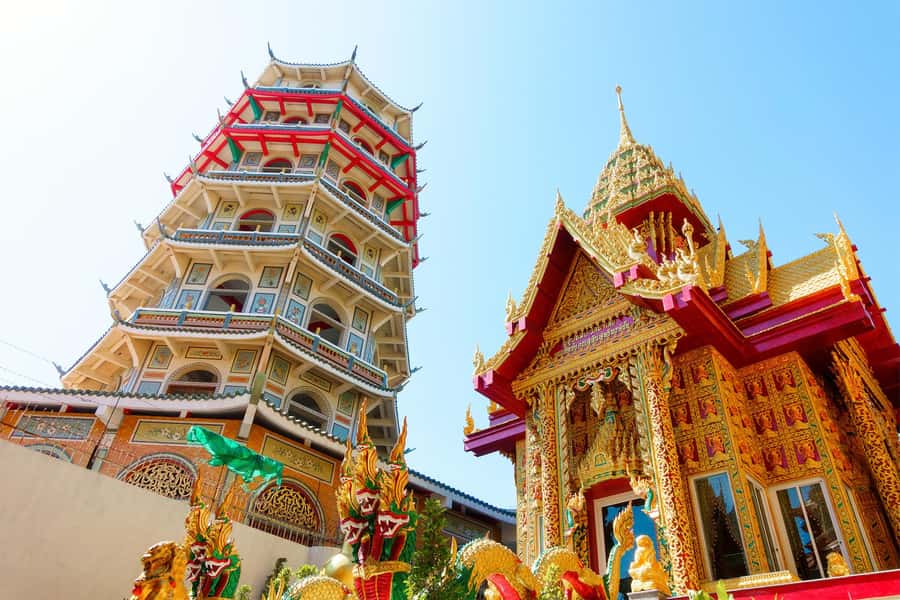
The final big cultural stop is Wat Tham Suea, also called Tiger Cave Temple, with about 1 hour on site. This is the part of the day that turns down the WWII intensity and turns up the views.
Two details are a must-see:
- Tiger paw prints on the cave walls
- A large, gleaming 18-meter-tall Buddha statue at the top
You’ll face a steep hike, and the reward is both the close-up statue view and the surrounding scenery from up high. If you’re okay with stairs but not okay with getting sweaty, wear breathable clothes and move slowly. The goal isn’t speed. It’s conserving energy for photos and for actually enjoying the moment once you’re at the top.
Dress note: temples require proper attire. Avoid short skirts and short shorts, and steer clear of sleeveless shirts. If you arrive underdressed, you might have to handle that before you can go in comfortably.
Responsible travel touches: GSTC, glass water, and carbon offsets
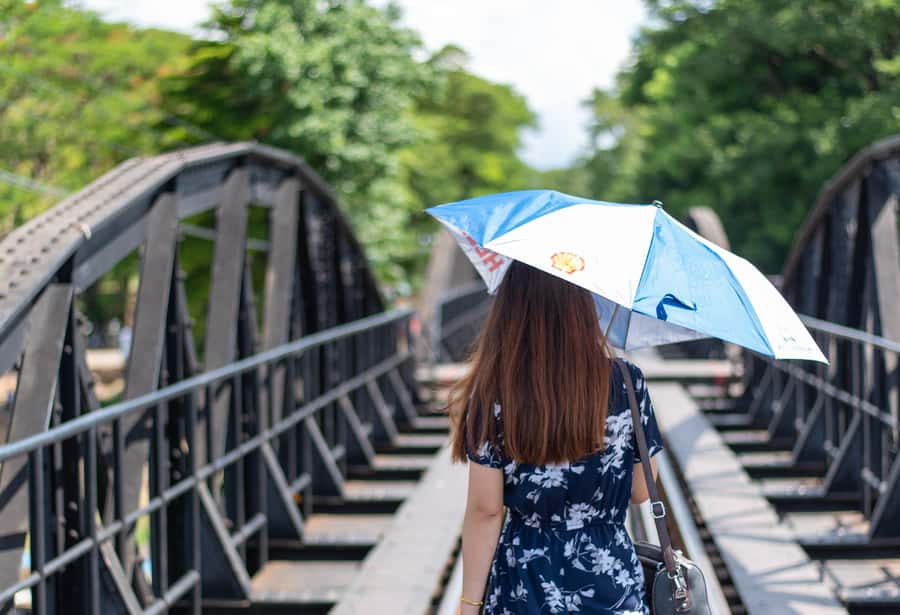
This tour markets a responsible approach. You’ll get water in glass bottles and the tour includes carbon emissions offset credits. It’s not just marketing fluff; these are the kinds of small choices that add up when you’re doing a day trip that already involves a lot of driving.
The GSTC-certified aspect also matters for me because it suggests the operator is thinking about sustainability beyond just “check the box.” You’re still touring a heavy-history itinerary, but you can at least feel good about how the day is managed.
Price and value: where the $102 really goes
At around $102 per person for a full 10-hour experience, the value isn’t only in the attractions—it’s in the total package of time, transport, and guided interpretation.
Here’s what you’re effectively paying for:
- English-speaking tour guide
- Air-conditioned vehicle with comfortable ride time
- Entrance fee to the JEATH museum
- A glass bottle of drinking water
- Carbon offset credits
- Small group size (limited to 9 participants)
Lunch and personal expenses are not included, so you’ll still spend extra for food. But you’re not paying separately for museum admission, and you avoid the hassle of planning transport across multiple sites in one day.
One more value point: transport quality. The provided info says 91% of reviewers gave it a perfect score, which usually signals clean driving, on-time operations, and fewer headaches than the typical “we’ll figure it out” tour style.
Who should book this tour (and who might not love it)
This is a strong match if you:
- Want a structured WWII itinerary tied to real places you can walk through
- Like a guide who can explain context as you go
- Prefer small-group comfort over big coach chaos
- Also want a temple stop with major payoff views
You might think twice if you:
- Hate long driving days from Bangkok
- Need lots of quiet time at each site (some stops are short by design)
- Want a very slow, reading-heavy museum pace
The heat factor matters too. If you’re sensitive to hot weather, plan hydration carefully and wear lightweight clothing that still meets temple rules.
Booking verdict: should you go?
If your Bangkok trip includes WWII history and you want it handled with a thoughtful sequence—cemetery, museum, bridge, rail views—this tour is a good bet. The small-group size and the guided English narration make it easier to understand what you’re seeing without losing time.
I’d book it if you’re the type who likes connecting dots as you walk. I’d hesitate only if you know you’ll feel drained by a long return drive and brief stop durations.
If you do book, pack for the heat, follow the temple dress rules, and bring a camera—you’ll have several photo moments, including the bridge, the cliffside station, and the 18-meter Buddha.
FAQ
How long is the Bangkok to Kanchanaburi River Kwai and Death Railway tour?
The total duration is 10 hours.
What’s included in the tour price?
Included items are an English-speaking tour guide, air-conditioned vehicle, entrance fee to JEATH Museum, a glass bottle of drinking water, and carbon emissions offset credits. Hotel pickup and drop-off are included only if you select the private option.
Is lunch included?
No. Lunch is not included, so you’ll need to pay for it at the local restaurant stop.
How big is the group?
It’s a small group limited to up to 9 participants.
Is this tour wheelchair accessible?
Yes, it’s listed as wheelchair accessible.
Where does pickup happen?
Pickup is only offered from hotels or registered accommodations. For safety reasons, pickup isn’t available from roadsides or shopping malls.
What should I wear or bring for the sites?
Bring a camera, sunscreen, comfortable clothes, and cash. Wear appropriate clothing for temples—avoid short skirts, short shorts, and sleeveless shirts.
Is there free cancellation?
Yes. Free cancellation is available up to 24 hours in advance for a full refund.
More Tours in Bangkok


More Tour Reviews in Bangkok

Out to the River Kwai
Just In: Fresh Bangkok Reviews

Kanchanaburi & River Kwai, compared.
 ★ 4.5From Bangkok: Erawan Park & Kanchanaburi Small-Group TourFrom $591,582 reviews
 ★ 4.6From Bangkok: Death Railway & Hellfire Pass Tour with LunchFrom $82931 reviews
 ★ 4.6From Bangkok: Historical Day Tour to River KwaiFrom $51868 reviews
 ★ 4.8From Bangkok: Elephant Sanctuary and Kanchanaburi TourFrom $79826 reviews
 ★ 4.9Elephant Sanctuary & Erawan Waterfall TourFrom $181820 reviews
 ★ 4.5Bridge on the River Kwai and Thailand-Burma Railway TourFrom $108658 reviews
 ★ 4.5Erawan Waterfalls and Bridge Over River Kwai Tour from BangkokFrom $56372 reviews
 ★ 4.5Bridge on the River Kwai and Thailand-Burma Railway Guided TourFrom $94353 reviews
Browse the lists this tour appears in