
Review · BANGKOK FOOD & STREET EATS
Bangkok: Street Food Tasting Tour at Night
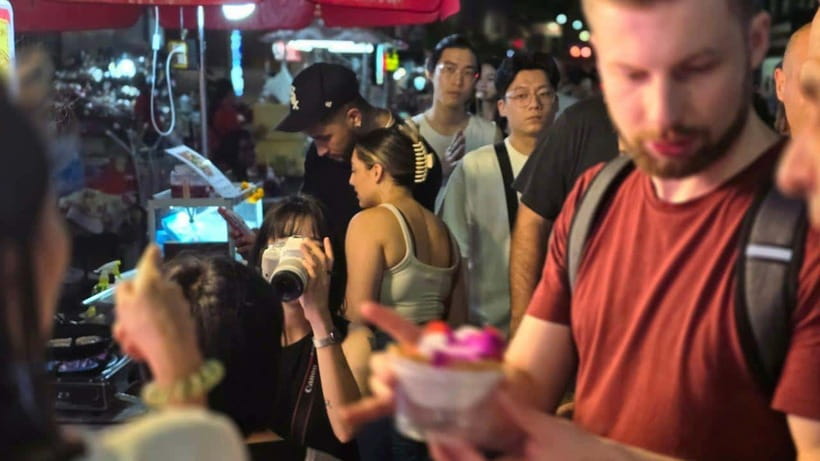
Chinatown at night turns dinner into a mission. This Bangkok Chinatown street food tasting tour guides you through the maze of Yaowarat-area alleys for Thai-Chinese eats and the stories behind them, all while the neighborhood wakes up.
I really like the structure: 6 food stops means you’re not left wandering and guessing. And I also like that the tour leans into what sells locally, plus the guide adds context about how these dishes fit Chinatown’s food culture.
One drawback to think about: this experience is not a good match for many dietary needs (vegans, gluten intolerance, and common allergies are excluded), and it involves a lot of walking on crowded streets.
In This Review
- Key takeaways before you go
- Why Yaowarat at Night Feels Like Part of the Meal
- Price and Portion Reality for a $49 Night
- Meeting Point: MRT Wat Mangkon Beats the Taxi Trap
- What to Wear and Bring (So the Night Doesn’t Go Sideways)
- The 150-Minute Route: How Six Tasting Stops Usually Work
- Stop 1: A best-selling Thai-Chinese start
- Stop 2: Dumplings and savory street comfort
- Stop 3: Another Thai-Chinese best-seller plate
- Stop 4: The #1 local ranking dish experience
- Stop 5: The homemade highlighted menu with a secret ingredient
- Stop 6: Sweet pastries to close the night
- What the Guide Actually Adds (Not Just Food, But Meaning)
- Hygiene, Crowds, and How to Keep Your Expectations Real
- Food Rules: Allergies, Vegan Needs, and Gluten Reality
- Night-Market Etiquette: How to Enjoy Without Stress
- Who This Tour Suits Best (And Who Should Skip It)
- Should You Book This Bangkok Chinatown Street Food Tour?
- FAQ
- Where do we meet for the Bangkok Chinatown night food tour?
- How long is the tour?
- What’s included in the price?
- Is hotel pickup and drop-off included?
- Does the tour include alcohol?
- What should I bring?
- Are electronic devices allowed during the tour?
- Is the tour refundable if I cancel?
Key takeaways before you go
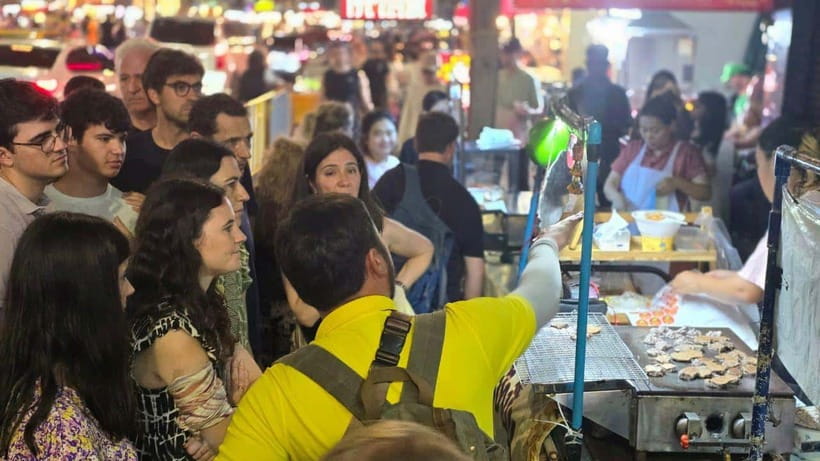
- 6 tastings with different Thai-Chinese styles so you get variety instead of one big meal
- A live English guide who explains dish history and local meaning as you eat
- Homemade highlighted menu with a secret ingredient gives you something more than standard street-snacking
- Night atmosphere in Chinatown (Yaowarat area) with narrow lanes and lots to see while you hunt flavors
- Meet at MRT Wat Mangkon (Exit 3) to avoid the traffic headache of taxis
- Comfortable shoes only; bare feet and electronic devices are not allowed
Why Yaowarat at Night Feels Like Part of the Meal
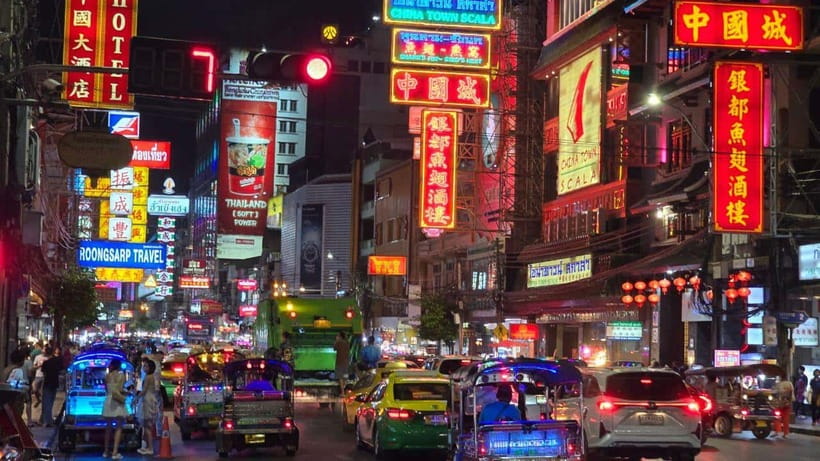
Night in Chinatown is not just about food. It’s about pace. The streets run on quick decisions, small lines, and vendors who know exactly what people want at this hour. That’s why a guided crawl matters: you’re learning the rhythm while you taste it, instead of arriving late and feeling lost.
This tour takes you through that “street level” Chinatown scene where Thai-Chinese menus are a real thing. You’ll see how a neighborhood becomes a food ecosystem, with the same type of flavors showing up again and again—but in different forms, portions, and styles. The result is that you start noticing patterns (texture, spice level, noodle vs. dumpling vs. sweet) instead of only collecting random bites.
Also, you get sightseeing along the way. You’re walking narrow streets and looking at everyday life, not museum scenes. If you’re the kind of traveler who likes to understand a place through what people actually eat, you’ll get a lot out of that.
Still hungry? More woks, stalls and night-market plates
- Bangkok: Backstreets Food Tour with 15+ Tastings
★ 4.9 · 2,880 reviews - Bangkok: Midnight Food Tour by Tuk-Tuk
★ 4.9 · 2,054 reviews - Bangkok Backstreets Food Tour with 15+ Tastings
★ 5.0 · 1,926 reviews
Price and Portion Reality for a $49 Night
At $49 per person for about 150 minutes, you’re paying for three things: time, guidance, and food. You’re not just buying snacks from one stall. You’re paying for a guide plus tastings at 6 different food places, which is where the value usually comes from in Bangkok.
Here’s the practical way to think about it. Street food can be cheap, but “cheap and convenient” isn’t the same as “cheap and right.” Without local help, you can easily waste time on long lines, confusing menus, or places that look busy but don’t match what you’re seeking. A guide helps you move efficiently through Chinatown’s crowded lanes and also helps you understand what you’re eating.
The 150-minute length also fits the mood. It’s long enough to get meaningful variety—savory dishes, dumplings, and sweet options—without dragging you through the night until you’re exhausted.
One more value point: alcohol is neither included nor allowed, so you’re paying specifically for food and the tour experience, not a drinks bill. If you want a clean, food-first night, that can be a plus.
Meeting Point: MRT Wat Mangkon Beats the Taxi Trap
The meeting point is outside the MRT Wat Mangkon station, Exit 3 in Chinatown. This is a smart choice. In this area, traffic can be slow and frustrating, and taxis don’t always help when streets tighten up around Yaowarat.
Plan on using the MRT rather than trying to brute-force it by car. The tour also doesn’t include hotel pickup and drop-off, so you’ll want to arrive on your own and be ready to walk from the station.
Logistics note: the tour starts at 449 Charoen Krung Road and you end in the Chinatown/Yaowarat area around 491–493 ถ. เยาวราช. That matters because it affects how you plan dinner afterward. You’ll finish in the same general food zone, so you can keep wandering if you still have energy.
What to Wear and Bring (So the Night Doesn’t Go Sideways)
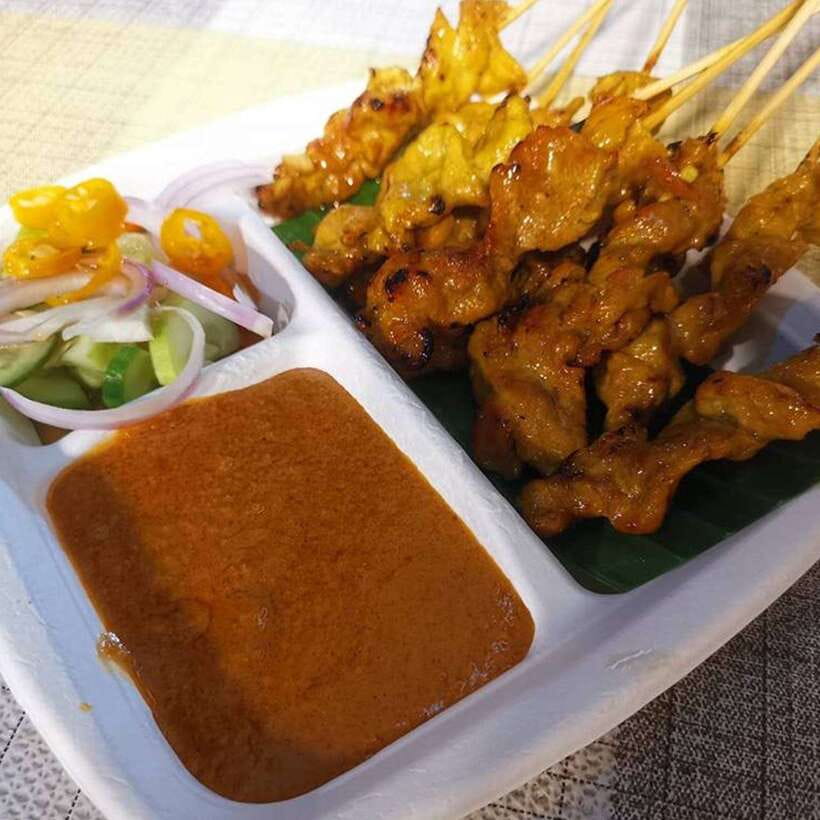
This tour runs on comfort and mobility. You’ll want comfortable shoes because you’ll be walking around in a dense area with lots of movement.
A few rules you should know up front:
- Electronic devices are not allowed during the tour.
- Bare feet are not allowed.
- Alcohol is not allowed.
That “no electronics” part is easy to overlook until you’re standing there ready to film everything. If you like taking photos, this is your reality check. You can still enjoy the sights, but the tour is designed to keep you focused on the experience, not screens.
If you have claustrophobia or mobility impairments, this one is likely to feel stressful. The tour involves navigating narrow alleys and crowded streets, which is not negotiable.
More plates and glasses worth the trip
The 150-Minute Route: How Six Tasting Stops Usually Work
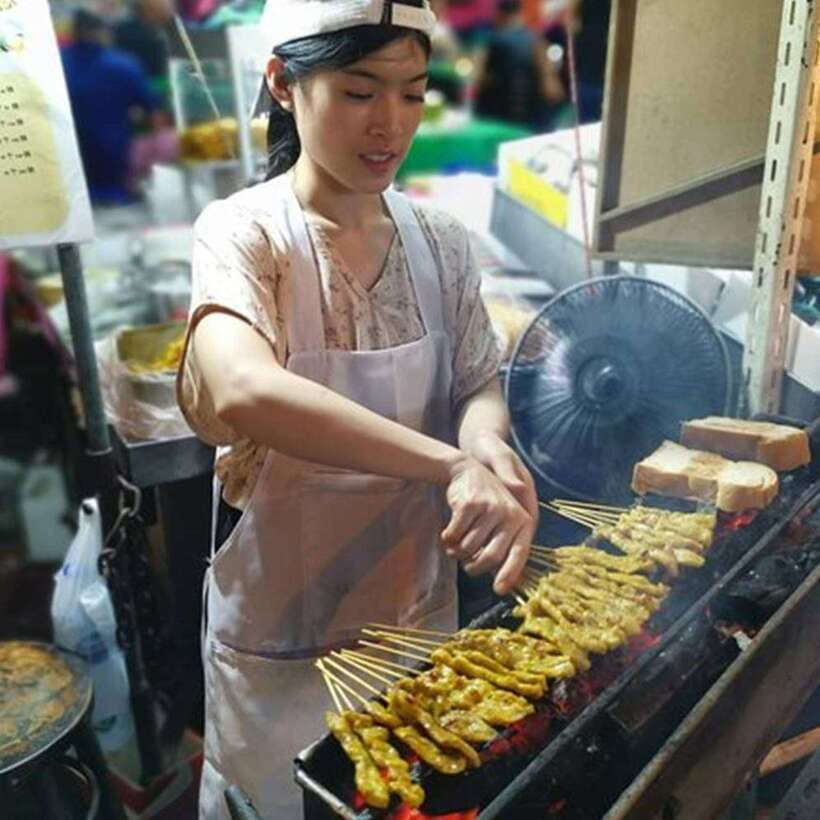
The tour is built around a steady flow: walk a bit, eat a bit, learn a bit, then repeat. You’ll spend about 3 hours in Chinatown for street food and sightseeing as part of the overall 150-minute experience.
You can expect six different food stops, each focused on a distinct flavor lane. While the exact menu can shift due to holidays or seasonal changes, the tour is designed around a few consistent themes: best-selling Thai-Chinese choices, a #1 local dish experience, dumplings, sweet pastries, and a tour-highlighted homemade menu.
Here’s the useful way to imagine the order:
Stop 1: A best-selling Thai-Chinese start
You usually begin with something approachable that sets the tone. This is the moment to pay attention to how flavors are built in Chinatown—sweet-salty balance, savory umami, and the Thai-Chinese mix of techniques. It’s also where you’ll start learning how the guide reads a menu quickly and orders with confidence.
Stop 2: Dumplings and savory street comfort
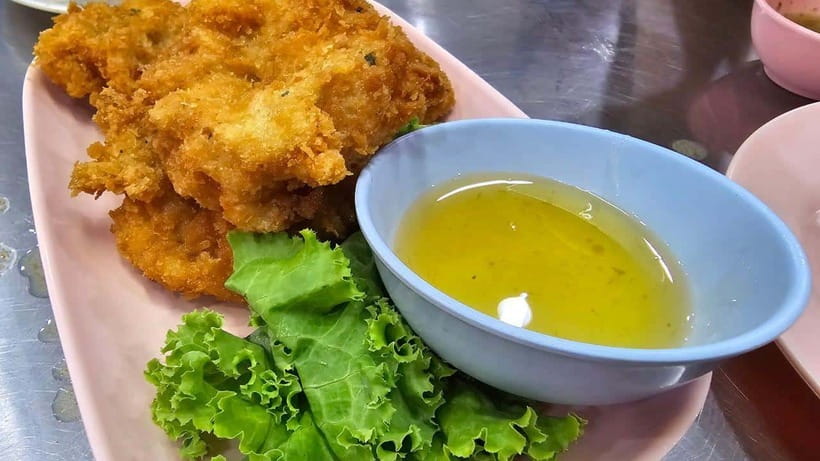
One stop focuses on dumplings. That matters because dumplings are a great “translation food” for Thai-Chinese cuisine: you learn how dough texture, filling style, and dipping sauces work together. It’s also an efficient meal form when you’re in tight lanes and need something satisfying without slowing the group down.
Stop 3: Another Thai-Chinese best-seller plate
This stop is about local favorites beyond dumplings—think the kind of item people return for because it fits the night market mood. The value here is repetition with variation. You’re tasting a different category while still staying within the Chinatown flavor logic.
A drawback to be aware of: some menus might not be available because of public holidays or the end of a season. If you’re traveling around a busy holiday period, keep flexibility in your expectations.
Stop 4: The #1 local ranking dish experience
The tour includes a stop meant to give you the #1 ranking local dish in town. That kind of stop is useful if you want the “what people talk about” dish—something you can reference later when you compare flavors across Bangkok.
Stop 5: The homemade highlighted menu with a secret ingredient
This is the standout concept: a highlighted homemade menu that includes a secret ingredient. You’re not just eating whatever’s easiest to sell. You’re getting a guided taste meant to show how one small change can shift flavor.
For me, tours that include this kind of homemade component are worth it because it reduces the feeling of eating the same thing at six random stalls. Instead, it feels like a planned story.
Stop 6: Sweet pastries to close the night
You’ll finish with something sweet—sweet pastries are specifically mentioned as part of what you’ll sample. That ending matters more than you’d think. It keeps the night from feeling like one long string of savory bites, and it gives your palate a reset before you head back out on your own.
What the Guide Actually Adds (Not Just Food, But Meaning)
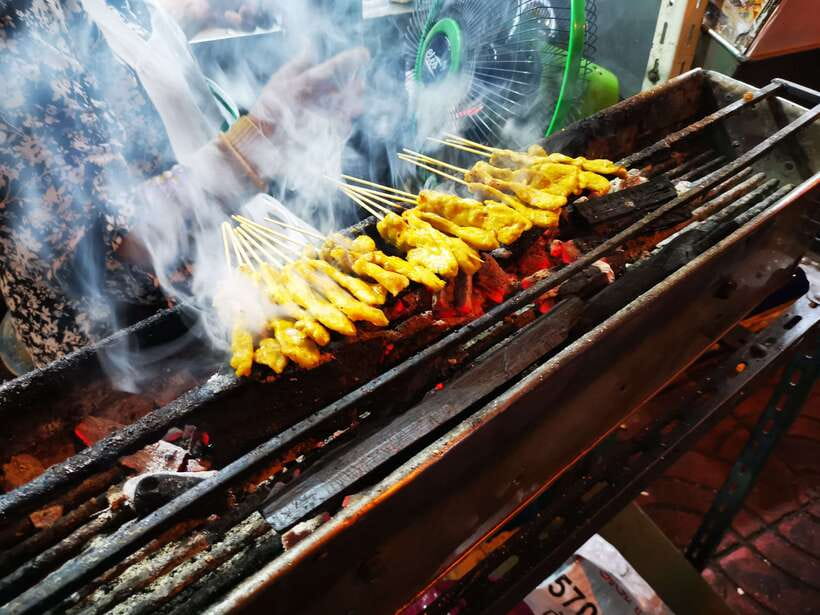
The real value in this tour is the guide work. An English-speaking guide leads you through the alleys and explains what you’re eating and why it matters in Chinatown.
In practice, that means you’re not only tasting dumplings and sweets. You’re also picking up dish context: how Thai-Chinese food shows up here, and how these dishes became part of the neighborhood’s identity. I like this approach because it turns street food into something you understand, not just something you consume.
You may also get a guide who is really engaged and ready with food-and-place stories. One of the guide names that shows up is Sophie, and when the guide is strong, the tour becomes less like a checklist and more like a guided evening walk with strong direction.
Small group energy can happen too. In one case, the experience ran with just two people and the guide still made it feel special, not rushed. You shouldn’t assume your group will be tiny, but the point is: when the guide is present and attentive, you get more from the tastings.
Hygiene, Crowds, and How to Keep Your Expectations Real
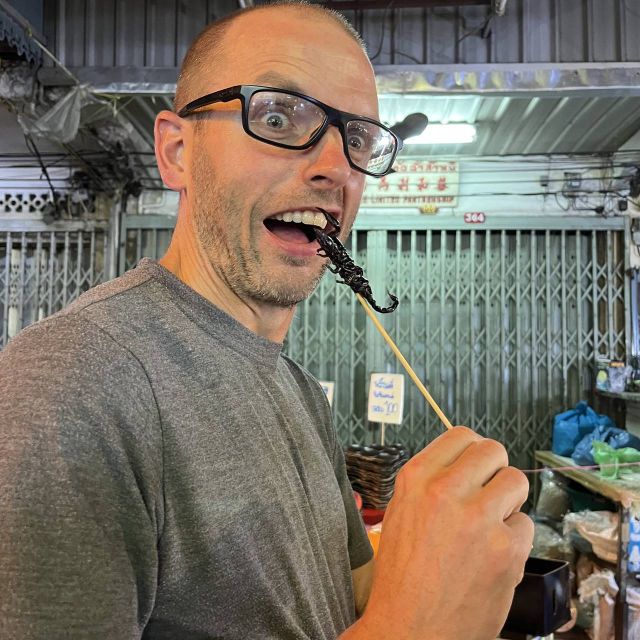
A night street food crawl is fun, but it’s also real street food. Some people are very sensitive to hygiene practices, and the tour format has no way to eliminate all uncertainty when you’re eating in busy public areas.
If hygiene is a major concern for you, bring the right mindset: eat the food that your guide encourages, and pay attention to how the food is handled at each stop. If something feels off to you in the moment, it’s okay to skip a bite. You paid for the experience, but your body is the real deal-breaker.
Crowds are also part of the deal. You’ll likely be moving through tight spaces with lots of activity. That’s great for atmosphere, but it’s not a calm, airy walk.
Food Rules: Allergies, Vegan Needs, and Gluten Reality
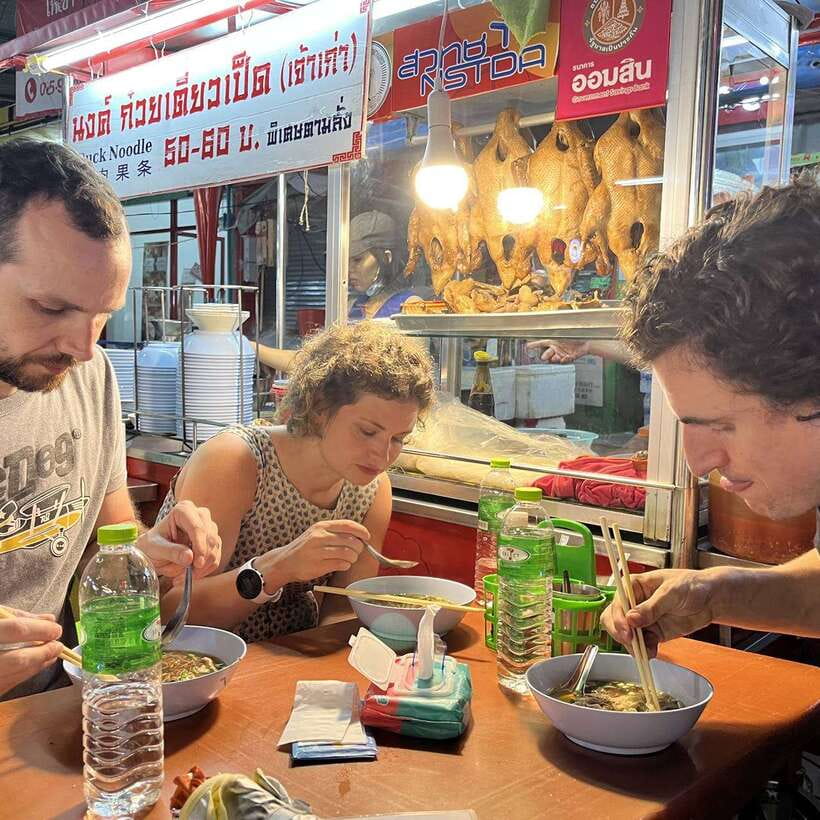
This tour is not suitable for a wide set of diets and allergies. The restrictions are clear, so don’t treat them as optional advice.
It may not be suitable if you are:
- Vegan
- Vegetarian or gluten-free (the tour may not be suitable for these diets)
- Food allergy sensitive, including allergies to shrimp, peanuts, pork, or dairy
- Nut allergy or gluten intolerance
Also, it’s not recommended for people who are visually impaired, and it’s not suitable for wheelchair users or people with mobility impairments. Claustrophobia is also called out as a risk.
So here’s the practical approach I recommend: if you have any serious allergy or you avoid major food groups, skip this one. Street food tours in Chinatown can be intense, and this tour explicitly warns that it may not be possible to safely accommodate those restrictions.
One more practical note: alcoholic beverages are not included, and alcohol is not allowed. So if you were hoping for a casual night with drinks, adjust expectations.
Night-Market Etiquette: How to Enjoy Without Stress
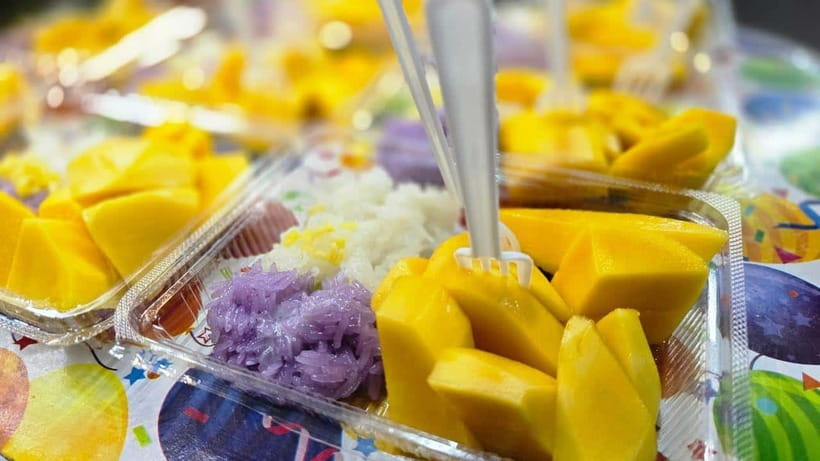
This tour is designed for people who can handle basic “street rules.” You’re walking, tasting, and moving through crowded lanes. That means you should:
- Keep pace with the group.
- Wear shoes you can walk in for 150 minutes.
- Stay flexible with menus if the tour encounters seasonal changes or a holiday closure.
Also, since electronic devices are not allowed, you’ll enjoy it more if you commit to being present. Use your eyes for signage, people, and how vendors operate. Your brain will remember the food more clearly when you aren’t constantly framing it through a screen.
Who This Tour Suits Best (And Who Should Skip It)
You’ll probably love this tour if:
- You want to eat Thai-Chinese street food in Bangkok’s Chinatown area
- You like guided ordering and dish context, not random stall hopping
- You don’t have major food allergies and you’re okay eating typical Chinatown ingredients
- You want a structured night that doesn’t require planning each stop yourself
You should skip it if you:
- Need vegan or gluten-free options
- Have allergies to shrimp, peanuts, pork, or dairy
- Have claustrophobia or mobility limitations
- Rely on visual access aids that this style of walking route may not support
- Expect to use electronics for photos and videos during the tour
Should You Book This Bangkok Chinatown Street Food Tour?
If you’re visiting Bangkok for the first time and want a focused, guided way to sample Thai-Chinese favorites, this is a strong pick. The combination of six tastings, a live English guide, and the mix of dumplings, sweet pastries, a #1 dish stop, and a homemade menu with a secret ingredient makes it feel like a planned food story rather than a loose hangout.
But book it only if the food-fit is right for you. The exclusions around vegan needs, gluten intolerance, nut allergies, and common allergies are serious. Also, you should be comfortable with crowds and walking through narrow alleys at night, and you need to accept the no-electronics rule.
If those points match your situation, you’re likely to leave with both full stomach and better understanding of how Chinatown food culture works.
FAQ
Where do we meet for the Bangkok Chinatown night food tour?
You meet outside the MRT Wat Mangkon station at exit no. 3.
How long is the tour?
The tour duration is 150 minutes.
What’s included in the price?
The price includes a tour guide and food tastings at 6 different places.
Is hotel pickup and drop-off included?
No. Hotel pickup and drop-off services are not included.
Does the tour include alcohol?
No. Alcoholic beverages are not included, and alcohol is also not allowed.
What should I bring?
Bring comfortable shoes, since you’ll be walking around Chinatown at night.
Are electronic devices allowed during the tour?
No. Electronic devices are not allowed.
Is the tour refundable if I cancel?
Yes. You can cancel up to 24 hours in advance for a full refund.
More Tours in Bangkok

More Tour Reviews in Bangkok



Eat Bangkok: More Street Food
Just In: Fresh Bangkok Reviews


Bangkok Food & Street Eats, compared.
 ★ 4.9Backstreets Food Tour with 15+ TastingsFrom $622,880 reviews
 ★ 4.9Midnight Food Tour by Tuk-TukFrom $742,054 reviews
★ 5.0Bangkok Backstreets Food Tour with 15+ TastingsFrom $591,926 reviews
★ 4.9Midnight Food Tour by Tuk-TukFrom $742,054 reviews
★ 5.0Bangkok Backstreets Food Tour with 15+ TastingsFrom $591,926 reviews
 ★ 4.4Michelin Guide Street Food Tour by Tuk TukFrom $201,274 reviews
 ★ 5.0Old Siam Bangkok Food Tour with 15+ TastingsFrom $59867 reviews
 ★ 4.9Bangkok Authentic Tasting Thai-Chinatown Walking Food TourFrom $43852 reviews
 ★ 4.3Tuk Tuk Adventure Chinatown Michelin Food & TemplesFrom $18725 reviews
 ★ 5.0Bangkok Tuk-Tuk Tour by Night with Chinatown Street Food MealFrom $40635 reviews
Browse the lists this tour appears in