
Review · BANGKOK FOOD & STREET EATS
Bangkok: Talad Noi Hidden Gems & Street Food Adventure
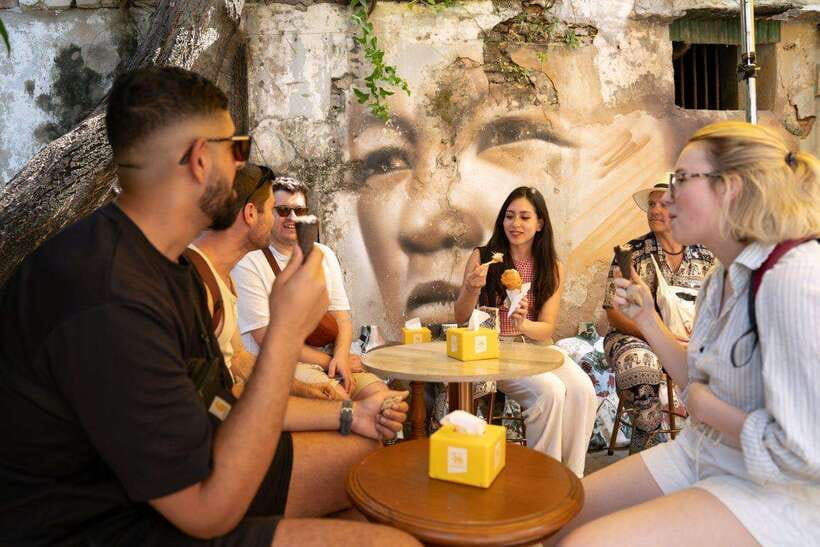
Street food in old Bangkok, minus the chaos. This Talad Noi walk turns Thai-Chinese snacks into a mini cultural tour you can actually follow on foot. You start riverside, head into narrow lanes, then finish back near Si Phraya after tasting your way through the neighborhood’s living food culture.
I especially like the pairing of Holy Rosary Church (built in 1787) with Chinese temple stops. You don’t just see landmarks—you learn how the community shaped religious life and daily eating in the same area.
One thing to consider: the tour is food-forward, with only about 2 km of walking overall. If you’re hoping for hours of deep temple time, you may feel you want more, especially if you go in expecting a pure temple circuit.
In This Review
- Key things that make this Talad Noi street-food walk work
- Talad Noi first: why this neighborhood fits a food-and-history walk
- Holy Rosary Church (1787): a landmark that makes the rest make sense
- Chow Sue Kong Shrine and Hong Sieng Kong: reading Chinese Bangkok details up close
- Street art, riverside café time, and the rhythm of a guided snack crawl
- The food plan: turnip cake, chwee kueh, duck noodles, and more
- From Talad Noi into Chinatown: how the walk connects old and new
- Small group size and guide quality: what you gain with a 12-person cap
- Price and value: why $41 makes sense for this mix
- Who this tour suits (and who may prefer something else)
- Carbon-neutral, B Corp style of travel: the practical meaning
- Should you book? My call on this Talad Noi street food adventure
- FAQ
- Where is the meeting point?
- How long does the tour take?
- How much walking is included?
- What food will I sample?
- Are drinks included?
- Do you visit Holy Rosary Church?
- Do you visit Chow Sue Kong Shrine?
- Is this tour available as a private group?
- Can vegetarians be accommodated?
- Is this tour suitable for kids?
Key things that make this Talad Noi street-food walk work
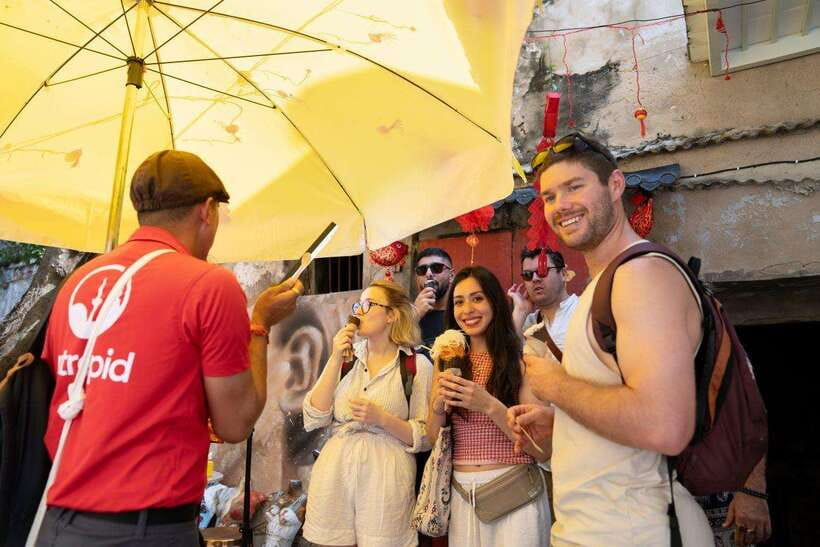
- Small-group pacing (up to 12 people) keeps the walk friendly and questions easy
- Holy Rosary Church (1787) gives you a clear anchor point before the food starts
- Chow Sue Kong Shrine (200 years old) and nearby shrine stops help you read the area’s Chinese influences
- Thai-Chinese street food samples like turnip cake and chwee kueh keep the tour practical and delicious
- Street art plus a riverside café stop gives you a breather between busy lanes
- 2 km total walking makes it doable for a short Bangkok half-day
Talad Noi first: why this neighborhood fits a food-and-history walk
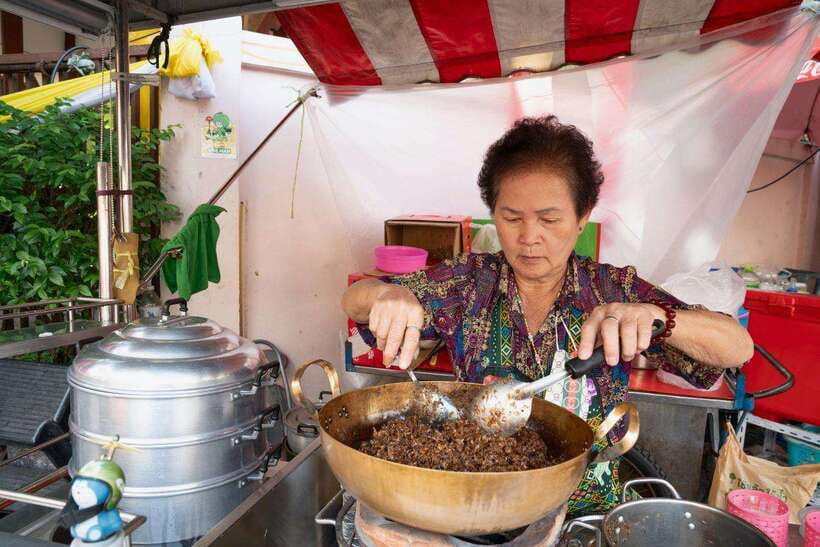
Talad Noi is one of those Bangkok areas where you can feel multiple communities in the same streets. You’ll be walking through tight lanes where Chinese and Thai influences show up in food choices, shop rhythms, and the way religious sites sit alongside everyday life.
What I like about doing Talad Noi on foot (rather than trying to self-tour) is that the route naturally keeps you close to where the action is. You’re not zig-zagging across the city. Instead, you’re covering about 2 km (1.2 mile) in a guided flow, with enough time for explanations and eating without turning the afternoon into a sprint.
Also, the timing is flexible: the tour runs 150–270 minutes depending on the starting time and how the day moves. That’s useful in Bangkok, where weather, crowd levels, and lunch schedules can shift your pace.
Still hungry? More woks, stalls and night-market plates
- Bangkok: Backstreets Food Tour with 15+ Tastings
★ 4.9 · 2,880 reviews - Bangkok: Midnight Food Tour by Tuk-Tuk
★ 4.9 · 2,054 reviews - Bangkok Backstreets Food Tour with 15+ Tastings
★ 5.0 · 1,926 reviews
Holy Rosary Church (1787): a landmark that makes the rest make sense
You begin with a stop at Holy Rosary Church, built in 1787. This matters because it gives you a historical baseline before you start noticing smaller details in signage, shop traditions, and community life.
When I see a neighborhood tour start with a church that old, it signals that the guide isn’t treating the area like a photo set. You get context for why different communities settled and how religious presence became part of the street-level story.
Practical note: churches usually mean a slower pace and more rules than the street. Bring a little patience, and dress in a way that feels respectful for a place of worship. The reward is that you’ll carry that context into the next stops instead of just ticking off sights.
Chow Sue Kong Shrine and Hong Sieng Kong: reading Chinese Bangkok details up close
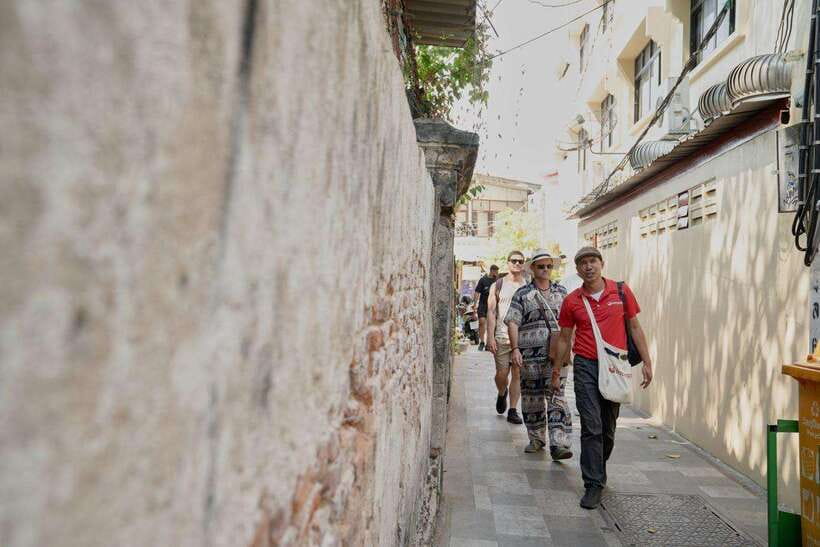
After the church, you move into the Chinese religious side of the neighborhood, starting with the Chow Sue Kong Shrine, which is about 200 years old. This stop is where architecture and symbolism start doing practical work for you: the guide helps you notice what you’d otherwise miss while walking past.
You’ll also visit Hong Sieng Kong. The value here isn’t just that you’re in a temple. It’s that your guide connects the shrine-world to what you’re tasting later—how Chinese traditions show up in food style, naming, and the idea of community-based eating.
A bonus: religious sites give you breathing room. You can slow down, look around, and reset your sense of direction before the walk continues into areas that are more street-level and crowded.
Street art, riverside café time, and the rhythm of a guided snack crawl
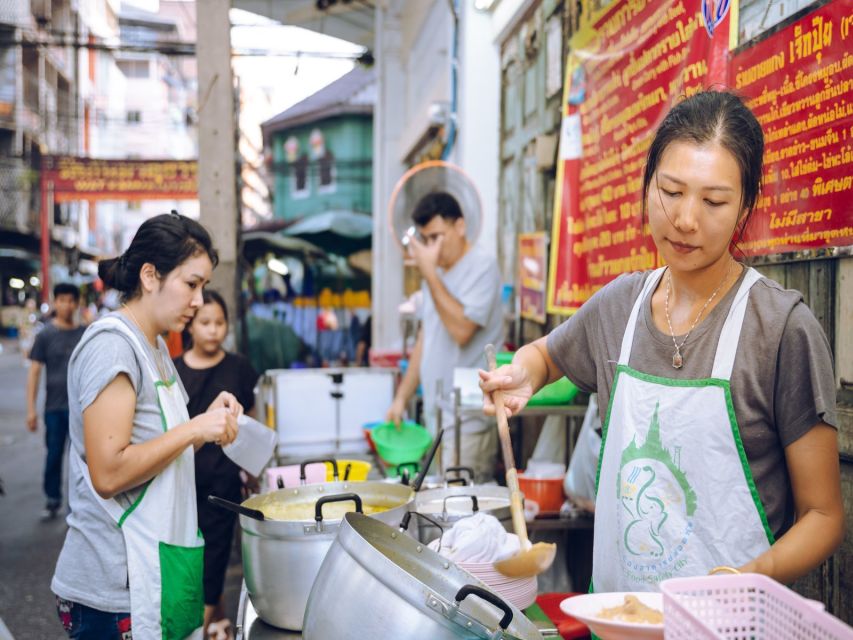
Between the formal landmarks, you’ll pass through areas known for street art and you’ll get a relaxing riverside café stop. I like this kind of pause because it keeps you from overheating, both literally and mentally.
Bangkok streets can be intense. The lanes in Talad Noi can feel close. That riverside stop gives you a chance to sit, catch your breath, and drink something included in the tour—like coffee, tea, or boba tea—before you head back into the food flow.
This also makes the whole experience feel like a real day out, not a checklist. You’re guided, but you’re still moving at a human pace.
More plates and glasses worth the trip
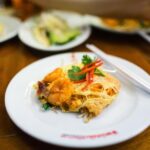
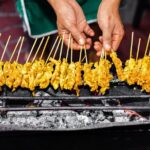
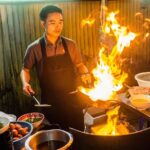
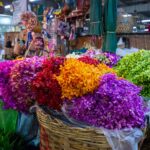
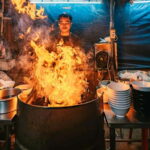
The food plan: turnip cake, chwee kueh, duck noodles, and more
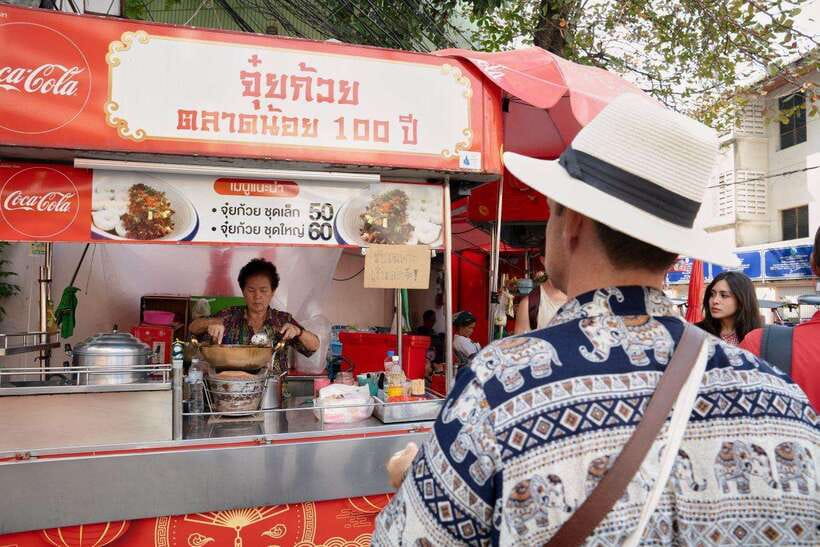
Here’s the core reason you should book this tour: you’re sampling local Chinese and Thai street food, not just one or two bites.
You’ll try items such as:
- Turnip cake (a Chinese dim sum dish)
- Chwee kueh (steamed rice cake served with preserved radish)
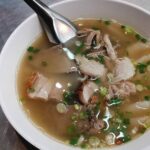
- Chao Tha (duck noodles soup)
- Phad Thai Uncle Pom
- Plus drinks (coffee/tea/boba tea)
If you’ve never tasted Chinese-leaning street food in Bangkok, this is a smart way to start. Turnip cake and chwee kueh both sit at that sweet spot where you can learn what you’re eating—texture, flavor, and how the toppings work—without needing a cookbook or a big meal commitment.
One tip that will save you money and disappointment: don’t go in stuffed. Because this is primarily a food tour, arriving too full can dull the experience. Aim for a light snack before you meet, then let the guide lead you from stall to stall.
And since additional food and drink aren’t included, pace yourself. If something smells amazing and you want more, you’ll have the option to add it—but plan on paying extra.
From Talad Noi into Chinatown: how the walk connects old and new
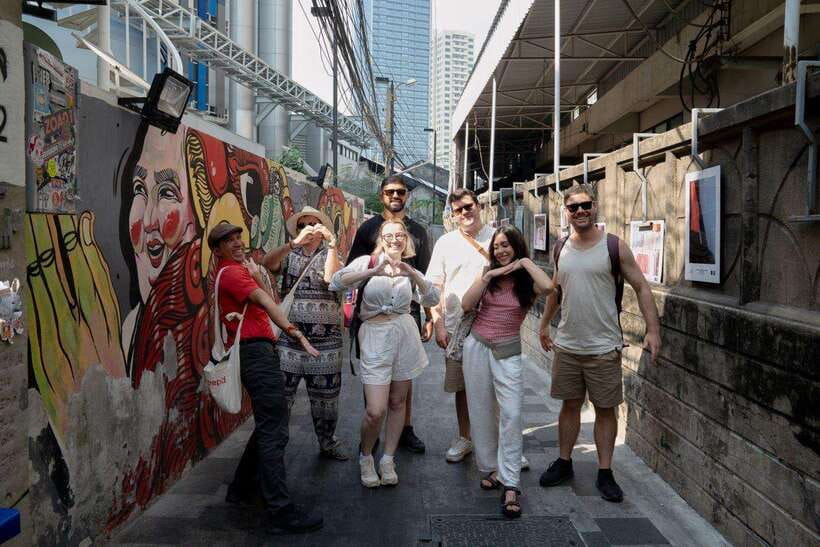
Later, you cross into Bangkok’s Chinatown, where the neighborhood’s older styles meet more modern trends. You’re not just walking through a tourist corridor. You’re moving through a real working district that changes character block by block.
What I like is that the walk includes both the cultural anchor points (church and shrines) and the street-level texture (shops, food, and art). That combination is what makes the neighborhood feel connected rather than random.
Also, you end near Si Phraya, which is helpful for continuing your day afterward. You can decide whether you want to stay in the area for more food, or head back out toward your hotel.
Small group size and guide quality: what you gain with a 12-person cap
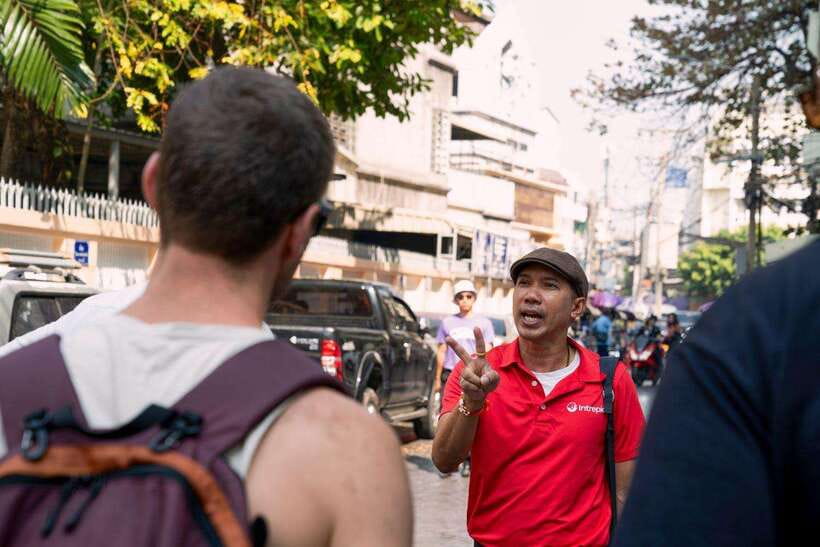
This is a small-group tour, capped at 12 people, and a private group option is available. That matters in Bangkok. In big crowds, you spend more time watching the back of someone’s bag than learning from the front.
With a smaller group, you get better chances to ask questions, hear the background clearly, and adjust when you need a slower pace. The tour is led by a local English-speaking guide, and some guides have been praised for both clarity and friendly conversation.
If you’re the type who likes food explanations—why one dish uses preserved radish, what turnip cake tastes like compared with what you expect—this group size helps. Your questions don’t get swallowed by the noise.
Price and value: why $41 makes sense for this mix
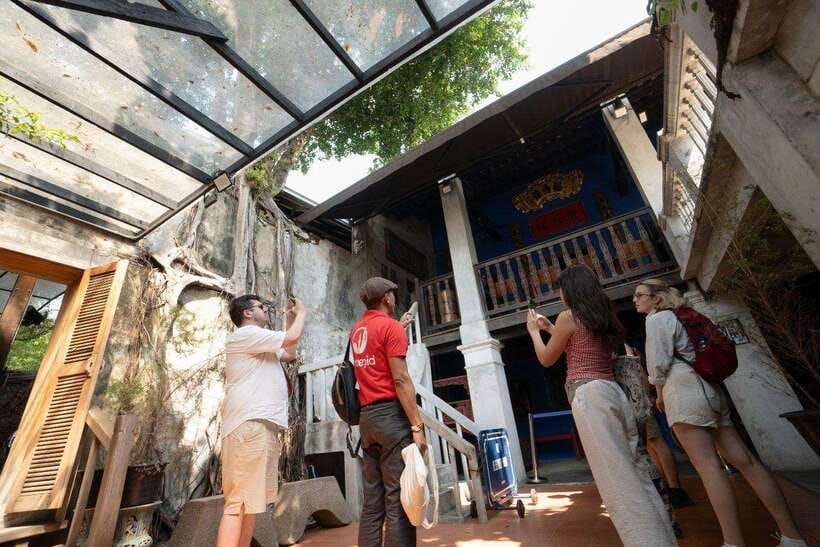
At $41 per person for 150–270 minutes, this tour is priced like a true guided experience, not just a wandering walk.
You’re getting:
- A local English-speaking guide
- A guided walking tour of Talad Noi (about 2 km)
- Visits to Holy Rosary Church and the Chow Sue Kong Shrine
- Food samples that cover both Chinese and Thai street food
- Included drinks like coffee, tea, and boba tea
The value comes from the mix: you’re paying for access (the guide’s routing and explanations), plus multiple tastings and included beverages. If you were to do this by yourself, you’d likely spend more time figuring out what to try and where, and you might miss the context that makes the sights click.
Who this tour suits (and who may prefer something else)
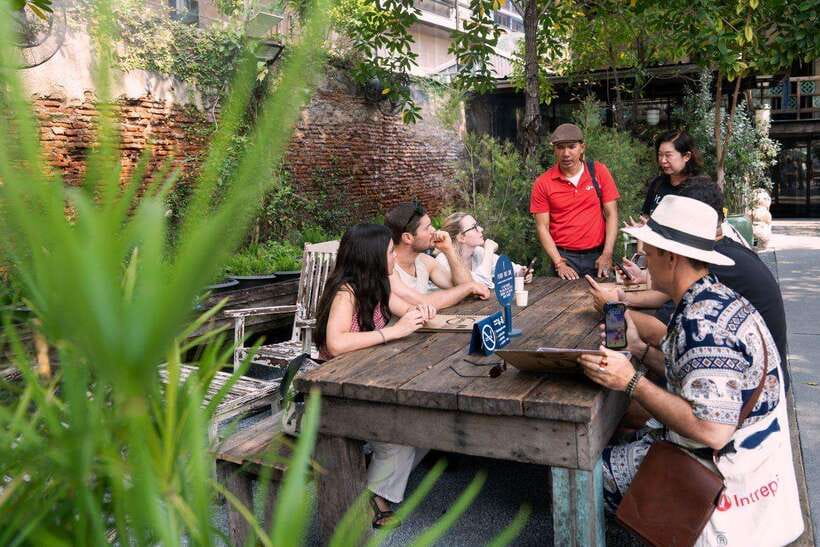
This tour is a great fit if you:
- Want a guided street-food day that also includes meaningful sights
- Enjoy Thai-Chinese food variety and want help choosing and understanding dishes
- Prefer small groups and human pacing
- Like having a sit-down break with included drinks
It may be less ideal if:
- You want a long temple-focused itinerary with lots of time inside religious spaces
- You dislike walking (even though it’s only 2 km, it’s still on foot)
- You’re traveling with kids under 8 years, since the tour isn’t suitable for children below that age
- You need dietary accommodations beyond what’s offered
Diet note: the tour can cater for vegetarians only, and you need to provide dietary requirements at least 24 hours in advance. If your needs are not listed as vegetarian, it may not be possible to accommodate.
Carbon-neutral, B Corp style of travel: the practical meaning
The tour is described as carbon neutral and operated by a B Corp certified company committed to using travel as a force for good. In plain terms, that means the operator is measuring social and environmental impacts and aiming for responsible tourism practices.
That’s not the main reason to book (your feet and your stomach will decide that), but it’s a nice factor when you’re trying to choose an operator that takes responsibility seriously.
Should you book? My call on this Talad Noi street food adventure
Book it if you want a Bangkok half-day that feels organized, flavorful, and culturally grounded without being heavy-handed. The combo of Holy Rosary Church (1787), the Chow Sue Kong Shrine, and Thai-Chinese tastings like turnip cake and chwee kueh is exactly the kind of practical “learn while you eat” experience that works well in a city where self-planning can get overwhelming.
Skip it or consider another option if you’re craving long temple time, or if you’re so full from lunch that you’d rather walk than snack. Also, if you’re not vegetarian and need specific dietary help, check first—this one only lists vegetarian catering.
If you do book, show up with room in your stomach. Then let the guide do what good guides do: connect streets, stories, and food into one clear route.
FAQ
Where is the meeting point?
You meet at River City Gate 1, in front of Starbucks on the 1st floor.
How long does the tour take?
The duration is 150 to 270 minutes, depending on the starting time and day.
How much walking is included?
The tour covers about 2 km (1.2 mile) on foot.
What food will I sample?
You’ll try local Chinese and Thai street food samples including turnip cake, chwee kueh, Chao Tha (duck noodles soup), and Phad Thai Uncle Pom.
Are drinks included?
Yes. Drinks such as coffee, tea, and boba tea are included.
Do you visit Holy Rosary Church?
Yes. You’ll visit Holy Rosary Church, built in 1787.
Do you visit Chow Sue Kong Shrine?
Yes. You’ll visit the Chow Sue Kong Shrine, described as 200 years old, along with Hong Sieng Kong.
Is this tour available as a private group?
Yes. Private group options are available, along with the small-group format.
Can vegetarians be accommodated?
Yes, vegetarians can be catered for. You need to share dietary requirements at least 24 hours before the tour.
Is this tour suitable for kids?
It’s not suitable for children under 8 years.
Eat Your Way Round Bangkok
More Tour Reviews in Bangkok


Eat Bangkok: More Street Food
Just In: Fresh Bangkok Reviews

Bangkok Food & Street Eats, compared.
 ★ 4.9Backstreets Food Tour with 15+ TastingsFrom $622,880 reviews
 ★ 4.9Midnight Food Tour by Tuk-TukFrom $742,054 reviews
★ 5.0Bangkok Backstreets Food Tour with 15+ TastingsFrom $591,926 reviews
★ 4.9Midnight Food Tour by Tuk-TukFrom $742,054 reviews
★ 5.0Bangkok Backstreets Food Tour with 15+ TastingsFrom $591,926 reviews
 ★ 4.4Michelin Guide Street Food Tour by Tuk TukFrom $201,274 reviews
 ★ 5.0Old Siam Bangkok Food Tour with 15+ TastingsFrom $59867 reviews
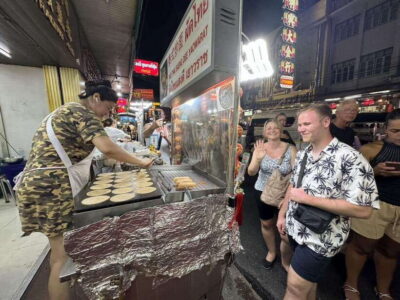 ★ 4.9Bangkok Authentic Tasting Thai-Chinatown Walking Food TourFrom $43852 reviews
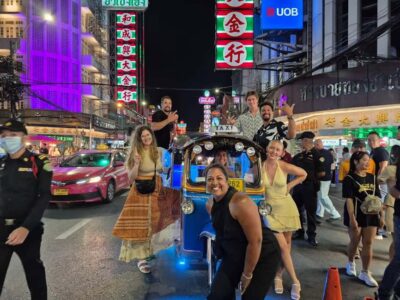 ★ 4.3Tuk Tuk Adventure Chinatown Michelin Food & TemplesFrom $18725 reviews
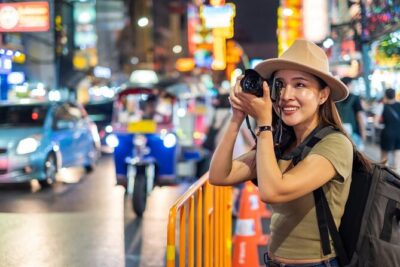 ★ 5.0Bangkok Tuk-Tuk Tour by Night with Chinatown Street Food MealFrom $40635 reviews
Browse the lists this tour appears in