
Review · BANGKOK FOOD & STREET EATS
Bangkok Tuk Tuk Food Tour By Night
This night ride feels like Bangkok class. You’ll hop in a tuk-tuk for a quick tour of central neighborhoods, guided by a licensed local, and you’ll enjoy seven+ tastings that go beyond pad thai, plus easy night sightseeing that ends on a rooftop looking toward the Chao Phraya. Just know it’s not built for vegetarian/vegan/gluten-free diets, and common allergens like shrimp, peanuts, pork, and dairy are part of the mix.
I also like the size: up to 8 people in practice (with a max of 12), so you’re not stuck in a cattle line. The best part is that the guide ties each dish to the neighborhood’s story, including Chinatown (Yaowarat), where the night energy makes even a simple bowl of noodles feel special.
One more thing to consider: you start at 5:00 pm with no hotel pickup, and the tuk-tuk ride is fun but it can be a bit awkward getting in and out. If you’re less mobile, wear shoes you trust and expect some ducking and stepping.
In This Review
- Key things you’ll notice on this tuk-tuk food night
- Why a tuk-tuk street-food tour works so well after dark
- The big picture: timing, group size, and where you start
- A practical walk through the evening stops
- 1) Loading up at the start point and cruising to the food zones
- 2) Chinatown night eating: noodles, dim sum, and spicy Thai classics
- 3) Learning the why behind the flavors
- 4) Flower market walk and street-to-rooftop timing
- 5) Rooftop bar finale with Chao Phraya views
- Price and value: what $75 really buys you
- Who this tour suits best (and who should skip)
- Tips to make the most of a 5:00 pm start
- Should you book this Bangkok Tuk Tuk Food Tour by Night?
- FAQ
- What time does the Bangkok Tuk Tuk Food Tour by Night start?
- Where do I meet the group, and where does the tour end?
- What’s included in the $75 price?
- How many food tastings should I expect?
- Is hotel pickup included?
- Are alcoholic beverages included?
- Is this tour suitable for vegetarian, vegan, or gluten-free diets?
Key things you’ll notice on this tuk-tuk food night
- 7+ tastings of Thai street food (with some Chinese influences in the Chinatown area)
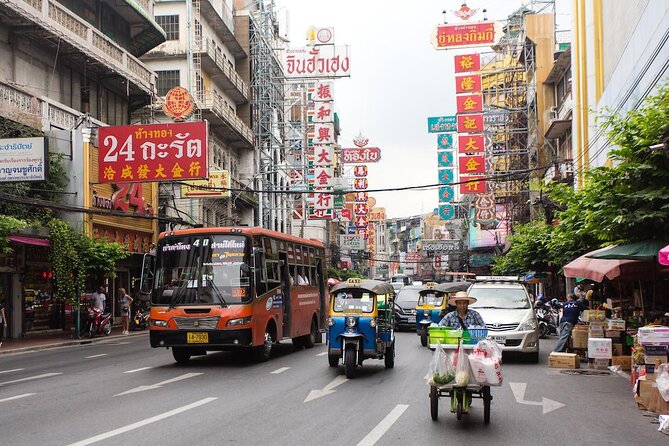
- Chinatown at night (Yaowarat), guided so you know what you’re eating and why
- Rooftop bar finale for views along the Chao Phraya, often with iconic river landmarks in sight
- Small group pace that lets you ask questions and keep moving without feeling rushed
- Food-allergy and dietary limits that you should take seriously before booking
Why a tuk-tuk street-food tour works so well after dark
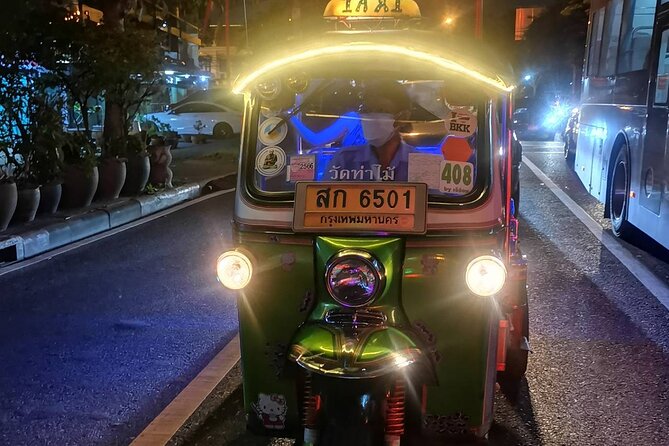
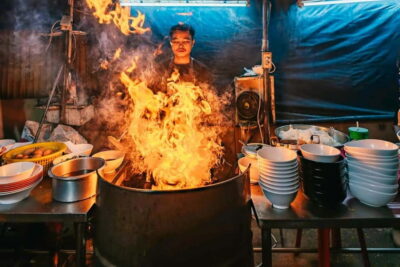
Bangkok after dark is a different city. Days can be sweaty and chaotic, but nights have a rhythm: lights, steam from stalls, and whole blocks that feel like open-air kitchens. This tour uses that energy on purpose. You’re not just eating in one area—you’re moving around by tuk-tuk so you get both food and sight without burning half your trip stuck in traffic.
I like that the guide keeps it practical. You’re guided to stalls and eateries where locals actually line up. And because the tour is built around tastings, you’re trying multiple dishes instead of hunting for one “best” item on your own and hoping it matches your cravings.
The rooftop ending is the smart contrast. You start on the street, then you end above it. That shift alone can make the evening feel like a complete story: alley food, neighborhood context, then river views.
Still hungry? More woks, stalls and night-market plates
- Bangkok: Backstreets Food Tour with 15+ Tastings
★ 4.9 · 2,880 reviews - Bangkok: Midnight Food Tour by Tuk-Tuk
★ 4.9 · 2,054 reviews - Bangkok Backstreets Food Tour with 15+ Tastings
★ 5.0 · 1,926 reviews
The big picture: timing, group size, and where you start
This is a 4-hour tour that begins at 5:00 pm. Meeting starts at Bangkok Train Station on Rong Mueang Rd, near public transportation. Your tour ends at Wat Mangkon (near MRT Wat Mangkon Station), so you’re not stuck far away from the transit network when you’re done.
Two numbers matter here:
- Up to 8 people in the experience feel
- Max 12 travelers on the activity
That smaller group size is a big value point. In Bangkok, food choices can be overwhelming. With fewer people, the guide can keep the pace smooth and explain dishes instead of rushing everyone through.
No hotel pickup is included. So plan to arrive a bit early and meet the group at the stated start point. If you’ve got late-afternoon plans, give yourself a safety buffer for Bangkok traffic and finding the exact meeting spot.
A practical walk through the evening stops
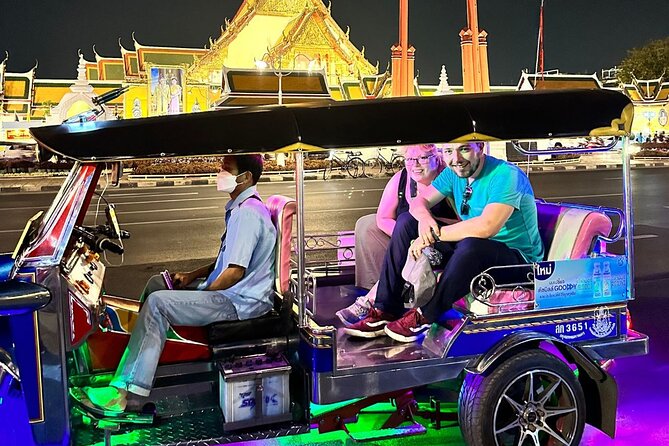
This tour is designed as a string of short experiences, each one building on the last. You hop in tuk-tuks, then you step into a new food pocket, try something specific, and get the short version of the local context.
1) Loading up at the start point and cruising to the food zones
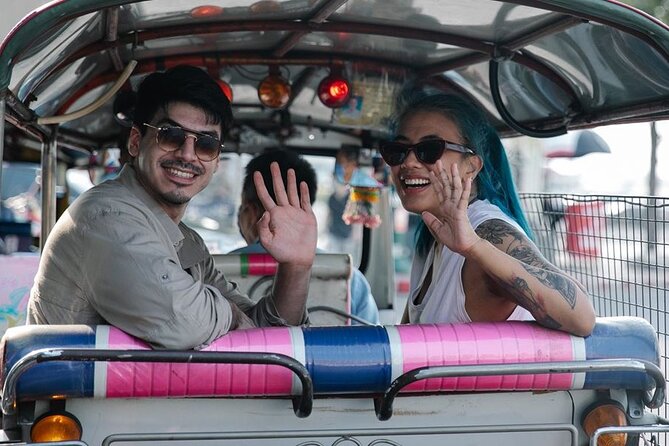
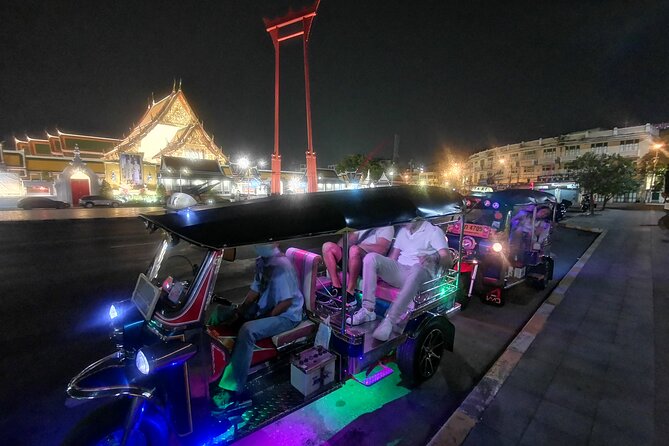
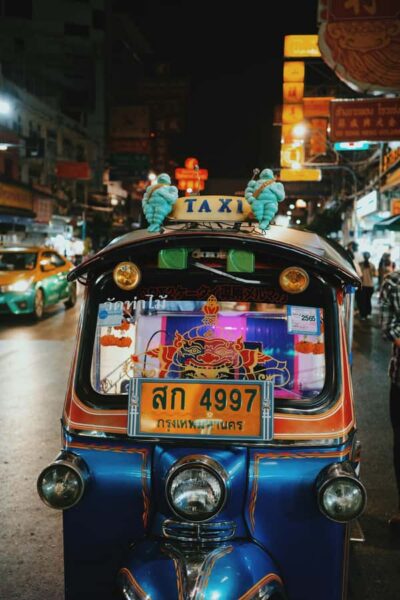
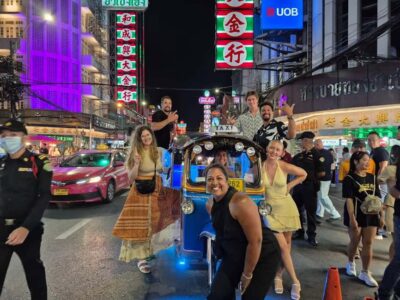
You kick off at 5:00 pm, then the tuk-tuk ride does real work. It gets you into neighborhoods efficiently, and it helps you stop thinking like a tourist and start thinking like someone who lives here. The tuk-tuk part isn’t just transportation—it’s part of the fun and part of the city feel.
A couple practical notes:
- Expect quick transfers between stops.
- Wear shoes that handle uneven pavement and quick steps.
Buzz the backstreets, more tuk tuk runs
2) Chinatown night eating: noodles, dim sum, and spicy Thai classics
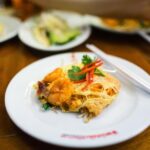
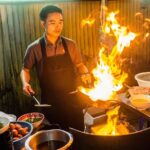
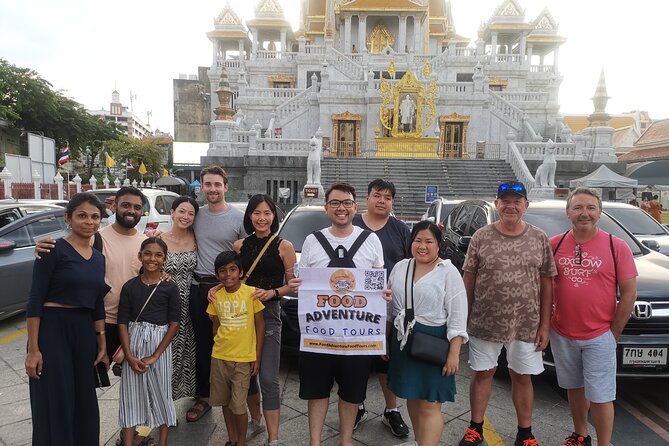
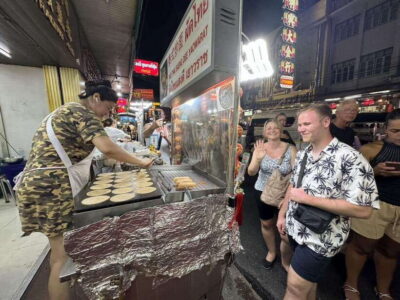
The center of the evening is the Chinatown area. This is where you’ll get that mix of Thai and Chinese influences that makes Yaowarat such a food magnet.
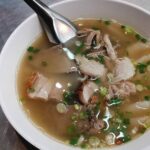
You’ll taste at least seven items, and the menu examples from the tour experience tend to include:
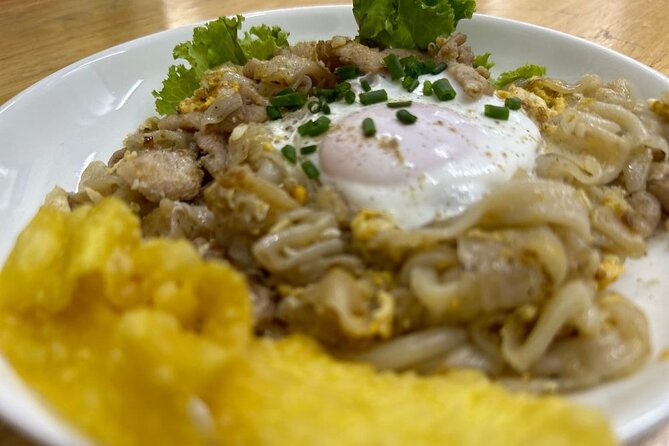
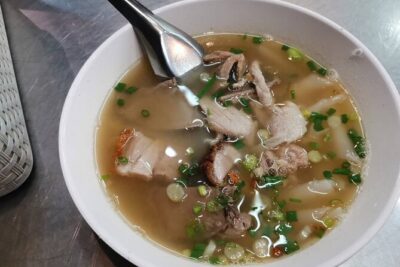
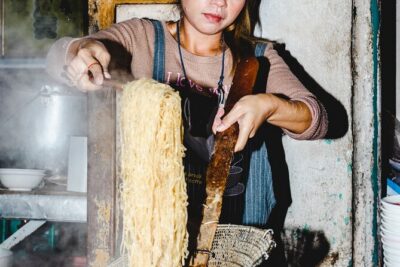
- Noodle soup options (often the kind of comfort food people get after a long day)
- Chinese dim sum
- Tom Yum–style soup (including shrimp versions on some routes)
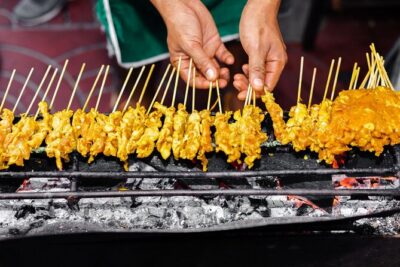
- Grilled meat served with sauces that can be unique in texture and flavor
- Spicy green papaya salad, where the heat can build step by step
- Mango sticky rice as a sweet ending, sometimes provided to-go so you can finish later
You don’t need to memorize dish names. Your advantage comes from the guide explaining what to notice—texture, spice level, and what kind of sauce or base you’re tasting. It also helps you understand why that dish fits that specific street corner.
Also: the tour has a formal caution about dietary restrictions. This isn’t a vegetarian/vegan route, and it’s not positioned for gluten-free needs. If shrimp, peanuts, pork, or dairy are an issue for you, take the warning seriously before booking.
3) Learning the why behind the flavors
One thing that separates a good food tour from a “we walked and ate” tour is context. Here, the guide connects the dish to the neighborhood and to Bangkok’s bigger story. That’s where the evening feels like more than just snacks.
In the same spirit, you’ll hear local historical pointers tied to the areas you pass and the places you stop. Guides named Sophia/Sophie, Chai, and Sunny show up in the tour experience, and the consistent theme is that they keep things friendly and clear—often with humor, and always with enough explanation that you’re not guessing what you’re eating.
4) Flower market walk and street-to-rooftop timing
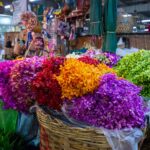
Some departures include a flower-market visit in the evening. If your route includes it, you’ll get a breather between food stops and a chance to see Bangkok’s daily trades in a different light.
The practical value: it breaks up the intensity of eating, and it gives you something visual to anchor the night—piles of blooms, bright colors, and that slightly surreal feeling you only get at markets after dark.
5) Rooftop bar finale with Chao Phraya views
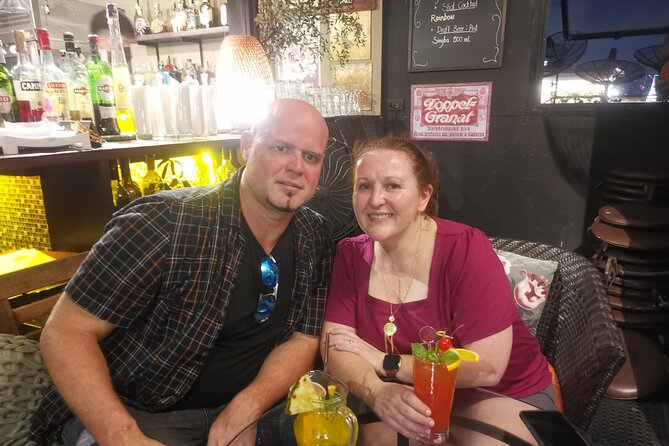
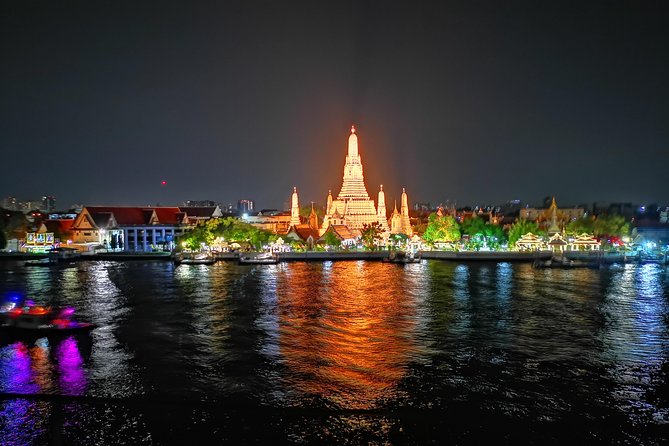
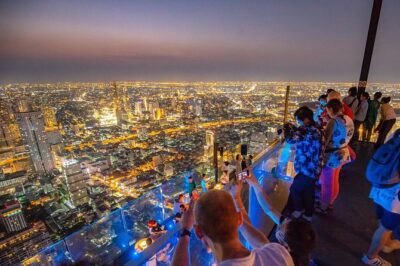
The night closes on a rooftop bar with views along the Chao Phraya. On some evenings, the view is framed around iconic landmarks across the river—like Wat Arun and the Royal Palace area—so you get photos that actually look like Bangkok, not like every other city skyline.
You’ll likely have time to sit, catch your breath, and digest everything you’ve been eating. Alcoholic drinks are not included, but the setting is still worth it: it’s a calm finish after a moving, tasting-heavy evening.
Price and value: what $75 really buys you
At $75 per person, this isn’t the cheapest way to eat in Bangkok. But it can be one of the best when you total everything up:
- Tuk-tuk transportation (not just walking between far-off areas)
- A licensed professional guide
- All fees and taxes
- Food and water (a bottle)
- And importantly, at least seven tastings in a single evening
The money makes sense when you compare it to the alternative: doing this on your own would mean figuring out which stalls to trust, paying for transport hop-by-hop, and choosing dishes one at a time until you accidentally end up full without getting a variety.
This tour also saves your energy. Bangkok street food can be intimidating if you don’t read the menu or don’t know the “right” places to stop. Here, the guide solves that fast.
Where the price might feel less justified is if you have strong dietary needs or you’re not a big eater. You’ll likely leave hungry only if your group finds some items not to taste, and there’s also the reality of an evening that’s structured around multiple stops rather than a relaxed sit-down meal.
Who this tour suits best (and who should skip)
This is for you if:
- You want night street food with variety, not one restaurant and a prayer
- You like eating and learning at the same time
- You prefer small group logistics over big bus tours
- You want a tuk-tuk experience that’s actually connected to where the food is
It’s also good for solo travelers who hate the awkwardness of trying to navigate markets alone. The group size helps you feel guided without being trapped.
This may not be your best pick if:
- You’re vegetarian, vegan, gluten-free, or dealing with allergies to shrimp, peanuts, pork, or dairy
- You’re strongly mobility-limited. Tuk-tuks are fun, but getting in and out can require awkward positioning. If that matters to you, plan your day around comfort and choose a tour with step-free access.
Tips to make the most of a 5:00 pm start
Here’s how to set yourself up so the evening feels like it flows, not like it fights you:
- Go with an empty stomach, or at least not a heavy meal. This is built around multiple tastings.
- Wear comfortable shoes. You’ll be moving between stops and likely on uneven sidewalks.
- Be honest about spice and allergies. The tour has a strong warning for certain restrictions; if you can’t safely eat the menu, it’s better to choose a different style of tour.
- Bring a small camera habit. The rooftop views are worth it, and the night streets provide easy photo moments even without trying.
Also, take advantage of the guide’s dish explanations while you’re still there. Asking what you’re tasting and what to expect makes the food taste better, not just more interesting.
Should you book this Bangkok Tuk Tuk Food Tour by Night?
If your goal is a structured, high-variety street-food night with real local guidance and a rooftop payoff, I think this is an excellent book. The combination of tuk-tuk cruising, at least seven tastings, and a Chao Phraya rooftop finale is a good deal for a first-time Bangkok visitor and still fun for repeat travelers who want a different angle.
But if you’re dealing with restricted diets or specific food allergies, don’t treat the caution as fine print. This tour isn’t designed around vegetarian/vegan/gluten-free needs, and it includes ingredients tied to the allergy warning.
If that’s you, skip it. Choose a tour that explicitly matches your diet. For everyone else, this is the kind of evening you’ll still talk about the next day—because Bangkok street food is better when you’re not guessing.
FAQ
What time does the Bangkok Tuk Tuk Food Tour by Night start?
The tour starts at 5:00 pm and runs for about 4 hours.
Where do I meet the group, and where does the tour end?
You’ll start at Bangkok Train Station (Rong Mueang Rd area). The tour ends at Wat Mangkon near MRT Wat Mangkon Station.
What’s included in the $75 price?
The price includes food and a water bottle, tuk-tuk transportation, all fees and taxes, and a professional licensed tour guide.
How many food tastings should I expect?
The tour includes a minimum of seven tastings.
Is hotel pickup included?
No, hotel pickup service is not included.
Are alcoholic beverages included?
No, alcoholic beverages are not included.
Is this tour suitable for vegetarian, vegan, or gluten-free diets?
The tour notes that it may not be suitable for vegetarian, vegan, or gluten-free diets, and it also highlights allergies to shrimp, peanuts, pork, or dairy products.
More Tour Reviews in Bangkok


Around the City by Tuk Tuk
Eat Bangkok: More Street Food
Just In: Fresh Bangkok Reviews


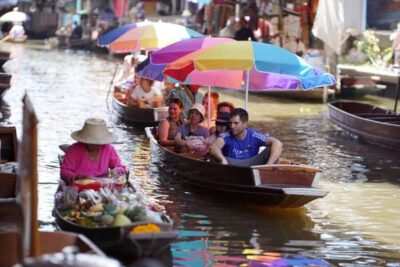
Bangkok Food & Street Eats, compared.
 ★ 4.9Backstreets Food Tour with 15+ TastingsFrom $622,880 reviews
 ★ 4.9Midnight Food Tour by Tuk-TukFrom $742,054 reviews
★ 5.0Bangkok Backstreets Food Tour with 15+ TastingsFrom $591,926 reviews
★ 4.9Midnight Food Tour by Tuk-TukFrom $742,054 reviews
★ 5.0Bangkok Backstreets Food Tour with 15+ TastingsFrom $591,926 reviews
 ★ 4.4Michelin Guide Street Food Tour by Tuk TukFrom $201,274 reviews
 ★ 5.0Old Siam Bangkok Food Tour with 15+ TastingsFrom $59867 reviews
 ★ 4.9Bangkok Authentic Tasting Thai-Chinatown Walking Food TourFrom $43852 reviews
 ★ 4.3Tuk Tuk Adventure Chinatown Michelin Food & TemplesFrom $18725 reviews
 ★ 5.0Bangkok Tuk-Tuk Tour by Night with Chinatown Street Food MealFrom $40635 reviews
Browse the lists this tour appears in