
Review · KANCHANABURI & RIVER KWAI
From Bangkok: Death Railway & River Kwai Bridge Private Tour
That train has a heavy story. On this private Bangkok to Kanchanaburi day trip, you ride the Death Railway and then see the River Kwai bridge that people still stop for photos. I also like how the day is paced with context built in first, so you understand what you’re seeing instead of treating it like a checklist.
The main downside is time. Between the very early start and the long road (about 2 to 2.5 hours each way), this is a full, tiring day, and it can stretch if traffic slows things down.
In This Review
- Key highlights to look for
- Bangkok-to-Kanchanaburi: the early start and long drive tradeoff
- Burmese Railway Museum: why you should go before the train
- War Cemetery and the Allied memorial: a quiet, important stop
- Bridge over the River Kwai: where the view becomes history
- Death Railway train ride: the part that lingers
- Tham Kra Sae Cave stop: a short reset between heavy places
- Lunch on the way back: what to expect from the included meal
- Price and logistics: is $169 good value for what you get?
- The guides that make the day easier (and more personal)
- Who this tour is for, and who should skip it
- Should you book the Death Railway and River Kwai private tour?
- FAQ
- What time does pickup happen, and how do I get picked up?
- How long is the drive to Kanchanaburi?
- What’s included in the tour price?
- Do I ride the Death Railway train?
- Is the tour focused only on history?
- What should I bring with me?
- Is it wheelchair accessible?
Key highlights to look for
- Early, hotel-lobby pickup from central Bangkok zones so you can beat the worst traffic.
- Burmese Railway Museum first, so the WWII story clicks before you step onto the railway route.
- War Cemetery + Allied memorial, including a tribute connected to about 6,000 Allied POWs.
- Death Railway train ride, with your guide helping you get the best seat when the train is busy.
- River Kwai bridge photo stop, where the history becomes something you can point at.
- Tham Kra Sae area stop, a short nature/photography break before you head back to Bangkok.
Bangkok-to-Kanchanaburi: the early start and long drive tradeoff
This tour is built around leaving Bangkok early enough to feel like you did something before breakfast ends. Pickup options cover several central districts, and you’re collected from your hotel lobby by an air-conditioned private vehicle with an English-speaking guide.
The drive to Kanchanaburi Province takes roughly 2 to 2.5 hours one way, so plan your day like it’s a marathon, not a relaxed outing. Once you reach the area, you’ll be moving between stops with guided help and set timing. If you’re the type who likes to wander, you’ll still get room to explore, but you’ll never feel lost—your guide keeps you on track and helps with transitions.
Also, this is not a wheelchair-friendly outing, so keep that in mind if anyone in your group has mobility limits. Comfortable shoes matter a lot here. You’re mixing museum walking, cemetery paths, and time outdoors near the bridge/railway areas.
Your crew only, your own clock
- Bangkok: Grand Palace, Wat Pho, and Wat Arun Private Tour
★ 4.8 · 855 reviews - Private Excursion to Maeklong Railway and Floating Markets
★ 5.0 · 850 reviews - Floating and Railway Market (Optional Waterfall): Private Tour
★ 5.0 · 827 reviews
Burmese Railway Museum: why you should go before the train
One of the smartest parts of this day is the order: you hit the Burmese Railway Museum before you ride the railway route.
The museum focuses on the history of the Thailand–Burma Railway, built by the Empire of Japan in 1943. It’s interactive, and you’ll be looking at period photos and models that explain the background of what happened during World War II. The stop is self-guided for about 40 minutes, which works well because you can read at your own speed without feeling rushed by a constant monologue.
This matters because the Death Railway is not just a scenic train line. It’s a corridor tied to forced labor and prisoner-of-war suffering. When you start with the museum, you’re more likely to notice the details your guide points out later—how the story connects to the bridge and to the train segments you’ll experience.
War Cemetery and the Allied memorial: a quiet, important stop
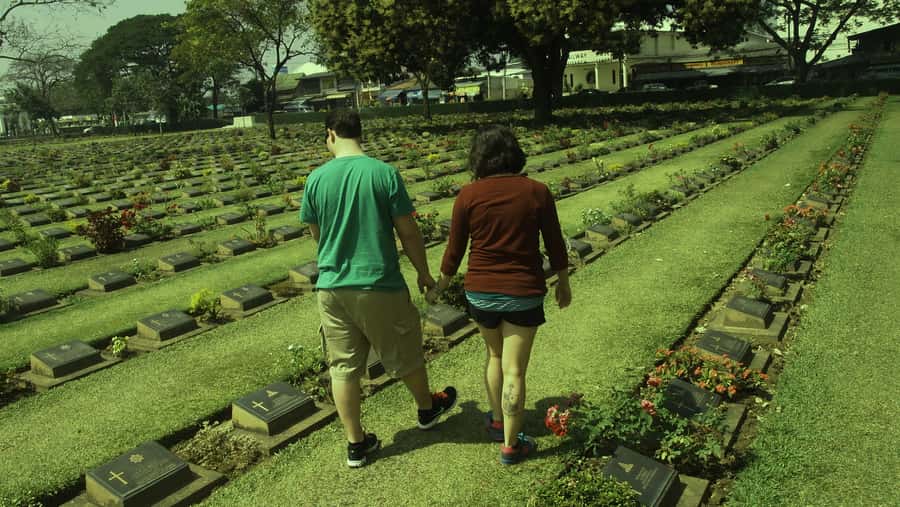
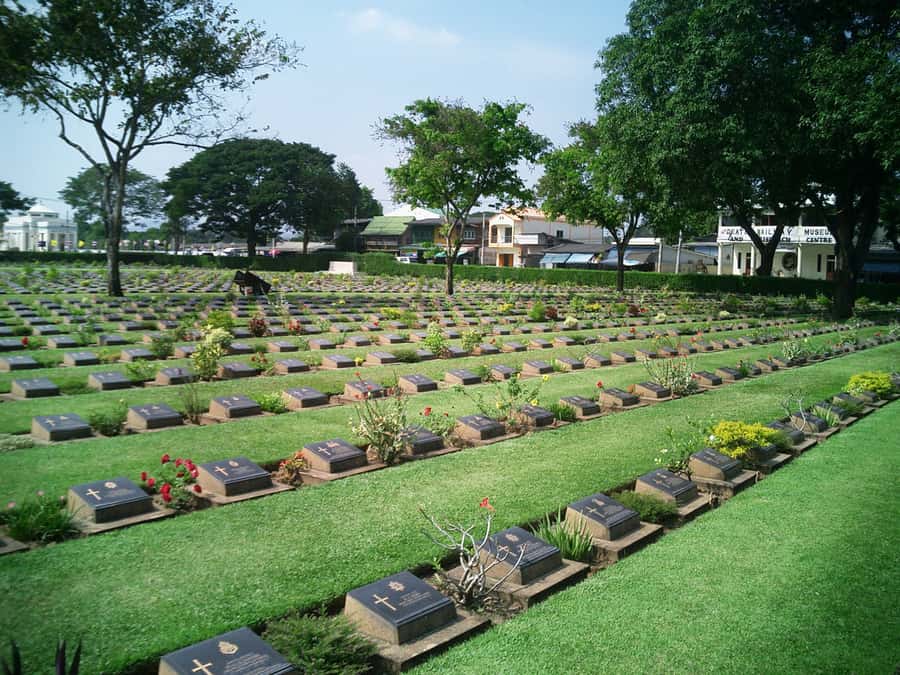
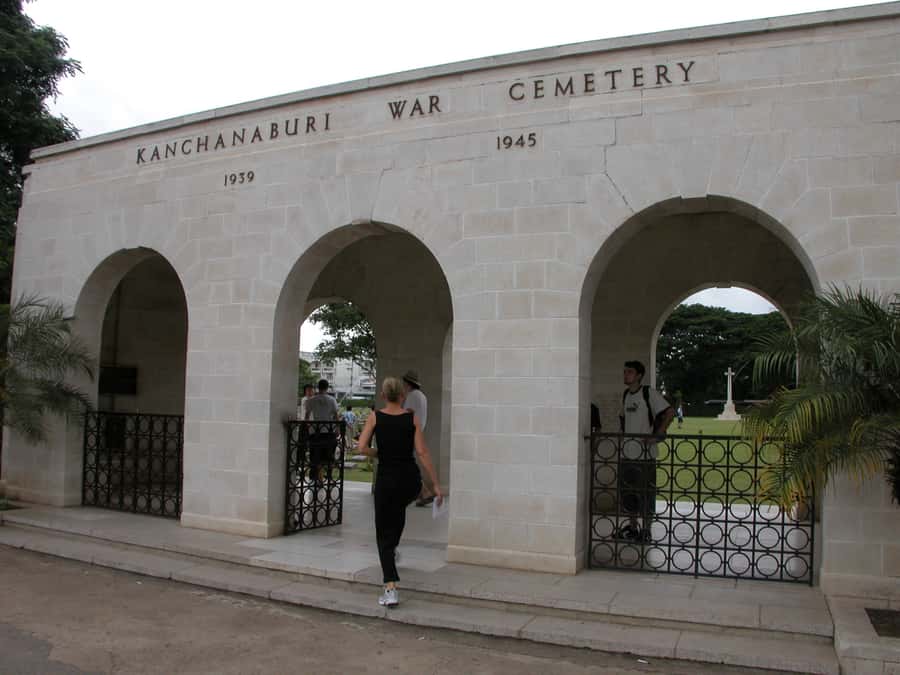
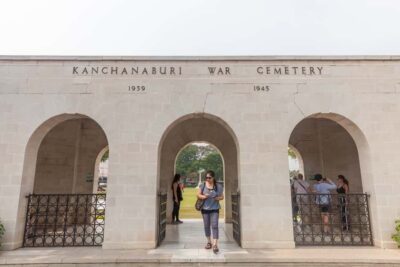
After the museum, the mood shifts. You’ll visit the Kanchanaburi War Cemetery with a guided component (about 30 minutes) and a photo stop along the way.
This is the moment for paying respects. The cemetery and memorial commemorate a major group of victims connected to Allied POWs—specifically, a memorial to some 6,000 Allied prisoners of war is part of the day’s focus. You don’t need to force emotion here, but you should expect the site to feel heavy. The best tours handle this with care: clear explanations, time to look, and no rushing.
A practical note: the cemetery and museum can run in the afternoon depending on operations, so even if the day is planned tightly, flexibility is built into what you experience once you’re there.
Bridge over the River Kwai: where the view becomes history
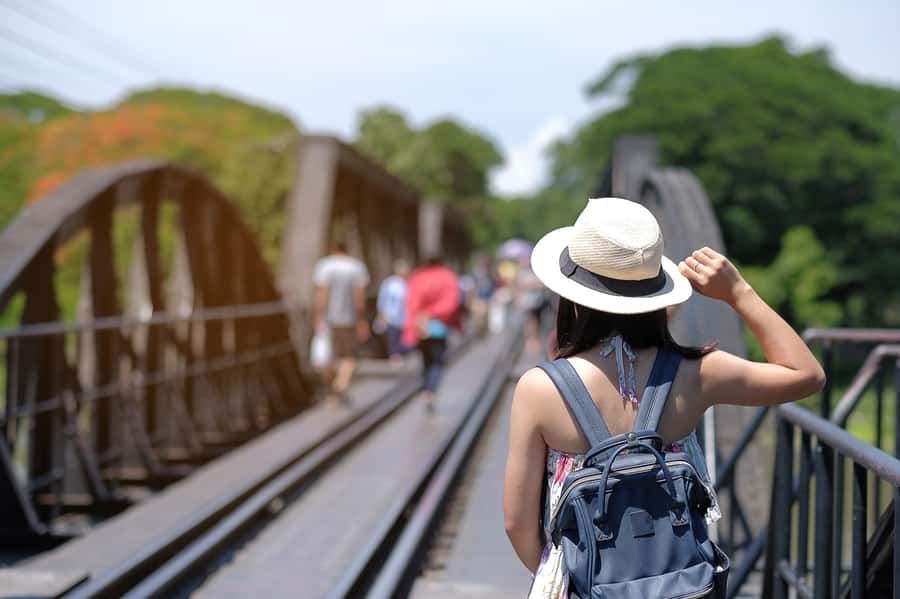
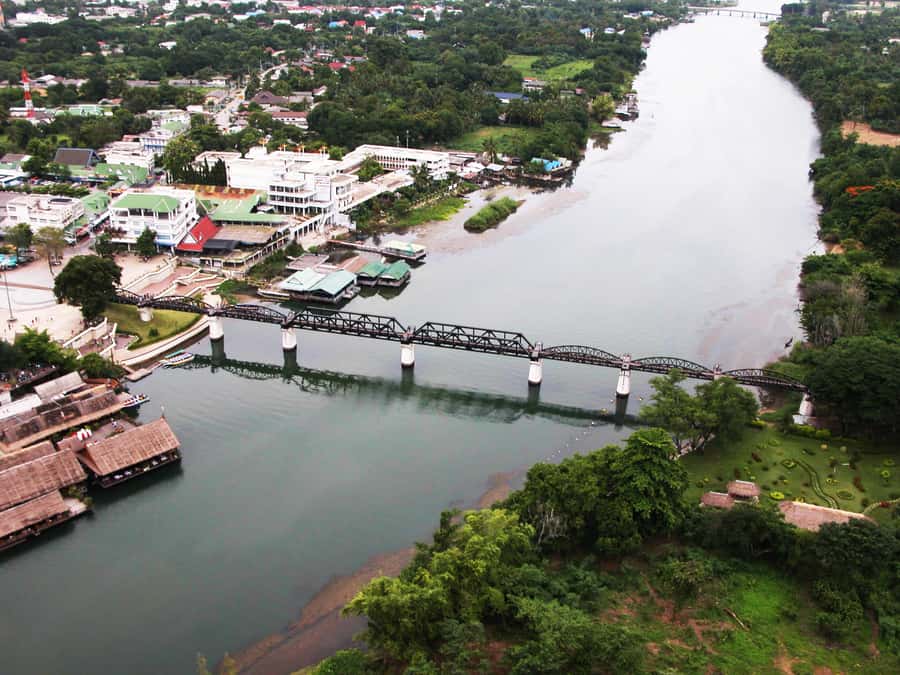
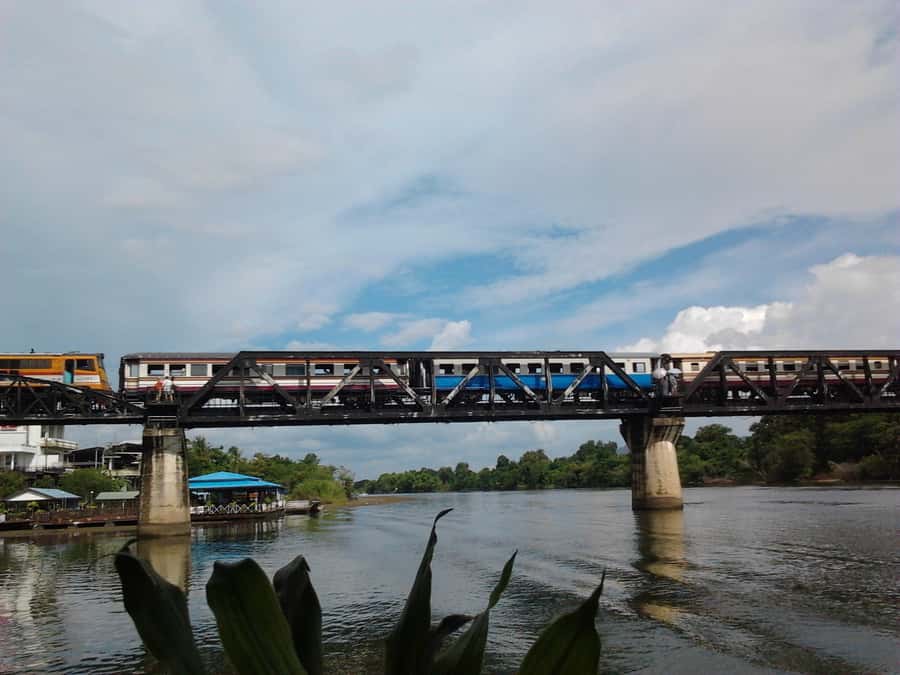
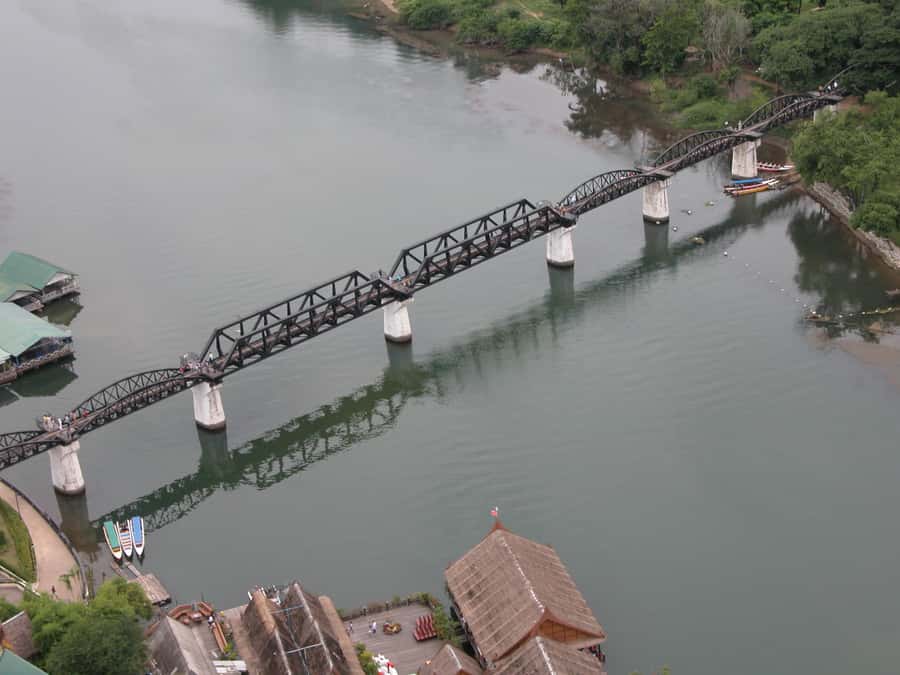
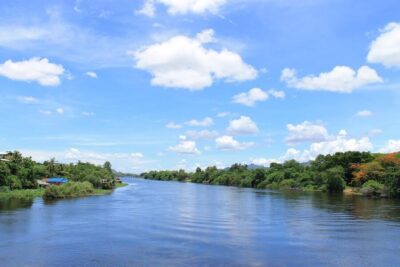
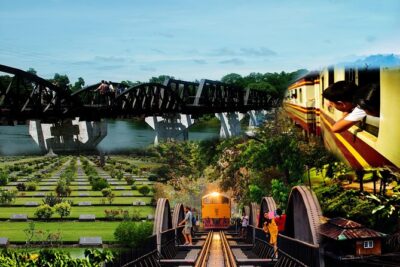
Next comes the Bridge Over the River Kwai. You’ll have a photo stop and a guided visit (about 30 minutes) around the bridge area.
This is the moment many people came for: seeing the original bridge over the river tied to the Death Railway story. What makes it more than just a photo-op is that your guide typically frames what you’re looking at—how the railway and bridge worked together, and why the surrounding area matters.
If you like photography, aim for this stop as a deliberate one. Don’t rush your shots. Walk to the spot your guide suggests for views, then take a few extra minutes to observe where the bridge sits in relation to the river and the railway route. It’s one of those places where one angle makes the story feel mechanical, and another makes it feel personal.
Out to the River Kwai, more Kanchanaburi trips
Death Railway train ride: the part that lingers
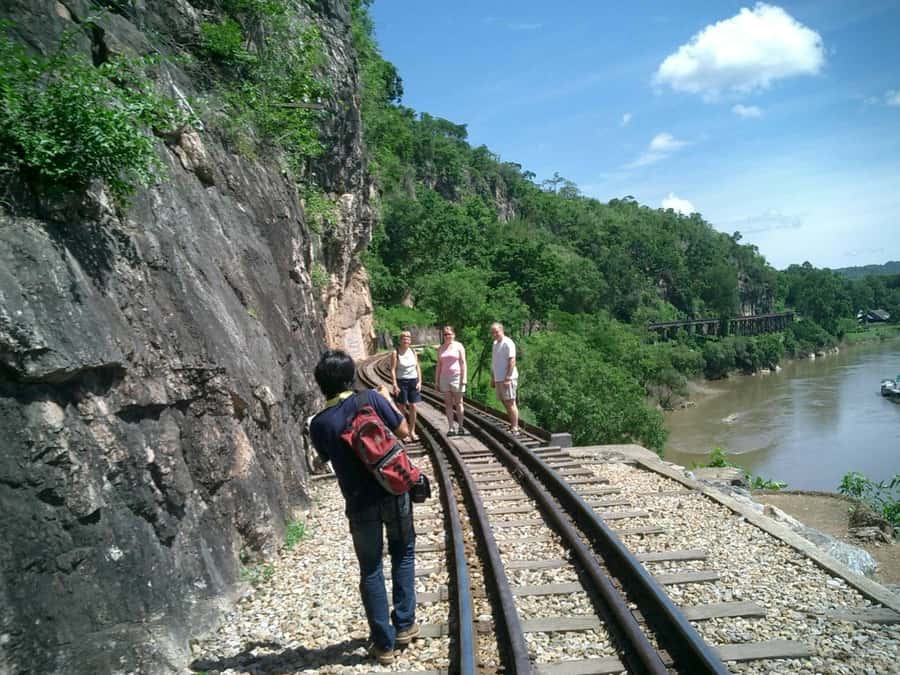
Then you’re on the train.
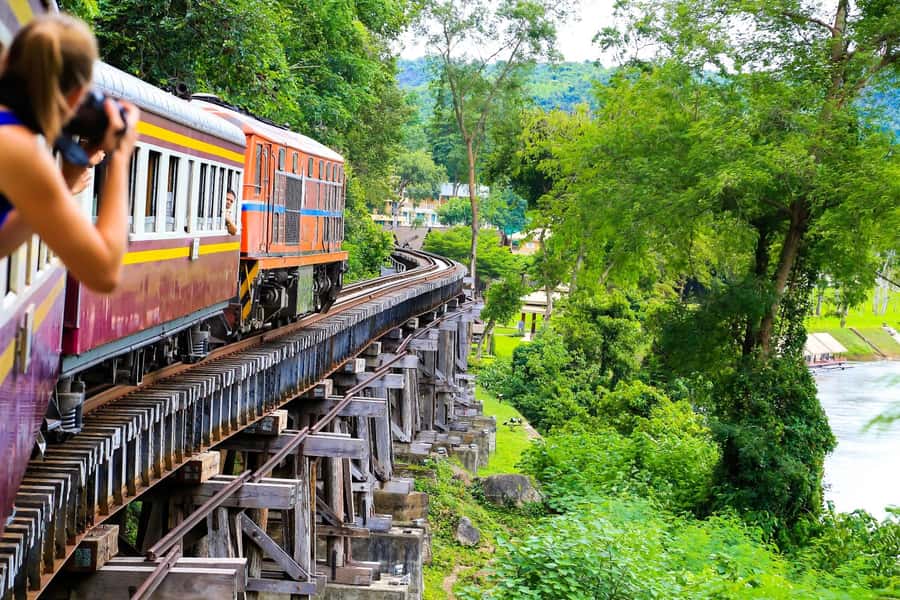
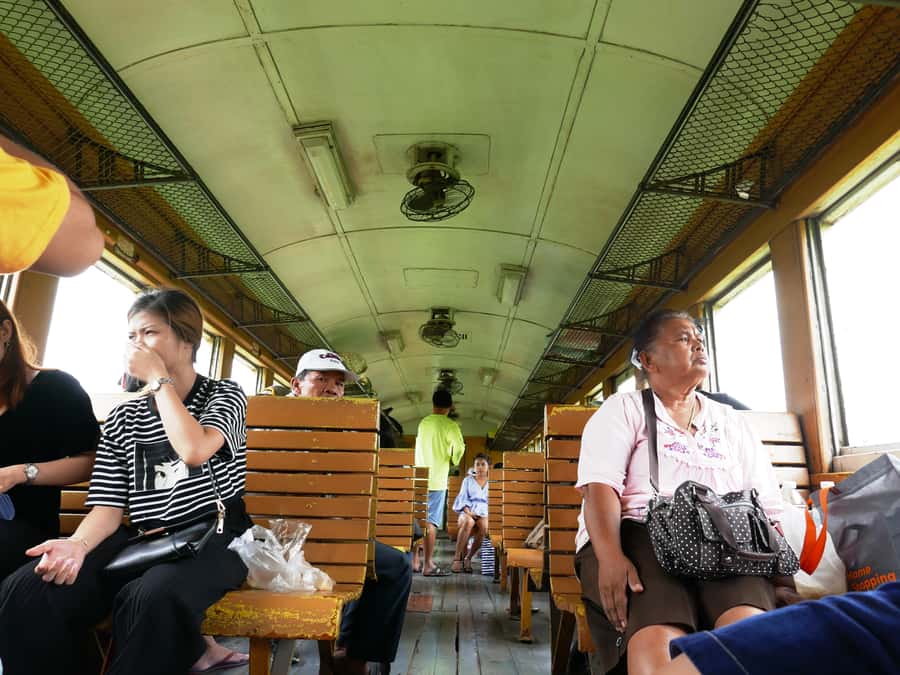
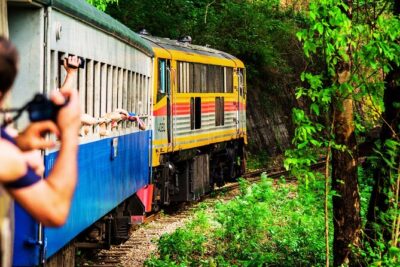
The plan includes a scenic ride on the Death Railway with a duration of about 40 minutes. The train ride itself can feel longer because it’s often busy, and the seats can be very basic (wooden seats show up in multiple comments). One small tip that keeps coming up: bring a cushion if you have one—your future self will thank you after a long day.
This is also where good guiding pays off. Many guides on this route are praised for helping you get a good seat and for timing where you stand so you can catch the bridge and the railway views. If you’re traveling as a small group, you’ll usually have more flexibility in how you position yourself. If you want the best chance at good views, listen when your guide explains what to watch for and when.
And yes, this is the line constructed by prisoners of war on orders of the Japanese. That context is why the ride sticks. It’s not just transportation—it’s moving through a piece of history that can’t be separated from the suffering that created it.
Tham Kra Sae Cave stop: a short reset between heavy places
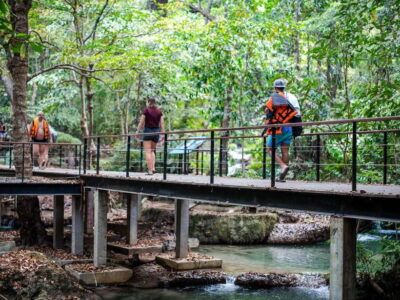
After the train, the itinerary includes a stop at Kra Sae Cave, often referenced as Tham Kra Sae in the area. You’ll have a photo stop and a guided segment (about 20 minutes).
This isn’t meant to erase the day’s sadness. It’s a reset. The cave area gives you a change of scenery and a bit of breathing space with viewpoints that make good photos without requiring extra effort.
From a practical standpoint: you’ll still want sturdy footwear. Some parts can involve uneven ground and walking near the rail/bridge zone. If you’ve been on your feet since the cemetery, this stop is where your legs will feel it—so treat it like a mini hike, not a quick roadside photo.
Lunch on the way back: what to expect from the included meal
Lunch is included in the price, and it’s typically at a Thai restaurant. In past experiences, the meal has been described as fresh and tasty, with dishes like Pad See Ew specifically called out.
A small realism check: the included lunch can be good but it’s still a standard tour meal, not a special tasting menu. Drinks beyond what’s included may cost extra, so if you like soda, coffee, or juice, plan to purchase it separately.
If you’re sensitive to timing, eat thoughtfully. Lunch sits between earlier history-heavy stops and the return drive, so you don’t want to feel sluggish on the long way back.
Price and logistics: is $169 good value for what you get?
At $169 per person for a private tour, you’re paying for a long day done with structure. The value isn’t just the sites—it’s the included pieces that would cost you time and money if you pieced them together:
- Hotel pickup and drop-off in central Bangkok areas
- Air-conditioned private transport with an on-the-day driver
- English-speaking guide
- All entrance fees
- Train ticket
- Lunch
- Travel insurance
- Expressway fee
Could you do parts of this cheaper with public transport? Maybe. But this itinerary is tightly connected: museum context, cemetery visits, bridge area stop, Death Railway train time, and the cave stop. Having a guide keep the timing smooth—and help with practical things like where to stand for seats on the train—adds real value.
Also, private means you don’t get stuck waiting for other groups to finish. You can keep a steady pace without feeling like you’re being dragged.
Yes, it’s a long day for the money and your schedule, but the included transport + guide + train ticket + admissions + lunch are doing a lot of heavy lifting for your wallet.
The guides that make the day easier (and more personal)
The biggest repeat theme in the experience is the guide factor. Many people highlight how well guides explain the WWII connections and how they manage the day so you don’t feel hurried.
Names that show up in praised guide performances include Wes, Johnny, Mr King, George, Paula, Aom, Fluke, and Mam. Common strengths across these mentions:
- Clear storytelling that connects each stop
- Help choosing good seats on the train when it’s busy
- Extra effort with photos, including sending pictures after the day
- A comfortable, organized flow so you feel looked after from pickup to drop-off
If you care about getting the most from the day’s emotion, this is one of the things worth paying for. A good guide turns the day from sightseeing into understanding.
Who this tour is for, and who should skip it
This experience is a strong fit if you:
- Want WWII history tied to specific places, not just a lecture
- Like guided context before you see the main sights
- Prefer a private setup with an English guide for smoother timing
- Are okay with walking and being out for most of the day
It’s not a great fit if you:
- Need wheelchair access (the tour is stated as not suitable for wheelchair users)
- Get overwhelmed by somber WWII topics and prefer lighter itineraries
- Hate long road trips; this one includes a lot of sitting time plus outdoor stops
Should you book the Death Railway and River Kwai private tour?
If you want the Death Railway experience without the stress of planning transport, coordinating tickets, and interpreting the sites on your own, I’d book it. The value is strongest when you want structure: early pickup, museum context, cemetery respect, bridge viewing, train time, and the cave stop all in one organized day.
If your main goal is pure relaxation, this probably won’t feel like that. It’s early, long, and emotionally serious. But if you approach it with curiosity and respect, it’s the kind of day that stays with you because it connects story to place in a way that’s hard to replicate on your own.
FAQ
What time does pickup happen, and how do I get picked up?
You get very early morning pickup from your hotel lobby in central Bangkok, with multiple pickup zone options listed for areas like Phra Nakhon, Watthana, Bang Rak, and others.
How long is the drive to Kanchanaburi?
It’s roughly a 2 to 2.5 hour journey to reach Kanchanaburi Province.
What’s included in the tour price?
The price includes hotel pickup and drop-off, private air-conditioned transportation with a driver, an English-speaking guide, entrance fees, travel insurance, the train ticket, lunch, and an expressway fee.
Do I ride the Death Railway train?
Yes. The tour includes a scenic train ride on the Death Railway, and a separate bridge-area stop with photo and guided time.
Is the tour focused only on history?
It’s mainly WWII history (museum, cemetery, bridge, and railway), but it also includes a stop at Kra Sae Cave for photos and a guided visit.
What should I bring with me?
Bring comfortable shoes, sunglasses, an umbrella, and a camera.
Is it wheelchair accessible?
No. It is not suitable for wheelchair users.
More Tour Reviews in Bangkok


Out to the River Kwai
Private Days, Just Your Crew



Just In: Fresh Bangkok Reviews

Kanchanaburi & River Kwai, compared.
 ★ 4.5From Bangkok: Erawan Park & Kanchanaburi Small-Group TourFrom $591,582 reviews
 ★ 4.6From Bangkok: Death Railway & Hellfire Pass Tour with LunchFrom $82931 reviews
 ★ 4.6From Bangkok: Historical Day Tour to River KwaiFrom $51868 reviews
 ★ 4.8From Bangkok: Elephant Sanctuary and Kanchanaburi TourFrom $79826 reviews
 ★ 4.9Elephant Sanctuary & Erawan Waterfall TourFrom $181820 reviews
 ★ 4.5Bridge on the River Kwai and Thailand-Burma Railway TourFrom $108658 reviews
 ★ 4.5Erawan Waterfalls and Bridge Over River Kwai Tour from BangkokFrom $56372 reviews
 ★ 4.5Bridge on the River Kwai and Thailand-Burma Railway Guided TourFrom $94353 reviews
Browse the lists this tour appears in