
Review · KANCHANABURI & RIVER KWAI
Kanchanaburi and Death Railway Private Tour from Bangkok
A WWII rail line still runs through this day. This private Kanchanaburi tour strings together the Bridge on the River Kwai area, a ride on the historic rail stretch, and the Death Railway story with a museum stop.
I love how the itinerary mixes set pieces you recognize from films with real places you can walk around and take your time at. I also like the private feel: pickup from Bangkok, time built in for the key stops, and a guide who can connect what you see to what it meant in World War II.
One thing to plan for: it is a long day. Even though most stops are fairly short, you’re still commuting from Bangkok early and moving through several sites back-to-back.
In This Review
- Key highlights you’ll actually feel during the day
- Early Bangkok Pickup and a Road-Tested Route
- Kanchanaburi First: Time to Reset Before the Big Stops
- The Bridge of the River Kwai: Landmark Time Without the Rush
- Historic Train Ride on the River Kwai Rail Line
- Lunch at a Local Restaurant: Fuel for the Cave and Museum
- Tham Krasae (Krasae Cave): When Terrain Shapes the Story
- Thailand–Burma Railway Centre: Interactive Learning With a Research Focus
- Why the Guides Matter: Paula, Johnny, Harry, and a Great Driver Like Manuel
- Price and Value: What $161.98 Gets You in a Packed 9–10 Hour Day
- Should You Book This Kanchanaburi and Death Railway Private Tour?
- FAQ
- What time does the tour start?
- How long is the Kanchanaburi and Death Railway private tour?
- Is hotel pickup included?
- Is this tour private or shared?
- Do I need a paper ticket?
- What’s included in the tour stops?
- Which stops have free admission?
- How long are the main parts of the day?
- What if my plans change?
Key highlights you’ll actually feel during the day
- 6:30am start with pickup means you get out of Bangkok before the day gets heavy
- A historic train ride on the same style of rail line used during World War II
- Bridge of the River Kwai landmark time designed for photos and quick context
- Krasae Cave stop (Tham Krasae) that connects the terrain to the railway’s hardest work
- Thailand–Burma Railway Centre with interactive exhibits and a research/information focus
- Private group experience so the pace and questions stay in your control
Early Bangkok Pickup and a Road-Tested Route
This is the kind of day trip that works best when you start early and stop thinking about logistics. Pickup is offered, and the tour runs about 9 to 10 hours from the time it begins at 6:30am. You’ll also have a mobile ticket, which makes check-in smoother than scrambling for paper.
The big practical advantage is the private setup. It’s not a big shared coach where you’re herding yourself along with strangers. You’ll be in a vehicle with only your group, and the route is planned around the main Kanchanaburi sites without you having to coordinate trains, transfers, and ticket windows.
Most of the day is travel plus short, focused blocks at each stop. That’s not a drawback if you’re okay with a “see the key things in one day” approach. It is a consideration if you prefer slow travel, lots of browsing time, or to linger for an hour-plus at every viewpoint.
If you want a low-stress day, this format usually pays off. You’ll do a lot, but you won’t be doing it the hard way.
Your crew only, your own clock
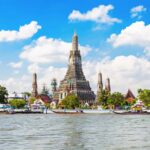
- Bangkok: Grand Palace, Wat Pho, and Wat Arun Private Tour
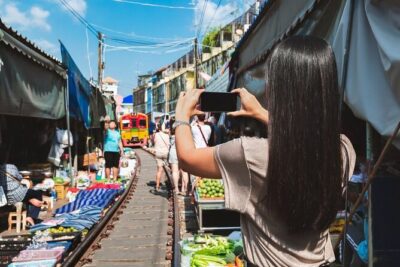
★ 4.8 · 855 reviews - Private Excursion to Maeklong Railway and Floating Markets
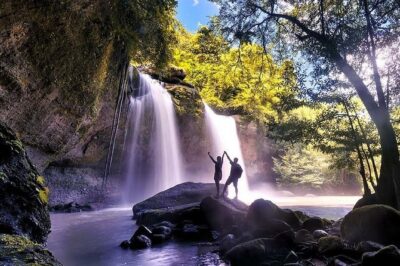
★ 5.0 · 850 reviews - Floating and Railway Market (Optional Waterfall): Private Tour
★ 5.0 · 827 reviews
Kanchanaburi First: Time to Reset Before the Big Stops
The day begins with a drive out of Bangkok, typically 2.3 to 3 hours including a stop along the way. Then you arrive in Kanchanaburi, with about 2 hours 30 minutes on the ground.
That first chunk of time is useful. You’re not immediately dropped into a tight, single-site visit. Instead, you get a chance to get your bearings in the area and mentally switch from Bangkok pace to Kanchanaburi pace. Also, since admission is listed as free for this stop, you’re not boxed into one ticketed attraction. You can use the time for whatever matters to you most, like quick photos, rest, and getting comfortable before the railway-focused parts of the day begin.
A small thing, but important: this is your “breathing room” before the day gets more emotional and more concentrated. The Bridge and Death Railway sites will do that. Use this time to regroup. If you’re someone who gets tired from early starts, you’ll feel grateful you have a real window to settle in.
The Bridge of the River Kwai: Landmark Time Without the Rush
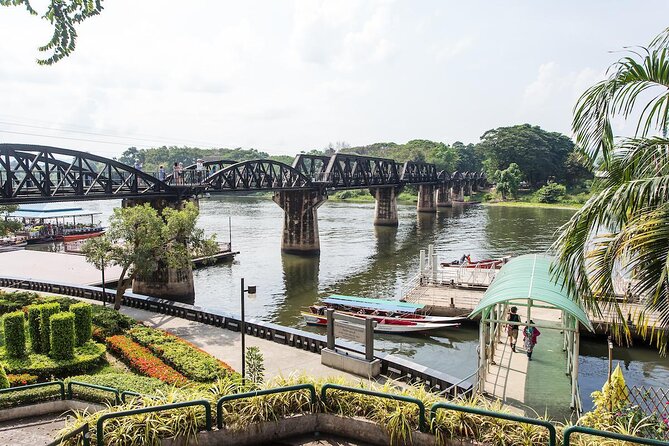
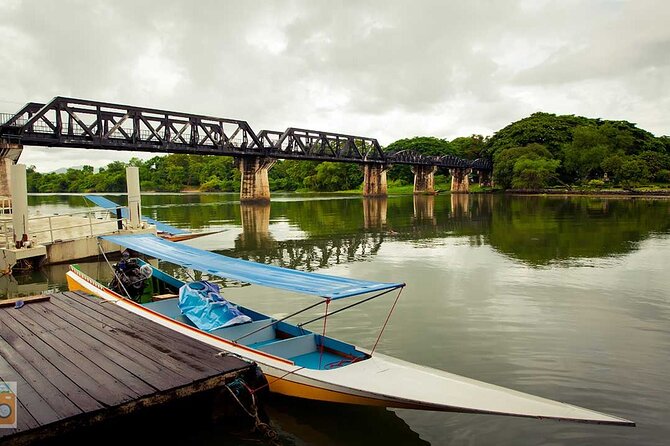
You’ll head next to the River Kwai Bridge area. The stop is about 30 minutes, with admission marked as free.
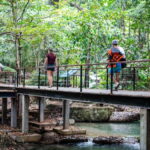
This is one of those places where “short” can still work. The bridge is a famous landmark for a reason: it’s visually dramatic, easy to find, and straightforward to understand from ground level. Also, this tour doesn’t treat it like a quick photo wall. The framing is about WWII-era effort and the challenge of building this crossing in the past, so you’re not just staring at a structure. You’re learning what made this section so difficult.
The possible drawback? Thirty minutes can feel tight if you love lingering. But for most people, it’s the right length in a packed day. You’ll get enough time to look closely, understand the context from your guide, and then move on before the schedule compresses further.
If you’re sensitive to heat or glare, go in knowing you might want to adjust your photos quickly. This kind of landmark stop is often best when you work efficiently: a few good angles, then shift your attention to the story part.
Historic Train Ride on the River Kwai Rail Line
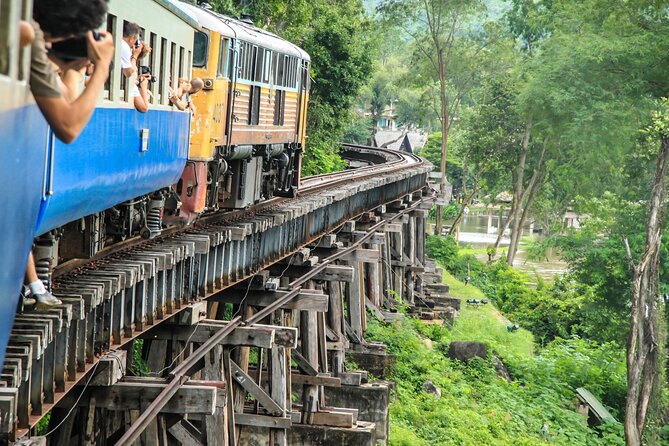
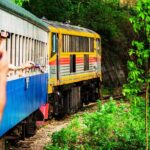
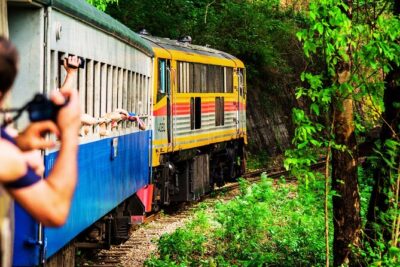
Then comes the heart-pull of the day: the train experience. You’ll travel to the train station for about 40 minutes, and then you’ll ride for about 40 minutes.
This isn’t just a scenic ride. The tour specifically frames it as a chance to ride on the same rail road that was built during World War II. That detail changes the feeling. A normal train ride is just travel. Here, the track itself becomes part of the lesson. You’ll likely notice how you look out at scenery differently when you understand what those rail lines were built to do.
Practical tip: train days mean you’re sitting for a chunk of time. Wear comfortable shoes for getting on and off, and plan for whatever weather the platform brings. If you’re prone to motion sickness, bring what works for you, even if the ride is only about 40 minutes.
The best strategy is mental, not technical: listen to your guide’s framing before the ride, then watch the surroundings with that context in mind. Even without any extra add-ons, this stop is one of the most memorable parts because it makes the story physical.
Out to the River Kwai, more Kanchanaburi trips
Lunch at a Local Restaurant: Fuel for the Cave and Museum
After the train, you’ll have about 1 hour for lunch at a local restaurant, with lunch included in the tour time.
Lunch can be a make-or-break moment on long tours. Here, the schedule gives you a full hour, which is enough to eat without feeling like you’re racing. I like that the day doesn’t shove you into a “grab-and-go” situation right after the train. You’re still on history mode, but you can reset your body.
Because the specific restaurant details aren’t listed, don’t expect fine-dining or a set menu you can plan around in advance. The smart move is to go with a flexible attitude about Thai comfort food and tell your guide your needs if you have dietary restrictions. If you’re picky about spice or ingredients, this is the moment to communicate early, not after you’ve ordered.
Then you’re off again, still in the same theme: the railway wasn’t built in a flat, easy landscape, and the next stop shows how rugged the work area could be.
Tham Krasae (Krasae Cave): When Terrain Shapes the Story
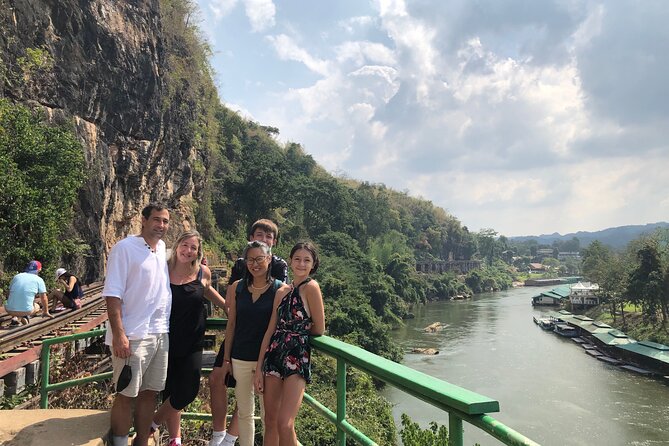
Next up is Tham Krasae, also referred to as Krasae Cave. Your stop here is about 20 minutes, and admission is listed as free.
This short stop matters because the cave connects the Death Railway story to the landscape. The tour description specifically notes that Tham Krasae was used by the Japanese while building this difficult stretch of the Death Railway. In other words, this isn’t just a pretty landmark. It’s a reminder that engineering decisions were forced by terrain, weather, and the realities of construction in a challenging area.
With only 20 minutes, you won’t have time for deep wandering. But you will likely get a focused visit: quick context, a view or a walk within the permitted area, and then you move on. For many people, that’s perfect. It keeps the emotional tone from becoming tiring and prevents the schedule from slipping.
If you want to maximize this stop, wear practical shoes and be ready for uneven ground if you do any short walking. The point here is to connect what you see to the railway’s “hard stretch” reputation.
Thailand–Burma Railway Centre: Interactive Learning With a Research Focus
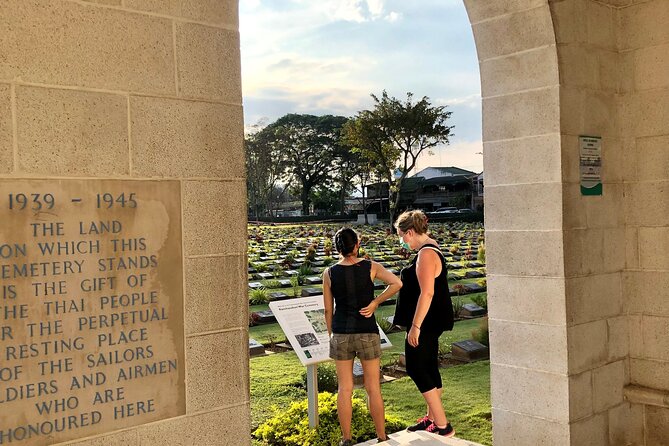
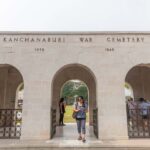
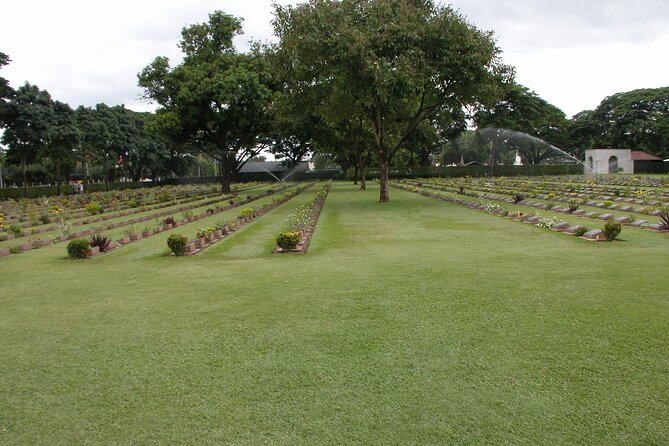
After the cave, you’ll visit the Death Railway Museum and Research Centre, known as the Thailand–Burma Railway Centre.
You’ll have about 45 minutes, and admission is included. What I like about this stop is the mix of formats: it’s described as an interactive museum, plus an information and research centre focused on telling the story of the Thailand–Burma Railway.
This is where the day clicks together. Earlier stops are visual and location-based: bridge, train track, cave. A museum with research and information focus helps you interpret those locations instead of just collecting photos. It also helps you understand the wider background so the stops feel connected rather than separate moments.
The tour description also highlights an important learning angle: don’t miss the chance to learn about the pass at the museum. That kind of detail turns a general “railway history” day into a more specific understanding of why this route mattered.
If you’re the type who likes reading every sign, 45 minutes will feel short. But if you take a selective approach—hit the main themes first, then linger on what grabs you—you’ll come away with real clarity.
Why the Guides Matter: Paula, Johnny, Harry, and a Great Driver Like Manuel
A day like this lives or dies by explanation. The sites are powerful on their own, but your guide is what turns them into a coherent story you actually understand.
From the experience style on this tour, I’d watch for a guide who communicates clearly and ties each stop back to WWII context. Guides named in the experience include Paula, Johnny, and Harry, and all of them are described as friendly, informed, and good at keeping you on track. That shows up most in the little things: telling you where you’re going, what to look for, and what might be worth your time during each stop.
And don’t overlook the driver. The route includes multiple transfers and tight timing. A driver like Manuel being excellent matters because it reduces stress, keeps the schedule realistic, and helps the day feel smooth even when you’re making several site changes.
So yes, the locations are the headline. But the best version of this day is when your guide makes the story understandable without turning it into a lecture.
Price and Value: What $161.98 Gets You in a Packed 9–10 Hour Day
At $161.98 per person, you’re paying for more than a ticket to a place. You’re paying for the structure that makes a Kanchanaburi + Death Railway day trip feasible from Bangkok.
Here’s where the value shows up:
- Pickup and a private vehicle from Bangkok reduces your hassle cost, even if you could theoretically do parts of this independently.
- Admission is included for key parts of the day: the historic train experience, the lunch time block, and the Thailand–Burma Railway Centre visit.
- Several stops are listed as free admission, which helps you get more sight time without paying again and again.
The main value question: is this cheaper than DIY? Sometimes DIY can be less, but it’s often messier once you factor in transport timing and the hassle of matching train schedules with museum hours. This tour bundles the day into one plan. For many people, that’s worth paying for.
If you’re traveling with a group, the listing also mentions group discounts, which can make the price feel even more reasonable per person. Just keep in mind that this tour is a day-trip format. It prioritizes key sites over long stays.
Should You Book This Kanchanaburi and Death Railway Private Tour?
Book it if you want one day that covers the Bridge of the River Kwai, a historic train ride, Tham Krasae (Krasae Cave), and the Thailand–Burma Railway Centre without you having to manage transfers or piece together tickets.
Skip it (or reconsider the fit) if you want lots of free time at each location or you’re not comfortable with an early departure and a full day of moving around. The stops are meaningful, but the schedule is still tight by design.
This tour works especially well for history-minded people who also like a physical experience—watching the terrain from the train and seeing how the route affected construction. If you’re traveling in a group and want the day to feel organized, the private setup is a real plus.
If you can handle a long day and you want the main sites connected by story, this is a strong pick.
FAQ
What time does the tour start?
The start time is 6:30am.
How long is the Kanchanaburi and Death Railway private tour?
It runs about 9 to 10 hours.
Is hotel pickup included?
Pickup is offered, and the tour starts from the Bangkok area.
Is this tour private or shared?
It’s a private tour/activity, meaning only your group participates.
Do I need a paper ticket?
No. You’ll have a mobile ticket.
What’s included in the tour stops?
Admission is included for the historic train ride and the Thailand–Burma Railway Centre. Lunch is also included as part of the day.
Which stops have free admission?
Admission is listed as free for Kanchanaburi, the River Kwai Bridge, Tham Krasae (Krasae Cave), and the return travel segment.
How long are the main parts of the day?
You’ll have roughly 2.5 hours in Kanchanaburi, 30 minutes at the bridge, about 40 minutes for the train ride (plus about 40 minutes to get to the station), 1 hour for lunch, 20 minutes at Tham Krasae, and 45 minutes at the museum and research centre.
What if my plans change?
Cancellation is free up to 24 hours in advance for a full refund.
More Tour Reviews in Bangkok




Out to the River Kwai
Private Days, Just Your Crew



Just In: Fresh Bangkok Reviews

Kanchanaburi & River Kwai, compared.
 ★ 4.5From Bangkok: Erawan Park & Kanchanaburi Small-Group TourFrom $591,582 reviews
 ★ 4.6From Bangkok: Death Railway & Hellfire Pass Tour with LunchFrom $82931 reviews
 ★ 4.6From Bangkok: Historical Day Tour to River KwaiFrom $51868 reviews
 ★ 4.8From Bangkok: Elephant Sanctuary and Kanchanaburi TourFrom $79826 reviews
 ★ 4.9Elephant Sanctuary & Erawan Waterfall TourFrom $181820 reviews
 ★ 4.5Bridge on the River Kwai and Thailand-Burma Railway TourFrom $108658 reviews
 ★ 4.5Erawan Waterfalls and Bridge Over River Kwai Tour from BangkokFrom $56372 reviews
 ★ 4.5Bridge on the River Kwai and Thailand-Burma Railway Guided TourFrom $94353 reviews
Browse the lists this tour appears in