
Review · KANCHANABURI & RIVER KWAI
Kanchanaburi Day Trip: WWII Death Railway & Erawan Falls
Two worlds collide in one long day. You start with WWII memorials tied to the Thai-Burma Railway, then ride the Death Railway and cool off at Erawan Falls, with Lily and Mr. Wat often singled out for smooth, friendly care. The day is powerful—and it’s also a lot of hours, usually 10 to 12, so plan on early starts and steady transit time.
What I like most is the mix: dark history done thoughtfully, followed by real time in nature at Erawan National Park (including a chance to hike and swim). The setup is also practical: private transportation in an air-conditioned vehicle, bottled water, and a cooling towel to handle the heat, plus a guide in English, Chinese, or Japanese. One consideration: lunch is not included, so you’ll want to budget extra and keep your energy up for the afternoon waterfall time.
In This Review
- Key highlights you should care about
- Why this Bangkok to Kanchanaburi day trip hits hard (and then feels good)
- Price and logistics: what you’re paying for at $183.28 per person
- Getting from Bangkok: comfort matters when the day is 10–12 hours
- Stop 1: Don Rak War Cemetery and the Thai-Burma Railway Museum setup
- River Khwae Bridge walk: the famous iron span, plus the war context
- Stop 2: Krasae Cave train ride (Thakilen to Krasae Cave) and the wooden bridge moment
- Stop 3: Erawan National Park—swim, then choose your hike level
- What about lunch? Plan for food because lunch isn’t included
- Guides and drivers: why Lily and Mr. Wat come up again and again
- Who this day trip is best for
- Packing and timing tips that make the day easier
- Death Railway and Erawan Falls: how to get the most out of both worlds
- Should you book this tour?
- FAQ
- How long is the Kanchanaburi day trip?
- What stops are included during the day?
- Do you get a pickup from Bangkok?
- Is lunch included?
- What language is the guide available in?
- Is there a train ride on the itinerary?
- Can you swim at Erawan National Park?
- What’s included in the price besides the tour?
- What if weather affects the waterfall portion?
- What are the cancellation terms?
Key highlights you should care about
- Death Railway + Krasae Cave rail segment: a historic train ride with the signature wooden Krasae Bridge moment
- Bridge on the River Kwai walking time: enough time to cross, take photos, and hear the war context from your guide
- Erawan National Park swimming and tier hikes: swim in clear pools, then choose the second/third-tier walk for photos
- Private, hotel-style pickup experience: your group goes together in a comfortable air-conditioned van
- Well-placed WWII memorial stops: Don Rak War Cemetery area and the Thai-Burma Railway Museum help set the story before the railway sights
Why this Bangkok to Kanchanaburi day trip hits hard (and then feels good)
This is one of those Thailand one-day tours where the contrast is the whole point. The morning asks you to slow down—war cemeteries, museum material, and memorial plaques—then the afternoon lets you move your body in the right way, with a hike and swim at Erawan Falls. It’s not “history museum then free time.” It’s history first, context second, and water time third.
The Death Railway portion matters because it’s not just seeing a bridge or reading a sign. You’re on the rail line and you can feel how remote, rugged, and difficult the route was. Then the day gives you an actual reward: emerald pools and multiple cascades at Erawan National Park, where the water is the main event.
If you want a trip that’s meaningful and not purely dark, this is a strong fit. Just remember the format: a long day with several transfers, not a relaxed pace.
Out to the River Kwai, more Kanchanaburi trips
- From Bangkok: Erawan Park & Kanchanaburi Small-Group Tour
★ 4.5 · 1,582 reviews - From Bangkok: Death Railway & Hellfire Pass Tour with Lunch
★ 4.6 · 931 reviews - From Bangkok: Historical Day Tour to River Kwai
★ 4.6 · 868 reviews
Price and logistics: what you’re paying for at $183.28 per person
At $183.28 per person, the value here is mostly about what’s included and what’s avoided. You get:
- private transportation in an air-conditioned vehicle
- a guide in English, Chinese, or Japanese
- entrance fees covered for the stops that require them
- bottled water and a cooling towel
- mobile ticket
On top of that, it’s a private tour/activity—your group participates, not a mixed crowd with random strangers. You also get pickup offered from Bangkok (you’re picked up early and dropped back in the evening).
What’s not included: lunch, plus tips for guide/driver are optional. That means you should budget extra for food and plan to snack lightly during transit so you’re not cranky by the time you reach Erawan.
Also, this tour tends to be booked ahead (on average, about 46 days). If you’re traveling during a popular season, it’s smart to lock it in earlier rather than waiting.
Getting from Bangkok: comfort matters when the day is 10–12 hours
The practical reality of Kanchanaburi day trips is simple: you’re spending a big chunk of your day on the road. This one helps because it uses private transportation and an air-conditioned vehicle. That matters when you’ll be walking in the morning heat and then dealing with the humidity around waterfall areas.
Time is your real “hidden cost.” With a 10 to 12 hour schedule, you won’t have the luxury of a slow breakfast or a long wandering lunch. You’ll want to:
- arrive at pickup time on the dot
- pack light, but include what you’ll need for the waterfall (more on that below)
- stay flexible if weather changes plans
That flexibility shows up in at least one real-world example from the experience style: when rain affects the waterfall timing, the guide may shift to an alternate activity (one party reported a swap to a place called Hellfire instead of the waterfall plan). You shouldn’t count on any specific replacement every time, but you can expect your guide to try to keep the day moving.
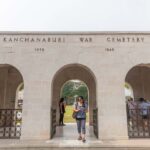
Stop 1: Don Rak War Cemetery and the Thai-Burma Railway Museum setup
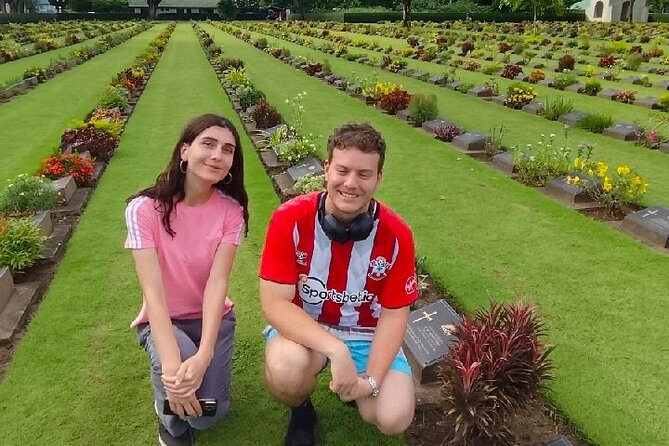
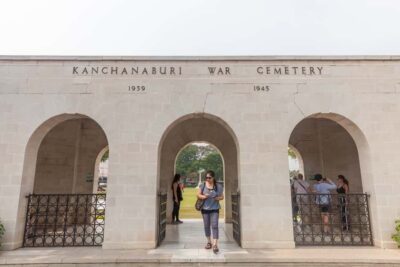
The day starts with tribute and context. Before you go chasing famous landmarks, you’re taken to pay respects to Allied POWs who lost their lives during the construction of the Thai-Burma Railway, tied to what people later called the Death Railway.
From there, you get the Thai-Burma Railway Museum context and the cemetery memorial space that helps you understand the scope of what happened. This isn’t a “quick photo stop.” The intent is to set the emotional tone and give you a storyline you can carry into the bridge and the railway ride later.
Why this order works: if you start with the dramatic views first, you miss the point. By going memorials and museum first, the later sights land differently.
A small note for your comfort: cemetery/museum mornings can be slower and quieter than the rest of the day. Wear shoes that work on uneven ground and bring a light layer if it’s cool earlier in the day.
Worth putting side by side before you book this Bangkok tour:


River Khwae Bridge walk: the famous iron span, plus the war context

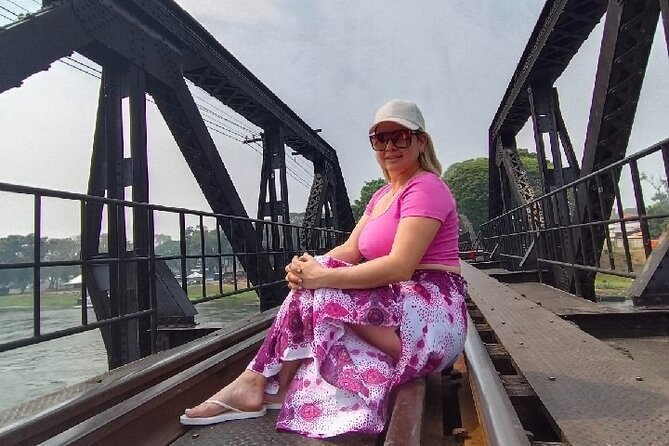
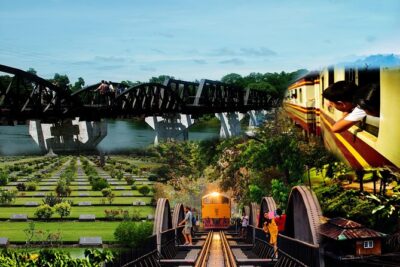
Next comes the Bridge on the River Kwai (the River Khwae Bridge). You walk across this world-famous iron bridge, with time for photos and explanations about its role during the war.
The stop is scheduled for 30–45 minutes. That’s a useful window: long enough to cross, get photos from multiple angles, and still not feel rushed.
Here’s the practical value: you don’t just see the bridge as a movie set. Your guide’s job is to connect what you’re seeing to why it mattered—so your brain isn’t stuck only on pop-culture images. And since the day moves fast, that brief guided context saves you from having to “figure it out” on your own.
If you’re sensitive to crowds: you’ll still be dealing with visitors at a landmark this famous. But the tour format keeps it structured, so you’re less likely to get stuck waiting around.
Stop 2: Krasae Cave train ride (Thakilen to Krasae Cave) and the wooden bridge moment
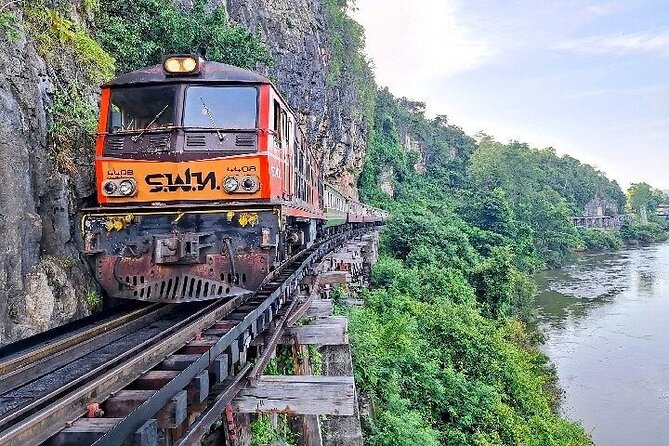
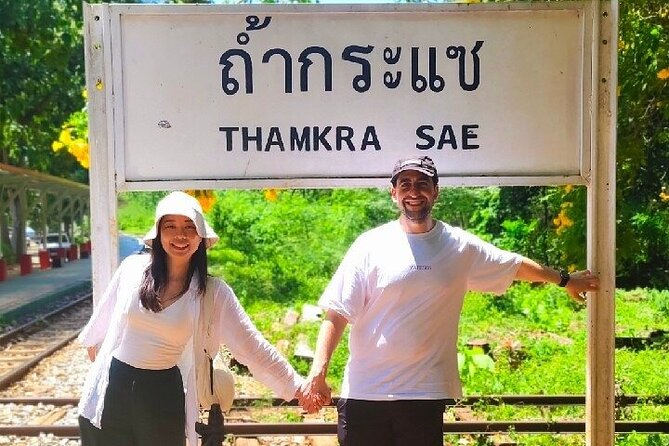
This is one of the most memorable parts because it’s not just walking—it’s riding. You experience a historic train journey from Thakilen Station to Krasae Cave for about 15–20 minutes, passing dramatic cliffs and the Khwae Noi River.
The highlight is the crossing of the wooden Krasae Bridge. It’s the kind of detail that sticks with people because you’re actually on the rail experience instead of watching it from a distance.
Schedule-wise, you’ll spend about 40 minutes on this segment at the stop level, which is enough time to feel the ride but still keep the day on track.
One consideration: trains and bridge segments can involve a bit of waiting and shifting on schedules. Build in patience. The payoff is worth it if you like hands-on experiences.
Stop 3: Erawan National Park—swim, then choose your hike level
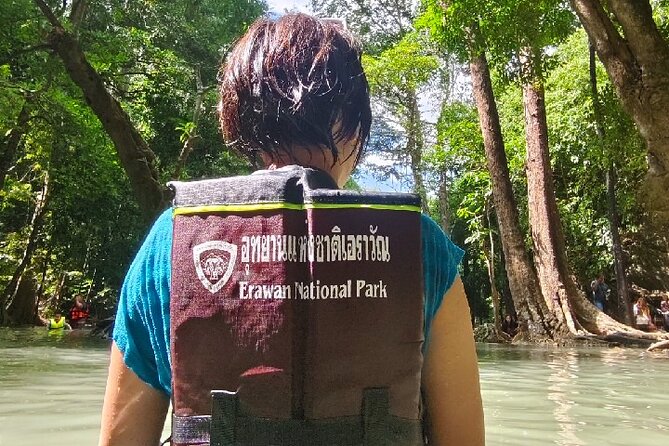
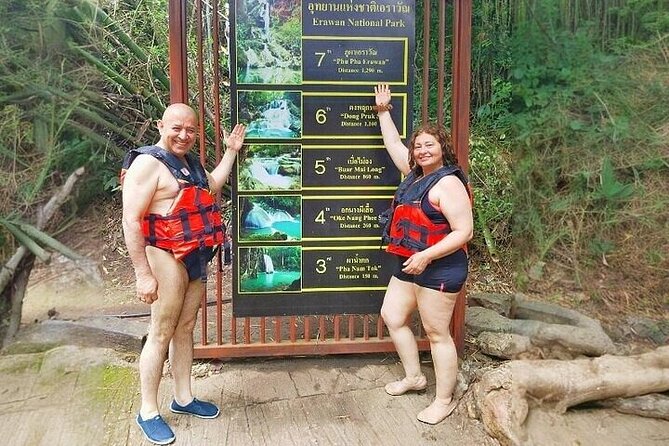
After the WWII-focused morning, you head into nature at Erawan National Park, where you’ll have around 2 hours on-site.
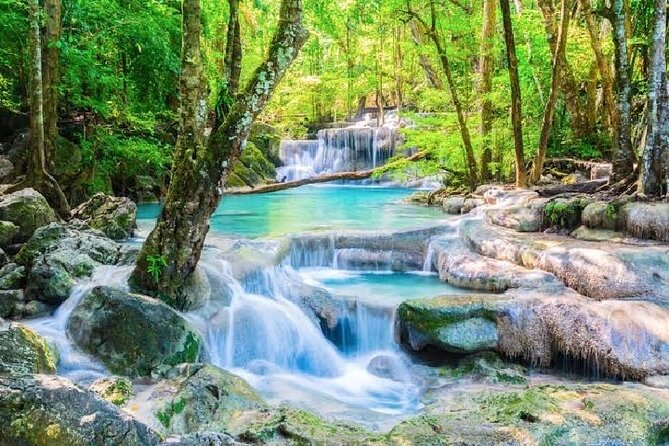
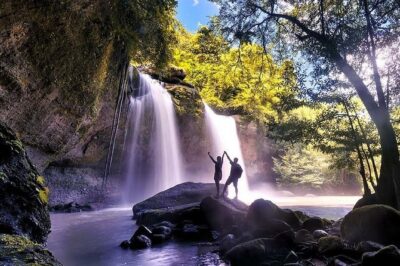
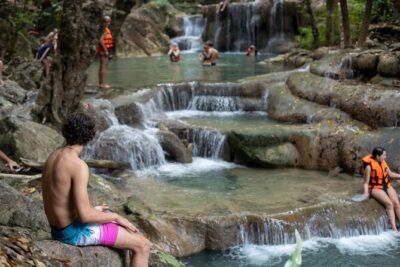
Erawan is famous for its seven cascades and crystal-clear emerald pools. In your time there, you can:
- swim in the natural ponds
- hike up to the second and third tiers for better views and photo opportunities
This part is where the tour earns its “balanced day” reputation. You don’t just stand and look. You get a real chance to cool off and move.
Two practical tips:
- Wear shoes you can handle on damp areas, and consider sandals or water-friendly footwear if you plan to swim.
- Bring something quick-dry if you have it, because you might change out of wet clothing later.
Also, check conditions when you arrive. If it’s raining, the waterfall experience can change. One group described how rain led to an alternate plan. Your guide will likely aim to keep things enjoyable even if the water conditions shift.
What about lunch? Plan for food because lunch isn’t included
The overall day is built around an international buffet-style lunch of Thai food, but the tour’s “not included” list states lunch is not included. So treat lunch as a budget item and a decision point rather than a guaranteed included meal.
Good news: your provider says they’re happy to recommend a restaurant. That’s helpful when you don’t want to gamble on a random place after a long ride. If you have dietary needs, this is the moment to ask your guide what they suggest and how flexible it can be.
Timing matters here. Since the itinerary is structured, you’ll likely have a set window to eat. Keep snacks in your bag for the road so the history-museum pace doesn’t drain your energy before Erawan.
Guides and drivers: why Lily and Mr. Wat come up again and again
A big part of the value isn’t the stops—it’s how the day runs. The experience style you’ll see reflected in guide/driver comments is:
- clear explanations tied to each stop
- calm, organized pacing from pickup to drop-off
- attention to comfort needs like water and shade/time management
Lily is repeatedly mentioned for being caring with families and for handling kids patiently. Mr. Wat (the driver) is also repeatedly praised for being willing to drive for hours on end without making the ride feel like punishment.
If you care about history meaningfully, that guide layer helps a lot. You’re not only reading plaques; you’re getting the story in a way you can carry between the cemetery, the bridge, and the railway ride.
Who this day trip is best for
This fits people who want a single-day hit with both meaning and movement.
- Families: The tour format is structured, and the guide support style includes patience for children, plus comfortable van transport.
- History lovers: You get memorial and museum context before the iconic bridge and the Death Railway rail ride.
- Nature + activity fans: Erawan isn’t just a viewpoint stop; you can swim and hike to higher tiers.
- Mixed groups: It’s one of the rare full-day tours where different interests actually get addressed without you losing half the day.
If you’re the type who hates early starts and long drives, this may feel like too much. It’s not a short, easy day.
Packing and timing tips that make the day easier
You can’t control the schedule, but you can make it easier on yourself.
Bring:
- swimwear or something you can change into for Erawan
- towel (you may get a cooling towel, but plan for wet time)
- sunscreen and a hat
- comfortable walking shoes
- a light layer for early morning air-conditioned time
Be ready for:
- photo stops on the River Kwai bridge
- uneven walking around memorial areas
- a train segment where you’ll want to stand/sit comfortably
If you’re prone to motion sickness, consider something beforehand for the long van ride. It’s not specific to this tour, but the length of time in transit is.
Death Railway and Erawan Falls: how to get the most out of both worlds
Here’s how to make the day click, instead of turning it into a checklist.
In the WWII stops, focus on the names and the human scale of what you’re seeing. Those memorial plaques are the point. When you later cross the bridge and ride the rail segment, you’ll notice the scenery feels harsher because you understand what the terrain demanded.
Then shift your mindset at Erawan. Give yourself permission to play. Swim time is not a bonus; it’s the payoff that keeps the day from feeling purely heavy. If you’re traveling with anyone who finds history “too much,” Erawan is what balances it.
Should you book this tour?
Book it if you want a private, structured day that combines WWII sites with a real chance to swim at one of Thailand’s best-known waterfalls. The value is strong because key basics are covered (transport, guide, entry fees, water, cooling towel), and the day is organized enough that you don’t waste time figuring things out.
Consider skipping or adjusting your plan if:
- you can’t handle long days (10–12 hours)
- you don’t want to spend time in war memorial settings
- you’d rather go at your own pace than follow a tight schedule
If you’re on the fence, this is the practical rule: if you want both history and nature in one day, and you’re okay paying for organization and comfort, it’s a smart choice.
FAQ
How long is the Kanchanaburi day trip?
It runs about 10 to 12 hours.
What stops are included during the day?
You’ll visit the WWII memorial area and Thai-Burma Railway Museum, walk across the Bridge on the River Kwai, take the train journey to Krasae Cave (including the wooden bridge crossing), and spend time at Erawan National Park.
Do you get a pickup from Bangkok?
Pickup is offered, and the tour uses private transportation in an air-conditioned vehicle.
Is lunch included?
Lunch is not included. The provider may recommend a restaurant for you.
What language is the guide available in?
The guide is available in English, Chinese, and Japanese.
Is there a train ride on the itinerary?
Yes. You’ll take a historic train journey from Thakilen Station to Krasae Cave, and you’ll cross the wooden Krasae Bridge.
Can you swim at Erawan National Park?
Yes. You’ll have time to hike and swim at Erawan Falls.
What’s included in the price besides the tour?
Included items are private transportation, entrance fees, bottled water, and a cooling towel. A mobile ticket is also included.
What if weather affects the waterfall portion?
The schedule can shift if conditions change. One experience described an alternate option when rain affected the waterfall plan, handled by the guide.
What are the cancellation terms?
Free cancellation is available up to 24 hours in advance for a full refund.
More 1-Day Tours in Bangkok
More Tour Reviews in Bangkok



Out to the River Kwai
Just In: Fresh Bangkok Reviews

Kanchanaburi & River Kwai, compared.
 ★ 4.5From Bangkok: Erawan Park & Kanchanaburi Small-Group TourFrom $591,582 reviews
 ★ 4.6From Bangkok: Death Railway & Hellfire Pass Tour with LunchFrom $82931 reviews
 ★ 4.6From Bangkok: Historical Day Tour to River KwaiFrom $51868 reviews
 ★ 4.8From Bangkok: Elephant Sanctuary and Kanchanaburi TourFrom $79826 reviews
 ★ 4.9Elephant Sanctuary & Erawan Waterfall TourFrom $181820 reviews
 ★ 4.5Bridge on the River Kwai and Thailand-Burma Railway TourFrom $108658 reviews
 ★ 4.5Erawan Waterfalls and Bridge Over River Kwai Tour from BangkokFrom $56372 reviews
 ★ 4.5Bridge on the River Kwai and Thailand-Burma Railway Guided TourFrom $94353 reviews
Browse the lists this tour appears in