
This day trip hits hard, in the best way. You’ll move through Kanchanaburi’s Death Railway story step by step, starting at the memorial sites and ending with time at Krasae Cave.
I really like how the day mixes places that demand respect (cemetery and museum) with the physical reality of the bridge and rail line. The Kanchanaburi War Cemetery is carefully kept, and the buffet lunch plus bottled water and cool towel make the long day feel more manageable.
One thing to plan for: it’s a long haul with a lot of driving. Also, guide depth can vary by group, and the final stop may feel more like a park walk or waterfall area than a classic cave experience.
In This Review
- Quick hits before you go
- Getting going: 6:30 AM MBK Center meetup and the ride north
- Cemetery calm: Kanchanaburi War Cemetery and the JEATH War Museum
- Bridge time on the River Kwai Yai: what to notice as you walk
- The Death Railway train ride: included comfort and optional seat upgrades
- Krasae Cave to close the day: a reflective finish near the railway
- Lunch, water, and included comforts that actually matter
- Price and value: what $75.83 really buys in a full 11-hour day
- Who this tour fits best (and who might want a different day)
- Should you book this Death Railway full-day tour from Bangkok?
- FAQ
- What time does the tour start?
- How long is the full-day tour?
- Where do I meet the group and where does the tour end?
- Is hotel pickup included?
- What’s included in the price?
- Is gratuity included?
Quick hits before you go
- A 6:30 AM start from MBK Center: you get an early start without hunting for a meeting place at dawn.
- Small-group feel, professional English guide: guides like Oom, Rach, Alex, and Tum Tum have been credited with clear timing and strong storytelling.
- Cemetery + museum first: you build context before you step onto the Bridge over the River Kwai.
- The Bridge walk is the emotional center: it turns a WWII lesson into something you can see, walk, and photograph with care.
- Included train time along the Death Railway: you’re not just watching history from a bus window.
- Optional add-ons may pop up: one guest mentioned paying extra for an end train compartment upgrade (300 baht each) if your schedule offers it.
Getting going: 6:30 AM MBK Center meetup and the ride north
The day starts early, with the group meeting at MBK Center at 6:30 AM. If you’re staying in Bangkok city center, hotel pickup is included for the one-way portion; otherwise you’ll meet at the MBK location and the tour finishes back at MBK.
From there, you’re on the road toward Kanchanaburi Province for much of the morning. Expect the kind of long-day pacing where you’ll want to use breaks when offered, because the schedule is packed and you don’t want to rush restroom stops yourself.
Out to the River Kwai, more Kanchanaburi trips
- From Bangkok: Erawan Park & Kanchanaburi Small-Group Tour
★ 4.5 · 1,582 reviews - From Bangkok: Death Railway & Hellfire Pass Tour with Lunch
★ 4.6 · 931 reviews - From Bangkok: Historical Day Tour to River Kwai
★ 4.6 · 868 reviews
Cemetery calm: Kanchanaburi War Cemetery and the JEATH War Museum
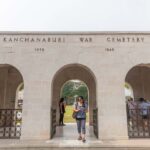
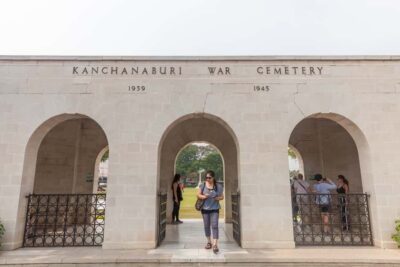
You begin with the Kanchanaburi War Cemetery. This is the part of the day that sets the tone. One of the big wins here is that the grounds are well maintained, so the focus stays on remembrance rather than logistics.
You’ll walk through the memorial area and explore with time to look at what’s there. The stop is listed with admission included and a generous block of time, which matters because this site isn’t about quick scanning. It’s the kind of place where you’ll feel better slowing down, reading, and letting the scale sink in.
Right after, you move to the JEATH War Museum. The name comes from the countries tied to the railway construction during World War II: Japan, England, America, Australia, Thailand, and Holland. I like this museum early in the day because it fills in the human details that a bridge photo can’t show on its own.
The museum stop is shorter than the cemetery and bridge, but it’s built to give you context. If you’re the type who likes to understand what you’re looking at before you take pictures, this pairing is a smart one: respect first, then explanation, then action.
Bridge time on the River Kwai Yai: what to notice as you walk
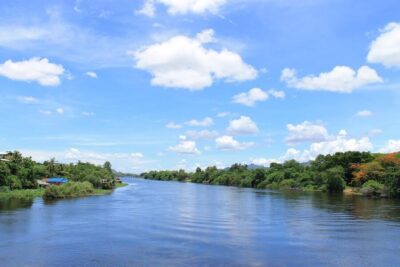
Next comes the heart of the story: the Bridge over the River Kwai in Kanchanaburi. During World War II, Japan constructed a meter-gauge railway line from Ban Pong, Thailand to Thanbyuzayat, Burma. Today, this route is widely known through the Death Railway name, and walking around the bridge gives you a strong sense of place.
This stop is the emotional bridge between “learning” and “seeing.” You’re not just viewing a monument from a distance. You’ll spend time at the bridge area and walk it, which helps you understand why the location mattered so much.
Practical tip: the bridge and surrounding areas can be busy and exposed. Bring your own water habits in mind even though bottles are provided, and pace yourself if you’re sensitive to heat or crowds.
The Death Railway train ride: included comfort and optional seat upgrades
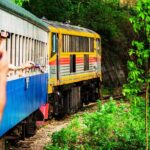
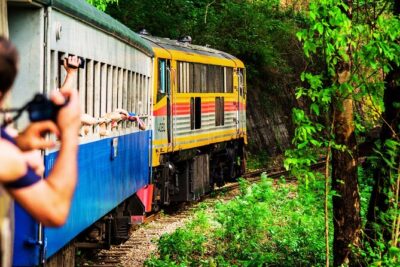
After the bridge, the day includes a scenic train ride along the Death Railway. What I like about having this in the program is simple: it turns the line from a concept into an experience. Even if you’ve read about the railway before, it’s different when you’re physically on a train that follows the route’s legacy.
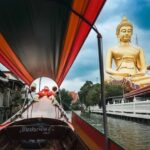
The day also has a reputation for including river travel segments for some departures, and several guests have specifically mentioned a longboat/speedboat-style ride as part of their day. If that’s on your schedule, treat it as a short break from road time and a chance to slow your brain down before the next stop.
One extra detail worth knowing: a guest mentioned paying 300 baht each for a ride in the end train compartment and said it was worth it. If your driver or guide offers seat options or an end-car upgrade, it can be a fun way to make the train time feel more special—just confirm the cost and where you’ll sit before you pay.
Worth putting side by side before you book this Bangkok tour:


Krasae Cave to close the day: a reflective finish near the railway
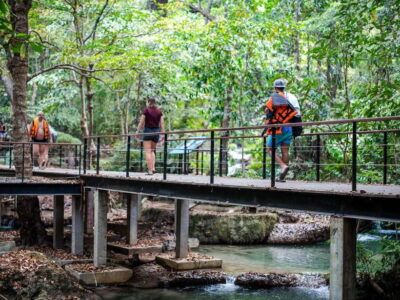
The final major stop is Krasae Cave. This is described as a historic site where POWs once rested, located alongside the Death Railway. In today’s version of the visit, it’s also a place where you can stroll along the railway area and pause to pay respects at the site’s memorial spot.
Here’s the consideration: some people have described the end portion as more of a nature walk or waterfall area than a cave-focused stop. If you’re expecting dramatic cavern time, it may not match that. Still, the location’s POW connection is part of what makes the stop meaningful, so even a more scenic interpretation can work if you keep expectations flexible.
If you’re traveling with kids or anyone who gets bored late in the day, this is a good place to set expectations early: it’s a quiet, reflective wrap-up, not an amusement park.
Lunch, water, and included comforts that actually matter
On an 11-hour day, “included” can mean nothing—or it can mean you arrive less cranky. Here, the included basics are genuinely helpful: air-conditioned vehicle, bottled water, and even a cool towel.
You’ll also get a buffet lunch at a Thai restaurant, with admission fees and the major entries covered. I find this matters most for value and sanity. Instead of spending your day hunting for meals between stops, you’re spending your time inside the places that give the story weight.
Also, guides on this trip have been praised for keeping timing tight and planning practical breaks. If you’re the type who likes to know what to expect, that’s a comfort: the logistics are meant to reduce friction, even if the day itself stays long.
Price and value: what $75.83 really buys in a full 11-hour day
At about $75.83 per person, this tour isn’t a bargain-bucket price. But it also isn’t a simple “bus + photos” outing. You’re paying for a full-day package:
- a professional English-speaking guide
- hotel pickup (one-way) in Bangkok city center and drop-off at MBK
- buffet lunch
- train ticket
- all entrance fees for the key sites
- air-conditioned transport, plus bottled water and cool towels
- travel insurance
When those items are included, the math shifts. If you tried to stitch this day together yourself, you’d likely spend money on transport across provinces, entry fees at multiple sites, and the guide’s time (especially for the cemetery and museum stops where context matters).
The other value angle is time. An 11-hour schedule with multiple WWII stops is hard to coordinate solo without turning the day into a scavenger hunt. This keeps you moving with a structure built around the story arc: memorials first, then the bridge, then the train, then the reflective ending.
Who this tour fits best (and who might want a different day)
I think this tour suits you if you want a structured, respectful WWII route without doing the planning yourself. It’s also a good match if you like history but still want “real-world” time—walking the bridge and riding the rail—rather than staying behind museum glass the whole day.
It’s also a solid choice for couples and solo travelers who don’t want to manage public transport across long distances. The group size is capped at 100 travelers, and the experience is described as small-group, so you should get better attention than a mega-coach day—though the exact feel still depends on your specific departure.
If you’re easily overwhelmed by long drives, this is the main mismatch. It’s simply a big day. If you prefer deeper explanations or hate short talks, pick this only if you’re comfortable asking questions when you get a chance. Some guests have said guide explanation can be minimal at times, and I’d treat that as a cue to stay engaged rather than assume every stop will be lecture-length.
Should you book this Death Railway full-day tour from Bangkok?
Book it if you want the best kind of “one day” WWII experience: cemetery and museum context, then the bridge you can walk, then an included train ride that makes the railway real. The mix of included costs (lunch, entrances, transport, insurance) is a big part of the value, especially for a first-time visit.
Skip it or compare alternatives if you’re very sensitive to long travel days, or if you’re specifically chasing a cave-only experience and want a heavy focus on cavern time at the end. The ending can be more nature-park style than pure cave content, so keep your expectations broad.
FAQ
What time does the tour start?
The tour starts at 6:30 AM.
How long is the full-day tour?
It runs for about 11 hours.
Where do I meet the group and where does the tour end?
You meet at MBK Center (444 Phaya Thai Rd, Bangkok) and the tour also ends at MBK Center.
Is hotel pickup included?
Yes. You get one-way hotel pickup in Bangkok city center, and then you’ll be dropped back at the meeting point.
What’s included in the price?
The price includes a professional English-speaking guide, buffet lunch, train ticket, all entrance fees, air-conditioned vehicle, bottled water and cool towel, and travel insurance.
Is gratuity included?
No. Tipping for the guide and driver is not included and is voluntary.
More Full-Day in Bangkok

More Tour Reviews in Bangkok




Out to the River Kwai
Just In: Fresh Bangkok Reviews

Kanchanaburi & River Kwai, compared.
 ★ 4.5From Bangkok: Erawan Park & Kanchanaburi Small-Group TourFrom $591,582 reviews
 ★ 4.6From Bangkok: Death Railway & Hellfire Pass Tour with LunchFrom $82931 reviews
 ★ 4.6From Bangkok: Historical Day Tour to River KwaiFrom $51868 reviews
 ★ 4.8From Bangkok: Elephant Sanctuary and Kanchanaburi TourFrom $79826 reviews
 ★ 4.9Elephant Sanctuary & Erawan Waterfall TourFrom $181820 reviews
 ★ 4.5Bridge on the River Kwai and Thailand-Burma Railway TourFrom $108658 reviews
 ★ 4.5Erawan Waterfalls and Bridge Over River Kwai Tour from BangkokFrom $56372 reviews
 ★ 4.5Bridge on the River Kwai and Thailand-Burma Railway Guided TourFrom $94353 reviews
Browse the lists this tour appears in