
Review · KANCHANABURI & RIVER KWAI
Kanchanaburi River Kwai & Death Railway Small Group tour
Steel rails and quiet graves in one long day. This Kanchanaburi River Kwai & Death Railway small-group trip turns a road outing into a WWII-focused circuit: you start with remembrance, then move to the Bridge over the River Kwai, the JEATH War Museum, and finally a scenic railway stop where you can watch the train pass by. It’s built for comfort too, with Bangkok hotel pickup on request and an air-conditioned ride out of the city.
Two things I like right away: the small group size (max nine people) keeps the day feeling organized, and the schedule includes multiple photo-friendly stops without making them feel rushed. You also get an English-speaking guide, plus bottled water, so you’re not trying to manage translations while driving between sites.
One drawback to consider: the JEATH War Museum can feel less polished than the big-name sights around it. If you’re expecting a perfectly maintained museum experience, set your expectations a notch lower.
In This Review
- Key things that make this Death Railway day tour work
- The 11-hour structure: how to make a long day feel manageable
- Kanchanaburi War Cemetery: start here, then everything clicks
- River Kwai: what to notice during the Bridge walks
- A smart way to use the bridge time
- JEATH War Museum: strong connections, mixed upkeep
- Tham Krasae Station and Tiger Cave Temple: watching the train pass by
- Tip for the railway window
- Why the small-group format matters more than you think
- Price vs. value: what $99 is really buying
- What to plan for during your day (so you enjoy it more)
- Who this tour fits best
- Should you book the Kanchanaburi River Kwai & Death Railway small-group tour?
- FAQ
- How long is the Kanchanaburi River Kwai & Death Railway tour?
- What is the price per person?
- Is hotel pickup available in Bangkok?
- How big is the group?
- Where does the tour start?
- What stops are included during the day?
- Is lunch included?
- What’s included in the ticket price?
- Is cancellation free?
- Does the tour depend on weather?
Key things that make this Death Railway day tour work
- Small group of up to nine people: you get more time for questions and fewer delays than bigger buses.
- Start at the Kanchanaburi War Cemetery: a strong emotional anchor before the more famous River Kwai sights.
- Bridge Over the River Kwai walks with optional boat time: you can choose how you want to spend the water-side moment.
- JEATH War Museum stop (about 40 minutes): memorabilia and wall-style displays help you connect the dots.
- Tiger Cave Temple area railway viewing: a chance to see the train pass near Tham Krasae Station.
- Simple Bangkok-to-Kanchanaburi logistics: hotel pickup on request and return to the meeting point.
The 11-hour structure: how to make a long day feel manageable
This is an approximately 11-hour outing, so you’ll want to treat it like a full-day trip, not a quick side quest. The pace is what helps: the day is broken into clear blocks—cemetery first, then River Kwai stops, then the museum, and finally the railway viewing area. That sequencing matters. Starting with the cemetery gives context, so later sights don’t just feel like scenery or movie sets.
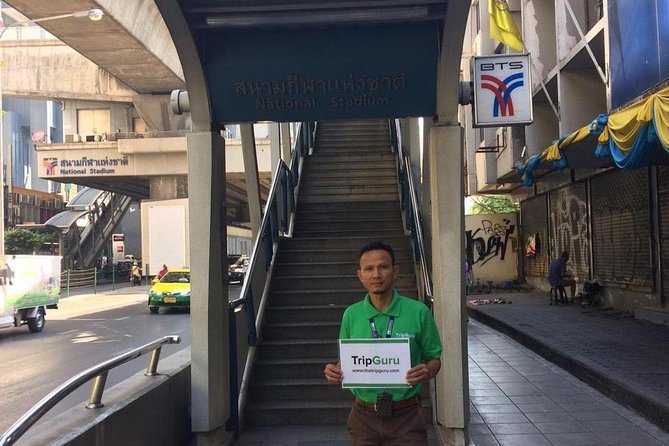
The tour also runs with a practical comfort setup. You can request hotel pickup in Bangkok, and you ride in an air-conditioned vehicle, with bottled water included. The meeting point is the National Stadium BTS Station area, and you end back there, which makes it easier to plan the rest of your Bangkok evening.
The price—$99 per person—isn’t just for the ride. You’re also paying for an English-speaking guide, entrance fees tied to the itinerary, and the time needed to reach Kanchanaburi in a way that doesn’t rely on you piecing together buses or boats on your own.
Out to the River Kwai, more Kanchanaburi trips
- From Bangkok: Erawan Park & Kanchanaburi Small-Group Tour
★ 4.5 · 1,582 reviews - From Bangkok: Death Railway & Hellfire Pass Tour with Lunch
★ 4.6 · 931 reviews - From Bangkok: Historical Day Tour to River Kwai
★ 4.6 · 868 reviews
Kanchanaburi War Cemetery: start here, then everything clicks
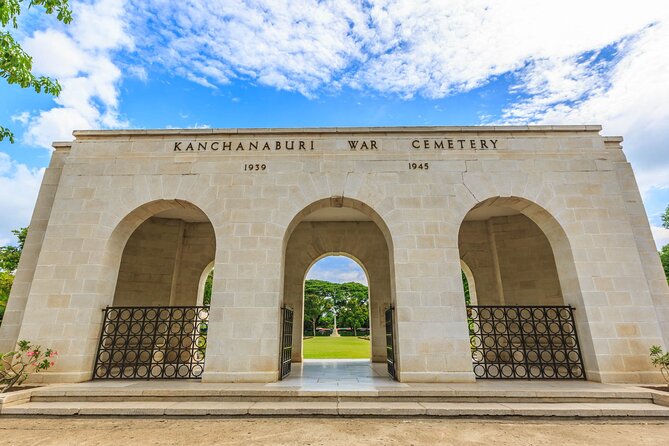
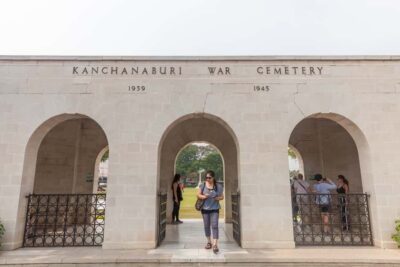
Your first major stop is the Kanchanaburi War Cemetery, where thousands of Allied soldiers are laid to rest. This is the kind of site that changes how you experience the rest of the day. If you go in expecting just photos, you’ll miss the point. Take a slow walk and look closely at the setting and the exhibits, because the cemetery sets the emotional and historical baseline for what the Bridge and rail line represent.
The visit lasts about one hour, with an admission ticket included. I like that time allotment because it’s long enough to read without feeling like you’re being herded, but short enough that you’re still fresh for the later stops.
Practical note: this is a reflective stop. If you’re the type who wants to keep moving for energy, you might still appreciate spending this hour letting the day’s themes land before the more visually famous WWII connection points.
River Kwai: what to notice during the Bridge walks
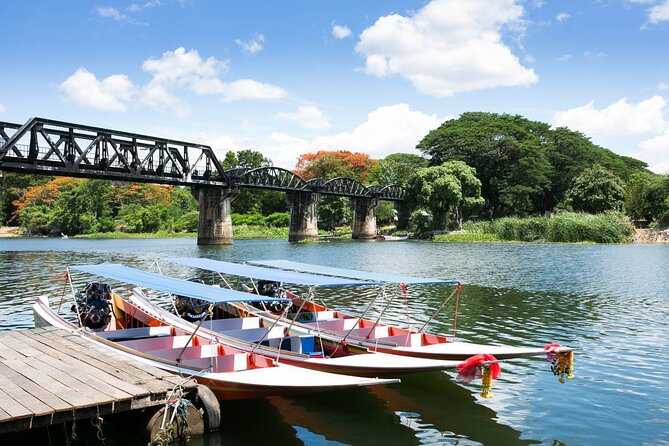
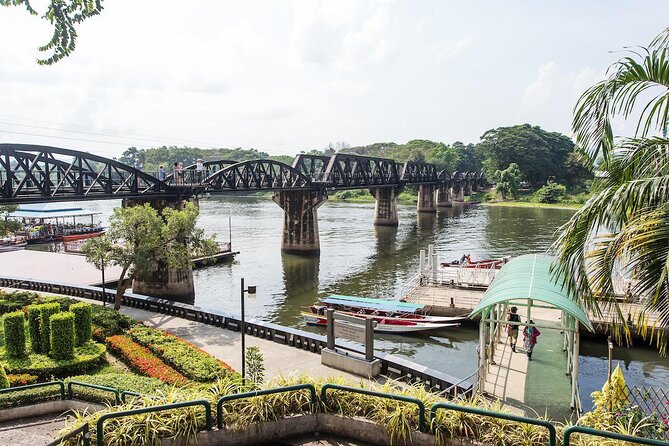
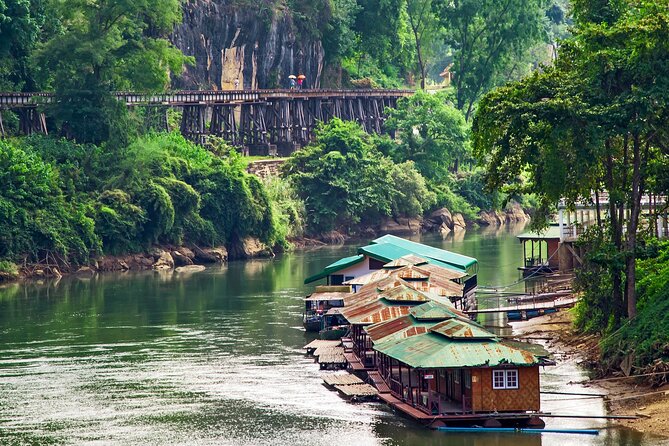
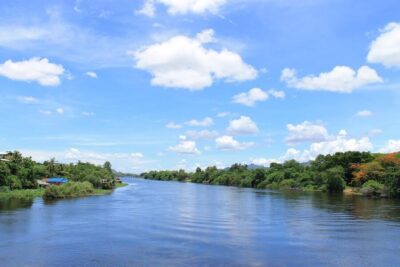
Next comes the River Kwai segment, built around the Bridge over the River Kwai. You get more than one moment on the river and bridge area, with a total of several short stops that let you take in angles without turning the day into one long bottleneck.
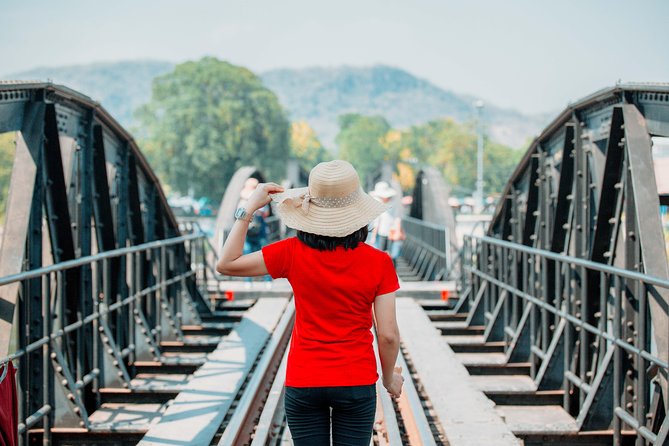
There’s time to walk along the famous bridge area (with admission tickets not required for these specific viewpoints). In the schedule, you also have a stop labeled River Kwai with boat visits optional, and then another bridge-focused walk. That structure helps because it gives you two chances to frame the bridge with the river in your photos.
Even if you’ve seen films or photos about this place, the in-person experience is different. On the ground, you notice scale and the way the bridge sits in the surroundings. It becomes less about a single iconic image and more about how people built and moved along that corridor.
A smart way to use the bridge time
Because the stops are short, you’ll get more out of it if you decide in advance what you want:
- One set of photos showing the bridge and river together
- One set closer up on structural details
- A few minutes just to stand and watch the scene
If you’re considering the optional boat visit, think about whether you want a different perspective more than you want extra time elsewhere.



JEATH War Museum: strong connections, mixed upkeep
After the bridge, the day shifts to the JEATH War Museum, located close to the bridge area. This is where the story becomes personal and concrete through memorabilia and wall murals—especially the kind of display that helps you connect what you’re seeing with what happened during WWII.
The museum stop is about 40 minutes, and admission is included. For many people, this is the moment where the trip moves from “sights” to “understanding.” The exhibits are not trying to be only theoretical. They’re designed to show objects and visual material tied to the period, and that helps you remember details later.
Now for the reality check: one of the most constructive drawbacks from the feedback is that the JEATH War Museum can feel run down and not very well maintained. That doesn’t automatically make it useless. It just means you should treat it as an information stop, not as a polished museum experience. If you’re willing to work with the setting, you’ll likely still get good value from the time spent inside.
Tham Krasae Station and Tiger Cave Temple: watching the train pass by
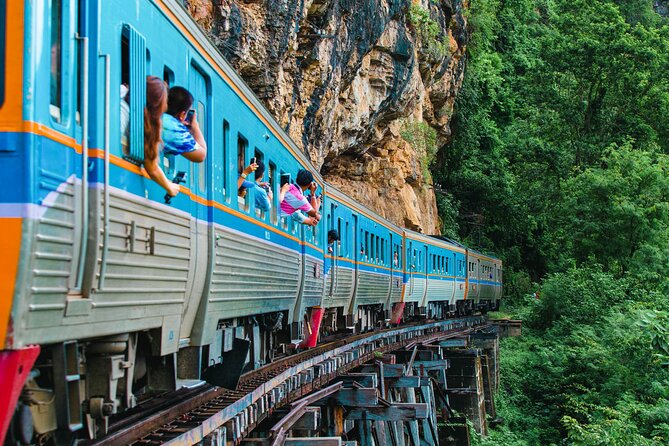
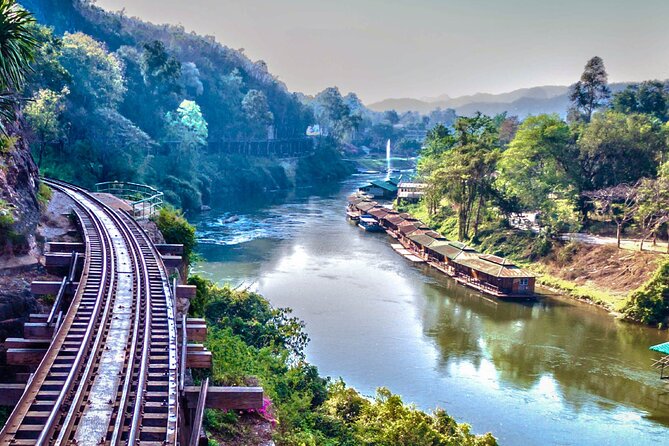
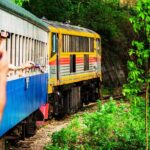
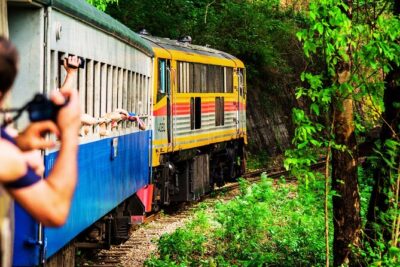
The final major viewing moment combines a temple area with a railway viewpoint. You head to the Tiger Cave Temple (Wat Tham Suea) area, where you can admire views and see the train pass by from the Tham Krasae Station section.
This is scheduled for about 30 minutes, with admission listed as free. The timing is short, but the goal here isn’t a long temple tour. The goal is the specific railway moment: watching the train move through a dramatic cliff-side area where the track weaves around the terrain.
If you like railway details, this is often the part people remember most. One write-up described a particularly striking pause at a spot where Dutch POWs carved the trackway from rock. Even if you can’t confirm the exact viewpoint timing on your day, the general reason this stop hits hard is that you’re seeing the railway not as a concept, but as a piece of physical engineering created under brutal conditions.
Tip for the railway window
When the train viewpoint starts, treat it like a photo moment with a time limit. Keep your camera ready. Take one wider shot for context, then one or two tighter ones for track and movement details. The 30 minutes are meant to produce a clear payoff without keeping you away from the rest of the day too long.
Why the small-group format matters more than you think
This is a maximum nine-person tour, which is a big deal for this specific kind of day. WWII sites and memorial locations are not places where you want to lose time to crowds, confusion, or waiting for late arrivals. A smaller group helps the guide keep the pacing humane and keeps you from feeling like you’re sprinting between stops just to stay in the flow.
It also supports better listening. When you’re in a large group, the guide’s explanations can feel like background noise. With fewer people, you can actually follow along with the English-speaking guide and ask questions when something doesn’t click—like how the cemetery and rail line connect, or what the museum displays are pointing to.
And because you’re driving between Bangkok and Kanchanaburi, the comfort and order matter. The tour includes air-conditioned vehicle, bottled water, and hotel pick up and drop off, so you’re not trying to coordinate a patchwork plan while exhausted.
Price vs. value: what $99 is really buying
At $99 per person, you’re paying for a full-day itinerary that’s hard to replicate quickly on your own—especially from Bangkok. Here’s what’s covered in the included package:
- English-speaking guide
- Air-conditioned vehicle
- Bottled water
- Hotel pickup and drop off
- Entrance fees, including the War Museum (THB 50)
Lunch isn’t included, and that’s typical for day trips like this. You’ll want to plan your meal strategy so you’re not hungry at the wrong time.
In value terms, this price is mainly about reducing friction. The big cost isn’t only the sites—it’s the time and logistics of getting you to the right places in the right order with guidance. If you’re the kind of person who hates figuring out transport while trying to absorb historical context, you’ll likely feel this tour’s value fast.
What to plan for during your day (so you enjoy it more)
Even with an organized itinerary, you’ll still want to think like a day-trip strategist.
Bring comfortable shoes. You’ll be walking at the cemetery and on the bridge areas, and you’ll likely stand around for photo moments. The day is structured with multiple short stops, so the walking adds up.
Plan your food timing around lunch not being included. The schedule doesn’t list lunch, so you’ll need to eat on your own either before the tour or after you return. If you’re traveling with kids or anyone who gets cranky without food, decide ahead of time where you’ll stop for lunch.
Use the viewing moments efficiently. The bridge and railway stops are designed for photo and perspective. When you’re on-site, commit to getting the best angle in the time you have, then enjoy the story the guide is telling rather than constantly checking your watch.
Who this tour fits best
This outing is especially good for you if:
- You want a WWII-focused day trip from Bangkok without building your own plan.
- You care about context, not just landmarks—starting at the cemetery is a strong choice.
- You prefer smaller groups and a guide you can actually hear.
It’s also a solid option for families who can handle a long day. One comment in the feedback specifically mentioned it being worthwhile for showing children these sites. That said, if your group needs long breaks or very kid-friendly museum pacing, you may want to keep an eye on energy levels around the museum and the railway viewing window.
Should you book the Kanchanaburi River Kwai & Death Railway small-group tour?
If you want the best blend of organization, historical context, and meaningful photo moments, I think this is a strong book. The day starts with Kanchanaburi War Cemetery, moves to the Bridge over the River Kwai, gives you a story connection through the JEATH War Museum, and ends with the train pass-by viewpoint near Tiger Cave Temple / Tham Krasae Station. That flow keeps the emotional weight and the engineering reality together.
The main reason to pause is the JEATH museum condition. If you’re the kind of person who needs a clean, well-run museum environment to enjoy the stop, you might find it less satisfying. If you can treat it as a historical link that’s more “information” than “presentation,” you’ll likely still get value.
If you’re short on time in Bangkok and you want a guided day that handles transport, entrances, and pacing for you, this is the kind of tour that makes the trip feel simpler—and more respectful—than going solo.
FAQ
How long is the Kanchanaburi River Kwai & Death Railway tour?
It runs for about 11 hours.
What is the price per person?
The price is $99.00 per person.
Is hotel pickup available in Bangkok?
Yes. Pickup is offered on request, and the tour includes hotel pickup and drop off.
How big is the group?
This experience has a maximum of nine travelers.
Where does the tour start?
It starts at the National Stadium BTS Station in Bangkok (Khwaeng Wang Mai, Pathum Wan, Krung Thep Maha Nakhon 10330, Thailand).
What stops are included during the day?
You’ll visit Kanchanaburi War Cemetery, walk around the River Kwai and Bridge areas, see the JEATH War Museum, and reach the Tiger Cave Temple (Wat Tham Suea) area for a train pass-by viewpoint.
Is lunch included?
No, lunch is not included.
What’s included in the ticket price?
Included items are an English-speaking guide, air-conditioned vehicle, bottled water, hotel pickup and drop off, and entrance fees (including THB 50 for the War Museum).
Is cancellation free?
Yes. You can cancel for a full refund up to 24 hours in advance, and it offers free cancellation.
Does the tour depend on weather?
Yes. It requires good weather. If it’s canceled due to poor weather, you’ll be offered a different date or a full refund.
More Tours in Bangkok


More Tour Reviews in Bangkok

Out to the River Kwai


Just In: Fresh Bangkok Reviews




Kanchanaburi & River Kwai, compared.
 ★ 4.5From Bangkok: Erawan Park & Kanchanaburi Small-Group TourFrom $591,582 reviews
 ★ 4.6From Bangkok: Death Railway & Hellfire Pass Tour with LunchFrom $82931 reviews
 ★ 4.6From Bangkok: Historical Day Tour to River KwaiFrom $51868 reviews
 ★ 4.8From Bangkok: Elephant Sanctuary and Kanchanaburi TourFrom $79826 reviews
 ★ 4.9Elephant Sanctuary & Erawan Waterfall TourFrom $181820 reviews
 ★ 4.5Bridge on the River Kwai and Thailand-Burma Railway TourFrom $108658 reviews
 ★ 4.5Erawan Waterfalls and Bridge Over River Kwai Tour from BangkokFrom $56372 reviews
 ★ 4.5Bridge on the River Kwai and Thailand-Burma Railway Guided TourFrom $94353 reviews
Browse the lists this tour appears in