
Review · KANCHANABURI & RIVER KWAI
Private Historic River Kwai Death Railway, War Cemetery and Hellfire Pass Tour
History hits hardest at Hellfire Pass. This private, early-start day trip turns the Thai-Burma Death Railway into something you can actually see, from the Kanchanaburi War Cemetery to the Hellfire Pass trail, with a guide to explain what you’re looking at. I love how the guide connects the big WWII facts to the actual places on the ground, and I love that lunch and bottled water are included so you’re not scrambling mid-day. The only real drawback is the pace: it’s about 10 hours starting at 6:30am, so it can feel like a lot if you want a slow, late start.
Second, I like the flexibility that comes with having a private setup. When I’ve seen this run well, guides like Nan and drivers like Peter keep the day on track even if Bangkok-to-Kanchanaburi traffic stretches the drive.
Third, it’s manageable for most people as long as you have moderate physical fitness. You’ll do short walks at several memorial sites, but this isn’t a hike day.
In This Review
- Quick reasons this Death Railway tour is worth your time
- A 6:30 am start that sets the tone for Kanchanaburi
- Kanchanaburi War Cemetery: where nearly 7,000 stories are quiet but unavoidable
- Hellfire Pass Interpretive Centre and Memorial Walking Trail: the cutting you can walk through
- Death Railway Museum and Research Centre: a short stop with big atmosphere
- Tham Kra Sae Bridge and the Buddha-cave link to POW camp life
- River Kwai Bridge: a famous landmark, explained in wartime context
- Why having a guide matters more than you think
- Price and value: what $162.40 buys you here
- How the day feels: emotional pacing with a travel-friendly setup
- Who should book this Death Railway tour from Bangkok
- Should you book this private River Kwai Death Railway tour?
- FAQ
- What time does the tour start?
- Does this tour include hotel pickup in Bangkok?
- How long is the tour?
- Is lunch included?
- What stops are included during the day?
- Are entrance fees included?
- Is this a private tour?
- Is bottled water provided?
- Is free cancellation available?
Quick reasons this Death Railway tour is worth your time
- 6:30am pickup means you hit the memorials when they’re calmer and the day still feels organized
- Hellfire Pass Interpretive Centre + Memorial Walking Trail adds meaning beyond a quick photo stop
- World War II context from a professional guide helps you understand what you’re seeing
- Lunch included keeps the day comfortable and keeps the schedule realistic
- Private transportation lowers stress versus hopping between spots on your own
- Key sites in one run: cemetery, cutting trail, railway museum, POW-linked cave, and the River Kwai Bridge
A 6:30 am start that sets the tone for Kanchanaburi
This is not a sleep-in kind of tour. You start at 6:30am, with hotel transfers in an air-conditioned vehicle. That early departure matters because the drive can eat up time fast, and WWII sites deserve more than a rushed sprint through gates and plaques.
The tour is about 10 hours total. In practice, that means you’ll spend enough time at each stop to read, listen, and walk briefly, but you won’t have the luxury of lingering for long. If you like your days structured—and you want someone else to handle the logistics—this schedule fits well.
Also, the day is built around memorials and historic landmarks, so plan for an emotional rhythm. You’ll be moving from “site to site” while your guide connects the dots.
Out to the River Kwai, more Kanchanaburi trips
- From Bangkok: Erawan Park & Kanchanaburi Small-Group Tour
★ 4.5 · 1,582 reviews - From Bangkok: Death Railway & Hellfire Pass Tour with Lunch
★ 4.6 · 931 reviews - From Bangkok: Historical Day Tour to River Kwai
★ 4.6 · 868 reviews
Kanchanaburi War Cemetery: where nearly 7,000 stories are quiet but unavoidable
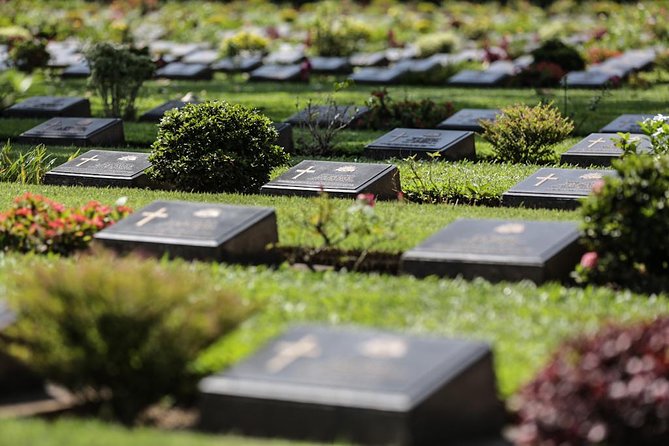
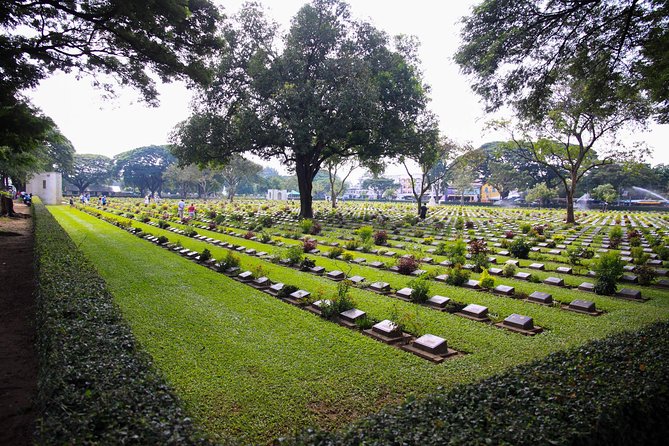
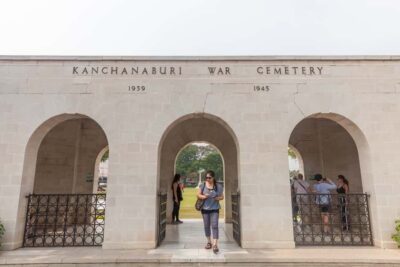
The first stop is Kanchanaburi War Cemetery, a place that holds 6,982 Allied POWs who died during construction of the Thai-Burma Death Railway. Even if you already know the headline numbers, standing in the cemetery forces your brain to slow down and absorb the human scale.
You’ll have about 30 minutes there. That’s enough time to walk through the grounds, take in the layout, and read key sections without feeling like you’re trapped in a longer-than-necessary visit. Admission is free at the cemetery, but the value here is your guide’s framing—what this burial ground represents and why it’s still such a central stop on the Death Railway route.
One practical tip: this is a “be present” stop. Skip the multitasking. If you’re the type who likes to take lots of photos, you may still want to put the camera down for a few minutes. The place hits differently when you just stand there.
Hellfire Pass Interpretive Centre and Memorial Walking Trail: the cutting you can walk through
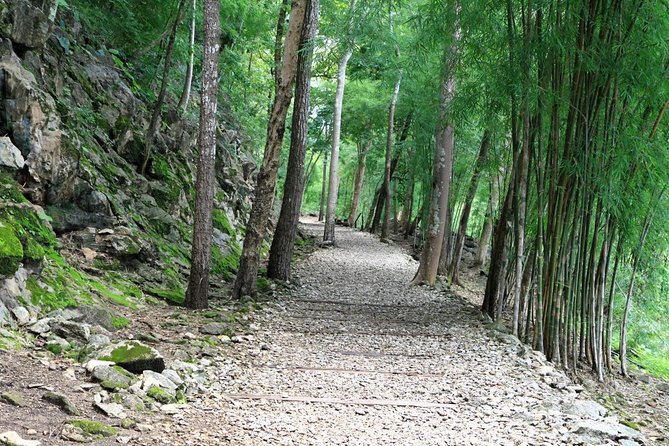
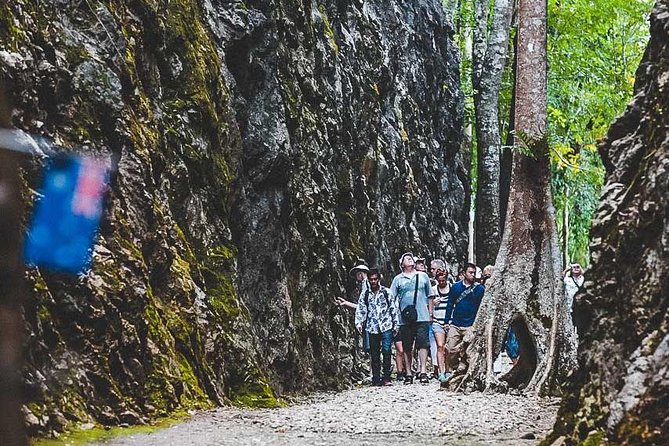
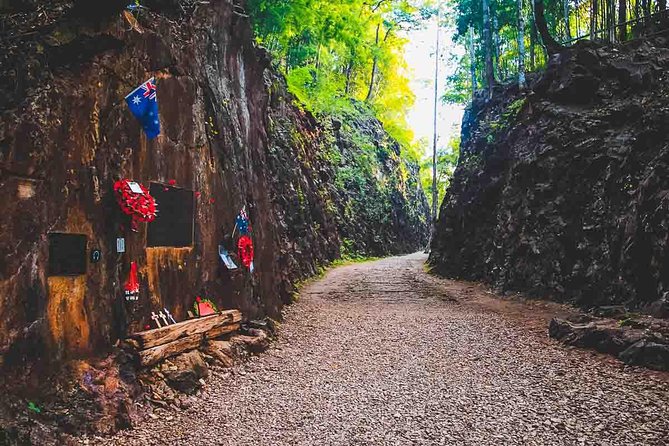
Then you move to the most intense part of the day: Hellfire Pass Interpretive Centre and Memorial Walking Trail. This is where the Death Railway stops being abstract.
This cutting cost the lives of more than 16,000 Allied prisoners, along with countless Asian laborers, during WWII. The trail gives you a way to experience the geography of the tragedy—the “why” behind the fear and suffering—rather than only reading it.
You’ll spend about 2 hours here, and admission is included. That longer time slot isn’t accidental. It lets you combine the interpretive centre (history, artifacts, and explanation) with the walking trail to the cutting area and memorial spaces.
What I like most about this stop is that it balances information with physical reality. You’re not only learning; you’re also seeing how difficult the terrain is. Even a short walk helps you understand why this part of the railway was so devastating.
If you want a “meaningful souvenir,” this is the place. Not a shop. Not a postcard. It’s the mental image you leave with.
Death Railway Museum and Research Centre: a short stop with big atmosphere
Next comes the Death Railway Museum and Research Centre, with about 30 minutes on the schedule. Admission is free, but don’t mistake “free entry” for “low impact.”
The area is set up for people to connect the dots between the war stories and the railway’s physical setting along the river corridor. If you’re curious how the railway functioned, how the camps worked, and how the surviving records inform what we know today, this stop gives you a compact but useful add-on.
The time here is short, so your guide’s job is crucial. With a good guide, you’ll leave with a clearer understanding of what you just saw at Hellfire Pass—and how the railway system tied everything together.
More private runs, just your group




Tham Kra Sae Bridge and the Buddha-cave link to POW camp life
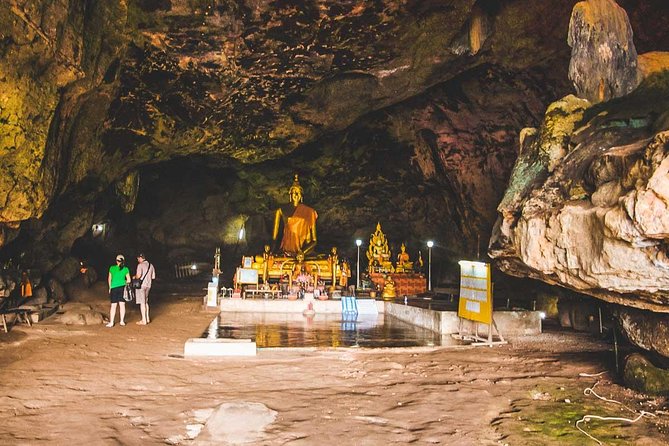
After that, you go to Tham Kra Sae Bridge. Here the tour adds a haunting detail: you visit a cave that contains a Buddha image inside, and the cave was formerly a camp for POWs during the railway’s construction.
You’ll have about 15 minutes. That might sound brief, but the point here is to hit the key moment and move on—without turning memorial space into a rushed checklist.
This stop also shows a pattern you’ll see throughout Kanchanaburi: the landscape keeps layers of history. A cave with religious imagery can also be linked to wartime imprisonment. That contrast is exactly why it’s on a serious tour like this. It’s not about shock for its own sake; it’s about seeing how places were reused, repurposed, and remembered.
If you’re visiting with someone who struggles with heavy topics, this is a good place to pause and let your guide slow down the explanations.
River Kwai Bridge: a famous landmark, explained in wartime context
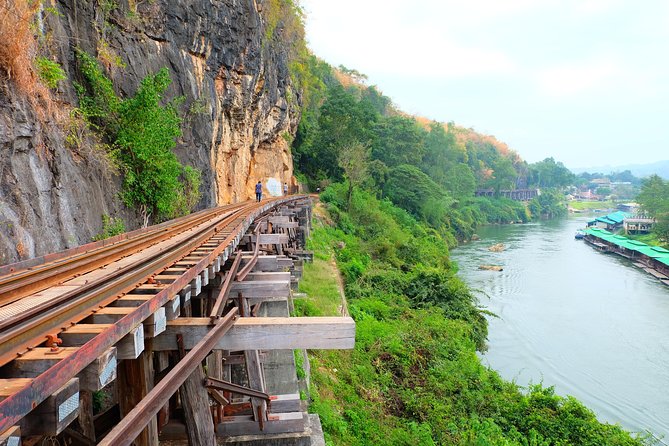
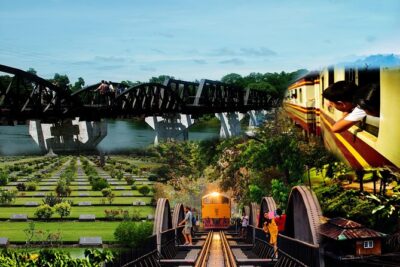
Finally, you reach the River Khwae Bridge. This is the spot most people recognize. It’s the famous Bridge of the River Kwai, and you’ll spend about 1 hour walking along the ironclad bridge for a short stretch while your guide provides the wartime context.
The tour keeps this from turning into a film-set photo stop. The bridge’s identity is tied to bloodshed and conflict from WWII, and that changes how you experience the structure—steel and history, not just steel.
You also get time to absorb how the bridge sits in its surroundings. Even without dramatic scenery, the setting helps you understand why this river crossing mattered so much.
A practical note: bridges mean uneven footpaths in some areas and sun exposure. If it’s hot or bright, bring water (you’ll have bottled water on the tour) and keep an eye on where you step during your short walk.
Why having a guide matters more than you think
Some people wonder if this is a day you can do on your own with a driver. The logic is understandable—many memorial spaces have free entry. But this is one of those cases where interpretation changes the whole experience.
A professional guide brings three things you can’t easily DIY:
- Sequence and meaning: you see the same region, but with the story connected from stop to stop
- Numbers that feel human: totals like 6,982 cemetery burials and 16,000+ deaths at Hellfire Pass land better when explained
- Local, place-based context: why certain sites are where they are, and how they connect to POW life and railway construction
The better the guide, the less the day feels like a route and the more it feels like understanding. In this tour’s best runs, guides like Nan and drivers like Peter have shown up as the kind of people who can make a long, heavy day feel organized, clear, and even surprisingly manageable.
Price and value: what $162.40 buys you here
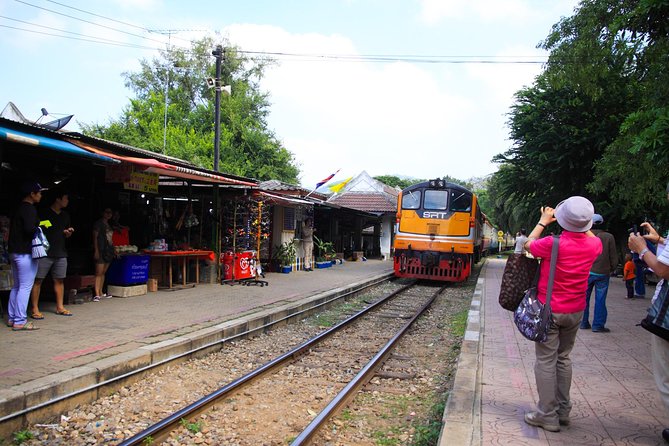
At $162.40 per person, you’re paying for more than transport. This tour includes:
- air-conditioned vehicle and private transportation
- a professional guide
- lunch
- entrance fees and guided admissions where applicable
- bottled water
- private-tour attention for your group only
Now, here’s the balanced take. Some stops are free (like the cemetery and the museum area), so if you only value entrances, this could feel pricey. If your goal is purely logistics—get me there, I’ll read the signs—then yes, a driver-only plan might cost less.
But when you factor in that you’re paying for a guide to connect sites, plus lunch and a managed route over a long day, the price starts to look more fair. And the “cost” of stress matters too. In Thai traffic, having someone handle routing and timing can be the difference between a thoughtful day and a tiring one.
If you’re budget-tight, compare:
- DIY driver + your own reading time vs.
- this guided, all-in-one structure with lunch and water included
For many visitors, the guide and the streamlined day are the deciding factors.
How the day feels: emotional pacing with a travel-friendly setup
This isn’t a “fast hits” tour, even though it’s packed. The stops are spaced so you get a mix of:
- memorial stillness (cemetery)
- interpretive learning + walking (Hellfire Pass trail)
- railway context (museum area)
- POW-linked landscape history (Tham Kra Sae cave)
- a landmark finish (River Kwai Bridge)
The tour is listed as moderate physical fitness. Expect short walks and time on your feet, especially on the bridge and the walking trail at Hellfire Pass. If you’re someone who needs frequent breaks, it’s smart to plan for that and tell your guide early.
Also, bring a mindset for the content. You’re dealing with POW deaths and wartime suffering. Even if you’ve read about the Thai-Burma Death Railway before, seeing the sites in sequence tends to hit harder than you expect.
Who should book this Death Railway tour from Bangkok
This private day works especially well if you:
- want a guided WWII context, not just sightseeing
- prefer hotel pickup and don’t want to manage intercity logistics
- like structured itineraries for long travel days
- can handle a serious, emotional topic with a respectful pace
It may be less ideal if you:
- want a very slow, no-schedule day
- hate early starts (because it begins at 6:30am)
- are extremely budget-sensitive and feel you’d rather hire a driver and read on your own
Should you book this private River Kwai Death Railway tour?
I’d book it if you want the day to feel meaningful, organized, and explained from the moment you leave Bangkok. The combination of Hellfire Pass’s interpretive trail, the War Cemetery, and the bridges in one guided run is hard to beat for visitors who want more than photos.
I’d hesitate only if you’re confident you’ll enjoy reading everything without much help and you’re aiming to cut cost as much as possible. In that case, you might save money with a driver and self-guided visits, especially since several stops have free entry.
If you’re on the fence, think about this: the main “value add” here is not the sites alone. It’s how a good guide helps you turn the places into understanding.
FAQ
What time does the tour start?
The tour starts at 6:30am.
Does this tour include hotel pickup in Bangkok?
Yes. The tour provides hotel transfers in an air-conditioned vehicle.
How long is the tour?
The duration is about 10 hours.
Is lunch included?
Yes. Lunch is included in the price, so you don’t need to pack food.
What stops are included during the day?
The itinerary includes the Kanchanaburi War Cemetery, Hellfire Pass Interpretive Centre and Memorial Walking Trail, Death Railway Museum and Research Centre, Tham Kra Sae Bridge, and the River Khwae Bridge.
Are entrance fees included?
Yes. Entrance fees are included.
Is this a private tour?
Yes. It’s a private tour/activity, with only your group participating.
Is bottled water provided?
Yes. Bottled water is included.
Is free cancellation available?
Yes. You can cancel for a full refund up to 24 hours before the experience’s start time.
More Tours in Bangkok

More Tour Reviews in Bangkok




Out to the River Kwai



Just In: Fresh Bangkok Reviews





Kanchanaburi & River Kwai, compared.
 ★ 4.5From Bangkok: Erawan Park & Kanchanaburi Small-Group TourFrom $591,582 reviews
 ★ 4.6From Bangkok: Death Railway & Hellfire Pass Tour with LunchFrom $82931 reviews
 ★ 4.6From Bangkok: Historical Day Tour to River KwaiFrom $51868 reviews
 ★ 4.8From Bangkok: Elephant Sanctuary and Kanchanaburi TourFrom $79826 reviews
 ★ 4.9Elephant Sanctuary & Erawan Waterfall TourFrom $181820 reviews
 ★ 4.5Bridge on the River Kwai and Thailand-Burma Railway TourFrom $108658 reviews
 ★ 4.5Erawan Waterfalls and Bridge Over River Kwai Tour from BangkokFrom $56372 reviews
 ★ 4.5Bridge on the River Kwai and Thailand-Burma Railway Guided TourFrom $94353 reviews
Browse the lists this tour appears in