
Review · KANCHANABURI & RIVER KWAI
River Kwai Day Tour from Bangkok: History, Scenic Views & Culture
The River Kwai tells a story in steel. This small-group day trip from Bangkok packs WWII sites, river views, and a Death Railway train ride into one long, memorable 13-hour outing.
I particularly like that the group stays small (maximum 15), which makes the history feel personal instead of rushed. I also like the included pickup and drop-off plus the buffered lunch stop at Wang Po station near the Burmese border.
One consideration: it’s a long drive day, and at least one stop (the JEATH Museum) can feel more like a quick context stop than a standout museum.
In This Review
- Key things to know before you go
- From Bangkok to Kanchanaburi: where the day starts and why it matters
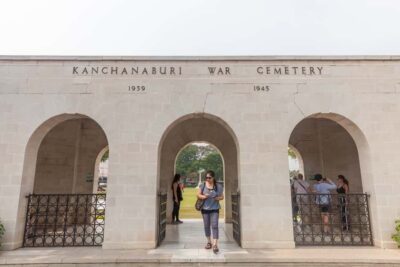
- Kanchanaburi War Cemetery: start with remembrance, not sightseeing
- JEATH War Museum: useful context, but manage expectations
- Walking the Bridge on the River Kwai: iconic, but stay respectful
- Death Railway Museum and the train ride: the part that sticks
- Wang Po station lunch and the river-country feel of the route
- Long drive reality: how to make 13 hours feel manageable
- Guides make or break the day (and this one has standout names)
- Optional boat and train-seat upgrades: what to ask before money changes hands
- What this tour is best for (and who might prefer something else)
- Price and value: is $97.35 actually fair?
- Should you book the River Kwai Day Tour from Bangkok?
- FAQ
- How long is the River Kwai day tour from Bangkok?
- What’s the group size?
- What’s included in the price?
- Do I get hotel pickup and drop-off?
- What stops are included during the day?
- Is there a child age/height policy?
- Is free cancellation available?
Key things to know before you go
- Max 15 guests keeps the pacing friendly and the guide easy to hear.
- Bridge walk plus train ride gives you both the landmark and the movement that made the Death Railway infamous.
- Kanchanaburi War Cemetery sets the tone early with a respectful memorial visit.
- Lunch at Wang Po station is built into the route, so you’re not hunting for food mid-journey.
- Optional cash upgrades may pop up on the day for boat or better train seating, so confirm totals upfront.
From Bangkok to Kanchanaburi: where the day starts and why it matters
A River Kwai day tour works best when you treat it as a full-day journey, not a quick excursion. This one runs about 13 hours and is built around a steady rhythm: Bangkok pickup, then a long road trip west to Kanchanaburi, then multiple WWII stops, and finally the return to your hotel.
What makes it click is the sequence. You start with remembrance at the Allied War Cemetery, then move into the story spaces (JEATH Museum), then the iconic landmark (the Bridge on the River Kwai), and only afterward do you travel along the Death Railway line by train. That order helps your brain connect the dots: people, place, and infrastructure—rather than seeing the bridge as just a photo spot.
The small-group limit (up to 15) is also practical. When you’re walking the bridge and passing busy viewpoints, the logistics matter. A tighter group is easier to manage, and it’s easier to stop for questions when you’re on the move.
Out to the River Kwai, more Kanchanaburi trips
- From Bangkok: Erawan Park & Kanchanaburi Small-Group Tour
★ 4.5 · 1,582 reviews - From Bangkok: Death Railway & Hellfire Pass Tour with Lunch
★ 4.6 · 931 reviews - From Bangkok: Historical Day Tour to River Kwai
★ 4.6 · 868 reviews
Kanchanaburi War Cemetery: start with remembrance, not sightseeing
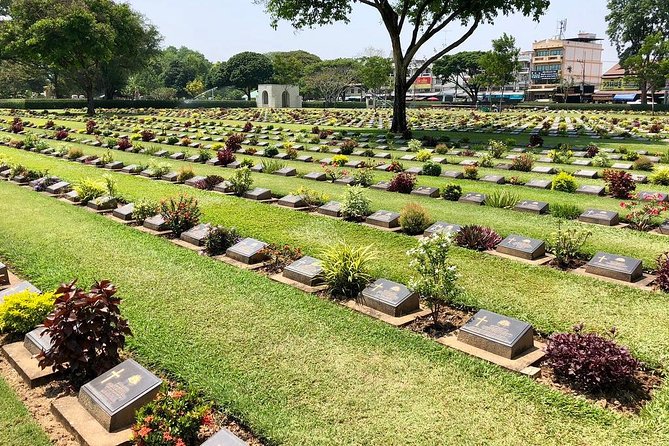
The first major stop is the Kanchanaburi War Cemetery. It’s where the day earns its emotional weight. You’ll spend about an hour here, and the purpose is simple: visit the graves of thousands of Allied soldiers who died during the construction of the bridge and the notorious Death Railway.
Even if you only know the headlines from pop culture, this stop reframes the story. Instead of steelwork as spectacle, you see it as loss—names, dates, and a stark reminder that forced labor and wartime desperation were real, not abstract.
Practical tip: wear shoes you can stand in for a while. Cemetery paths can involve uneven ground, and you’ll want to be able to linger without worrying about comfort. Also, plan to keep your phone down for part of the visit. It’s one of those places where it helps to soak in the quiet.
JEATH War Museum: useful context, but manage expectations
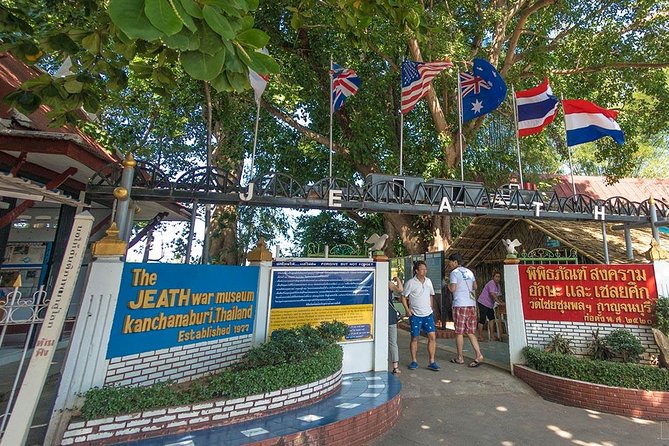
Next comes the JEATH War Museum, scheduled for about an hour. This is the kind of stop that helps you understand what you’re about to see, especially if you’re not already steeped in WWII Thailand history.
The value here is the narrative framing. The museum provides background before you step into the bridge-area story and the train ride along the Death Railway. If you pay attention to the timeline and the terminology tied to the region, the rest of the day becomes easier to follow.
That said, this is also where I’d calibrate expectations. One common complaint is that the museum can feel tired—more about collecting impressions than offering polished, modern exhibits. If you’re expecting a high-production museum experience, you might feel slightly underwhelmed. If you’re there for context and guidance from your English-speaking guide, it works better.
Walking the Bridge on the River Kwai: iconic, but stay respectful
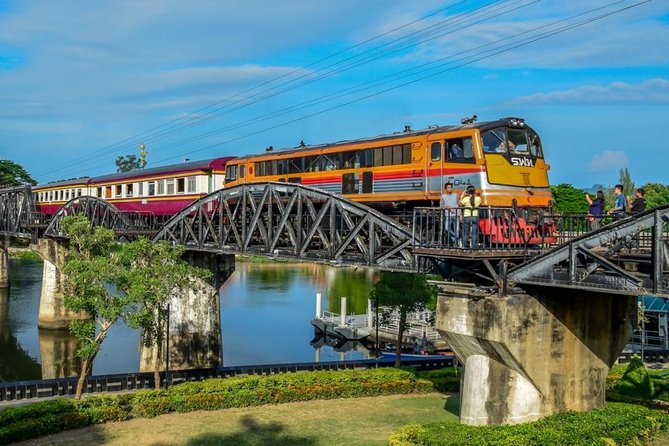
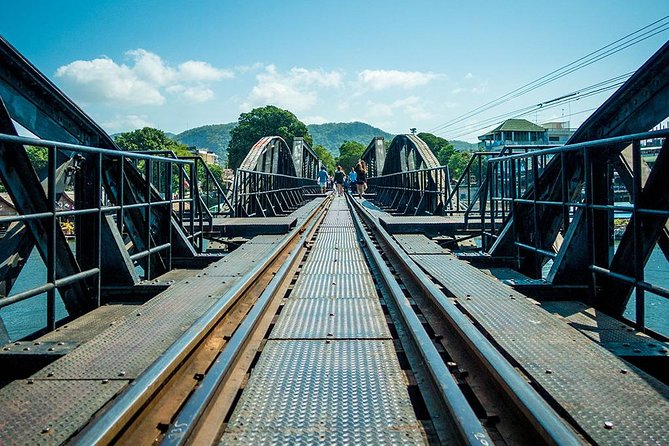
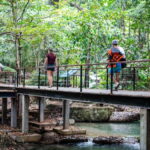
Then you’re on the bridge. You’ll walk along the Bridge on the River Kwai over the river, typically for around an hour, with the guide providing the historical context as you go.
This is one of the tour’s best moments because it’s active. You’re not just looking at a board or a video—you’re literally on the structure that sits at the center of the story.
Two tips for making this stop feel worth it:
- Timing your photos helps. The best shots often come when the group has a moment to spread out along the walkway.
- Keep your posture respectful. This bridge is tied to forced labor and wartime death. It’s okay to enjoy the views, but treat the walk as commemoration as much as sightseeing.
Also, be aware that some itineraries offer alternative ways to get to the bridge area (like short boat connections) depending on the day’s plan. If an add-on is offered, ask clearly what it costs and what you’ll miss or gain versus the default approach.
Deeper into old Bangkok

Death Railway Museum and the train ride: the part that sticks
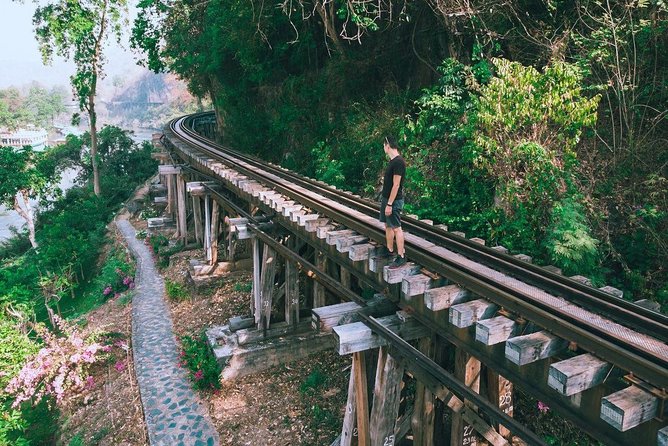
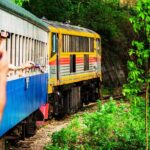
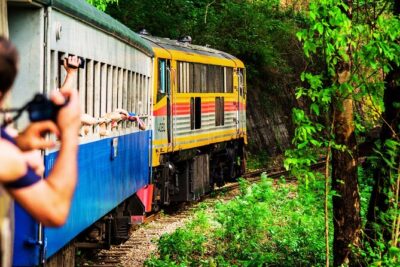
After the bridge, you move to the Death Railway Museum and Research Centre. You’ll typically get about an hour here, and then the highlight follows: a train journey along a stretch of the Death Railway.
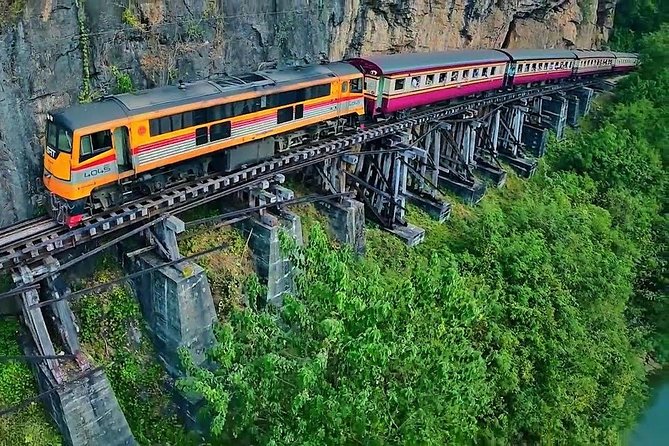
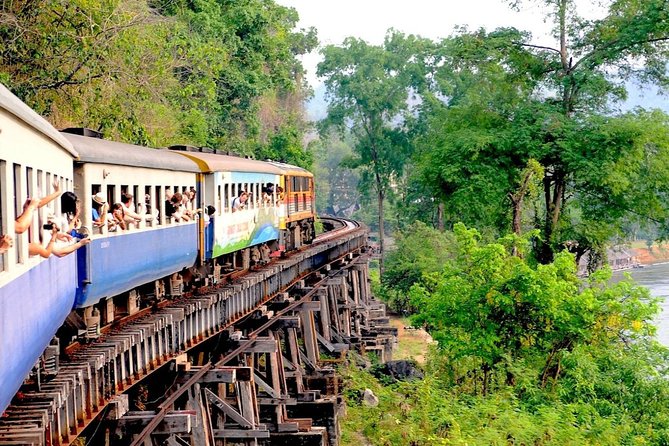
This is the moment most people talk about, and for good reason. The train ride turns history into motion. It’s not just a monument; it’s the experience of passing through the same kind of countryside corridor where the railway line functioned.
You’ll also see the landscape elements that make the Death Railway so hard to build and so dramatic to move through—wooden viaducts over challenging terrain, and views that can feel suddenly close once the train starts moving. One of the most praised aspects is the scenery during the ride, especially when your seating has a clear view.
If you want the best odds for a better seat, pay attention when the operator mentions train-class or seat upgrades. Some people report requests for an extra cash fee for a more premium seating option (for example, THB 300 or THB 500 amounts mentioned in the day’s add-on discussions). I’d handle this like a grown-up audit: ask upfront what’s included in your ticket price, and whether any upgrade is optional or expected.
Wang Po station lunch and the river-country feel of the route
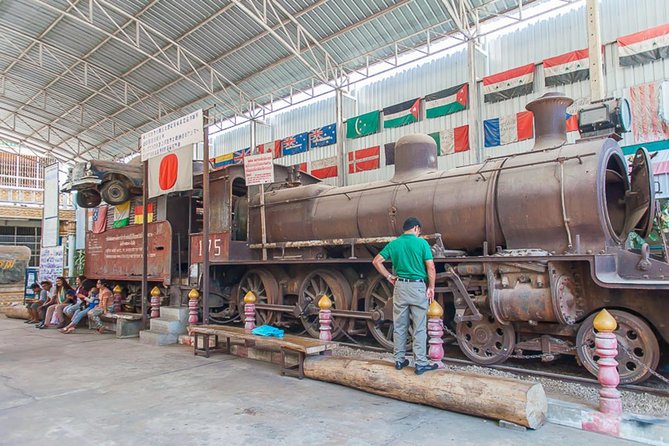
The lunch stop is at Wang Po railway station, close to the Burmese border. Lunch is included and served as a buffet, which matters because it means you don’t lose time searching for a meal after a long set of walking and driving.
One underrated benefit of lunch here: it keeps you close to the route. The day can run on a tight schedule, and buffering your meals at a fixed station reduces stress.
After lunch, the day continues toward the return drive to Bangkok. The tour’s final segment includes arrival at Wang-Po railway station and then the move back to your hotel.
One more detail that can help: plan your expectations for the food. Buffet lunch is generally there to fuel you, not to win culinary awards. The view from the station-area restaurant can be great, but treat the meal as a practical break.
Long drive reality: how to make 13 hours feel manageable
Let’s be honest: this is a long day. You’ll spend a big chunk of the time on the road between Bangkok and Kanchanaburi. The upside is you’re not piecing things together yourself—you’re getting round-trip transfers by air-conditioned vehicle.
To keep the day from dragging:
- Bring water and a light snack for the road (even with lunch included, you may want something between stops).
- Wear clothes that handle humidity. Thailand heat can hit differently when you’re out walking and then getting back into the vehicle.
- If you’re sensitive to motion, consider how you’ll feel during the train segment and the ride back. The schedule is packed, so rest in the van when you can.
Language and group setup are also worth factoring in. The tour uses an English-speaking guide, and several guides (including Rach and Nina, named in the experiences people shared) are praised for clarity, friendliness, and strong historical focus. That said, if you’re seated farther back in the vehicle, you may find it harder to catch every word during explanations. It’s not a dealbreaker, but it can affect how much you absorb during transit.
Guides make or break the day (and this one has standout names)
A Death Railway tour lives or dies by the guide. On this tour, the guide experience is a major part of the value. I like that the history is handled with care—this isn’t treated as entertainment-only. It’s presented as a memorial story, with lots of attention to how the sites connect.
In the experiences people described, guides like Rach and Nina stood out for being friendly and enthusiastic, with strong knowledge and the ability to explain details in a way that sticks. There’s also mention of guides being respectful and emotionally aware when handling a sensitive subject.
If you’re the type who likes to understand not just what you see but why it mattered, lean into your questions. The small-group setup makes it easier to get answers as you walk and move between stops.
Optional boat and train-seat upgrades: what to ask before money changes hands
Here’s the part that can surprise people if they aren’t expecting it: optional upgrades can appear on the day. Some experiences describe requests for additional cash for:
- a boat ride up the river to reach the bridge area instead of taking a bus connection, and
- better train seating or an upgraded view option on the Death Railway ride.
The important thing is not whether upgrades exist—it’s how clearly they’re explained in advance. I’d do two things before you agree to any added payment:
- Ask for the final total including any optional items you’re considering.
- Confirm whether the upgrade is truly optional and what it changes (seat location, view, or route connection).
If you’re on a tight budget, you can still have a great day without upgrades. If you want the best photos and views, upgrades may be worth it—but treat them like choices, not guesses.
What this tour is best for (and who might prefer something else)
This is a strong fit if you:
- care about WWII history and want a structured day with multiple meaningful stops,
- like train travel and scenic countryside views,
- want a small group instead of a big bus crowd,
- value hotel pickup and drop-off so you can focus on the sites.
It may be less satisfying if you’re a museum perfectionist. The JEATH Museum can feel a bit dated, and the day includes multiple “context” moments rather than only high-glamour sights. It’s also less ideal if you’re allergic to long road time; the drive portion is substantial.
The tour also suits history-focused travelers who appreciate respectful pacing. Several moments are memorial or reflective, and the guide approach tends to lean serious rather than goofy.
Price and value: is $97.35 actually fair?
At about $97.35 per person, this is priced like a real day tour package—not a cheap DIY add-on. You’re paying for:
- round-trip transfer from Bangkok hotels,
- an English-speaking guide,
- lunch as a buffet at Wang Po station,
- included admission tied to the cemetery, museum, bridge, and Death Railway-related stops,
- and the train journey along the Death Railway stretch.
That combination matters. If you tried to recreate this yourself, you’d spend time and money on transport coordination and ticketing, and you’d lose the guide’s stitching together of the story.
Where the value can change is with optional upgrades. If you add boat connections or premium train seating, your total cost will rise. But even without add-ons, the core experience is already the “big ticket items”: bridge walk + Death Railway train + memorial cemetery + guide context.
My practical advice: treat the listed price as a base, then decide about upgrades based on what you care about most—views, comfort, or photo angles.
Should you book the River Kwai Day Tour from Bangkok?
Book it if you want one day that meaningfully connects the River Kwai story—from cemetery remembrance to the bridge and then the Death Railway train ride—without having to organize anything yourself. The small-group size, hotel pickup/drop-off, and the fact that the core experiences are built-in make it feel efficient.
Skip it or choose carefully if:
- you hate long driving days,
- you’re expecting a top-tier modern museum experience at JEATH,
- or you want a tour with zero possibility of optional cash add-ons. In that case, ask hard questions about what’s optional before you pay anything extra.
If you do book, come prepared with comfortable shoes, patience for a long day, and a willingness to treat this history with the seriousness it deserves. It’s not just a photo stop. It’s a story you can feel while you’re moving through it.
FAQ
How long is the River Kwai day tour from Bangkok?
It runs for about 13 hours (approx.).
What’s the group size?
The tour is limited to a maximum of 15 travelers.
What’s included in the price?
Included are round-trip transfer from Bangkok hotels, an English-speaking guide, lunch, air-conditioned vehicle, and tickets tied to the main visits and the train journey.
Do I get hotel pickup and drop-off?
Yes. Pickup and drop-off from Bangkok hotels are included.
What stops are included during the day?
The day includes Kanchanaburi War Cemetery, the JEATH War Museum, a walk on the Bridge on the River Kwai, the Death Railway Museum and Research Centre, and time at Wang Po railway station for lunch and the route back toward Bangkok.
Is there a child age/height policy?
The materials provided state that children below 110 cm are not charged at the adult rate, and if over 110 cm they use the adult price. Another line notes adult pricing for children over 120 cm, so you should confirm using your child’s exact height.
Is free cancellation available?
Yes. You can cancel up to 24 hours in advance for a full refund.
More Tours in Bangkok


More Tour Reviews in Bangkok




Out to the River Kwai


Just In: Fresh Bangkok Reviews



Kanchanaburi & River Kwai, compared.
 ★ 4.5From Bangkok: Erawan Park & Kanchanaburi Small-Group TourFrom $591,582 reviews
 ★ 4.6From Bangkok: Death Railway & Hellfire Pass Tour with LunchFrom $82931 reviews
 ★ 4.6From Bangkok: Historical Day Tour to River KwaiFrom $51868 reviews
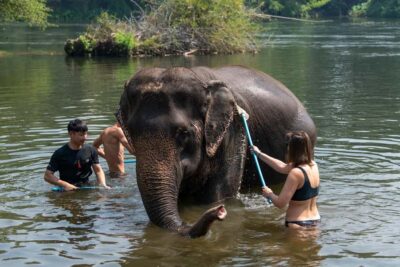
 ★ 4.8From Bangkok: Elephant Sanctuary and Kanchanaburi TourFrom $79826 reviews
 ★ 4.9Elephant Sanctuary & Erawan Waterfall TourFrom $181820 reviews
 ★ 4.5Bridge on the River Kwai and Thailand-Burma Railway TourFrom $108658 reviews
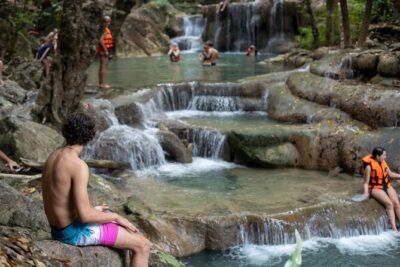 ★ 4.5Erawan Waterfalls and Bridge Over River Kwai Tour from BangkokFrom $56372 reviews
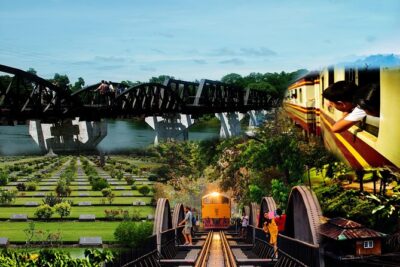 ★ 4.5Bridge on the River Kwai and Thailand-Burma Railway Guided TourFrom $94353 reviews
Browse the lists this tour appears in