
Review · KANCHANABURI & RIVER KWAI
Small Group: Kanchanaburi Death Railway, Erawan Waterfall and Elephant
Waterfalls and war history, same day. This small-group Kanchanaburi day trip ties together Erawan Waterfall time (including swimming), the famous River Kwai bridge, and a hands-on stop at rescued elephants, all with a guide and included admissions.
I especially like that the schedule moves smoothly—early enough to reach Erawan at a good hour, then paced so you’re not only rushing from photos to photos. One drawback: the wet and slippery parts can be more demanding than you expect, and on at least some water activities you may be asked to wear life jackets, so pack smart footwear rather than betting on flip-flops.
You’ll travel in an air-conditioned vehicle, eat lunch at a local restaurant, and spend about 12 hours total from start to finish (back to the starting point). The group is capped at 9 travelers, which usually means more questions and less waiting around.
In This Review
- Key highlights worth planning around
- The 6:00 AM start that makes the day actually work
- Erawan Waterfalls: swim, hike levels, and pack for slippery steps
- Death Railway Museum and the River Kwai rail walk
- Tham Kra Sae cave: Buddha inside, POW history outside
- Kanchanaburi elephant time: rescued animals plus a wet activity
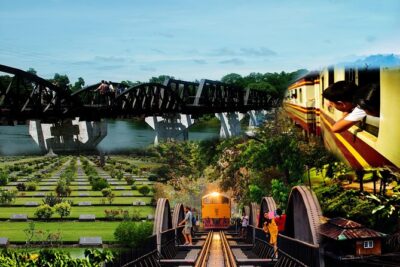
- The Bridge over the River Kwai: a 1-hour walk that puts words in place
- Comfort, lunch, and what your money actually covers
- Small group (max 9) means you can ask better questions
- Who this tour is best for
- Should you book the Kanchanaburi Death Railway, Erawan Waterfall and Elephant tour?
- FAQ
- How long is the tour?
- What time do we meet in Bangkok?
- Does the tour include admission fees?
- Is lunch included?
- Can I swim at Erawan Waterfalls?
- Is the elephant activity wet?
- How big is the group?
Key highlights worth planning around
- Erawan Waterfall timing: you reach it around 09:00, with time to swim and hike levels
- Water-first fun, then history: waterfall in the morning, Death Railway sites before elephant time
- Death Railway in walkable form: museum stop plus time around the River Kwai scenic area
- Tham Kra Sae cave stop: Buddha statue inside and a POW connection tied to railway construction
- Rescued elephants with a wet activity: the day includes elephant-camp water play
- Bridge over the River Kwai: a focused 1-hour walk on the iconic structure
The 6:00 AM start that makes the day actually work
This tour is built around a fast, full-day rhythm. You meet your guide at around 06:00 AM (your exact pickup can be your hotel lobby or the designated Bangkok meeting point near Hua Lamphong/Rong Muang), then you head west toward Kanchanaburi.
The big practical win is timing. You’re set to reach Erawan Waterfall around 09:00 AM, which helps because the waterfall area is more pleasant earlier in the day. If you’re the type who hates arriving late and stuck behind crowds, this route is designed to give you a better shot at both views and calmer water time.
Expect about 12 hours from start to finish. It’s a long day, but it’s also a day where each stop has a clear purpose instead of feeling like random transfers.
More hours with the herd, out of town
- From Bangkok: Living Green Elephant Sanctuary Day Trip
★ 4.8 · 1,541 reviews - From Bangkok: Pattaya Ethical Elephant Sanctuary Day Trip
★ 4.8 · 881 reviews - From Bangkok: Elephant Sanctuary and Kanchanaburi Tour
★ 4.8 · 826 reviews
Erawan Waterfalls: swim, hike levels, and pack for slippery steps
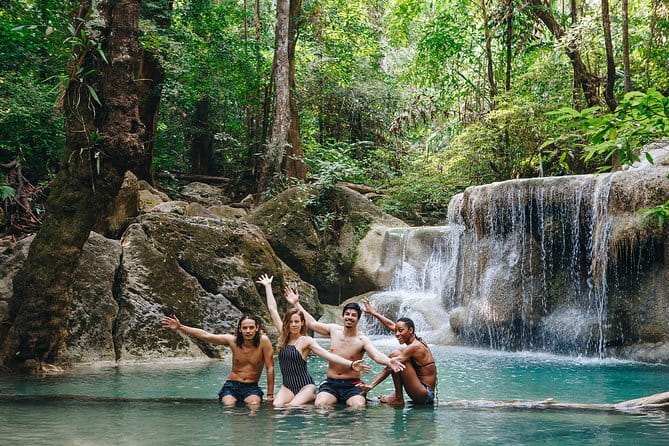
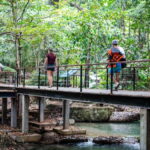
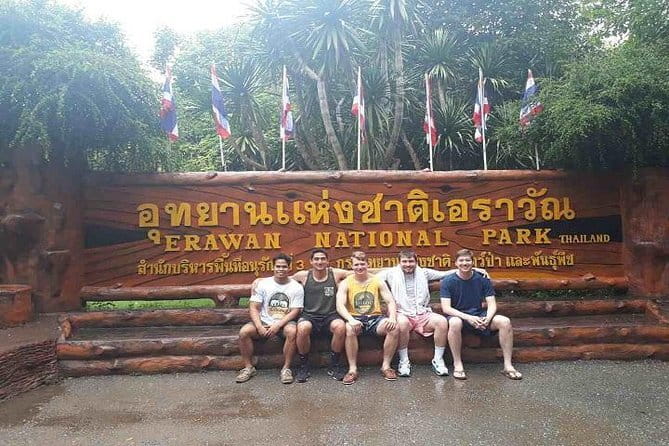
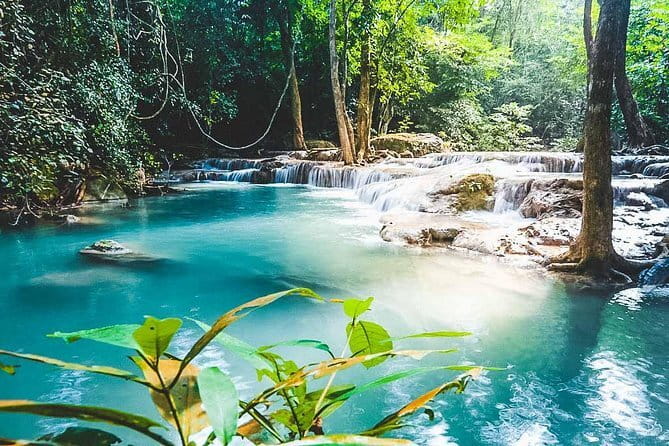
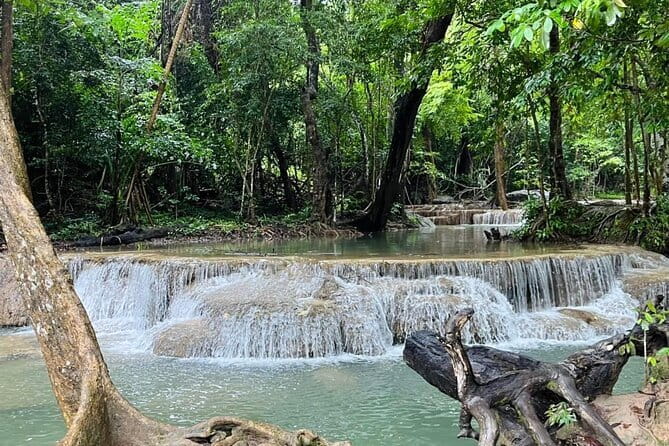
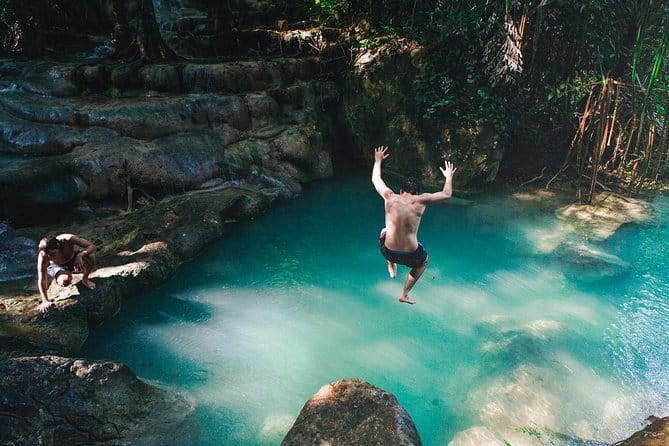
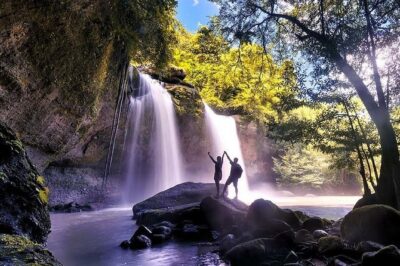
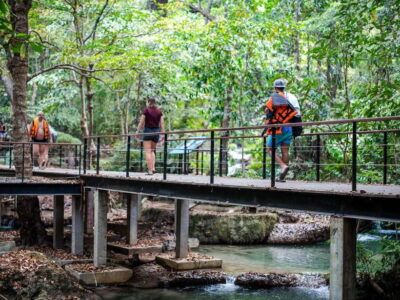
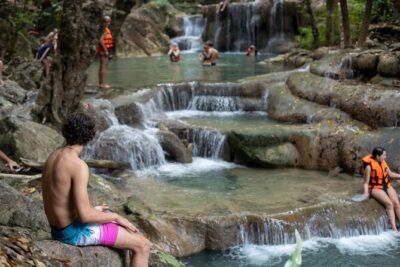
Erawan is the star of the morning. You’ll get roughly 3 hours here, with admission included, plus room to choose your style: navigate around the falls at leisure, swim in the pools, or hike up toward the higher levels for a different angle on the cascade.
Two things matter most at Erawan. First, the walkways and rocks can be slick, especially if you’re moving between pools. Second, you may need to plan for rules around water safety. One caution from a past participant: flip-flops were treated as acceptable verbally, but turned out to be a bad idea for the actual walking/climb. They ended up barefoot for part of the hike, which is the kind of avoidable discomfort I’d rather not gamble on.
My advice: bring proper water-friendly footwear with grip. Sandals that secure well can work, but shoes you can trust on uneven rock are safer. Also, keep a light layer you can dry quickly—your clothes will get soaked if you swim or do the wetter sections.
And yes, the waterfall time is one of the main reasons people choose this tour. You’re not just looking from afar—you’re allowed to be in it.
Death Railway Museum and the River Kwai rail walk
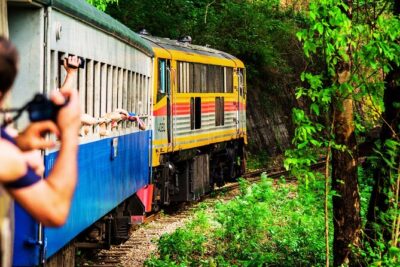
After the waterfall, you shift from wet nature to heavier context. At the Death Railway Museum and Research Centre, you’ll spend about 30 minutes. Admission here is free, and the focus is on the railway built along the cliff with dramatic scenery over the River Kwai.
This is a good stop if you want grounding before you walk or view the famous structures. Even with a short time window, the museum stop helps you connect the dots: why the railway mattered, and why the area carries such painful World War II associations.
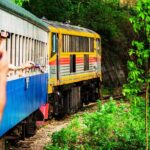
Then there’s time for a walk in the railway area. The goal isn’t a long trek; it’s more of a “get your bearings” moment that pairs history with the physical reality of where the tracks ran. If you enjoy photo stops, you’ll find good angles here—especially when you look toward the river while imagining the scale of what was built.
The only real drawback: it’s brief. If history museums are your thing and you want to linger, you might feel that 30 minutes goes by fast.
Tham Kra Sae cave: Buddha inside, POW history outside
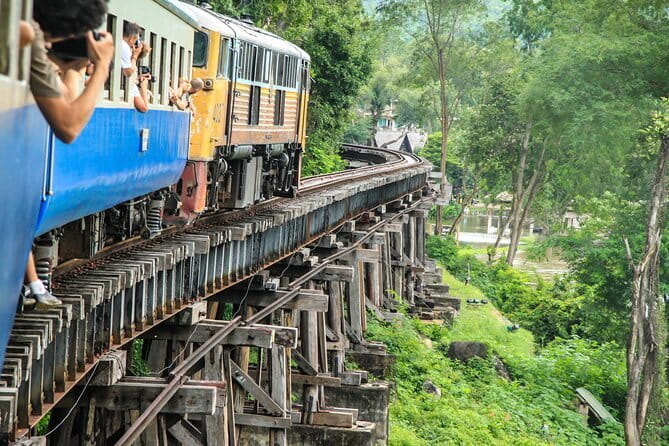
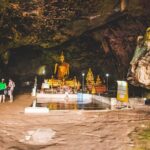
Next comes the Tham Kra Sae Bridge area and the nearby cave stop: Tham Kra Sae (Kra Sae Cave). You’ll have about 20 minutes here, with admission listed as free.
The cave has a Buddha statue inside, which gives it a calmer, more spiritual feel than you might expect from the theme of the day. But the connection to the railway story is direct: this cave was formerly a camp for POWs during construction.
That mix—quiet religious imagery inside, then the reality of forced labor tied to the railway outside—hits harder than just reading about the war. In a short time window, this is one of the stops that makes the day feel more than just a checklist.
Because it’s a cave visit and the day is already active, keep your expectations realistic. This is not a long guided expedition underground. It’s a focused pause that gives you meaning before you reach the most famous bridge.
Out to the River Kwai, more Kanchanaburi trips

Kanchanaburi elephant time: rescued animals plus a wet activity
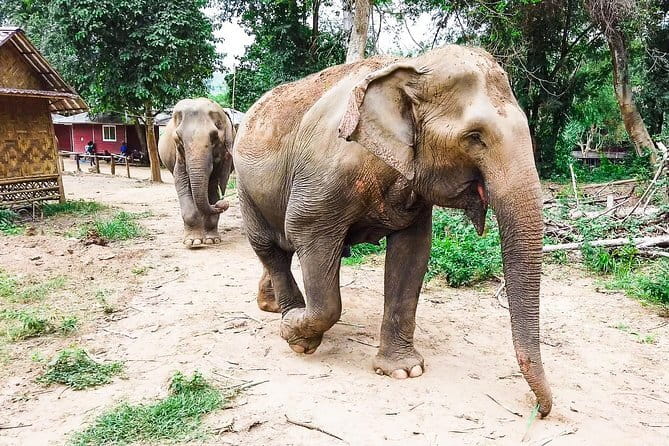
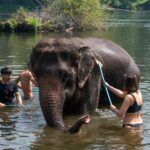
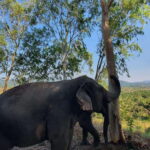
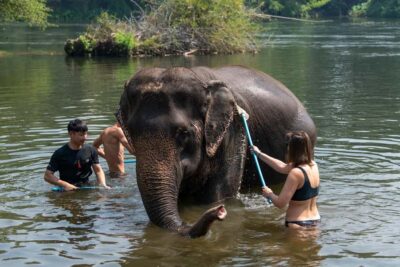
Then the day pivots again—toward animals. In Kanchanaburi, you’ll spend about 1 hour learning about rescued elephants, and the tour includes a wet activity at the elephant camp.
This is exactly the kind of stop that can shape the whole day. Elephants are big, intelligent animals, and the “rescued” angle adds emotional weight, so it’s worth paying attention to what the camp is trying to explain. You’ll have a guide with you, which helps you avoid the common problem of not knowing what you’re looking at.
Because the itinerary lists a wet activity as included, don’t show up thinking it’ll just be a dry viewing. If you want comfort, bring something you can rinse or change afterward. Your Erawan clothes will also likely be worn and damp already, so plan a practical reset.
One more consideration: the tour asks for moderate physical fitness overall. Elephant areas are usually manageable, but you can still expect some walking and moving between stations. If your knees or ankles aren’t happy on uneven surfaces, wear footwear that handles both mud and wet rock.
The Bridge over the River Kwai: a 1-hour walk that puts words in place
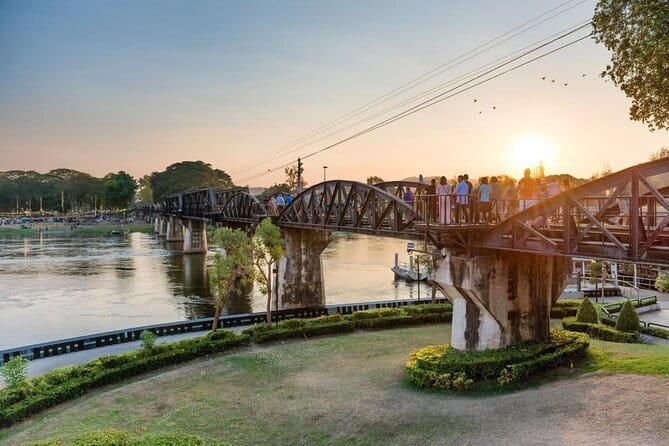
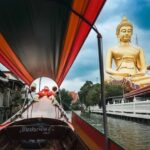
Finally, you get to the Bridge over the River Kwai. You’ll spend about 1 hour here, with admission listed as free.
This is the iconic iron bridge tied to World War II bloodshed and conflict. What I like about this stop (even if you’ve heard the story before) is how physical it feels. A bridge isn’t just an image—it’s a place where people crossed under extreme conditions.
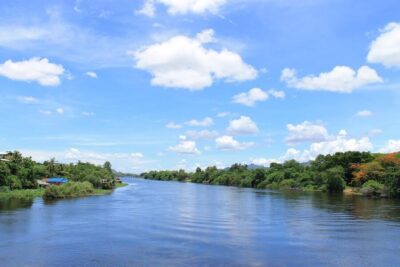
At ground level, the bridge works differently than in movies or books. You can walk it, notice the structure, and stand with river views that make the surrounding geography click. If you’re doing this trip for both photography and understanding, this is the moment the day converges.
The time limit is the tradeoff again. One hour is enough to appreciate the bridge and take your bearings, but not enough for a deep museum-style experience.
Comfort, lunch, and what your money actually covers
Even though the listed price shows $0.00, treat it as a placeholder until you see your final booking total. What matters is the value structure: this tour includes the basics that often add up on your own—air-conditioned vehicle, a professional guide, lunch at a local restaurant, bottled water, and all admission fees.
That “all admission fees” part is huge for budget control. It means your spending isn’t constantly interrupted by ticket lines or surprise add-ons at each stop. You still need money for personal expenses, but the big-ticket items are covered.
You also get the time advantage of a guided route. With a full day like this, having someone manage timing—especially between Erawan and the railway sites—keeps the day from turning into a stressful DIY schedule.
Small group (max 9) means you can ask better questions
A lot of day trips don’t mention group size clearly, but this one does: maximum of 9 travelers. For me, that’s the difference between feeling like a numbered passenger and feeling like a participant.
In practical terms, a small group can mean:
- less waiting at stops
- more room to ask your guide questions
- easier crowd navigation at viewpoints and walkways
This matters most on the history stops, where you’ll get more out of your time if you can ask what you’re seeing and why it matters.
Who this tour is best for
I think this works best if you like a day that mixes nature and serious history without turning into an all-day museum crawl.
You’ll probably enjoy it if you:
- want Erawan Waterfall swim time and don’t mind a long day
- care about the Death Railway story beyond a single photo stop
- want an animal experience that includes rescued elephant learning
- prefer a small-group pace rather than a large bus day
You might want to think twice if:
- you hate wet activities or don’t like climbing slippery terrain
- you want long, unhurried time at each site
- you’re sensitive to heavy themes tied to World War II (because this itinerary does include them)
Because the tour notes moderate physical fitness, I’d also be cautious if your mobility is limited. The itinerary isn’t described as an extreme hike, but it includes waterfall movement, cave walking, and time spent on your feet.
Should you book the Kanchanaburi Death Railway, Erawan Waterfall and Elephant tour?
If you’re trying to do Kanchanaburi in one day without building a complicated DIY plan, I’d say it’s a good choice—especially because admission fees and lunch are included, and the route hits the big emotional beats: nature at Erawan, the railway’s WWII context, then rescued elephants, then the famous bridge.
My main “don’t get burned” recommendation is footwear and water planning. Bring grippy water shoes, expect that life jackets may be required for the wetter parts, and pack a simple dry-change plan. Do that, and you’ll spend less energy dealing with discomfort and more time actually enjoying what makes the day special.
If the final price you see matches the value you’re getting here (transport, guides, admissions, lunch, and elephant wet activity), this becomes one of those solid, practical day trips where the time feels well used.
FAQ
How long is the tour?
The tour runs for about 12 hours (approx.).
What time do we meet in Bangkok?
You meet your guide around 06:00 AM, and the day ends back at the meeting point. Your exact pickup location can be your hotel lobby or the designated meeting point in central Bangkok.
Does the tour include admission fees?
Yes. Admission fees are included for the stops listed in the itinerary, including the Erawan Waterfalls ticket.
Is lunch included?
Yes. Lunch is included at a local restaurant.
Can I swim at Erawan Waterfalls?
Yes. The itinerary includes time to navigate the falls and swim at your leisure.
Is the elephant activity wet?
The tour includes a wet activity at the elephant camp.
How big is the group?
The tour has a maximum of 9 travelers.
More Tour Reviews in Bangkok




Out to the River Kwai
Time With the Elephants


Just In: Fresh Bangkok Reviews


Kanchanaburi & River Kwai, compared.
 ★ 4.5From Bangkok: Erawan Park & Kanchanaburi Small-Group TourFrom $591,582 reviews
 ★ 4.6From Bangkok: Death Railway & Hellfire Pass Tour with LunchFrom $82931 reviews
 ★ 4.6From Bangkok: Historical Day Tour to River KwaiFrom $51868 reviews
 ★ 4.8From Bangkok: Elephant Sanctuary and Kanchanaburi TourFrom $79826 reviews
 ★ 4.9Elephant Sanctuary & Erawan Waterfall TourFrom $181820 reviews
 ★ 4.5Bridge on the River Kwai and Thailand-Burma Railway TourFrom $108658 reviews
 ★ 4.5Erawan Waterfalls and Bridge Over River Kwai Tour from BangkokFrom $56372 reviews
 ★ 4.5Bridge on the River Kwai and Thailand-Burma Railway Guided TourFrom $94353 reviews
Browse the lists this tour appears in