
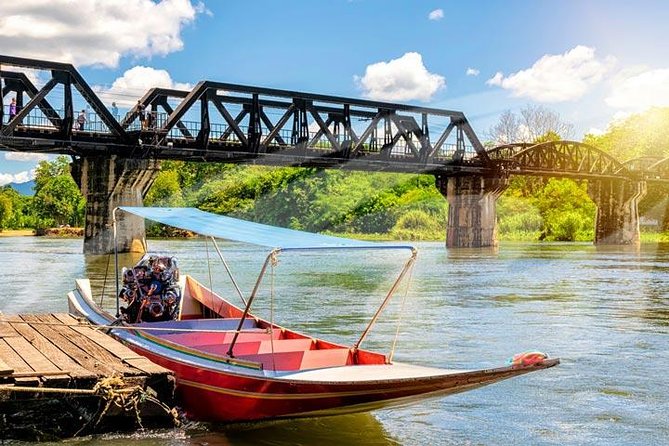
Review · KANCHANABURI & RIVER KWAI
3-Day River Kwai Experience
The River Kwai pulls you in fast. This 3-day trip is a well-paced way to see the Kanchanaburi area with free hotel pickup and a very strong guide who keeps things clear and respectful. I like that it covers the big, meaningful stops without feeling rushed, and I also like that the day-to-day costs are handled for you. One thing to consider: transfers are approximate, and the Bangkok-to-Kanchanaburi timing can swing with traffic.
The structure is simple and that’s the point. You get 2 nights at River Kwai Resotel, entrance fees are included, and meals are covered per the itinerary—so you can focus on the sights instead of budgeting each step. Still, it is a set schedule and this experience is non-refundable, so make sure your dates are firm.
In This Review
- Key things I’d bet on before you book
- Why the River Kwai area takes more than a day
- Price and what you’re really paying for ($410.48)
- Meeting point and the 7:00 am start
- Day 1: River Kwai and the feeling of place
- Day 2: Long-tail boat to Hellfire Pass
- Day 3: Death Railway Museum and a train over original wooden viaducts
- River Kwai Resotel: why the included nights help
- Guide quality and group size: the difference you feel
- Transportation realities: Bangkok timing, traffic, and how to plan
- Who this tour is best for
- When you might want to choose something else
- Should you book this 3-Day River Kwai Experience?
- FAQ
- What’s included in the 3-day River Kwai experience?
- What time does the tour start?
- How long is the tour?
- Does the itinerary include Hellfire Pass and the Death Railway?
- How big are the groups?
- Is this experience refundable if plans change?
Key things I’d bet on before you book
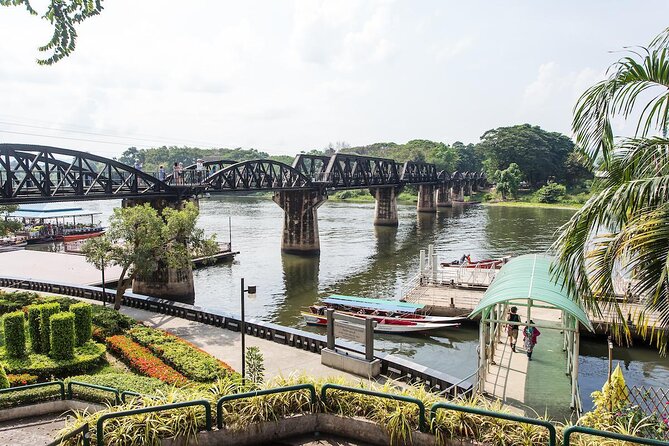
- Hotel pickup and drop-off from Bangkok so you spend less time figuring out logistics
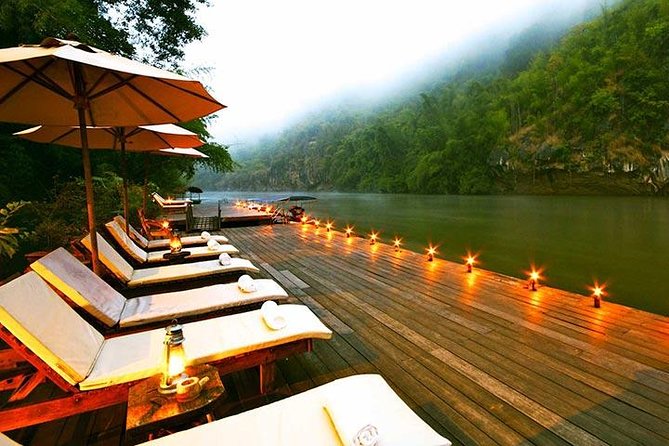
- Two nights at River Kwai Resotel which makes this feel like a true getaway, not a rushed excursion
- Hellfire Pass with a focused transport plan that includes a long-tail boat and road ride
- Death Railway Museum stop plus a train ride over original wooden viaducts
- Small group limit of 15 helps the guide keep the pace manageable
- Minimum group size of 2 means solo bookings depend on availability
Why the River Kwai area takes more than a day
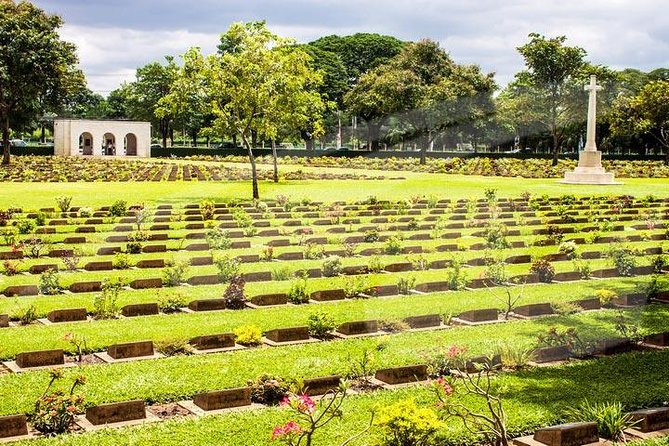
A River Kwai day trip can work, but the meaning of this place asks for time. The Kanchanaburi region isn’t just scenery; it’s tied to the hardship suffered by Allied POWs during the construction of the Burma Railway network. When you spend more than one day, you can actually absorb the story stop by stop—river views first, then the memorial landscape, and finally the railway legacy.
What I like about this 3-day format is that it gives you breathing room between themes. You start with the River Kwai itself, then you shift to Hellfire Pass (a turning point in the POW story), and you end with the Death Railway Museum and a train experience that connects the history to what you can still see today. It’s the kind of sequence that helps your brain put the pieces together.
And yes, the days are early enough that you’ll feel like you really used your time. That can be a downside for some people—but for me, it’s the best way to make this region feel like a trip, not a stopover.
Out to the River Kwai, more Kanchanaburi trips
- From Bangkok: Erawan Park & Kanchanaburi Small-Group Tour
★ 4.5 · 1,582 reviews - From Bangkok: Death Railway & Hellfire Pass Tour with Lunch
★ 4.6 · 931 reviews - From Bangkok: Historical Day Tour to River Kwai
★ 4.6 · 868 reviews
Price and what you’re really paying for ($410.48)
At $410.48 per person, the headline question is: what are you buying? Here’s the practical breakdown you can use to judge value:
- Two nights at River Kwai Resotel are included. That alone is a big chunk of cost you don’t have to hunt for in Bangkok.
- Entrance fees are included for the sights on the schedule.
- Meals are included per the itinerary, which reduces the usual daily expense creep.
- Round-trip transport from Bangkok hotels is included, plus the trip’s internal transfers.
So you’re not just paying for sightseeing—you’re paying for the whole machine: lodging + tickets + food + transportation. For a 3-day experience, that tends to be better value than piecing together separate day tours, especially when you factor in the Bangkok-to-Kanchanaburi travel time.
One more value angle: the group size cap (maximum 15) usually means you’re not stuck in a giant herd. And the reviews highlight the guide as informative, friendly, and professional, which matters here. With memorial sites and heavy historical themes, a calm, clear guide can make the difference between confusing and meaningful.
Meeting point and the 7:00 am start
The start time is 7:00 am. If you’re used to late starts in Thailand, treat this as an early-morning commitment. The payoff is that you get to leave Bangkok while the day is fresh and your time in Kanchanaburi is less squeezed.
Pickup is offered from Bangkok hotels, and the tour uses a mobile ticket, which is convenient if you want less paperwork. Transfer times are approximate, and the exact timing can change with traffic—especially for the Kanchanaburi to Bangkok leg, which can get unpredictable. Build a little cushion into your mindset so the schedule doesn’t make you tense.
Day 1: River Kwai and the feeling of place
Day 1 starts with a stop at the River Kwai area in Kanchanaburi province. The time on this portion is about 1 hour, with admission ticket marked as free (based on what’s included in the overall package).
This first stop matters more than it sounds. It helps you see the river landscape before you move to the harder chapters of the history. Even if you’ve read about the Burma Railway, standing near the water gives you context for why this region became a critical corridor for transport and labor.
Keep your expectations realistic for Day 1: it’s not the day for deep study sessions. It’s the orientation day—get your bearings, see the setting, then settle into your hotel for the next phase.
Worth putting side by side before you book this Bangkok tour:


Day 2: Long-tail boat to Hellfire Pass
Day 2 is the tour’s emotionally heavy centerpiece. You travel from Kanchanaburi toward Hellfire Pass, built by Allied POWs and known for the harsh conditions and heavy loss of life during construction.
Getting there is part of the experience. You’ll take a long-tail boat plus a road ride to reach the Hellfire Pass area. That mix is practical (it covers the route efficiently) and also helps break up the day so it doesn’t feel like one long transfer after another.
The time block for this stop is about 45 minutes. That’s enough time to take in the memorial setting and understand what you’re looking at, especially with a guide who can explain the story clearly. But it also means you shouldn’t expect unlimited wandering. If you know you’ll want extra time for reflection, plan to lean into the guide’s pacing and avoid trying to race ahead.
Comfort tip: Hellfire Pass areas can involve walking and uneven ground depending on where you go. Wear shoes that won’t make you regret it, and carry something light for sun or sudden rain.
Day 3: Death Railway Museum and a train over original wooden viaducts
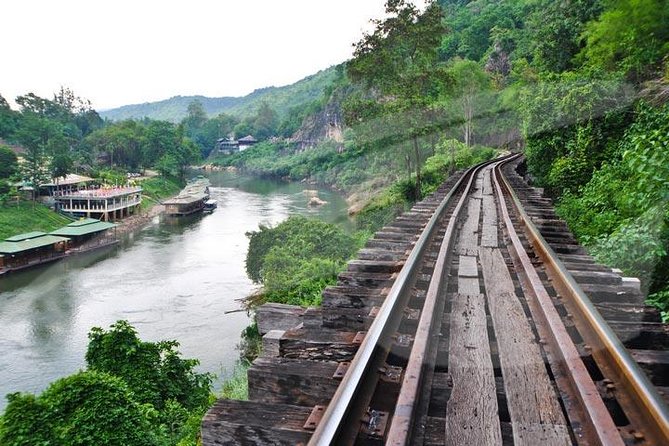
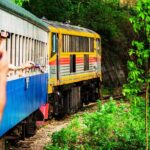
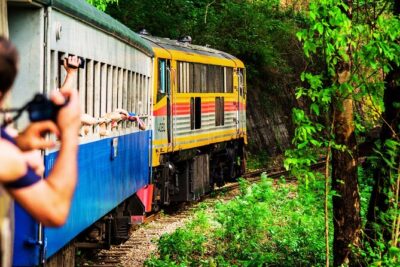
Day 3 pairs learning with a memorable ride. First up is the Death Railway Museum and Research Centre, then you take a historic ride on the Death Railway Train passing over original wooden viaducts.
This is a powerful combination. A museum stop gives you context, names, and a framework for what you’re about to experience. Then the train ride turns that framework into something you can physically feel—movement across structures that connect past to present.
The museum and research stop is about 1 hour. That’s a decent amount of time to grasp the key points without feeling like you’re being rushed through the exhibits. The included train experience is the moment many people will remember most because it’s active, not just observational.
If you want photos, be ready. You’ll likely have a limited window, and train lighting changes quickly as you move. Keep your camera accessible so you’re not fumbling while the train is already in motion.
River Kwai Resotel: why the included nights help
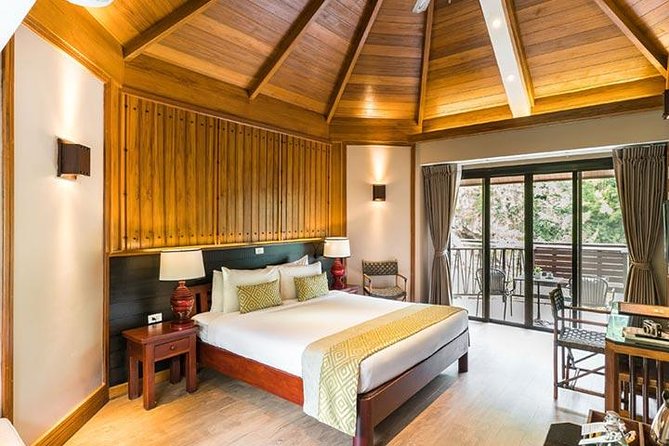
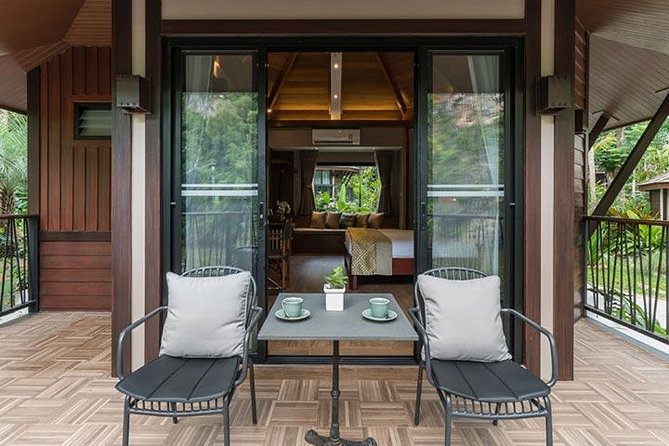
Your stay includes 2 nights at River Kwai Resotel. While the exact room features aren’t specified here, the value is clear: you’re not spending the trip bouncing back and forth every day from Bangkok.
That matters for two reasons:
- You get actual downtime between the main history stops.
- You’re less dependent on tight daily departure times.
On a trip like this, where Day 2 and Day 3 both carry real historical weight, having a stable base is underrated. It helps you keep your energy for walking and reflection instead of spending it on constant transit.
Guide quality and group size: the difference you feel
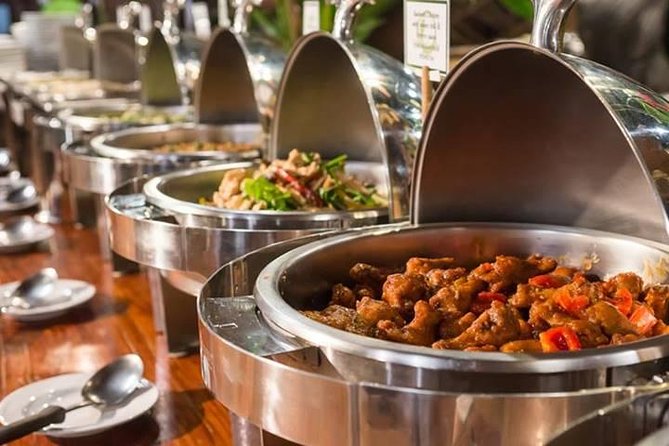
The guide is one of the standout elements. The experience is described as having an informative, friendly, and professional guide, and that shows in how smoothly the day flows.
A strong guide does three things well here:
- Explains what you’re seeing in plain language
- Keeps the group moving at a pace that actually works for the site
- Handles heavy content with care so you don’t feel lost or uncomfortable
Group size also helps. There’s a maximum of 15 travelers, which typically means more attention and fewer long waits. There’s also a minimum of 2 people required for the activity to take place, and solo travelers can book but may face cancellation if the minimum isn’t met on the day. That’s not a “bad” thing, but it’s a reality check if you’re traveling alone and want certainty.
Transportation realities: Bangkok timing, traffic, and how to plan
You’ll have round-trip transport from Bangkok hotels included, which is one of the biggest conveniences of this tour. You don’t have to figure out bus schedules or private transfer pricing.
That said, the tour notes that transfer durations are approximate and can depend on traffic. The Kanchanaburi to Bangkok transfer is specifically called out as unpredictable. So if you’re scheduling later plans the same day you return to Bangkok, don’t book something tight right after.
Practical move: plan your return-day buffer. Eat early, keep your schedule flexible, and expect it to take longer than the clean theoretical times.
Who this tour is best for
This 3-day River Kwai experience fits best if you:
- Want a meaningful history trip without DIY logistics
- Prefer guided explanations over reading everything on your own
- Like small groups and a set itinerary that stays organized
- Are comfortable with early starts and a bit of walking
It’s also a good fit for couples and friends who want shared time at a calmer pace. For solo travelers, consider the minimum-group rule and availability.
Families with children can participate as long as the minimum age of 3 years is met. Child rates exist for ages 3–12 when occupying the parents’ room; if a bed is required, the adult rate applies.
When you might want to choose something else
This is not a casual, flexible tour. The schedule is set, the itinerary moves from one key site to the next, and there’s a non-refundable rule if plans change. If you tend to keep dates fluid, you may feel trapped by the fixed structure.
Also, if you hate early morning travel, the 7:00 am start can be a rough match. It’s doable, but it’s not a lie-in kind of trip.
Should you book this 3-Day River Kwai Experience?
If you want the best value that comes from having lodging, meals, entrance fees, and transportation handled together, I think this is a smart choice. The combination of River Kwai, Hellfire Pass, and the Death Railway train ride is a coherent story arc, and the guide quality is a real strength—especially for sites where clarity and care matter.
Book it if your dates are firm and you’re ready for an early start and an organized schedule. If you’re traveling solo and want absolute certainty, keep an eye on the minimum-people requirement. For everyone else, this is exactly the kind of guided multi-day tour that turns a famous region into something you actually understand.
FAQ
What’s included in the 3-day River Kwai experience?
The package includes round-trip transport from Bangkok hotels, 2 nights’ stay at River Kwai Resotel, entrance fees, meals per the itinerary, and a mobile ticket.
What time does the tour start?
The start time is 7:00 am, with hotel pickup offered.
How long is the tour?
It runs for 3 days (approx.).
Does the itinerary include Hellfire Pass and the Death Railway?
Yes. You visit Hellfire Pass on Day 2, and on Day 3 you go to the Death Railway Museum and Research Centre and ride on the Death Railway Train over original wooden viaducts.
How big are the groups?
The maximum is 15 travelers. There is also a minimum of 2 people required for the activity to take place, so solo travelers are subject to availability.
Is this experience refundable if plans change?
No. It is non-refundable and cannot be changed for any reason.
More 3-Day Experiences in Bangkok

More Tour Reviews in Bangkok



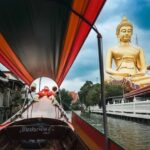

Out to the River Kwai



Just In: Fresh Bangkok Reviews




Kanchanaburi & River Kwai, compared.
 ★ 4.5From Bangkok: Erawan Park & Kanchanaburi Small-Group TourFrom $591,582 reviews
 ★ 4.6From Bangkok: Death Railway & Hellfire Pass Tour with LunchFrom $82931 reviews
 ★ 4.6From Bangkok: Historical Day Tour to River KwaiFrom $51868 reviews
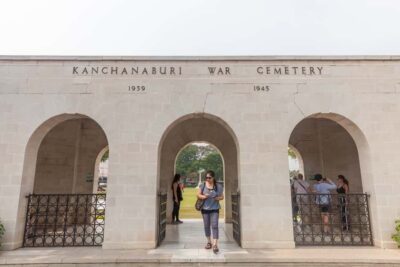 ★ 4.8From Bangkok: Elephant Sanctuary and Kanchanaburi TourFrom $79826 reviews
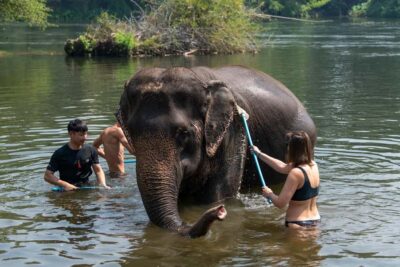 ★ 4.9Elephant Sanctuary & Erawan Waterfall TourFrom $181820 reviews
 ★ 4.5Bridge on the River Kwai and Thailand-Burma Railway TourFrom $108658 reviews
 ★ 4.5Erawan Waterfalls and Bridge Over River Kwai Tour from BangkokFrom $56372 reviews
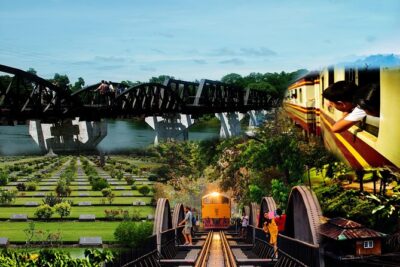 ★ 4.5Bridge on the River Kwai and Thailand-Burma Railway Guided TourFrom $94353 reviews
Browse the lists this tour appears in