
Review · GRAND PALACE & TEMPLE TOURS
Bangkok: Grand Palace and Emerald Buddha Half-Day Tour
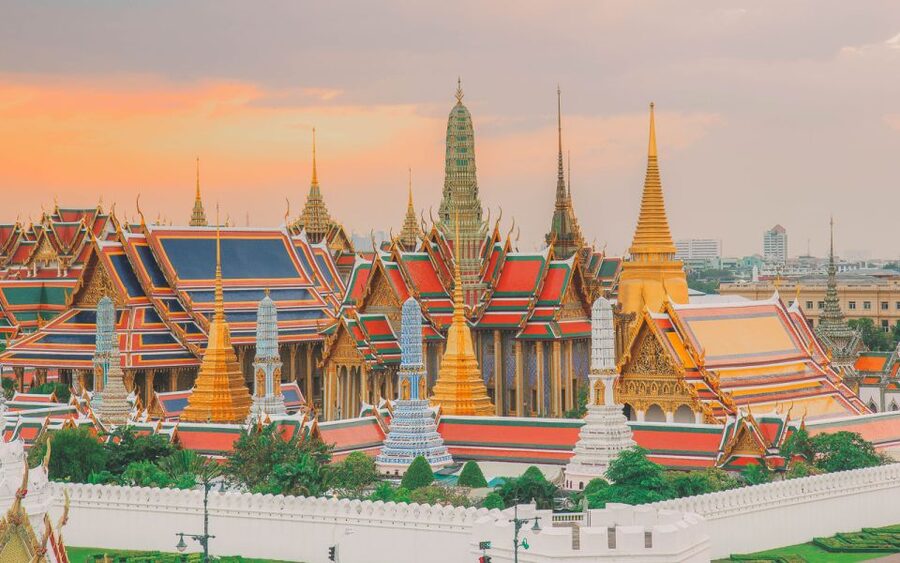
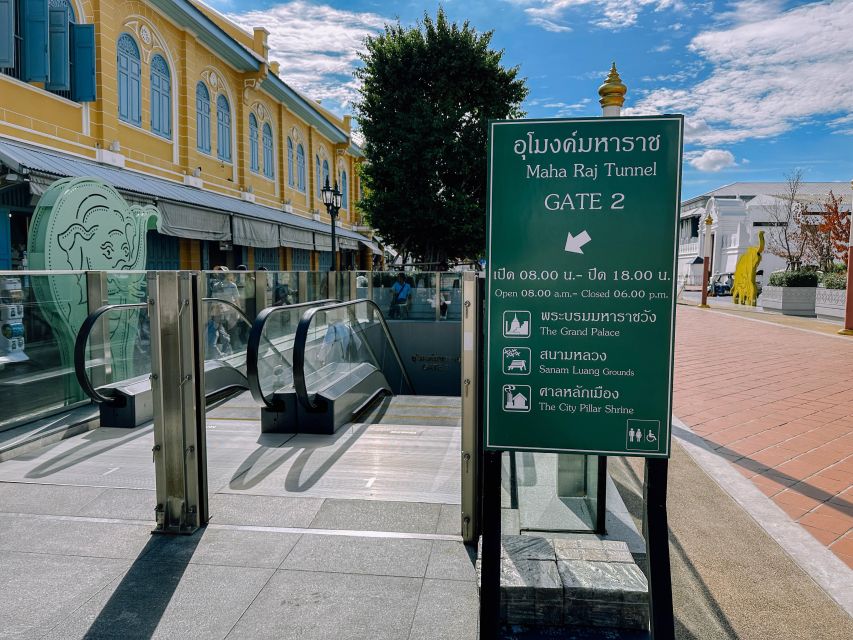
Gold walls and jade glow in two hours. The Grand Palace and Wat Phra Kaew tour is interesting because you get a guided route through the royal courts and a clear, practical way to see Wat Phra Kaew without getting stuck in lines, and you’ll often end with lots of group photos thanks to guides like Sammy and Rose. The one real drawback is logistics: the meeting area can confuse you, since there are multiple Gate 2 spots and the official meet is at Maharaj Tunnel Gate 2.
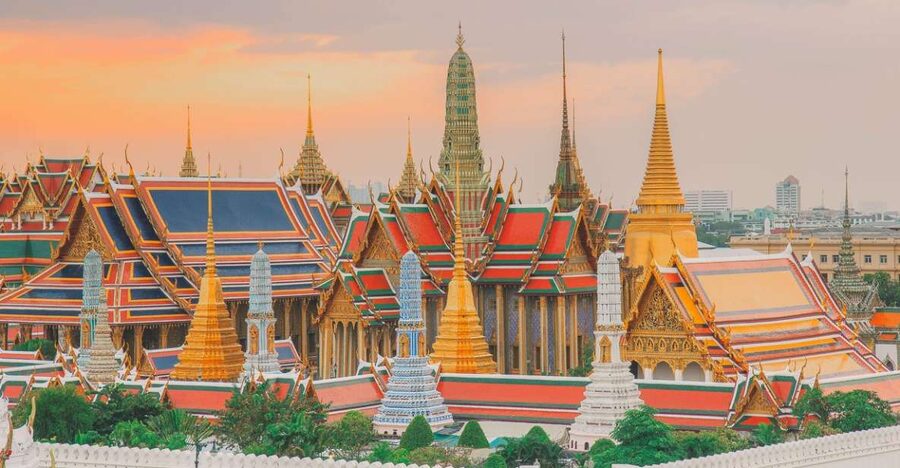
What I like most is the structure. You move through the outer, middle, and inner courts with stops that make the palace feel like a living institution, not just scenery. And you end up at the Emerald Buddha shrine—Phra Kaew Morakot—where the focus is the jade-carved image housed inside Wat Phra Kaew.
One thing to plan for up front: the dress code is strict, and the pace is designed for a 2-hour visit. If you’re traveling with limited mobility or you rely on hearing support, this isn’t a good match.
In This Review
- Key things that make this tour worth your time
- Entering the Grand Palace: how a short tour still feels complete
- Finding Maharaj Tunnel Gate 2 without losing your morning
- Dress code at Wat Phra Kaew: plan your clothes, not your attitude
- The royal route: outer, middle, and inner courts in plain terms
- Inside the middle court: buildings, gardens, and why the names matter
- Wat Phra Kaew: the Emerald Buddha shrine and why it feels different
- The female-only inner-court zone: a rare, specific glimpse of palace life
- Regalia and royal coins: the Pavilion of Regalia makes it tangible
- Pacing, crowds, and the role of your guide
- Price and value: why $18 can work or fall short
- Who should book this tour, and who should think twice
- Should you book this Grand Palace and Emerald Buddha half-day tour?
- FAQ
- How long is the Grand Palace and Emerald Buddha tour?
- Where do I meet the guide?
- Does the tour include skip-the-line entry?
- What’s the dress code for Wat Phra Kaew and the Grand Palace?
- What should I bring with me?
- Is the entry ticket included?
- Is this tour suitable for wheelchair users or hearing-impaired travelers?
Key things that make this tour worth your time
- Skip-the-line access helps you spend more time inside and less time waiting.
- Maharaj Tunnel Gate 2 is the key meeting point, and signage can be tricky—be early.
- You walk the palace by courts and gates, from Phiman Chai Si Gate toward Sanam Ratchakit Gate.
- Wat Phra Kaew’s Emerald Buddha is the spiritual center, carved from a single block of jade.
- A female-only zone in the inner court shows how palace life was organized under the monarchy.
- The Pavilion of Regalia and coins adds a fun, concrete layer to the royal story.
Entering the Grand Palace: how a short tour still feels complete
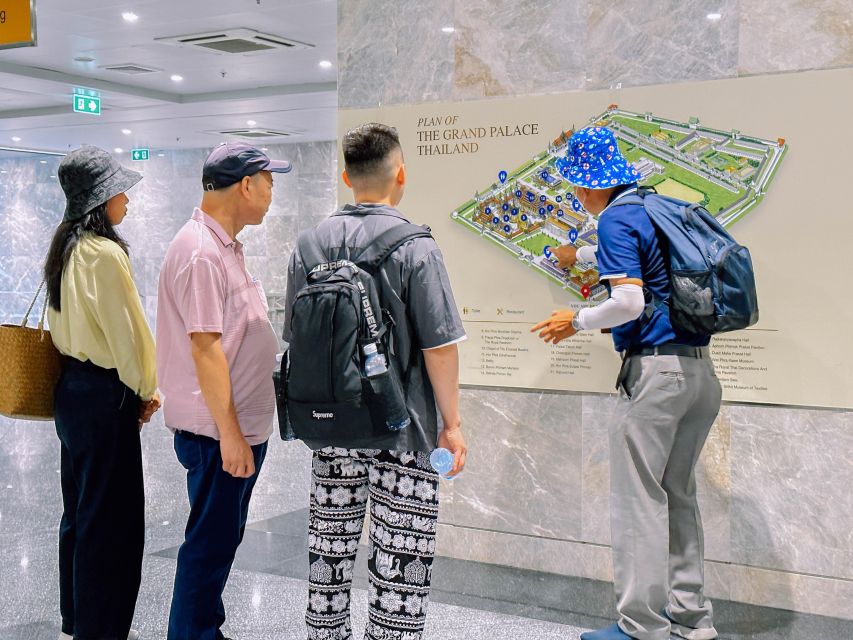
This is a half-day-style experience at 2 hours, and the trick is how tightly the route is organized. You’re not wandering at random across a huge complex. Instead, you follow a guide through the major landmarks that give meaning to the gold walls, temple layout, and royal architecture.
A good 2-hour tour works best for two types of travelers. First, you want the big sights but you don’t want an all-day commitment in Bangkok heat. Second, you’d rather learn what you’re looking at—courts, gates, and buildings—than just take pictures and guess. The guides on this route have a reputation for pacing you well and pointing out the best photo spots, including group-picture moments led by guides such as Sammy and Pond.
The tradeoff is simple: there’s limited time to linger. If you’re the kind of person who likes to sit for long stretches in one courtyard, you might feel a bit rushed. But if you want an efficient, guided overview that lands the highlights, this length is a sweet spot.
More gilded rooftops: other temple runs across the old city
- From Bangkok: Ayutthaya Temples Guided Tour with Lunch
★ 4.7 · 10,535 reviews - Bangkok: City Highlights Temple and Market Walking Tour
★ 4.5 · 3,990 reviews - Bangkok by Night: Temples, Markets and Food Tuk-Tuk Tour
★ 5.0 · 3,752 reviews
Finding Maharaj Tunnel Gate 2 without losing your morning
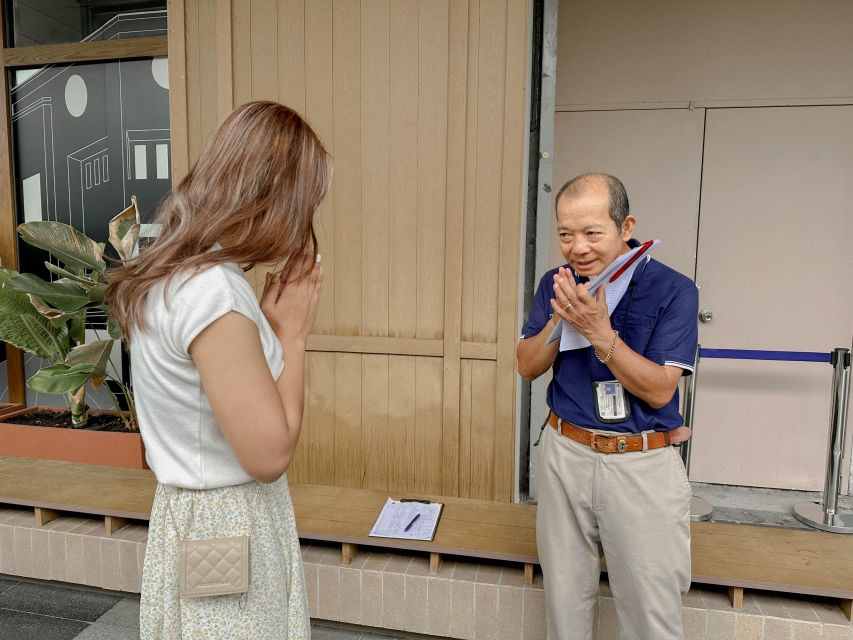
Before you even enter the palace grounds, you need to win the meeting-point game. The tour asks you to arrive about 15 minutes early at Maharaj Tunnel Gate 2, and your guide will be holding a GetYourGuide sign. You also need to show your voucher.
Here’s the practical advice I’d give you: treat Gate 2 as a zone, not a single spot. Multiple Gate 2 locations exist, and some people have had to backtrack because they went to the wrong one first—especially if they expected the meeting point to be right next to the main palace entrances.
If you’re worried, do this: arrive a little early, stand near the tunnel area, and double-check that you’re at Maharaj Tunnel Gate 2 specifically. If communication is available via the tour operator, keep your phone handy. Several guides are praised for actively helping people locate them quickly, which matters on a crowded day.
Dress code at Wat Phra Kaew: plan your clothes, not your attitude
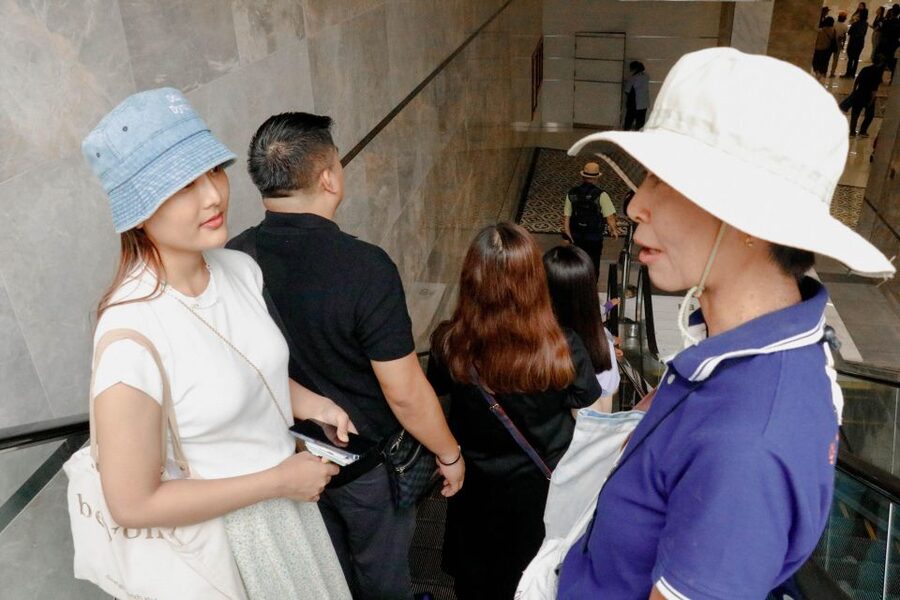
Wat Phra Kaew and the Grand Palace operate with a strict dress code, and it’s enforced. For men: long pants and a shirt with sleeves. For women: long skirts or long pants that cover the knees, with shoulders covered. Tight leggings, see-through clothing, and torn pants aren’t allowed.
The easiest way to avoid problems is to pack deliberately:
- Long sleeves
- Long pants or a long skirt
- A hat (you’ll thank yourself later in the sun)
Also note what’s not allowed: shorts, short skirts, and large bags or luggage. There’s also a no-drone rule, plus no alcohol and drugs. If you’re traveling light, you’ll find it easier to move through security and courtyards.
This dress code impacts your tour experience more than you’d think. It affects how fast you can enter, how comfortable you feel, and whether you end up waiting while someone changes. On a 2-hour tour, saving minutes really counts.
The royal route: outer, middle, and inner courts in plain terms
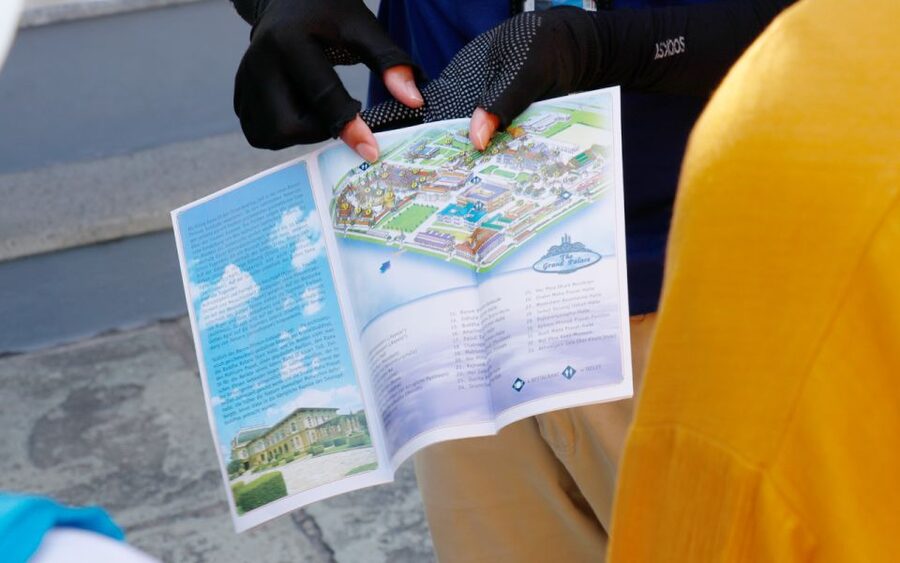
The Grand Palace isn’t one building you walk into. It’s a large set of spaces shaped by the monarchy—courts, walls, gates, and royal residences—laid out like a map of power.
You’ll follow a guide through three zones:
- Outer courts
- Middle court
- Inner court
From there, you’ll start in the middle court area at Phiman Chai Si Gate and move toward Sanam Ratchakit Gate. Along the way, you pass state offices such as the Bureau of the Royal Household, the Office of His Majesty’s Principal Private Secretary, and the Office of the Royal Institute. Seeing those names in context helps you understand what the palace still represents today—not just something historical, but an active royal space.
Next is the inner area, from Sanam Ratchakit Gate to Thaew Teng, which used to serve as palace walls during the reign of King Rama I. That wall history matters because it explains why the inner court feels more contained and ceremonial than the outer areas.
You’ll also hear how the Grand Palace is the architectural symbol of the Thai royal family and is still used for royal ceremonies and to welcome state guests and other foreign dignitaries.
Worth putting side by side before you book this Bangkok tour:


Inside the middle court: buildings, gardens, and why the names matter
The middle court isn’t just a walking corridor. It’s where the complex reveals its purpose through specific structures and garden spaces.
You’ll see the Phra Maha Monthien Buildings and major royal palace buildings such as the Chakri Maha Prasat Buildings (the tour also references Phra Maha Prasat Buildings). Even if you’re not a history person, the architecture is legible once your guide explains what each area represents: governance, royal function, and the symbolic order of the complex.
There’s also the Siwalai Gardens Quarter, which gives a much-needed pause from wall-to-wall gold. Garden spaces in a palace complex are a reminder that court life wasn’t only ceremonies—it was also daily rhythms and controlled leisure, arranged inside a carefully protected environment.
This part of the tour is valuable because the palace names sound repetitive until a guide connects them to what you’re seeing. You stop thinking of it as random stops and start recognizing patterns: gates control movement, buildings reflect function, and gardens soften the experience.
Wat Phra Kaew: the Emerald Buddha shrine and why it feels different
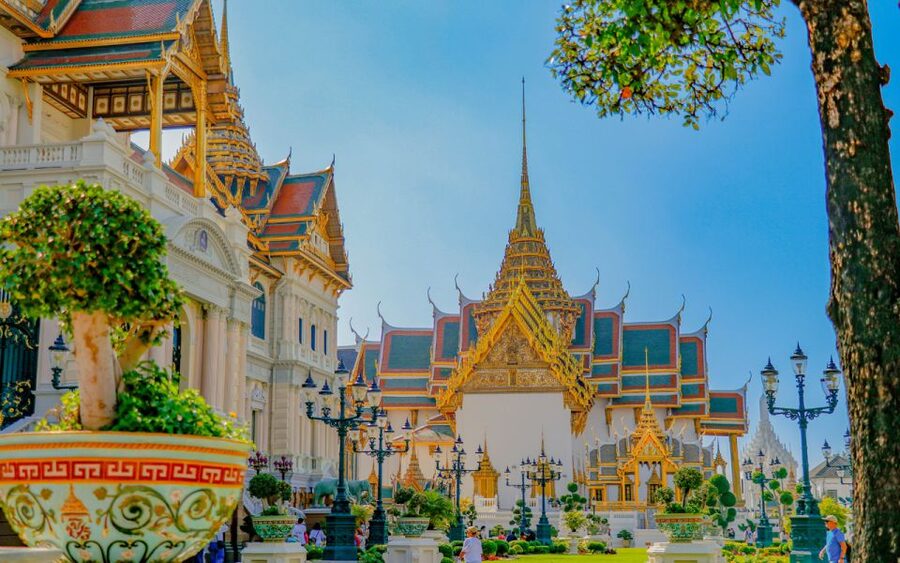
The highlight everyone wants is Wat Phra Kaew, because it enshrines Phra Kaew Morakot (the Emerald Buddha). The image is made from a single block of jade, carved so carefully that it carries enormous religious importance.
This is one of those places where the atmosphere shifts. You’re still in a tourist area, but the shrine space is clearly the spiritual core of Thai Buddhism and the monarchy’s sacred role. Even if you’re not deeply religious, you’ll feel why people slow down here.
If you want photos, treat this as a timing game. The Emerald Buddha area is visually strong, but crowds and restrictions can limit the best angles. Having a guide can help you find the photo spots efficiently and move before bottlenecks form.
Also, know what’s likely to be restricted: the tour focuses on sacred areas and exterior/pavilion view points, and some interiors may not be open for viewing in the way you expect. So set your expectation to see, learn, and photograph what’s permitted, rather than assuming every part is inside-accessible.
The female-only inner-court zone: a rare, specific glimpse of palace life
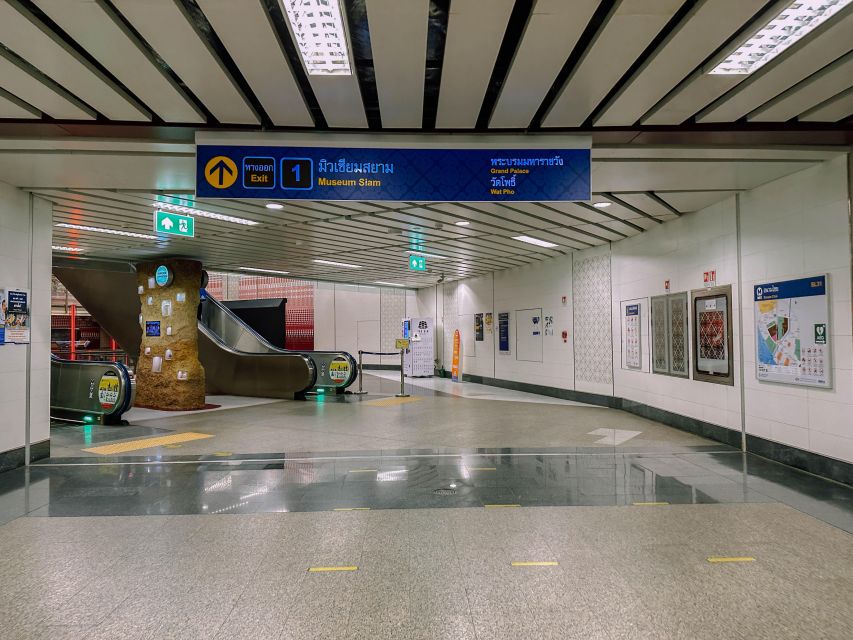
One detail you won’t get from a generic palace photo tour is the mention of a female-only zone in the southern area of the inner court. In that space, no man was allowed in except the king, and it was where queens, consorts, consort mothers, and daughters lived, along with ladies-in-waiting and servants.
Why this matters for your experience: it gives context that the Grand Palace was more than a monument. It was a controlled social world with strict rules—some religious, some political, and some centered on household structure.
Your guide can help you read what you’re seeing in light of that. When you understand who lived where and why certain areas were closed off, the layout starts making sense as a system, not just a backdrop.
Regalia and royal coins: the Pavilion of Regalia makes it tangible
After you’ve taken in the sacred and ceremonial areas, the tour includes the Pavilion of Regalia, Royal Decorations and Coins. This is a small stop, but it’s memorable because it turns symbolism into something you can actually point at—Thailand’s royal decorations and coin-related items.
This matters because it connects the Grand Palace to everyday objects of identity and authority. You’re not just learning about temples and architecture; you’re seeing the visual language of monarchy translated into regalia.
If you like details, you’ll likely enjoy this more than you expect, especially on a short tour where you want variety without losing focus.
Pacing, crowds, and the role of your guide
A huge chunk of the value here comes down to how the guide moves your group. Several guides associated with this tour are praised for being attentive with photos, keeping a friendly pace, and helping people avoid the most crowded bottlenecks.
For you, that translates into practical benefits:
- You get photo opportunities without turning the day into a stop-and-go mess
- You hear explanations as you walk, so the complex doesn’t feel like a blur
- You’re more likely to see the correct parts of the complex in the right order
Some guides are also noted for staying considerate when it’s hot—keeping people shaded and managing breaks. That kind of small handling makes a difference when you’re walking through open courtyards under Bangkok sun.
Still, there can be downsides. One person described feeling rushed, and another noted that palace entry can be limited—so your experience depends on both the guide and what’s open that day. If you’re sensitive to time pressure, choose a tour with a reputation for pacing, and come with the expectation that a 2-hour route is designed to hit key points, not to linger inside every structure.
Price and value: why $18 can work or fall short
The listed price is $18 per person for a 2-hour guided tour, which is often a good value in Bangkok when you factor in two things: a guide who helps you interpret what you’re seeing, and skip-the-line access through a separate entrance.
There’s also an extra reality check: the Grand Palace entry fee for foreigners is listed as THB 500. Depending on the option you choose, entry may or may not be included. The tour info states entry ticket is included for the private option. If you choose a non-private option, you may need to plan for the entry fee separately.
So here’s the value equation I’d use:
- If you’re paying entry anyway, the $18 is mostly buying time, guidance, and easier access.
- If entry is included in your option, you’re getting a more complete package for your money.
Either way, the strongest value is not just getting into the grounds. It’s getting the story behind them fast enough that the palace feels meaningful instead of overwhelming.
Who should book this tour, and who should think twice
Book this tour if you:
- Want the Grand Palace and Wat Phra Kaew highlights without spending a full day
- Like guided context about royal courts, buildings, and sacred spaces
- Are okay following a strict dress code
- Prefer a structured walk that still includes time for photos
Think twice if you:
- Have mobility impairments or use a wheelchair. The tour is not suitable for wheelchair users or mobility-impaired travelers.
- Are hearing-impaired. This tour is listed as not suitable for hearing-impaired people.
- Want a long, unhurried visit. The 2-hour structure is built to cover major points, not to settle in for hours.
If you’re new to Bangkok, this tour is also a helpful orientation. Once you understand where the courts and gates are, it’s easier to navigate the area on your own later.
Should you book this Grand Palace and Emerald Buddha half-day tour?
Yes—if you want an efficient, guided overview that gets you to the spiritual center and the royal courtyards fast. The guide element is the difference-maker: it helps you understand what each court and building name means, keeps you moving through crowds, and helps you get solid photo moments.
No—if you need lots of physical access flexibility or you’re hoping for a slow, deep linger inside every palace space. With strict dress rules and a time-boxed route, you’ll do best if you come prepared and accept the palace as a complex you pass through, not a single building you slowly explore.
FAQ
How long is the Grand Palace and Emerald Buddha tour?
It’s a 2-hour guided tour.
Where do I meet the guide?
Meet at Maharaj Tunnel Gate 2 about 15 minutes before the tour starts. The guide will be holding a GetYourGuide sign, and you must show your voucher.
Does the tour include skip-the-line entry?
Yes. It includes skip-the-line access through a separate entrance.
What’s the dress code for Wat Phra Kaew and the Grand Palace?
Men need long pants and a sleeved shirt. Women need long skirts or long pants that cover the knees, with shoulders covered. Avoid tight leggings, see-through clothes, and torn pants.
What should I bring with me?
Bring a hat, camera, long-sleeved shirt, long pants, cash, and a sarong.
Is the entry ticket included?
The entry ticket is listed as included for the private option.
Is this tour suitable for wheelchair users or hearing-impaired travelers?
No. It is not suitable for people with mobility impairments, wheelchair users, or hearing-impaired people.
More Tours in Bangkok


More Tour Reviews in Bangkok




More of Bangkok Temples

Just In: Fresh Bangkok Reviews

Grand Palace & Temple Tours, compared.
 ★ 4.7From Bangkok: Ayutthaya Temples Guided Tour with LunchFrom $2810,535 reviews
 ★ 4.5City Highlights Temple and Market Walking TourFrom $423,990 reviews
 ★ 5.0Bangkok by Night: Temples, Markets and Food Tuk-Tuk TourFrom $793,752 reviews
 ★ 4.8Grand Palace, Wat Pho, and Wat Arun Guided TourFrom $243,632 reviews
 ★ 4.9Temples, Canals & Local Life Bike TourFrom $243,511 reviews
 ★ 4.4Grand Palace and Wat Phra Kaew Guided Walking TourFrom $172,417 reviews
 ★ 4.9Markets, Temples and Food Night Tour by Tuk TukFrom $772,371 reviews
 ★ 4.3Grand Palace, Wat Pho, Wat Arun Sacred & Local TourFrom $182,256 reviews
Browse the lists this tour appears in