
Review · THAI COOKING CLASSES
Choose 5 Dishes: Half-Day Cooking Class in Sukhumvit with Market Tour
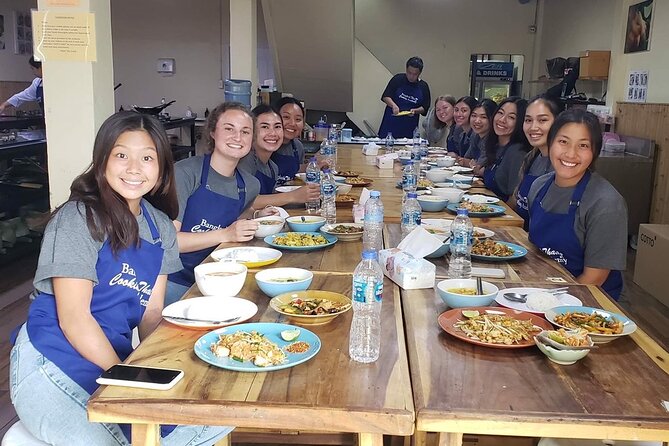
A market first, then cooking—sounds simple, but it really works here. You start with a real peek at Thai ingredients in a local market near Sukhumvit, then head back to an air-conditioned kitchen to cook your own meal. I like the format because you get to pick 5 dishes, not just follow a single set menu, and you also get a practical look at flavor combos like curry, sour, sweet, and heat. A possible drawback: some steps can feel more guided than fully DIY, since key prep may be handled ahead for timing.
The setup is also built for an easy Bangkok day. You meet at the On Nut BTS area, so you don’t need a taxi, and the class stays small (up to 16). You’ll cook until you’re done, eat what you make, and finish with dessert and fruit—plus you get internet access to recipes and videos for the dishes you chose. The “consider before you go” note for me is hygiene expectations: one past participant complained about cleanliness, and the school publicly responded saying they follow strict health and safety standards. If cleanliness is a top priority for you, it’s reasonable to ask about what cleaning routines are used right when you arrive.
In This Review
- Key things to know before you go
- Market to Menu: How the class starts in Sukhumvit
- On Nut logistics: why the location saves your day
- Choose 5 dishes: the format that makes you cook a real meal
- My tip on dish selection
- Inside the kitchen: how the hands-on part actually feels
- Curry, soup, noodles, stir-fry: the Thai flavor lesson you can reuse
- Curry base dishes (green, Panang, Massaman, or Khao Soy)
- Soup & salad (Tom Yum Goong, Tom Kha Gai, or Som Tam)
- Noodles and rice (Pad Thai, pineapple fried rice, or Pad See Ew)
- Stir-fry (cashews, black pepper beef, or spicy basil chicken)
- No MSG and spice control: useful when you’re sensitive or curious
- Dessert and takeaway: finishing the meal without feeling stuffed
- Hygiene note: one report, and what you can do
- Price and value: is $42.39 a fair deal?
- Who should book this Sukhumvit cooking class
- Should you book it?
- FAQ
- How long is the cooking class?
- Where do I meet for the class?
- Do I get to choose what I cook?
- Is there a vegetarian option?
- Is the class using MSG?
- What’s included in the price?
Key things to know before you go
- On Nut BTS meeting point: easier access means you spend less energy figuring out transport.
- You choose your 5 dishes from 20+ options, so the meal matches your tastes.
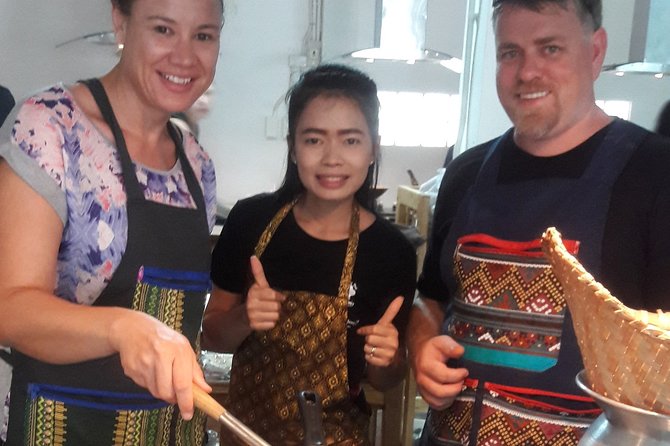
- Air-conditioned cooking time: less sweating, more focus on flavors and technique.
- Hands-on curry paste to finished dishes: you’re not only chopping; you’re building Thai flavor layers.
- No MSG policy and adjustable spice levels help most people feel confident about what they’re eating.
- Bigger-than-you-think portions with optional takeaway can save you from food regret later.
Market to Menu: How the class starts in Sukhumvit
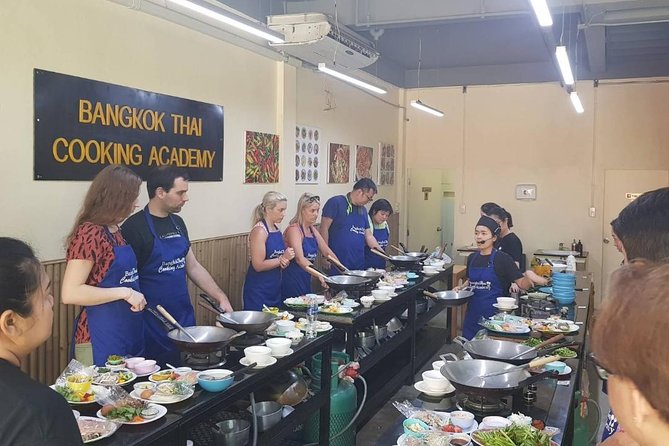
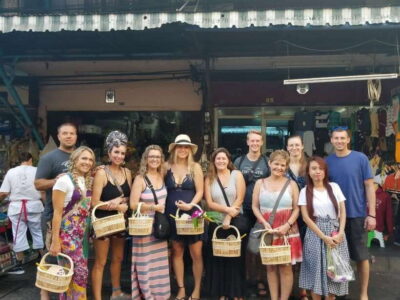
This class begins the part you’ll remember on your next Thai food trip: seeing ingredients before you cook them. You walk through a large fresh market with a guide, learning what actually shows up in Thai kitchens and how to recognize it. It’s not just about shopping for fun. It helps you understand why Thai cooking tastes the way it does—aromatics, herbs, and pantry staples that are the backbone of curry, soups, and stir-fries.
The practical benefit is this: once you’ve seen items in person, you’ll have an easier time recreating dishes later. You also learn how Thai cooking balances flavors. For example, curry is not one flavor; it’s a blend of spice and aromatics, then rounded out with coconut milk and a sweet-salty edge. Sour soups aren’t “just sour.” They’re built with herbs and a sharper base that wakes everything up.
One extra nice touch is the walking pace and explanations. Multiple people noted how staff and chefs were efficient while still guiding you step by step. You’re not left wandering with a vague list of ingredients.
Aprons on for another Thai kitchen
- Bangkok: Hands-on Thai Cooking Class and Market Tour
★ 4.9 · 1,614 reviews - Bangkok: Tingly Thai Cooking School Half-Day Cooking Class
★ 4.9 · 1,191 reviews - Bangkok: Maliwan Thai Cooking Class with Market Tour
★ 4.9 · 1,133 reviews
On Nut logistics: why the location saves your day
Meeting at the On Nut BTS station is a big deal in Bangkok. If you’re using the Skytrain, you can usually land here without the stress of traffic or negotiating rides. The kitchen is conveniently near the transit stop, and the class runs on a tight half-day schedule (about 3 hours 30 minutes).
Why I like this for visitors: you can pair the class with other plans without it turning into a transport puzzle. Morning or afternoon options let you choose when Bangkok is cooler for you, and the class stays productive the whole time instead of stretching into an all-day event.
Also, the meal situation is clear. If you book a morning class, you get lunch. If you book an afternoon class, you get dinner. Either way, ice water is included, and alcohol is not, which keeps the experience focused on food rather than a bar crawl.
Choose 5 dishes: the format that makes you cook a real meal
The core of this experience is simple: you cook a full Thai-style meal by selecting five dishes from multiple options in each category. That matters because it teaches you how Thai meals are structured. You’re not just learning one recipe. You’re learning how dishes work together.
Here’s how the class choices are organized:
- Curry paste + chicken curry (choose one): Green curry, Panang, Massaman, or Khao Soy
- Soup & salad (choose one): Tom Yum Goong, Tom Kha Gai, or Som Tam
- Appetizer/rice/noodles (choose one): Pad Thai, Pineapple Fried Rice, or Pad See Ew
- Stir-fry (choose one): Chicken with Cashews, Black Pepper Beef, or Minced Chicken with Spicy Basil
- Dessert (included): Mango with Sticky Rice
When you look at it this way, you can build a balanced set. For instance, if you go heavy on curry, you can choose a soup that cuts through the richness—like a sharper Tom Yum style. If you’re into sweet-salty comfort, you might pair pineapple fried rice with a creamy curry option.
And yes, vegetarian options are available. The exact way substitutions are handled isn’t spelled out in the details you provided, but the availability is stated, and people with allergies reported that the staff handled needs well. If you have a serious allergy, tell the instructor clearly and early.
My tip on dish selection
Don’t pick five “similar” flavors. Pick one curry base, one sour element (soup or salad), one noodle/rice anchor, and one stir-fry with herbs or pepper. That’s how you get the full Thai flavor map in one sitting.
More markets and shophouse lanes





Inside the kitchen: how the hands-on part actually feels
Once you’re back from the market, you cook in an air-conditioned space. That sounds obvious, but Bangkok heat can turn a “fun activity” into a sweat test. Here, you can focus on technique: chopping at your pace, tasting as you go, and understanding what you should adjust.
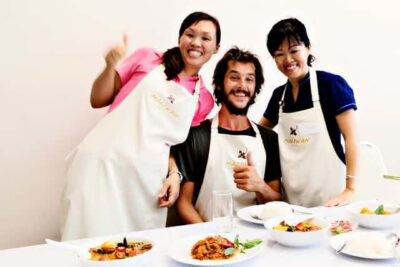
From what’s been shared by past participants, the class is both organized and hands-on. People noted clear instruction and step-by-step guidance, and several mentioned how portions are big enough that you may not finish everything on-site without help.
Also, don’t expect the whole class to be “you do every step from scratch.” One participant felt some ingredients were measured or partially prepped to meet timing. Another person still called it a true hands-on experience because you’re cooking your chosen dishes rather than watching someone else.
So, think of it like this: you get real cooking responsibility, but the class is designed to fit into 3.5 hours without dragging. That’s part of the value.
Curry, soup, noodles, stir-fry: the Thai flavor lesson you can reuse
Thai cooking is all about balance, and this class does a good job tying that balance to specific dish choices.
Curry base dishes (green, Panang, Massaman, or Khao Soy)
You’ll work with curry paste and then cook a chicken curry dish (one option). This is where you learn the “why” behind Thai curry flavor. Curry isn’t just spicy. It’s layered: aromatics, spice, then a creamy or sweet-savory finish depending on the style. Green curry tends to feel brighter and herb-forward. Panang often leans richer. Massaman brings warmth and depth. Khao Soy is its own comfort zone with a distinct profile.
The practical skill you’re building is how to get curry paste to bloom—before adding liquid—so the flavors taste cooked, not raw.
Soup & salad (Tom Yum Goong, Tom Kha Gai, or Som Tam)
This is the part that teaches you Thai balance fast. Sour, salty, and aromatic herbs show up clearly here.
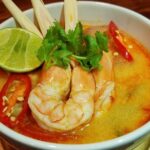
- Tom Yum Goong is famous for that punchy sour-heat blend.
- Tom Kha Gai adds creamy lift from coconut while keeping the tang alive.
- Som Tam is the salad category, and it’s typically about sharp, spicy, and crunchy balance.
Even if you don’t make these exact recipes later, the lesson transfers. You’ll start thinking, What flavor do I need more of: sour? salty? herb? heat?
Noodles and rice (Pad Thai, pineapple fried rice, or Pad See Ew)
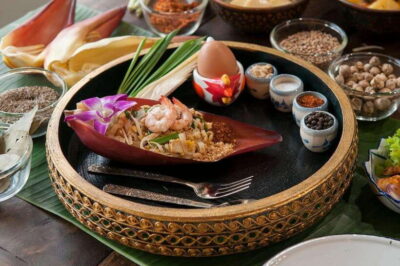
This category changes the vibe. If you pick Pineapple Fried Rice, you get sweet-fragrant notes plus a savory base that’s easy to recognize in Thai restaurants. If you pick Pad Thai, you’re learning a noodle technique and the sweet-sour-salty structure that makes it addictive. Pad See Ew typically leans into soy-forward, savory comfort with the right noodle texture.
For most people, these are the most “repeat-able at home” dishes because you can find the ingredients more easily and the flavor logic is clearer after cooking.
Stir-fry (cashews, black pepper beef, or spicy basil chicken)
Stir-fries train you on speed and seasoning timing. Past participants highlighted that you can control the spice level on each dish, which is a huge deal if you’re traveling with picky eaters—or if your tolerance is lower than your confidence.
Stir-fry options also cover different Thai “moods”:
- Cashews give a nutty, smooth finish.
- Black pepper beef leans bold and aromatic.
- Spicy basil chicken brings that fragrant herb punch that makes Thai food feel alive.
No MSG and spice control: useful when you’re sensitive or curious
This class states a no MSG approach, which is valuable if you prefer to avoid it. It also makes your tasting more honest because the flavors come through as herbs, spice, and balance rather than a salty shortcut.
On top of that, past participants said they could control spice levels for each dish. That’s more than comfort. It helps you learn the recipe without getting knocked out by heat first. If you come in wanting mild flavors, you’ll still learn what goes into the dish. If you want spice, you can push it.
If you have allergies, the provided info says allergy handling is supported, and people reported it was taken seriously. I still recommend you mention your needs at the start of the class and remind them again when choosing dishes.
Dessert and takeaway: finishing the meal without feeling stuffed
Dessert is included: Mango with Sticky Rice. It’s the kind of finish that makes sense after spicy, sour, and savory dishes. You get sweetness and chew, so your meal ends with a soft landing rather than a harsh palate reset.
One of the underrated “value” points here is what happens after eating. Multiple people noted takeaway bags are available, and portions can be large enough that you might not finish everything in the class. That’s not a complaint. It’s a practical bonus: you can turn lunch or dinner into leftovers for a second meal later.
Timing stays efficient, with the full experience landing around 3 hours 30 minutes, so you don’t lose half your day to kitchen cleanup or slow service.
Hygiene note: one report, and what you can do
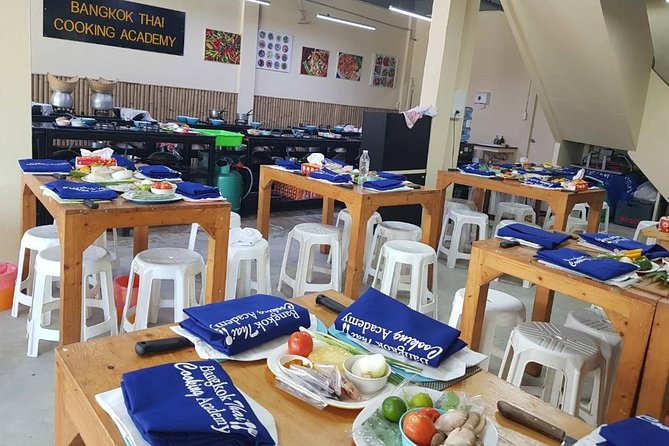
No tour review section is perfect, but it’s worth mentioning reality. One past participant reported issues with cleanliness and said they didn’t feel comfortable eating. The school responded publicly, saying they take hygiene seriously and adhere to Thai health and safety regulations.
What should you do with that? Don’t ignore it. But don’t panic either. If cleanliness is a dealbreaker for you, check basics when you arrive—handwashing setup, cutting boards, utensil condition. If anything looks off, ask right away. A professional operation should be able to explain what they do.
Price and value: is $42.39 a fair deal?
At about $42.39 per person for a half-day, I think the value is strong if you’ll actually cook and eat. Here’s what you’re getting for the money: a market tour, cooking lesson, you choose five dishes, lunch or dinner depending on the time slot, plus dessert and fruit. You also get ice water, recipe access online, and the convenience of a BTS-friendly location.
If you compare it to the cost of eating all those dishes separately in Bangkok, it starts to look like a solid deal. Plus, the “skill value” is real. You’re learning how to build Thai flavors, not just ordering them.
It’s not the cheapest class, but it’s not a luxury cooking show price either. For most visitors who want one hands-on experience that feels more than tourist-y, this lands in the sweet spot.
Who should book this Sukhumvit cooking class
This is a great match if you:
- Want a hands-on Thai meal instead of watching a chef cook.
- Like structured learning where you still get choices (you pick the dishes).
- Are using BTS in Bangkok and want an activity that fits without stressful transport.
- Prefer a kitchen that’s air-conditioned and comfortable.
You might choose something else if:
- You want a course focused on advanced techniques and deeper “chemistry of food,” since the format is geared for a smooth half-day.
- You need very specific dietary accommodations beyond what’s stated (the data confirms vegetarian options exist, and allergy handling is supported, but details aren’t listed for every scenario).
- You are extremely sensitive to cleanliness uncertainty; in that case, do your own quick checks on arrival.
Should you book it?
If you’re choosing between a market stroll with no cooking and a cooking class with no market, I’d lean this way. The market piece gives your brain something to connect to while you cook. And the five-dish format gives you a full meal and a set of recipes that you can actually recreate.
I’d book it if you’re excited by Thai flavors—curry, sour soups/salads, noodles/rice, and stir-fries—and you want a day where you come away fed, with instructions you can follow later. I’d be a bit cautious only if cleanliness is your top non-negotiable, and then I’d ask questions immediately when you arrive.
FAQ
How long is the cooking class?
It runs for about 3 hours 30 minutes.
Where do I meet for the class?
You meet at the On Nut BTS Station area in Sukhumvit, and the activity ends back at the meeting point.
Do I get to choose what I cook?
Yes. You pick five dishes from options in each course category (curry, soup/salad, rice/noodles, stir-fry), plus mango sticky rice is included for dessert.
Is there a vegetarian option?
Vegetarian options are available.
Is the class using MSG?
No. The class states they do not cook with mononosodium glutamate.
What’s included in the price?
Included are the half-day cooking lesson, a market tour at a large fresh market, lunch for morning departures or dinner for afternoon departures, ice water, and internet access to many recipes and videos. Dessert and fruit are also included.
More Tours in Bangkok



More Tour Reviews in Bangkok

Cook It Yourself: Thai Classes


Just In: Fresh Bangkok Reviews






Thai Cooking Classes, compared.
 ★ 4.9Hands-on Thai Cooking Class and Market TourFrom $451,614 reviews
 ★ 4.9Tingly Thai Cooking School Half-Day Cooking ClassFrom $411,191 reviews
 ★ 4.9Maliwan Thai Cooking Class with Market TourFrom $401,133 reviews
 ★ 5.0Hands on Thai Cooking Class and Market TourFrom $45660 reviews
 ★ 5.0Tingly Thai Cooking Class with Morning Market TourFrom $42589 reviews
 ★ 5.0Hands-on Thai Cooking Class & Market Tour in SukhumvitFrom $45571 reviews
 ★ 5.0Pink Chili – Thai Cooking Class and Market Tour in BangkokFrom $38416 reviews
 ★ 5.0Authentic Thai Cooking with the Largest market visit &TukTuk rideFrom $44350 reviews
Browse the lists this tour appears in