
Review · THAI COOKING CLASSES
Bangkok: Tingly Thai Cooking School Half-Day Cooking Class
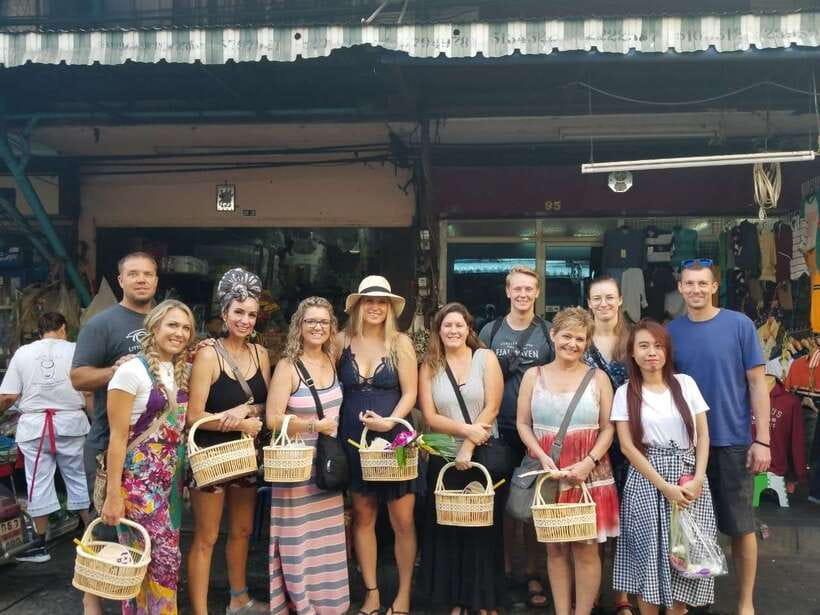
Your stomach will do the learning here. In this Bangkok half-day class at Tingly Thai Cooking School, I like the hands-on rhythm: you’ll shop for ingredients on a morning market tour (if you book that session), then make curry paste from scratch and turn it into real dishes taught by instructors like Song and Cho. It’s also great because you don’t just watch—you cook, taste, and leave with recipes to repeat at home.
The other thing I really like is how the class stays upbeat and practical, with clear coaching in English and high-energy teaching styles (Naam, Nam, Cho—names you may hear a lot). One possible drawback: there’s no hotel pickup, so you’ll need to get yourself to the meeting point near the Marriott—specifically opposite the Marriott Hotel Surawong.
In This Review
- Key things I’d zero in on
- Tingly Thai Cooking School in Bangkok: A 3-hour plan that actually makes sense
- Finding the ingredients first: the morning market tour setup
- The 4-course meal: what you’ll cook and why it teaches you the real Thai flavor
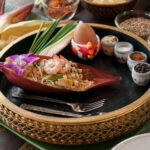
- Tom Yum Kung and Pad Thai Kung: two “flavor training” classics
- Curry paste from scratch: the shortcut to understanding Thai cooking
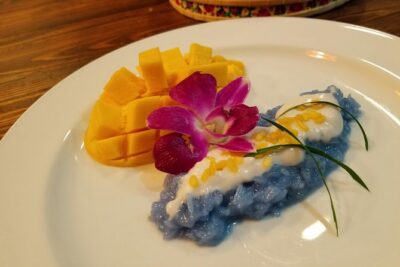
- The dessert that sticks in your brain: mango sticky rice
- The curry game: which chicken curry you’ll make by weekday
- How the class stays fun (and not frustrating): the instructor factor
- The classroom setup: equipment, organization, and learning by doing
- Getting your recipes to go: what you’ll actually remember later
- Price and value: is $41 for Bangkok cooking a good deal?
- Who should book this class, and who might not love it
- Final decision: should you book Tingly Thai Cooking School?
- FAQ
- How much does the Bangkok Tingly Thai Cooking Class cost?
- How long is the cooking class?
- What dishes will I learn to make?
- Which curry is made on different days?
- Is the market tour included?
- Are vegetarian options available?
- Where is the meeting point?
- Is hotel pickup included, and are alcoholic drinks included?
- FAQ
- Is the class taught in English?
- Can I cancel for a refund?
Key things I’d zero in on
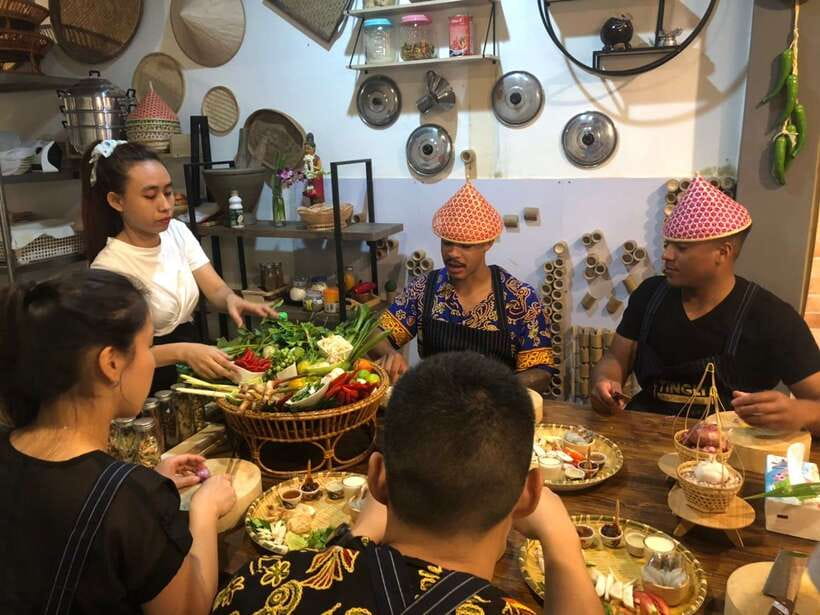
- Morning market shopping: pick fresh ingredients with your guide before the stove heats up
- Four dishes you cook yourself: not a demo, real prep, real plating, real tasting
- Curry paste from scratch: you’ll learn how Thai flavors actually build
- A Thai menu with day-by-day curry options: green, red, panang, or massaman depending on the day
- Take-home recipes: you can recreate your favorites later, not just enjoy them once
- Friendly class energy: instructors like Song and Cho are a big reason people rate this so highly
Tingly Thai Cooking School in Bangkok: A 3-hour plan that actually makes sense
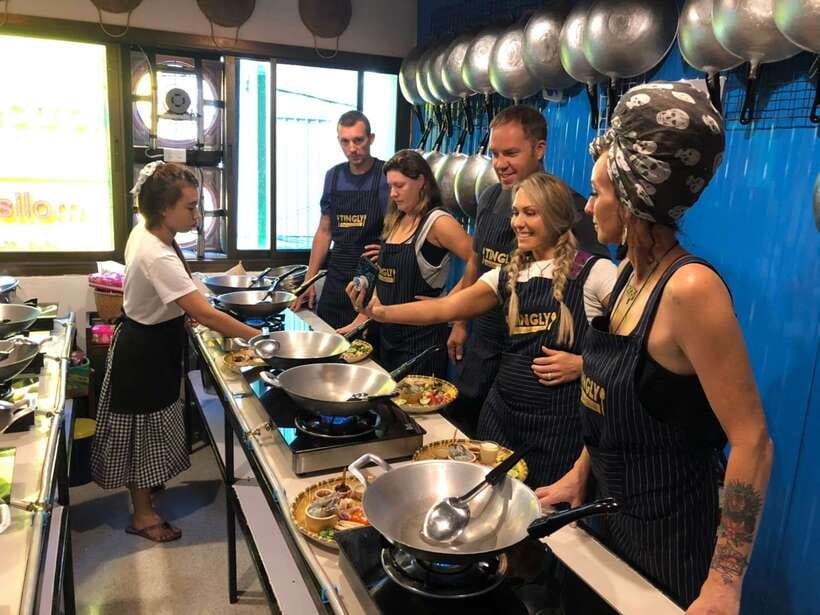
This is the kind of cooking class that works even if you’re not a confident cook. The structure is tight: meet, gear up, learn the prep, cook in stages, then sit down and eat what you made. At a $41 price point for a 3-hour class that includes four courses, equipment, and ingredients, it’s not just a fun afternoon. It’s also one of the better ways to learn Thai cooking without guessing what goes into the flavor.
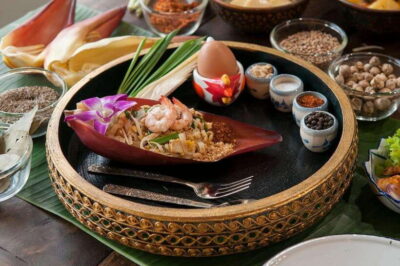
What I think you’ll like most is that it’s designed for outcomes. You’ll make dishes you can recognize—Tom Yum Kung (hot and sour prawn soup) and Pad Thai Kung (Thai-style fried noodles with prawns) are always included—then you’ll round out the meal with a curry choice that changes by day and a dessert you’ll want to recreate.
And yes, you should come hungry. Not “snack once and be fine” hungry. More like “your stomach will be grateful” hungry.
Aprons on for another Thai kitchen
- Bangkok: Hands-on Thai Cooking Class and Market Tour
★ 4.9 · 1,614 reviews - Bangkok: Tingly Thai Cooking School Half-Day Cooking Class
★ 4.9 · 1,191 reviews - Bangkok: Maliwan Thai Cooking Class with Market Tour
★ 4.9 · 1,133 reviews
Finding the ingredients first: the morning market tour setup
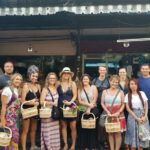
If you book the morning class, you’ll start with a market walk led by your guide. The point isn’t to have a photo tour. It’s to understand ingredients before you cook.
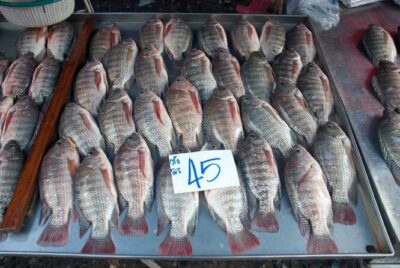
You’ll stroll through stalls, see what’s fresh, and help select items for your class. This matters because Thai cooking is built around balance: sour from lime, heat from chili, fragrant oils from aromatics, and sweetness from sugar or palm sugar. When you’re picking ingredients in the market, you start to connect the dots.
A practical note: the market portion is timed to fit the lesson flow. If you’re the type who likes to linger, plan your morning around this experience rather than stacking other activities.
The 4-course meal: what you’ll cook and why it teaches you the real Thai flavor
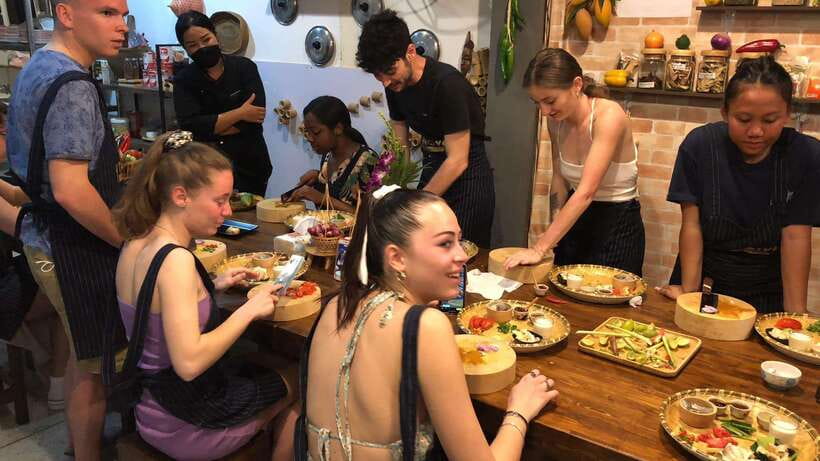
No matter which day you take the class, you’ll always cover two anchor dishes plus a dessert. Then you’ll cook one curry that changes by day.
Tom Yum Kung and Pad Thai Kung: two “flavor training” classics
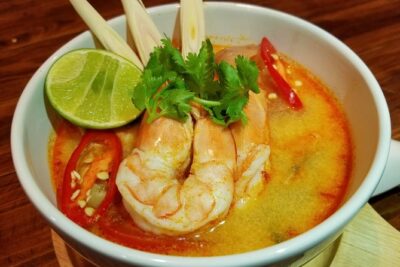
Tom Yum Kung is all about contrast. You’ll learn how Thai-style sour and hot notes work together so the soup feels punchy, not harsh. You’re not just learning a recipe—you’re learning how balance tastes when it’s cooked correctly.
Pad Thai Kung is the other kind of lesson: texture and timing. Noodles need the right heat and movement so they don’t turn into one sad clump. And the flavor comes from layering—sweet, sour, salty, and savory—so it tastes finished even though it’s not complicated in steps.
More time at the wok
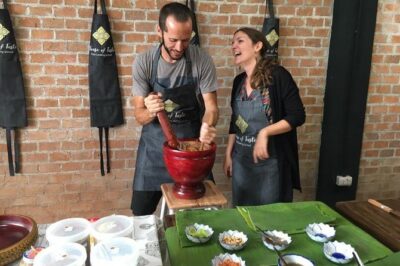
Curry paste from scratch: the shortcut to understanding Thai cooking
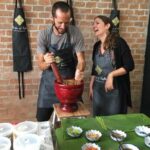
This class also teaches you how to make curry paste from scratch. That’s the big skill. If you can build curry paste well, you can adjust flavors for different curries and levels of heat. You’ll also get practical guidance on how to store Thai food, which is the part most people skip when they only eat out.
The dessert that sticks in your brain: mango sticky rice
You’ll finish with Khao Neeaw Mamuang—mango with sticky rice. Thai desserts are often simpler than Western ones, but that’s why technique matters. The class keeps dessert as a true payoff, not a token sweet bite.
The curry game: which chicken curry you’ll make by weekday
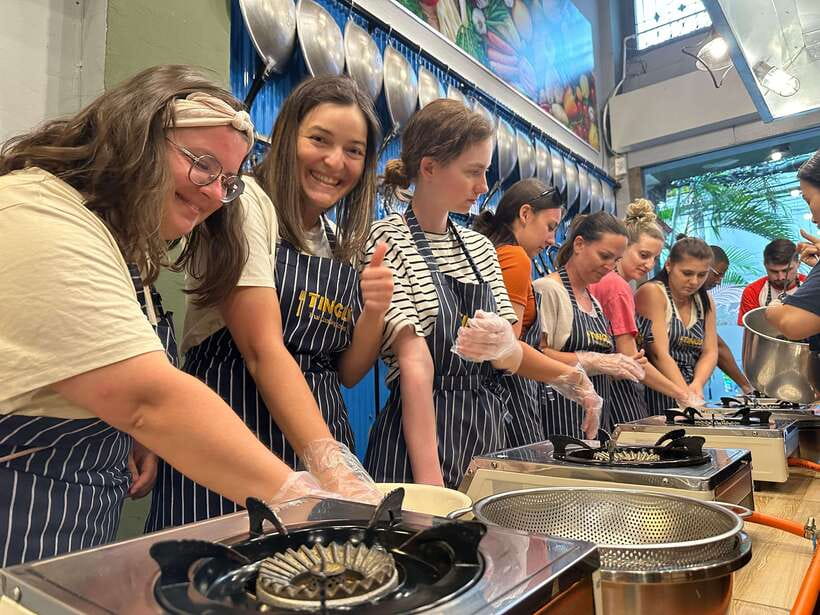
The curry course is where the menu changes, and it’s also where you might want to plan your booking around your preferences.
Here’s the day-by-day lineup:
- Mondays and Fridays: green curry with chicken
- Tuesdays and Saturdays: red curry with chicken
- Wednesdays and Sundays: Panaeng chicken curry
- Thursdays: Massaman curry with chicken
Why this matters for you: each curry has a different flavor personality. Green curry tends to taste sharper and more herbal. Red curry leans deeper and warmer. Panang often feels richer and more concentrated. Massaman brings a different side of Thai cooking that feels spiced and slightly sweet.
So if you have a strong favorite—green curry, for example—check the day you’ll be in Bangkok and choose the class date accordingly. The curriculum is consistent, but the curry headline changes.
How the class stays fun (and not frustrating): the instructor factor
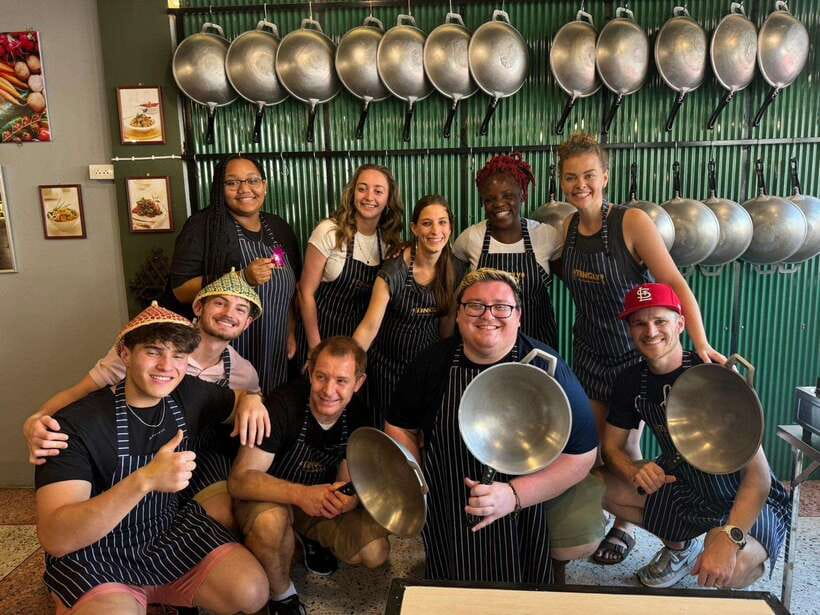
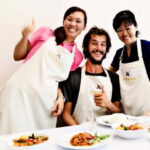
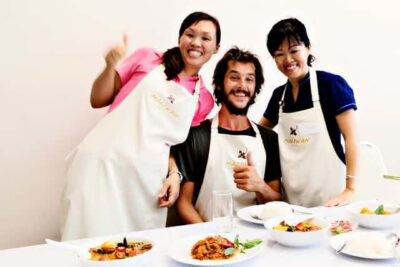
The standout pattern here is the teaching style. Instructors like Song and Cho (and also Naam/Nam, depending on your session) are often described as energetic, funny, and engaging. That energy matters because Thai cooking is hands-on. You’ll chop, pound, mix, and stir, and you need momentum—not long pauses where your brain checks out.
What I like from how these instructors teach:
- They explain recipes in a way that feels doable, even if you’ve never cooked Thai before.
- They keep you moving through the prep and cooking steps.
- They help you succeed in the final dishes, not just complete tasks.
If you have dietary needs, there are vegetarian options. And based on real course experiences shared with the school, instructors also show flexibility when someone has a food allergy. That doesn’t mean every ingredient can be swapped perfectly for every dish, but it does signal that they take ingredient concerns seriously.
The classroom setup: equipment, organization, and learning by doing
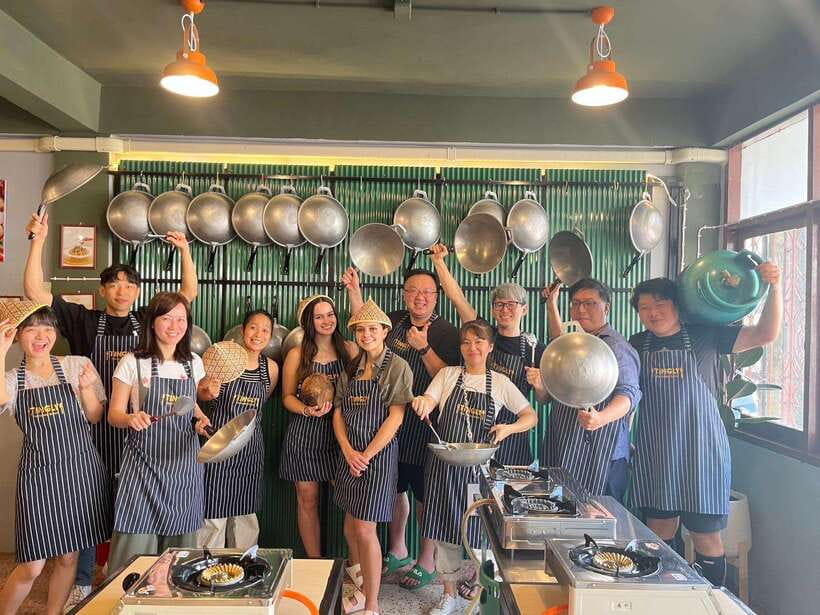
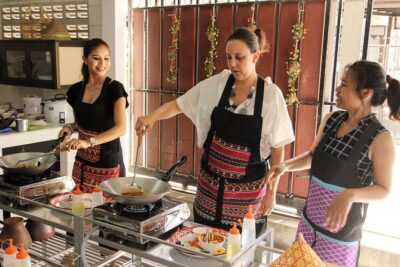
This is not a sit-and-watch cooking demo. You’ll have cooking equipment, all ingredients, and drinking water included. Everything is set up so you can follow along, keep your space organized, and focus on the next step instead of playing kitchen scavenger hunt.
A detail worth your attention: curry paste and Thai cooking steps can feel messy at first. That’s normal. The class structure helps because you’re not learning everything at once. You’re building the meal in stages, so each lesson has a purpose.
Also, plan on group interaction. A lot of people come solo or as couples, and the class flow naturally puts you in a shared working rhythm with others.
Getting your recipes to go: what you’ll actually remember later
You’ll receive recipes so you can remake what you cooked. That’s a big deal. Many cooking classes are “tastes great today” experiences. This one is meant to be “tastes great at home later.”
Here’s how to use the recipes well when you’re back in your kitchen:
- Make the dish in the same order the class follows. Thai cooking often depends on sequence.
- If the curry paste is involved, treat it as the main event. Don’t rush that part.
- Taste as you go and adjust for your own spice comfort. The school encourages a practical approach to flavor.
When you have the recipe book in hand, you’re not relying on memory after your Bangkok trip turns into a story you tell later. You’ll have a real guide for what to buy and how to cook.
Price and value: is $41 for Bangkok cooking a good deal?
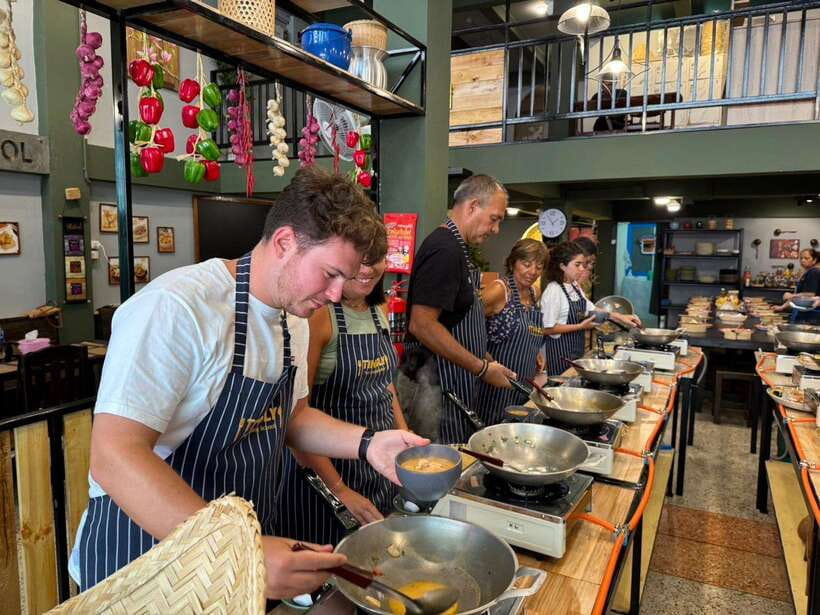
At $41 per person for a 3-hour class that includes:
- four-course meal
- cooking equipment
- all ingredients
- drinking water
- recipes
- market tour (for morning sessions only)
- vegetarian options
…this is strong value. You’re paying for both the teaching and the ingredients. In a city like Bangkok, it’s easy to spend a similar amount just eating at restaurants. Here, you’re getting a repeatable skill, plus the actual food you’ll eat sits at the center of the experience.
The market tour also increases value for morning bookers. You’re not only learning recipes; you’re learning the ingredient world that makes them taste right.
Who should book this class, and who might not love it
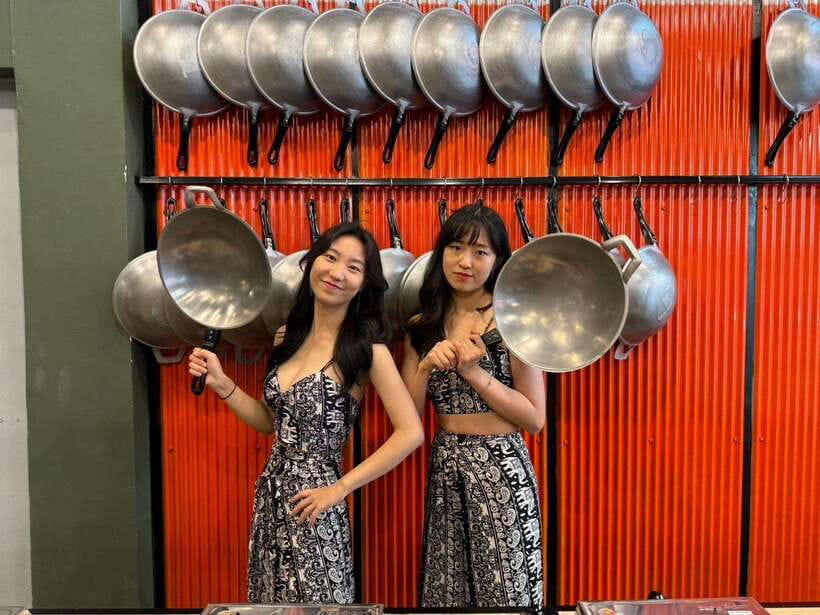
This class fits best if you want:
- a guided, hands-on way to learn Thai cooking
- a meal that you eat as part of the lesson
- an English-speaking instructor
- a short, focused activity (3 hours) in Bangkok that doesn’t require long travel planning
You might think twice if:
- you dislike group activities (though the class flow is friendly and structured)
- you need hotel pickup, because there isn’t any
- you’re traveling with very young children—this experience is not suitable for children under 3 years and babies under 1 year
Final decision: should you book Tingly Thai Cooking School?
If you want Thai food that goes beyond “I ate curry in Thailand,” this is an easy yes. You’ll make Tom Yum Kung and Pad Thai Kung, plus a day-specific chicken curry and mango sticky rice. The big win is that you’ll learn curry paste from scratch and take recipes home, so the class doesn’t end when you wipe your cutting board.
Book the morning session if you like the idea of picking ingredients with a guide first. Book any day if your goal is straightforward skill-building and a fun, energetic cooking class led by instructors such as Song or Cho.
FAQ
How much does the Bangkok Tingly Thai Cooking Class cost?
The price is $41 per person.
How long is the cooking class?
The class lasts 3 hours.
What dishes will I learn to make?
You will learn to make Tom Yum Kung, Pad Thai Kung, a dessert of mango with sticky rice (Khao Neeaw Mamuang), plus one curry that depends on the day of the class.
Which curry is made on different days?
Green curry with chicken is on Mondays and Fridays. Red curry with chicken is on Tuesdays and Saturdays. Panang chicken curry is on Wednesdays and Sundays. Massaman curry with chicken is on Thursdays.
Is the market tour included?
The market tour is included only for the morning class.
Are vegetarian options available?
Yes, vegetarian options are available.
Where is the meeting point?
Meet at the Tingly Thai Cooking School opposite the Marriott Hotel Surawong.
Is hotel pickup included, and are alcoholic drinks included?
Hotel pickup and drop-off are not included. Alcoholic drinks are not included, but they are available for purchase.
FAQ
Is the class taught in English?
Yes, the instructor teaches in English.
Can I cancel for a refund?
Yes. You can cancel up to 24 hours in advance for a full refund.
Learn Another Thai Dish

More Tour Reviews in Bangkok






Cook It Yourself: Thai Classes
Just In: Fresh Bangkok Reviews




Thai Cooking Classes, compared.
 ★ 4.9Hands-on Thai Cooking Class and Market TourFrom $451,614 reviews
 ★ 4.9Maliwan Thai Cooking Class with Market TourFrom $401,133 reviews
 ★ 5.0Hands on Thai Cooking Class and Market TourFrom $45660 reviews
 ★ 5.0Tingly Thai Cooking Class with Morning Market TourFrom $42589 reviews
 ★ 5.0Hands-on Thai Cooking Class & Market Tour in SukhumvitFrom $45571 reviews
 ★ 5.0Pink Chili – Thai Cooking Class and Market Tour in BangkokFrom $38416 reviews
 ★ 5.0Authentic Thai Cooking with the Largest market visit &TukTuk rideFrom $44350 reviews
 ★ 5.0Tingly Thai Cooking School Evening ClassFrom $40335 reviews
Browse the lists this tour appears in