
Review · THAI COOKING CLASSES
Hands on Thai Cooking Class and Market Tour
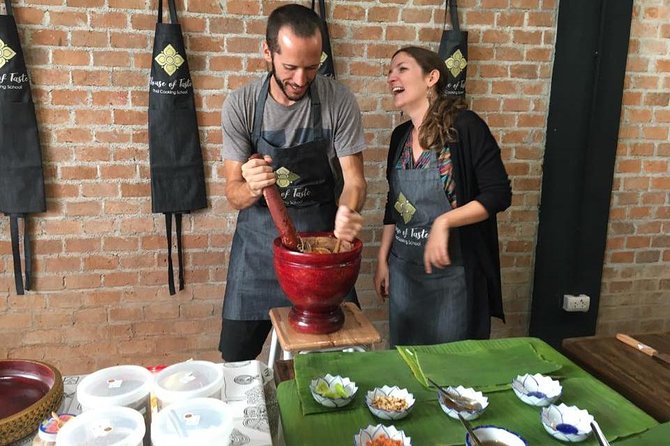
Curry paste from scratch sounds intimidating. It shouldn’t be, because in Bangkok you get hands-on cooking help in an air-conditioned classroom and real pro guidance that fits all abilities. I especially like that you leave with more than a full belly—you take home the steps, plus a clear feel for the flavors.
You also get a smart choice built into the experience: Asok market shopping on morning departures, or a mango carving workshop on afternoon and evening departures. One possible drawback to plan around: you have no hotel pickup or drop-off, so you’ll need to get to the meeting point at 147/4 Soi Sukhumvit 4 (and be ready for a little walking).
In This Review
- Key Things That Make This Bangkok Class Worth Your Time
- Bangkok Thai Cooking Class: What You Really Learn
- Asok Market in the Morning: Buying the Flavors Behind Thai Cooking
- Mango Carving Workshop in the Afternoon and Evening
- The Hands-On Cooking Station: From Curry Paste to Four Dishes
- What You Eat: Lunch or Dinner and the Mango Sticky Rice Finish
- Tuk-Tuk, Air-Conditioning, and Timing That Fits a Bangkok Day
- Price and Value: Why $45.66 Can Feel Like a Steal
- Who This Is Best For (and Who Might Skip)
- Should You Book This Bangkok Thai Cooking Class?
- FAQ
- Is the market tour included in every departure?
- What dishes do you cook in the class?
- Can I get a vegetarian or allergy-friendly version?
- How long is the experience?
- Where does it start and end?
- How big are the classes?
Key Things That Make This Bangkok Class Worth Your Time
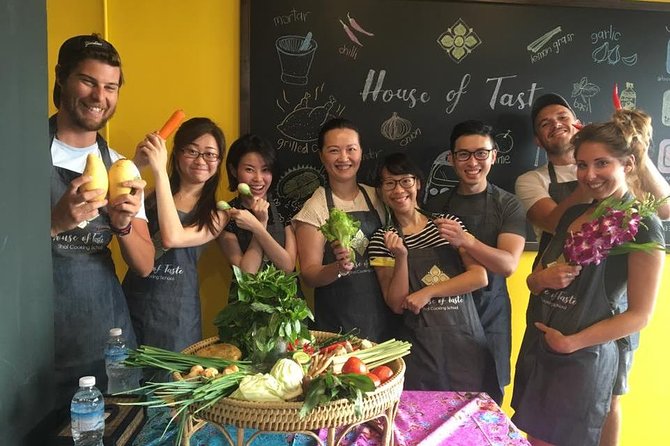
- Asok market shopping (morning only) so you can pick up real herbs, spices, and produce before you cook
- Curry paste from scratch with step-by-step help that makes the big flavors feel achievable
- Four favorites to cook and eat plus a classic sweet finish like mango sticky rice
- Mango carving workshop (afternoon/evening) for a hands-on cultural twist when the market isn’t offered
- Upbeat instructors you can learn from fast, including instructors like Jay, April, and May
- Maximum group size of 18, which keeps questions from getting lost
Bangkok Thai Cooking Class: What You Really Learn
This is not a sit-and-watch show. You’ll cook, taste, adjust, and learn why Thai food tastes the way it does—especially around curry paste and balance (sweet, salty, sour, heat). The school runs a fixed daily menu, so you’re not guessing what you’ll make when you arrive.
The big win is that the chef-led instruction is practical. You get introduced to Thai ingredients—vegetables, spices, and herbs—then you use them while cooking. That turns the class from a fun afternoon into a skill you can repeat at home.
You’ll also get a free standard recipe, which helps you recreate the dishes without turning your kitchen into a research project. In short: you’ll feel confident leaving, not just stuffed.
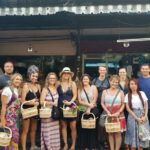
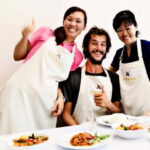
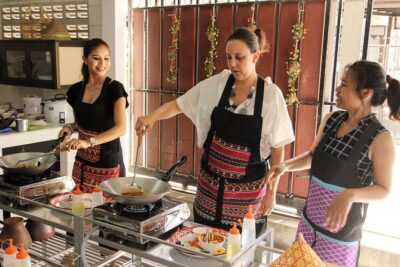
Aprons on for another Thai kitchen
- Bangkok: Hands-on Thai Cooking Class and Market Tour
★ 4.9 · 1,614 reviews - Bangkok: Tingly Thai Cooking School Half-Day Cooking Class
★ 4.9 · 1,191 reviews - Bangkok: Maliwan Thai Cooking Class with Market Tour
★ 4.9 · 1,133 reviews
Asok Market in the Morning: Buying the Flavors Behind Thai Cooking
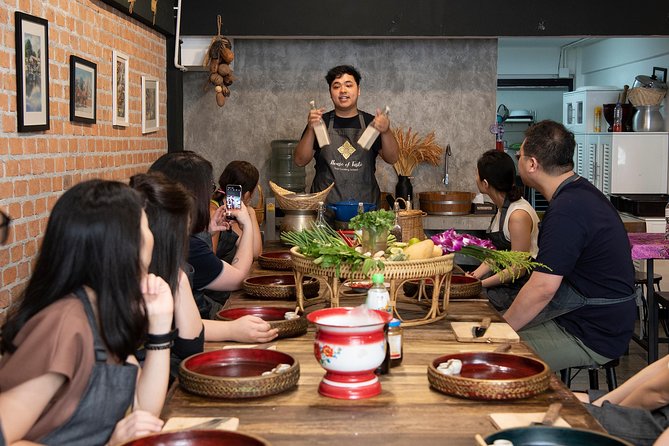
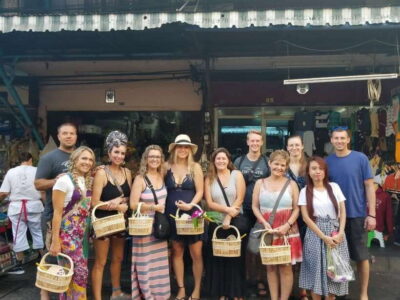
If you book the morning class, you start with a guided visit to Asok market. This is where you build a real connection to the food, because you shop for ingredients you’ll actually use. You’ll see how Thai cooking depends on fresh herbs, aromatic spices, and produce that’s hard to copy with whatever’s in your local supermarket.
What makes this market stop useful is the pace and guidance. You’re not wandering aimlessly. You’re learning what to look for and why certain ingredients matter for taste and texture.
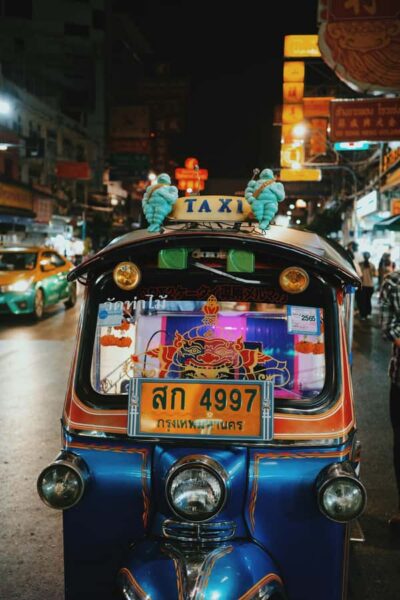
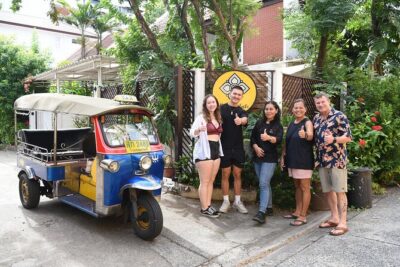
Then you transfer from the market to the cooking school by tuk-tuk. That short ride is part practical logistics, part Bangkok fun—quick, easy, and usually a good moment to reset before you cook.
Mango Carving Workshop in the Afternoon and Evening
Not every departure includes the market. Afternoon and evening classes swap in a mango carving workshop. If you’re the type who learns by doing, this is a nice bonus. It’s creative, visual, and it breaks up the cooking day so it doesn’t feel like nonstop chopping and stirring.
Even with the carving, the main focus stays Thai cuisine. You still get the hands-on cooking portion after the mango workshop, so you don’t lose what you came for. The schedule just changes the cultural appetizer in the middle.
One practical note: if you care specifically about the market experience, you’ll want the morning departure. If you miss it, there isn’t a market substitute later in the day.
The Hands-On Cooking Station: From Curry Paste to Four Dishes
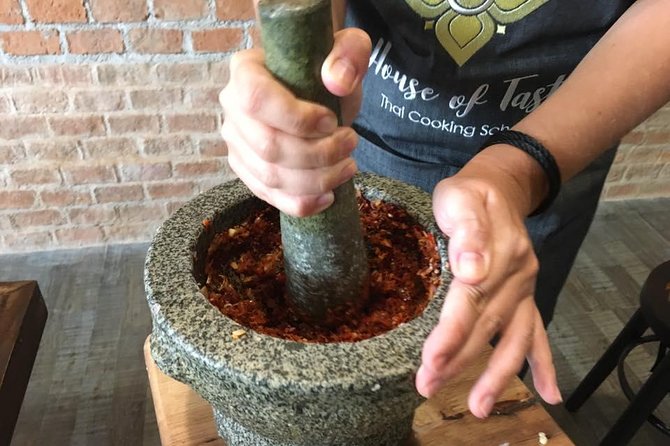
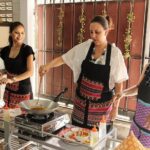
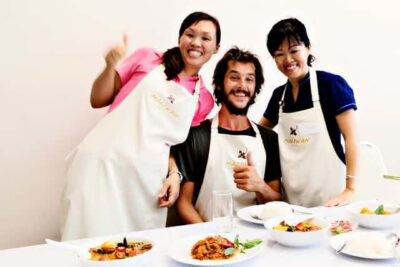
This is the heart of the day, and it’s where your money turns into real technique. The cooking class happens in an air-conditioned space, which is a big deal in Bangkok. You’ll get an intro to key Thai ingredients first, then you’ll cook with step-by-step help from the chef and staff.
A standout is making curry paste from scratch. That’s the part many people think is too hard, because it sounds like a lot of work. In practice, the guidance helps you see the logic—how aromatics, herbs, and spices combine into a paste that drives the whole dish.
After that, you’ll move into cooking classic Thai dishes. The school’s daily menu includes options such as:
- Spicy lemongrass salad or green papaya salad
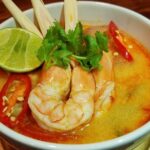
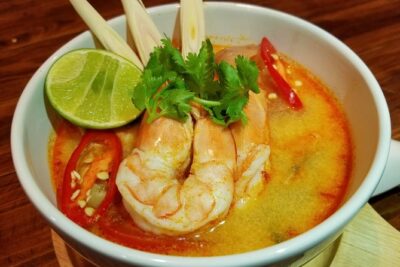
- Tom Yum Goong (spicy and sour soup with shrimp) or Tom Kha Gai (coconut soup with chicken)
- Pad Thai Goong (stir-fried rice noodles with shrimp)
- Curries such as red curry, green curry, Massaman curry, or Panang curry (served with rice)
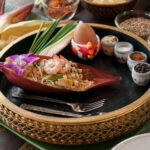
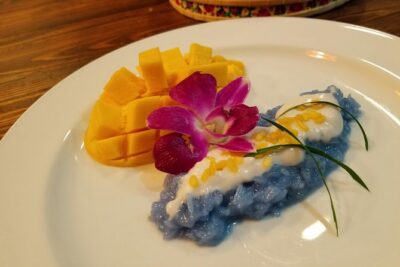
- Mango sticky rice
You’re cooking a set of favorites—typically described as four dishes—so don’t worry that you’ll be assigned to only one tiny plate. You’ll learn techniques that connect across dishes, not just repeat the same motion four times.
Vegetarian swaps are available if you tell the school in advance. Halal and kosher options and allergy substitutions are also supported, but you need to request them at booking. That’s important because curry paste, garnishes, and protein choices can shift depending on your needs.
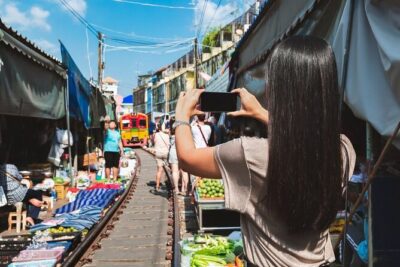
More markets and shophouse lanes





What You Eat: Lunch or Dinner and the Mango Sticky Rice Finish
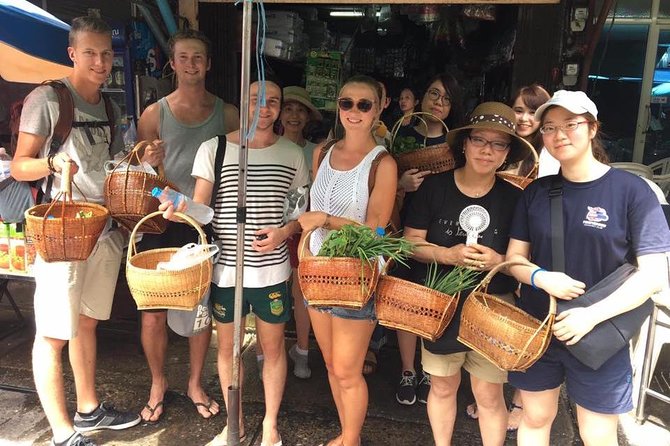
You’ll sit down to feast on a homemade meal after the cooking. Depending on whether you’re on an afternoon or evening departure, you’re looking at lunch or dinner.
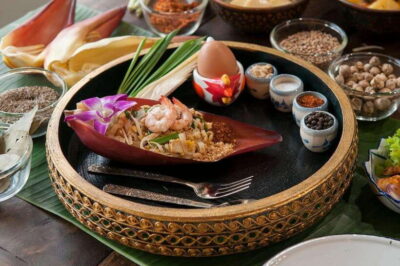
The menu is designed to show you range: sour and spicy starters, a noodle dish, one of several curry styles, and a dessert. Mango sticky rice is part of the daily menu, and it’s one of the easiest ways to tell the class did it the Thai way—sweet, creamy, and actually worth making again.
Here’s the kind of tip that matters: eat lightly beforehand. One guest advice that really rings true is not eating breakfast right before. In a good cooking class, you’ll produce enough food that hunger fades fast, but flavors don’t. Going in hungry helps you taste more clearly.
And yes, you’re eating what you cook. That matters because Thai cooking often depends on balancing. If you only smell the food but don’t taste it, you miss the lesson.
Tuk-Tuk, Air-Conditioning, and Timing That Fits a Bangkok Day
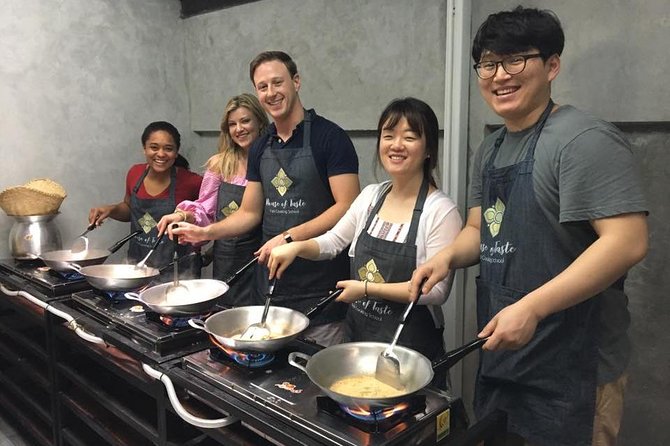
The class runs about 3 hours 30 minutes. That’s long enough to learn real technique, but not so long that you lose the rest of your Bangkok day.
In the morning, the market visit starts you off quickly. Then you head to the school in a tuk-tuk. In afternoon and evening, you skip the market and start with mango carving before the cooking begins. Either way, you end back at the meeting point near Soi Sukhumvit 4.
You should also know there’s a small amount of walking. Wear comfortable shoes. This isn’t a marathon, but you’ll move around enough that slippers and fashion sneakers can become a regret.
The classroom is air-conditioned, which helps your hands stay steady and your brain stay focused. Thai cooking is practical and physical work; comfort makes you better at it.
Price and Value: Why $45.66 Can Feel Like a Steal
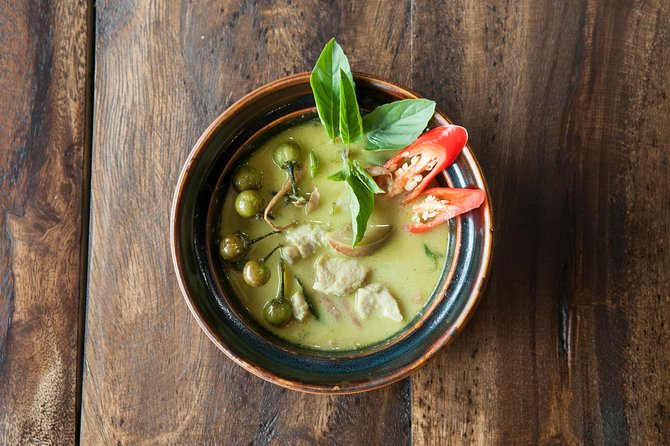
At $45.66 per person, you’re paying for more than a recipe card. You’re paying for:
- chef-led, hands-on instruction
- ingredient guidance (including building curry paste)
- meals made from what you cook
- bottled water and a personal locker
- a free standard recipe
If you’ve ever paid for a cooking class that hands you a small snack and a demo-only experience, this one feels different because the food volume and instruction match the price. You also get a cultural add-on depending on timing—market shopping or mango carving—which increases the value without making the schedule complicated.
Small-group size helps too. With a maximum of 18 travelers, you’re more likely to get answers and keep up with the steps. That’s part of why this class scores so well.
Who This Is Best For (and Who Might Skip)
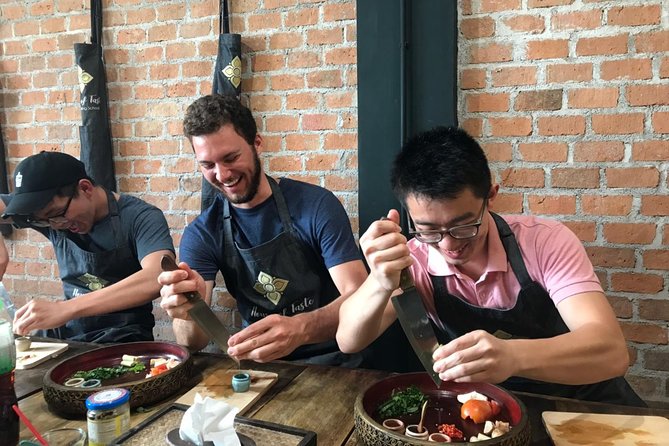
This fits best if you want Thai food to become repeatable. If you like hands-on workshops, if you’re curious about ingredient basics, or if you want to impress yourself at home later, you’ll get a lot out of it.
It’s also a solid choice for mixed cooking skill levels because the class is designed to be workable for beginners while still meaningful for people who cook already. You’ll still learn the “why” behind flavor, not just the “how.”
You might consider a different option if you specifically want a slower, sightseeing-heavy Bangkok food tour. This is primarily a cooking experience with a market or carving add-on. You’ll get culture through food, not through long wandering.
And if you hate DIY travel logistics, plan ahead for the meeting point. No hotel pickup or drop-off means you’ll need to handle getting there on your own.
Should You Book This Bangkok Thai Cooking Class?
Yes, I’d book it—especially if you want a real technique lesson, not just a fun activity. The curry paste from scratch is the centerpiece, and the “build then eat” format makes it easier to remember what to do at home. Add in the choice of Asok market or mango carving depending on your departure time, and you get flexibility.
If you’re in Bangkok for just a few days, this class is an efficient way to get Thai flavors, Thai ingredient thinking, and a meal that tastes like you earned it.
Go for the morning if market shopping matters to you. Go for afternoon or evening if mango carving sounds fun or you want a calmer start to the day.
FAQ
Is the market tour included in every departure?
No. The market tour is available only on the morning class. Afternoon and evening departures include a mango carving workshop instead.
What dishes do you cook in the class?
The daily fixed menu includes items like spicy salads (such as lemongrass salad or green papaya salad), Tom Yum Goong or Tom Kha Gai, Pad Thai Goong, one of several curries (red, green, Massaman, or Panang) with rice, and mango sticky rice for dessert.
Can I get a vegetarian or allergy-friendly version?
Yes. The school can provide substitute ingredients for vegetarian, halal, kosher, and allergy needs if you advise them at booking.
How long is the experience?
It runs about 3 hours 30 minutes.
Where does it start and end?
It starts at 147/4 Soi Sukhumvit 4, Khwaeng Khlong Toei, Khet Khlong Toei, Krung Thep Maha Nakhon 10110, Thailand, and ends back at the same meeting point.
How big are the classes?
The group has a maximum of 18 travelers.
More Tours in Bangkok




More Tour Reviews in Bangkok

Cook It Yourself: Thai Classes

Just In: Fresh Bangkok Reviews




Thai Cooking Classes, compared.
 ★ 4.9Hands-on Thai Cooking Class and Market TourFrom $451,614 reviews
 ★ 4.9Tingly Thai Cooking School Half-Day Cooking ClassFrom $411,191 reviews
 ★ 4.9Maliwan Thai Cooking Class with Market TourFrom $401,133 reviews
 ★ 5.0Tingly Thai Cooking Class with Morning Market TourFrom $42589 reviews
 ★ 5.0Hands-on Thai Cooking Class & Market Tour in SukhumvitFrom $45571 reviews
 ★ 5.0Pink Chili – Thai Cooking Class and Market Tour in BangkokFrom $38416 reviews
 ★ 5.0Authentic Thai Cooking with the Largest market visit &TukTuk rideFrom $44350 reviews
 ★ 5.0Tingly Thai Cooking School Evening ClassFrom $40335 reviews
Browse the lists this tour appears in