
Review · THAI COOKING CLASSES
Bangkok: Maliwan Thai Cooking Class with Market Tour
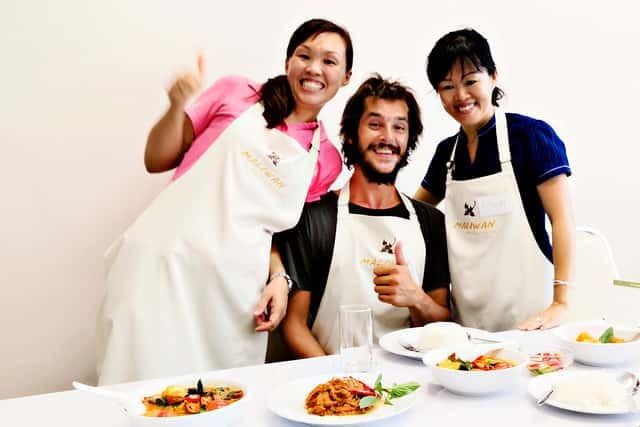
Four hours in Bangkok, taught like family.
I love the market tour led by Mae, where you choose ingredients and get real reasons to buy fresh herbs instead of dried. I also love the small-group teaching style, so you’re not standing on the sidelines—you’re chopping, tasting, and cooking with patient help. One possible drawback: you cook everything first and eat at the end, so you won’t get that instant, dish-right-now payoff every time.
This class is built for clarity and value: English instruction, a fully set-up kitchen, and take-home recipes so you can recreate what you learned later. You’ll be working for about 4 hours, and the menu is set by the instructor ahead of your date, so it’s best to show up with an open mind and any dietary notes ready.
In This Review
- Key highlights to know before you go
- Bangkok Market by Tuk-Tuk: What You Learn Before You Cook
- Getting Oriented at Maliwan Thai Cooking Class (and Finding the Place Fast)
- The Kitchen Setup: Small Groups, Lots of Hands-On Work
- The 4-Dish Flow: How the Class Actually Runs in 4 Hours
- What You Cook (and Why It’s More Than Just Recipes)
- Food Portions, Eating Time, and What You Take Home
- Price and Value: Is $40 a Good Deal in Bangkok?
- Who Should Book This (and Who Might Want a Different Option)
- Practical Tips for a Smooth Market-to-Kitchen Day
- Should You Book Maliwan Thai Cooking Class?
- FAQ
- How long is the Maliwan Thai Cooking Class with Market Tour?
- Is the market tour included?
- How many dishes will I cook?
- Is the class taught in English?
- Can you accommodate dietary restrictions?
- What do I receive at the end of the class?
Key highlights to know before you go
- Tuk-tuk market tour: Pick ingredients like Thai cooks do, not like a checklist tourist.
- Mae’s ingredient pointers: Learn what to look for and why fresh makes a difference.
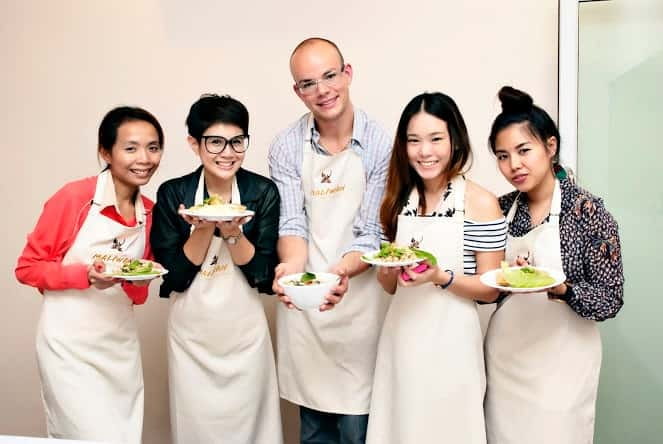
- Hands-on cooking with a small cap: Kept around 6 people for real personal help.
- 4 dishes in one session: You’ll cook and taste multiple Thai flavors, not just sample bites.
- Printed recipe handout + e-certificate: Take skills home, not only photos.
- Helpful adjustments for food needs: Vegetarian/pescatarian options and intolerances can be accommodated when you tell them in advance.
Bangkok Market by Tuk-Tuk: What You Learn Before You Cook
The best part of this Maliwan Thai Cooking Class starts before the stove. You don’t just get a quick look at a market and move on—you go to shop and select ingredients, with guidance that helps you understand what matters in Thai cooking.
In many sessions, Mae leads the group around the local market and explains what you’re seeing as you choose items for the dishes you’ll cook later. That context is the difference between eating great Thai food and actually being able to cook it again. You’ll hear the practical stuff: what fresh herbs should smell like, how certain ingredients behave in curry pastes and noodle sauces, and what makes a dish taste balanced instead of flat.
Also, getting there by tuk-tuk keeps it fun and quick. Bangkok can be chaotic on foot, and this route turns the market outing into a small adventure rather than a logistics puzzle. If you enjoy seeing how everyday locals shop, this is the part that scratches that itch fast.
One more thing: the market stop also shapes your cooking confidence. When you choose the produce yourself, you pay attention while you’re chopping later. Your brain connects the recipe to real ingredients, so you stop guessing when you hit the stove.
Aprons on for another Thai kitchen
- Bangkok: Hands-on Thai Cooking Class and Market Tour
★ 4.9 · 1,614 reviews - Bangkok: Tingly Thai Cooking School Half-Day Cooking Class
★ 4.9 · 1,191 reviews - Bangkok: Maliwan Thai Cooking Class with Market Tour
★ 4.9 · 1,133 reviews
Getting Oriented at Maliwan Thai Cooking Class (and Finding the Place Fast)
The meeting point is Maliwan Thai Cooking Class, 9 Sipsamhang Road, Taladyod, Phranakorn, Bangkok 10200. The area is close to Khaosan Road, but it’s the kind of neighborhood where the last few steps matter.
If you’re arriving by taxi, the helpful direction is to ask the driver to bring you to Kraisi Road in the Banglumphu Market area, near Khaosan. From there, you’ll head to a small alley next to the Chinese Shrine or Domino’s Pizza on Kraisi Road. Walk into that alley, turn right, and look for a four-story building painted dark grayish brown at the end. Ring the bell for entrance.
That level of detail sounds “too much,” until you’ve actually tried to find a cooking school in the back lanes of Bangkok. So save yourself stress: show up a few minutes early, and use these directions exactly.
Once inside, you’ll settle into a class that runs smoothly. Everything is set up so you can focus on cooking and tasting, not on waiting for equipment or chasing down missing ingredients.
The Kitchen Setup: Small Groups, Lots of Hands-On Work
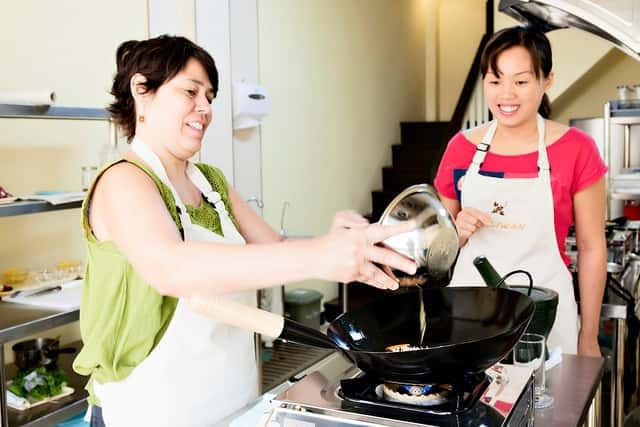
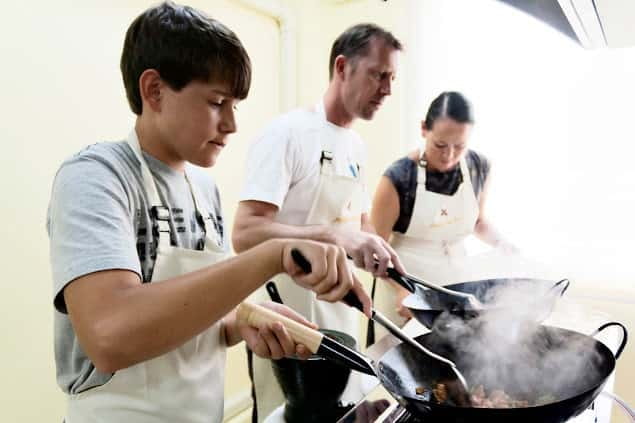
This is not one of those classes where you stand there while someone else cooks. It’s hands-on throughout, and that’s where the value shows.
Your group stays small—limited to about 6 participants—which matters more than it sounds. When a teacher can circulate easily, you get corrections fast. That means less wasted chopping time, fewer moments where you’re unsure if you’re doing it right, and more time tasting and adjusting.
The kitchen is fully equipped, and the teaching is in English. The class also has support staff on hand—more than just the chef/instructor. In practice, that shows up as extra help with prep and cleanup so the session stays on track. It also means you’re not waiting for the ingredients to be set out. Many people note that ingredients are already well-prepared and/or measured, so beginners can keep up without feeling lost.
One practical detail I like: the session is designed as one uninterrupted flow from demonstration to cooking to eating. You’re not repeatedly switching back and forth between waiting and working.
Is it hands-on for everyone? If you have mobility issues or back problems, you’ll want to think twice. The tour information flags that it’s not suitable for people with back problems and not suitable for mobility impairments. If that’s you, it’s worth checking alternatives in Bangkok that match your needs.
The 4-Dish Flow: How the Class Actually Runs in 4 Hours
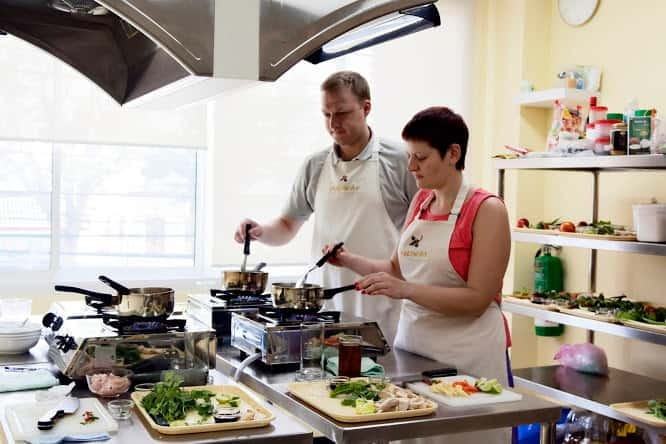
The schedule has a clear rhythm, and once you understand it, you can relax and just cook.
First, you go to the market by tuk-tuk to select fresh ingredients for the day’s recipes. Then you head back to the cooking school for a welcome drink and a chef demonstration. The instructor prepares dishes while you watch, which helps you learn the technique and the timing.
After that, it’s your turn at the stoves. You’ll cook 4 different dishes in the class. The menu is decided by the instructor prior to your visit date, so you won’t know the exact lineup until you show up (and you shouldn’t plan your shopping around it). Still, it’s usually centered on popular Thai comfort foods—people often mention classics like chicken green curry, prawn pad Thai, chicken coconut soup, and mango sticky rice. Think Thai flavors you’ll recognize, taught in a way you can reproduce.
Here’s how the “4 hours” typically plays out in real life:
- The demonstration gives you a mental map of what “good” looks like.
- Then you move into active cooking with assistance and tips.
- At the end, you eat what you made in an informal dining setup.
One drawback to plan for: you don’t necessarily taste each dish immediately after you finish it. Instead, you’re guided through the full cooking sequence and then you sample everything at the end. If you’re the type who wants the instant reward every step of the way, that can feel like a wait.
The upside is that you get a full set of finished dishes and a better sense of how different Thai flavors—salty, sweet, sour, spicy—work together across the meal.
More markets and shophouse lanes





What You Cook (and Why It’s More Than Just Recipes)
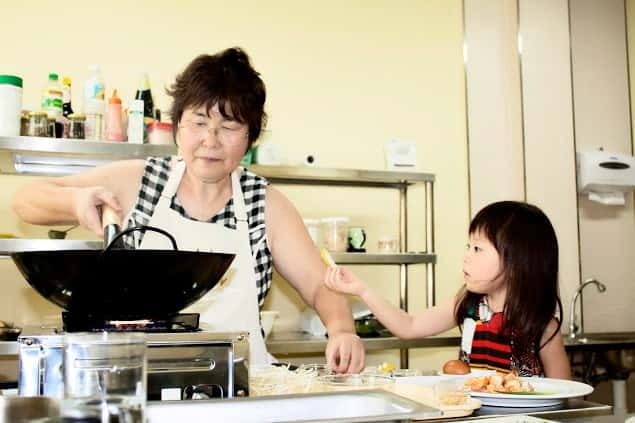
The class focuses on traditional Thai cooking techniques, but the biggest gift is learning how Thai flavors are built.
Thai cooking often feels complicated when you read recipes online, because the “logic” is missing. In this class, the explanations are built around ingredient behavior—what happens when you stir-fry, how curry paste flavors develop, why tamarind or lime balances something salty, and how sweetness shows up in Thai desserts like sticky rice with mango.
If you want a concrete example of skill-building, one common note from participants is learning to make curry paste from scratch. Even if you’re not making paste in every dish, you’ll still learn what ingredients go together and how to work them into the right texture.
Another thing I appreciate: the class doesn’t treat Thai food like one rigid set of flavors. You’re encouraged to make it your own. You can submit dietary restrictions during booking, and last-minute changes may be limited, but the class has experience adjusting menus. People report vegetarian and pescatarian adaptations, and also adjustments for food intolerances.
So while you’ll cook a set menu, it’s not always the same plate for everyone. That’s a real value if you have specific needs, because you’re not stuck eating plain rice while others enjoy the full lineup.
Food Portions, Eating Time, and What You Take Home
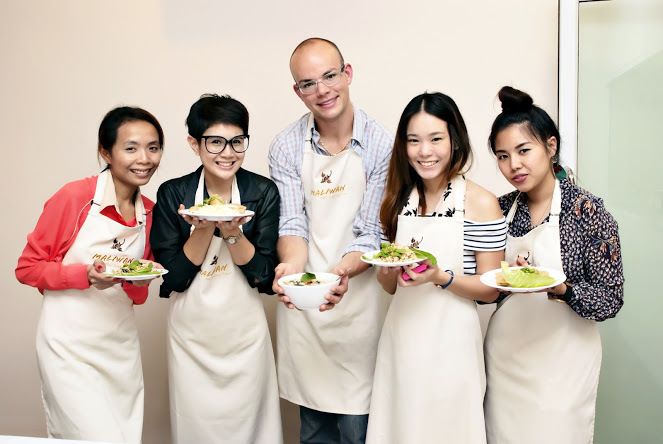
You should leave this class fed. The included items list rice serving, drinking water, and a welcome drink, plus all cooking ingredients. On top of that, the experience is designed so you can sample what you made at the end without skimping.
Many people also mention that portions are generous, and if you can’t finish, you may be able to take food home. The takeaway matters here: it turns the class into an actual meal plan option, not just a tasting event.
Then there’s the material you get afterward:
- a cooked recipes handout you can take home
- an e-certificate of completion
That handout is your “do it again” tool. And since the class is hands-on, you’re not just copying a list of ingredients—you’re repeating techniques you practiced in a real kitchen setting.
One small consideration: some people have wished the recipes came with a QR code, but you do get a printed copy. If you love tapping a phone for cooking steps, that’s something to note. Otherwise, printed recipes are easy to keep at your cooking station.
Price and Value: Is $40 a Good Deal in Bangkok?
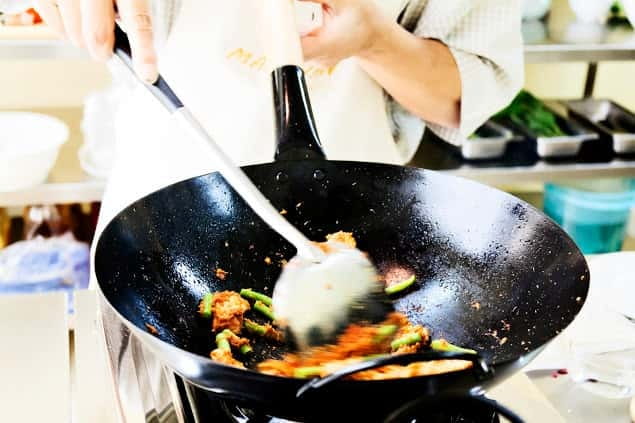
At $40 per person for a roughly 4-hour experience, this sits in the “serious value” category for Bangkok, especially if your goal is to learn real skills instead of buying a one-time meal.
Here’s why the value works:
- You’re not paying mainly for ingredients you could buy cheaply; you’re paying for instruction, timing, and correction.
- You’re cooking 4 dishes, not watching one dish get assembled.
- You get a market tour by tuk-tuk plus explanation on ingredient choices.
- Small-group size means you actually use the lesson time.
A common frustration with cooking classes elsewhere is the rushed feel: the instructor talks, you do a few steps, and then you leave with a vague idea of how to recreate anything. This class is set up so you do the work. People also mention the staff team helps with prep and cleanup, which keeps the class from turning into chaos.
So if you like Thai food already, this isn’t just “nice.” It’s one of the fastest ways to turn cravings into competence.
Who Should Book This (and Who Might Want a Different Option)

This experience is a great fit if:
- you want hands-on practice, not a demo-only class
- you enjoy Thai markets and want ingredient context
- you’re traveling with friends or even solo and want a small-group vibe
- you want recipes to take home and cook again
It’s also useful for beginners. The way the class is structured—demonstration first, then assisted cooking—helps you keep up even if you’ve never made curry paste or properly mixed pad Thai sauce.
But consider a different option if:
- you have back problems or mobility impairments, since the class information flags it as not suitable
- you’re bringing children without parental accompaniment (unaccompanied minors aren’t allowed, and children need parental accompaniment and won’t have their own workstation)
Also, keep dietary needs clear ahead of time. The class asks you to inform them about vegetarian, vegan, gluten-free, allergies, and other restrictions during booking. Last-minute changes may be limited. That’s normal for any cooking class, but it’s worth respecting so the kitchen can plan accurately.
Practical Tips for a Smooth Market-to-Kitchen Day
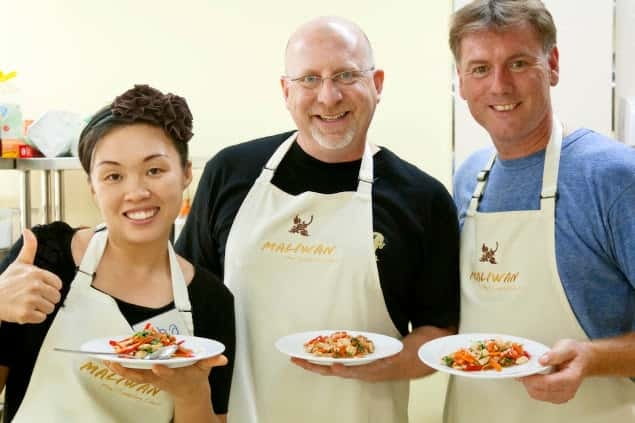
A few small choices make the day easier.
- Dress comfortably for walking and standing. Even though the class is structured, you’ll still move around during the market phase and then cook for several hours.
- Come with an open mind about the menu. The instructor decides what you’ll cook ahead of time, so don’t assume it will always match your personal must-eats.
- If you have food intolerances, tell them early. The class can adjust when you provide details in advance.
- Bring your appetite. You’ll cook, taste, and eat the results together at the end.
If you’re nervous about cooking, don’t be. The class is designed for beginners in a way that’s hard to fake: measured ingredients, step-by-step teaching, and assistants in the kitchen.
And if you’re coming to Bangkok specifically for food experiences, this is a smart pick because it combines two things that don’t always meet in one tour: learning the ingredients and learning the technique.
Should You Book Maliwan Thai Cooking Class?
Book it if you want a small-group Bangkok Thai cooking class that teaches more than you can get from eating one great meal. The market tour by tuk-tuk, the guided cooking of 4 dishes, and the English instruction create a clear path from shopping to stove to table.
Skip or consider alternatives if you need strong accessibility support, or if you’re the kind of person who hates waiting and wants to eat each dish the moment it’s cooked. For most people, though, the end-of-class meal is part of the fun—and the take-home recipe handout makes it feel worthwhile long after you return to your hotel.
If you’re even slightly interested in cooking Thai food at home, this is one of the easier “yes” decisions you can make in Bangkok.
FAQ
How long is the Maliwan Thai Cooking Class with Market Tour?
The class lasts about 4 hours.
Is the market tour included?
Yes. You’ll visit a local market by tuk-tuk to select fresh ingredients before cooking.
How many dishes will I cook?
You’ll prepare 4 different recipes during the session.
Is the class taught in English?
Yes, the instructor teaches in English.
Can you accommodate dietary restrictions?
You should inform the operator of dietary restrictions like vegetarian, vegan, gluten-free, and allergies during booking. Last-minute changes may be limited, but the class can adapt menus when dietary needs are provided in advance.
What do I receive at the end of the class?
You receive cooked recipes handout to take home, plus an e-certificate of completion. Water and a welcome drink are also included, along with ingredients and rice serving.
More Tours in Bangkok




More Tour Reviews in Bangkok

Cook It Yourself: Thai Classes

Just In: Fresh Bangkok Reviews






Thai Cooking Classes, compared.
 ★ 4.9Hands-on Thai Cooking Class and Market TourFrom $451,614 reviews
 ★ 4.9Tingly Thai Cooking School Half-Day Cooking ClassFrom $411,191 reviews
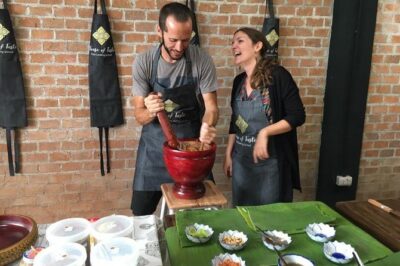 ★ 5.0Hands on Thai Cooking Class and Market TourFrom $45660 reviews
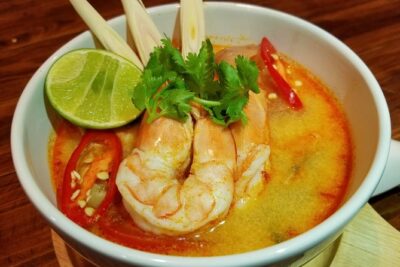 ★ 5.0Tingly Thai Cooking Class with Morning Market TourFrom $42589 reviews
 ★ 5.0Hands-on Thai Cooking Class & Market Tour in SukhumvitFrom $45571 reviews
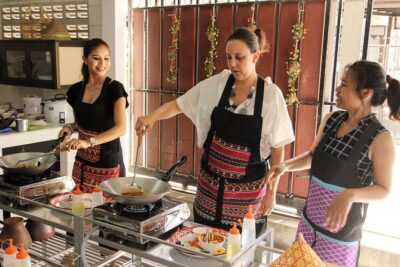 ★ 5.0Pink Chili – Thai Cooking Class and Market Tour in BangkokFrom $38416 reviews
 ★ 5.0Authentic Thai Cooking with the Largest market visit &TukTuk rideFrom $44350 reviews
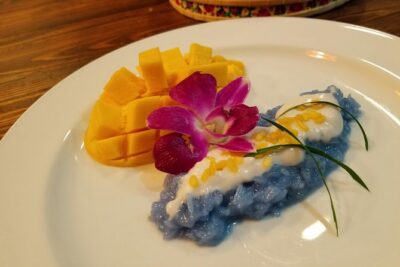 ★ 5.0Tingly Thai Cooking School Evening ClassFrom $40335 reviews
Browse the lists this tour appears in