
Review · THAI COOKING CLASSES
Baipai Thai Cooking School Class in Bangkok
Thai food becomes real fast.
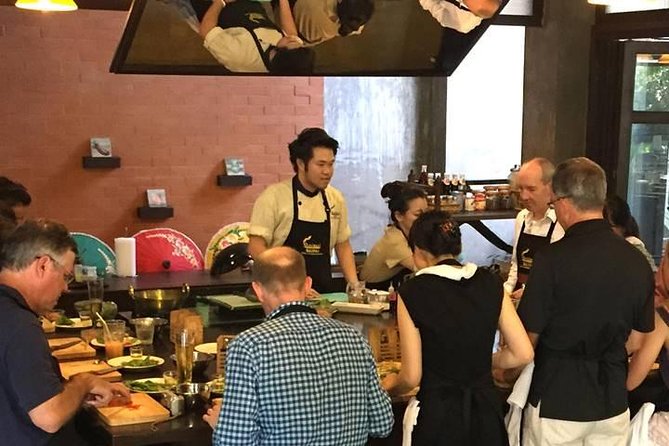
At Baipai Thai Cooking School in Bangkok, you’ll cook four dishes hands-on in a calm, garden-like setting, then sit down and eat what you made for lunch. I like that it’s built for non-experts, so you’re not stuck watching someone else cook.
My second big plus is the way English instruction is handled. You get step-by-step guidance and practical technique tips, and the staff includes friendly coordinators and chefs such as Pae, Toon, Som, Charles, Jun, Fya, and Chef Eye.
One thing to plan for: parts of the cooking area can be open-air, so heat can be a factor. If you’re sensitive to warm weather, take breaks, drink water often, and consider booking a cooler part of the day if the schedule gives you that choice.
In This Review
- Key highlights you’ll feel the moment you arrive
- Getting to Baipai Thai Cooking School: pickup that cuts the stress
- What the ride feels like
- From Bangkok to a cooking courtyard: why the setting changes your mood
- Open-air cooking: a practical note
- The four-hour flow: what you’ll do from start to finish
- 1) Welcome, ingredients, and a quick taste mindset
- 2) Prep work at your station (not random chaos)
- 3) Cooking four dishes, then tasting what you made
- 4) Lunch is built around your cooking
- What you’ll cook in Bangkok: the flavor lessons behind the recipes
- Papaya salad: learning balance, not only spice
- Red curry: building depth from the paste and simmering
- Pandanus-wrapped chicken: a technique-heavy moment
- Mango sticky rice: sweetness with Thai-style texture
- Meet the teachers: English guidance that actually helps
- Hands-on stations reduce fear for first-timers
- Lunch you didn’t order: eating as part of learning
- Value check: is $88.99 worth it for four hours?
- Who this class suits best (and who should pause for one more question)
- Should you book Baipai Thai Cooking School in Bangkok?
- FAQ
- How long is the Baipai Thai Cooking School class in Bangkok?
- Do I need prior cooking experience?
- What’s included with the class price?
- Is hotel pickup and drop-off included?
- What dishes will I cook?
- Is this class refundable or changeable after booking?
- What’s the minimum age to join?
Key highlights you’ll feel the moment you arrive
- Hotel pickup and drop-off by air-conditioned vehicle, so you’re not fighting Bangkok routes
- Hands-on stations where you prepare and cook your own four Thai dishes
- English-led teaching with patient help from instructors like Pae and Toon
- A real lunch from your own work, served after you finish cooking
- Recipe take-home including free recipe cards and a cookbook
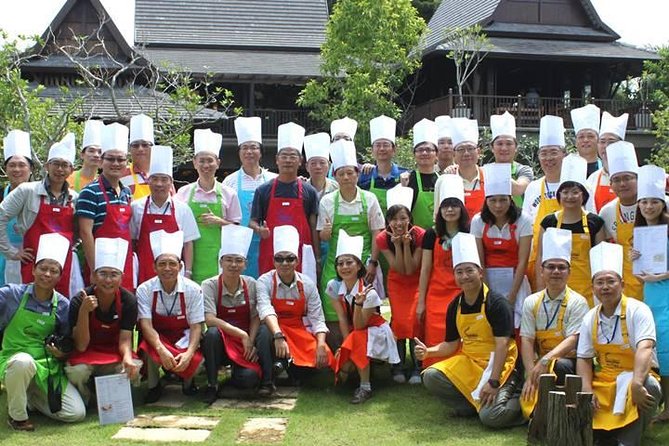
- Small-group feel with a maximum of 30 travelers
Getting to Baipai Thai Cooking School: pickup that cuts the stress
The best travel days are the ones where transportation doesn’t become a side quest. This class includes air-conditioned vehicle service and hotel pickup and drop-off, which matters in Bangkok. Even if you’re staying nearby, traffic can still eat your time, and the last thing you want is rushing to a kitchen lesson.
Your pickup is arranged around your hotel details. The operator explicitly asks you to provide your hotel information at booking time—skipping that can lead to cancellation. Before you lock anything in, double-check that the hotel name you entered matches what you’ll actually use at check-in.
If you’re flying into Bangkok, you’ll also see pickup coverage from areas linked to Suvarnabhumi and Don Mueang. That’s helpful if you’d rather not spend your limited time searching for a local transport plan right away.
Aprons on for another Thai kitchen
- Bangkok: Hands-on Thai Cooking Class and Market Tour
★ 4.9 · 1,614 reviews - Bangkok: Tingly Thai Cooking School Half-Day Cooking Class
★ 4.9 · 1,191 reviews - Bangkok: Maliwan Thai Cooking Class with Market Tour
★ 4.9 · 1,133 reviews
What the ride feels like
You’re typically in a shared van. Some classes add more participants along the way, so expect a short pause or two before you roll out. Once you leave busy streets behind, the drive becomes part of the fun—one key detail from past sessions is the moment the vehicle turns into the property gates and you feel like you’ve moved out of the city’s noise.
From Bangkok to a cooking courtyard: why the setting changes your mood
Baipai isn’t just a classroom. It has the feel of a property where people can slow down for food. When you enter, you’re greeted by a quiet, landscaped space—some sessions describe a pond with live fish and a small water feature, plus plenty of greenery.
That atmosphere matters more than you might think. Cooking classes can go one of two ways: either you feel rushed and sweaty, or you feel settled enough to learn. Here, the garden setting helps you settle. It also creates a nice visual contrast to Bangkok’s concrete-and-traffic reality.
Open-air cooking: a practical note
Some parts of the cooking process happen in an open-air area. That can be fantastic in the morning, but it also means you’ll want to plan for warmth. Bring a water mindset: drink often, and don’t fight the heat by skipping breaks.
The good news is that cold water is available. You’ll also get practical items like aprons and towels, which makes the whole experience feel organized from minute one.
More time at the wok
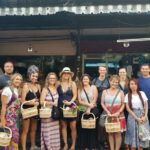
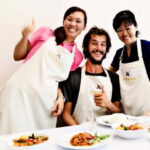
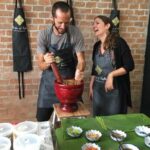
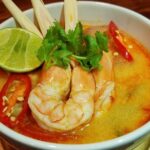
The four-hour flow: what you’ll do from start to finish
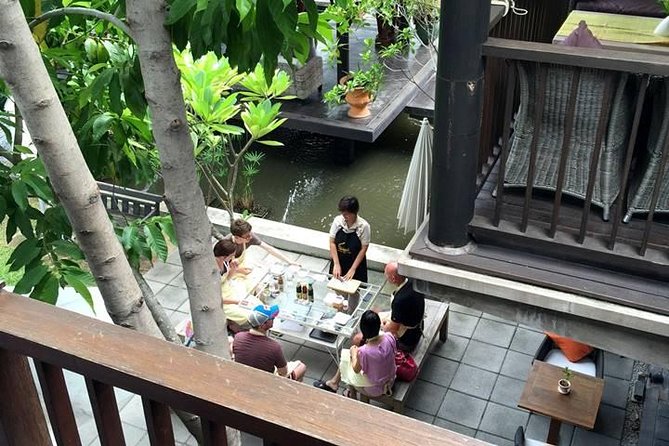
This is a half-day experience, about 4 hours. The exact timing can vary by session, but the structure stays consistent: introduction, prep, cooking, then eating.
Here’s how it usually goes, in plain terms:
1) Welcome, ingredients, and a quick taste mindset
You begin with a multi-sensory introduction to Thai flavors—ingredients, herbs, and how they work together. In some sessions, you may also get a market-style introduction or ingredient tastings, and you’ll learn from what’s grown on-site (like herbs cultivated in the school garden). Even if your class doesn’t include a market component, you’ll still get an ingredient foundation so the dishes make sense.
If you’re hoping to learn what to do with Thai basil, lemongrass, galangal, chili, or lime beyond the recipe steps, this part is where it starts.
2) Prep work at your station (not random chaos)
Then you move into the kitchen and work in a structured setup with individual stations. You typically have a prep area and a cooking area, and everything is laid out so you’re not constantly asking where something is.
A consistent theme in the experience: the class is hands-on without being stressful. One repeat piece of feedback is that the dishes feel approachable—good organization, clear instruction, and staff members ready to help if your first attempt at a technique doesn’t go perfectly.
3) Cooking four dishes, then tasting what you made
You’ll prepare and cook four Thai dishes. The menu can shift by session, but common lineup examples from past classes include:
- Papaya salad (a bright mix of sweet, sour, and chili heat)
- Chicken in pandanus leaves (learned as a wrapping technique, not just a final dish)
- Red curry (often paired with pork, chicken, or tofu, plus bamboo and the usual curry-building steps)
- Mango sticky rice or a similar Thai sweet
That’s a great mix because it covers different Thai flavor categories: spicy-sour-salty balance, herbal aroma, creamy curry depth, and sweet finish.
4) Lunch is built around your cooking
Once the dishes are ready, you sit down and eat the meal you made. This is one of those underrated perks: you learn better when you can taste the result while it’s still fresh in your mind.
What you’ll cook in Bangkok: the flavor lessons behind the recipes
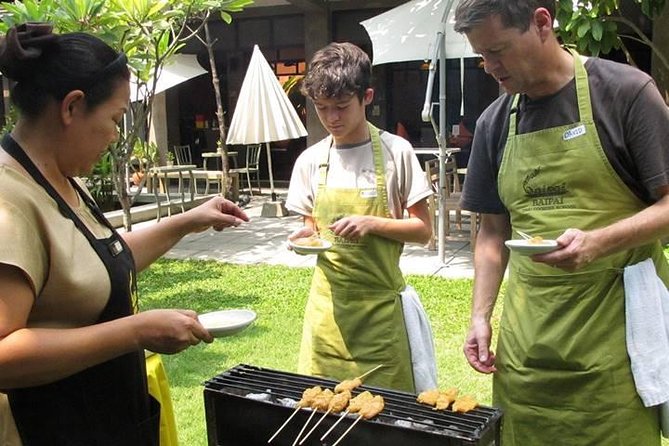
A Thai cooking class isn’t just about replicating steps. The real value is understanding why the dishes taste the way they do. Baipai’s format supports that because you’re cooking the components yourself, not just assembling a prepped meal.
Papaya salad: learning balance, not only spice
Papaya salad is where many cooking classes teach you to chase brightness—lime, palm sugar, fish sauce (or Thai-style alternatives), chili, and the crunch factor. You don’t just follow a recipe; you learn how the taste should shift as you mix.
If you’re the type who likes to customize flavors at home, this dish becomes your template.
Red curry: building depth from the paste and simmering
Red curry is often the centerpiece dish. You’ll learn how red curry paste works and how it transforms when combined with coconut milk and cooked until fragrant. Past sessions include curry variations with pork, chicken, or tofu, plus bamboo.
Even if you’ve cooked curry before, it’s useful here because the class teaches you techniques and timing cues, not just ingredient lists.
Pandanus-wrapped chicken: a technique-heavy moment
One of the most memorable skill targets is wrapping chicken with pandanus leaves. It sounds intimidating until you see how it’s done step by step. The class format means you can keep trying without feeling like you’re holding up the group.
This is also the kind of technique that makes you look like you know what you’re doing at home.
Mango sticky rice: sweetness with Thai-style texture
For dessert, coconut sticky rice with mango (or a similar sweet) shows you a Thai finish that’s creamy, aromatic, and satisfying without needing fancy equipment. If you’ve only ever had sticky rice at restaurants, this is a chance to understand texture and balancing sweetness.
Meet the teachers: English guidance that actually helps
The class is taught in English, and the teaching style is practical. You’re not just handed a worksheet. You’re guided through steps, corrected when needed, and encouraged to keep moving.
In past sessions, you might be led by teachers and coordinators such as Pae, Toon, Som, Charles, Pop, Jun, Fya, and Chef Eye. The theme across names is consistent: patient instruction and real-time help so your dishes don’t collapse halfway through.
Hands-on stations reduce fear for first-timers
Cooking fear is normal. Knife skills, heat control, ingredient handling—none of it feels easy on day one.
Here’s why it works: the class is set up so you’re working on your own portion, and staff can assist quickly. One common point of feedback is that instruction is clear enough that even true beginners can keep up without feeling overwhelmed.
Lunch you didn’t order: eating as part of learning
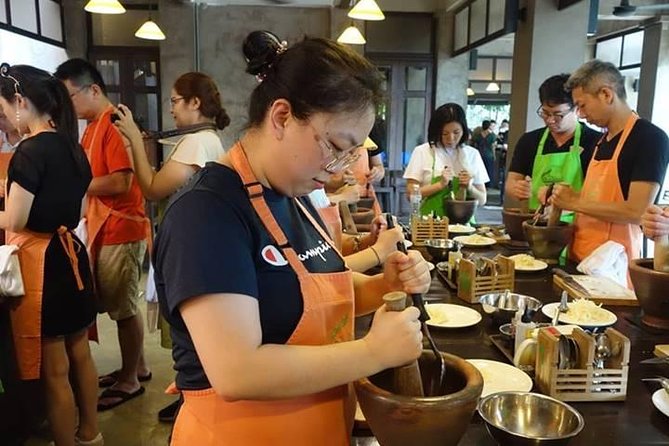
Your class includes lunch, and it’s not a separate buffet that has nothing to do with what you cooked. You eat the dishes from your own station, which turns lunch into a tasting lesson.
That means you can compare what you expected versus what you achieved. If something tastes slightly off, you’re still in the learning mindset, so you’ll better remember what to adjust next time.
Also, this lunch is built around Thai flavors that tend to travel well as recipes. If you want Thai food at home that doesn’t turn into a bland “Thai-inspired” meal, this is the kind of dish lineup that helps.
Value check: is $88.99 worth it for four hours?
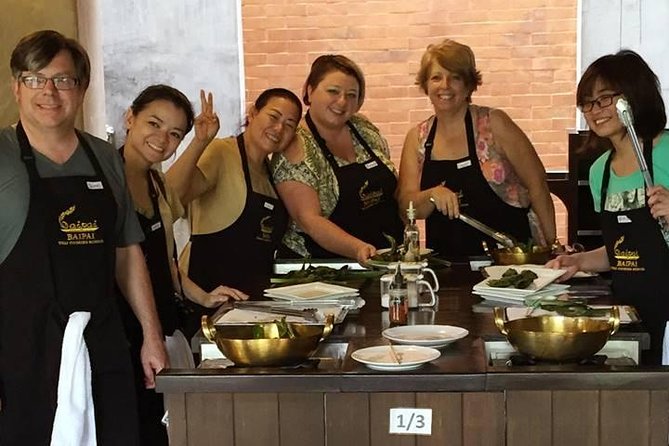
At $88.99 per person, you’re paying for more than a cooking demonstration. You’re paying for:
- a Thai cooking course with active participation
- lunch
- a cookbook plus free recipe cards
- hotel pickup/drop-off via air-conditioned vehicle
- a local guide and English teaching
When you add those together, the pricing starts making sense for people who want one organized half-day that covers transportation, education, and a full meal. If you’d otherwise spend money on a guided activity plus dinner plus taxis, this class can feel like a cleaner deal.
One more value point: the group size has a cap of 30 travelers, which helps keep the classroom vibe from turning into a conveyor belt.
Who this class suits best (and who should pause for one more question)
This is a great fit if you:
- want a hands-on Thai cooking class in Bangkok without needing experience
- like learning by doing, then eating the outcome
- want recipes you can actually use back home
- prefer guided English instruction with staff support
It may take extra thought if:
- you’re very heat-sensitive, since parts of the cooking area can be open-air
- you’re bringing someone under the stated minimum age of 18. The course details list 18+ as the minimum age, so if that’s a concern, you’ll want to confirm before booking.
Also, since you must provide hotel details for pickup, people who book last-minute without confirming their accommodation name should be careful.
Should you book Baipai Thai Cooking School in Bangkok?
If you want Thai food that goes beyond ordering pad thai and calling it a “Thai meal,” I’d book this. The combination of four hands-on dishes, structured stations, and take-home recipes is exactly what makes this kind of class useful after you get home.
My main “wait, think” moment is the heat factor from the open-air setup. If that’s an issue for you, aim for a comfortable session time and plan to slow down and drink water.
If you’re the kind of traveler who values practical skills—how to balance flavor, not just copy ingredients—this is one of the easiest Thai activities to justify. You’ll leave with lunch, a stronger feel for Thai flavor-building, and the tools to cook more than one dish at home.
FAQ
How long is the Baipai Thai Cooking School class in Bangkok?
The class runs for about 4 hours (approx.).
Do I need prior cooking experience?
No prior kitchen experience is necessary.
What’s included with the class price?
The package includes a Thai cooking course, lunch, a cookbook, an air-conditioned vehicle, and a local guide.
Is hotel pickup and drop-off included?
Yes. Hotel pickup and drop-off are included, and you’ll need to provide your hotel details at booking.
What dishes will I cook?
The class includes preparing four authentic Thai dishes. Menus can vary by session, but examples have included dishes like papaya salad, red curry, pandanus-wrapped chicken, and mango sticky rice.
Is this class refundable or changeable after booking?
This experience is non-refundable and cannot be changed for any reason.
What’s the minimum age to join?
The minimum age is 18 years.
Learn Another Thai Dish

More Tour Reviews in Bangkok






Cook It Yourself: Thai Classes
Just In: Fresh Bangkok Reviews





Thai Cooking Classes, compared.
 ★ 4.9Hands-on Thai Cooking Class and Market TourFrom $451,614 reviews
 ★ 4.9Tingly Thai Cooking School Half-Day Cooking ClassFrom $411,191 reviews
 ★ 4.9Maliwan Thai Cooking Class with Market TourFrom $401,133 reviews
 ★ 5.0Hands on Thai Cooking Class and Market TourFrom $45660 reviews
 ★ 5.0Tingly Thai Cooking Class with Morning Market TourFrom $42589 reviews
 ★ 5.0Hands-on Thai Cooking Class & Market Tour in SukhumvitFrom $45571 reviews
 ★ 5.0Pink Chili – Thai Cooking Class and Market Tour in BangkokFrom $38416 reviews
 ★ 5.0Authentic Thai Cooking with the Largest market visit &TukTuk rideFrom $44350 reviews
Browse the lists this tour appears in