
Review · THAI COOKING CLASSES
Bangkok: Blue Elephant Thai Cooking Class
Thai cooking classes can feel like a show. This one feels like training. Blue Elephant, a well-known Bangkok spot recognized by the Michelin Guide, pairs real instruction with a market visit and then turns you loose at a wok to make a full 4-course meal.
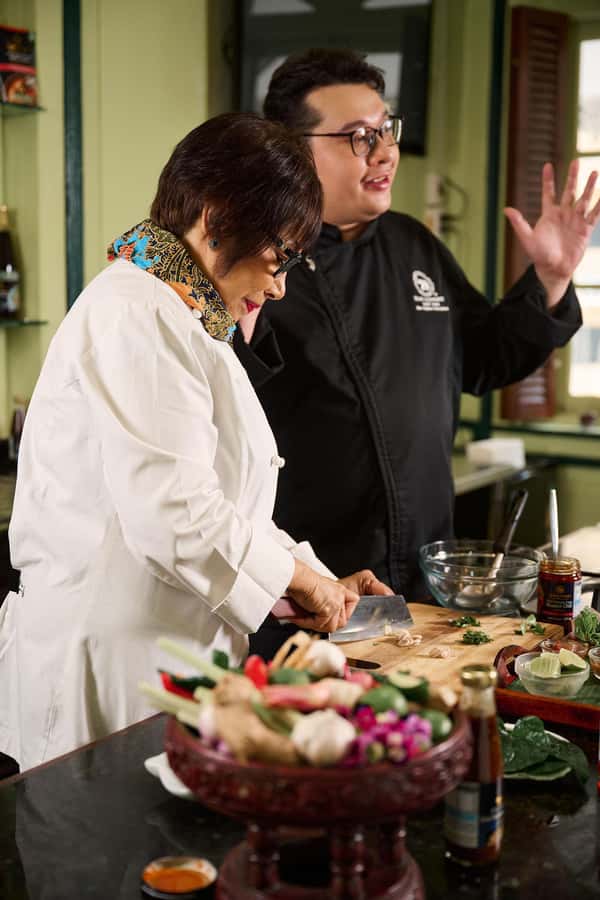
I like that you get both the why and the how. You start with a theory session and chef demo, then you cook alongside the guidance of chefs and assistants. I also like the wraparound experience: you sit down afterward in the restaurant to eat what you made, then you take home recipes, a certificate, and the Blue Elephant apron. One consideration: it costs $143 per person, and hotel transfer isn’t included, so plan your own way to the Sathorn Road meeting point.
In This Review
- Key things I’d plan for
- Blue Elephant on Sathorn Road: the venue part you’ll remember
- Morning market shopping: how you learn Thai ingredients for real
- Afternoon classes and the Sunday rule that affects your plans
- First lesson: the theory session that makes cooking easier later
- Hands-on cooking: your station, your wok, and the chef’s guidance
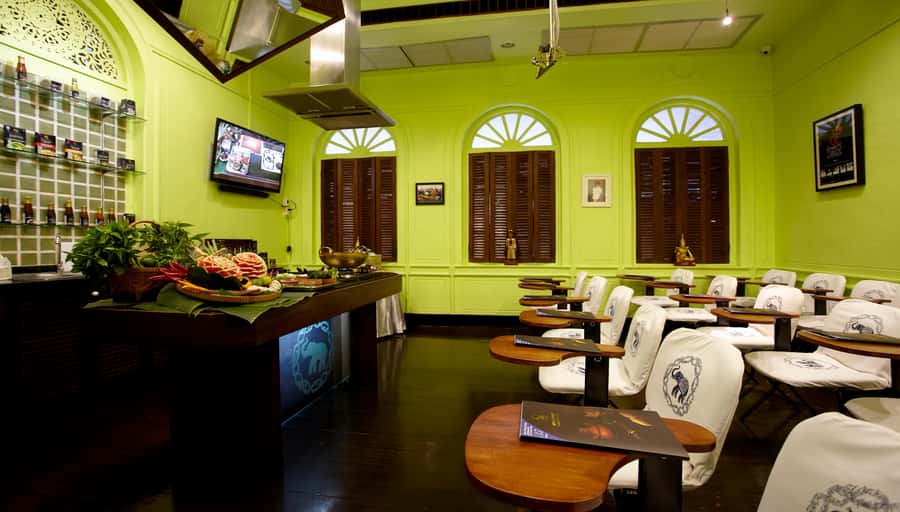
- Eating your 4-course meal in a century-old dining room
- Take-home value: recipes, certificate, and the stuff you’ll actually use
- Is $143 worth it in Bangkok? Here’s how I’d judge the value
- Who should book this cooking class (and who should skip it)
- Should you book Blue Elephant Bangkok?
- FAQ
- What’s the duration of the Bangkok Blue Elephant Thai cooking class?
- Does the morning class include a market visit?
- Are there afternoon classes on Sundays?
- How many dishes do I cook?
- Is hotel transfer included?
- What language is the class taught in?
- Do I get recipes to take home?
- What’s included besides the cooking?
- Can I request dietary requirements?
Key things I’d plan for
- Market morning adds real ingredient education: herbs, spices, and other basics you’ll recognize later at home
- Theory first, then hands-on: you learn techniques before you touch the burner
- 4 dishes, not 1 snack: you cook through a full menu, then eat it afterward
- Historic restaurant dining: the meal part feels like a reward, not an afterthought
- Take-home recipes and a certificate: you leave with a plan to cook again
- Spice and dietary adjustments are handled in advance: tell them what you need before checkout
Blue Elephant on Sathorn Road: the venue part you’ll remember
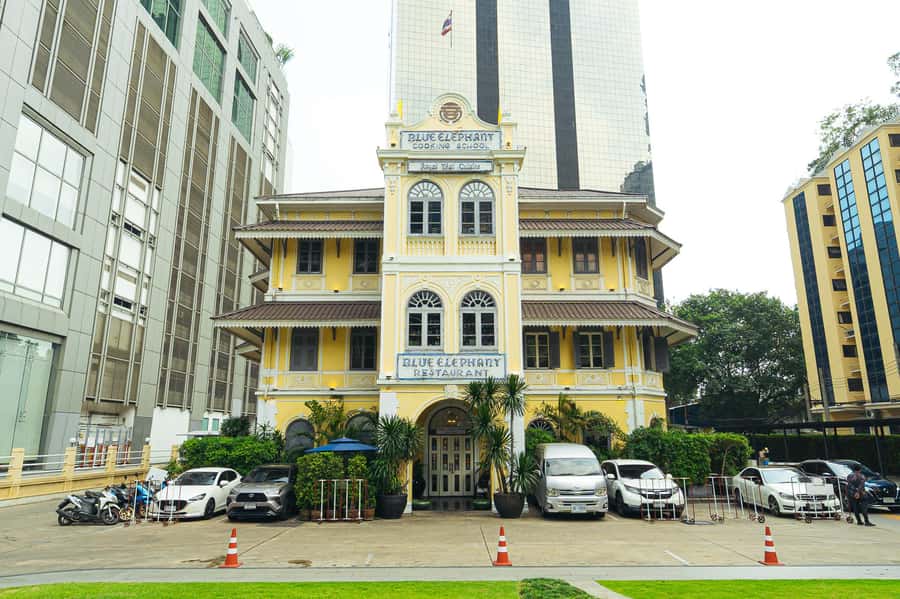
The day starts at The Blue Elephant, 233 S Sathorn Rd in the Yan Nawa/Sathon area of Bangkok. It’s easy enough to reach: take the BTS sky train to Surasak, then go on from there, or just taxi directly if that’s your style.
What makes the venue matter is the feel. This isn’t a warehouse classroom. It’s a real restaurant environment in a historic, century-old setting, which changes the mood. Instead of rushing through a cooking demo and sprinting away, you linger, cook, and then sit down to eat in a proper dining room afterward.
The class also hands you a bit of identity right away. You get the Blue Elephant apron during the experience, and you’ll receive a certificate at the end. Those little extras aren’t just souvenirs. They help you treat the day like a skill-building workshop, not a ticketed meal.
Aprons on for another Thai kitchen
- Bangkok: Hands-on Thai Cooking Class and Market Tour
★ 4.9 · 1,614 reviews - Bangkok: Tingly Thai Cooking School Half-Day Cooking Class
★ 4.9 · 1,191 reviews - Bangkok: Maliwan Thai Cooking Class with Market Tour
★ 4.9 · 1,133 reviews
Morning market shopping: how you learn Thai ingredients for real
If you book the morning class, you’ll head out to the marketplace to select ingredients you’ll use during the cooking day. This matters because Thai cooking isn’t just about a single spice. It’s about the mix: herbs, aromatics, pastes, coconut, and the little flavor builders people often skip when they cook at home.
This is where the class earns extra points for people who like to understand what they’re eating. You’re not only watching. You’re choosing and learning why these ingredients show up in Thai kitchens. One guide named Krishna has led market visits, and participants have noted he’s friendly and practical with explanations.
You’ll also get a chance to see how Thai vendors think. One example from a past class: Thai tea can show up as a quick stop during the market portion. Even if your day differs, the point stays the same: you’re connecting flavors to sources, not treating recipes like mystery boxes.
A helpful detail: the menu changes every day. That means your market choices may vary. The payoff is that you learn a framework for building dishes from ingredients you can find again, rather than memorizing one fixed list.
Afternoon classes and the Sunday rule that affects your plans
Not every day needs a morning market run. The afternoon class skips the market and moves straight into the cooking portion. That’s a good option if you’re already tired from Bangkok sightseeing or you want a later start.
There’s one scheduling fact to keep in mind: there are no afternoon classes on Sundays. If you’re building an itinerary around a Sunday in Bangkok, plan for a morning session instead.
First lesson: the theory session that makes cooking easier later
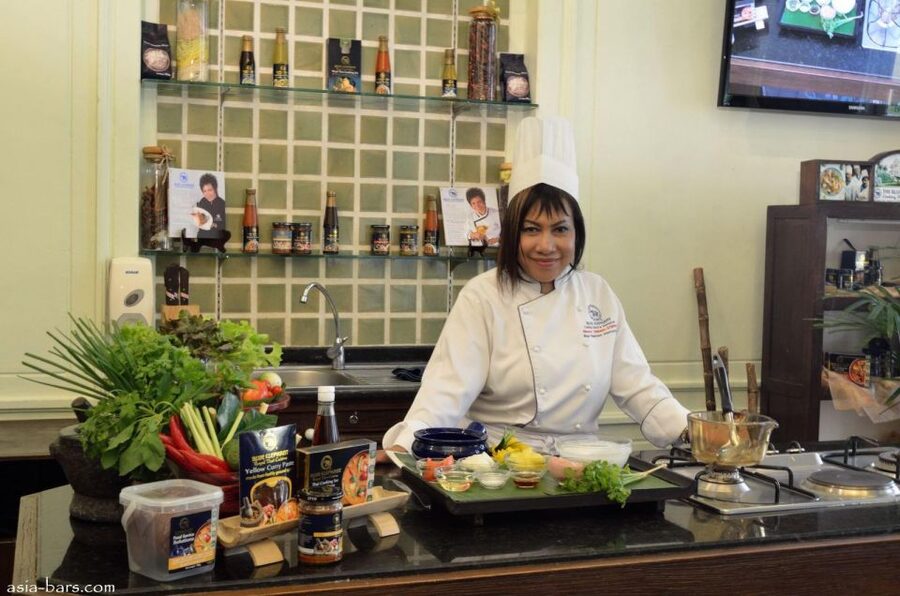
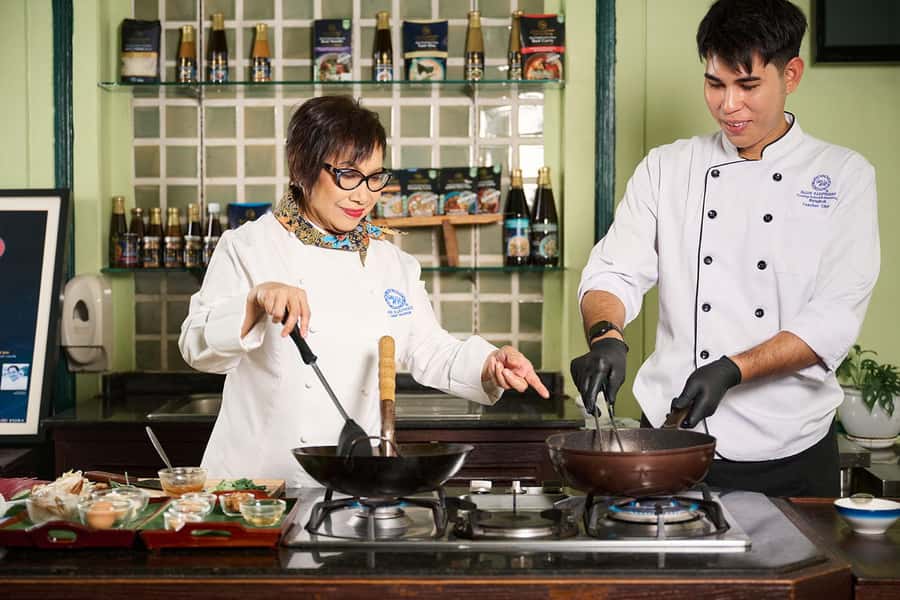
Before anyone turns on a burner, you get a theory class. This is where the instructor explains ingredients and techniques behind the recipes you’ll make. You also see a thorough demonstration of the dishes first, so your hands aren’t flying blind.
This step is underrated. Thai cooking is technique-heavy. Things like timing, how aromatics are handled, when to add liquids, and how to balance flavor all matter. The class approach helps you learn those decisions without needing to already know Thai cooking terms.
You’ll also get a Thai herbal drink during the experience. It’s a small thing, but it signals the class tone: calm, instructional, and food-focused, not frantic.
English commentary is provided, and the instructor team works with Thai and English. In other words, you can ask questions and follow along without guessing.
More hours with the herd, out of town





Hands-on cooking: your station, your wok, and the chef’s guidance
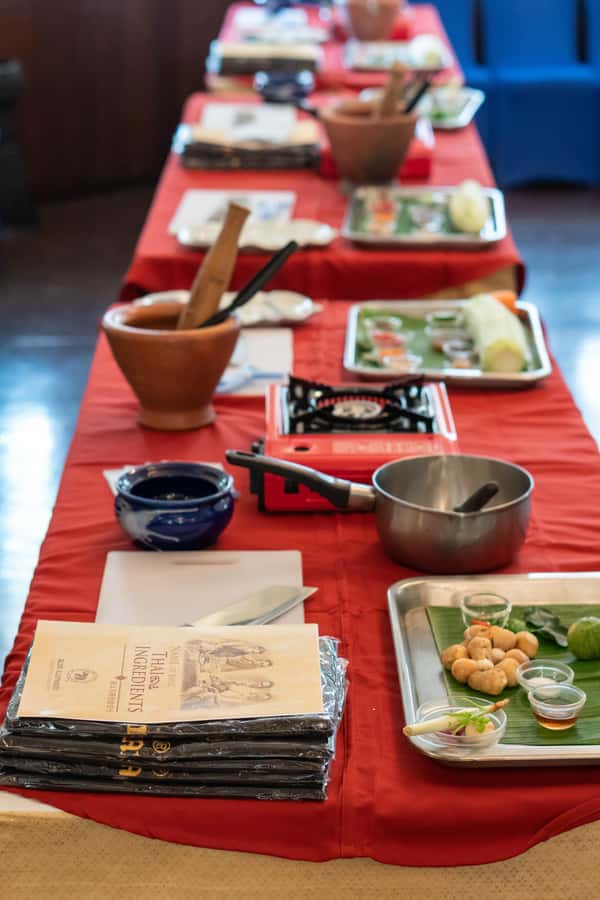
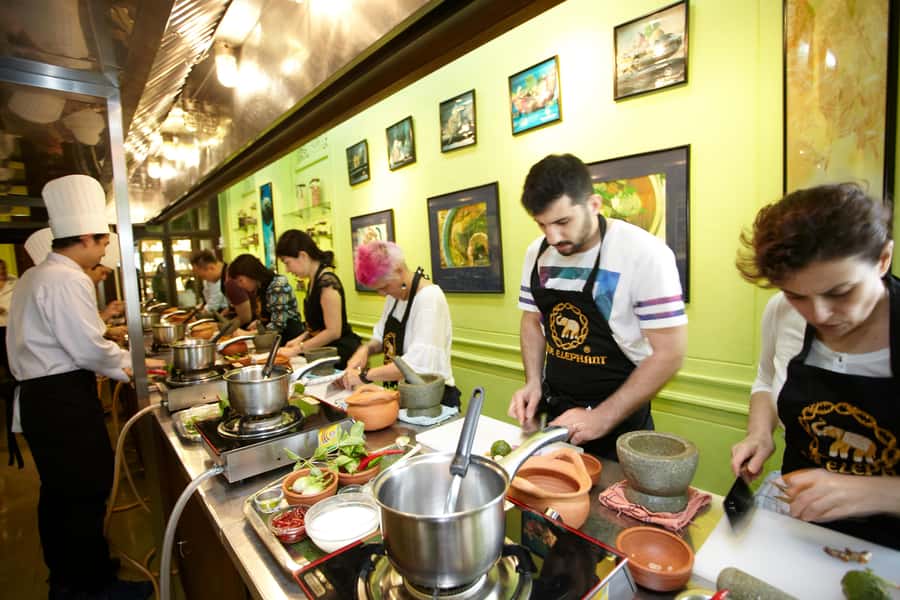
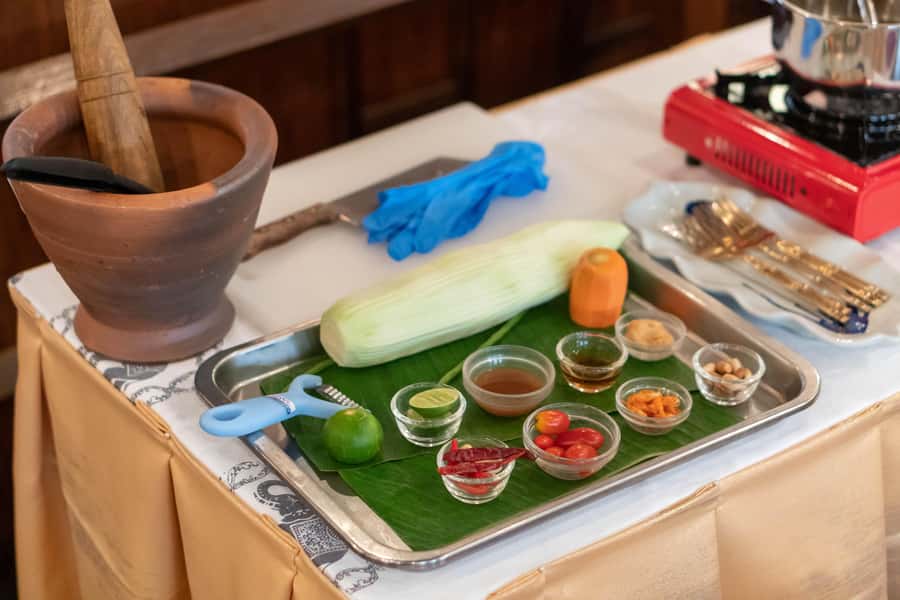
After the demo, you change modes. You apron up and head to your station, which is set up for you. You’ll have ingredients, utensils, a burner, and a wok. That setup is part of the value. You’re paying for a place where you can actually cook, not just watch.
The class is organized so you cook 4 dishes across the day. Chefs and assistants guide you as you cook, and assistants often help keep the flow moving when questions pop up or when you need a hand with timing.
A practical reality: cooking stations move at a steady pace. One participant even mentioned it can feel fast-paced while reading recipes and cooking at the same time. If you’re the type who needs a slow cooker brain, go in ready to focus. The good news is you’re not doing it alone—help is right there.
Spice can be adjusted. At least one class previously included help toning down spice after a personal request. If you want mild, medium, or you avoid certain ingredients, tell the team before checkout about your dietary needs so they can plan what’s doable.
And here’s the key skill takeaway: you’re not just copying a flavor. You’re learning a repeatable method. That makes the home cooking part feel less like you’re guessing from a printed page.
Eating your 4-course meal in a century-old dining room
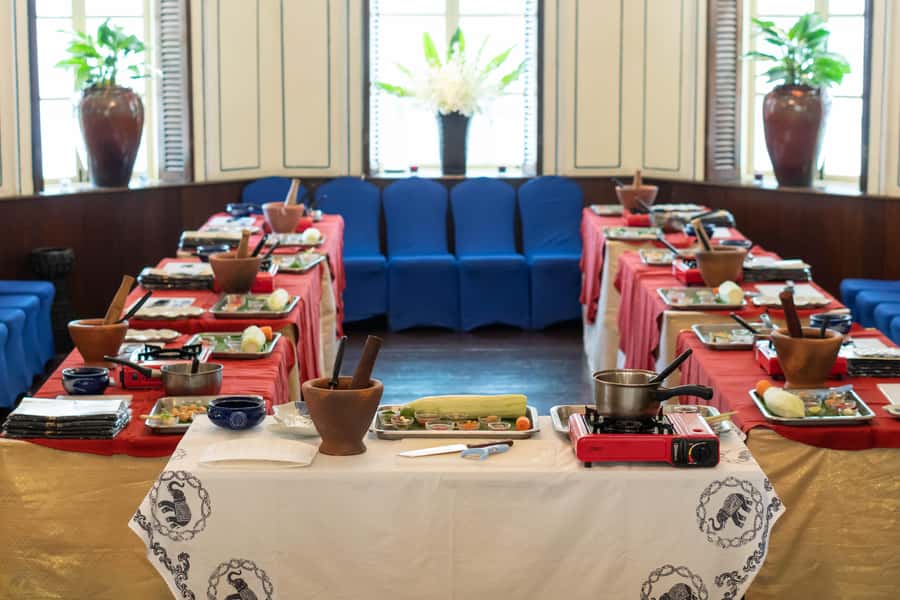
After you cook, you eat what you made. This is one of the smartest parts of the whole experience because it closes the loop. You learn by doing, and then you immediately taste the result while it’s still fresh in your mind.
The meal happens in the historic, century-old restaurant. That setting turns “classwork” into a proper dining experience, and it keeps the energy up instead of letting the day peter out.
There’s also typically a sweet finish. One past class included a mango sticky rice dessert at the end, described as a goodbye treat, along with water service. Your exact dessert may vary by day and menu, but expect something Thai and satisfying at the end.
On some days, you may even get a friendly encounter beyond the cooking team. For example, participants have noted meeting the owner’s son, which made the day feel more personal.
Take-home value: recipes, certificate, and the stuff you’ll actually use
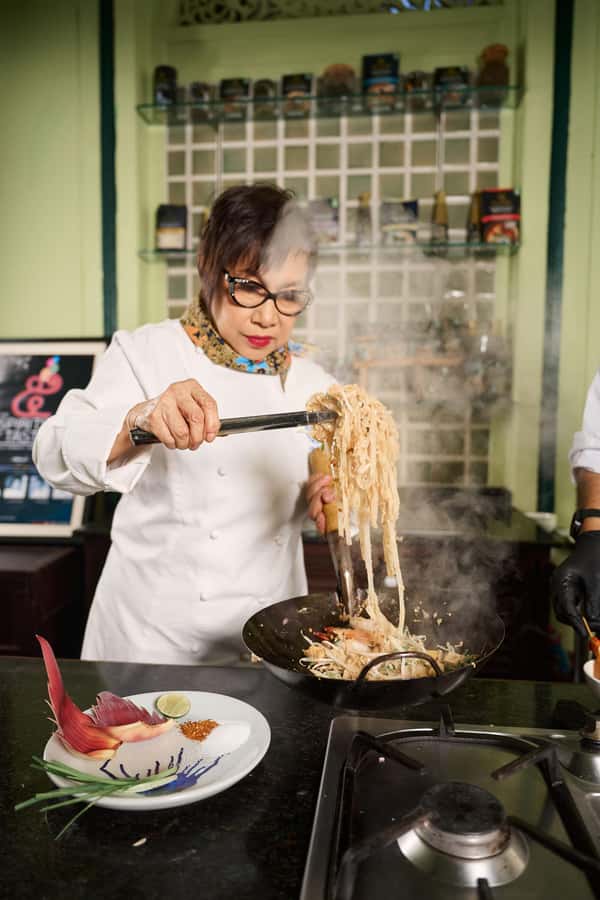
This class doesn’t end when you stand up from the table. You take home recipes for all the dishes you created. That’s huge for real value, because most cooking classes stop at the meal. Here, you leave with a reference you can use again.
You also receive a culinary certificate, plus a souvenir bag and the Blue Elephant apron. Some people have mentioned sauce included in the go-home bag, but the reliably stated items are the apron, bag, certificate, and recipes.
At home, the recipes matter most if you want to do more than repeat one dinner. Use the day as a template. Learn the logic of the dish, then swap ingredients you can find locally. That’s how you keep Thai food from turning into a one-time vacation memory.
Is $143 worth it in Bangkok? Here’s how I’d judge the value
$143 per person sounds steep until you look at what’s included. You’re not just buying food. You’re paying for a chef-led class that includes:
- cooking instruction to make 4 dishes
- all ingredients and equipment (including a burner and wok)
- English commentary
- a Thai herbal drink
- the market visit if you choose the morning class
- recipes for take-home cooking
- apron, souvenir bag, and a certificate
Then there’s the hidden cost most people forget: ingredients and equipment at home. If you’ve ever tried to recreate Thai dishes without the right tools or fresh aromatics, you know how quickly costs add up. This class hands you the full setup and then teaches you how to use it.
One extra cost to account for: hotel transfer isn’t included. So factor in transport from your hotel to The Blue Elephant and back. If you’re already planning taxi or BTS trips that day, this won’t feel like a shock. If not, it can nudge the true price upward.
Who should book this cooking class (and who should skip it)
Book it if you want a structured day that teaches techniques, not just a single recipe. This is ideal for food lovers who like learning how Thai flavors are built and for travelers who want a skill they can keep after the trip.
It’s also a great choice if you’re traveling with a friend or partner. One person in a group can be the main cook, and the other can focus on asking questions, tasting, and learning the method. The pace and station setup works well for that.
Skip it if you only want light sampling and sightseeing. This is hands-on and focused. If your idea of Bangkok is to pop in, grab street food, and keep moving, you might prefer a walking food tour instead.
Should you book Blue Elephant Bangkok?
Yes, if you want the most practical kind of Thai cooking class: market ingredients when possible, chef demo, hands-on cooking at a real station, and a sit-down meal afterward. The recipe and certificate take-home part is the real value lock-in.
Choose your timing wisely. Morning class is your best pick if you want the ingredient education of the market visit. Afternoon class fits if you want less scheduling pressure. And if you’re in Bangkok on a Sunday, plan around the no-afternoon schedule.
Go in hungry, comfortable with spice (or ready to ask for it toned down), and willing to pay attention while cooking. You’ll leave with more than food in your stomach—you’ll leave with a repeatable method.
FAQ
What’s the duration of the Bangkok Blue Elephant Thai cooking class?
The experience runs for 1 day.
Does the morning class include a market visit?
Yes. The market visit is included only for those who book the morning class.
Are there afternoon classes on Sundays?
No. There are no afternoon classes on Sundays.
How many dishes do I cook?
You create 4 dishes during the class.
Is hotel transfer included?
No, hotel transfer is not included.
What language is the class taught in?
Commentary is provided in English, and instructors work with Thai and English.
Do I get recipes to take home?
Yes. You receive recipes for all the dishes you cook.
What’s included besides the cooking?
Included items include the Thai herbal drink, Blue Elephant apron, certificate, and a souvenir bag.
Can I request dietary requirements?
Yes. If you have specific dietary requirements, indicate them before checkout so the team can plan for you.
More Tour Reviews in Bangkok






Time With the Elephants

Cook It Yourself: Thai Classes

Just In: Fresh Bangkok Reviews





Thai Cooking Classes, compared.
 ★ 4.9Hands-on Thai Cooking Class and Market TourFrom $451,614 reviews
 ★ 4.9Tingly Thai Cooking School Half-Day Cooking ClassFrom $411,191 reviews
 ★ 4.9Maliwan Thai Cooking Class with Market TourFrom $401,133 reviews
 ★ 5.0Hands on Thai Cooking Class and Market TourFrom $45660 reviews
 ★ 5.0Tingly Thai Cooking Class with Morning Market TourFrom $42589 reviews
 ★ 5.0Hands-on Thai Cooking Class & Market Tour in SukhumvitFrom $45571 reviews
 ★ 5.0Pink Chili – Thai Cooking Class and Market Tour in BangkokFrom $38416 reviews
 ★ 5.0Authentic Thai Cooking with the Largest market visit &TukTuk rideFrom $44350 reviews
Browse the lists this tour appears in