
Review · THAI COOKING CLASSES
Bangkok: Half-Day Thai Cooking Class in Bangrak District
Thai cooking goes from market to plate fast. This Bang Rak class is a practical way to learn real Thai flavors in just four hours, starting near a fresh market and ending with a sit-down meal you cooked. You’ll also get the recipes emailed after class, so the learning doesn’t vanish the moment you land back home.
I especially like the chance to see and talk about ingredients at the market tour stage (morning session only). It’s where Thai cooking starts: choosing aromatics, sauces, noodles, and sweets like mango sticky rice with intention, not guesswork.
One thing to think about: transport isn’t included, so you’ll need a plan to get to and from the cooking school yourself.
In This Review
- Key things that make this Thai cooking class work
- Bang Rak market first: where Thai cooking truly begins
- Chef-led instruction: how the class teaches you more than recipes
- What you’ll cook in four hours: five dishes and a full meal
- Dietary needs and Thai comfort food: halal, vegetarian, and seafood changes
- Price and value: is $45 a bargain or just marketing?
- Logistics that actually affect your experience
- Who should book this Thai cooking class in Bang Rak?
- Should you book this cooking class? My call
- FAQ
- How long is the Bangkok half-day Thai cooking class?
- How much does the class cost?
- Is there a market tour?
- What dishes will I cook?
- Are dietary options available?
- Do I need to speak Thai?
- What are the age and height requirements?
- Is transport from my hotel included?
- Can I bring alcohol or buy beer?
Key things that make this Thai cooking class work
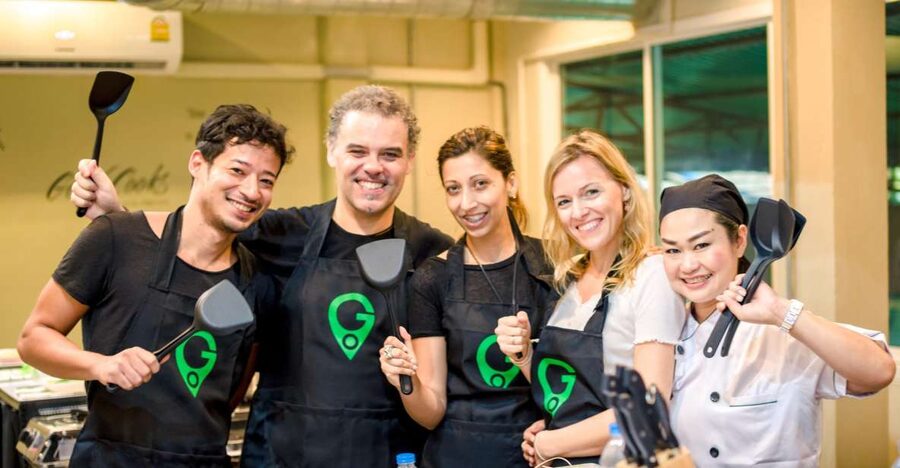
- Five dishes in one half-day: you cook enough to feel confident, not just taste a demo.
- Morning market tour (if you book it): you’ll learn what locals actually buy and why.
- Hands-on chef guidance: the teaching style is practical, with technique and ingredient purpose.
- Menu flexibility: chefs can adjust for preferences like no seafood or fish-free eating.
- Recipes and class photos emailed: you can recreate the dishes after your trip.
- Food keeps coming: come hungry, because portions add up across the session.
Bang Rak market first: where Thai cooking truly begins
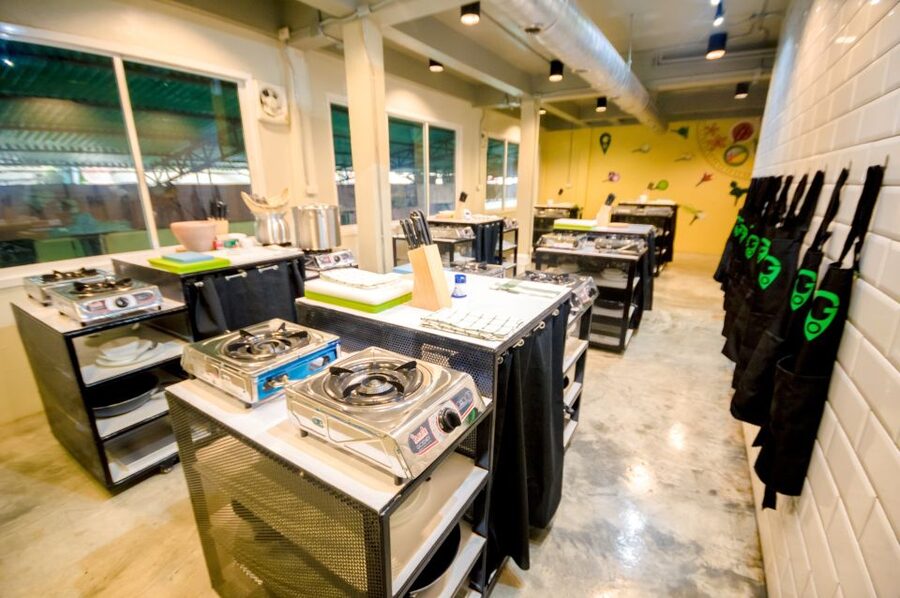
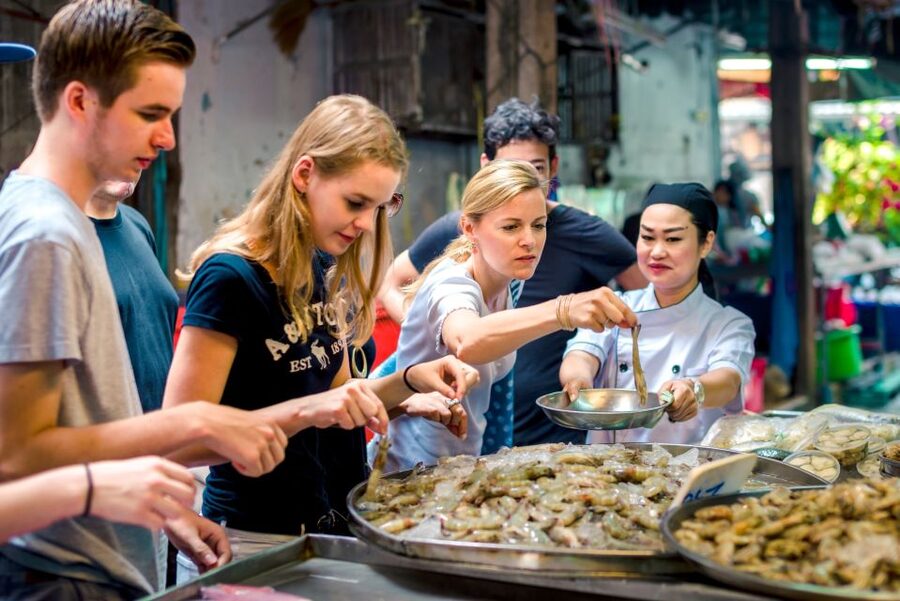
The best part of this class is the order of operations. You don’t start with a cutting board and hope for the best. You start in the area right by a fresh market, where you get a quick reality check on how much Thai cooking depends on ingredient choices.
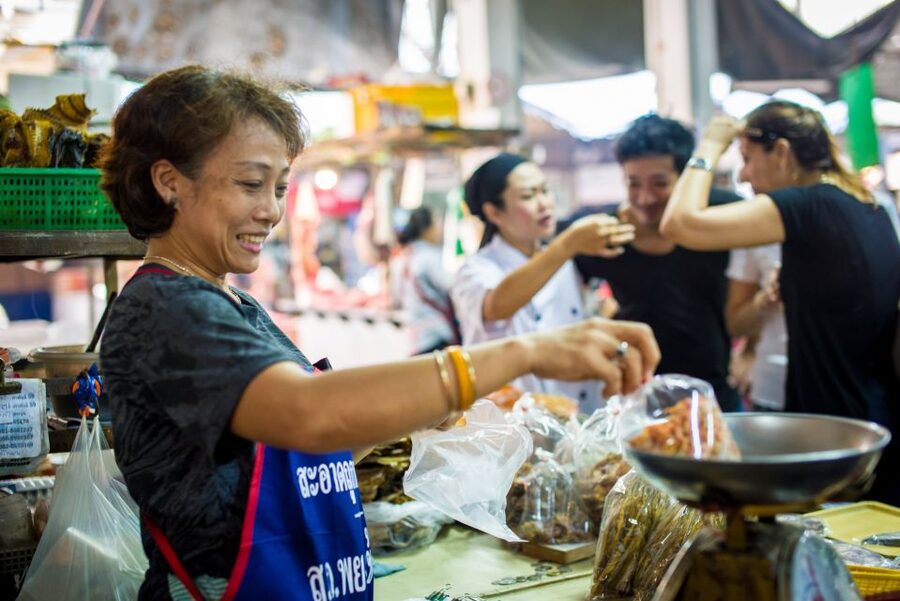
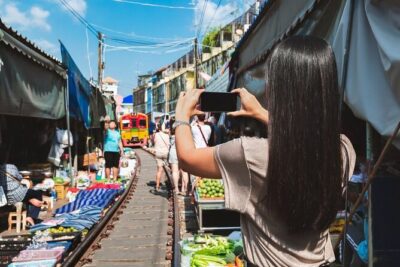
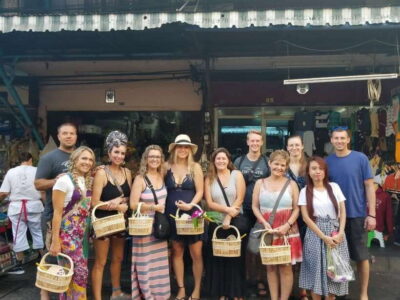
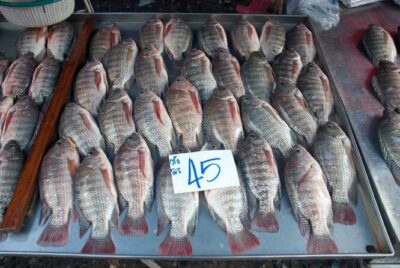
If you book the morning option, you’ll head out for the market tour before you cook. This isn’t a slow sightseeing walk. It’s focused: your teacher points out what to buy and what to look for, and you get a feel for the sights and smells that shape Thai kitchens. Expect a “learn as you go” pace—checking ingredients like tofu and noodles, noticing chili and sweet profiles, and understanding how pantry basics turn into sauces and curries.
I also like that the cooking school setup is directly tied to what you’re taught. You’re not watching from the back of a room. You’re learning recipes that match the ingredients you saw earlier, which is exactly how Thai cooking makes sense.
If you’re arriving in Bangkok, this is a smart first-day activity too. The city can feel chaotic at first. Cooking with fresh produce gives you a grounding routine and a clear starting point for Thai food.
Aprons on for another Thai kitchen
- Bangkok: Hands-on Thai Cooking Class and Market Tour
★ 4.9 · 1,614 reviews - Bangkok: Tingly Thai Cooking School Half-Day Cooking Class
★ 4.9 · 1,191 reviews - Bangkok: Maliwan Thai Cooking Class with Market Tour
★ 4.9 · 1,133 reviews
Chef-led instruction: how the class teaches you more than recipes
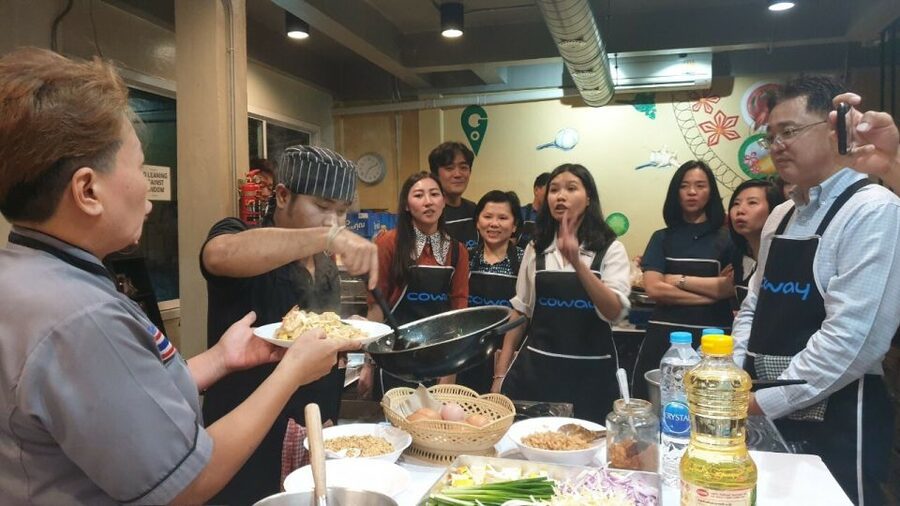
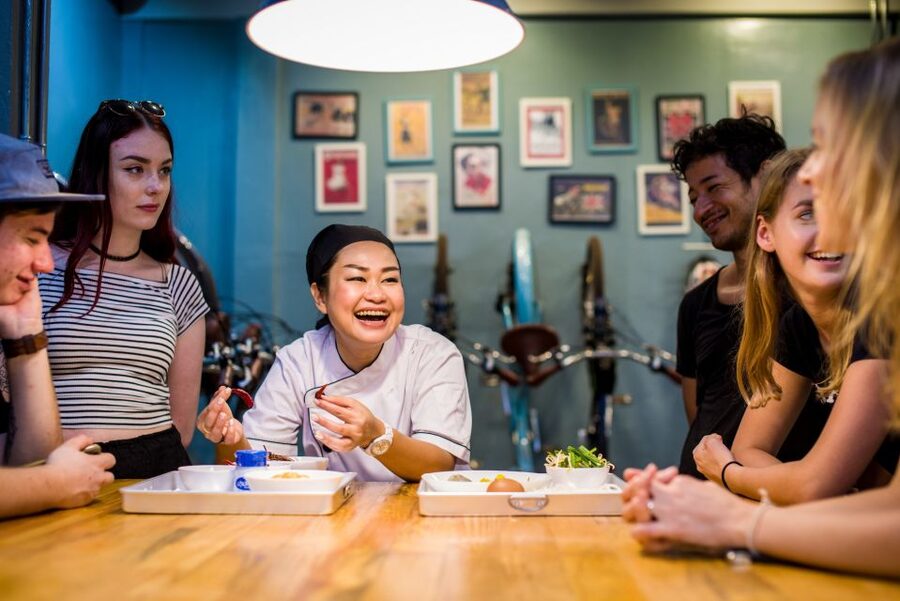
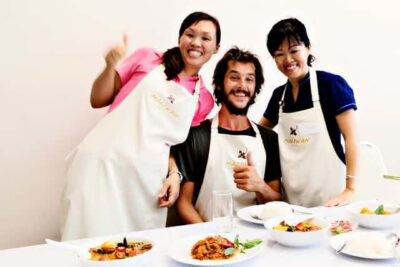
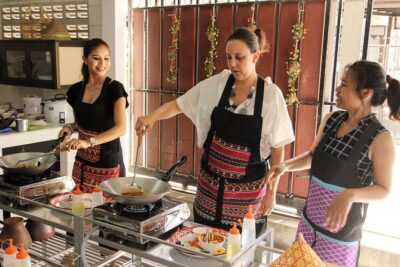
This is a hands-on Thai cooking class, with a Thai chef guiding you step-by-step. The language is Thai and English, and many instructors highlighted in the class experience are friendly, funny, and serious about teaching technique.
You’ll notice a few consistent teaching themes that make the class stick:
- You learn the purpose behind ingredients, not just the list.
- You get tips for texture and balance, like how Thai dishes aim for harmony between sweet, salty, sour, and spicy.
- You’re encouraged to ask questions, and the teacher answers in plain, practical ways.
Instructors named in the experience include Chef Sarin, Chef Natcha, Kimmy, and Natcha/Nadcha in different bookings. Regardless of who’s teaching, the common thread is clear: you’re not just assembling food. You’re learning why it works.
Another plus for real-life cooking at home: some chefs share substitution ideas when you can’t find a specific Thai ingredient. That matters because your supermarket back home won’t mirror Bangkok’s market shelves. If you leave with the “why,” you can improvise.
And yes, group size can be small. Some bookings have run as a couple-only class, which can mean closer attention and more chances to fine-tune your technique while you cook.
What you’ll cook in four hours: five dishes and a full meal
The exact menu changes daily, but the class is built around classic Thai dishes you can recreate later. Based on what’s been offered, you’ll likely make a mix of:
- a fragrant curry (often a curry such as masaman, depending on the day)
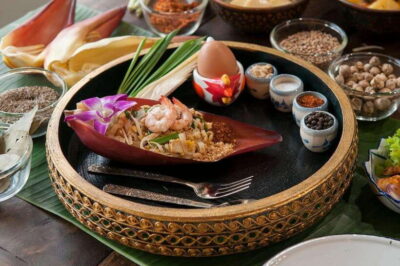
- Pad Thai (a frequent staple)
- crispy spring rolls rolled by hand
- mango sticky rice for something sweet and iconic
- and often one additional dish that rounds out the meal
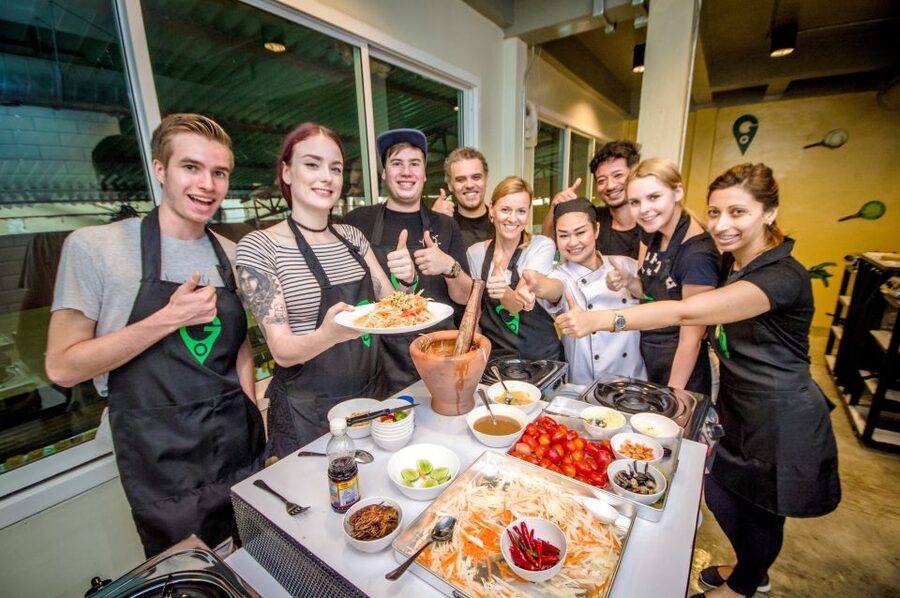
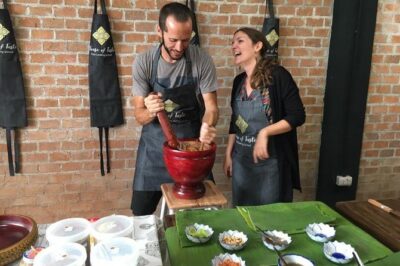
This is where the value really shows. You get five dishes, not just one. You experience different cooking methods—stir-frying, balancing sauces, working with fresh components, and assembling sweets—so you’re learning Thai cooking in layers.
A detail I appreciate: the pace is designed so you get cooking results fast. In one example, the first dish starts appearing in about 10 minutes, and then more food keeps coming. If you eat beforehand, you’ll feel the strain later. The class is designed as a meal experience as much as a lesson.
The dining portion is a sit-down group meal after you’ve cooked. You get to enjoy what you made while the kitchen resets for the next steps. It’s a nice rhythm: cook, eat, learn, repeat.
Dietary needs and Thai comfort food: halal, vegetarian, and seafood changes
One reason this class stands out is how willing it is to adapt. The experience is listed as halal and vegetarian-friendly, and the cooking team has made adjustments when participants avoid seafood or fish.
For example, menu changes have been made for people who don’t eat fish, and pescatarian guests have been accommodated. The practical point for you: when you book, tell the operator about allergies and your dietary preferences clearly. The class notes ask you to do exactly that.
So if Thai food feels intimidating because you’re worried about hidden ingredients, this approach reduces that fear. You get to focus on Thai techniques and flavors without the stress of guessing what’s inside.
If you’re vegetarian, the class label suggests it can work well. Still, Thai menus can include shrimp paste or fish sauce depending on the dish, so you’ll want the teacher to confirm what’s swapped and what stays.
More time at the wok
Price and value: is $45 a bargain or just marketing?
At $45 per person for a four-hour class, you’re paying for three things:
- time with a chef who teaches technique
- ingredients for five dishes that you then eat
- the after-class bonus: recipes and class photos emailed to you
That recipe email part matters more than it sounds. A cooking class is only “worth it” if you can repeat the food. Getting a full recipe list afterward is how you turn a fun morning into future meals.
Also, you’re not buying a tiny snack portion. You’re getting a meal built from multiple dishes, and people often leave very full. So you’re effectively blending an activity with dinner.
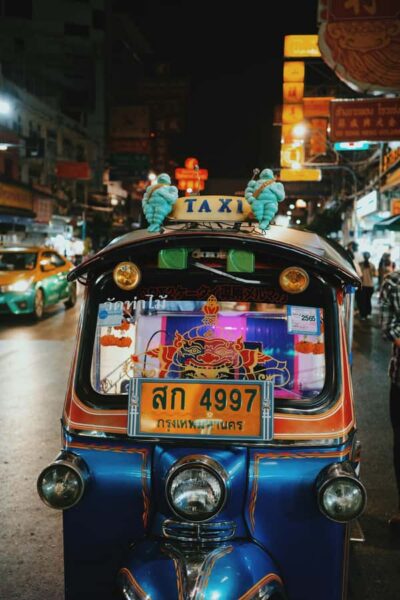
Where the price is less perfect is transportation. Since transport isn’t included, you may spend extra on tuk-tuk, BTS/metro, or a rideshare depending on where you’re staying. That’s easy to handle, but it’s still a cost to factor in.
For the right traveler, though—someone who wants a hands-on Thai food education—$45 is a reasonable deal in Bangkok.
Logistics that actually affect your experience
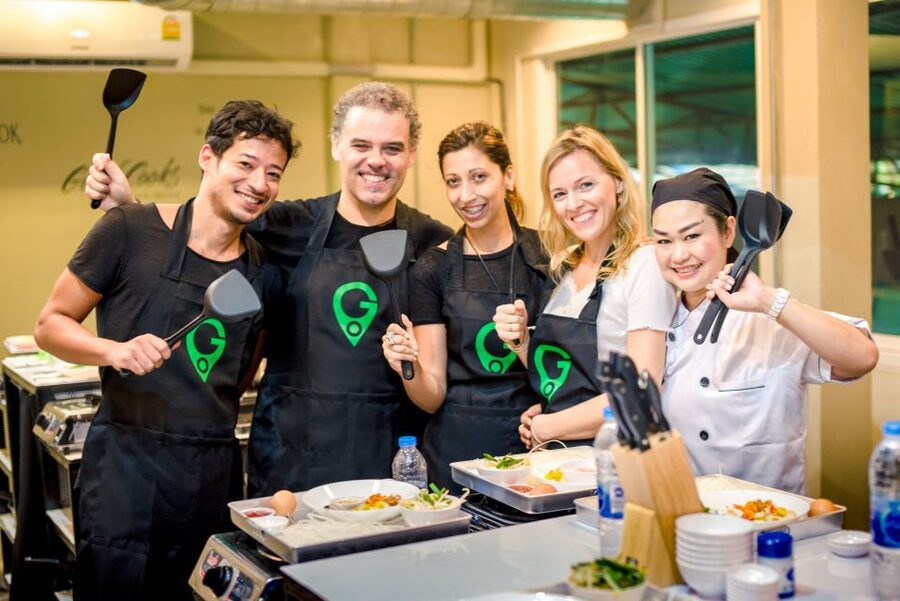
This class is simple, but a few details can make your day smoother.
- It’s 4 hours long.
- The market tour runs in the morning only, so choose the morning slot if you want that ingredient walk.
- Instructors teach Thai and English, so you should feel comfortable asking questions.
- Unlimited water, coffee, and tea are included during the session.
- Beers are available to buy, and you can bring your own alcohol with no corkage charge.
The biggest “real-life” tip is this: come hungry. The class is structured so you eat what you cook, and the food quantity builds over the four hours.
Location note: the meeting point can vary based on the option you book, so double-check the exact meeting instructions you receive.
Who should book this Thai cooking class in Bang Rak?
This is a great pick if you want:
- a hands-on Thai cooking experience, not just tasting
- the market context for Thai ingredients (morning tour option)
- a realistic chance to cook Thai food at home afterward using emailed recipes
- a chef who can explain how flavors work, including how ingredients contribute texture and balance
It’s also a smart choice for your first Bangkok day. Thai food becomes more understandable when you’ve seen how ingredients look before they turn into curry sauce or stir-fry.
You might want to skip it if:
- you need hotel pickup (transport isn’t included)
- you have mobility concerns, since it’s not suitable for people with mobility impairments
- you’re booking with kids under 12, since the age requirement is over 12 and at least 140 cm in height
Should you book this cooking class? My call
Book it if you want a short, high-impact Thai food education with real dishes and repeatable results. The combination of five cooked dishes, a chef who explains ingredient purpose, and the emailed recipes is the winning formula here.
Don’t book it if you hate structured activities or you’re hoping for a laid-back meal. This is cooking, chopping, rolling, and learning. You should plan to participate.
If you’re trying to decide between morning and afternoon: pick the morning slot if you want the market tour. That ingredient walk is part of what makes the cooking feel grounded.
FAQ
How long is the Bangkok half-day Thai cooking class?
The class runs for 4 hours.
How much does the class cost?
The price is $45 per person.
Is there a market tour?
Yes. The market tour is included in the morning session only.
What dishes will I cook?
The menu changes daily, but the class commonly includes dishes like curry, mango sticky rice, spring rolls, and Pad Thai.
Are dietary options available?
Yes. The class is listed as halal and vegetarian-friendly, and you should let the operator know about allergies or dietary needs.
Do I need to speak Thai?
No. The class is taught in Thai and English.
What are the age and height requirements?
You must be over age 12 and at least 140 cm tall to join.
Is transport from my hotel included?
No. Transport to and from your hotel is not included.
Can I bring alcohol or buy beer?
Beers are available to buy, and you can bring your own alcohol with no corkage charge.
Learn Another Thai Dish

More Tour Reviews in Bangkok






Cook It Yourself: Thai Classes
Just In: Fresh Bangkok Reviews




Thai Cooking Classes, compared.
 ★ 4.9Hands-on Thai Cooking Class and Market TourFrom $451,614 reviews
 ★ 4.9Tingly Thai Cooking School Half-Day Cooking ClassFrom $411,191 reviews
 ★ 4.9Maliwan Thai Cooking Class with Market TourFrom $401,133 reviews
 ★ 5.0Hands on Thai Cooking Class and Market TourFrom $45660 reviews
 ★ 5.0Tingly Thai Cooking Class with Morning Market TourFrom $42589 reviews
 ★ 5.0Hands-on Thai Cooking Class & Market Tour in SukhumvitFrom $45571 reviews
 ★ 5.0Pink Chili – Thai Cooking Class and Market Tour in BangkokFrom $38416 reviews
 ★ 5.0Authentic Thai Cooking with the Largest market visit &TukTuk rideFrom $44350 reviews
Browse the lists this tour appears in