
Review · THAI COOKING CLASSES
Bangkok: Hands-on Thai Cooking Class & Market Tour in Sathon
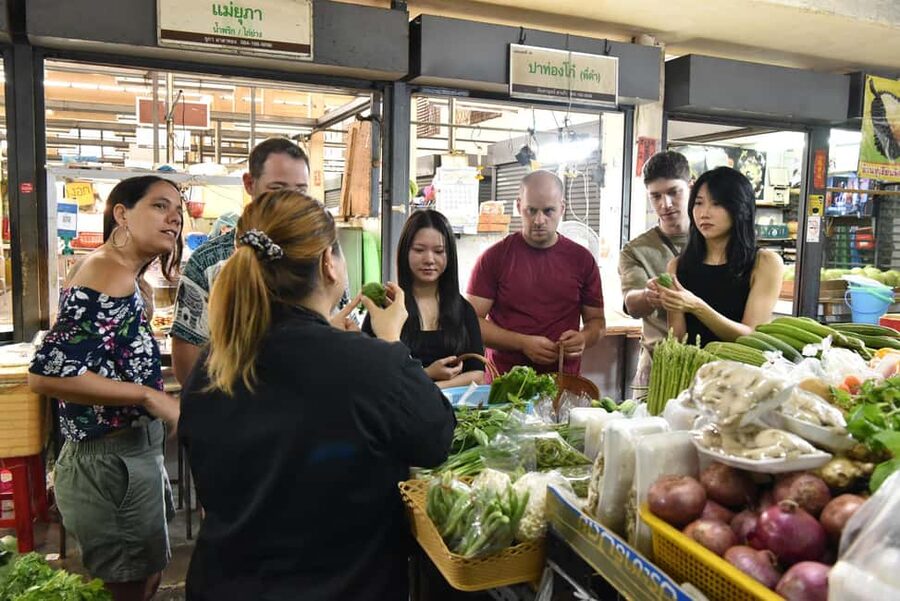
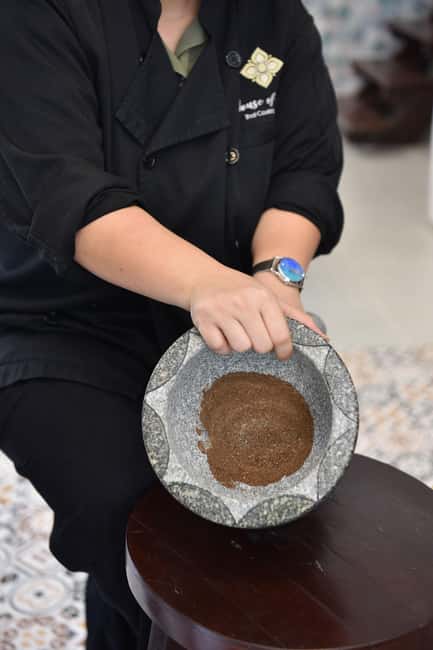
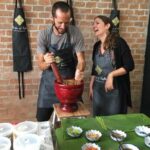
The curry paste gets made by hand. In Suan Phlu, I love the Suan Phlu market right next door, and you’ll love making fresh curry paste and coconut milk from scratch.
You also get a full-on four-dish cooking block, then you eat what you make while it’s hot. One possible downside to plan for: your exact dishes depend on the day of the week, so check the menu pattern before you book.
This is taught by English-and-Thai instructors (names you might meet include Pitch, April, and Jay), and I like that you leave with the standard recipes so you can cook again at home. It’s a private-group setup, too, so the class moves at a human pace.
In This Review
- Key points worth knowing before you go
- Suan Phlu meeting spot: close enough to actually feel the neighborhood
- What you cook in 210 minutes: four dishes, one big focus on flavor
- How coconut milk and curry paste change your cooking at home
- Your menu changes by day: what you’ll likely taste in Bangkok
- The market tour at Suan Phlu: where ingredients stop being abstract
- Instructors and pacing: why the class feels friendly, not frantic
- Price and value: why $45 can be a fair deal in Bangkok
- Dietary needs and substitutions: plan ahead, then cook with less worry
- Practical tips so you get the most out of the experience
- House of Taste Thai Cooking School: what this setup gets right
- Should you book this Bangkok cooking class?
- FAQ
- How long is the Bangkok cooking class and market tour?
- Where do I meet for the experience?
- What’s included in the price?
- Can the class accommodate dietary restrictions?
- Are alcoholic drinks included?
- What languages are used during the class?
Key points worth knowing before you go
A market walk and cooking start at the same neighborhood, Suan Phlu in Sathon
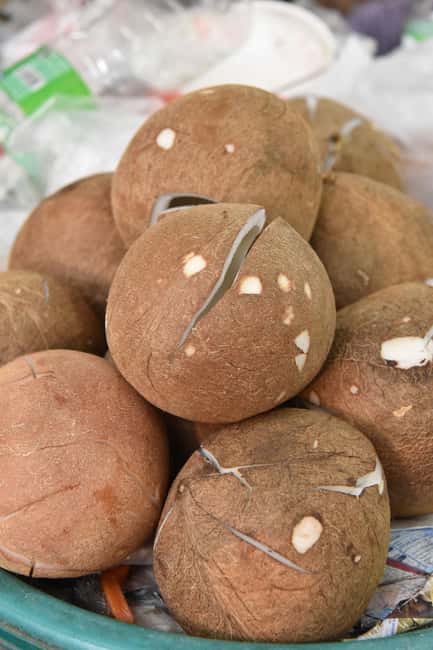
Fresh coconut milk and curry paste are made from scratch, not from jars
You cook and eat four Thai dishes during the 210-minute class
Menus change by day of week, but mango sticky rice is always part of the set
Dietary needs can be handled with substitutions (vegetarian, halal, kosher, allergies)
Clear instruction in English and Thai, with instructors like Pitch, April, or Jay
Suan Phlu meeting spot: close enough to actually feel the neighborhood
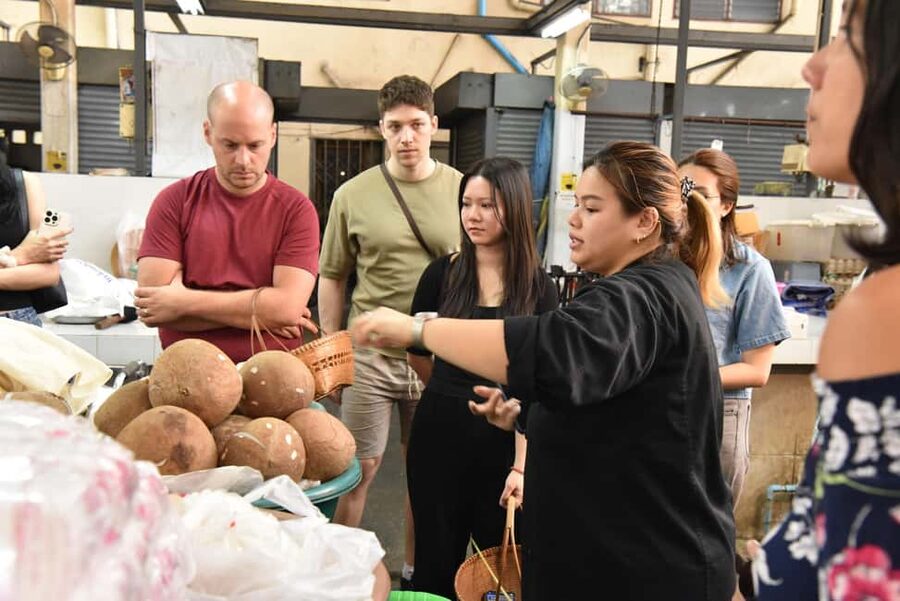
You meet at a cooking school in Suan Phlu, Sathon, then you walk to the Suan Phlu fresh market. The market is just about a minute on foot, which matters more than it sounds—less time lost, more time seeing ingredients in real life.
The address to search on your map is: 33, Thanon Suan Phlu, behind Suan Phlu Market, Thung Maha Mek, Sathon Bangkok 10120. Getting it right helps you start on time and makes the first part of the experience feel easy, not stressful.
Starting times run across the day (morning, afternoon, and evening), and the market tour is included in every class time. If you’re planning your Bangkok days, that flexibility is a real advantage.
Aprons on for another Thai kitchen
- Bangkok: Hands-on Thai Cooking Class and Market Tour
★ 4.9 · 1,614 reviews - Bangkok: Tingly Thai Cooking School Half-Day Cooking Class
★ 4.9 · 1,191 reviews - Bangkok: Maliwan Thai Cooking Class with Market Tour
★ 4.9 · 1,133 reviews
What you cook in 210 minutes: four dishes, one big focus on flavor
This class is built around Thai cooking basics you can’t fully learn from a recipe card. The centerpiece is making fresh coconut milk and curry paste from scratch, then using those foundations to build full dishes.
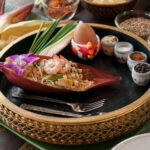
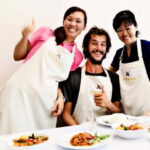
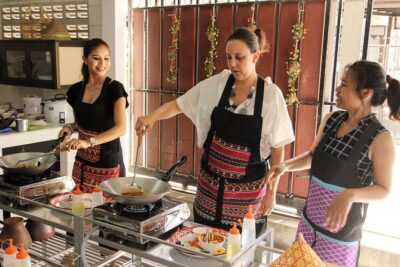
You’ll cook four authentic Thai dishes and eat each one while it’s still hot. That pacing is key: you’re not just making a menu and then waiting. You get to taste, adjust (if you’re asking questions), and move on with confidence.
The class is also structured for real beginners. The instructions are designed to be followable, and the flow leaves room to actually enjoy what you’ve made before the next dish begins.
How coconut milk and curry paste change your cooking at home
Even if you already like Thai food, this part shifts how you think about it. When you make curry paste from scratch, you stop treating curry as a single flavor and start treating it like a system—chiles, aromatics, herbs, and spices working together.
And when you create coconut milk fresh instead of relying on packaged products, the taste and texture can feel more lively. You won’t just reproduce a dish; you’ll understand why it tastes the way it does.
Your menu changes by day: what you’ll likely taste in Bangkok
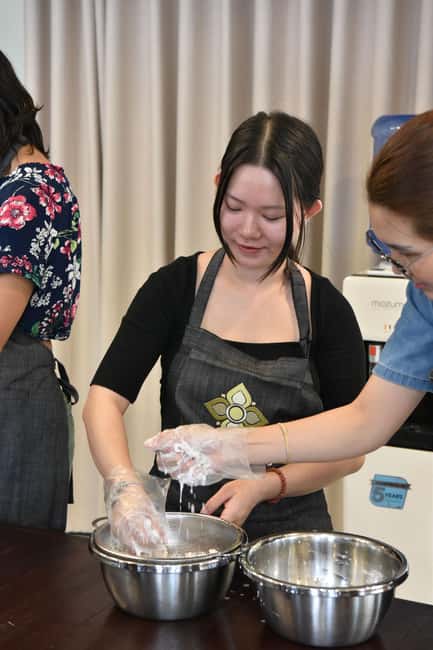
The dishes rotate by day of the week, and mango sticky rice is always on the menu. That means you should pick the day that matches what you most want to learn—no guessing required.
Here’s the weekly pattern, with the main dishes you can expect:
- Monday: Thai papaya salad (Som Tum), pad Thai, green curry with chicken, mango sticky rice
- Tuesday: tom kha gai (spicy coconut soup with chicken), pad krapow gai (Thai basil chicken), red curry with chicken, mango sticky rice
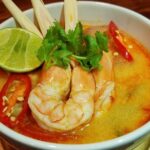
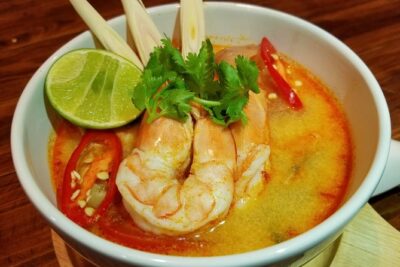
- Wednesday: tom yum goong (hot and sour soup with shrimp), pad see ew (flat rice noodles with chicken), green curry with chicken, mango sticky rice
- Thursday: larb gai (spicy minced chicken salad), pad Thai, panang curry with chicken, mango sticky rice
- Friday: Som Tum, pad krapow gai, red curry with chicken, mango sticky rice
- Saturday: tom kha gai, pad Thai, green curry with chicken, mango sticky rice
- Sunday: tom yum goong, pad see ew, panang curry with chicken, mango sticky rice
If you’re comparing options in Bangkok, this rotation is part of the value. You’re not paying for the same four dishes every time—on a return visit, you can do another day and learn another set.
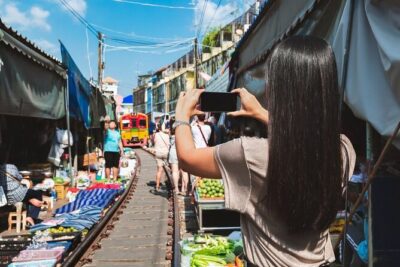
More markets and shophouse lanes




The market tour at Suan Phlu: where ingredients stop being abstract
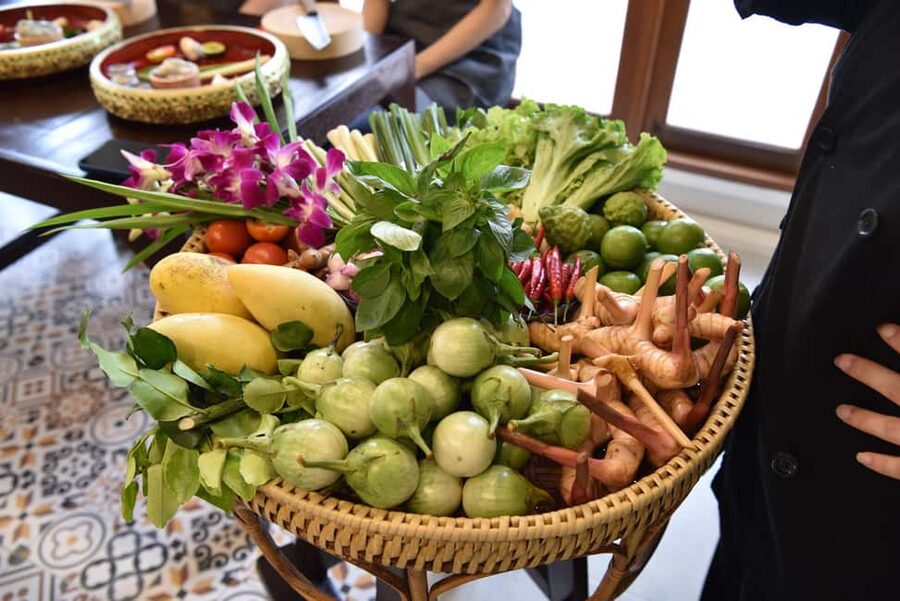
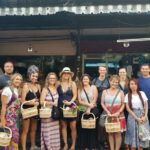
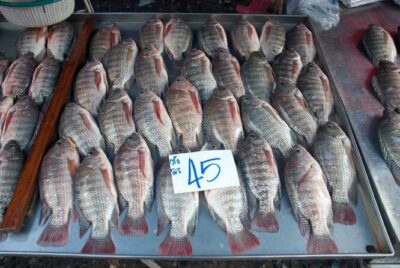
The Suan Phlu market stop is where the class earns its practical side. You’ll look for the freshest ingredients and learn what they are and how they fit into Thai cooking—vegetables, rice, herbs, and spices.
This is also where the “exotic ingredient” learning happens in a grounded way. You’re not just hearing names. You’re seeing what goes into the dishes you’re about to cook, then using those ingredients later in your own pans.
A big plus: this isn’t a separate add-on tacked to the front. It’s integrated into the lesson, so it actually supports what you’ll cook in the kitchen.
Instructors and pacing: why the class feels friendly, not frantic
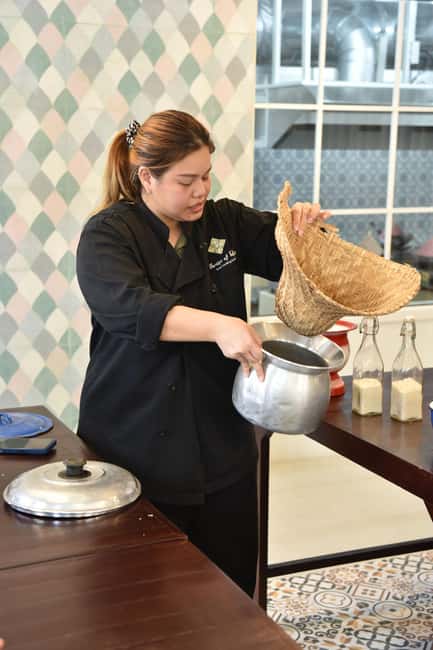
The school uses English and Thai for instruction, which helps a lot if your Thai is still in “hello and thank you” mode. And based on the instructors you may meet—Pitch, April, Jay, and others—the vibe tends to be clear and encouraging.
One of the most praised parts is how the class is timed. You get time to eat your dish before you move on to the next one, which keeps the cooking from feeling like a factory line. It also means you can focus on technique without rushing past the part where food becomes real.
Because it’s a private group, the pacing can feel steadier than bigger public cooking classes. You’re also more likely to get answers in the moment when something isn’t clicking.
Price and value: why $45 can be a fair deal in Bangkok
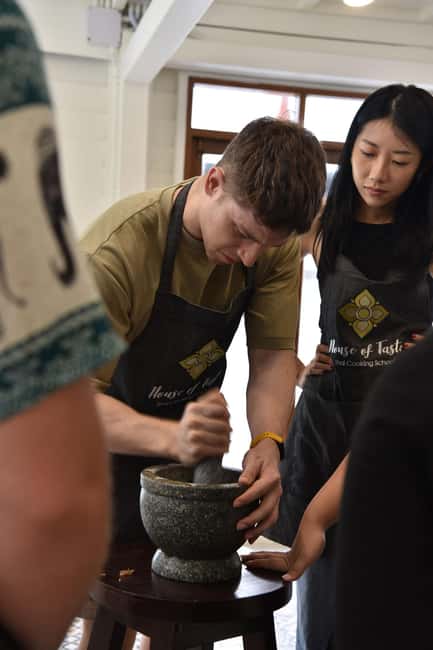
At $45 per person, you’re paying for more than a cooking lesson. You’re getting:
- a market tour
- a four-course meal
- all ingredients and cooking equipment
- a personal locker
- drinking water
- standard recipes provided for free (so you can recreate the dishes later)
When you compare that to the usual costs of buying ingredients, figuring out quantities, and then still making mistakes at home, the value starts to make sense. You’re essentially paying to compress the learning curve and remove the guesswork.
Also, the most expensive hidden costs in cooking classes are often time and confusion. Here, the class is organized, the instructions are easy to follow, and you finish with recipes. That combination is what makes $45 feel more like an investment than just an activity.
Dietary needs and substitutions: plan ahead, then cook with less worry
This class can accommodate dietary preferences and restrictions. They’ll provide suitable substitute ingredients for vegetarian, halal, kosher, and allergy-sensitive guests.
That doesn’t mean every dish will taste exactly the same to everyone, but it does mean you shouldn’t have to sit out large parts of the lesson. If you have allergies, it’s smart to communicate them ahead of time so the substitutions are planned correctly.
If you’re booking for a mixed group (different dietary needs in one group), the fact that substitutions are offered is a big deal.
Practical tips so you get the most out of the experience
- Pick your day based on the dishes you want. With different menus across the week, choosing the right weekday is how you make the class match your taste.
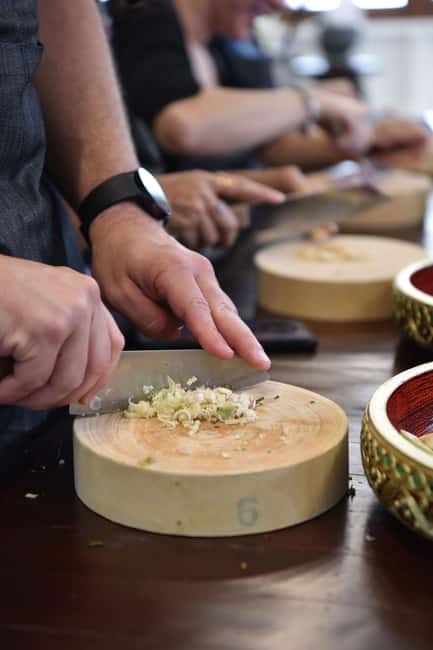
- Plan for a full stretch. The duration is 210 minutes, and you’ll cook four dishes and eat them hot. Going in hungry helps.
- Bring your questions. The best results come when you ask about ingredients and technique while you’re working, not after.
- Know what’s included vs optional. Drinking water is included. Alcoholic drinks are available for purchase, not built into the price.
House of Taste Thai Cooking School: what this setup gets right
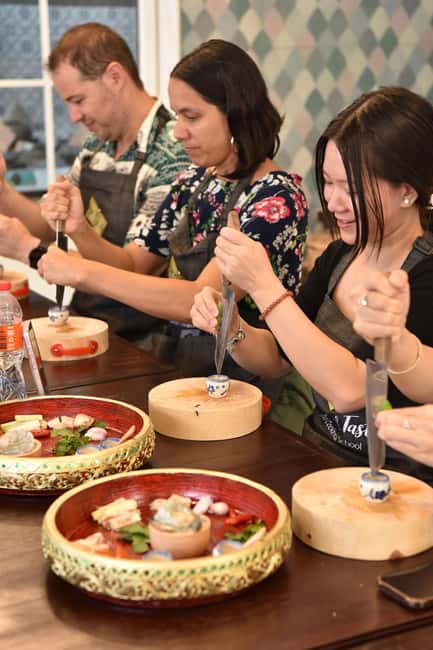
This experience is offered by House of Taste Thai Cooking School, and the format is built for learning. The market part teaches you what to look for, and the kitchen part turns that into repeatable habits.
The four-dish structure also prevents decision fatigue. You’re not deciding what to cook next while you’re trying to learn new knife-work and new spices. The menu is set, the sequence is planned, and you focus on the core skills: curry paste, coconut milk, and Thai flavor balance.
Should you book this Bangkok cooking class?
Book it if you want a cooking class that’s practical, structured, and genuinely useful for cooking at home. The biggest wins are the hands-on curry paste and coconut milk work, the close Suan Phlu market tour, and the fact you cook and eat four dishes while they’re hot.
Skip it if your priority is wandering and browsing for hours, with lots of free time between meals. This is a cooking-and-tasting class with a set flow, so the day won’t feel like open-ended sightseeing.
FAQ
How long is the Bangkok cooking class and market tour?
The class lasts 210 minutes.
Where do I meet for the experience?
Meet at the cooking school in Suan Phlu, Sathon, at 33, Thanon Suan Phlu, behind Suan Phlu Market, Thung Maha Mek, Sathon Bangkok 10120.
What’s included in the price?
You get a four-course meal, drinking water, all ingredients and cooking equipment, a personal locker, standard recipes (free of charge), and a market tour included with the class.
Can the class accommodate dietary restrictions?
Yes. They can accommodate vegetarian, halal, kosher, and allergy-sensitive guests with suitable substitute ingredients.
Are alcoholic drinks included?
No. Alcoholic drinks are available for purchase.
What languages are used during the class?
Instruction is available in English and Thai.
More Tours in Bangkok



More Tour Reviews in Bangkok

Cook It Yourself: Thai Classes

Just In: Fresh Bangkok Reviews



Thai Cooking Classes, compared.
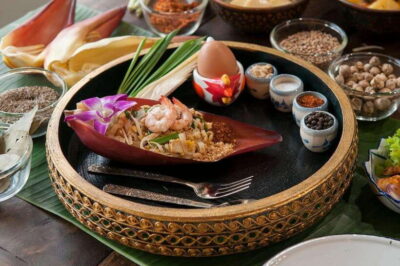 ★ 4.9Hands-on Thai Cooking Class and Market TourFrom $451,614 reviews
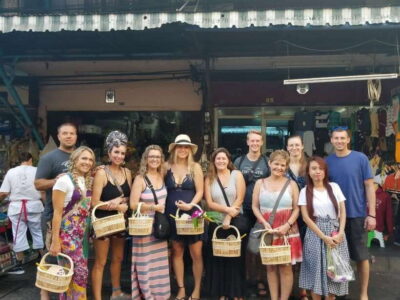 ★ 4.9Tingly Thai Cooking School Half-Day Cooking ClassFrom $411,191 reviews
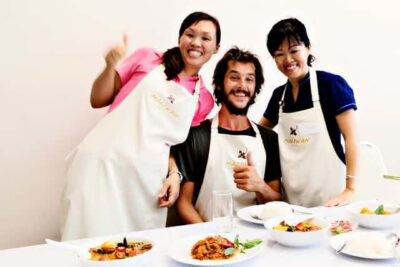 ★ 4.9Maliwan Thai Cooking Class with Market TourFrom $401,133 reviews
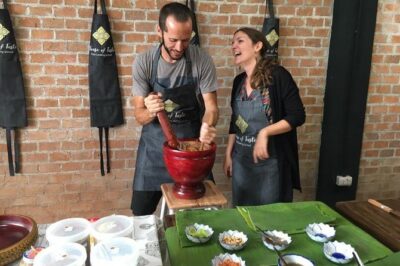 ★ 5.0Hands on Thai Cooking Class and Market TourFrom $45660 reviews
 ★ 5.0Tingly Thai Cooking Class with Morning Market TourFrom $42589 reviews
 ★ 5.0Hands-on Thai Cooking Class & Market Tour in SukhumvitFrom $45571 reviews
 ★ 5.0Pink Chili – Thai Cooking Class and Market Tour in BangkokFrom $38416 reviews
 ★ 5.0Authentic Thai Cooking with the Largest market visit &TukTuk rideFrom $44350 reviews
Browse the lists this tour appears in