
Review · HISTORICAL TOURS
Bangkok: Historic Siam and Cultural Gems Walking Tour
Bangkok rewards slow walking. This 2-hour guided loop strings together Historic Siam temples, political-era landmarks, and Chinatown streets with help from the included Vox City app. I like that you get a live guide in English plus self-guided options after your walk.
You’ll appreciate the mix: ornate temple stops, market streets, river-area views, and street food culture all packed into one plan. One practical bonus that helps a lot in Bangkok: there are multiple start options, so you can match the tour to where you’re already staying.
One consideration: entry to attractions is not included, so you may hit a few paid gates along the way, and that can add cost and time to a tight 2-hour schedule.
In This Review
- Key highlights worth your time
- The Vox City Pass: why a 2-hour tour still lasts longer
- Start where you are: Sanam Chai, Sam Yot, or Hua Lamphong
- Historic Siam: from Wat Ratchapradit to Bangkok City Hall
- Siam area temples and the Wang Burapha district
- Bangkok Cultural Gems: Wat Pho, markets, and the Museum of Siam
- Chinatown by Night: golden shops, temples, and curry rice culture
- The in-between stops that make the whole route click
- The self-guided routes you get after the tour
- Price and value: is $30 fair for a 2-hour walk?
- Who this walk is best for
- Should you book Bangkok: Historic Siam and Cultural Gems Walking Tour?
- FAQ
- How long is the tour?
- What time do the tours start?
- Where do I meet the guide?
- Does the ticket include the Vox City app?
- Is entry to attractions included?
- Is food included?
- What if I can’t go on the same day?
Key highlights worth your time
- Historic Siam + Cultural Gems + Chinatown by Night in one ticket flow
- Vox City app included with map access and extra self-guided walking routes
- English live guides (one praised guide named Fern was noted for being engaging and patient with questions)
- Ornate temple and heritage stops across older Bangkok neighborhoods
- Three starting points and three drop-off areas for easier logistics
- Audio commentary in 5 languages to support the walk
The Vox City Pass: why a 2-hour tour still lasts longer
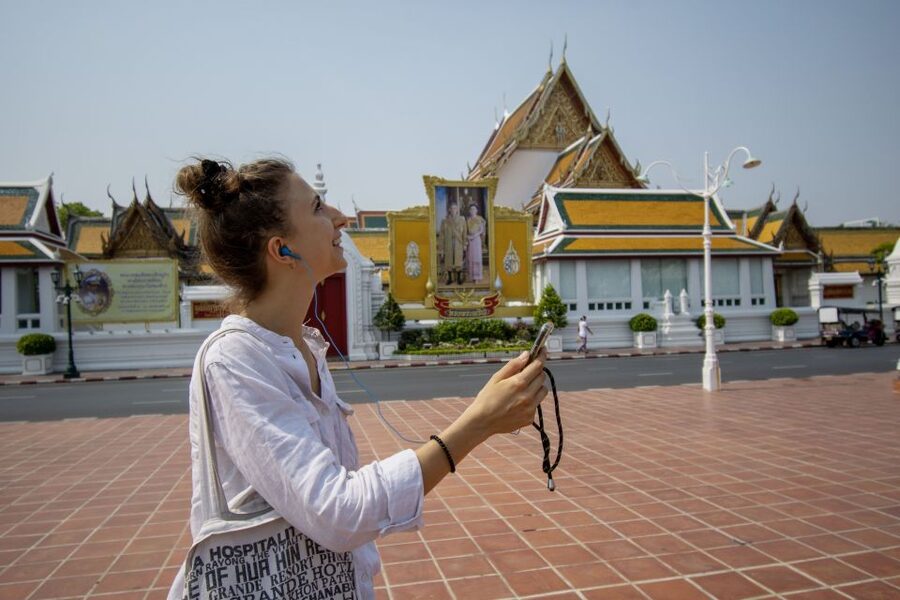
This tour is built around a simple idea: a guided walk gets your bearings, then the app helps you keep exploring without feeling lost. Your ticket includes access to the Vox City app, where you can pull up a map in your preferred language after scanning the QR code on your voucher.
The best part for planning is the time buffer. If you can’t do everything on the same day, your pass stays valid for 3 days from first use. That makes it easier to handle the real-life Bangkok schedule problem: you might want one calmer morning, then pick up a self-guided route later.
You’ll also get audio commentary in five languages. That matters because temple signage can be confusing, and the added audio support helps you connect what you’re looking at with what it means.
Before you go, bring a charged smartphone. The app download and QR scan depend on your phone, and the tour also uses the app for tracking your guides.
Bangkok at walking pace, more routes
- Bangkok: City Highlights Temple and Market Walking Tour
★ 4.5 · 3,990 reviews - Bangkok: Grand Palace and Wat Phra Kaew Guided Walking Tour
★ 4.4 · 2,417 reviews - Bangkok: Wat Pho and Wat Arun Guided Walking Tour
★ 4.6 · 1,720 reviews
Start where you are: Sanam Chai, Sam Yot, or Hua Lamphong
Meeting points can vary depending on the option you booked, but the tour offers three starting locations: Sanam Chai, Sam Yot, and Hua Lamphong. These aren’t random names; they line up with big Bangkok corridors that make walking loops easier.
You also get three drop-off locations: Sam Yot, Hua Lamphong, or Sanam Chai. This is a big deal for value. Many city walks end in an inconvenient spot, leaving you to add extra time for transit. Here, you can aim to end near where you started—or near a station/landmark you already planned to use later.
Tours begin at 09h00, so you’re dealing with a morning start. That’s helpful for comfort and photo light, and it also means you’ll likely beat the worst late-day crowding.
Historic Siam: from Wat Ratchapradit to Bangkok City Hall
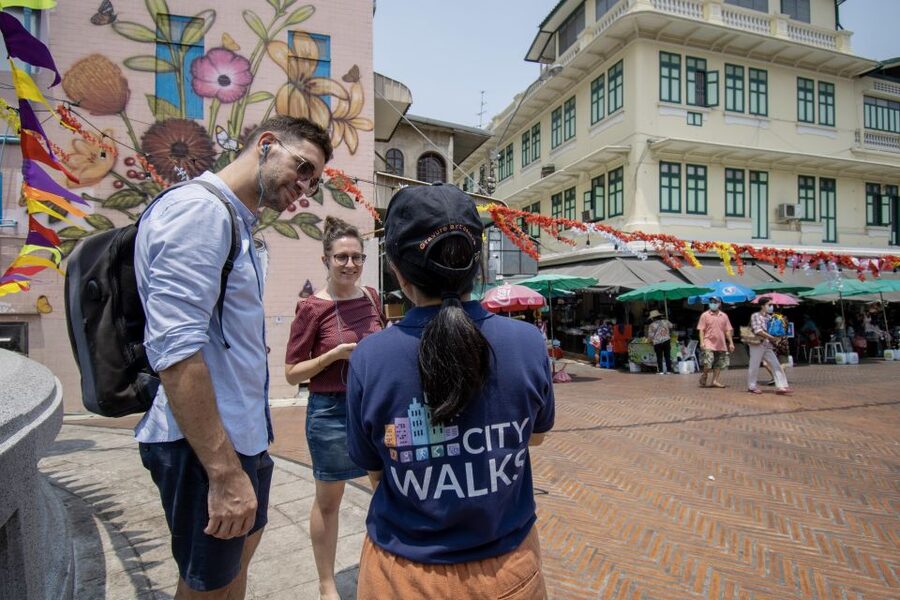
The Historic Siam segment is where you learn how Bangkok’s older layers connect—religion, royal history, and civic power all rubbing shoulders.
You’ll see stops tied to the classic Siam-era setting, including Wat Ratchapradit, a temple name that points you toward Bangkok’s style of blending devotion with ornate design. The route also includes Pi Kun Bridge and Mahakan Fortress, which shifts the mood from sacred quiet to “how the city protected itself” thinking.
From there, you move through streets associated with old Bangkok life, including Tanao Road and Rommaninat Park. These aren’t just filler between major sights; they’re the kind of transitions that help you understand how the city actually functions beyond the photo points.
The plan continues with Wat ratchabophit and ends with a stop connected to Bangkok’s civic identity: Bangkok City Hall. That pairing—temples plus government buildings—can feel surprising, but it’s exactly why this tour works. You start noticing Bangkok isn’t only a temple city. It’s a city where power and faith share the same geography.
A small practical note: if you want to slow down for photos or read signage, this style of route may feel fast. You’re walking and listening at the same time, so think of it as an orientation tour first, not a sit-and-stare museum day.
Siam area temples and the Wang Burapha district
Your walk also targets the Siam area and the Wang Burapha district, which helps you experience Bangkok’s older temple-heavy streets without trying to stitch together directions on your own.
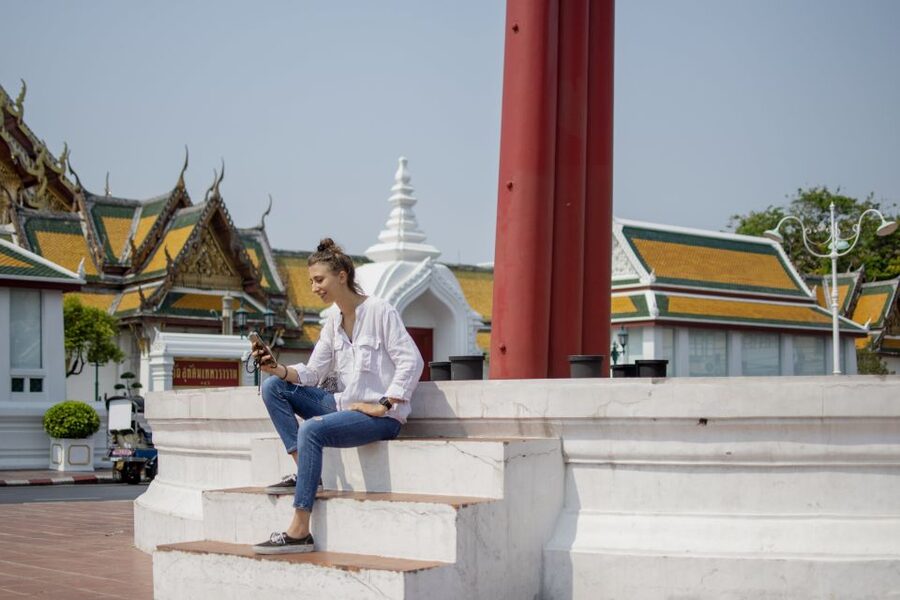
One of the standout temple-focused stops mentioned in the route is Wat Suthat and the Giant Swing. The Giant Swing is the kind of landmark that pulls your attention immediately, and it’s useful as a mental anchor for everything else nearby. Even if you only spend a short time here, you leave with a clear picture of how iconic elements shaped the district’s layout.
Another heritage stop is Wat Ratchanatdaram. This kind of temple visit is less about ticking off a name and more about learning what to look for: decorative style, how the temple space is arranged, and why these buildings feel like they belong to the street.
Then you head toward Mahakan Fort and Pi Kun Bridge again as part of the overall Siam-era storytelling. Seeing these together helps you connect “the city’s defenses” with “the city’s sacred spaces,” instead of treating them as separate sightseeing themes.
If you’re the type who likes context—why a place exists, not only what it looks like—this temple-heavy structure is a good match.
Deeper into old Bangkok
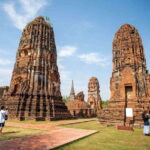




Bangkok Cultural Gems: Wat Pho, markets, and the Museum of Siam
The Cultural Gems segment is where Bangkok feels like it has a pulse you can watch. This part mixes religious landmarks with daily-life streets, so you get the sense of what locals were and still are doing in these neighborhoods.
You’ll visit Wat Pho, one of Bangkok’s most famous temple complexes. Even if you don’t go deep into every corner, the value here is the guided order: you’re learning how the temple connects to the surrounding old-city grid.
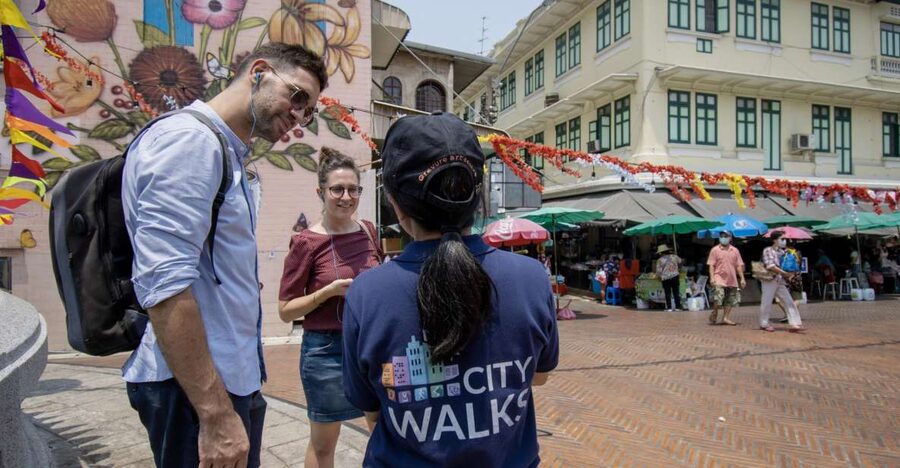
The route also includes Drum Tower and Phahurat market, plus the Sampheng area. Markets in Bangkok aren’t just places to buy things; they’re living history of trade and Chinese-Thai commerce. Walking through them with a guide helps you make sense of why they developed where they did.
Another named stop is Museum of Siam, which can help you zoom out from the street-level details and understand how Bangkok describes its own story. You’ll also pass Mon bridge, giving you a sense of the river-and-traffic logic that shaped old neighborhood patterns.
One thing I like about this segment: it doesn’t treat culture as something sealed behind museum glass. You move from temple to market to a history space, so your brain keeps building a connected picture.
The tradeoff is timing. This is still a 2-hour experience overall, and the cultural stops can be visually demanding. If you’re easily distracted by side streets, you may need to pick priorities—listen first, then take photos where you can.
Chinatown by Night: golden shops, temples, and curry rice culture
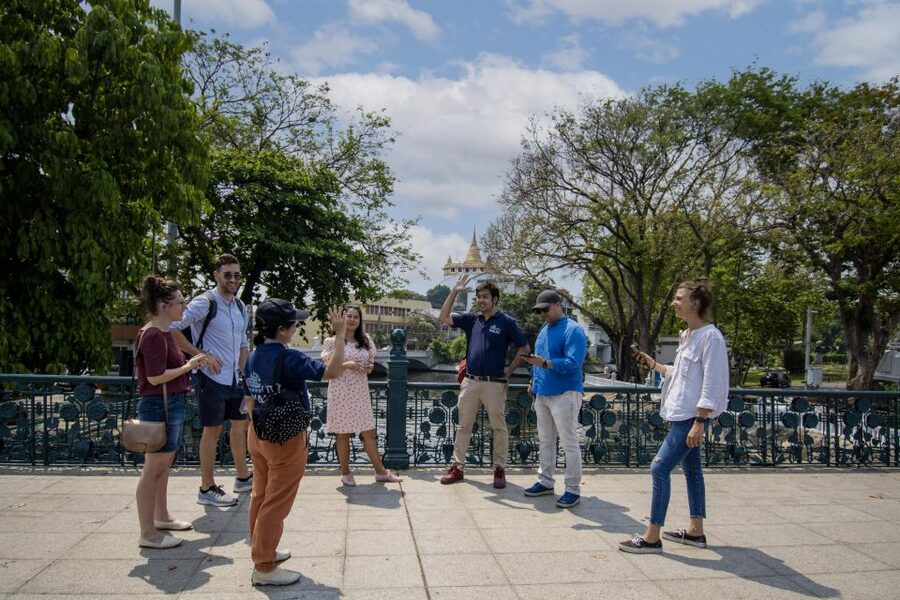
Chinatown is often sold as a night market plan, but this version is more structured. It helps you understand the neighborhood as a whole, not just a snack stop.
You’ll start with the Chinatown gate, Bangkok, then move through the area’s main signals of identity, including Tang Toh Kang Golden Shop and Wat Mangkon Kamalawat. The golden shop name alone tells you what to notice: the way trade wealth shows up in storefront architecture and signage.
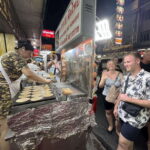
The route also includes Nana Plaza, plus a food stop tied to local flavor: Jek Pui curry rice. If you like street food but don’t want to guess where to go, having a named stop within a guided route is reassuring.
The walk also touches Charoen Krung Rd, a major artery that helps you feel how Chinatown connects outward. It’s one of those streets where the neighborhood’s energy makes more sense when you see it stretched into the city.
A practical detail: food is not included. That means you’ll likely pay for any snacks or meals yourself, but it also means you can choose what fits your taste and your pace.
The in-between stops that make the whole route click
Even with the theme segments, the tour includes extra landmarks that help you map Bangkok more clearly.
For example, Pathum Wan appears as a guided stop. That area’s inclusion matters because it links the older Siam-era storyline to the wider city grid you’ll use later when you navigate on your own.
The route also includes Wat Hong Rattanaram and Wat Saket. These stops add more temple variety, and they help prevent the walk from feeling like one long repeat of the same type of sight. When you see different temple styles back-to-back, you start noticing patterns faster.
You’ll also encounter Pi Kun Bridge and Mahakan Fortress as key “structure” points. Bridges and forts act like visual landmarks. They help you build a mental map even when you’re overwhelmed by Bangkok’s street complexity.
If you’re trying to learn Bangkok for real, these intermediate stops are the difference between a fun walk and an actually helpful orientation.
The self-guided routes you get after the tour
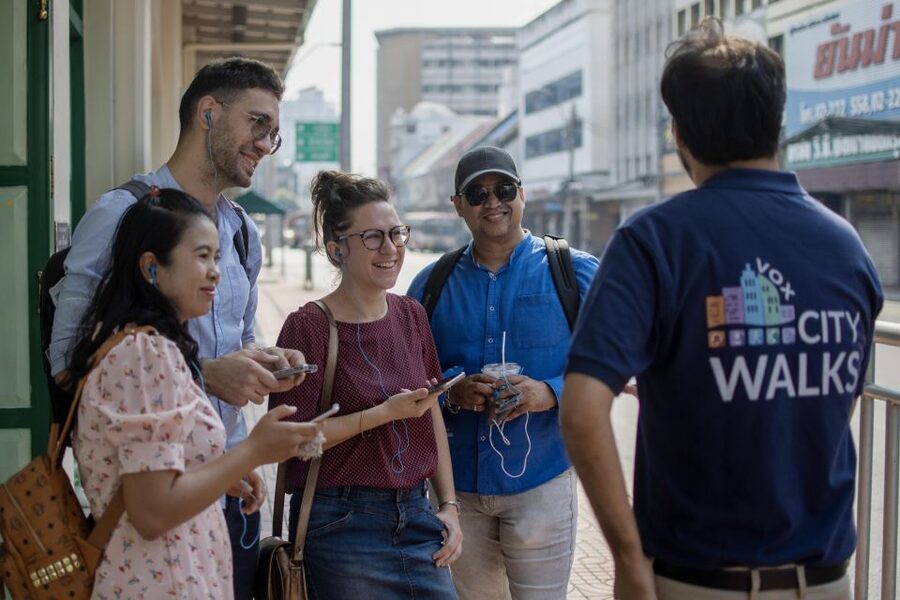
The Vox City app doesn’t just help you during the guided portion. It also gives you access to multiple self-guided walking routes covering main quarters.
One “main sights” list mentioned includes stops like Wat Pathum Wanaram, Erawan Shrine, Talat Phlu, and Siam Square. That’s a nice spread because it mixes landmark worship sites with shopping-area energy.
Other names on the route list include Wat Chana Songkhram Ratchaworamahawihan, Phra Sumen Fort, and Sampheng-adjacent old-city exploration points such as Chiao Eng Biao Shrine. You also see names tied to Chinese heritage areas, including Guan Yu shrine.
The point isn’t to memorize names—it’s to know you’ll have a ready-made way to keep walking after the 2 hours end. If you like structured exploration but hate decision fatigue, this add-on value matters.
Price and value: is $30 fair for a 2-hour walk?
At $30 per person for a 2-hour guided experience, the value mainly comes from three layers:
- You’re paying for a guide who connects the sites into a story, not just a route.
- You’re also getting the Vox City app with audio and self-guided walking options.
- You’re getting multiple themed segments (Historic Siam, Cultural Gems, Chinatown by Night) packed into one experience.
The biggest reason this price can make sense: entry fees and food aren’t included, so you’re not paying for things you may not want. Instead, your ticket focuses on interpretation and navigation.
Still, keep expectations realistic. If you show up hoping for a full-day museum-style tour where you pay no extras, this won’t match that. It’s a walking plan that helps you choose what to do next.
The guide experience seems to be a strong point. One English-speaking guide named Fern was singled out for being engaging, using the time well, and answering even “touristy” questions without hesitation.
Who this walk is best for
This is a great fit if you want a fast but meaningful introduction to central Bangkok. It works particularly well if you like temples, older city districts, and street-life neighborhoods—without needing to master directions on your own.
You’ll also like it if you’re the type who asks questions. The format depends on a live guide, and the guidance style described in reviews suggests you won’t be brushed off if you’re curious about tourist basics.
Where it might not be ideal: if you prefer long, slow stops inside major attractions, the 2-hour time window may feel tighter than you want.
Should you book Bangkok: Historic Siam and Cultural Gems Walking Tour?
If you want a structured way to see central Bangkok’s big themes—Historic Siam, temple districts, market streets, and Chinatown—this is a good deal at $30. The included Vox City app is what turns it from a one-off walk into a multi-day exploration tool.
I’d book it if you’re aiming to get your bearings quickly and then roam later with confidence. Skip it only if you want fully included entry/food and a slower, more extensive sightseeing pace.
FAQ
How long is the tour?
The duration is 2 hours.
What time do the tours start?
Tours start at 09h00.
Where do I meet the guide?
Meeting points may vary depending on the option booked, with starting locations listed as Sanam Chai, Sam Yot, and Hua Lamphong.
Does the ticket include the Vox City app?
Yes. The Voxcity app is included in your ticket, and you can download it and scan the QR code on your voucher to access the map.
Is entry to attractions included?
No. Entry to attractions is not included.
Is food included?
No. Food and drinks are not included.
What if I can’t go on the same day?
Your ticket is valid for 3 days from the first use.
Bangkok on Foot: More Walks




More Tours in Bangkok



More Tour Reviews in Bangkok




Just In: Fresh Bangkok Reviews




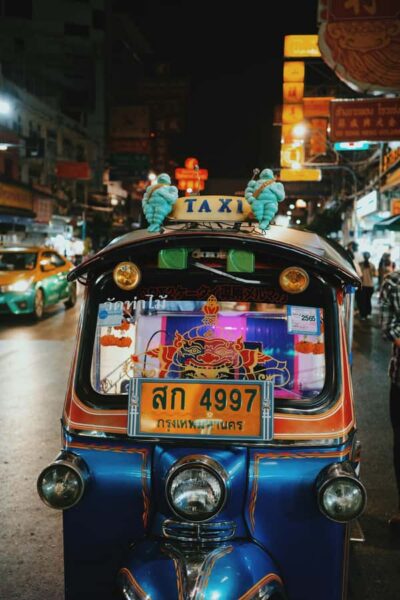
Historical Tours, compared.
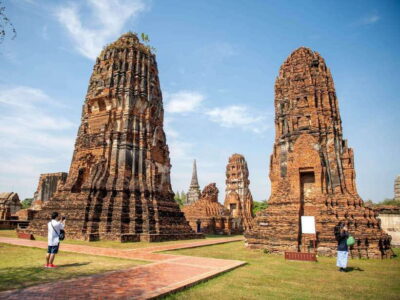 ★ 4.6From Bangkok: Ayutthaya Historical Park Guided Day TripFrom $283,020 reviews
 ★ 4.5UNESCO’s Ayutthaya Historical Park: Full-Day Tour from BangkokFrom $281,559 reviews
 ★ 4.6From Bangkok: Historical Day Tour to River KwaiFrom $51868 reviews
 ★ 5.0Historical City of Ayutthaya – Unesco Full Day Tour From BangkokFrom $41847 reviews
 ★ 5.0Private Excursion to Floating Market and Ayutthaya World HeritageFrom $184515 reviews
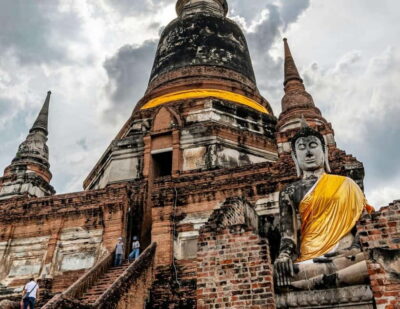 ★ 4.5From Bangkok: Ayutthaya Heritage Tour with Sunset Boat RideFrom $32490 reviews
 ★ 5.0Private Excursion to Ayutthaya, UNESCO World Heritage site with Boat TourFrom $159460 reviews
 ★ 4.5River Kwai Day Tour from Bangkok – History, Scenery & CultureFrom $97206 reviews
Browse the lists this tour appears in