
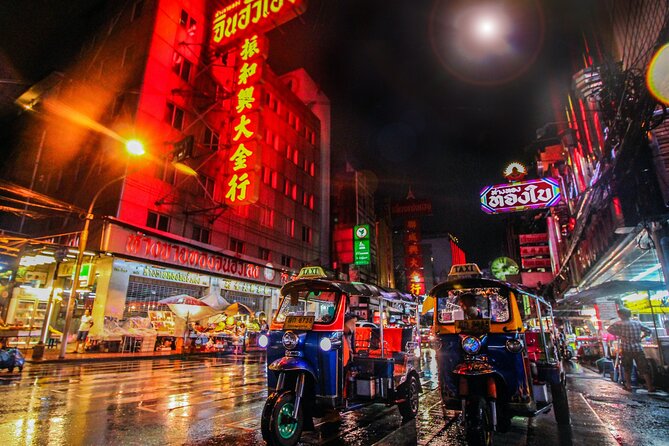
Review · CHINATOWN TOURS
Bangkok: Chinatown by Night Walking Tour
Neon night streets move fast, and this walk helps you read them. I like the street-food moments paired with real explanations of what you’re looking at, and I like the way the route takes you beyond the obvious main strip. One catch: the app you’ll use after the walk needs your own headphones and your own mobile device.
You’ll start at Hua Lamphong MRT, meet your English-speaking guide at Exit 1, and spend about 90 minutes getting oriented in Chinatown at night. Expect gold-shop history, old shopfronts, and a practical route that ends back where you started, so you can keep going on your own with the included in-app walks.
In This Review
- Key points to know before you go
- Hua Lamphong to Chinatown Gate: night orientation that saves time
- Gold trade storefronts: how to spot the merchant-era clues
- Street snacks and bird’s-nest stops: what you’ll actually taste
- Wat Mangkon Kamalawat and the religious contrast in Yaowarat
- Charoen Krung Road and Plaeng Nam Road: the big-road view
- Nana Tai Alley and the “in-between” spots that make it worth it
- Berlin stop to the final walk back: keeping your night organized
- Vox City App self-guided routes: your second act after the guided hour
- Price and value: what $18 buys you in Chinatown
- Who should book this Chinatown by Night tour
- Should you book Bangkok Chinatown by Night?
- FAQ
- Where do I meet the guide?
- How long is the tour?
- Is the tour guided in English?
- Do I need headphones?
- Are food and drinks included?
- What app do I use for the self-guided tours?
Key points to know before you go
- Hua Lamphong MRT Exit 1 is your meeting anchor, so you can find the group fast.
- English live guide storytelling connects the sights to trade, food, and local customs, not just photo stops.
- Gold trade clues show up right in storefront names like Chin Hua Heng Gold Shop and other merchant-era businesses.
- Snack-stop focus includes Thai street treats such as Yaowarat Toasted Buns and you’ll also pass bird’s-nest/shark-fin sellers.
- You’re not stuck with one route: the Vox City App includes three self-guided walking tours you can keep using after the guided portion.
- Side-street time matters, including places like Nana Tai Alley, where the neighborhood feels lived-in rather than staged.
Hua Lamphong to Chinatown Gate: night orientation that saves time
The experience kicks off at Hua Lamphong, meeting your local expert outside the main exit number 1 of the MRT. That’s a smart choice: you’re starting from a major transit hub, which makes it easier to pair this with other Bangkok plans later.
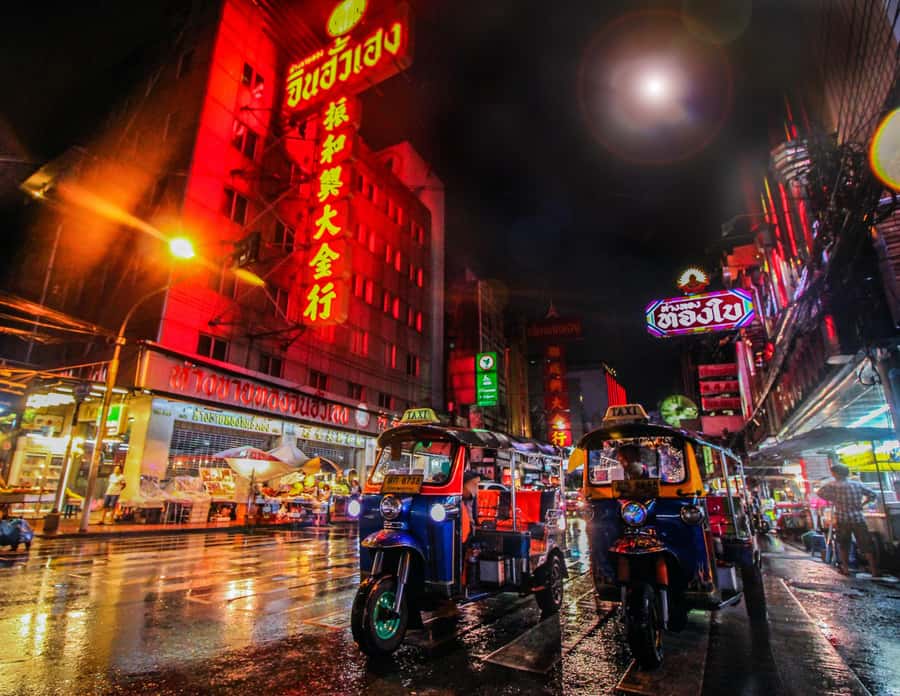
From the first minutes, the goal is to help you stop guessing. The guide sets the tone by pointing out what to pay attention to as the streets change from big roads to tighter lanes. Expect the night lighting, loud shop signs, and the constant flow of people to be part of the story, not a distraction.
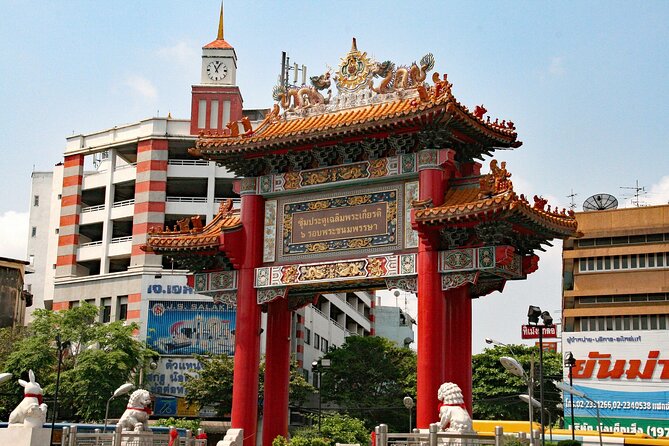
Then you hit Chinatown Gate, Bangkok, where the neighborhood basically introduces itself. This isn’t just a landmark for a picture. It’s the moment where the guide can explain what Chinatown represents in Bangkok: trade, migration, and the way commerce shapes the street-level look you see after dark.
Possible drawback to plan for: if you’re hoping for a sit-down “food tour” with lots of included tastings, this isn’t that kind of setup. Food and drinks aren’t included, so you’ll be choosing snacks as you go rather than receiving a full itinerary of dishes.
Deeper into Yaowarat after dark
- Bangkok Authentic Tasting Thai-Chinatown Walking Food Tour
★ 4.9 · 852 reviews - Bangkok: Tuk Tuk Adventure Chinatown Michelin Food & Temples
★ 4.3 · 725 reviews - Bangkok Tuk-Tuk Tour by Night with Chinatown Street Food Meal
★ 5.0 · 635 reviews
Gold trade storefronts: how to spot the merchant-era clues
Chinatown at night looks like a food-and-shopping maze, but the tour gives you a way to make sense of the signs. A big theme is the history of the gold trade, and the walk threads that story through shops tied to the trade.
You’ll pass Chin Hua Heng Gold Shop, and the point here isn’t the gold itself. It’s how the guide connects the storefronts and business names to the wider commercial history of the area. Once you hear the trade context, you start noticing details you would normally ignore, like the way shopfronts announce their specialty and how that specialty fits the neighborhood’s identity.
You’ll also see Chin Seng Cheang Limited Partnership and other merchant-linked signage along the way. Even when a stop feels like “just a shop,” the guide’s job is to translate the place into a story: who the business represents, why it matters, and how old commerce still affects the street today.
A plus I’d count on: guides can be very practical. In real-world Chinatown navigation, the “hard part” is knowing where to walk and what’s worth your time. Some guides are the type to help you with logistics like crossing the street smoothly and even getting your ride-app navigation working once you’re done.
Street snacks and bird’s-nest stops: what you’ll actually taste
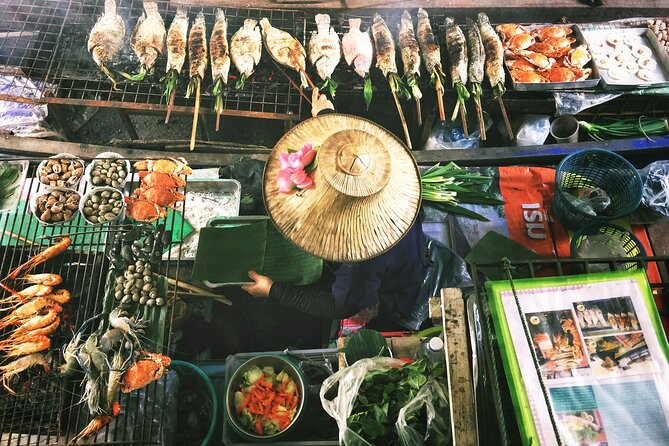
Food is a main reason people come to Chinatown, and the tour pushes you toward that, but with context. The guide offers insights while you’re moving, including explaining dish names and what you’re likely to be ordering.
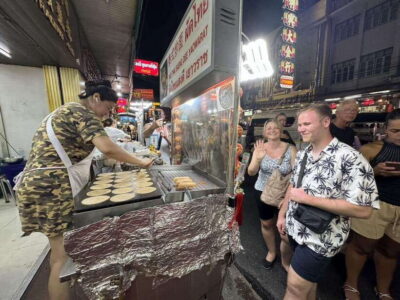
One stop that’s clearly food-forward is Yaowarat Toasted Buns. This is the kind of snack place that can look chaotic if you’re on your own. With a guide, you get a better sense of what to try and how to order without turning the whole moment into guesswork.
You’ll also pass shops tied to bird’s-nest and shark-fin trade, including Nam Sing Bird’s Nest- Shark Fin and สยามรังนกทะเลใต้. Even if you don’t plan to buy something, these storefronts tell you a lot about what Chinatown sells and how food culture overlaps with older trade routes. The guide’s explanations help you understand that you’re not just looking at “weird tourist food,” but at a long-running market ecosystem.
A smart expectation to set: food and drinks aren’t included, so you should carry some cash and expect to spend a little if you want to sample multiple stalls. You’ll come away with a short list of places to return to later, which is great value if you like eating your way through neighborhoods.
Wat Mangkon Kamalawat and the religious contrast in Yaowarat
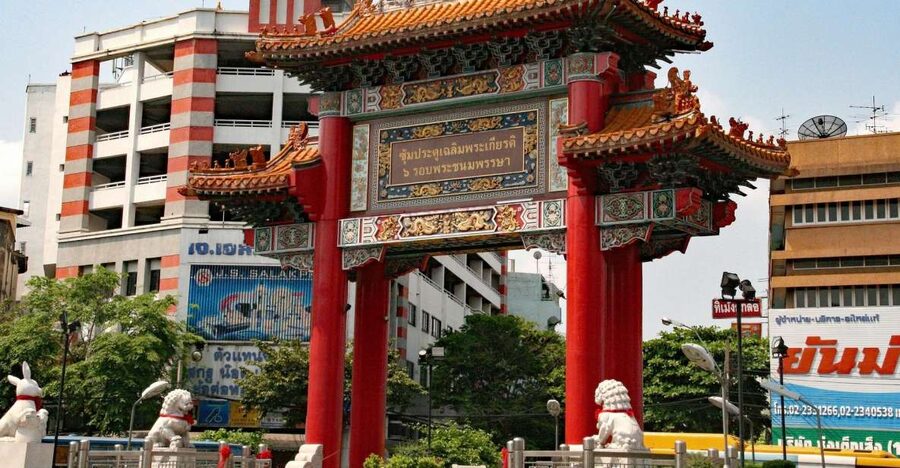
Chinatown isn’t only commerce. The tour builds in a cultural reset with a major temple stop: Wat Mangkon Kamalawat.
This is where the street-level rhythm slows down a bit. You get a chance to step away from neon signs and snack smells and see how faith and community show up right in the middle of a commercial district. If you’ve been treating Chinatown like a food market, this stop gives it depth and balance.
The guide will usually connect the temple setting to what you’ve already seen around it: how immigrants and communities built institutions, how those institutions shaped local routines, and how the night street and the religious space coexist.
Watch for one limitation: if you want a long temple visit, this isn’t built that way. The tour stays focused on walking and brief context points, so you’ll likely want to return later if you’re the type who could spend hours inside sacred spaces.
Bangkok at walking pace, more routes

Charoen Krung Road and Plaeng Nam Road: the big-road view
After the tighter Chinatown feel, you move along Charoen Krung Road and then Plaeng Nam Road. These stretches matter because they show you Chinatown’s scale from a wider angle. On the small lanes you feel enclosed; on the bigger roads you see how goods and people flow through the area.
At night, these roads can feel intense: moving traffic noise, bright shop lighting, and constant activity. The guide’s role here is to keep you oriented so you’re not overwhelmed by motion. You’ll get cues about where the street energy is coming from and which parts of the neighborhood function like commercial arteries.
This is also where you can appreciate the blend of old and new. Even if the storefronts change, the street design and the merchant mindset remain. It’s a useful way to understand why the neighborhood looks the way it does, not just what it sells.
Nana Tai Alley and the “in-between” spots that make it worth it
The real payoff often comes after you’ve seen the obvious highlights. The tour includes side streets like Nana Tai Alley, which helps you experience Chinatown beyond the main thoroughfares.
An alley is where you feel daily life. You’ll notice smaller eateries, compact shops, and those in-between moments that aren’t on the first-page tourist route. It’s also where photos can look more interesting because the street framing feels more human and less like a wide boulevard.
On the way, you’ll pass The Mustang Blu, which adds a modern contrast to the older storefront rhythm. Stops like this remind you that Chinatown in Bangkok isn’t frozen in time. It keeps absorbing newer styles while old trade patterns still influence what’s around you.
Then there’s Berlin Pharmaceutical Museum—a surprising name that acts like a curiosity detour. Even if you don’t go inside (and entry isn’t included), it’s the kind of place that sparks questions about how businesses evolved and how niche institutions can exist in the middle of a street market zone.
Finally, you’ll see a stop tied to Tang Toh Kang 陳焯剛. With named merchant ties like this, the guide can help connect the person behind the name to the neighborhood’s commercial history—another clue that Chinatown’s look isn’t random. It’s stitched together by families, trades, and business networks that lasted long enough to become part of the street identity.
Berlin stop to the final walk back: keeping your night organized
The walk loops back toward Hua Lamphong at the end, so you finish with a clear endpoint rather than wandering until you’re hungry or lost. That matters in a neighborhood this active, especially if you’re new to Bangkok or you don’t read Thai.
One more thing I like about the way this tour is structured: it doesn’t try to do everything. Ninety minutes is a tight window, so the best guides make sure you leave with a map in your head—where to eat, what to look for, and what you should return to on a second night.
If you happen to get a guide like Nam, Fern, or Dan (names that come up often), the style can feel very personal and practical, including help with photos and quick recommendations after the tour. Even when the route stays on track, the guide can adjust pacing if the street conditions change.
Vox City App self-guided routes: your second act after the guided hour
The tour doesn’t end at the final step back to Hua Lamphong. You also get access to three self-guided walking tours inside the Vox City App.
Here’s why that’s useful: it turns your Chinatown night into something you can extend. You can take what you learned from the guide and then follow your own pace, using the suggested routes the app provides. The app routes are designed to include both recognizable spots and less obvious ones, which is exactly how you get more value out of a short guided window.
To use it, you download the Vox City App, then scan the QR code on your voucher to get the map in your preferred language. You’ll need your mobile device, and if you want the audio, plan on bringing headphones since they aren’t included.
A simple strategy that works: treat the guided tour as your orientation layer, then use the self-guided walks to return to the stalls and streets that caught your attention.
Price and value: what $18 buys you in Chinatown
At $18 per person for about 90 minutes, this tour prices like an “orientation plus food clues” experience. That’s good value in Chinatown, because the hardest part isn’t walking—it’s knowing what’s worth your time and how to interpret what you’re seeing.
You’re paying for three things:
- A live English guide who connects the sights to trade and local customs
- Practical street direction so you don’t waste your energy on the wrong turns
- App-based self-guided routes that let you keep exploring without paying for a second guided tour
Two things not included also affect value planning. Food and drinks aren’t included, and headphones aren’t included. If you budget for snacks and bring headphones, you’ll feel like you got a lot out of a short walk.
If you’re the type who hates missing context in big cities, this is a smart way to get it without spending half a day.
Who should book this Chinatown by Night tour
This tour is a strong fit if you:
- Want a fast first-night orientation to Bangkok’s Chinatown
- Like street food but want help choosing and ordering
- Enjoy learning how merchant trade shaped what you see on storefronts and streets
- Prefer a guide for the hard-to-navigate lanes, then self-guided exploring after
It’s less ideal if you want:
- A long, sit-down meal program where food is fully included
- A museum-focused tour with lots of paid entries
- A slow, detailed walk that feels like a full-day neighborhood study
Should you book Bangkok Chinatown by Night?
Yes, if you want a confident way to experience Chinatown at night without aimless wandering. For the price, you get live English storytelling, a tight route with memorable stops (including Yaowarat Toasted Buns and multiple trade-linked shopfronts), and then the Vox City App’s three self-guided walks to keep the momentum.
Book it when you have at least one more night in Bangkok. The guide gets you oriented in this one, and the app helps you turn that knowledge into an easy second pass.
FAQ
Where do I meet the guide?
You meet your local expert outside the main exit number 1 of MRT Hua Lamphong.
How long is the tour?
The walk is listed as 90 minutes.
Is the tour guided in English?
Yes. The live tour guide speaks English.
Do I need headphones?
Headphones are not included, and the Vox City App route may use audio, so it’s smart to bring your own.
Are food and drinks included?
No. Food and drinks are not included, even though you’ll pass and taste popular Thai street food options.
What app do I use for the self-guided tours?
Download the Vox City App, scan the QR code on your voucher, and use the map and suggested routes in your preferred language. You get access to three self-guided walking tours in the app.
More Tours in Bangkok

More Tour Reviews in Bangkok



Deeper Into Yaowarat
Just In: Fresh Bangkok Reviews


Chinatown Tours, compared.
 ★ 4.9Bangkok Authentic Tasting Thai-Chinatown Walking Food TourFrom $43852 reviews
 ★ 4.3Tuk Tuk Adventure Chinatown Michelin Food & TemplesFrom $18725 reviews
 ★ 5.0Bangkok Tuk-Tuk Tour by Night with Chinatown Street Food MealFrom $40635 reviews
 ★ 5.0Bangkok by Night Food Tour with 10+ Tastings in ChinatownFrom $46545 reviews
 ★ 4.6Bangkok Tuk-Tuk by Night with Chinatown Street Food MealFrom $40263 reviews
 ★ 4.8Chinatown Food Tour with Michelin Food StallsFrom $36226 reviews
 ★ 5.0Bangkok Night Michelin Foodie Tour in Chinatown with 15+ tastingsFrom $56189 reviews
 ★ 5.0Night Street Food Tour of Bangkok’s ChinatownFrom $58173 reviews
Browse the lists this tour appears in