
Review · THAI COOKING CLASSES
Bangkok: Thai Cooking Class With 4 Dishes & Thai Drink
Street food is great, but this is personal. In a small-group Thai cooking class, you shop nearby, cook at your own station, and learn how the flavors actually work across 4 iconic dishes. I also like that the meal is shared family-style right after cooking, so you get a real sense of Thai dining rhythm and not just a demo. One thing to consider: the class is set up for participants cooking, so extra people like translators or camera operators must also be paid, and kids under 10 can’t join in the cooking.
Why I’d put this class on your Bangkok food list is simple. You’ll learn by doing: Tom Yum Goong, Pad Thai, Som Tum (papaya salad), and Mango Sticky Rice, all in a homie-style kitchen with close instructor attention. A second favorite: the market walk, where you see the ingredients before you touch the stove. The possible drawback is timing: it’s 4 hours total, so if your schedule is ultra-tight, plan your other stops around the MRT link between the meeting point and the cooking school.
In This Review
- Key Things I Think You’ll Like Most
- Market Start at Huai Khwang MRT: Where the Ingredients Get Real
- The Tuktuk Ride to the Homies Thai Kitchen: Cozy Setup, Not a Factory
- Four Classic Dishes in One 4-Hour Session
- Tom Yum Goong: Learning Thai Sour, Spicy, and Aromatic Balance
- Pad Thai: Stir-Fry Rhythm and Sauce Timing
- Som Tum (Papaya Salad): Crunch, Heat, and Thai Style Dressing
- Mango Sticky Rice: The Sweet Ending That Actually Teaches Dessert
- Family-Style Meal Time: Eating As a Skill, Not a Reward
- Vegetarian, Vegan, and Halal Options: Ask Early, You’ll Thank Yourself
- Instructor Attention and the Small-Group Advantage
- Price and Value: What $46 Buys You in Real Skills
- Ending at Sutthisan MRT: Easy to Keep Moving
- Should You Book This Thai Cooking Class?
- FAQ
- Where do I meet for the class?
- How long is the cooking class?
- What dishes are included in the class?
- Is the instruction offered in English?
- How big is the group?
- Can I request vegetarian, vegan, or halal options?
- What is the transport like during the activity?
- Where does the activity end?
Key Things I Think You’ll Like Most
- Market walk first, so you start cooking with context for herbs, sauces, and produce
- Four dishes, not one or two, covering soup, stir-fry, salad, and dessert
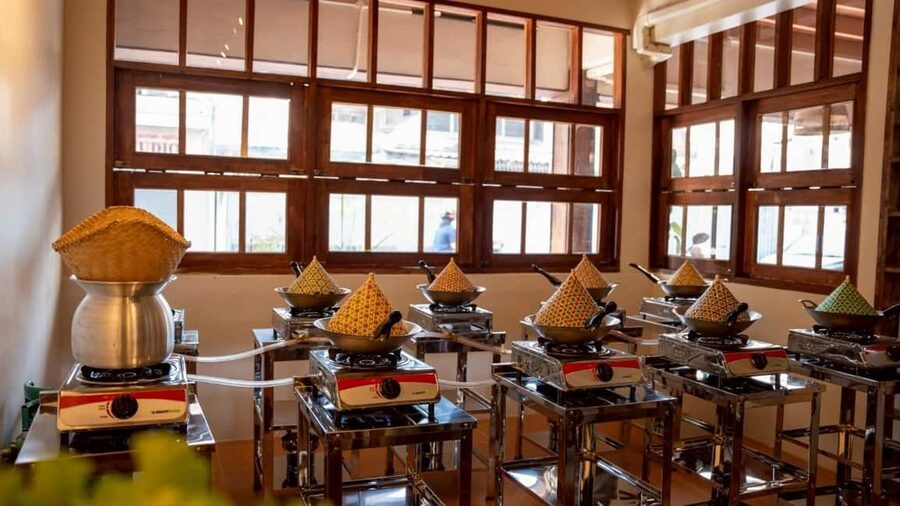
- Your own cooking station, which makes it easier to follow along without waiting
- Small group up to 8, designed for personal attention and questions
- English instruction, helpful if Thai isn’t your strength
- Dietary options available on request, including vegetarian, vegan, and halal
Market Start at Huai Khwang MRT: Where the Ingredients Get Real
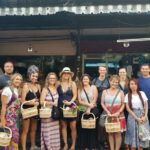
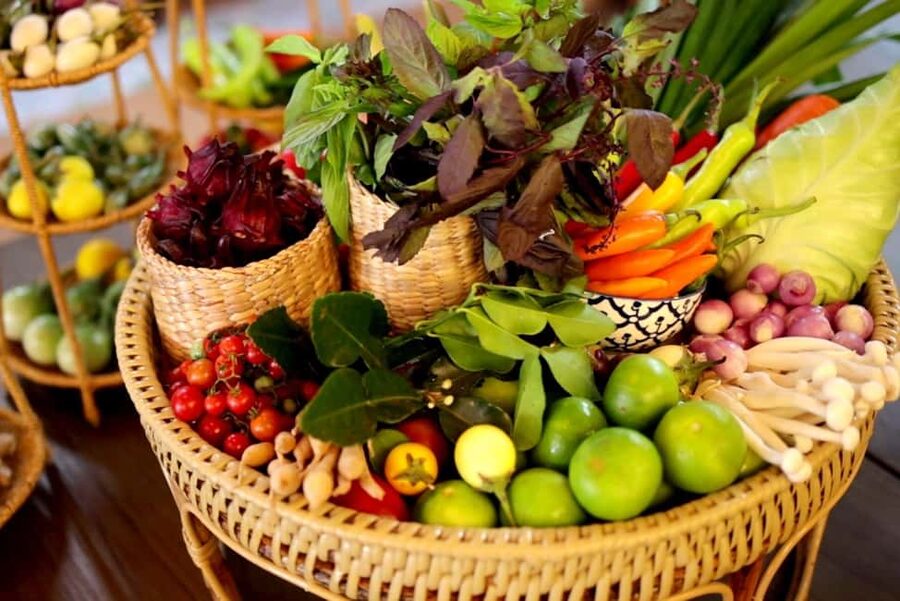
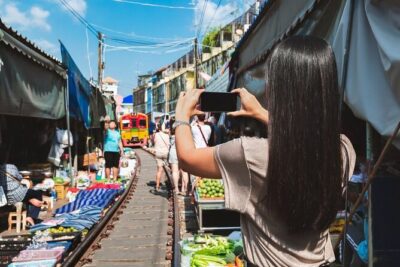
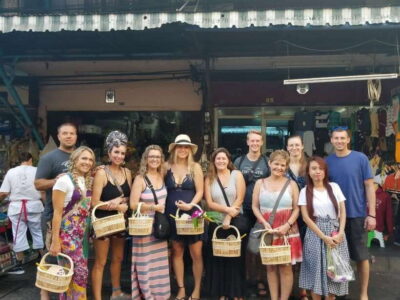
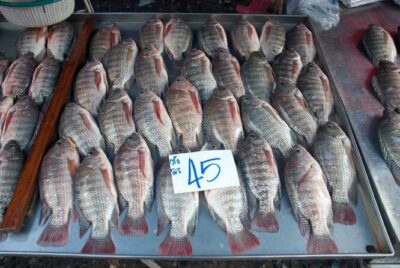
You meet at Huai Khwang MRT Station, Exit 3, then you get a quick welcome and head to a nearby local market. This is one of those Bangkok moments that helps everything click later. When you’ve already seen the ingredients in the wild—rather than only recognizing them from a restaurant plate—you cook with better instincts.
What I like about the market portion is that it’s practical. Instead of wandering for the sake of wandering, you’re in “ingredient mode,” looking for the pieces that make Thai food Thai: aromatics, chili heat levels, sour elements, and the sweet balance in desserts. It also sets you up to understand why certain steps matter, like building flavor in stages instead of dumping everything at once.
If you’re sensitive to spicy food or strong aromas, you’ll still be fine, but go in with the right mindset. You’ll likely see and smell plenty of chili, garlic, and herbs. The good news: the instruction can be tailored with food restrictions available upon request, so you’re not stuck following one rigid formula.
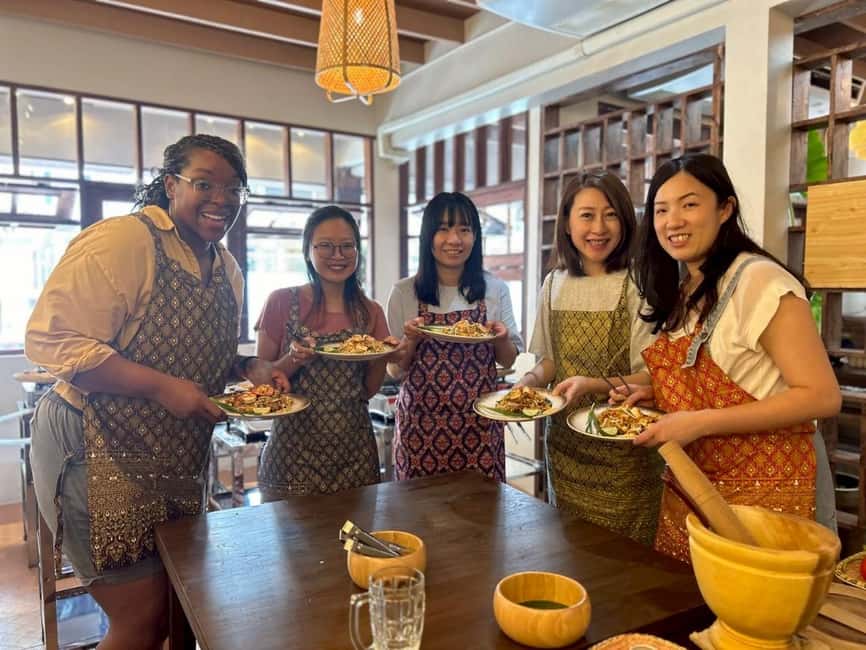
Aprons on for another Thai kitchen
- Bangkok: Hands-on Thai Cooking Class and Market Tour
★ 4.9 · 1,614 reviews - Bangkok: Tingly Thai Cooking School Half-Day Cooking Class
★ 4.9 · 1,191 reviews - Bangkok: Maliwan Thai Cooking Class with Market Tour
★ 4.9 · 1,133 reviews
The Tuktuk Ride to the Homies Thai Kitchen: Cozy Setup, Not a Factory
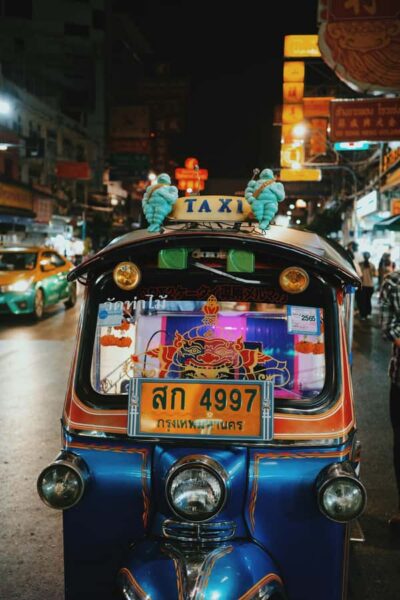
After the market, you take a tuktuk ride to the cooking school. It’s a short transfer, but it helps you shift from sightseeing mode to cooking mode. When you arrive, the kitchen feels cozy and homie-style, and that matters because it makes the class feel like a shared activity instead of a performance.
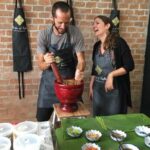
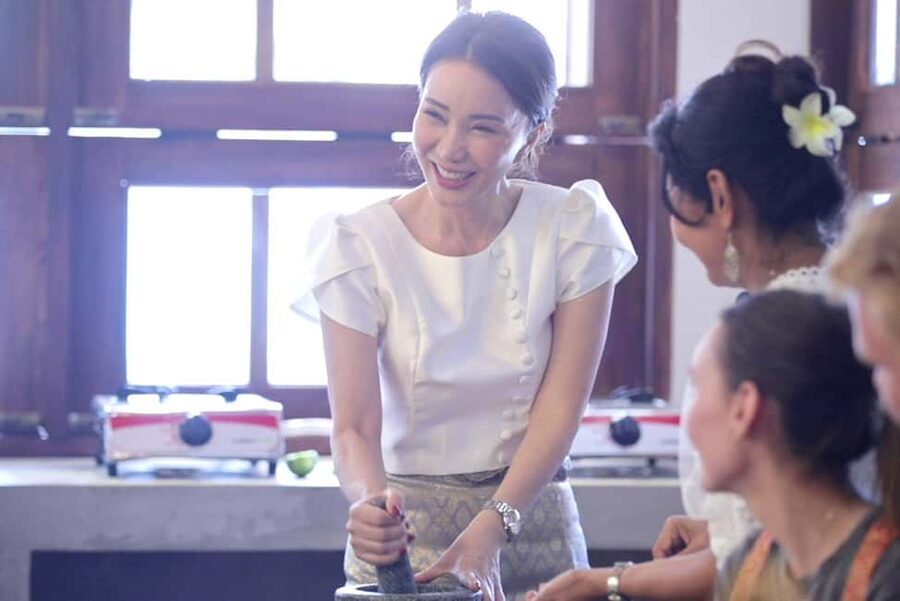
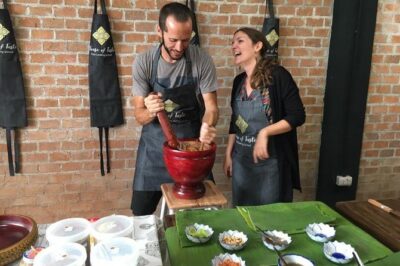
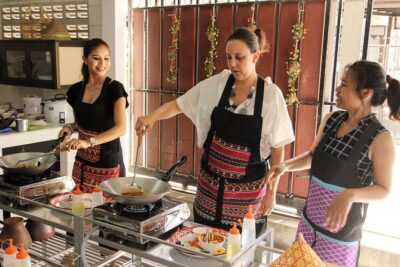
The school is designed for small groups, with up to 8 participants, and each guest has a dedicated cooking station. That means you’re not standing behind someone waiting for space or tools. For a hands-on class, station access is everything, and this setup helps you stay involved all the way through.
The other detail that makes this easier: you’re guided step by step by the instructor, and the class is taught in English. In food learning, clarity is a deal-breaker. If you can follow the timing and technique, you’ll actually replicate the food later instead of just hoping it tastes right.
Four Classic Dishes in One 4-Hour Session
This is the core of the value. In about 4 hours, you’ll cook four dishes that cover a wide range of Thai flavors and techniques. You’ll also eat what you cook, which turns the class into a feedback loop: taste, learn, adjust.
Here’s how the dishes work as a set, and why that’s useful for you:
Tom Yum Goong: Learning Thai Sour, Spicy, and Aromatic Balance
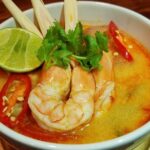
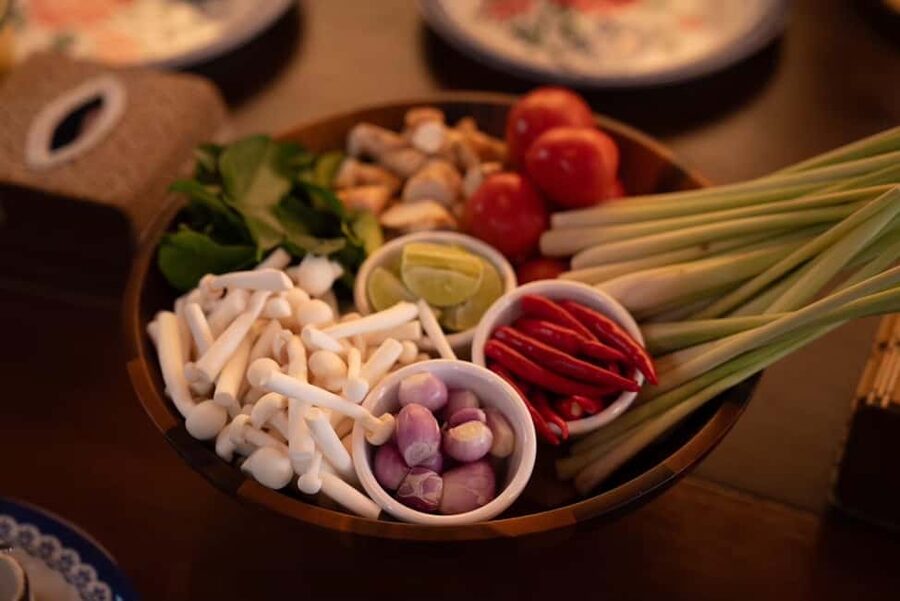
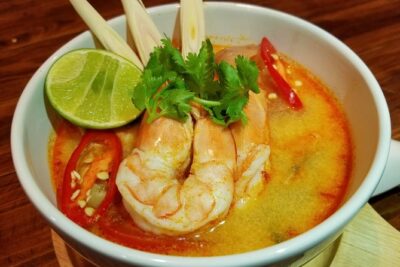
Tom Yum Goong is spicy shrimp soup, and it’s a great “foundation” dish because it teaches balance. Thai soups often rely on a tight relationship between heat, sourness, and fragrance from herbs. When you cook it yourself, you’ll understand how those flavors don’t just happen at the end—they build as you go.
If you’ve only had tom yum at restaurants, you’ll likely notice the difference between a sauce-heavy bowl and one that tastes layered. Learning it hands-on helps you identify the moment the broth becomes properly aromatic and balanced. It also gives you a repeatable framework you can use for future soups.
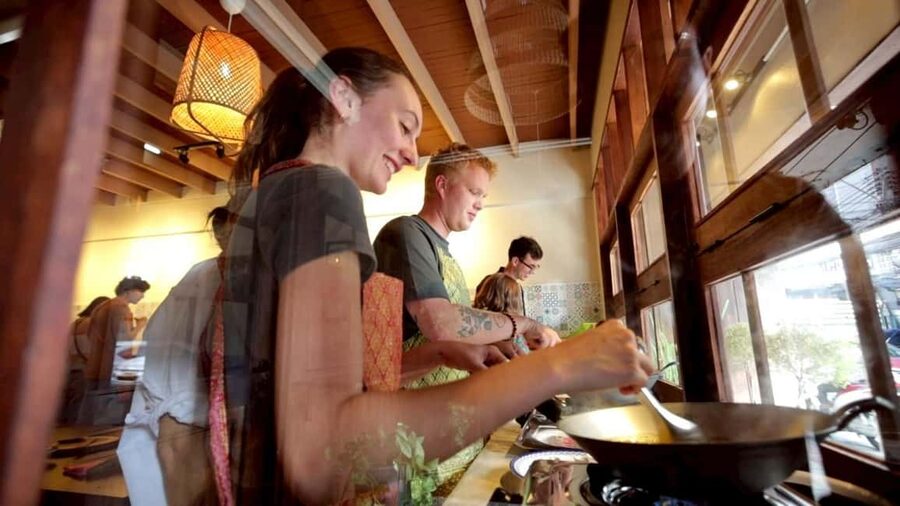
More time at the wok
Pad Thai: Stir-Fry Rhythm and Sauce Timing
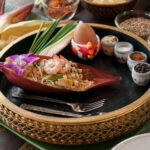
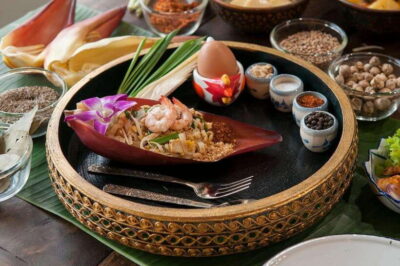
Pad Thai is the Bangkok comfort food that can also go wrong if timing is off. Cooking it yourself forces you to pay attention to heat and sequencing—when the noodles need to be handled, when the sauce hits, and how ingredients should still feel lively instead of soggy.
This dish is also a great “technique lesson” because stir-fry cooking is more about control than ingredients. Even if you’re not a confident cook, you’ll learn how to move quickly and keep everything from clumping or overcooking.
Som Tum (Papaya Salad): Crunch, Heat, and Thai Style Dressing
Som Tum is papaya salad, and it’s a strong example of Thai flavor logic. You learn how to build a dressing that hits sour, salty, sweet, and chili heat at the same time. The texture matters here too—crunch is part of the flavor, not just an afterthought.
If you like food that wakes up your taste buds, this is one of the most satisfying dishes to make. You’ll also get a better understanding of why Thai salads aren’t just “vegetable plates.” They’re flavor engineering.
Mango Sticky Rice: The Sweet Ending That Actually Teaches Dessert
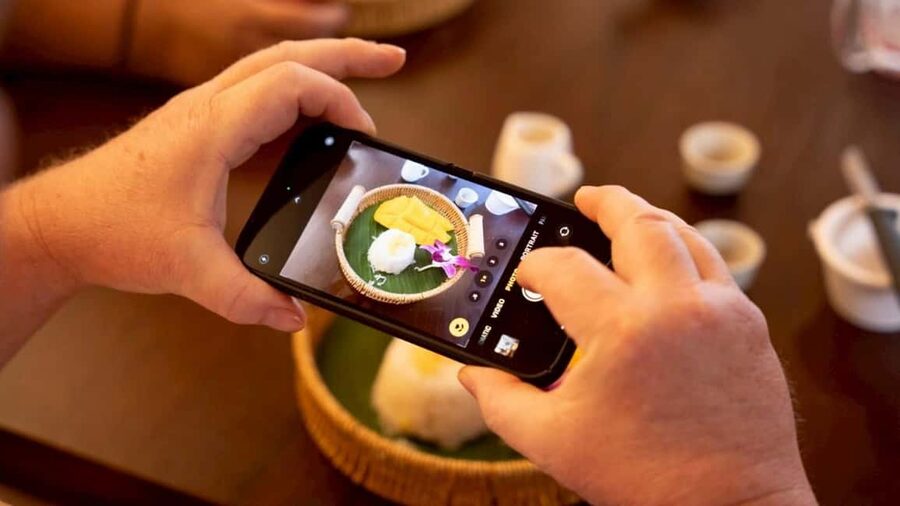
Finally, Mango Sticky Rice gives you the dessert part of Thai cooking without making it feel like a random add-on. It’s also a smart way to learn Thai sweetness, because you’ll see how creamy texture and fruit sweetness interact with the rice base.
When you cook the dessert yourself, you’re learning a method you can repeat. That’s the difference between buying mango sticky rice and knowing how the dish is put together.
Family-Style Meal Time: Eating As a Skill, Not a Reward
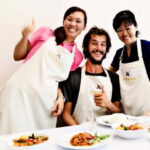
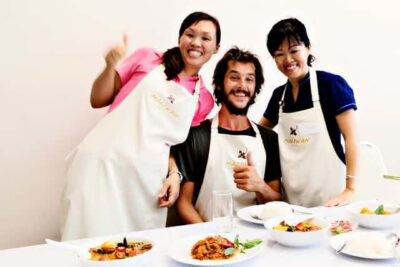
After cooking, you sit down to enjoy your creations together in a family-style setup. I like this format because it’s social and practical. You get to compare notes on taste, learn what “right” feels like, and enjoy the dishes while they’re still at their best.
It’s also where you learn that Thai food is meant to be shared. The flavors are strong enough that each dish works better alongside others—soup cools your palate between bites, salad adds crunch and heat, and dessert resets with sweetness.
You’ll leave with more than just a full stomach. You get recipes to take home, which is where this class starts to earn its keep. One good recipe card can turn an evening out into a skill you use again and again.
Vegetarian, Vegan, and Halal Options: Ask Early, You’ll Thank Yourself
This class can accommodate vegetarian, vegan, and halal needs if you request it. That’s a big deal because Thai dishes can be heavy on fish sauce or shrimp paste depending on how they’re made. Having options means you can still cook the four included dishes without the experience turning into “just watch and taste something else.”
What I’d do: when you book, flag your restriction clearly. It’s better to ask upfront than to hope you’ll get a substitution on the day. Also, if you avoid specific ingredients beyond the big three categories, mention it during booking so the kitchen can plan.
Instructor Attention and the Small-Group Advantage
With a group size capped at 8 participants, you’re not lost in the crowd. You can ask questions, get help with technique, and adjust as you cook. That’s the difference between learning and merely participating.
One instructor name worth noting here is Nut, who has been described as making the lesson easy to follow. If you’re the type who learns best when instructions are calm and clear, that teaching style should help you feel confident at the stove.
Price and Value: What $46 Buys You in Real Skills
At about $46 per person for a 4-hour, hands-on class, you’re paying for more than ingredients. You’re paying for:
- a guided process to cook four distinct Thai dishes
- equipment and a dedicated station so you can actively participate
- market exposure that helps you understand what you’re buying and why
- recipes to take home so the value doesn’t end at dinner
If you’ve ever taken a cooking class where you chop for 15 minutes and then watch someone else do the cooking, this one feels more like actual training. The station-per-person setup is a quiet cost driver, but it’s what makes the experience worth it.
The biggest “hidden value” is confidence. By the end, you’re not just eating Thai food—you can reproduce key flavors and techniques at home.
Ending at Sutthisan MRT: Easy to Keep Moving
The class ends at Homies Thai Cooking School at Sutthisan MRT station, which is one stop from the meeting area. That makes logistics simpler than you’d think in a city like Bangkok. You can keep your day rolling without a long taxi detour.
If you’re planning other activities the same day, I’d treat this like a main event. Once you start cooking, your schedule becomes about timing and hunger, not just clock-watching.
Should You Book This Thai Cooking Class?
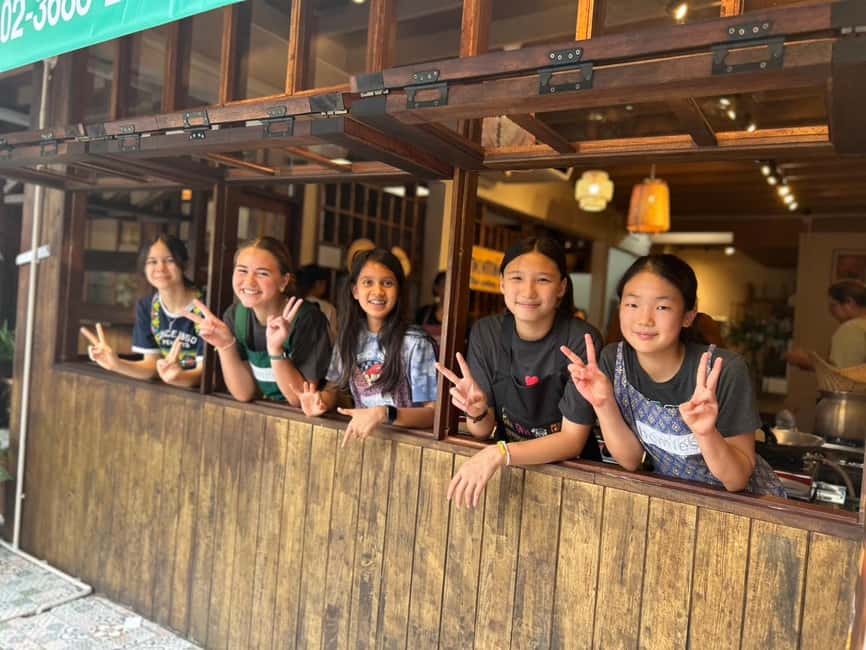
Book it if you want a Bangkok food experience that’s hands-on, structured, and actually useful at home. This is especially good for first-timers who want a clear route through Thai flavors: soup, stir-fry, salad, and dessert—done in one session with English instruction and a small group.
Skip it if you’re looking for a casual, passive cultural tour where you mostly observe. This class is built for participants who cook. Also, if your group includes people who will not take part in the class but want to enter the facility for filming or translating, plan ahead because everyone entering must be a paid participant.
If you’re excited to learn by doing, you’ll likely love it. You’ll come away with stronger taste memory, real recipes, and a dinner that started on your cutting board.
FAQ
Where do I meet for the class?
You meet at Huai Khwang MRT Station, Exit 3.
How long is the cooking class?
The class lasts 4 hours.
What dishes are included in the class?
You’ll cook Pad Thai, Tom Yum Goong, Som Tum (Papaya Salad), and Mango Sticky Rice.
Is the instruction offered in English?
Yes. The instructor provides instruction in English.
How big is the group?
It’s a small group limited to 8 participants.
Can I request vegetarian, vegan, or halal options?
Yes. Vegetarian, vegan, and halal options are available upon request.
What is the transport like during the activity?
After the market walk, you take a tuktuk to the cooking kitchen.
Where does the activity end?
It ends at Homies Thai Cooking School at Sutthisan MRT station.
Learn Another Thai Dish

More Tour Reviews in Bangkok






Cook It Yourself: Thai Classes
Just In: Fresh Bangkok Reviews




Thai Cooking Classes, compared.
 ★ 4.9Hands-on Thai Cooking Class and Market TourFrom $451,614 reviews
 ★ 4.9Tingly Thai Cooking School Half-Day Cooking ClassFrom $411,191 reviews
 ★ 4.9Maliwan Thai Cooking Class with Market TourFrom $401,133 reviews
 ★ 5.0Hands on Thai Cooking Class and Market TourFrom $45660 reviews
 ★ 5.0Tingly Thai Cooking Class with Morning Market TourFrom $42589 reviews
 ★ 5.0Hands-on Thai Cooking Class & Market Tour in SukhumvitFrom $45571 reviews
 ★ 5.0Pink Chili – Thai Cooking Class and Market Tour in BangkokFrom $38416 reviews
 ★ 5.0Authentic Thai Cooking with the Largest market visit &TukTuk rideFrom $44350 reviews
Browse the lists this tour appears in