
Review · BANGKOK FOOD & STREET EATS
Bangkok Walking Tour : Mouthwatering Journey Food Tour
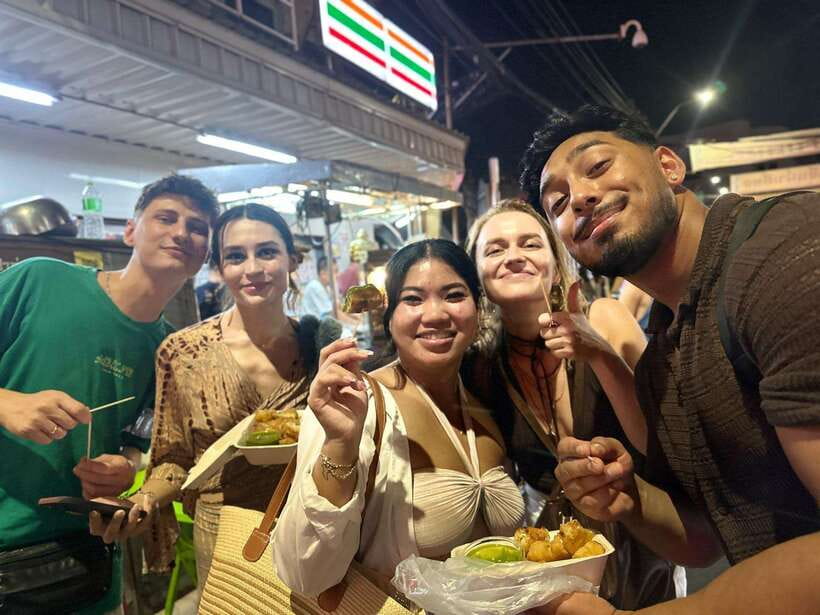
Chinatown food in three hours sounds fast, and that’s the point. You’ll get 10–12 tastings while learning Chinatown history as you walk, with an English-speaking guide steering you toward the right stalls. One big consideration: this is not a good fit if you’re vegan, vegetarian, gluten-free, need halal options, or avoid pork.
I like that the experience isn’t just line-standing and eating. In the feedback I read, guides including Kwan and Peak were praised for bringing groups to spots that feel more local, plus for explaining what you’re actually tasting and why it matters.
You’ll also mix in temple and landmark stops and some traditional cooking technique moments, so you’re not only chasing snacks. Just remember it’s a walking tour in uneven street conditions, and it’s specifically not suitable for wheelchair users.
In This Review
- Key Things You’ll Notice on This Chinatown Food Walk
- Three Hours in Bangkok’s Chinatown: The Food-First Plan
- Starting at I’m Chinatown Mall: Getting Oriented Quickly
- What You’ll Eat: 10–12 Pork-Forward Thai-Chinese Dishes
- The important reality check on dietary needs
- Chinatown History and Temple Stops Without the Boring Lecture
- Local Vendor Interactions: What Makes This Feel Less Touristy
- Traditional Cooking Techniques: When You Stop Just Watching
- Price and Value: Why $43 Can Be a Good Deal Here
- Who This Tour Suits Best (And Who Should Skip It)
- Smart Packing for Bangkok Weather and Street-Food Energy
- The Bottom Line: Should You Book This Chinatown Food Tour?
- FAQ
- How long is the Bangkok Walking Tour: Mouthwatering Journey Food Tour?
- Where do we meet for the tour?
- How many foods will I try?
- Is the guide available in English?
- Does the tour include hotel pickup or drop-off?
- Are vegan, vegetarian, or gluten-free options available?
- Is halal food available and are there alcohol options?
- Is the tour wheelchair accessible?
Key Things You’ll Notice on This Chinatown Food Walk
- 10–12 tastings in 3 hours so you can sample a lot without planning your own route
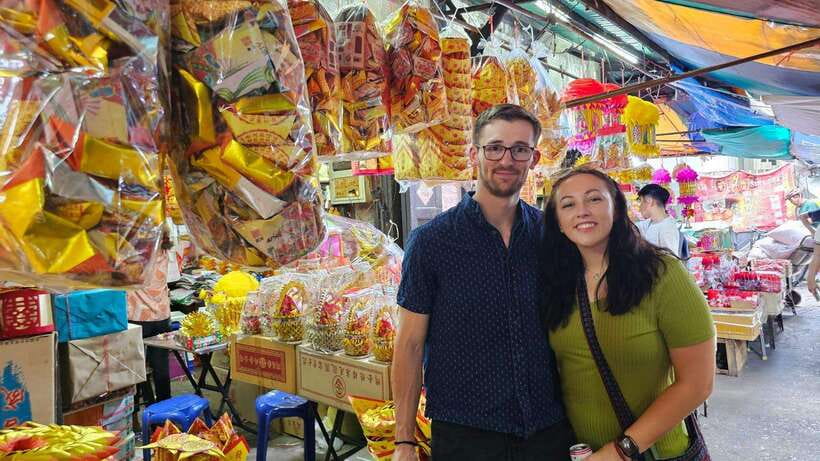
- Chinatown history + food stories that explain why dishes show up where they do
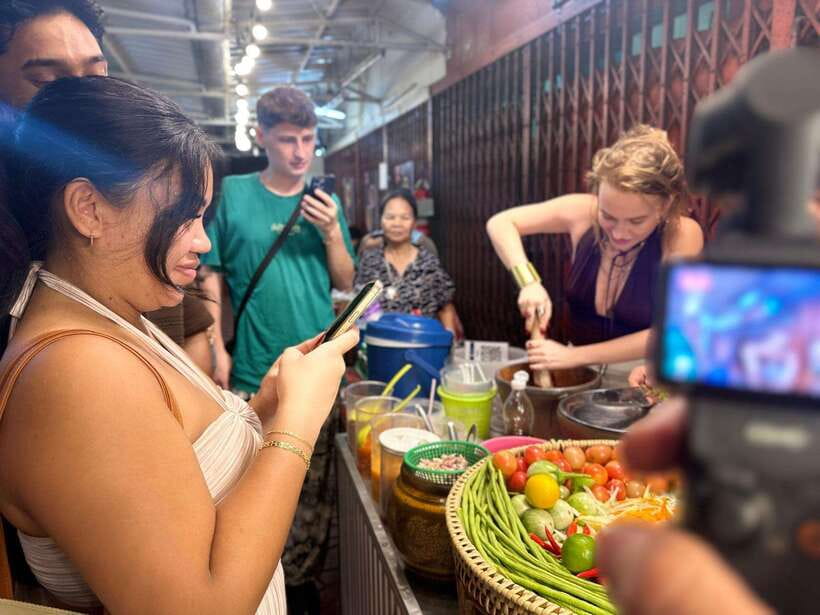
- Vendor interactions that help you understand the street-food rhythm instead of just watching
- Temple and landmark visits that add cultural context to the eating
- Hands-on traditional cooking techniques rather than only photo stops
- Clear dietary limits: pork is involved for most vendors, and vegan/vegetarian/gluten-free aren’t offered
Three Hours in Bangkok’s Chinatown: The Food-First Plan
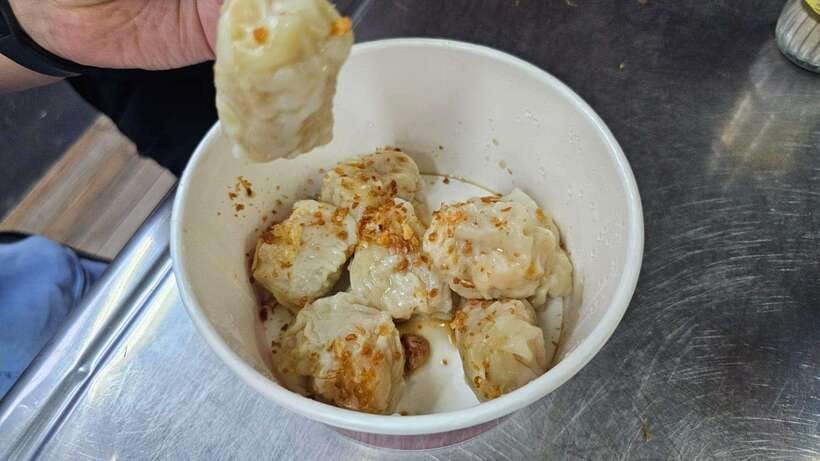
This tour is built around one simple idea: in Bangkok’s Chinatown, food and place are inseparable. Over about 3 hours, you’ll walk through the area with a licensed guide, sampling a run of dishes that typically includes dim sum, dumplings, Thai curries, and crispy fried snacks like spring rolls.
The pacing tends to work well because you’re not stuck at one place for ages. You get a sequence of stops where each dish comes with a bit of context, which makes the whole experience more meaningful than a random sampler plate.
Still hungry? More woks, stalls and night-market plates
- Bangkok: Backstreets Food Tour with 15+ Tastings
★ 4.9 · 2,880 reviews - Bangkok: Midnight Food Tour by Tuk-Tuk
★ 4.9 · 2,054 reviews - Bangkok Backstreets Food Tour with 15+ Tastings
★ 5.0 · 1,926 reviews
Starting at I’m Chinatown Mall: Getting Oriented Quickly
You meet in front of I’m Chinatown Mall. That’s practical because it’s an easy landmark to find before you head into side streets and denser market blocks.
You should expect to be on your feet most of the time. This isn’t a sit-down tasting. You’ll want comfortable shoes and the kind of patience that says yes to crowds and short walks between stops, not yes to slow sightseeing.
Bring a few basics that match how the tour is designed: an umbrella, sunscreen, and water (the tour provides bottled water and refreshments, but you’ll still appreciate having your own in the heat). A camera also helps, because you’ll be passing food stalls and temple/landmark areas that are worth capturing between tastings.
What You’ll Eat: 10–12 Pork-Forward Thai-Chinese Dishes
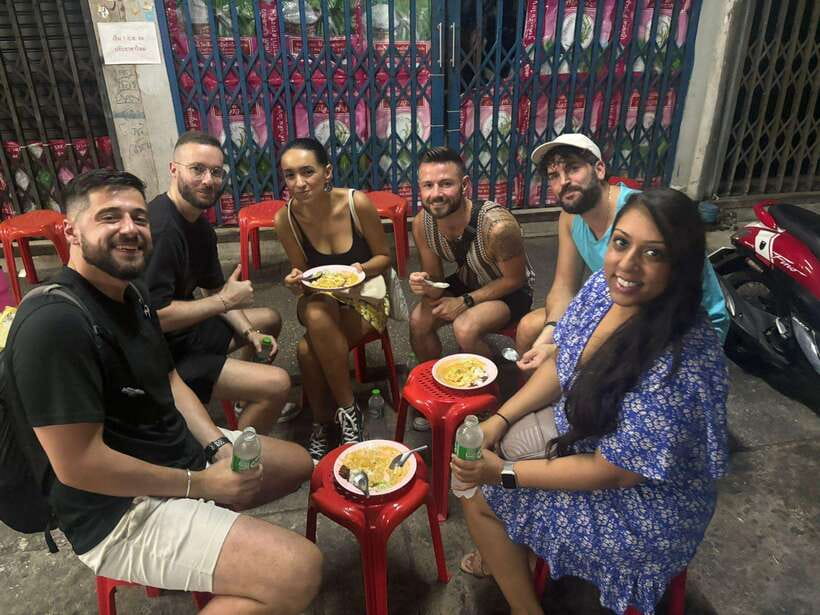
The headline promise is 10–12 foods. In practice, that means you’ll likely sample a mix of Chinese-influenced favorites and Thai street-food staples that share the same neighborhood.
From the tour description, you can expect dishes in categories like:
- dumplings and other bite-size comfort foods
- dim sum-style items
- spicy Thai curries
- crispy fried snacks such as spring rolls
The key thing I’d highlight is how the menu reflects Chinatown’s identity: you’re not just eating “Thai food” or “Chinese food,” you’re tasting the everyday fusion. That fusion is exactly what makes Bangkok Chinatown different from other food districts.
The important reality check on dietary needs
This tour has strict limits, and you should treat them seriously:
- No vegetarian or gluten-free options
- No vegan options
- No halal food options
- Most vendors contain pork and no replacement
- No pescetarian options (fish/seafood availability is not guaranteed)
So, if you have allergies or avoid certain ingredients, this is one of those tours where the description is doing you a favor. It’s better to skip than to show up hoping for substitutions that the tour can’t guarantee.
Bangkok at walking pace, more routes
Chinatown History and Temple Stops Without the Boring Lecture
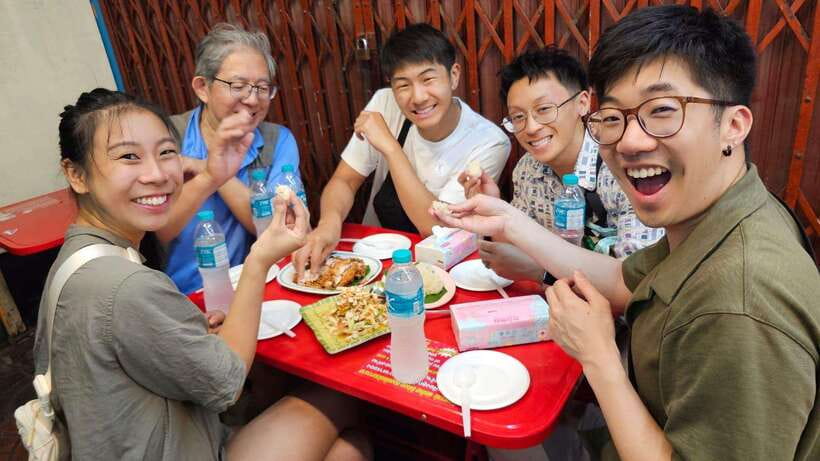
Part of the value here is the way the tour mixes food with story. You’ll learn about the history of Chinatown and how the neighborhood became known for its markets and food culture. The guide’s job isn’t just to point; it’s to connect dishes to place.
You’ll also visit iconic landmarks and temples along the route. That helps you see the “why” behind the neighborhood’s food scene: where people gather, how cultural roots show up in everyday life, and why certain foods became staples.
The experience stays practical. Instead of turning into a history class, the tour uses context to make your tastings easier to interpret. You’ll likely find yourself noticing things—like cooking styles and stall setups—that you’d otherwise walk past.
Local Vendor Interactions: What Makes This Feel Less Touristy
One of the strongest themes from the feedback is the guide-led access to places that don’t feel like standard checklists. The tour is designed so you’re not only consuming food—you’re also getting comfortable talking with vendors and learning on the spot.
That matters because Chinatown street food can be intense if you don’t know what you’re looking at. Questions like:
- What should I order here?
- Is this spicy?
- What’s the common way it’s served?
are exactly what a good guide helps you answer quickly.
If you enjoy small conversations with people behind the counter, this tour’s structure is a good match. You’re moving through the neighborhood while the guide handles the “how to” so you can focus on tasting and asking intelligent questions.
Traditional Cooking Techniques: When You Stop Just Watching
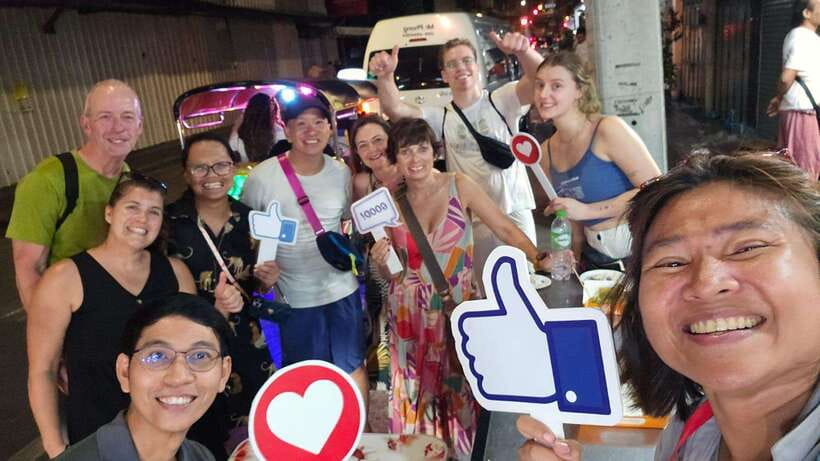
Another standout element is the hands-on portion. The tour includes interactive experiences with vendors and traditional cooking techniques, not only food sampling.
Even if you’re not a cooking person, this is a smart add-on. It gives you a “mechanics” understanding of street food—how certain textures happen, why certain flavors show up together, and what vendors do repeatedly to get consistent results in a busy environment.
This is also where the tour shifts from pure eating to skills-based learning. And that makes your final memories stick longer than just the taste of the last dish you finished.
Price and Value: Why $43 Can Be a Good Deal Here
At $43 per person for about 3 hours, this tour can be solid value if you plan to eat several items anyway. The price includes:
- a licensed local guide
- food and drinks provided
- bottled water and refreshments
- 10–12 tastings
- landmark/temple visits
- walking tour of the Chinatown area
If you were to buy 10 separate items on your own, costs can climb fast, especially when you add drinks. Here, you get a guided route plus multiple servings bundled into one payment.
You’re also paying for the intelligence layer: the guide’s ability to steer you toward the right spots and explain what you’re eating. That’s the kind of value that’s hard to replicate with an app and a map—especially in a place where street-food choices are everywhere.
Who This Tour Suits Best (And Who Should Skip It)
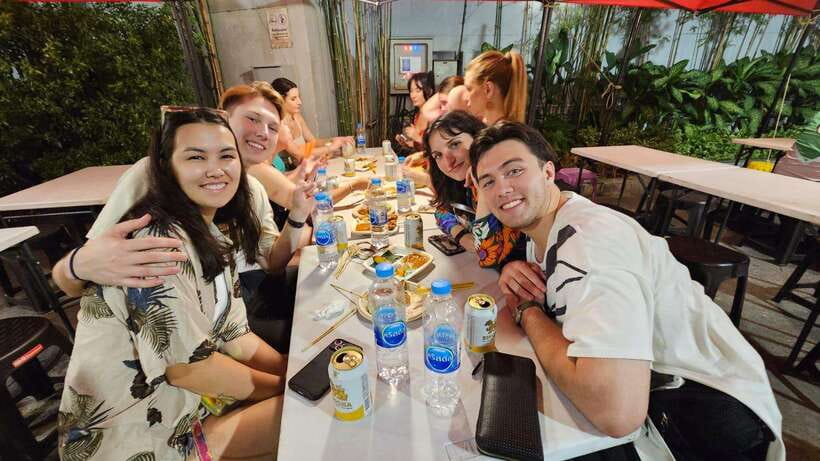
This experience is a good fit if you:
- love street food and are comfortable with a walking format
- enjoy Thai-Chinese fusion dishes like dumplings, dim sum-style items, curries, and fried snacks
- want history and culture context tied directly to the food
- don’t need substitutions and you’re okay with pork being involved for most vendors
You should skip it if you:
- are vegan, vegetarian, or gluten-free
- need halal options
- avoid pork
- require pescatarian choices
- use a wheelchair (it’s not suitable for wheelchair users)
- have food allergies (the tour info explicitly says it’s not suitable for people with allergies)
A good tour feels like relief in a crowded city. This one will feel that way for meat-and-spice friendly eaters who want guidance. For anyone with dietary constraints, it’s better to spend your time elsewhere.
Smart Packing for Bangkok Weather and Street-Food Energy
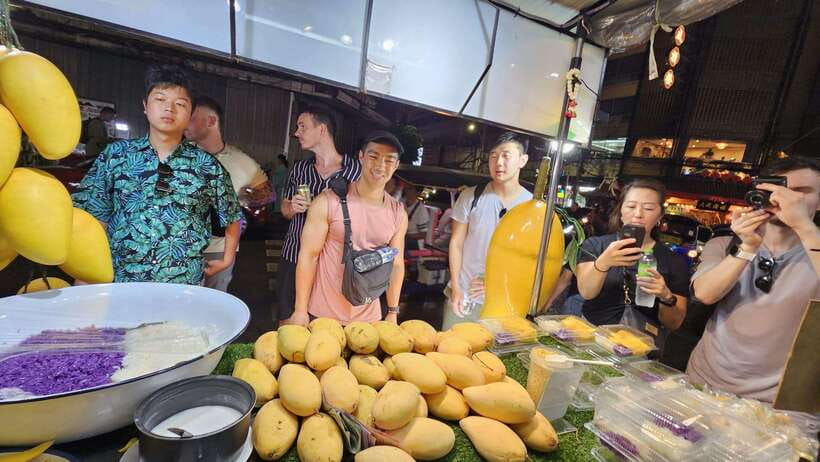
The tour gives you plenty of food, water, and refreshments, but you still want to show up prepared. I recommend:
- comfortable shoes (street surfaces can be uneven)
- umbrella and rain gear (Bangkok weather can shift quickly)
- sunscreen
- camera for temple/landmark moments and the food stalls
- a light mindset for crowds and quick turns between stops
Also, plan to eat a normal breakfast or light meal beforehand. With 10–12 tastings in 3 hours, going in overly hungry (or overly full) can change the experience.
The Bottom Line: Should You Book This Chinatown Food Tour?
Book it if you’re looking for a guided way to eat a lot in a short time and you want the connection between Chinatown markets, temple/landmark stops, and Thai-Chinese fusion food. At $43, the bundle of guide time plus multiple tastings plus drinks can make sense—especially if you’d otherwise be piecing together your own street-food route.
Skip it if your diet depends on substitutions. The tour is blunt about what it doesn’t offer: no vegan/vegetarian/gluten-free options, no halal, and pork is involved for most vendors with no replacement. If that’s your situation, you’ll likely end up disappointed or stuck in “just watch” mode.
FAQ
How long is the Bangkok Walking Tour: Mouthwatering Journey Food Tour?
It lasts 3 hours.
Where do we meet for the tour?
You meet in front of I’m Chinatown Mall.
How many foods will I try?
The tour includes tasting 10–12 foods.
Is the guide available in English?
Yes. The live tour guide speaks English.
Does the tour include hotel pickup or drop-off?
No. Hotel pickup and drop-off are not included.
Are vegan, vegetarian, or gluten-free options available?
No. The tour is not suitable for vegans, vegetarians, or people with gluten intolerance, and it doesn’t offer gluten-free options.
Is halal food available and are there alcohol options?
The tour states there are no halal food options. Alcoholic beverage is not included.
Is the tour wheelchair accessible?
No. It is not suitable for wheelchair users.
More Tours in Bangkok

More Tour Reviews in Bangkok



Eat Bangkok: More Street Food
Just In: Fresh Bangkok Reviews


Bangkok Food & Street Eats, compared.
 ★ 4.9Backstreets Food Tour with 15+ TastingsFrom $622,880 reviews
 ★ 4.9Midnight Food Tour by Tuk-TukFrom $742,054 reviews
★ 5.0Bangkok Backstreets Food Tour with 15+ TastingsFrom $591,926 reviews
★ 4.9Midnight Food Tour by Tuk-TukFrom $742,054 reviews
★ 5.0Bangkok Backstreets Food Tour with 15+ TastingsFrom $591,926 reviews
 ★ 4.4Michelin Guide Street Food Tour by Tuk TukFrom $201,274 reviews
 ★ 5.0Old Siam Bangkok Food Tour with 15+ TastingsFrom $59867 reviews
 ★ 4.9Bangkok Authentic Tasting Thai-Chinatown Walking Food TourFrom $43852 reviews
 ★ 4.3Tuk Tuk Adventure Chinatown Michelin Food & TemplesFrom $18725 reviews
 ★ 5.0Bangkok Tuk-Tuk Tour by Night with Chinatown Street Food MealFrom $40635 reviews
Browse the lists this tour appears in