
Review · COOKING CLASSES
Mini Group: Uncle and Aunty Cooking House Afternoon Class
Thai food starts at the market. You meet at MRT Huai Khwang Exit 4, visit the Ganesha Shrine, and then shop for real ingredients at Huai Khwang Market before heading to a cooking studio. What I like most is the hands-on ingredient hunt, and the way you make key building blocks like curry paste and coconut milk from scratch, not from a shortcut.
The main consideration is time and pace: from early afternoon through early evening, you’re actively cooking, tasting, and learning, so it can feel long and a bit tiring. If you’re sensitive to heat and busy city movement, plan for a slower recovery afterward.
In This Review
- Key Things I’d Mark on Your Plan
- Huai Khwang to the Ganesha Shrine: A Thai Day Starts Before the Apron
- Market Shopping That Actually Shapes What You Cook
- From Ingredients to Curry Paste: Making the Flavor Core
- Four Cooking Sessions, One Tight Flow: Soup to Dessert
- Cooking With a Local Host: The Difference Is Personal
- Dinner at the End: You Eat What You Make
- Price and Value: Is $46 a Good Deal in Bangkok?
- Getting There From MRT Huai Khwang: Simple Start, Clear End
- Who Should Book This Afternoon Class
- Should You Book? My Practical Take
- FAQ
- Where does the class start?
- How long is the experience?
- What’s included in the price?
- What languages are offered?
- Is there a vegetarian or vegan option?
- Where do you return at the end?
Key Things I’d Mark on Your Plan
- Huai Khwang Market shopping first so you understand what goes into the dishes, not just how to cook them
- Ganesha Shrine stop for a quick look at how local faith and daily life mix
- Curry paste + coconut milk from scratch so you leave with skills, not just recipes
- Four cooking blocks that structure the meal from soup to salad to curry to dessert
- Small-group energy is possible, including setups where you get a more personal lesson
- Vegetarian and vegan options are available with advance notice
Huai Khwang to the Ganesha Shrine: A Thai Day Starts Before the Apron
This class is built around the idea that Thai cooking begins with real errands. You start at 14:00 at MRT Huai Khwang Exit 4, where your English or German-speaking host or greeter meets you. Then you do something most cooking classes skip: you get oriented to the neighborhood with a short walk to the Ganesha Shrine and a proper market stop right after.
The shrine visit is more than a photo break. Ganesha is widely respected in Thailand, and seeing a community place of worship early in the day helps you understand why Thai food carries meaning beyond taste. It also sets the tone: you’re joining everyday local rhythms, not just a staged demonstration.
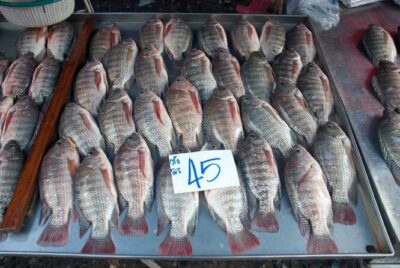
Then comes Huai Khwang Market. This is where your shopping decisions get turned into cooking decisions later. You pick up ingredients you’ll actually use, and your host can point out what Thai cooks look for in things like herbs, aromatics, and produce. You also get a sense of local timing and the practical side of food shopping in Bangkok, which is useful if you later try to recreate dishes back home.
Practical note: market walking means you’ll want comfortable shoes. Also, the group moves at a local pace, and you’ll likely be navigating around stalls and people. If you prefer quiet sightseeing only, this part may feel busy. If you like doing the real thing, it’s the best kind of busy.
More time at the wok
- Bangkok: Hands-on Thai Cooking Class and Market Tour
★ 4.9 · 1,614 reviews - Bangkok: Tingly Thai Cooking School Half-Day Cooking Class
★ 4.9 · 1,191 reviews - Bangkok: Maliwan Thai Cooking Class with Market Tour
★ 4.9 · 1,133 reviews
Market Shopping That Actually Shapes What You Cook
A lot of cooking classes claim authenticity. This one tries to prove it with your ingredient list. After the shrine, you head to Huai Khwang Market and shop for the core items that will show up in your cooking session. That matters, because Thai dishes depend on balance and freshness. Herbs and aromatics aren’t garnish here. They drive flavor.
In one class experience with a guide named Ann, the market segment stood out as both educational and practical, including tips on when to go and where to choose ingredients. Another host, Sunee, also made the market visit feel like a mini lesson, including vegetables and fruit that many people hadn’t seen before. Even if you’ve cooked Thai food at home, this kind of ingredient literacy helps you avoid the classic mistake: using ingredients that look similar but taste different.
You’ll then travel by local transport to the cooking location. That transition is part of the experience because it keeps the day rooted in Bangkok logistics, not just a ride between tourist zones.
One more good detail: the cooking house staff are warm and supportive, and communication can be smooth even in German. If you’re a first-timer, you’ll appreciate that your guide isn’t just rushing you through steps.
From Ingredients to Curry Paste: Making the Flavor Core
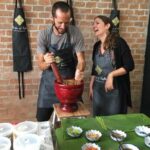
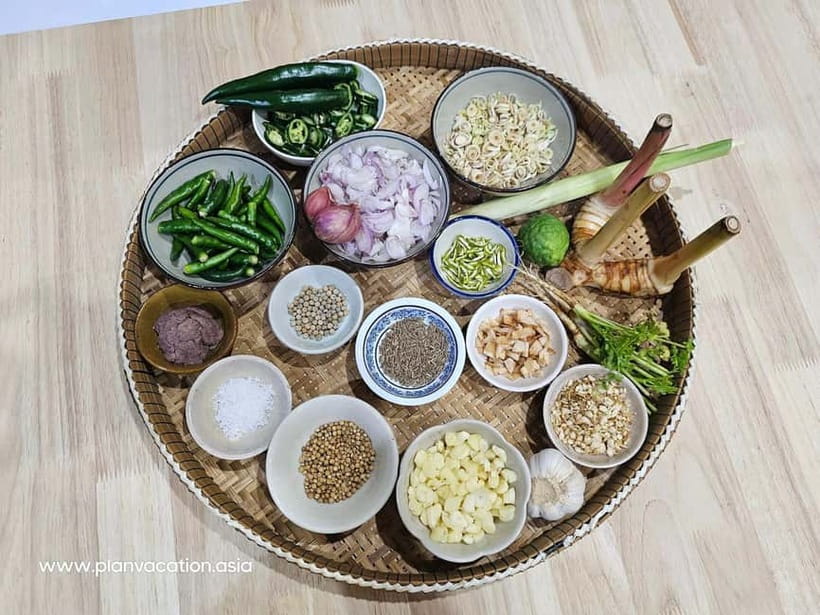
The cooking portion starts with an orientation to what you’ll handle: vegetables, rice, and herbs. Then you move into the big skill section: making curry paste and coconut milk from scratch. This is the heart of the lesson, and it’s the reason the class feels more valuable than a menu-only workshop.
Here’s what’s particularly useful for you as a home cook:
- You learn the logic behind Thai curry flavor, which comes from grinding and blending aromatics and spices into a paste.
- You see coconut milk as something you can craft and control, not just pour from a carton.
- You practice technique enough to understand what changes the taste, texture, and aroma as you go.
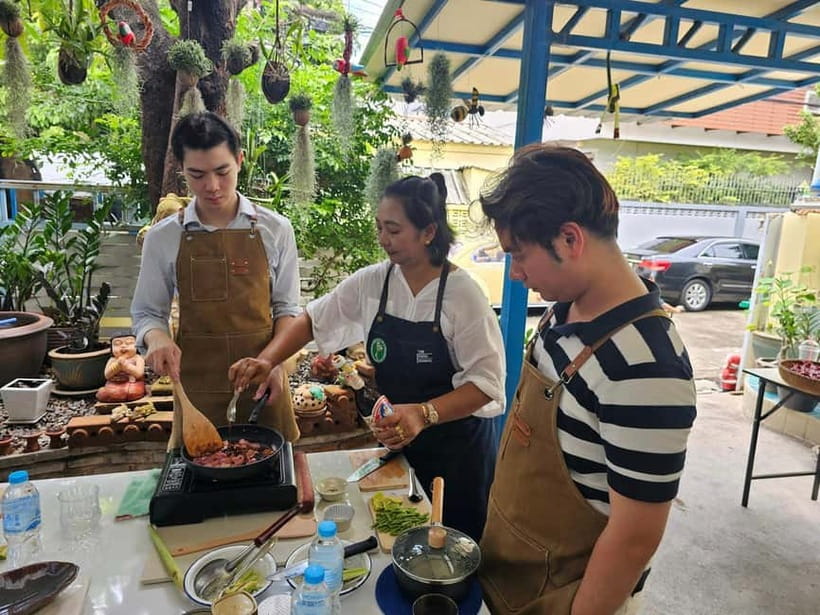
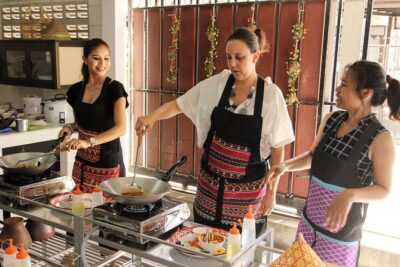
Depending on the setup, the class may be cooked in an outdoor kitchen on a terrace. That can be a plus if you like fresh air, and a minus if you’re not into heat or outdoor seating. Either way, you’ll be hands-on.
Also, your class includes sticky rice as part of the process. Sticky rice is often treated like an optional side. Here, it becomes part of the structure of the meal, especially alongside coconut-based items and desserts.
If you’re vegetarian or vegan, inform the provider in advance. The program states the class can cater to vegetarian and vegan diets with prior notice. That’s important because Thai cooking uses fish sauce and similar ingredients in many versions, so you want the plan aligned before you arrive.
Four Cooking Sessions, One Tight Flow: Soup to Dessert
The schedule is built in four distinct cooking blocks after the initial prep. The whole rhythm keeps you moving, and it also helps you focus: you’re learning one flavor category at a time.
Here’s how it typically breaks down by time:
- 16:00 to 16:30: Session 1, soup or stir-fried dishes
- 16:30 to 17:00: Session 2, salad
- 17:00 to 17:30: Session 3, curry
- 17:30 onward: Session 4, dessert, then you enjoy your dishes
What you cook varies by day of the week, but the structure stays the same. That’s helpful because even if you choose a day based on your personal favorites, you still learn the same core techniques.
Examples from the weekly menu include classic Thailand standouts like:
- Tom Kha Gai (Thai chicken coconut soup)
- Som Tum (papaya salad)
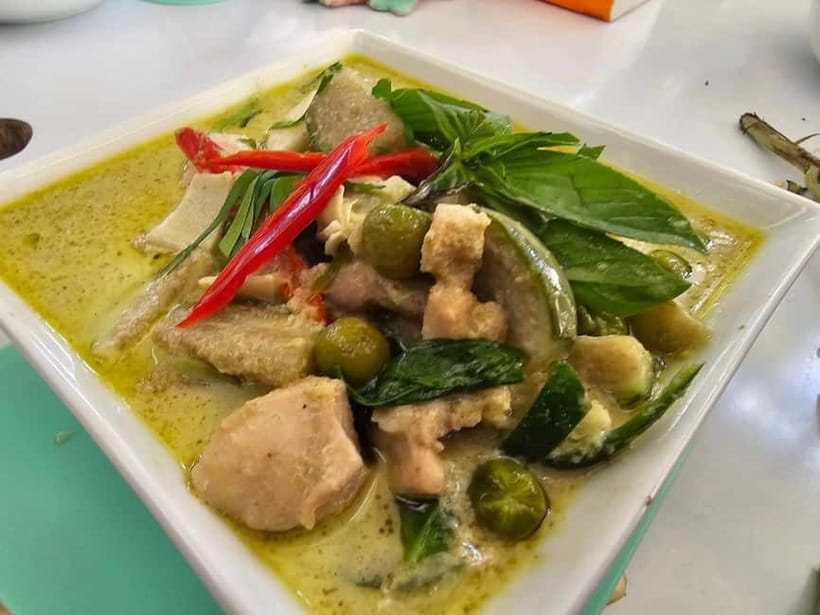
- Panang curry and green curry variations
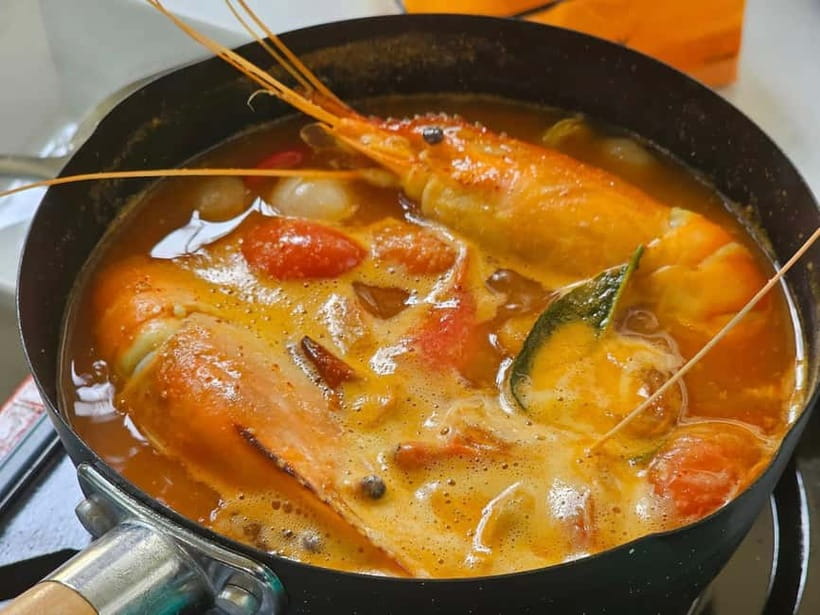
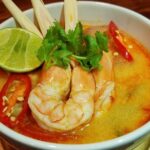
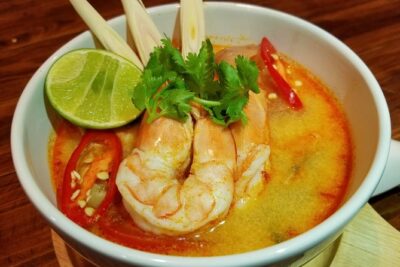
- Tom Yum Gai (spicy chicken soup)
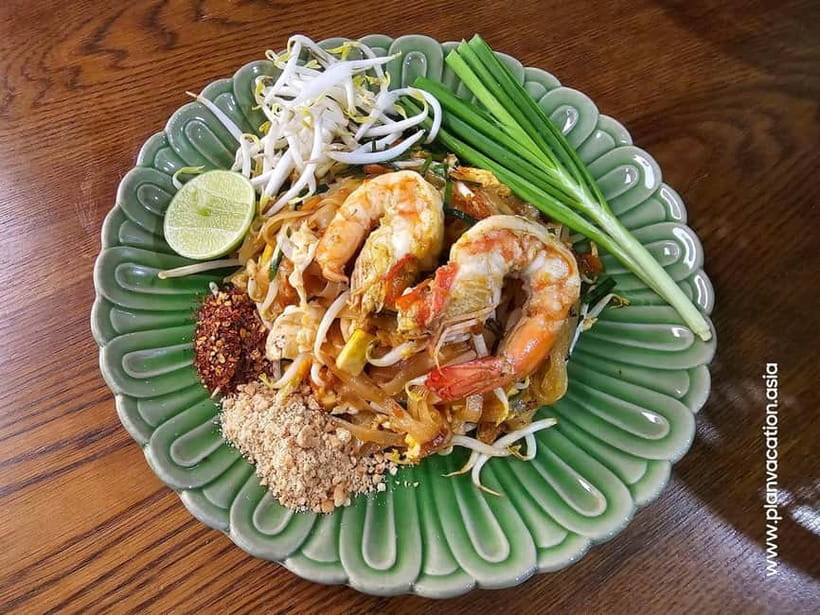
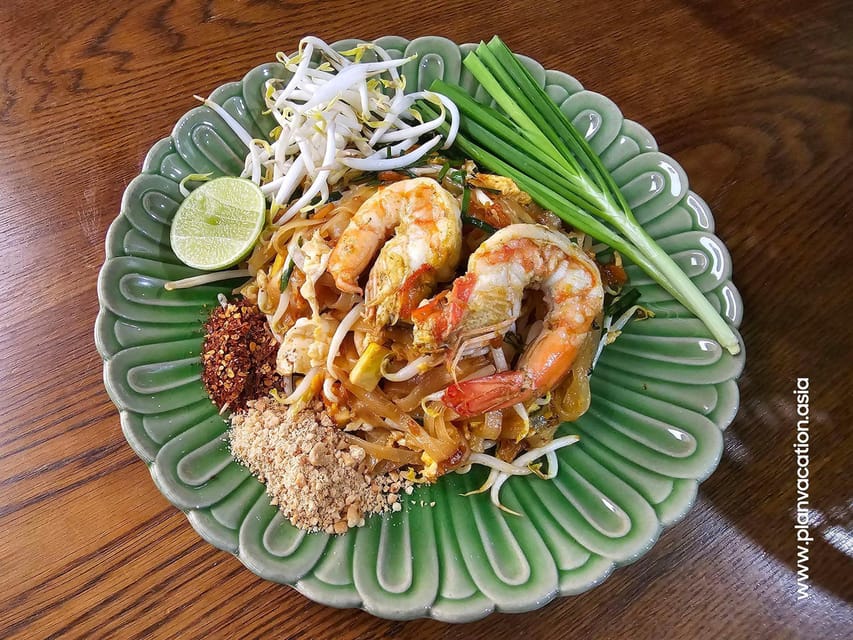
- Thai-style fried noodles and herb-forward stir-fries
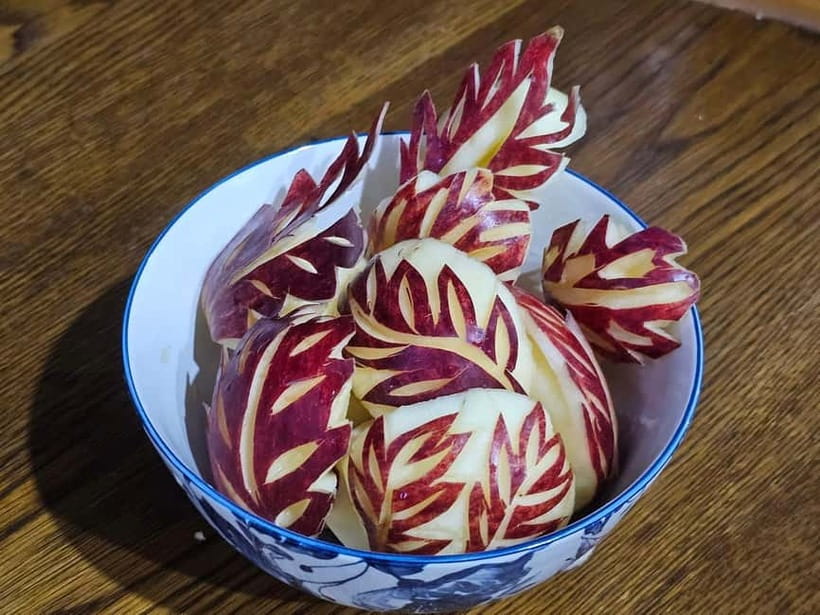
- Coconut-based desserts like steamed pandan layer cake or kanom tuay
- Banana cake-style sweets
So what does that mean for you? You’ll likely end up with a meal that feels like a real Thai spread: one soup item (or stir-fry), one salad component, one curry centerpiece, and one dessert. And you’ll taste things hot and fresh, not hours-old buffet food.
One small reality check: cooking classes can feel like you’re doing a lot at once. In at least one experience, the lesson was described as long and exhausting, even though it was comfortable and rewarding. If you’re prone to fatigue, bring water and pace yourself while tasting.
Worth putting side by side before you book this Bangkok tour:
Cooking With a Local Host: The Difference Is Personal
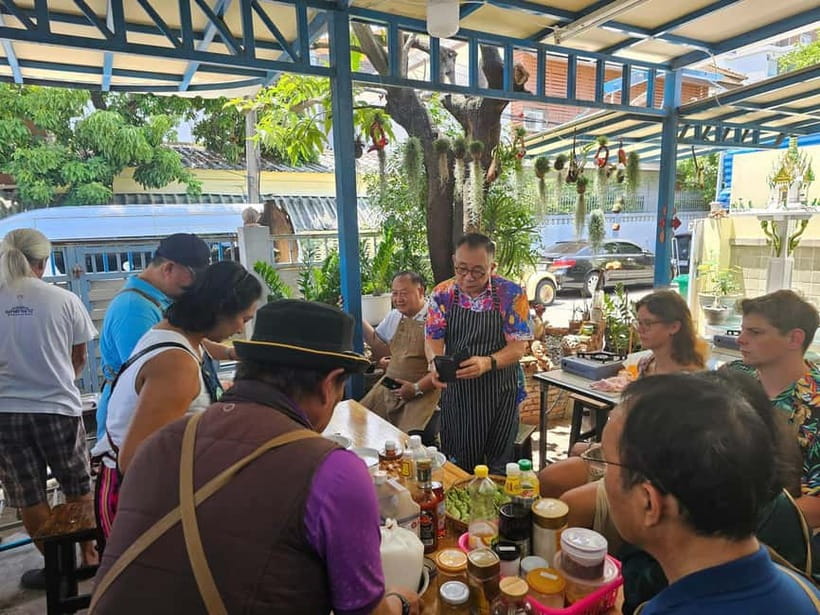
Part of what makes this class work is the host relationship. The program is run by local cooks, and the day has a family-feeling vibe. In one German-speaking experience, Sunee communicated well in German and answered questions in detail. Another experience with Ann highlighted that the host wasn’t just explaining recipes but also sharing when and where to find ingredients and what to look for.
That’s the real prize here: technique plus context. Thai cuisine isn’t only about steps. It’s about why ingredients behave the way they do. If you ask questions, you’re more likely to get real answers instead of generic instructions.
You’ll also likely meet additional staff during the day. In one described experience, the group got to know Sunee’s mom, her husband, and a staff member, and those extra interactions added warmth and meaning to the afternoon.
If you value a friendly, human pace over a classroom lecture, this is a good fit. If you want a rigid timeline with no conversation, you might feel the interaction is more than you expected. But for most people, that human touch is exactly what makes it memorable.
Dinner at the End: You Eat What You Make
At the end of the cooking blocks, you enjoy your dishes, and the class includes the dinner you cooked. That’s a smart value design: you don’t just get a sampling plate and a pat on the head. You actually sit down to the meal you made.
The day runs from 14:00 until the scheduled end, and you return to the meeting point area afterward. You’ll have drinking water provided, and all cooking ingredients are included, which matters when you’re calculating value. You’re paying for shopping guidance plus labor plus ingredients, not just the cooking.
A few practical things to keep in mind:
- You’ll likely eat fairly late in the afternoon, so you may want to skip a heavy lunch beforehand.
- You’ll be tasting while you cook, so you may feel fuller than you expect.
- If you prefer super mild food, mention your preferences early when you’re discussing your menu and dietary needs.
Price and Value: Is $46 a Good Deal in Bangkok?
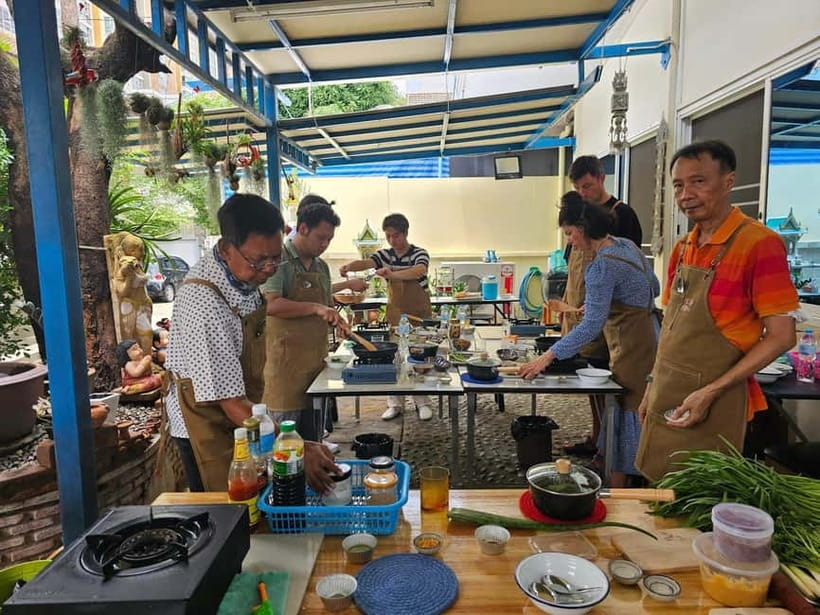
At $46 per person for about five hours, this class can be a strong value because it stacks several expensive-in-time components:
- A guided market visit with ingredient selection
- A shrine and local walkthrough element
- Transportation to the cooking location
- Hands-on cooking instruction
- Dinner you made yourself
- Ingredients, water, and travel insurance included
In other words, you’re not just paying for a kitchen. You’re paying for the behind-the-scenes shopping, the teaching, and the meal. For Bangkok especially, where food is generally affordable, the real question is whether the instruction and ingredient guidance are worth paying extra for. Here, they are, because the class focuses on curry paste and coconut milk from scratch—skills that transfer.
If you’re the type who cooks at home and wants repeatable results, this price looks more reasonable. If you only want to taste Thai food and don’t care about technique, you might find cheaper ways to eat. But even then, the market + cooking combination is hard to beat for an authentic afternoon plan.
Getting There From MRT Huai Khwang: Simple Start, Clear End
Logistics are straightforward. You meet at Huai Khwang MRT Exit 4 at 14:00. After the class, you’re transferred back to the first meeting point area, with the schedule indicating MRT Huaykwang Exit 1 for the return transfer.
Because the meeting points are tied to specific MRT exits, you’ll save time if you map that exact entrance route before you arrive. Use the street-level signage and confirm the exact exit when you step out, since Bangkok can be a maze of lanes.
Also note the program states certain rules like no pets (assistance dogs allowed) and no feeding animals, plus a general expectation not to make noise. It’s a local, respectful environment.
Who Should Book This Afternoon Class
This is a great choice if you:
- Want a Thai cooking lesson that starts with real shopping at Huai Khwang Market
- Care about learning fundamentals like curry paste and coconut milk, not only following steps
- Prefer small-group, personal attention (you might even experience a near-private setup)
- Want a day that mixes food with local culture, including a shrine visit
It may be less ideal if you:
- Want a quick, casual class with minimal effort
- Dislike outdoor cooking setups, or you’re sensitive to heat
- Need a very quiet tour with no walking and no market movement
If you’re traveling with friends or family, this can work well because everyone cooks and eats together. If you’re solo, you’ll still have a guided social structure, and the host interaction usually helps you feel included.
Should You Book? My Practical Take
Book it if your goal is more than eating Thai food. Book it for the ingredient shopping, the shrine context, and the hands-on curry paste and coconut milk skills. The $46 price becomes easier to justify when you look at how much is included: ingredients, dinner, local transport, and real instruction.
If you’re unsure which day to choose, pick based on the dishes that sound best to you, because the weekly menu changes while the cooking structure stays consistent. And if you have dietary needs, send the vegetarian or vegan notice early so the kitchen can plan properly.
When you finish, you’ll have a meal you made and techniques you can repeat. That’s the kind of souvenir that actually lasts longer than photos.
FAQ
Where does the class start?
You meet at MRT Huai Khwang Exit 4 at 14:00.
How long is the experience?
The class is listed as 5 hours total (starting times vary by availability).
What’s included in the price?
It includes transfers from and to MRT Huai Khwang, dinner you cook, drinking water, all cooking ingredients, and travel insurance.
What languages are offered?
The host or greeter communicates in English and German.
Is there a vegetarian or vegan option?
Yes. The class can cater to vegetarian and vegan diets if you inform them in advance.
Where do you return at the end?
The activity ends back near the meeting point, with the transfer back indicated as MRT Huaykwang Exit 1.
Craft Something to Carry Home

Learn Another Thai Dish
More Tour Reviews in Bangkok




Just In: Fresh Bangkok Reviews



Cooking Classes, compared.
 ★ 4.9Hands-on Thai Cooking Class and Market TourFrom $451,614 reviews
 ★ 4.9Tingly Thai Cooking School Half-Day Cooking ClassFrom $411,191 reviews
 ★ 4.9Maliwan Thai Cooking Class with Market TourFrom $401,133 reviews
 ★ 5.0Hands on Thai Cooking Class and Market TourFrom $45660 reviews
 ★ 5.0Tingly Thai Cooking Class with Morning Market TourFrom $42589 reviews
 ★ 5.0Hands-on Thai Cooking Class & Market Tour in SukhumvitFrom $45571 reviews
 ★ 5.0Pink Chili – Thai Cooking Class and Market Tour in BangkokFrom $38416 reviews
 ★ 5.0Authentic Thai Cooking with the Largest market visit &TukTuk rideFrom $44350 reviews
Browse the lists this tour appears in