
Review · THAI COOKING CLASSES
Thai Cooking Class in Bangkok
Thai cooking classes can feel like a demo. This one feels like hands-on work with a real meal at the end of every step. If you pick the morning session, you also get a guided walk through Bang Rak Market first.
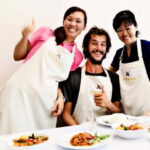
I especially liked how the chefs keep things moving. You prep, cook, and eat what you just made before you move on, so the class stays fun and the food is at its best. Chef Sarin and Chef Kimmy both show up with strong energy, clear instructions, and the kind of jokes that make chopping less intimidating.
One thing to consider: while you do get recipe materials by email after the class, a couple of people reported they never received theirs. If that matters to you, plan to jot down notes on the day.
In This Review
- Key highlights to know before you book
- Why This Thai Cooking Class Works So Well in Bangkok
- Morning Market Tour vs Afternoon Kitchen Session
- Morning class: Bang Rak Market first
- Afternoon class: ingredients already in-house
- The 4-Hour Flow: Cook, Eat, Then Move On
- What You Actually Learn About Thai Flavor
- The Kitchen and Group Experience: Clean, Calm, and Beginner-Friendly
- Diet Restrictions and Custom Menus (Including Vegan)
- Price and Value: Is $44.08 Worth It?
- Where to Go and How to Get There Fast
- What You Receive After the Class
- Should You Book This Thai Cooking Class in Bangkok?
- FAQ
- What’s the duration of the Thai cooking class in Bangkok?
- Does the class include a market tour?
- How many dishes do you cook?
- Can the class accommodate dietary restrictions like vegan needs?
- Are alcoholic drinks included?
- Where does the class meet?
Key highlights to know before you book
- Bang Rak Market in the morning: a guided tour focused on ingredients you’ll actually cook with
- 5 courses in about 4 hours: cook, eat, then repeat, so you’re not waiting around
- Central meeting point near public transit: easier to fit into a short Bangkok stay
- Flavor lessons that stick: balancing sauces, pastes, spice mixes, and heat
- Diet customization is real: you can request vegan and other restrictions
- Professional kitchen setup: clean, organized, and beginner-friendly
Why This Thai Cooking Class Works So Well in Bangkok
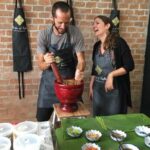
This is a half-day Thai cooking class in Bangkok built around one simple idea: you learn faster when you cook the food you’re learning. The pace is quick, but it never feels chaotic because the chef runs the room like a coach. You’ll do the chopping, mixing, and cooking yourself—then you eat right away, which keeps motivation high.
The class is also sized well. It caps at 12 travelers, which makes it easier for the chef to check in on your knife skills, your spice level, and your cooking temps. Small groups matter in a hands-on class, especially if you’re not a confident cook.
Another big plus is the structure. You’re not just tasting a finished dish. You’re building it step by step, with techniques like slicing methods and how to balance sauces and aromatics. That’s what helps you cook Thai food at home later, not just remember that you had a good meal.
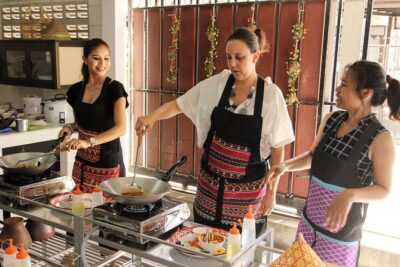
Aprons on for another Thai kitchen
- Bangkok: Hands-on Thai Cooking Class and Market Tour
★ 4.9 · 1,614 reviews - Bangkok: Tingly Thai Cooking School Half-Day Cooking Class
★ 4.9 · 1,191 reviews - Bangkok: Maliwan Thai Cooking Class with Market Tour
★ 4.9 · 1,133 reviews
Morning Market Tour vs Afternoon Kitchen Session
You choose either a morning or an afternoon class, and the difference is important.
Morning class: Bang Rak Market first
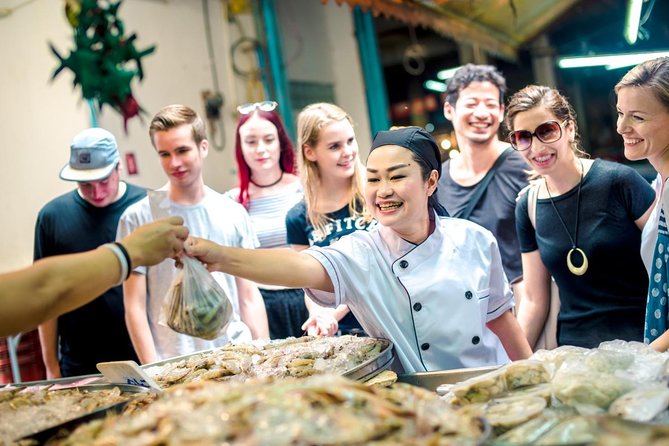
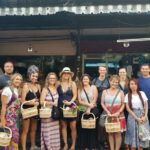
If you book the morning option, you’ll start with a guided visit near Bang Rak Market. This isn’t a random wander. It’s about learning what ingredients look like and what role they play in Thai cooking. You might hear helpful details like the fact that ginger isn’t one single thing—there are variations, and the differences can affect flavor.
This market start makes the kitchen feel more meaningful. When you see produce and aromatics up close first, you understand what you’re grabbing later. It also gives you something to do early in the day beyond just eating your way through Bangkok.
Afternoon class: ingredients already in-house
If you choose the afternoon class, the ingredients are ready for you in the kitchen. That means less walking and more cooking time. It’s a good fit if your morning is packed—temples, river sights, or just the usual Bangkok chaos.
Both options still end with a full meal, but the morning adds context and the afternoon adds convenience.
More time at the wok
The 4-Hour Flow: Cook, Eat, Then Move On
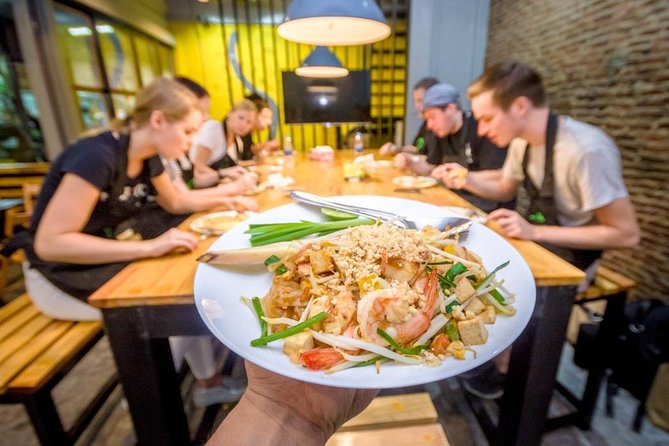
The rhythm of the class is one of its best features. For each dish, you’ll prep and cook it, then eat it immediately in the dining area before moving to the next course. That sounds simple, but it changes everything.
Waiting is the enemy of a cooking class. If you cook for 20 minutes and then eat two hours later, the food can cool and your focus can drift. Here, you taste right away, so you can adjust your understanding as you go. If something tastes too spicy, too salty, or not punchy enough, you’re still in the learning moment.
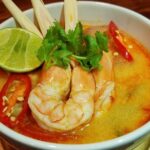
The menu changes daily, but the class includes 5 courses. In some sessions, people have made items like spring rolls, a soup course, chicken dishes, and mango sticky rice. Don’t assume those exact dishes will be on your day, but do expect a mix of classic Thai flavors, not just one “safe” item.
You’ll also likely get practical instruction on:
- how to prep ingredients cleanly
- how to balance sauces, pastes, and spice mixes
- how to manage the right heat so you don’t overcook aromatics or undercook proteins
What You Actually Learn About Thai Flavor
Thai cooking isn’t just about heat. It’s about balance—sweet, salty, sour, and spicy working together in the same bite.
In this class, you get taught the basics that matter at home:
- How spices and spice mixes behave in cooking
- How to think about sauce and paste strength
- How to correct flavor as you cook (not after you’ve plated)
- Why certain aromatics are used together for layering
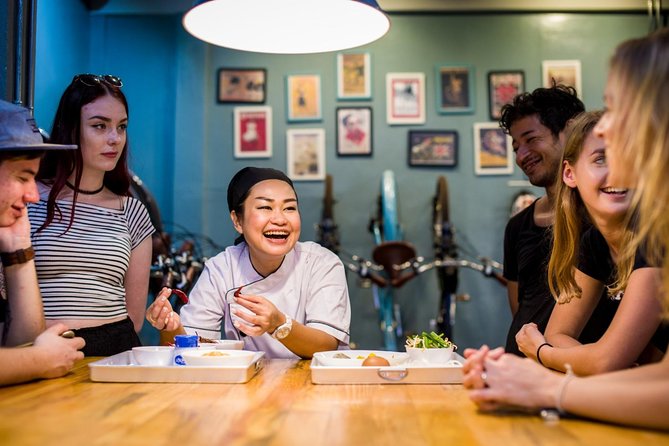
This is where the chef’s teaching style makes a difference. Chef Sarin is known for being organized and informative, while Chef Kimmy is described as entertaining and engaging. Either way, the instruction is built around techniques you can repeat, not vague advice like add more chili and hope for the best.
You’ll also hear tips about cooking with fresh ingredients rather than relying only on ready-made pastes. People specifically called out learning about aromatics like galangal, lemongrass, and kefir leaves, which are huge for authentic Thai flavor.
The Kitchen and Group Experience: Clean, Calm, and Beginner-Friendly
A Thai cooking class can go two ways: either you’re welcomed and coached, or you feel like you’re in the way. Here, the kitchen setup is described as clean and organized, with a professional standard. That matters because Thailand cooking often uses sharp knives and hot pans—so confidence and safety both count.
The chef also does personalized adjustments. One person with vegan needs said the chef asked follow-up questions and offered tips for working around common ingredients. Another theme from the classes is that you can often personalize the spice level, which is a lifesaver if you’re excited about Thai food but don’t want to suffer.
And yes, you’ll eat a lot. Several people mentioned taking food home or feeling like they couldn’t possibly finish it all. That’s usually a sign the portions are generous and the class timing is right.
Diet Restrictions and Custom Menus (Including Vegan)
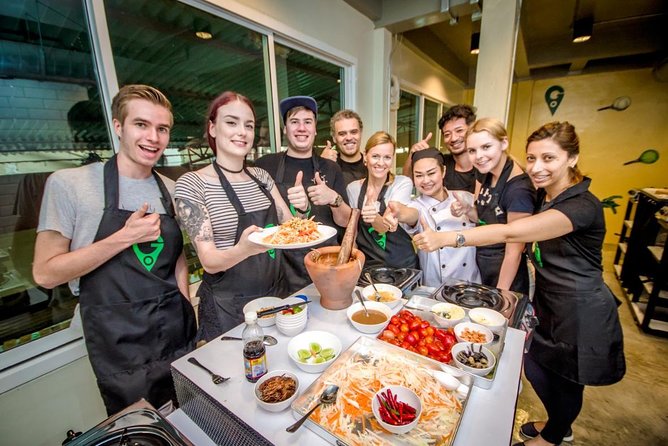
If you have diet restrictions, this is one of the more reassuring options in Bangkok. The class can cater for different restrictions, and you can request customization.
One vegan example from the class experiences: the chef helped accommodate a menu with no fish sauce, egg, or animal products. The teacher also offered advice on how to navigate Thai cuisine with those restrictions.
Two practical takeaways for you:
- Communicate your needs clearly before the class.
- Expect a conversation, not a quick checkbox.
If you’re unsure what’s in common Thai ingredients, ask questions during the class. The chef’s job is to get you cooking something you can actually eat.
Price and Value: Is $44.08 Worth It?
At $44.08 per person for about four hours, you’re paying for more than a meal. You’re paying for instruction, a professional chef, and ingredients plus tastings. You also get 5 courses, bottled water, and the chef’s help from start to finish.
Is that pricey? It’s not bargain-basement. But Bangkok has plenty of cheap eats that don’t teach you anything. This is closer to paying for a skill and a high-quality lunch/dinner package in one go.
Where the value really lands for me:
- You leave with practical technique, not just photos
- You eat what you cook in the same session
- You get a recipe booklet and photos emailed afterward (when delivered as expected)
If you love Thai food and want to recreate it later, you’re buying a head start. If you only want to snack and you don’t care about cooking, then a casual food tour might feel simpler. But for hands-on food lovers, this price usually makes sense.
Where to Go and How to Get There Fast
You’ll meet at Go Bangkok Tours near Bang Rak Market:
69, 2 Soi Charoen Krung 44, Khwaeng Bang Rak, Khet Bang Rak, Krung Thep Maha Nakhon 10500, Thailand.
The location is central, and it’s described as near public transportation. One person noted it’s about a five-minute walk from Saphan Taksin BTS Skytrain station, which can be a big deal if you’re building a tight day.
Practical advice:
- Eat lightly before you go. People strongly suggest not showing up with a full stomach because you’ll cook and eat a lot.
- Wear comfortable shoes. Even the morning market part involves walking.
- Bring a basic power bank if you like taking photos. You’ll likely want to document your dishes.
What You Receive After the Class
This experience includes a recipe booklet and photos emailed afterward. That’s a nice touch because it helps you practice again at home without trying to remember what you did from scratch.
A small caveat: a couple of people reported they never received the recipes by email. If you’re planning to cook from the class soon after you get back home, take notes on the key steps while you’re there, especially for spice balances and key prep details.
Should You Book This Thai Cooking Class in Bangkok?
I’d book it if you want a hands-on way to learn Thai cooking basics in a short time. The structure—cook, eat, repeat—makes the class feel efficient and satisfying. It’s also a solid choice if you’re traveling with beginner skills, because the chefs keep things organized and supportive.
Skip it if you hate cooking and just want to watch, or if you’re extremely sensitive to email follow-up (since a few people didn’t receive recipes as expected). Also consider whether you prefer walking around a market. Morning adds context; afternoon adds convenience.
If you’re the type who likes to return from a trip and cook a meal for friends, this one gives you the tools to do it.
FAQ
What’s the duration of the Thai cooking class in Bangkok?
The class lasts about 4 hours.
Does the class include a market tour?
Yes, if you book the morning class. The afternoon class is in-house with ingredients already prepared.
How many dishes do you cook?
The class includes 5 courses, and you cook and eat each one before moving on to the next.
Can the class accommodate dietary restrictions like vegan needs?
Yes. The class can cater for people with diet restrictions, and you can request specific ingredient needs.
Are alcoholic drinks included?
No. Alcoholic drinks are available to purchase, but they are not included in the price. Drinks are also available to purchase.
Where does the class meet?
Meet at Go Bangkok Tours at 69, 2 Soi Charoen Krung 44, Bang Rak, Bang Rak, Bangkok, 10500. The activity ends back at the meeting point.
Learn Another Thai Dish

More Tour Reviews in Bangkok






Cook It Yourself: Thai Classes
Just In: Fresh Bangkok Reviews




Thai Cooking Classes, compared.
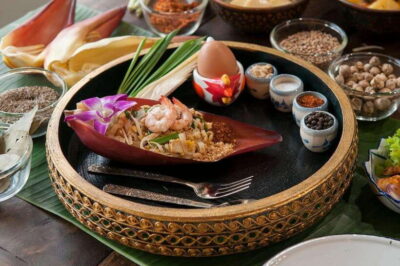 ★ 4.9Hands-on Thai Cooking Class and Market TourFrom $451,614 reviews
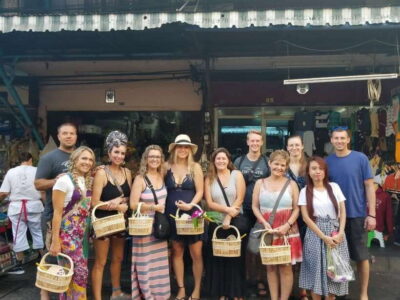 ★ 4.9Tingly Thai Cooking School Half-Day Cooking ClassFrom $411,191 reviews
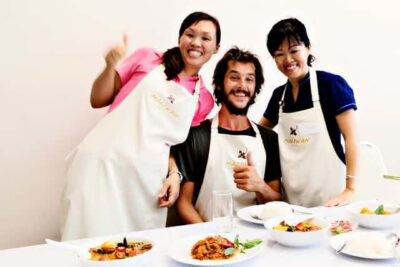 ★ 4.9Maliwan Thai Cooking Class with Market TourFrom $401,133 reviews
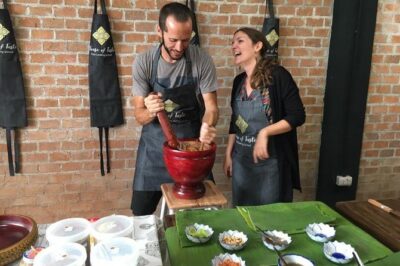 ★ 5.0Hands on Thai Cooking Class and Market TourFrom $45660 reviews
 ★ 5.0Tingly Thai Cooking Class with Morning Market TourFrom $42589 reviews
 ★ 5.0Hands-on Thai Cooking Class & Market Tour in SukhumvitFrom $45571 reviews
 ★ 5.0Pink Chili – Thai Cooking Class and Market Tour in BangkokFrom $38416 reviews
 ★ 5.0Authentic Thai Cooking with the Largest market visit &TukTuk rideFrom $44350 reviews
Browse the lists this tour appears in