
Review · THAI COOKING CLASSES
Thai Cooking Class with Market Visit by Maliwan
Street food starts with shopping.
This small-group Thai cooking class in Bangkok sends you to a local market by tuk-tuk, so you pick ingredients before you cook. I like that it’s not just a meal event: you work at a station, learn the method, and leave with the tools to cook Thai food again later. Plus, you get a small-group setup (max 7), which means less waiting and more direct help from the instructor and assistants.
Two things I especially liked: the market part taught me how Thai cooks actually think about ingredients, not just recipes. And the class really feels hands-on, with instructors such as May/Mae, Matinee, or Mei (names vary by date) guiding you step by step while you cook. One consideration: the market area can be wet and muddy, so wear shoes you don’t mind getting dirty, and plan to arrive on time.
In This Review
- Key Points at a Glance
- Why the Tuk-Tuk Market Visit Changes the Whole Experience
- Your Start at Maliwan: Meet-Up, Timing, and Getting Settled
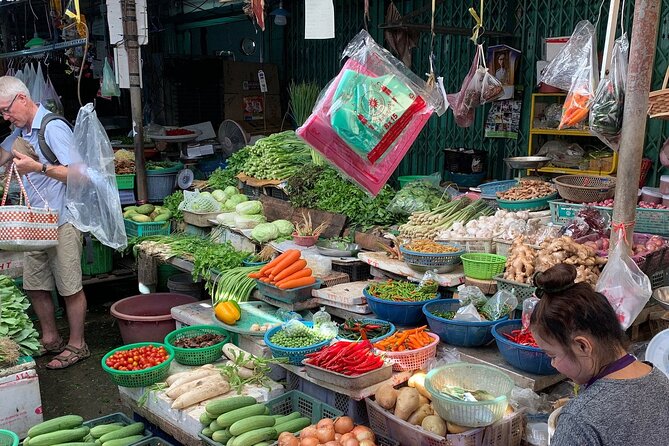
- How the Market Walk Works: Choosing Ingredients That Actually Matter
- Back in the Kitchen: Your Station, the Method, and Flavor Control
- What You’ll Cook: Classic Dishes and a Menu You Can Expect to Change
- Dietary Needs and Allergies: Tell Them Early, Then Expect Real Help
- The Meal, Recipes, and Your Take-Home “Cookbook Brain”
- Price and Value: Why $43.86 Can Feel Like a Deal
- Who Should Book This (and Who Should Skip It)
- FAQ
- FAQ
- Where does the class meet in Bangkok?
- How long is the Thai cooking class?
- What’s the price per person?
- Is hotel pickup included?
- Do I need to bring a ticket?
- Will the menu be the same every day?
- How many people are in the group?
- Is there any minimum age?
- What should I wear to the market?
- Can they accommodate dietary restrictions?
- What’s included in the class fee?
- Should You Book It?
Key Points at a Glance
- Tuk-tuk to a non-touristy market where you choose ingredients before cooking
- Small group size (max 7) for more personal attention at your cook station
- Printed recipes plus an e-certificate so you can recreate dishes later
- Spice and flavor can be adjusted to your taste while you’re cooking
- Dietary requests handled when you tell them early, including vegetarian and allergy cases (when possible)
- Market walking on uneven ground means sturdy closed shoes are a must
Why the Tuk-Tuk Market Visit Changes the Whole Experience
If you’ve ever taken a cooking class and felt like you mostly watched someone else do the cooking, this one is different. The day starts with the market, where you see how ingredients look before they’re chopped into convenience. In Bangkok, that matters. Thai flavor depends on things like sour, salty, sweet, heat, and aromatics, and you can’t really learn that well from a menu photo.
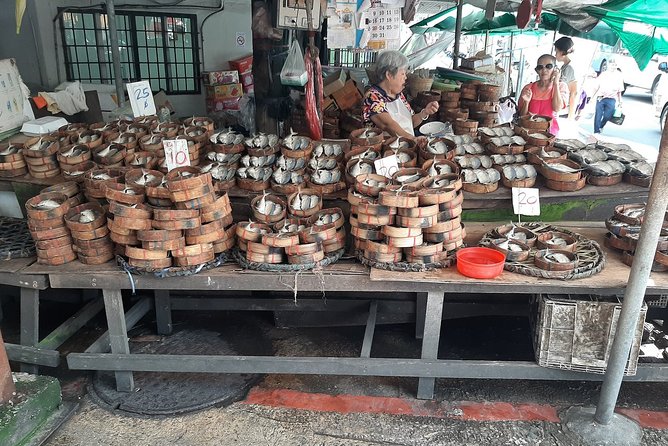
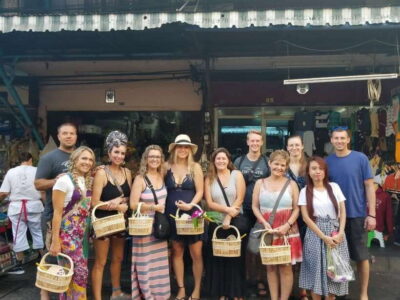
The market visit also gives you a dose of real daily life. You’re not just buying random items; you’re learning why certain ingredients get picked over others. You’ll have time to walk through stalls, compare what’s fresh, and ask questions as you go. A lot of people say this is what makes the class feel cultural, not just culinary.
And yes, the trip there is part of the fun. You’re taken by tuk-tuk from the class meeting point area to the market and back. Short rides in Bangkok can feel like a mini adventure—especially when you’re headed somewhere local instead of another stop designed for visitors.
Aprons on for another Thai kitchen
- Bangkok: Hands-on Thai Cooking Class and Market Tour
★ 4.9 · 1,614 reviews - Bangkok: Tingly Thai Cooking School Half-Day Cooking Class
★ 4.9 · 1,191 reviews - Bangkok: Maliwan Thai Cooking Class with Market Tour
★ 4.9 · 1,133 reviews
Your Start at Maliwan: Meet-Up, Timing, and Getting Settled
You meet at 9 Thanon Sap Sam Hang, Taladyod Khet Phra Nakhon, Krung Thep Maha Nakhon 10200, Thailand. The activity starts and ends back at the meeting point, and there’s no hotel pickup or drop-off. The good news: the meeting area is noted as near public transportation, so you can usually get there without making your day dependent on a taxi.
Timing is worth treating seriously. The class runs about 4 hours, and you also need to plan for Bangkok traffic. One clear rule: arriving an hour late means you’re marked as a no-show. That’s not the kind of problem you want to create on a schedule day.
Bring your phone with your mobile ticket ready. It’s a small thing, but it keeps check-in smooth and stress-free.
How the Market Walk Works: Choosing Ingredients That Actually Matter
Once you arrive at the market, your instructor guides you through what to look for. This is where the class earns its keep. Instead of memorizing a recipe like a checklist, you learn the purpose of ingredients.
Here’s what you should pay attention to during the stalls:
- Aromatics and fresh produce: you’ll see how they’re chosen and prepared for Thai cooking
- Staples and sauces: you get a sense of what’s used often and why certain items pair well together
- What looks good that day: freshness is the point, and Thai cooking is built to work with what’s available
The walking pace is part of the experience. You’ll have time to pick ingredients yourself, which helps it stick in your brain later when you shop at home. Several people also mention they spotted ingredients they’d never seen before, which is a nice reminder that Thai cuisine has plenty beyond the usual tourist shortlist.
Practical note: the market is described as a little wet and muddy, so sturdy closed footwear matters. If you wear sandals, you’re basically volunteering to end the day with wet feet and regret. Closed shoes keep you comfortable so you can focus on learning.
Back in the Kitchen: Your Station, the Method, and Flavor Control
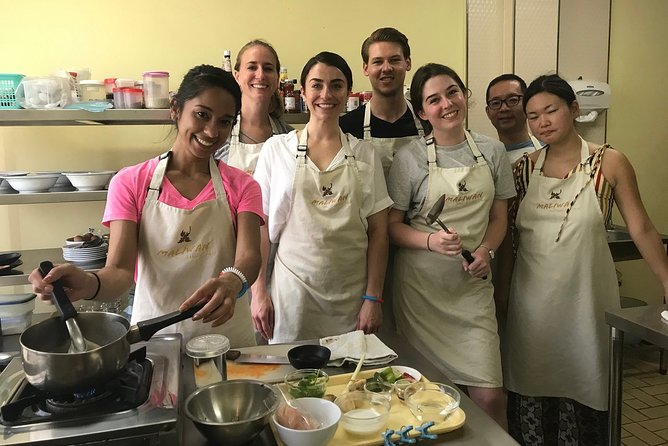
After the market, you cook at the school’s kitchen. Everything is set up for you—ingredients and equipment are handled, so you’re not running around hunting tools while the important part (the cooking) is happening.
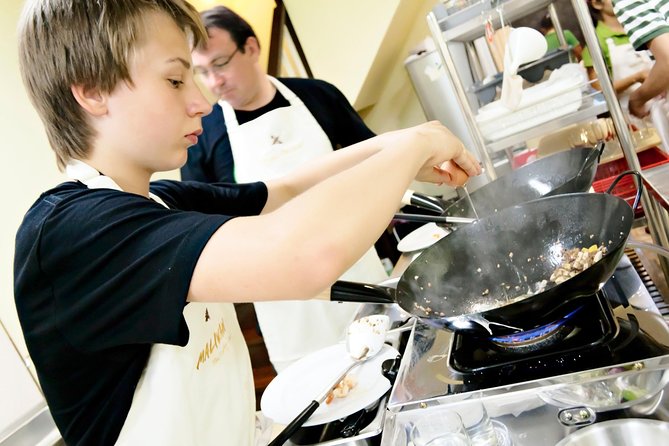
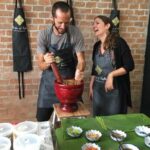
A key detail: you’re cooking at a personal cook station, not standing behind a line of observers. The instructors typically demonstrate first, then you move on to cooking yourself. That structure makes a big difference. You’re learning the steps, but you’re also building muscle memory.
You’ll also get guidance on how to adjust Thai food to your taste. That can mean:
- Spice control, so you can dial heat up or down
- Balancing flavors, so dishes don’t end up too salty, too sour, or too sweet
- Substitutions when needed for dietary preferences (see the next section)
From the way the instruction is described, the vibe isn’t rigid. It feels organized and efficient, but you still get time to ask questions. Assistants help out too, which reduces the “everyone waits while one person figures it out” problem.
One review specifically praised the meal setup in an air-conditioned dining room with a temple view. If that’s the layout on your date, it’s a great way to switch gears from chopping and stirring to actually enjoying what you made.
More markets and shophouse lanes





What You’ll Cook: Classic Dishes and a Menu You Can Expect to Change
The menu is decided by the instructor prior to your date, so don’t plan around a specific dish list. What you can expect is classic Thai recipes and a set of cooking tasks designed to teach you the core Thai flavor patterns.
Even though the exact dishes vary, a common thread shows up: people leave talking about how the food tastes better than they expected. That’s usually a sign the class teaches more than just technique—it teaches how Thai flavors fit together.
Also, you may see that different dates result in different numbers of dishes. Some groups mention cooking four dishes, others mention five, and those differences line up with a menu that changes.
Either way, the real win is that you learn the how, not just the what.
Dietary Needs and Allergies: Tell Them Early, Then Expect Real Help
If you have dietary restrictions, the class can work—as long as you tell them in time. The guidance is clear: inform dietary needs such as vegetarian, vegan, gluten-free, or allergies within 2 hours of booking. Last-minute changes may not be possible.
What you can take from that:
- If you’re vegetarian or need simpler options, there’s a good chance your menu can be adjusted (people mention vegetarian substitutions worked out well).
- If you have allergies, the staff can sometimes help, but you still need to communicate clearly and early.
Since the market shopping is part of the process, the earlier your request, the easier it is for them to buy the right ingredients. Think of it like this: dietary needs aren’t an add-on at the kitchen counter. They affect shopping, ingredient choice, and prep.
The Meal, Recipes, and Your Take-Home “Cookbook Brain”
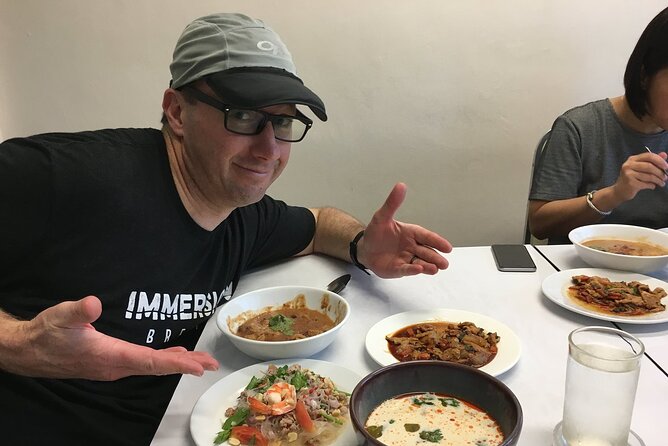
After cooking, you eat what you made. This is included, along with rice serving and a welcome drink at the start. You’ll also get printed recipes so you can recreate the dishes later without guessing.
The best part of the recipe sheets is usually not the writing—it’s that the recipes match what you cooked that day. You’re not trying to translate a random list of ingredients into an actual plan. The class teaches the method first, then the recipe helps you repeat it.
You also receive an e-certificate of completion. It’s not the most important souvenir, but it’s a nice touch and gives you something official to point to when you brag later that you can make Thai food at home.
Price and Value: Why $43.86 Can Feel Like a Deal
At $43.86 per person, this class sits in the “worth it if you’ll actually use it” category. You’re paying for:
- The market visit (transport by tuk-tuk and guided ingredient selection)
- Full tuition and all ingredients and equipment
- Printed recipes you can use later
- A small-group format (max 7) that improves the teaching-to-waiting ratio
If you compare it to paying for Thai food plus a market-style experience separately, you’re basically bundling them. And you’re getting a real skill outcome: you learn the flavor logic, plus you leave with recipes and a memory of buying the ingredients.
One more value point: the class seems highly organized. Several people mention smooth pacing and efficient cooking. That matters because a short class only stays fun if you’re not constantly stuck waiting.
Who Should Book This (and Who Should Skip It)
This class is a great fit if you’re a foodie who wants more than restaurant tasting. It also works well if you like learning by doing. The small group helps with that, especially if you don’t want a crowded cooking theater.
It’s also a solid choice for couples. Since the group is small and the market walk is part of the lesson, you’ll usually feel like you’re sharing a guided day rather than squeezing into a class session.
Consider skipping (or at least asking questions) if:
- You have back or leg problems. The market involves walking and the cooking involves standing at a station.
- You’re looking for a super flexible, late-start schedule. If you miss the time window, you’re out for the class.
- You want hotel pickup. There isn’t one, so plan your own route to the meeting point.
FAQ
FAQ
Where does the class meet in Bangkok?
The meeting point is 9 Thanon Sap Sam Hang, Taladyod Khet Phra Nakhon, Krung Thep Maha Nakhon 10200, Thailand.
How long is the Thai cooking class?
The duration is about 4 hours.
What’s the price per person?
The price is $43.86 per person.
Is hotel pickup included?
No. Hotel pickup and drop-off are not included. You’ll start and end back at the meeting point.
Do I need to bring a ticket?
You’ll use a mobile ticket.
Will the menu be the same every day?
No. The menu is decided by the instructor prior to your date of travel.
How many people are in the group?
The class has a maximum of 7 travelers.
Is there any minimum age?
Yes. The minimum age is 13 years.
What should I wear to the market?
Wear sturdy, closed footwear. The market is described as a little wet and muddy.
Can they accommodate dietary restrictions?
You can request dietary needs like vegetarian, vegan, gluten-free, or allergies, but you must inform them within 2 hours of booking. Last-minute changes may not be possible.
What’s included in the class fee?
Included are the market visit, rice serving, welcome drink, all ingredients and equipment, printed recipes, tuition, and an e-certificate of completion.
Should You Book It?
If you want a Bangkok food experience that actually teaches you something, I’d book this. The market-to-kitchen flow is the selling point: you’re shopping with guidance, then cooking what you chose, then taking home recipes that match the day. The small-group size also helps a lot—less waiting, more real instruction at your station.
Just be honest about one thing: you’ll do some walking in market conditions and you’ll stand to cook. If that fits your day, this is a strong value way to learn classic Thai cooking while getting a real look at local ingredient life.
Pack a Spare Bag

More Tour Reviews in Bangkok



Cook It Yourself: Thai Classes

Just In: Fresh Bangkok Reviews






Thai Cooking Classes, compared.
 ★ 4.9Hands-on Thai Cooking Class and Market TourFrom $451,614 reviews
 ★ 4.9Tingly Thai Cooking School Half-Day Cooking ClassFrom $411,191 reviews
 ★ 4.9Maliwan Thai Cooking Class with Market TourFrom $401,133 reviews
 ★ 5.0Hands on Thai Cooking Class and Market TourFrom $45660 reviews
 ★ 5.0Tingly Thai Cooking Class with Morning Market TourFrom $42589 reviews
 ★ 5.0Hands-on Thai Cooking Class & Market Tour in SukhumvitFrom $45571 reviews
 ★ 5.0Pink Chili – Thai Cooking Class and Market Tour in BangkokFrom $38416 reviews
 ★ 5.0Authentic Thai Cooking with the Largest market visit &TukTuk rideFrom $44350 reviews
Browse the lists this tour appears in